
Not every pup wants a party after sitting or staying. Some dogs learn best with soft words, steady routines, and calm praise.
Knowing which breeds prefer quiet rewards can make training smoother and your bond stronger. Here are twelve that often enjoy a peaceful pat more than loud cheers.
German Shepherd
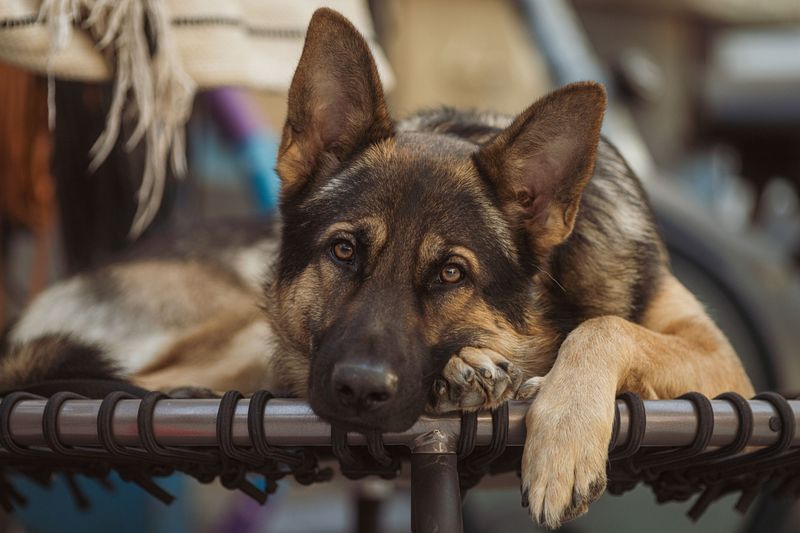
Structured work speaks to this breed. Many German Shepherds respond beautifully to a steady voice, a short marker word like “yes,” and a soft chest rub instead of noisy praise.
Keep sessions crisp and organized, and they will lock in. Use food calmly, not as a big show.
Give clear jobs, like heel or place, and end with quiet success. Mental tasks, puzzles, and scent games satisfy them without hype.
Calm leadership wins.
Rottweiler
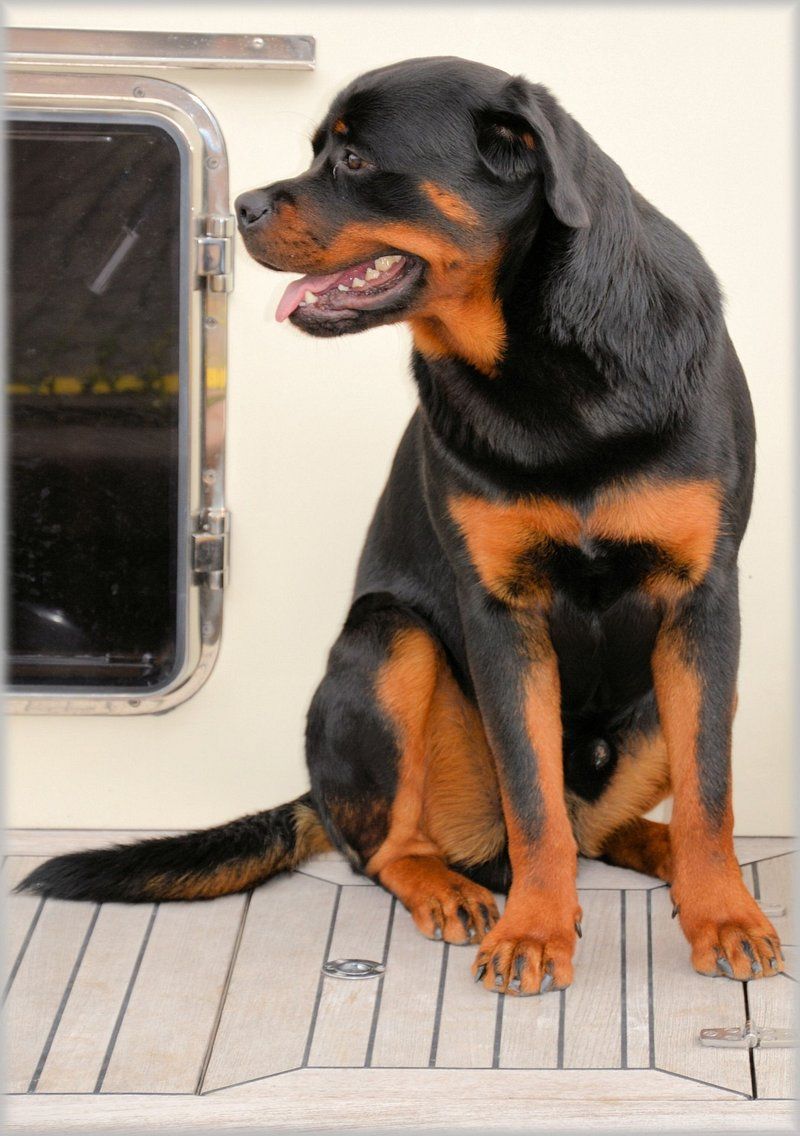
Strong and thoughtful, many Rottweilers prefer steady reassurance over loud clapping. A slow ear rub and a confident, even tone can mean more than fireworks.
Keep training brief, simple, and fair. Clear boundaries help them relax and focus.
Try low-key rewards after controlled tasks like loose-leash walking or a quiet down. Food works, but deliver it gently and predictably.
Too much excitement can spark pushiness, so keep the mood cool and respectful.
Akita
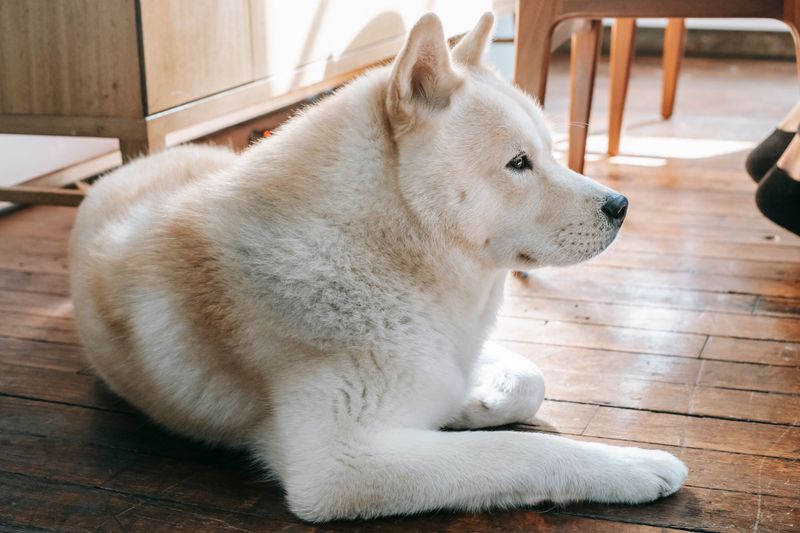
Dignity matters to many Akitas. They tend to respect quiet confidence and clear boundaries, not over-the-top celebration.
Keep instructions short. Pay with a calm treat, a nod, or a gentle touch under the chin.
Short sessions with space between reps work best. Add variety through scent work or a steady place command.
Loud, fast praise can feel pushy, so lean on routine and patience. Let the reward feel like a handshake, not a parade.
Shiba Inu
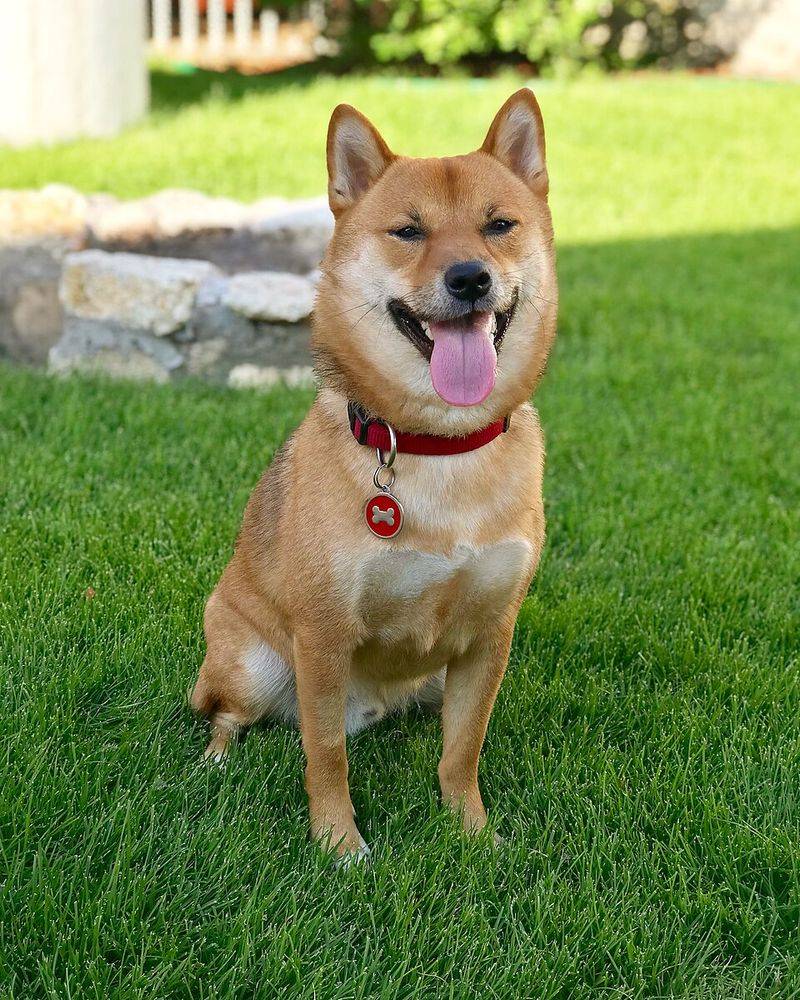
Independent minds need thoughtful handling. Many Shibas tune out big noise but spark with choice-based games and tidy routines.
Use a neutral voice, a quick reward, and end on a win before boredom sets in. Respect personal space.
Hand targets, place mats, and quiet fetch keep focus without hype. Rotate high-value treats sparingly.
Cheerful shouting can backfire, so pair tiny successes with soft praise and a relaxed vibe. Calm predictability earns trust.
Greyhound
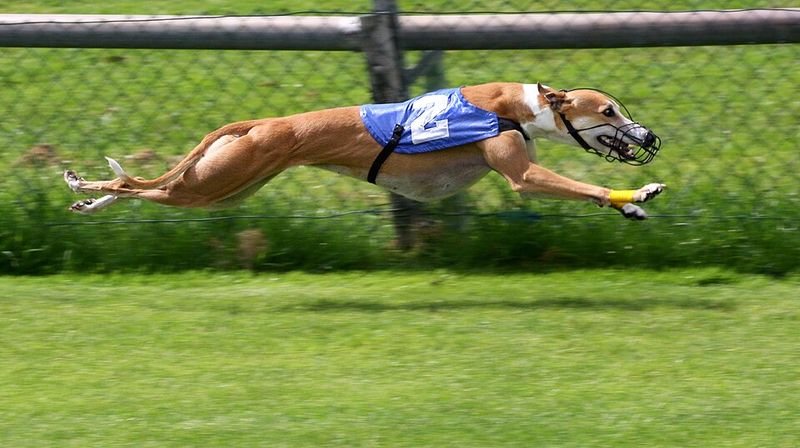
Built for speed, yet many Greyhounds are sensitive souls at home. Gentle strokes and a soft “good” often beat loud cheers.
Keep training short with quiet transitions. Beds, blankets, and comfy rest breaks make learning easier.
Reinforce calm stands and sits with light treats and soothing contact. Avoid crowding or sudden bursts of noise.
A consistent routine, slow movements, and clear body language help them understand without stress. Subtle praise goes a long way.
Scottish Terrier
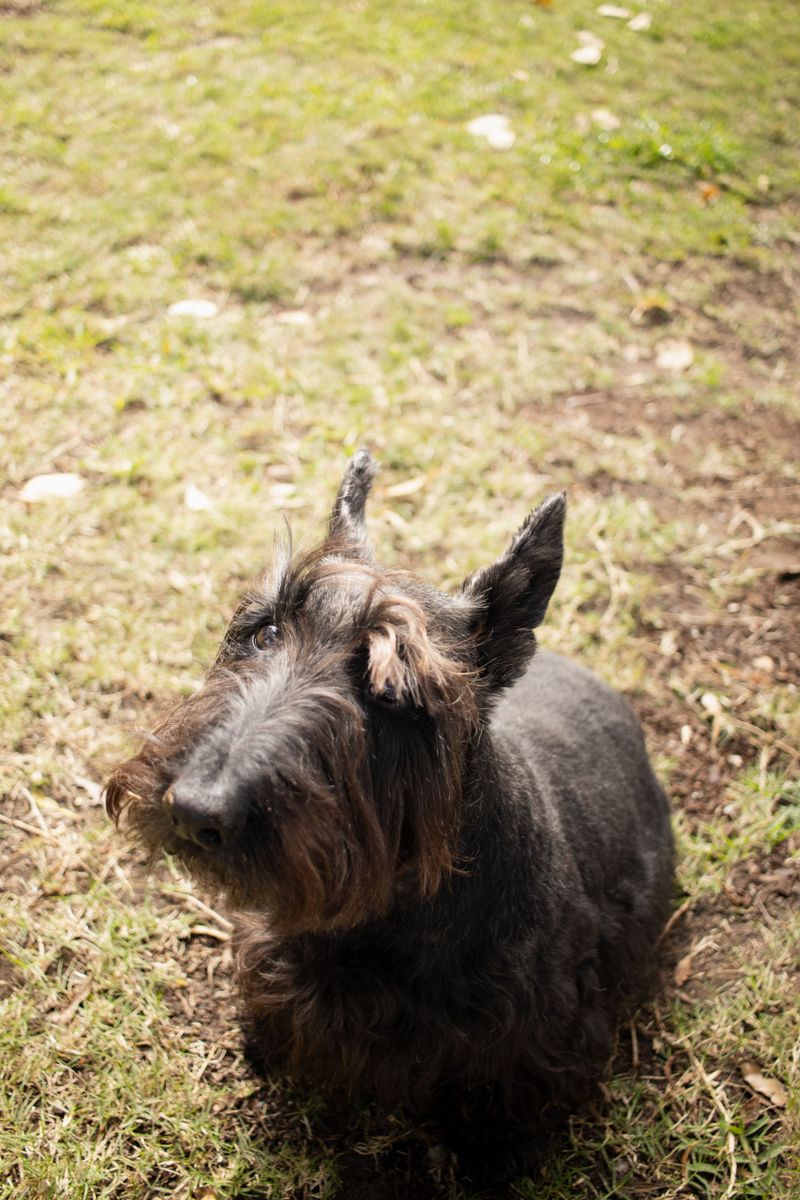
Feisty yet refined, many Scotties appreciate a low-drama lesson. Let them work it out with puzzles and scent searches, then pay quietly.
A crisp marker word and a tiny treat keep momentum without fanfare. Too much fuss can trigger stubbornness.
Use firm, friendly boundaries and short practice bursts. Calm leash work suits their style.
Offer breaks and let them stroll to reset. Respect their pride, and you will see steady progress.
Chow Chow
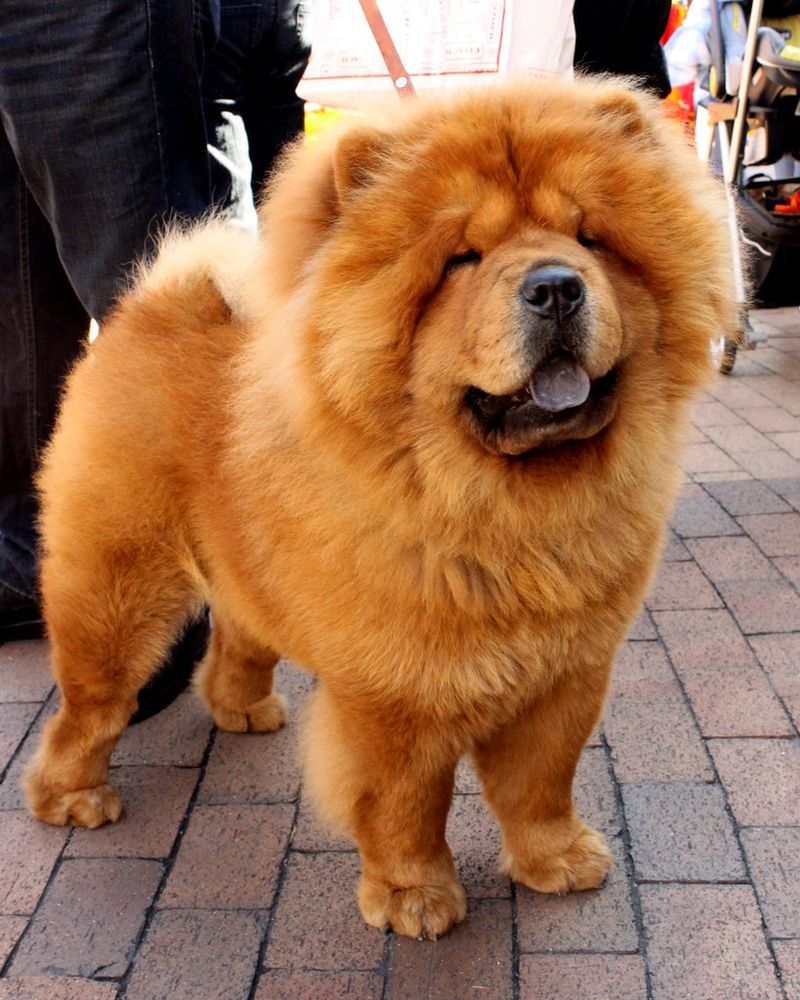
Reserved by nature, many Chows favor gentle, spaced-out rewards. Keep your voice level and your body language calm.
Short, clear commands work best. Deliver treats slowly and avoid crowding their face.
Practice place, stand, and easy heeling with minimal excitement. Grooming sessions can double as rewards if done calmly.
Consistency builds trust far better than noise. Treat respect like a two-way street, and the Chow will meet you in the middle.
Great Pyrenees
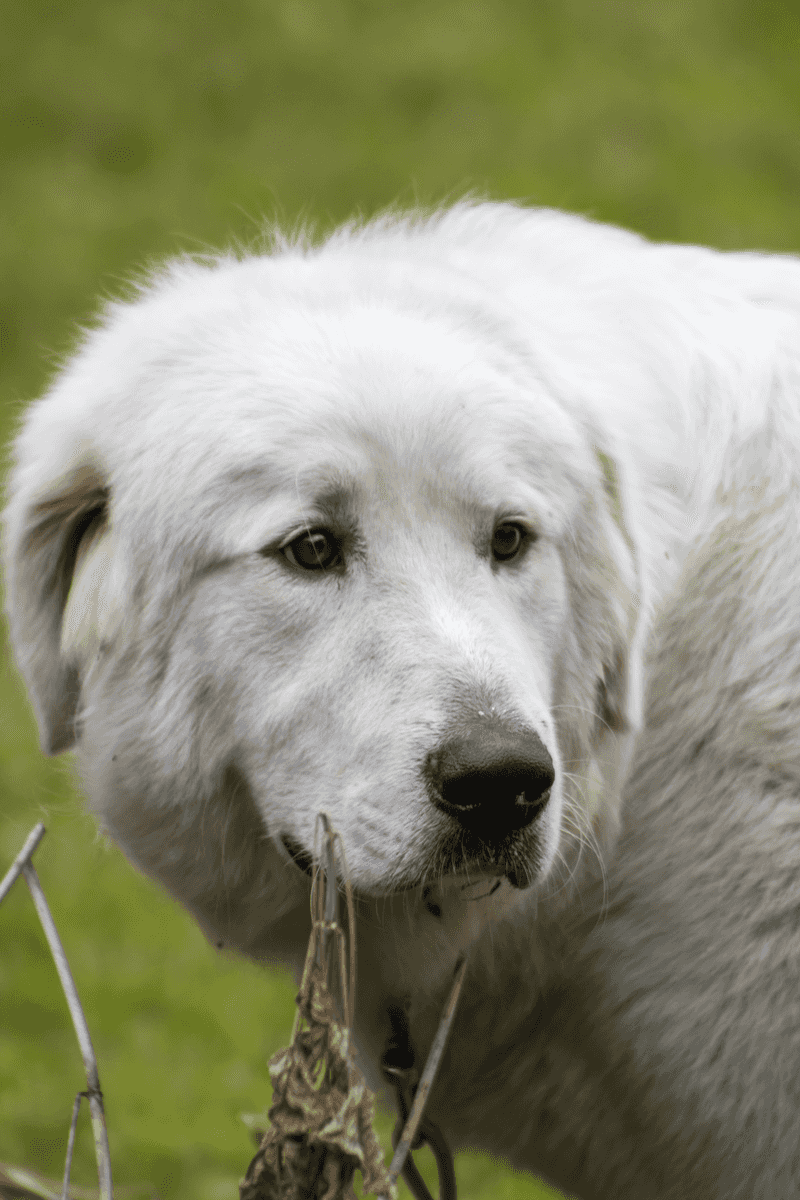
Livestock guardians were bred to think independently. Many Great Pyrenees prefer calm, patient direction over hype.
Use low-pressure sessions with simple goals, then reward with a soft pat and a quiet snack. Loud praise can make them drift away.
Practice solid recalls with long lines in peaceful areas. Add jobs like boundary walks to satisfy purpose.
Gentle persistence, steady schedules, and a relaxed voice will keep this big thinker engaged without fuss.
Rhodesian Ridgeback
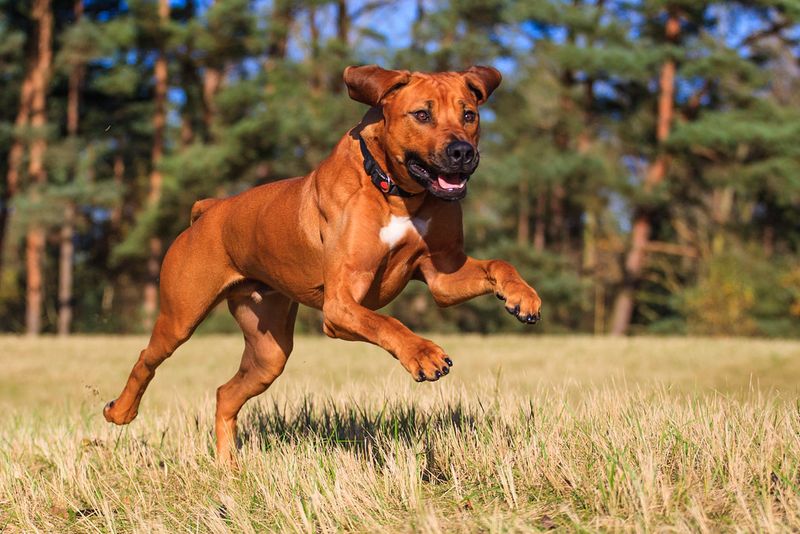
Athletic and thoughtful, many Ridgebacks value composure. Too much excitement can wind them up.
Keep instructions crisp, reward promptly, then move on. A calm shoulder rub and a single treat hit the mark.
Teach impulse control with controlled fetch, place work, and quiet recalls. Rotate environments to challenge the mind without chaos.
Predictable rules and low-key wins build confidence. Save the party for the trail’s end, not every sit.
Standard Schnauzer
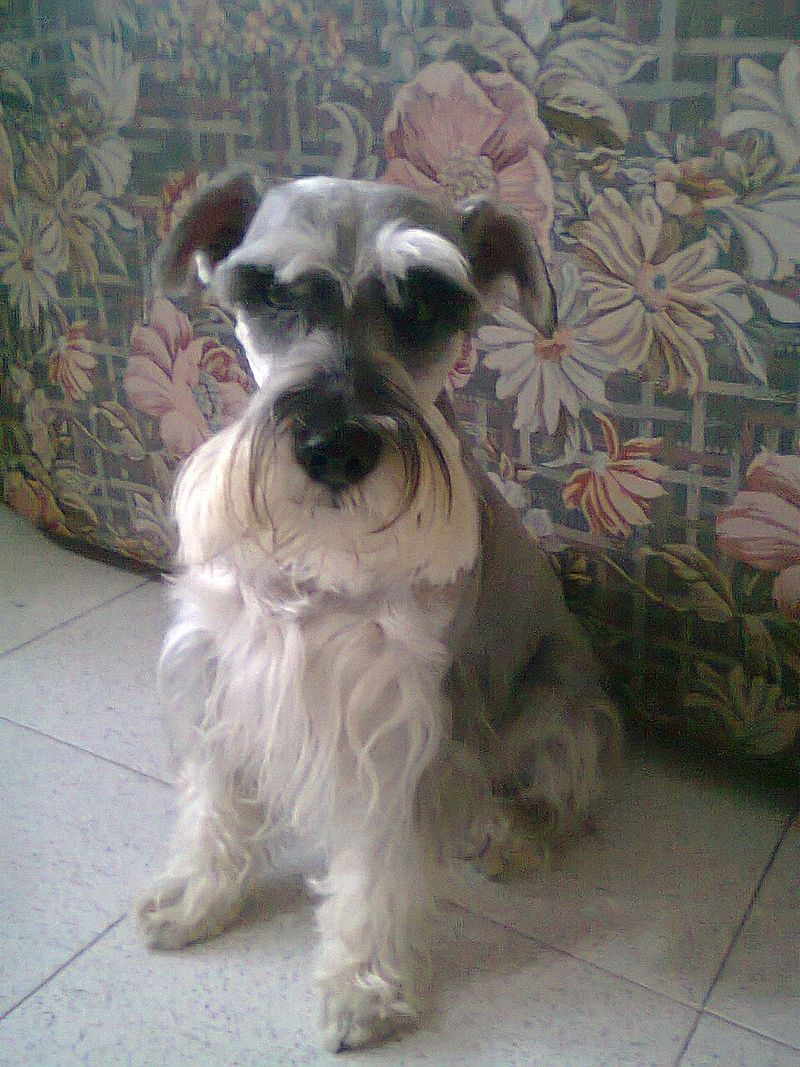
Sharp and curious, Standard Schnauzers shine with brainy games and modest praise. A soft click or marker word plus a tiny reward keeps momentum without overstimulation.
They enjoy purpose and novelty, not noise.
Try shaping tricks, scent boxes, or tidy heeling patterns. Keep your tone friendly and even.
End on a quick success and offer a short sniff break. Steady routines and respectful communication make training feel like a team project.
Borzoi
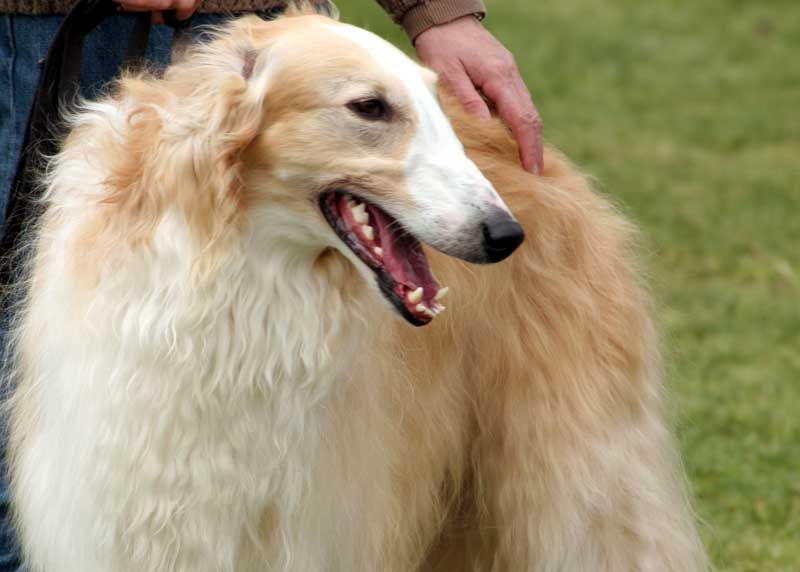
Graceful hounds often prefer soft handling. Many Borzoi respond to smooth movements, a calm voice, and minimal fuss.
Keep sessions quiet with simple lures and clear targets. Reward with a gentle touch and a discreet treat.
They can shut down with pressure, so give space and keep expectations fair. Practice recalls on long lines in calm fields.
Subtle praise fits their style, letting their confidence grow without noise.
Shar-Pei
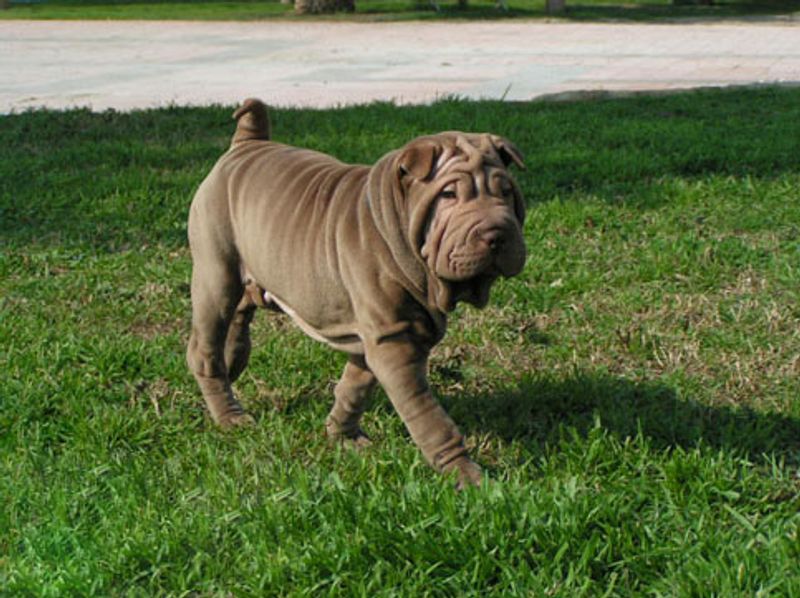
Steady rhythms help many Shar-Pei settle into learning. Loud praise can feel overwhelming, but a slow chin rub and a quiet “good” land perfectly.
Keep lessons short, spaced, and predictable. Use clear signals and avoid crowding.
Focus on calm leash skills, polite greetings, and place work. Rotate easy challenges to build trust without pressure.
Consistency and patience turn small wins into big progress, all without a noisy celebration.