
Many people believe a well-behaved dog just happens if you give it enough love. The truth is that some breeds need clear rules, steady routines, and lots of practice to shine.
Without that structure, even the sweetest pup can start chewing, barking, or ignoring you. Knowing which breeds need extra guidance can help you pick the right dog and set everyone up for a happier life together.
Siberian Husky
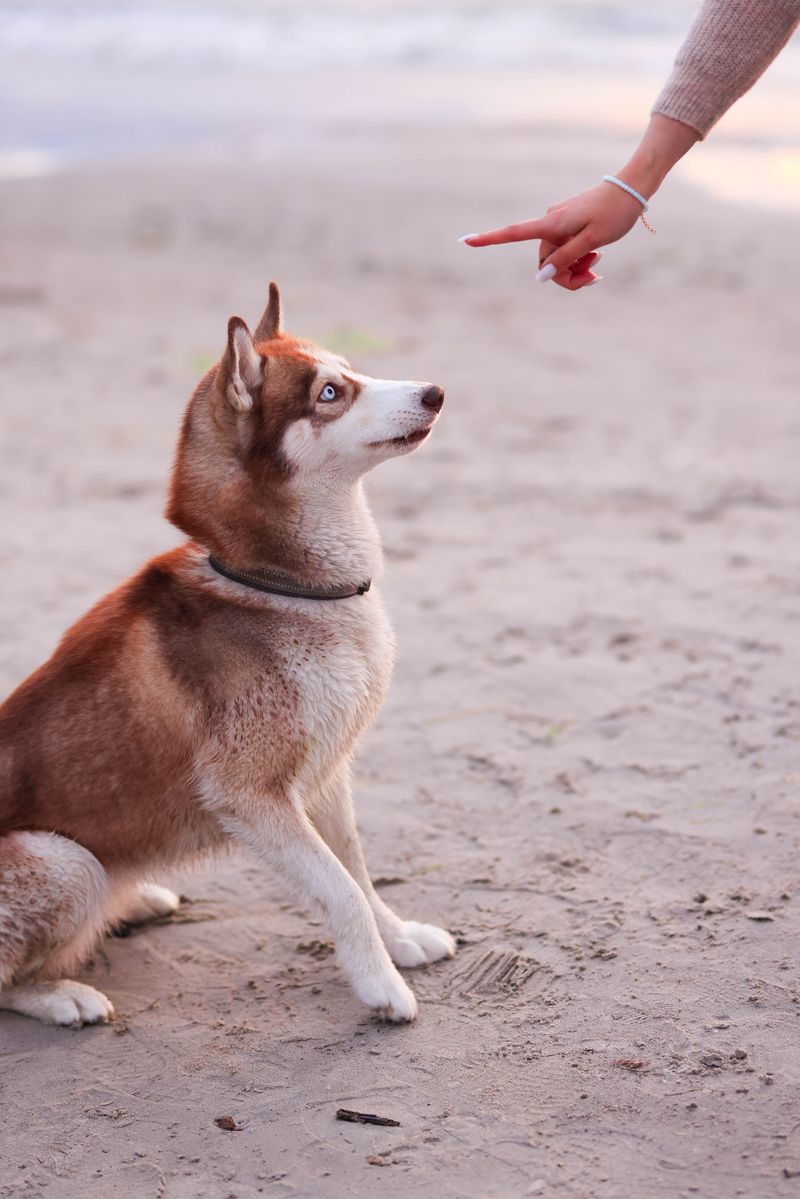
Picture a fluffy escape artist who can dig under fences and open gates. Huskies were bred to pull sleds across Siberia for miles, so they have energy to spare and a mind of their own.
Structure matters here. Daily runs, puzzle toys, and firm recall training help a lot.
Keep the leash on in open areas, because a Husky that spots a squirrel may forget you exist.
Border Collie
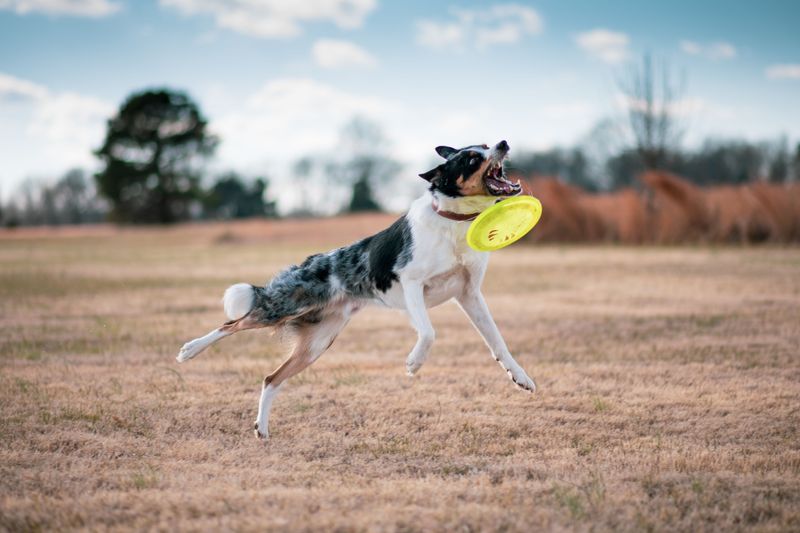
Smart as a whip and twice as fast, the Border Collie is often called the brainiest dog breed. That sounds great until a bored one starts herding your kids or your cat.
Give this dog a job every day. Agility classes, trick training, or fetch with rules work wonders.
A clear schedule keeps that busy mind calm instead of inventing its own chaotic games around the house.
Jack Russell Terrier
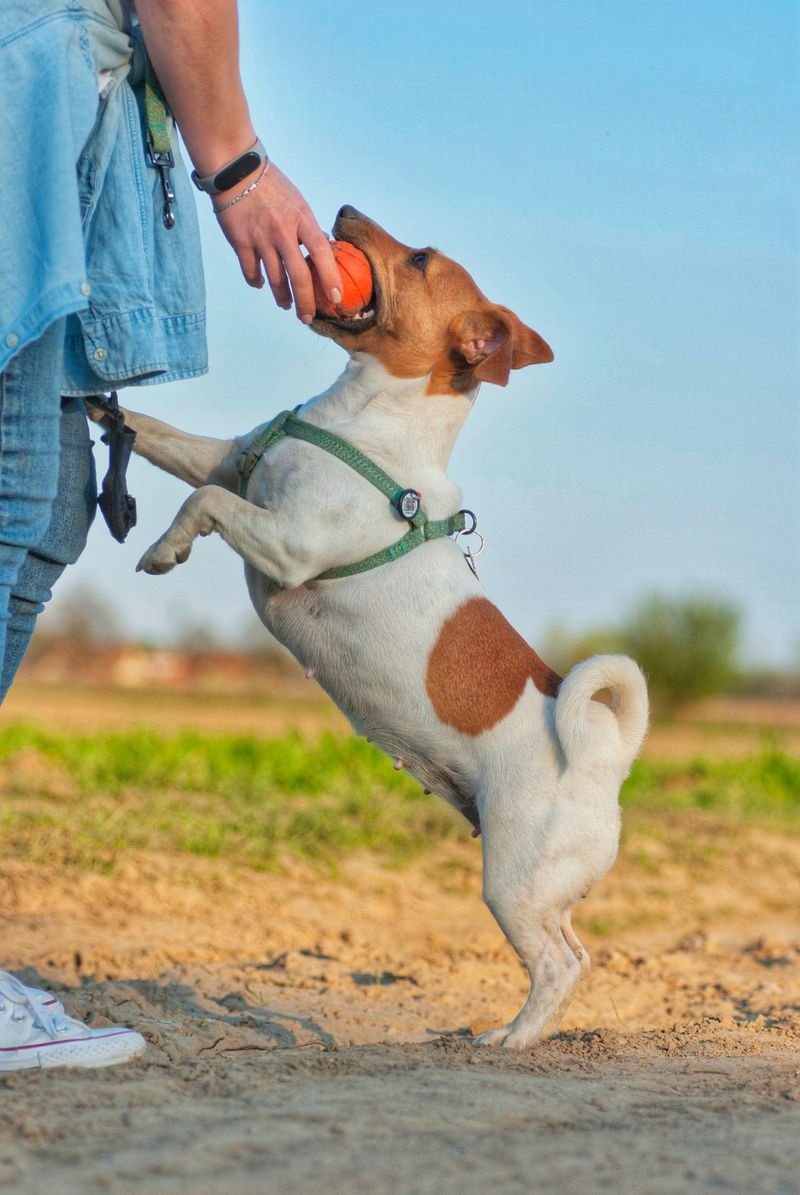
Don’t let the small size fool you. Jack Russells were bred to chase foxes out of their dens, and they still act like tiny bosses with big plans.
Owners often joke that these dogs have springs for legs. Without limits, they bark, dig, and run the household.
Short, fun training sessions and plenty of exercise help. Consistency is key, because a Jack will test every rule you make.
Dalmatian
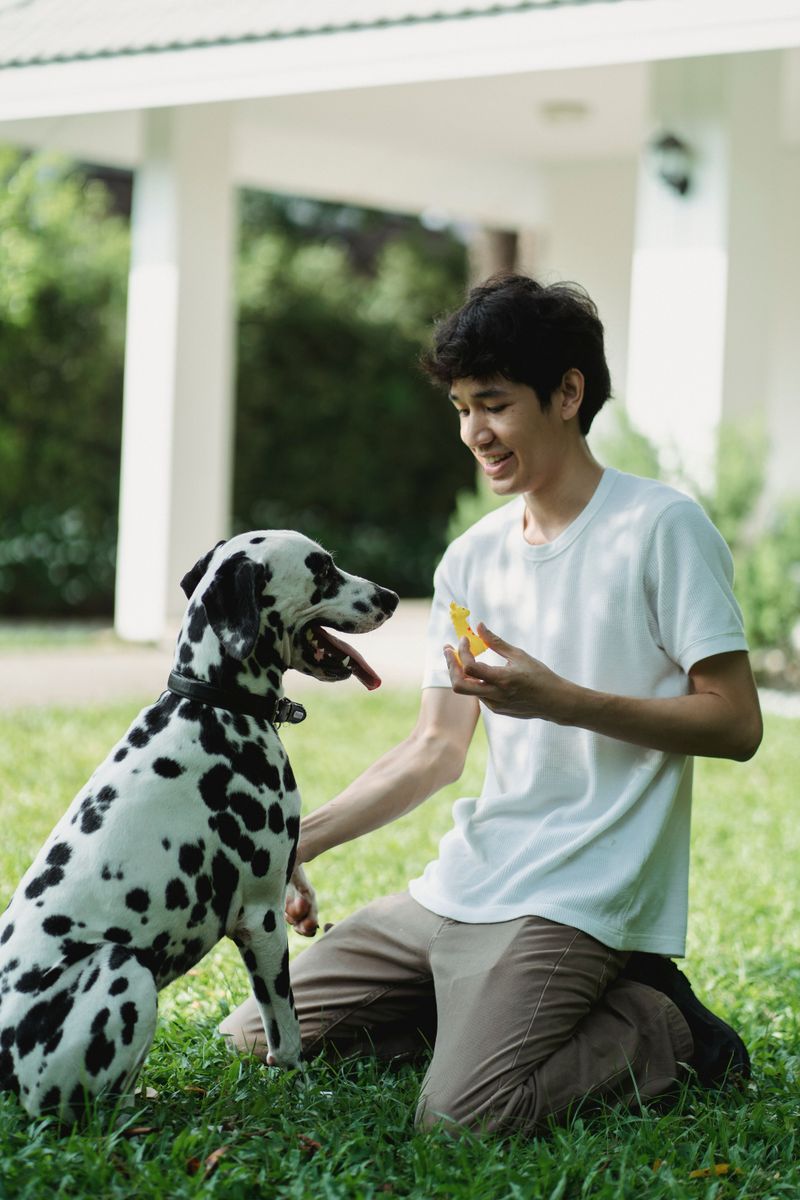
Long ago, Dalmatians ran beside horse-drawn fire wagons, clearing the way and guarding the horses. That history explains their endless stamina.
Many families bring one home after watching a famous movie, then feel surprised by the energy. A Dalmatian left alone too long may get pushy or destructive.
Early socialization, daily jogs, and calm, patient training help this spotted athlete grow into a polite and confident family member.
Beagle
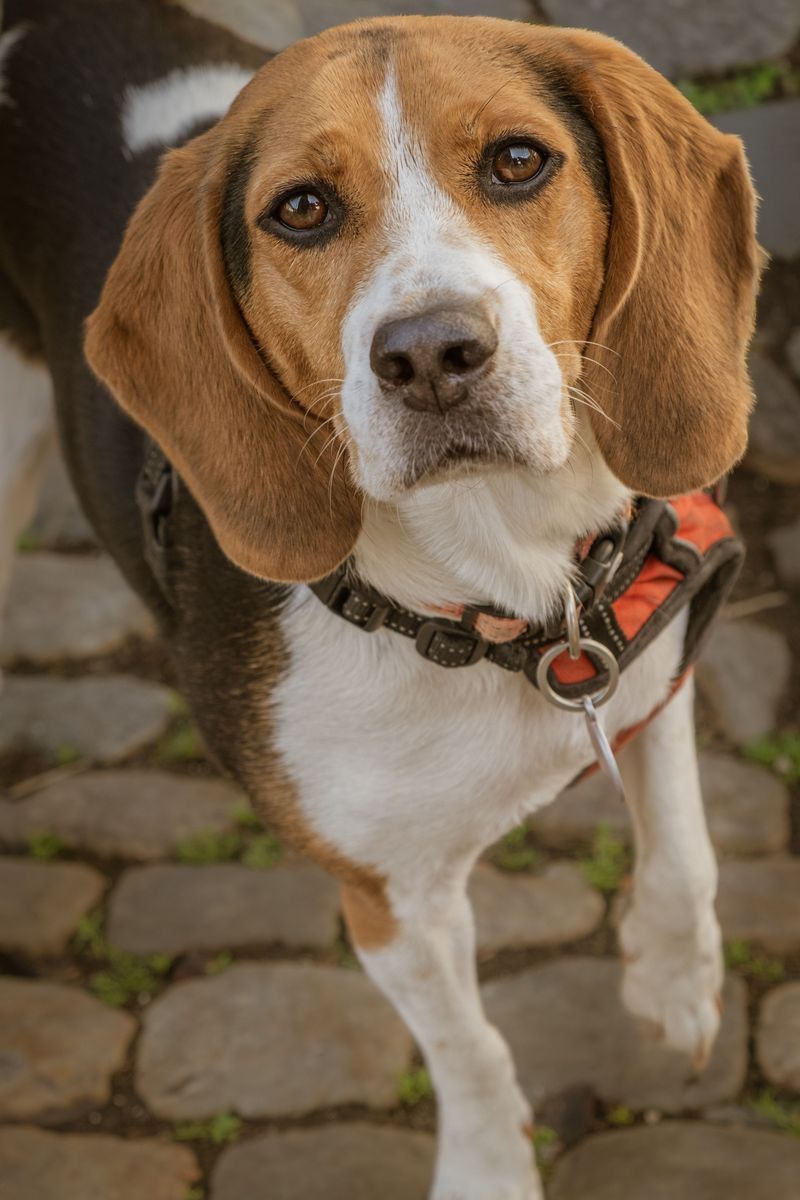
Ever tried calling a dog whose nose has found something better? Welcome to life with a Beagle.
These cheerful hounds were bred to follow scent trails, so they can tune you out completely when a smell grabs them. They also love to howl and raid trash cans.
Use tasty treats in training, secure your garbage, and practice recall often. A steady routine turns a stubborn sniffer into a better listener.
Chow Chow
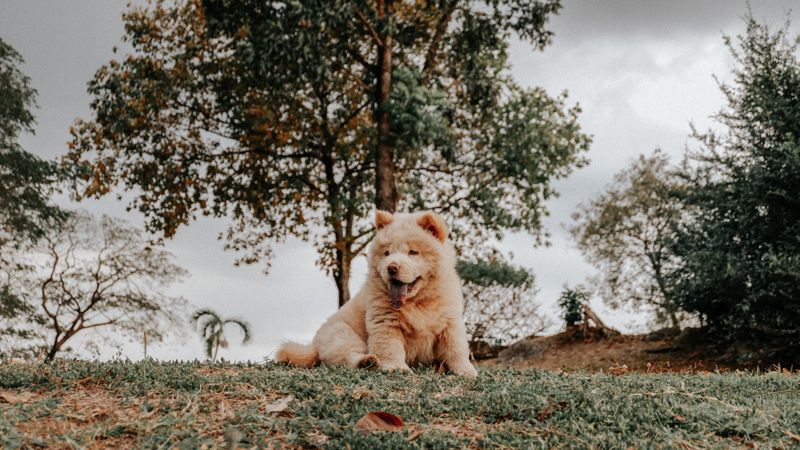
With its lion-like mane and blue-black tongue, the Chow Chow looks like a living teddy bear. Personality-wise, it acts more like a serious cat.
Chows are independent and can be wary of strangers. Skipping early socialization may lead to guarding or grumpy behavior.
Introduce new people, sounds, and places while your Chow is young. Calm, respectful training works better than harsh words with this proud, dignified breed.
Belgian Malinois
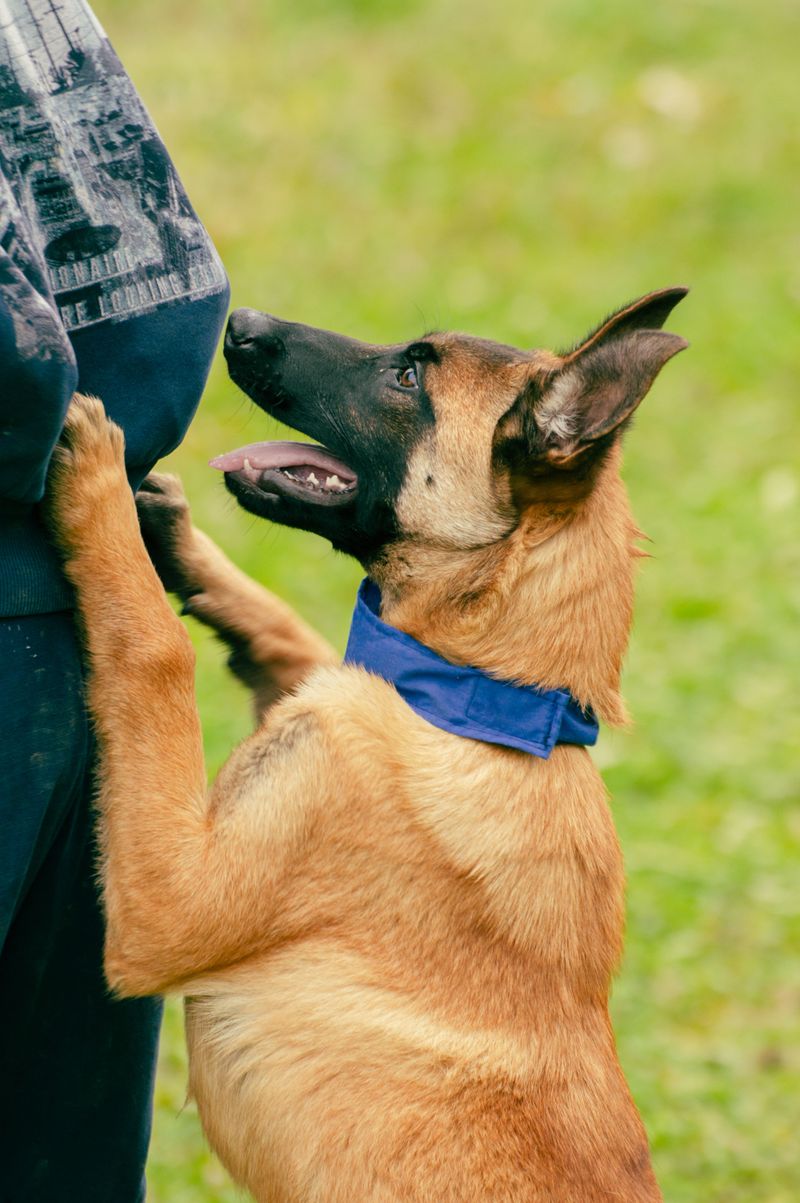
Police and military teams around the world choose the Malinois for a reason. This dog is focused, tireless, and incredibly driven.
In a regular home, that drive needs somewhere to go. Without hard work and clear leadership, a Malinois may chew walls or nip at moving feet.
Honestly, this breed suits experienced owners best. Think daily training, advanced obedience, and sports like scent work to keep things balanced.
Australian Shepherd
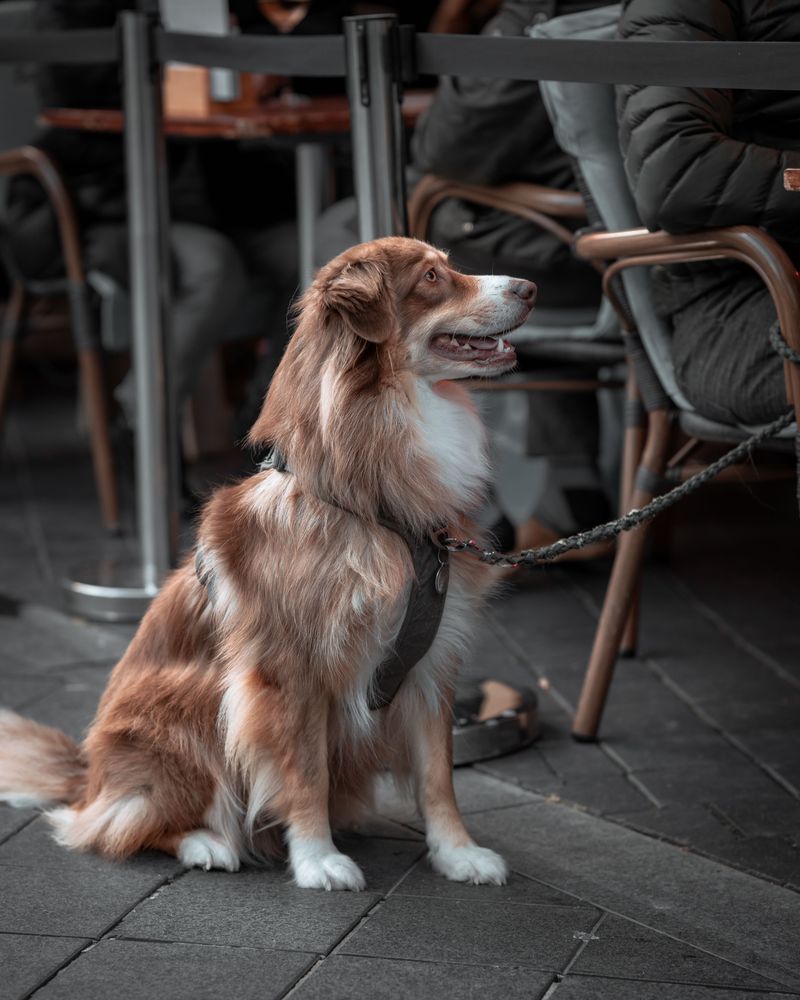
Fun fact: despite the name, Australian Shepherds were mostly developed on ranches in the American West. Cowboys loved them for working cattle all day.
Aussies are loyal and loving, yet they get restless fast. Bored ones might nip heels, spin in circles, or bark at everything.
Give them structure through daily exercise and brain games. Herding classes or frisbee sessions are a fantastic outlet for all that ranch energy.
Shiba Inu
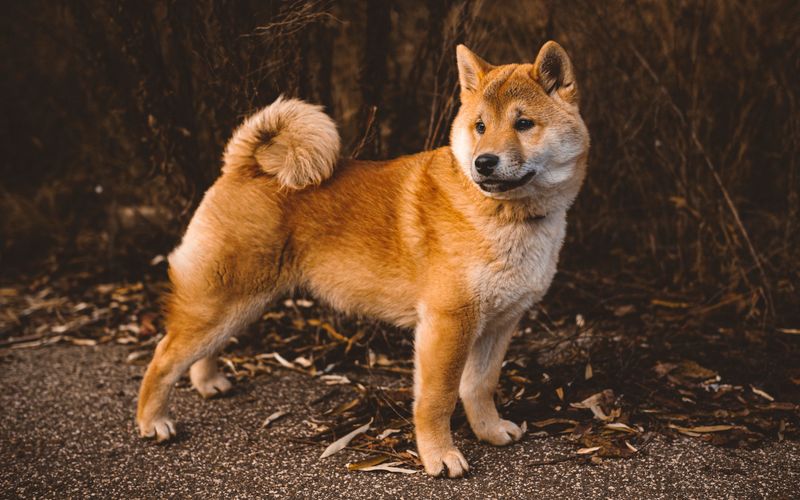
Meet the internet’s favorite sassy dog. Shiba Inus come from Japan, where they once hunted small game in mountain brush.
They are clean and quiet, almost catlike, but they also love doing things their own way. Some even let out a loud scream called the Shiba scream when unhappy.
Patience pays off. Handle paws and ears early, reward good choices, and never trust a Shiba off leash.
Weimaraner
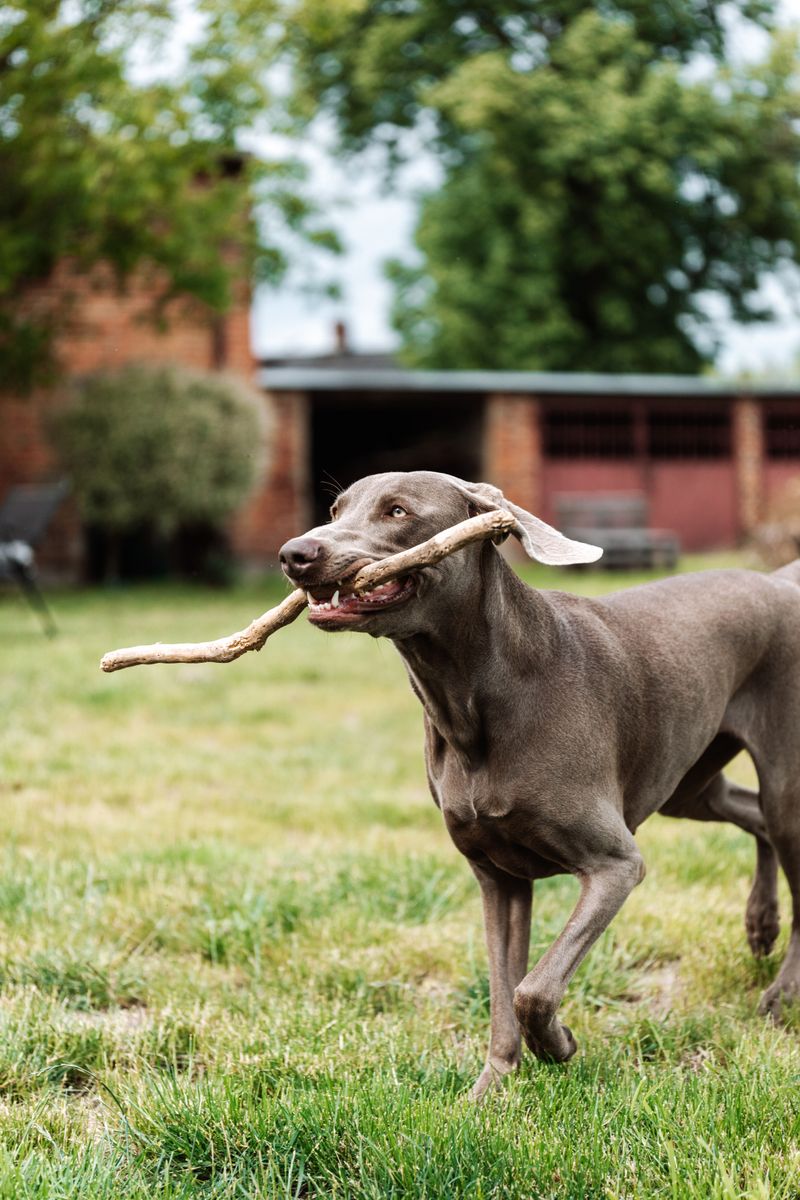
Nicknamed the gray ghost, the Weimaraner was bred by German nobles to hunt large game. Today it is more likely to follow you from room to room.
That clingy streak can turn into separation anxiety. Left alone, some chew furniture or howl for hours.
Teach short alone times early and build up slowly. Long walks, crate training, and a predictable daily rhythm help this velvety shadow feel safe and settled.
Dachshund
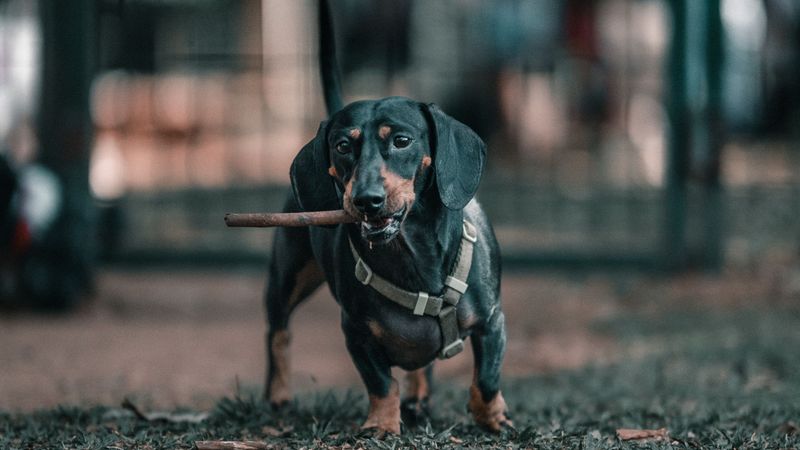
Short legs, huge attitude. Dachshunds were created in Germany to chase badgers into tunnels, which took real bravery and stubbornness.
That fearless spirit lives on. Many doxies bark at the mailman, guard their toys, and resist potty training longer than expected.
Stick to a set bathroom schedule and praise every success. Gentle boundaries, like keeping them off high furniture to protect their backs, help these little hot dogs thrive.