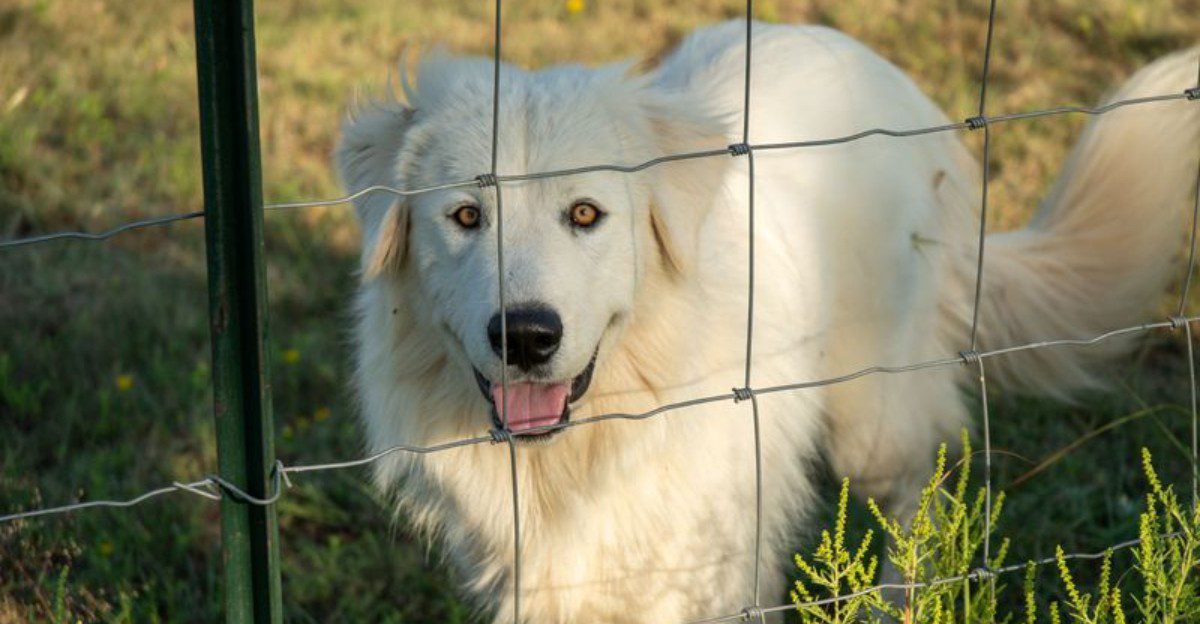
Some dogs do not chase attention, even when you ignore them. Certain breeds are proud, focused, or busy with their own work.
Knowing which dogs have an independent streak can save you stress and help your training. Learn how to guide these strong-minded pups with respect, fun, and smart routines.
Shiba Inu
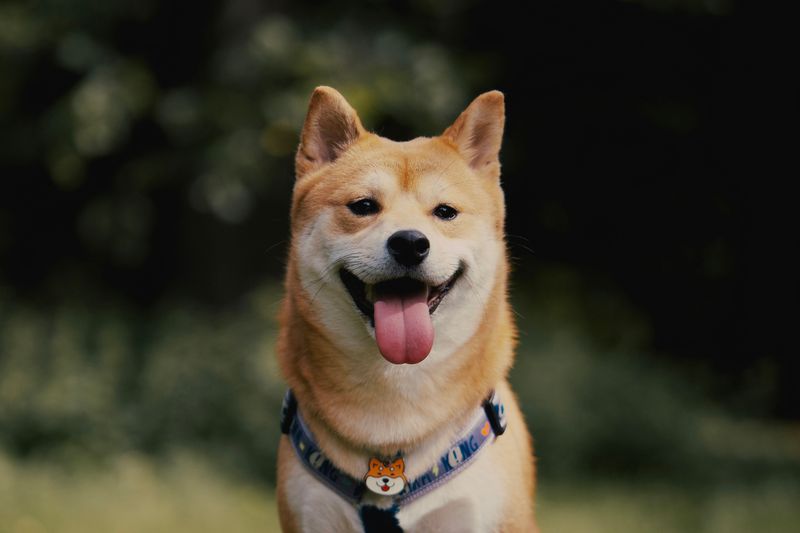
Fox-like eyes seem to smirk when a Shiba Inu decides your silent treatment is a challenge. Many act like tiny mountain royalty, calm and tidy, yet stubborn to the core.
Skip the mind games. Offer structured walks, puzzle toys, and short training bursts with high-value treats.
Respect personal space, keep sessions upbeat, and end while the dog still wants more.
Grooming routines teach cooperation and build trust. Start slowly, reward calm, and pause early, often.
Akita
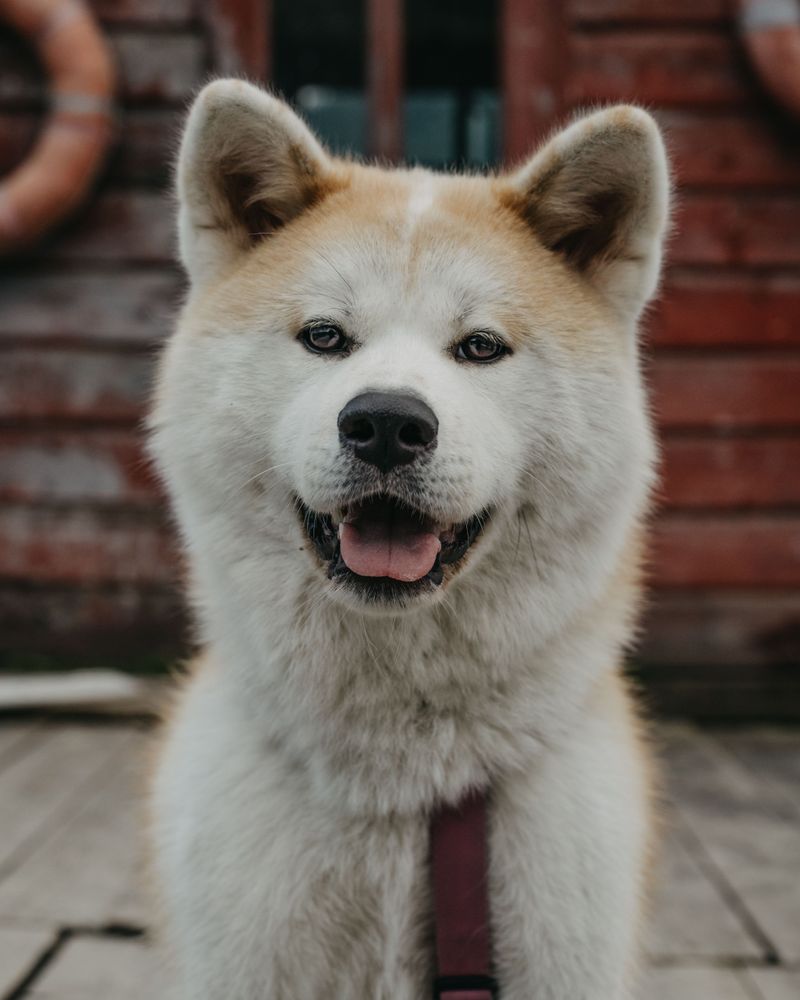
Quiet strength fills the room when an Akita decides your antics are beneath notice. They were bred to guard, so they watch first and act later.
Trade teasing for steady routines. Use clear rules, hand-feeding sessions, and calm praise to earn respect.
Keep training short, confident, and consistent, then offer a peaceful place to rest.
Early social time and good boundaries prevent power struggles. Invite choices, like sit or down, to channel that bold mind.
Chow Chow
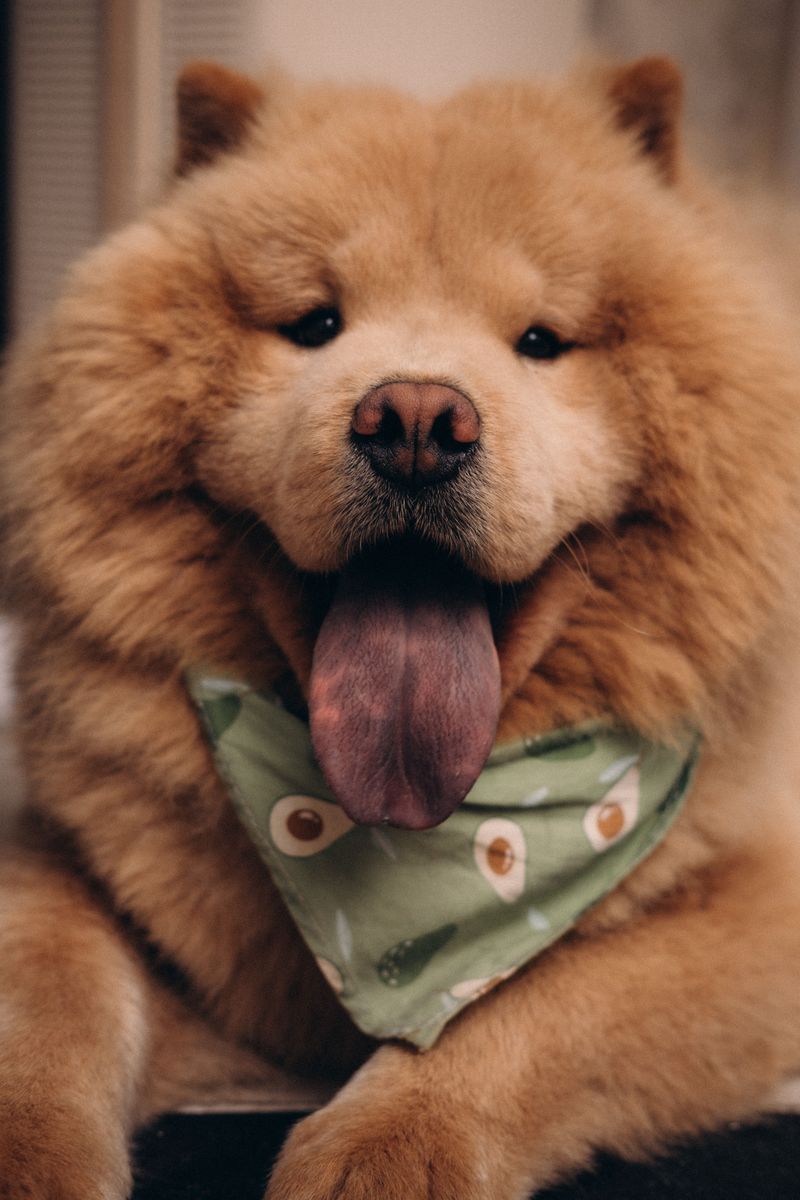
A blue tongue and a lion ruff hide a very private soul. Chow Chows value dignity and may ignore drama like a seasoned librarian.
Gentle structure works best. Ask for simple tasks before meals, reward eye contact, and keep greetings low-key.
Use slow brushing sessions to teach patience and to reduce reactivity.
Crowded parks can overwhelm, so choose quiet paths and predictable routines. Offer consent cues, like brushing starts only after a nose boop, signal.
Dachshund
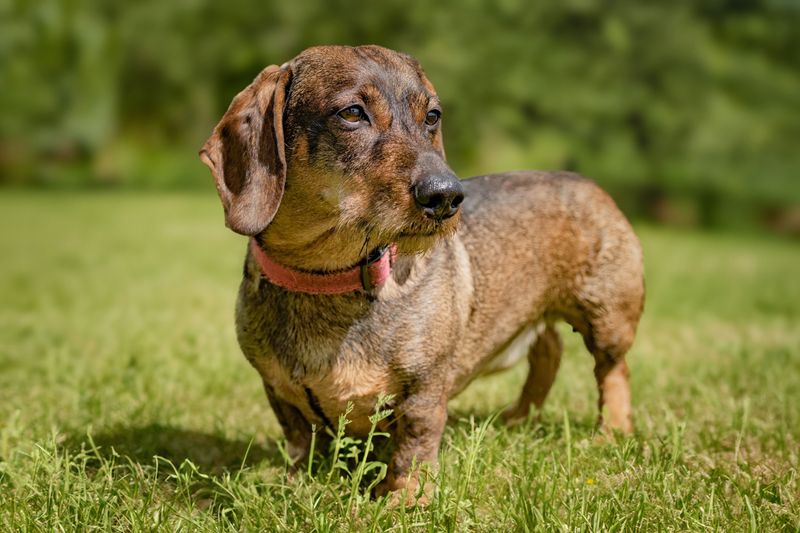
Tiny legs, giant opinions. Dachshunds were bred to hunt badgers, which explains the bold, nose-first attitude.
Ignoring one usually sparks a stubborn standoff. Make games of recall with squeaky toys, pair sits with sniff breaks, and rotate chews to keep boredom away.
Keep training light, funny, and fair.
Backs are delicate, so use ramps and limit jumping, especially from couches. Nose work classes scratch the hunting itch while building better focus, with calm, steady rewards.
Scottish Terrier
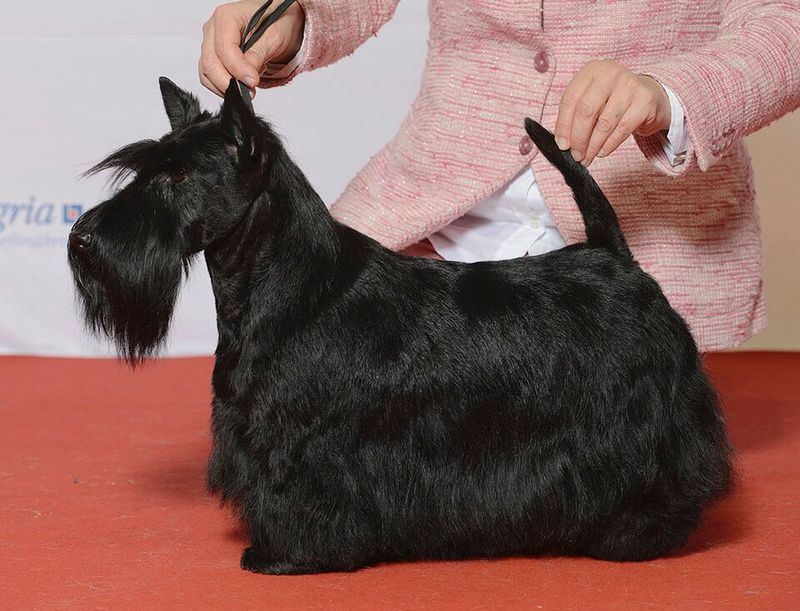
Beard twitching like a detective, the Scottie reads a room fast. Independent thinking came from hunting quietly without guidance.
Silence rarely wins here. Trade it for clear cues, food puzzles, and brisk walks that include sniffing stops.
Praise brave curiosity, but keep rules steady to avoid sass.
Short grooming sessions with a slicker brush double as bonding time. Teach a chin rest on your palm for cooperative care and calmer vet visits, down time practice.
Siberian Husky
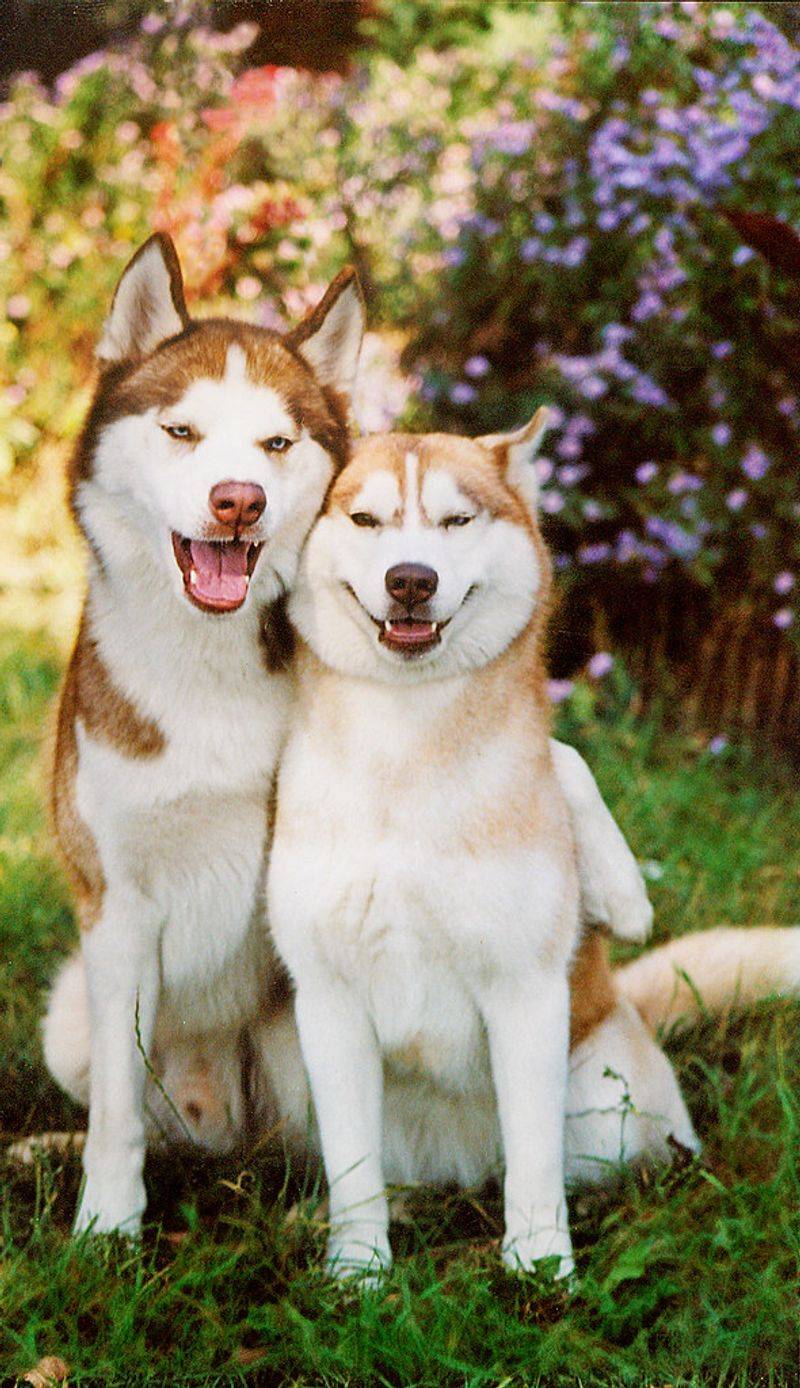
The sled dog grin says it all. Huskies are marathon communicators who may sing instead of obey.
Turn that energy into jobs. Try canicross, flirt pole games, and structured fetch with release cues.
Rotate high-protein meals and brain games to prevent mischief fueled by boredom.
Consistency matters, so avoid repeating cues and reward quick responses. Secure fences and long lines protect the chase instinct while you build engagement.
Cold hikes also take the edge off.
Basenji
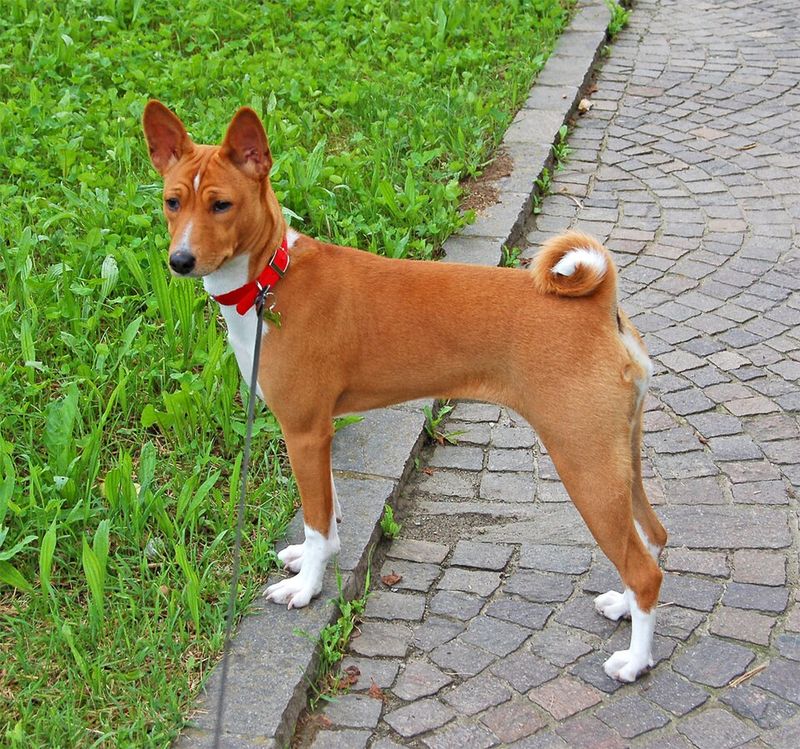
Silence is their trick. The Basenji yodels, yet often treats nagging like background noise.
Think in puzzles. Scatter feed in the yard, teach target touches, and play chase-for-treats with a clear start word.
Keep sessions brief and upbeat, then allow quiet time to reset.
Fun fact, this breed helped African hunters by sight and speed, not by barking. Use line walks and lure courses to meet those needs without losing manners, daily focused play chunks.
Great Pyrenees
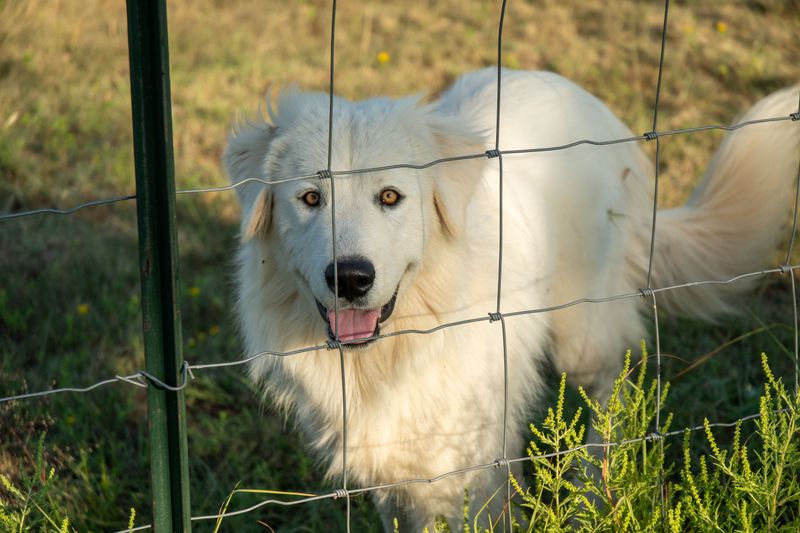
Night watchman by instinct, the Pyrenees listens to faraway sounds more than your sighs. Calm, confident, and very independent.
Work with that purpose. Give fence checks as chores, practice boundary walks, and use a deep voice for key cues.
Reward relaxed scanning, then guide back to you without fuss.
Thick coats need regular brushing to prevent mats and to reduce heat stress. Schedule calm crate time so guests can enter without noisy debate, at doors.
Afghan Hound
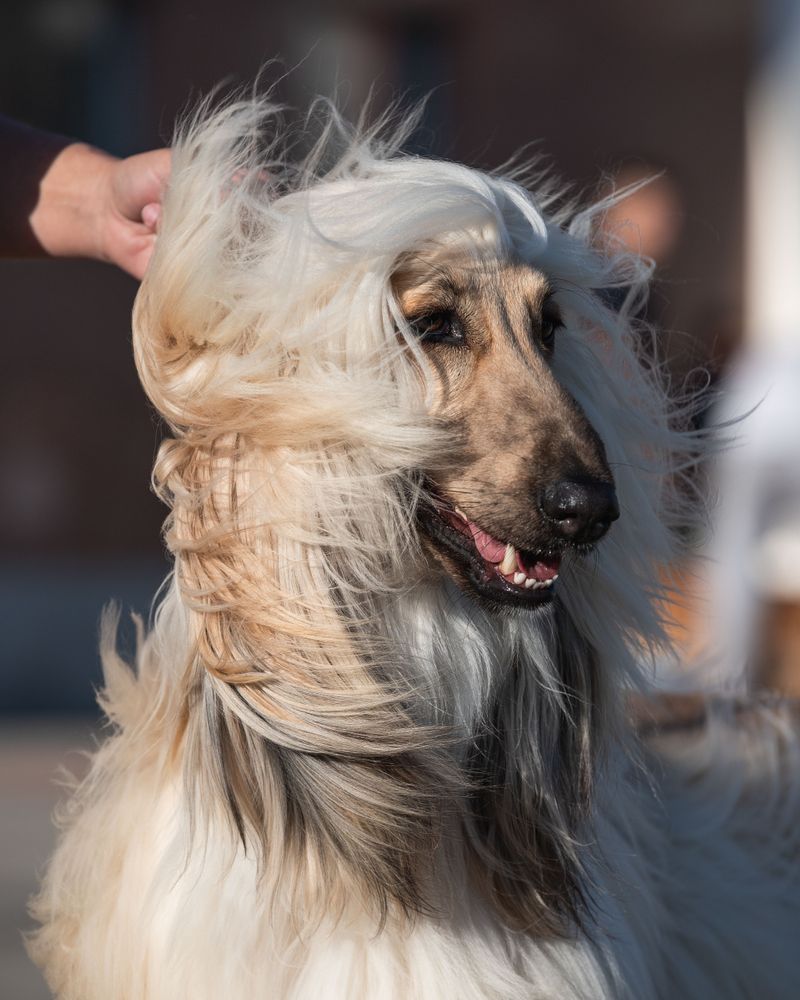
Glam hair, cool gaze. The Afghan Hound moves like art and often treats pleading like wind.
Confidence grows with choice. Offer recall from a long line, trade sits for freedom, and let them stretch out in safe fields.
Use gentle combing sessions to pair touch with rewards.
History points to desert coursing, so fair expectations keep training friendly. Build focus with moving targets, like flirt poles, instead of long sits.
Reward elegant turns and check-ins.
Lhasa Apso
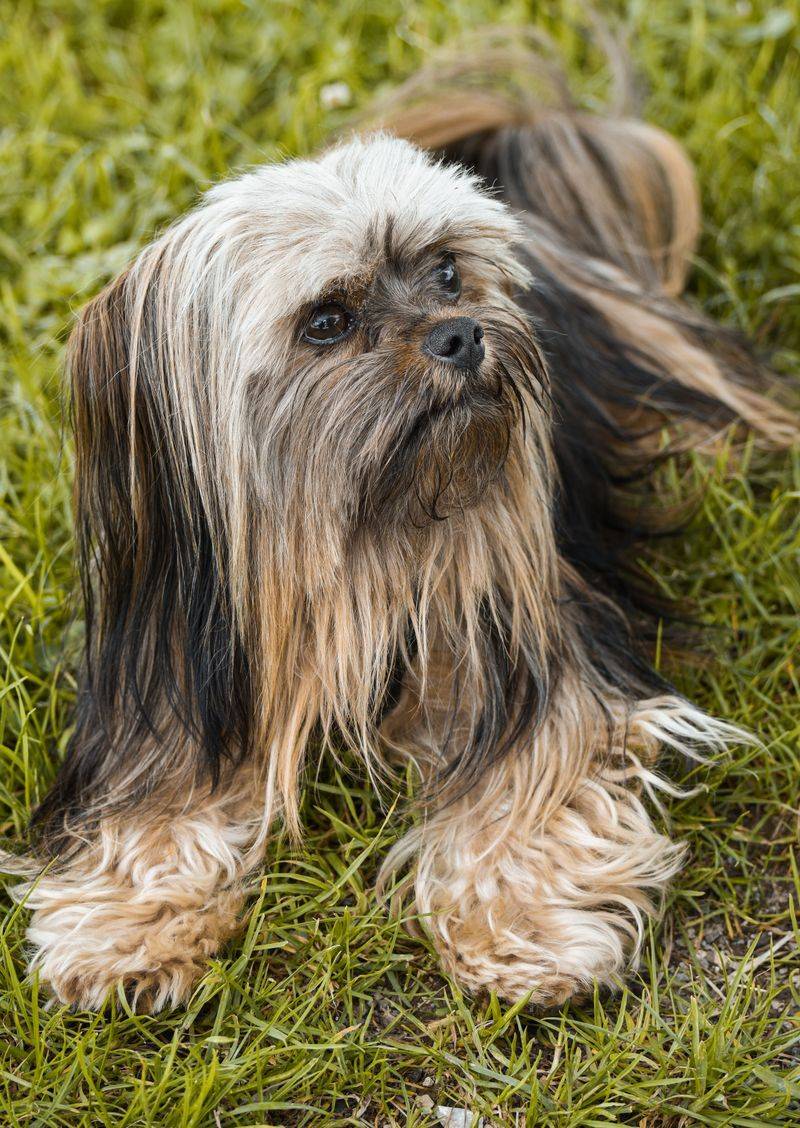
Temple guardian roots run deep. A Lhasa Apso may choose to observe before offering attention.
Skip the stare contest. Teach hand targets, follow-me games in hallways, and short place training near you.
Pay with soft treats and gentle praise, then let them step away when finished.
Daily combing around eyes builds trust and keeps vision clear for better communication. Provide quiet perches so they can supervise without pressure from busy rooms, during family evenings too.
Alaskan Malamute
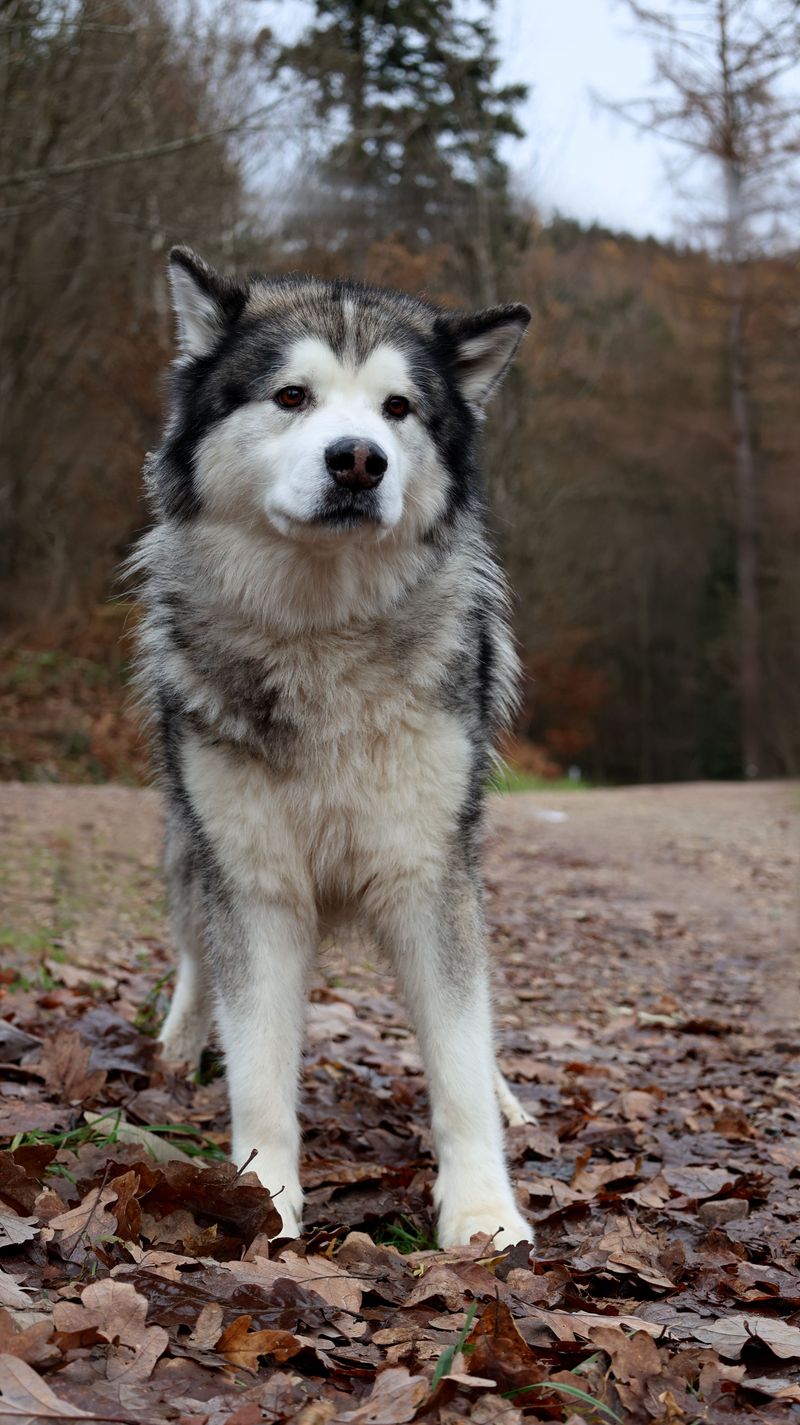
Built like a freight train, the Malamute often smiles at commands and does what the job requires. Social, mighty, and stubborn.
Channel power into teamwork. Pull a scooter, drag a weighted harness carefully, and teach steady pacing with a metronome beat.
Feed brains with scent trails and obstacle courses.
Firm rules plus affection prevent rude barging while keeping the bond bright. Use deep pressure mats after exercise to settle that big engine, before supper time.
Shar-Pei
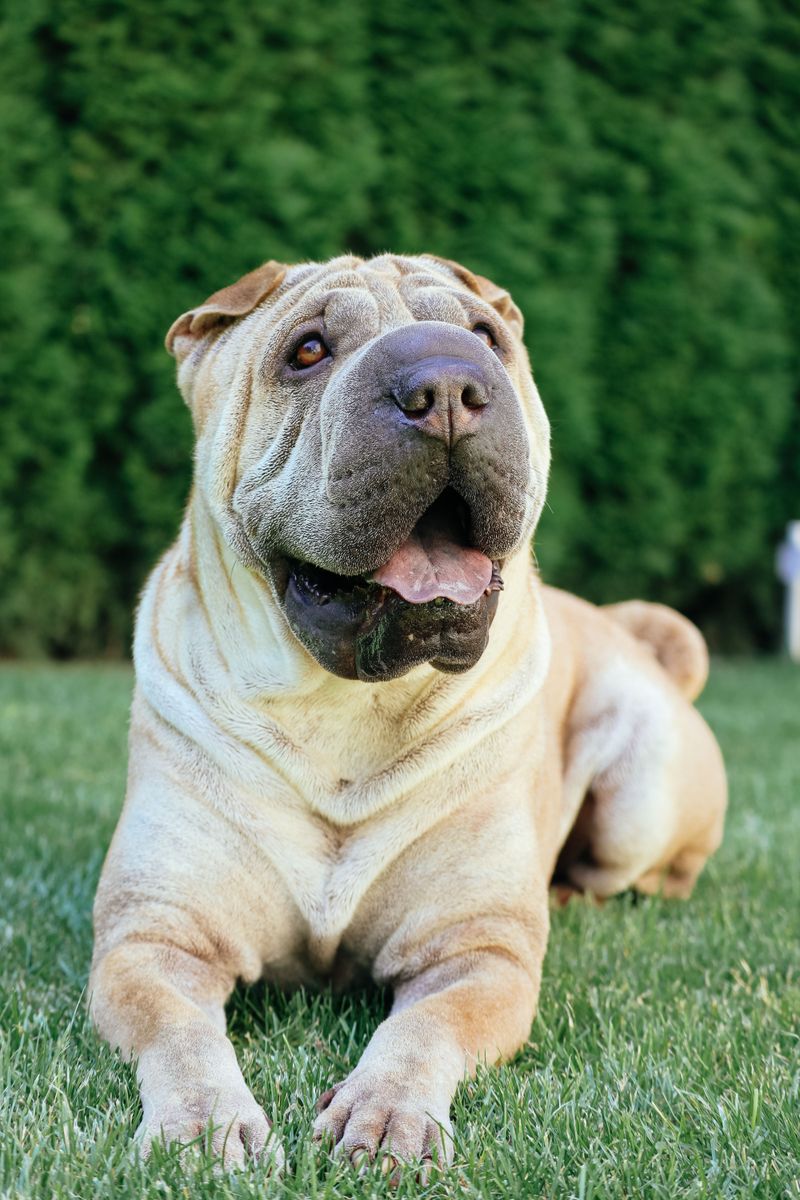
Wrinkles suggest softness, yet a Shar-Pei can be skeptical of fuss. Quiet, thoughtful, and very loyal to routine.
Games of patience win. Ask for a stand on a mat, reward calm stillness, and practice loose-leash turns in quiet spaces.
Keep greetings short, then let them choose distance.
Skin needs careful care, so rinse thoroughly after baths and dry every fold. Early handling classes, paired with treats, build trust without nagging or noise, during vet checks.