Puppies often act like tiny comedians with zoomies and floppy ears. But some breeds grow up to be very different from how they start.
Knowing what changes to expect helps you train wisely and build a better bond. Here are breeds that often switch gears as they mature, surprising even experienced owners.
Golden Retriever – the late bloomer
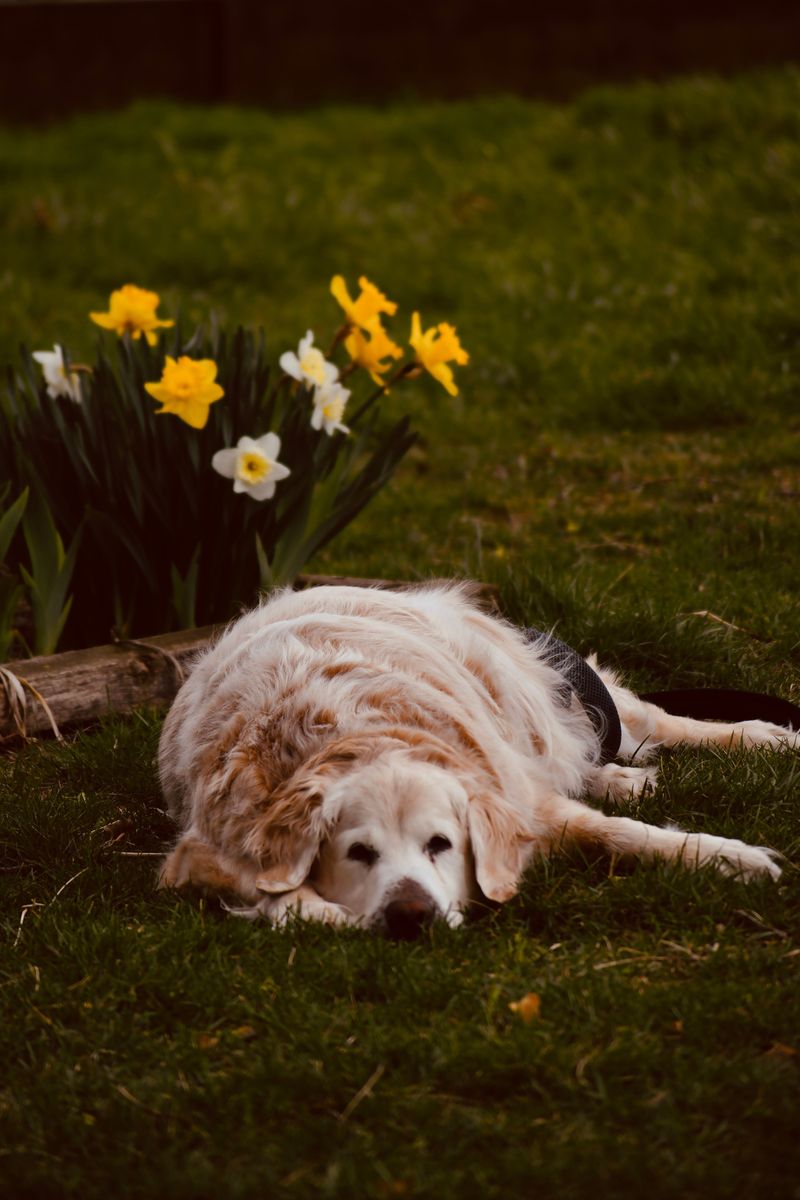
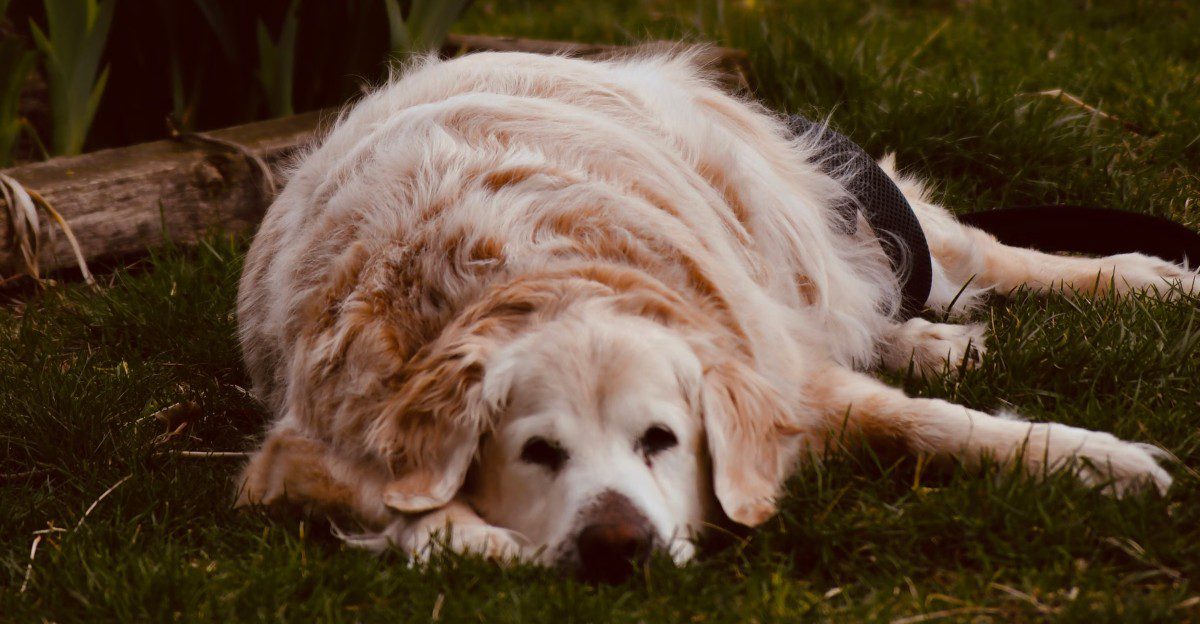
With a puppy grin and goofy paws, a Golden Retriever seems set for lifelong clown duty. Many grow into thoughtful adults who pace themselves, read the room, and wait for direction.
Energy stays high, yet the focus sharpens, which surprises first-time owners.
Plan for daily training games and structured fetch, not just free play. Add calm door routines and longer settle times after walks.
A fun fact, field-bred Goldens can mature later than show lines, so patience and steady habits help their big hearts shine.
Labrador Retriever – switches from turbo to teamwork
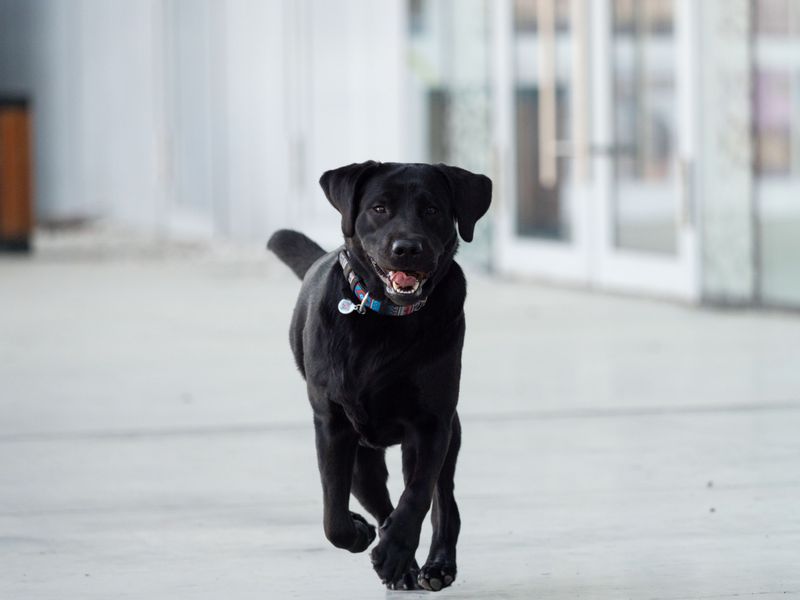
Rocket-fueled as puppies, many Labs pivot into steady workers by adulthood. Drive stays strong, but the aim turns toward partnership, especially with clear jobs like retrieving, scent games, or service tasks.
The shift can be dramatic if structure appears early.
Create short training bursts, then add longer holds like place stays. Rotate food puzzles, swims, and controlled fetch to channel that motor.
History nugget: despite the name, Labs trace to Newfoundland fishing dogs, which explains their love for work in wet weather.
Boxer – clown to considerate athlete
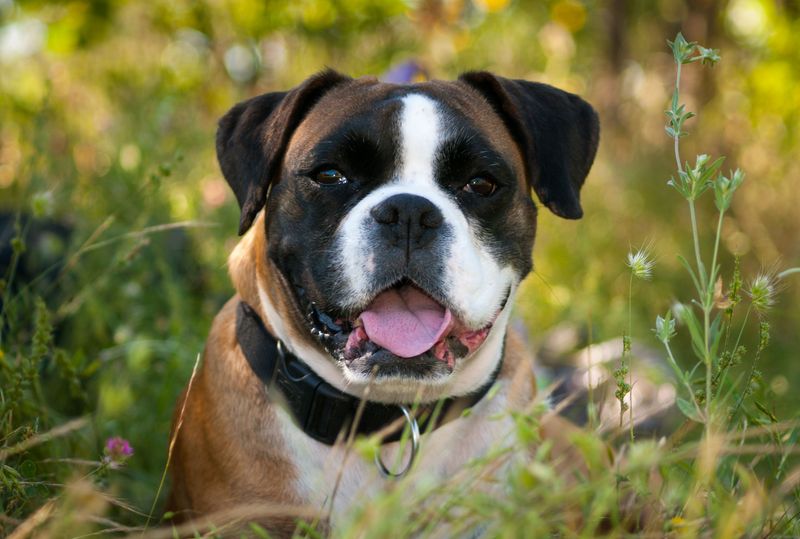
Everyone laughs at the Boxer puppy bounce. Then, as muscles fill in and training clicks, many Boxers reveal a tuned-in, responsive side.
They still love jokes, but they start listening between punchlines.
Teach impulse control with sit-to-greet, leash games, and tug with rules. Add nosework or agility to aim that springy body.
Health check: watch for heat sensitivity during workouts. With fair guidance, the once-silly sidekick becomes a thoughtful athlete who remembers to wait before launching.
German Shepherd – curious pup to composed guardian
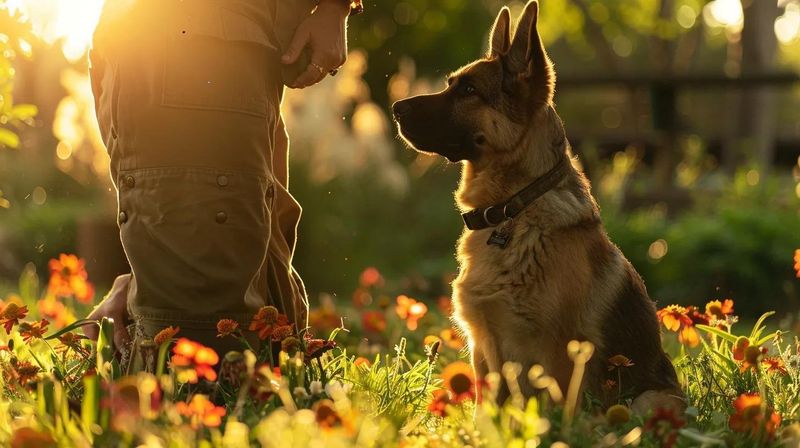
At first, a German Shepherd puppy often pokes every corner like a detective in training. With age, the breed can settle into calm confidence, showing judgment and patience around new scenes.
Early social time pays off later.
Build strong foundations with heel games, quiet place work, and neutral exposure to people and dogs. Keep their brain busy using tracking lines or scent articles.
Fun fact: the breed rose to fame after World War I thanks to movie star Rin Tin Tin.
Great Dane – gentle giant awakening
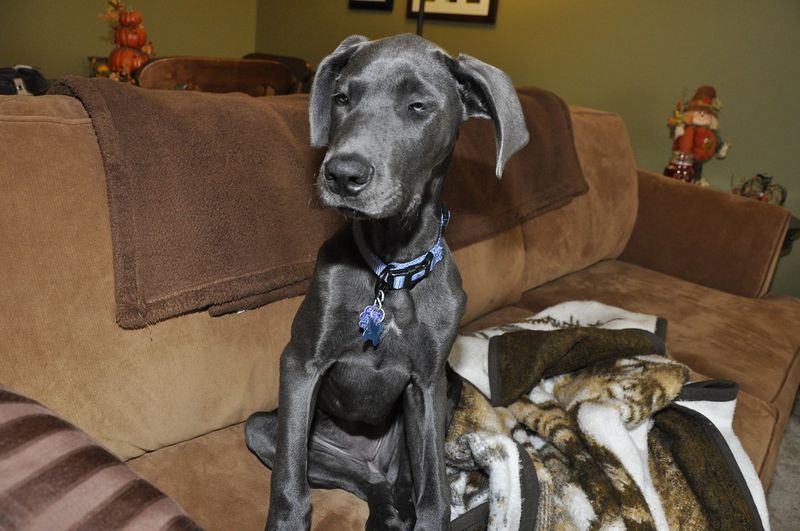
Great Dane puppies are all legs and surprise zooms. Many mature into calm, couch-loving companions who still enjoy play, just at a lighter pace.
Their size alone changes how they move through the world.
Teach manners early so adulthood is smooth in tight spaces and around guests. Short, frequent walks protect joints while the body grows.
Keep training upbeat and brief. A charming detail: Danes often think they are lap dogs, and that sweet belief rarely disappears with age.
Rottweiler – goofball to steady-minded partner
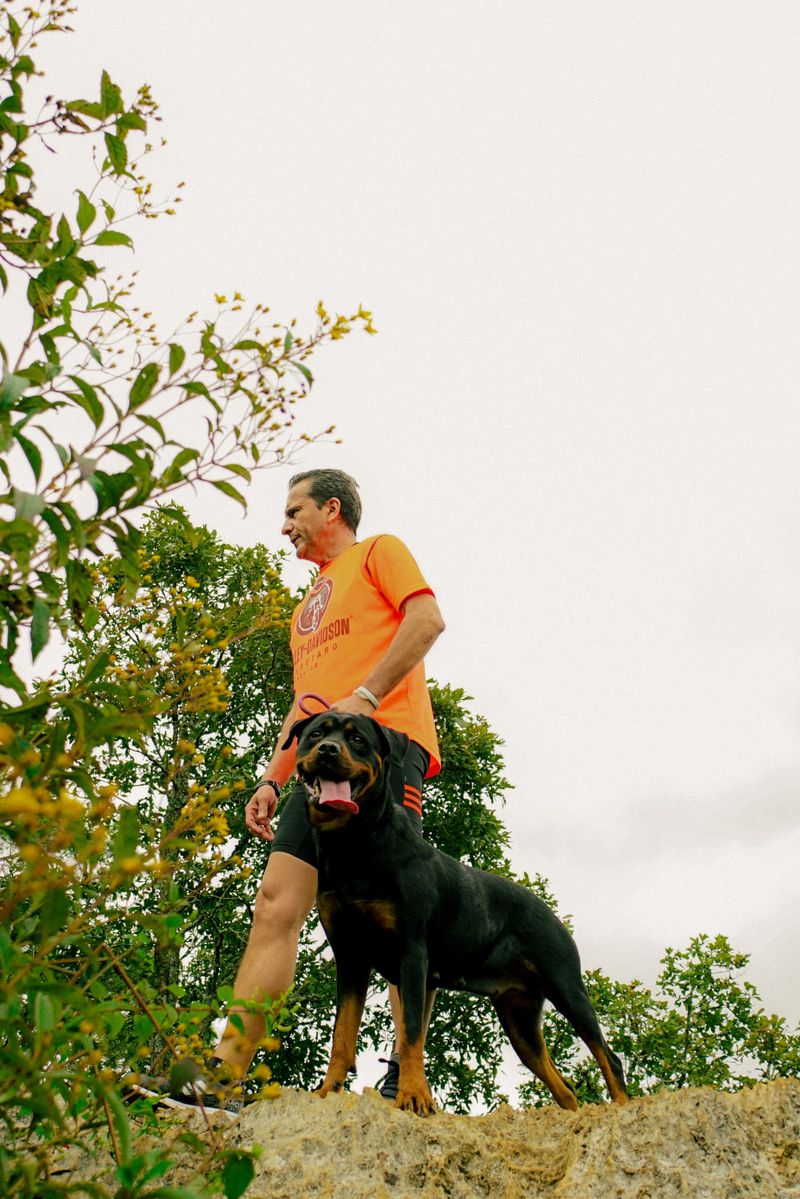
Puppy Rottweilers can be silly, mouthy, and full of bounce. With clear guidance, many grow into composed, thoughtful dogs who value rules and routine.
The transformation often surprises people who only remember the wiggly baby stage.
Start with calm greetings, food lures into sits, and patient leash work. Add jobs like carting basics or scent games to satisfy their brain.
Keep socialization neutral and steady. Reliable structure turns big enthusiasm into a cool, confident partner adults respect.
Siberian Husky – cute fluff to clever strategist
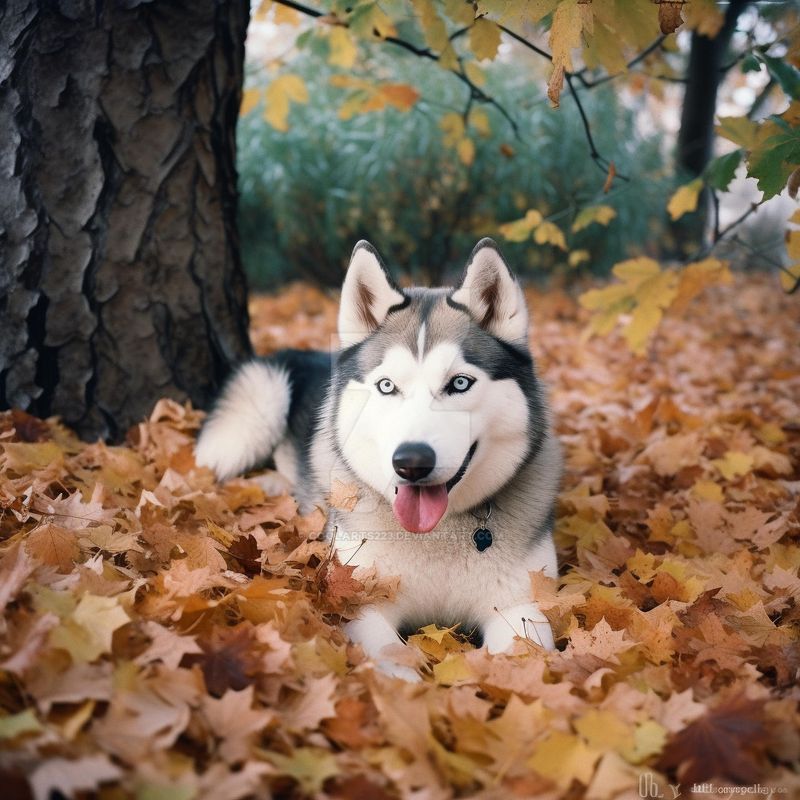
Those baby-blue eyes can fool you. Many Huskies mature from playful fluff into inventive escape artists with impressive endurance.
The adult brain starts plotting adventures the puppy never considered.
Use long-line hikes, secure fencing, and consistent recall games with high-value rewards. Provide pulling outlets like canicross or skijoring practice to aim their drive.
Short fun note: Huskies once hauled freight across harsh Arctic routes, which explains the nonstop engine and love for cold-weather sprints.
Dalmatian – spotty sprite to structured sprinter
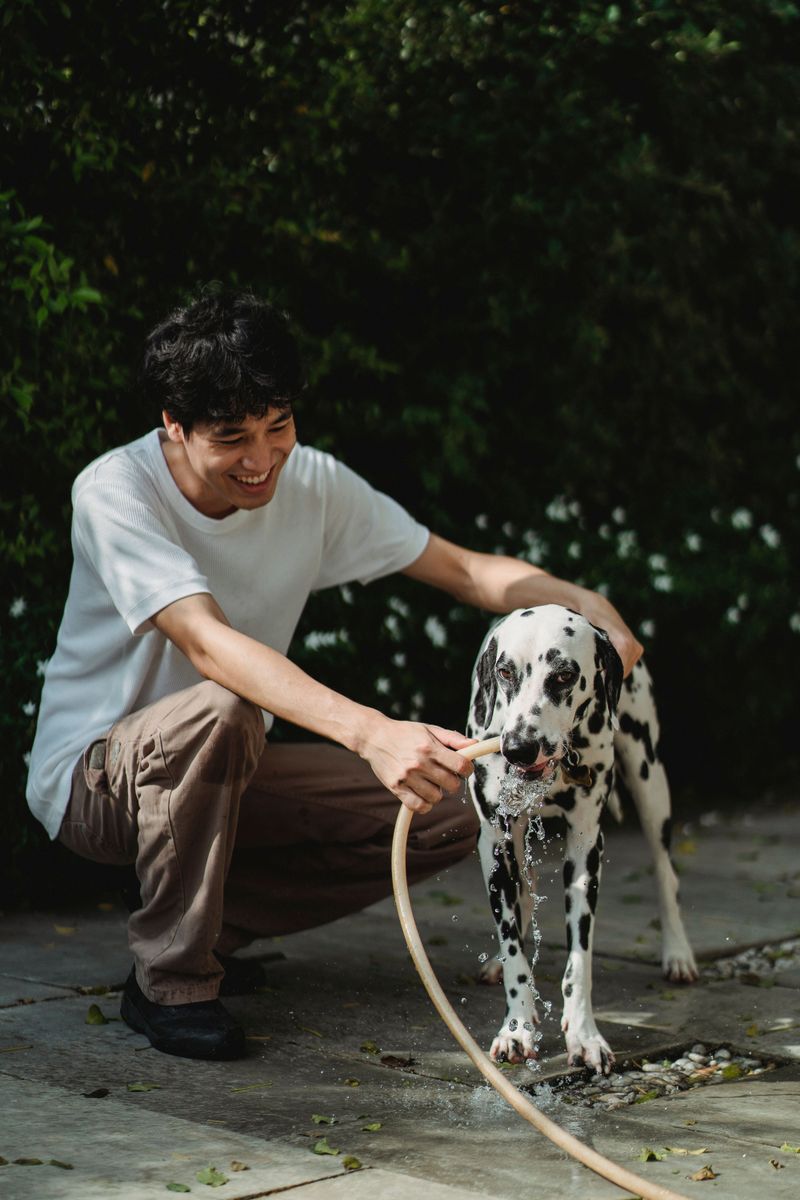
As puppies, Dalmatians often ping around like polka-dotted popcorn. Grown-ups can become smooth, athletic partners who appreciate routine and direction.
Without structure, though, mischief returns fast.
Plan daily cardio, such as jogging intervals or fetch with rules. Mix in obedience sets between runs to build focus.
Historically, Dalmatians ran with horse-drawn carriages as guard and guide dogs. That heritage explains why adults thrive with mileage, manners, and clear jobs that keep both brain and body busy.
Australian Shepherd – fuzzy whirlwind to thinking machine
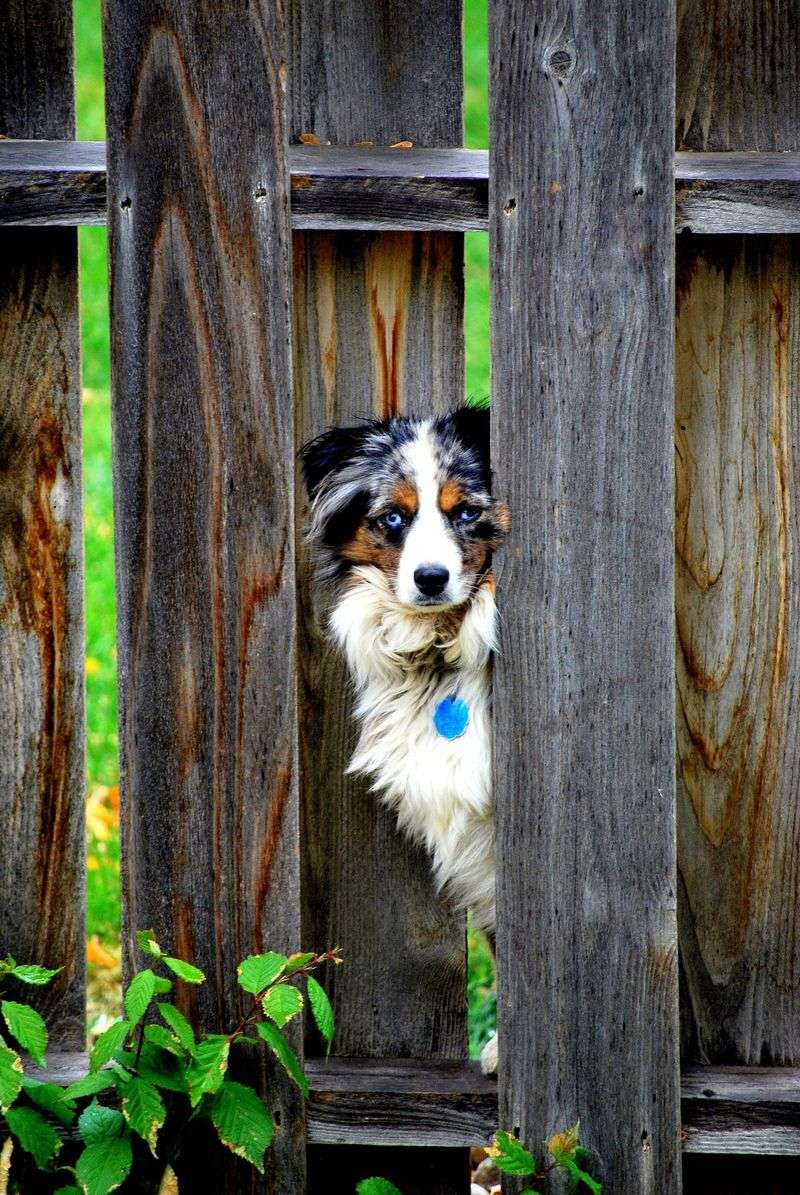
The Aussie puppy often spins like a tiny tornado. Then, with the right outlets, maturity reveals a sharp, puzzle-loving worker who anticipates cues.
Boredom, however, can rebuild that whirlwind in minutes.
Use agility, herding lessons, or trick chains to exercise mind and body. Teach a solid off-switch with mat work after training.
Quick tip: stock-sense comes from ranch roots, so channel it into tasks rather than constant watchdog duty at windows. Smart structure grows remarkable teamwork.
Doberman Pinscher – zippy youth to refined shadow
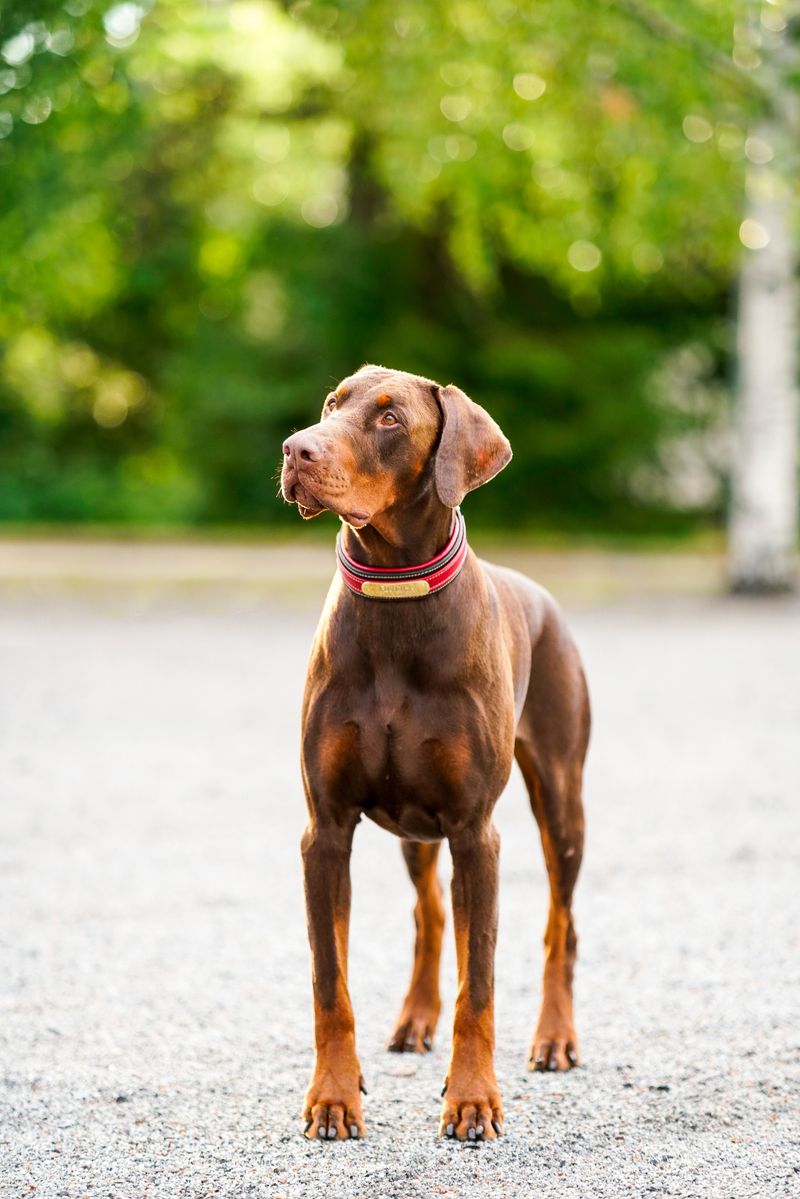
Early Dobermans can feel like live wires. Many adults settle into a graceful, close-working style, staying near their person and reading tiny signals.
The transformation brings elegance without losing spark.
Layer obedience with focus games, heel patterns, and calm boundary training. Provide daily cardio, then encourage quiet time near you to reinforce that steady shadow vibe.
Trivia: Louis Dobermann created the breed in Germany to be a reliable protector, which shows in their adult attentiveness.
English Springer Spaniel – playful pup to purposeful hunter
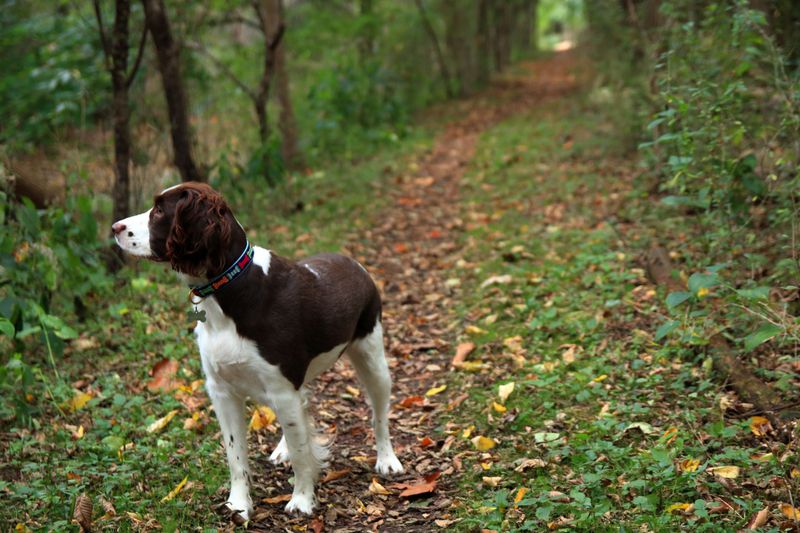
Springer puppies bounce like rubber balls with ears. Over time, many channel that pep into organized fieldwork or precise games.
Even as house pets, the adult dog often prefers meaningful tasks.
Use scent drills, retrieve-to-hand practice, and whistle cues to shape control. Indoors, scatter-feed or hide toys to satisfy the nose.
Notable heritage: bred to flush game birds, Springers shine when given patterns to run. Purpose turns the once-silly boing into focused, happy motion.
Irish Setter – red blur to rhythmic runner
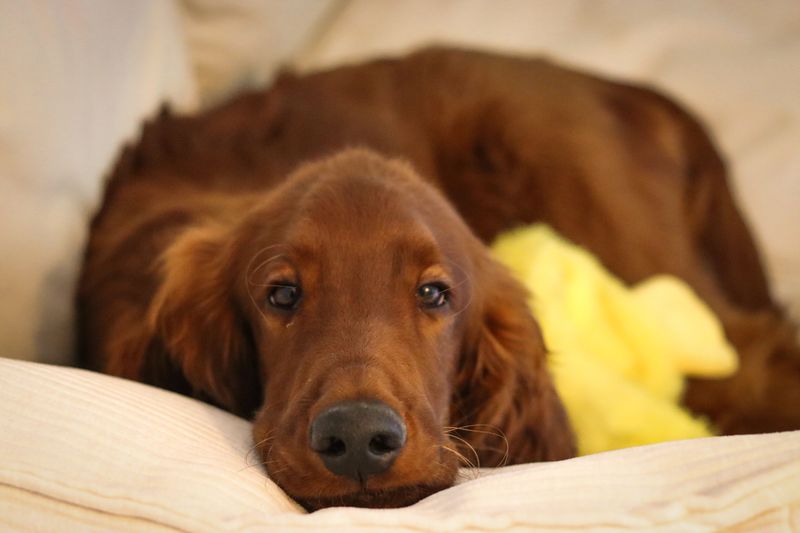
Blink and the Irish Setter puppy vanishes down the yard. Adulthood often brings a smoother, more rhythmic stride and better ears for recall, especially with smart practice.
Beauty stays, chaos fades with mileage.
Schedule long, safe runs and reliable come-when-called games. Add steadiness drills before releasing to sprint.
History tidbit: Irish Setters were bred to work large fields, which explains their distance mindset. Invest in training that balances freedom and responsiveness, and the harmony truly shows.