
Some dogs are breathtaking to watch, but living with them can feel like a full-time sport. Before you fall for a stunning coat or viral video, consider the daily work hidden behind the highlight reel.
These breeds test your systems, your patience, and your schedule in ways most owners never expect. If you love structure and purpose, the rewards can be incredible, but it is smart to think twice first.
Border Collie
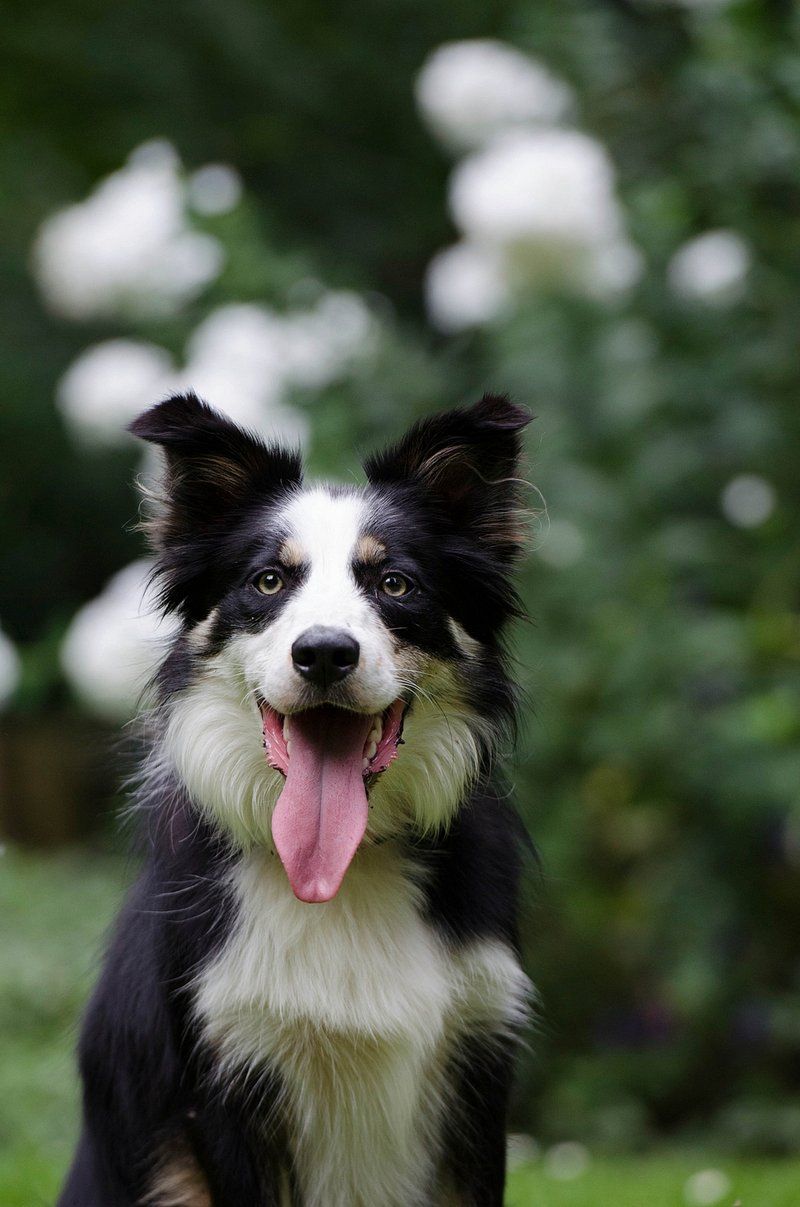
Border Collies are breathtakingly smart, which sounds exciting until it is your daily reality. They need serious mental workouts and sheep-like jobs, not just a stroll around the block.
Without that purpose, you will meet the redecorator of your nightmares, complete with chewed trim and dug craters.
Exercise is nonnegotiable, but so is structured training that channels endless focus into calm behaviors. Expect sensitivity to noise, frustration when bored, and startling agility that vaults fences you assumed were safe.
If you love puzzles, off switch work, and canine sports, you can thrive, but casual households will struggle.
Plan daily brain games, herding substitutes, and long varied runs, or budget for professional enrichment programs that keep curiosity satisfied and furniture intact.
Siberian Husky
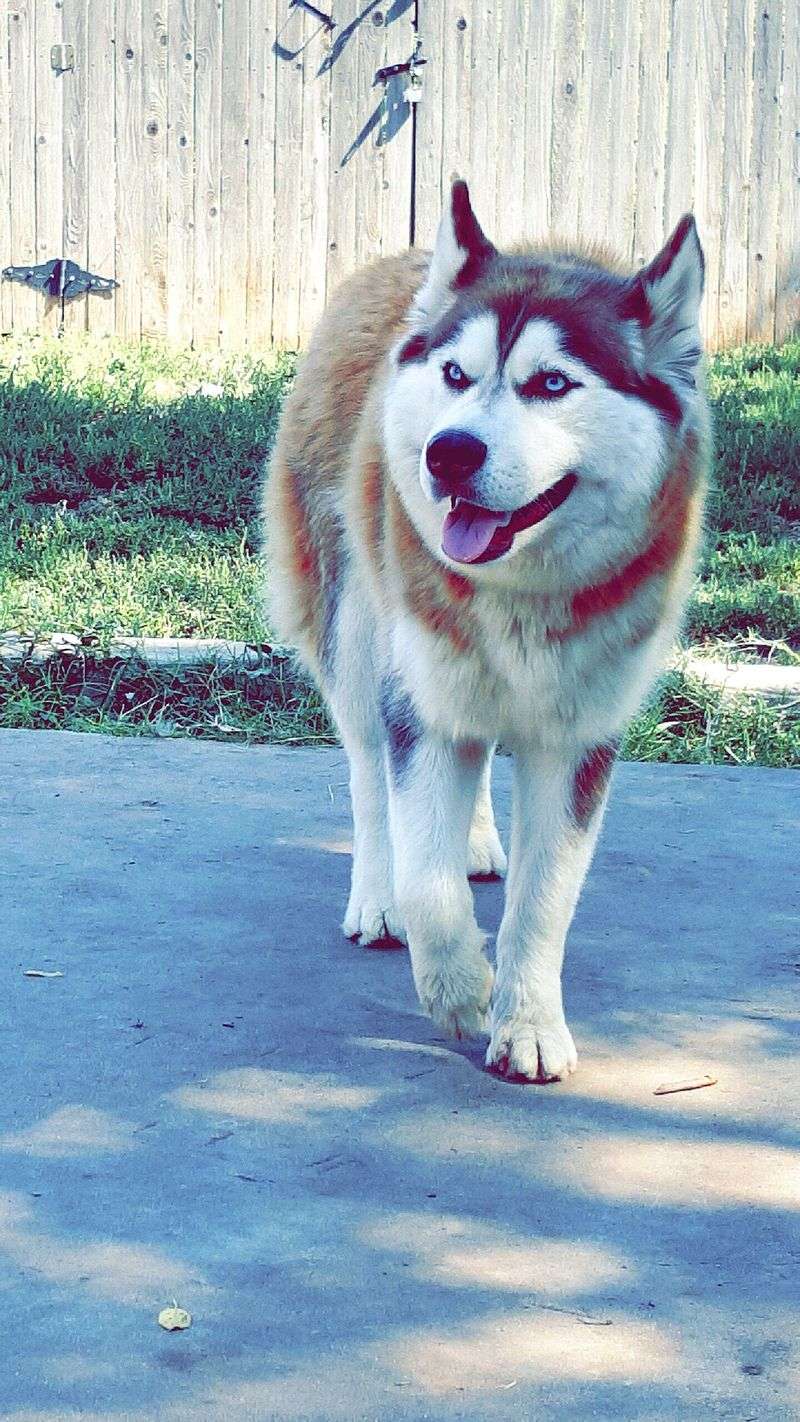
Siberian Huskies look like winter wolves, but their instincts can steamroll unprepared owners. They are escape artists, choir singers, and relentless runners who treat fences as suggestions and recall as optional.
Give them a job or a sled alternative, or you will chase a blur down the neighborhood.
Coats explode seasonally, so brushing becomes a lifestyle, and fur tumbleweeds become roommates. Prey drive is real, meaning cats, squirrels, and unsecured chickens are at risk without thoughtful management.
If you crave a devoted adventurer and commit to miles, training, and secure containment, the payoff can be huge.
Otherwise, expect frustrated howling, shredded drywall, and escape attempts that test gates, locks, and your patience every single windy afternoon in cold spring gusts.
Belgian Malinois

The Belgian Malinois is a tactical athlete built for work, not casual couch life. Drive, stamina, and sensitivity produce brilliance, but also chaos when needs are unmet.
Left under exercised, that energy becomes nipping, herding kids, and dismantling your baseboards with surgical focus.
Training is not optional, and neither is purposeful work like detection games, bite sports, or advanced obedience. Handler softness or inconsistency backfires, because this breed reads you faster than you read yourself.
If you live for structure, drills, and clear boundaries, the relationship can feel electric and deeply rewarding.
If not, plan for professional help, daily bite-safe outlets, and secure crates, or choose a mellower breed before regrets pile up. Honesty now saves money later and heartbreak.
Akita
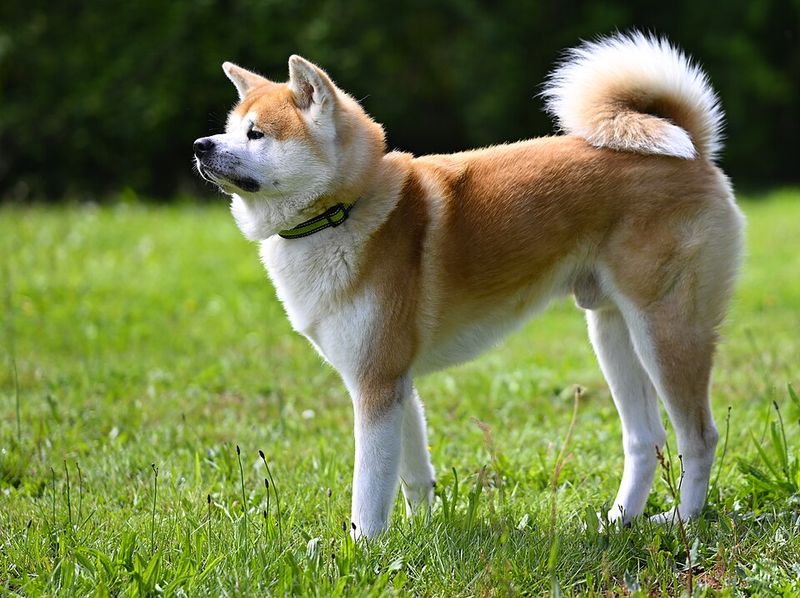
Akitas are dignified guardians with an independent streak that can frustrate beginners. They bond intensely with family yet may be aloof or intolerant with unfamiliar dogs.
Early socialization and confident handling are nonnegotiable if you want a calm, stable companion.
Coats shed heavily, grooming takes commitment, and drool can surprise you at the worst moments. Training requires patience, fairness, and clarity, because pushy tactics invite pushback from a strong-willed thinker.
If you value quiet loyalty and firm boundaries, the Akita can be profoundly devoted and protective.
Plan controlled introductions, reliable fencing, and strict supervision around small animals, plus ongoing obedience refreshers to keep manners sharp. Skip off leash freedom, invest in enrichment, and prioritize respect over cuddles during training sessions.
Chow Chow
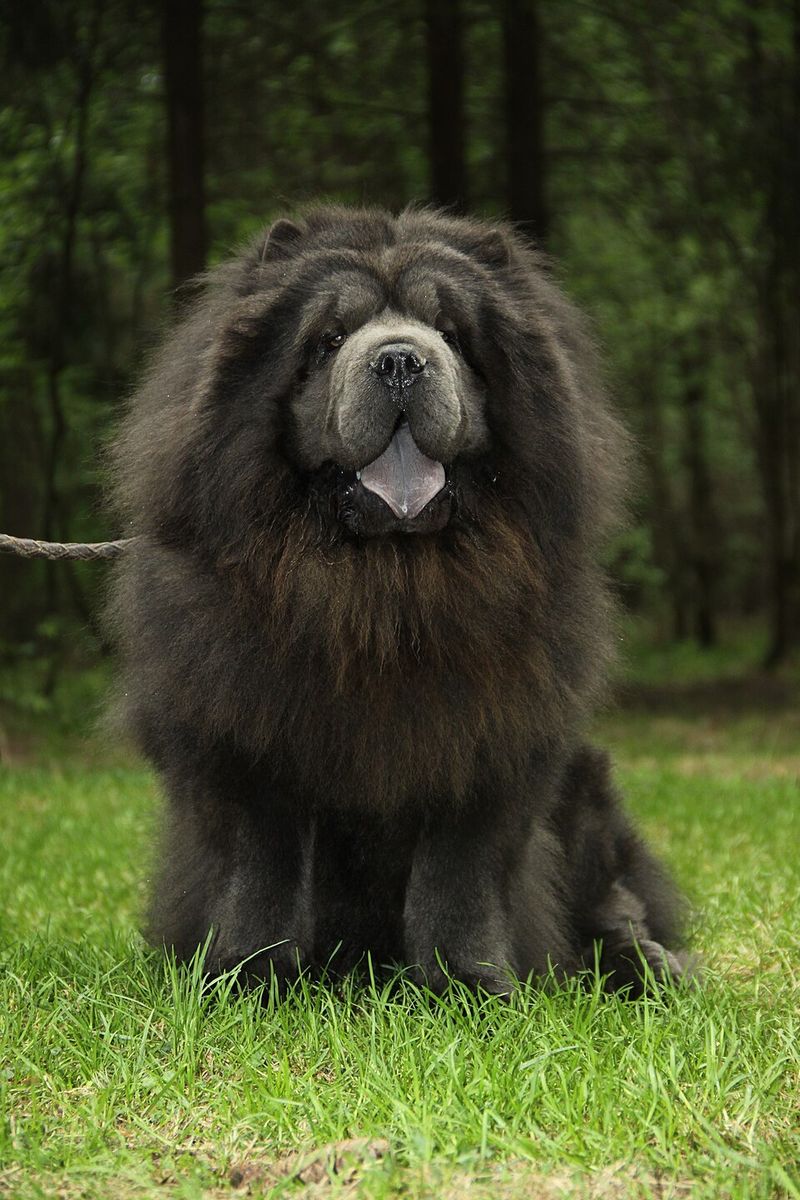
Chow Chows resemble bears, but they do not appreciate being treated like plush toys. Independent, reserved, and proud, they can be suspicious with strangers and stubborn with family.
Grooming the dense coat demands serious time, detangling tools, and regular, calm handling practice.
Heat intolerance is real, so climate control and mindful exercise schedules matter. Training must be respectful and consistent, because harsh methods erode trust quickly.
You will earn affection, but it is on their terms, and boundaries are essential for harmony.
Socialize early and broadly, reinforce grooming tolerance, and teach polite consent cues so everyday care is stress free. Use high value rewards, keep sessions short, and give thoughtful outlets for independence through scent games and quiet spaces nearby.
Dalmatian
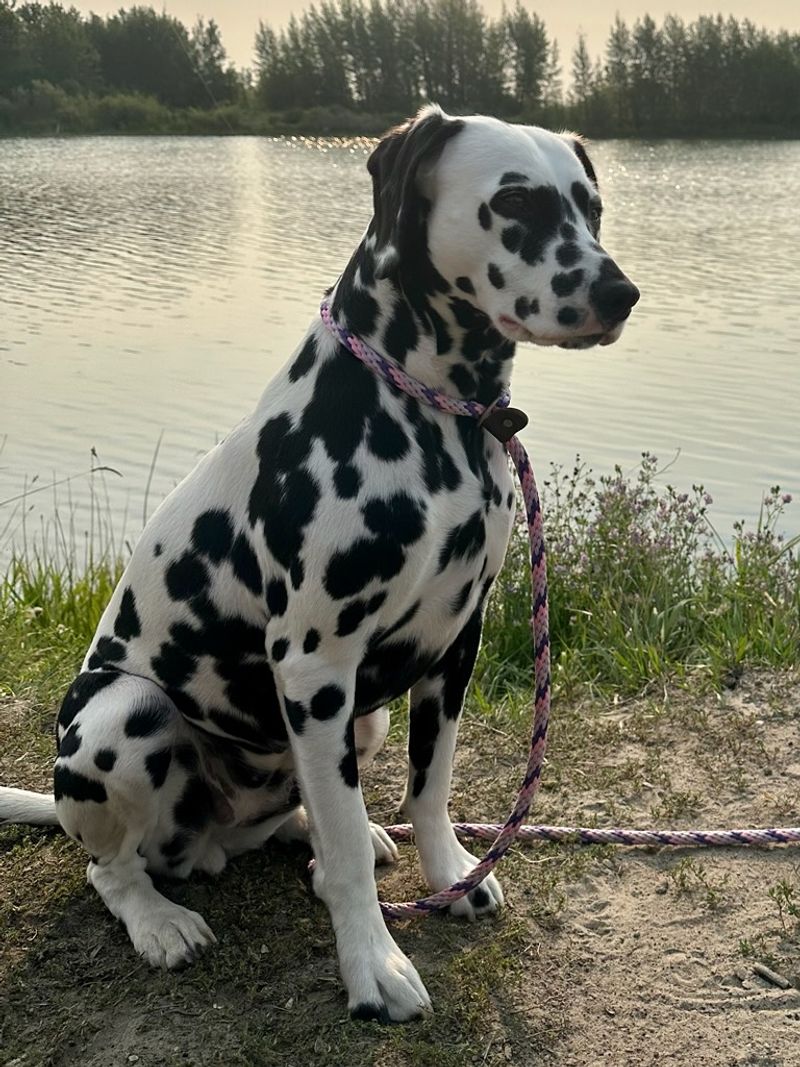
Dalmatians are striking athletes with energy that outlasts most weekend plans. Without structured exercise and training, they invent chaos, from counter surfing to zoomies through furniture.
They can be noise sensitive and stubborn, requiring patient, upbeat coaching rather than corrections.
Urinary stone risk means careful diet choices and plenty of water, sometimes lifelong monitoring. Coats shed tiny spikes that embed in fabrics, so weekly grooming is your friend.
If you want a running buddy with sparkle, and you love training games, a Dalmatian can shine.
If not, be ready for restlessness, mouthy play, and creative mischief that tests patience and storage solutions. Daily mileage, puzzle feeders, and impulse control drills keep sparkle focused instead of destructive in small city apartments.
Australian Shepherd
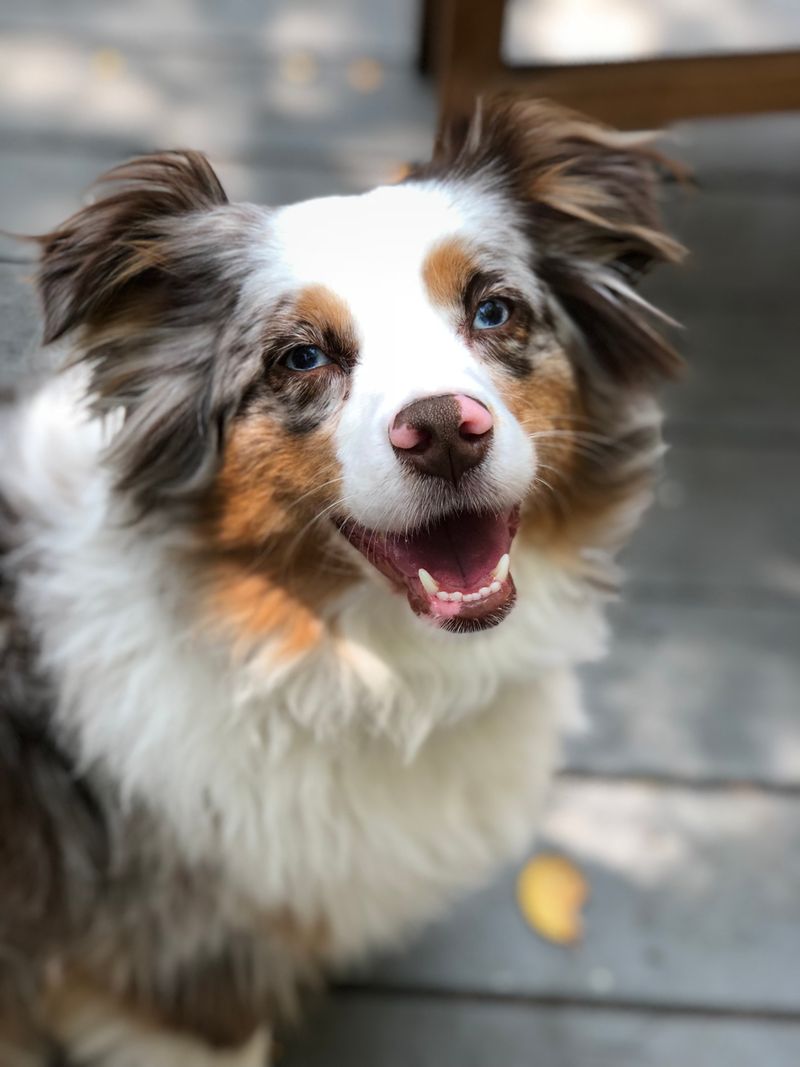
Australian Shepherds are busy thinkers who crave purpose and partnership every single day. Beauty hides a herding brain that can fixate, nip, and reorganize your household chaos into bigger chaos.
Without training, motion triggers chase, and boredom triggers redecorating with teeth.
They thrive on trick training, agility, scent work, and thoughtful off switch routines inside the home. Coats shed year round, and eyes often need genetic screenings when choosing responsible breeders.
If you like coaching and structure, this breed returns devotion, humor, and unstoppable enthusiasm.
Plan daily cardio plus brain games, then reward restful mat time so that intensity learns where to land. Skip chaotic dog parks and focus on structured play with known friends and clear rules at home.
Jack Russell Terrier
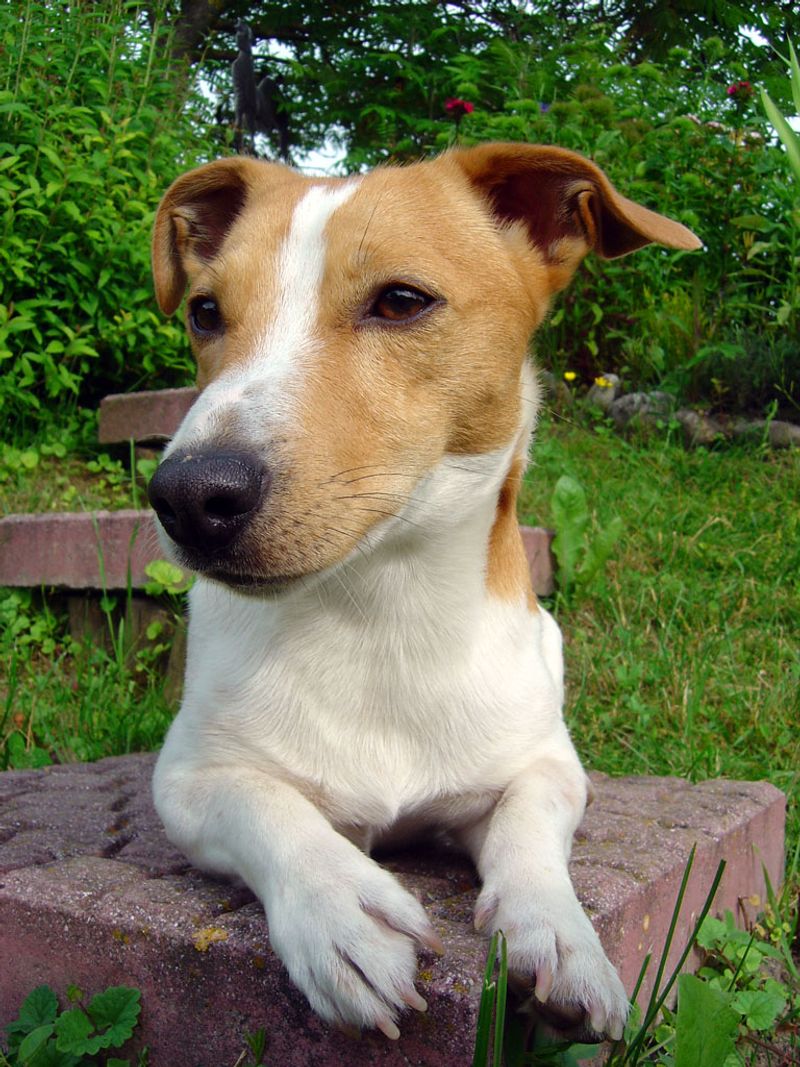
Jack Russell Terriers are pocket rockets designed for relentless hunting, not couch marathons. They dig, jump, and bark with purpose, turning yards into excavation sites and sofas into launch pads.
Prey drive makes small pets risky without careful management and reliable barriers.
Training thrives on games, speed, and variety, because repetition bores this quick thinker. Walks are not enough, so plan sprints, nosework, trick chains, and safe digging zones.
If you match that spark with boundaries and outlets, the companionship is hilarious and unforgettable.
Otherwise, boredom explodes into shredding, door darting, and arguments with anything squeaky, buzzing, or bolting past. Secure fences, long lines, and recall games help channel athleticism while protecting neighborhood wildlife from sudden heroic terrier decisions daily.
Afghan Hound

Afghan Hounds are glamorous sprinters with a catlike worldview and selective hearing. That silky coat is a full time job of bathing, drying, and meticulous detangling.
Without patience and routine, mats form overnight and skin suffers beneath the beauty.
Sighthound instincts mean off leash freedom is dangerous unless you have secure acreage. Training relies on finesse, humor, and rewards, not pressure, because independence runs deep.
If you adore elegance and accept the grooming calendar, their companionship feels ethereal and surprisingly goofy.
Budget for professional grooming, gentle handling practice, and a powerful dryer to keep that coat healthy. Choose fenced sprint spaces, flirt pole games, and safe coursing outlets to satisfy speed without risking escape during excited evening zooms at home.
Cane Corso
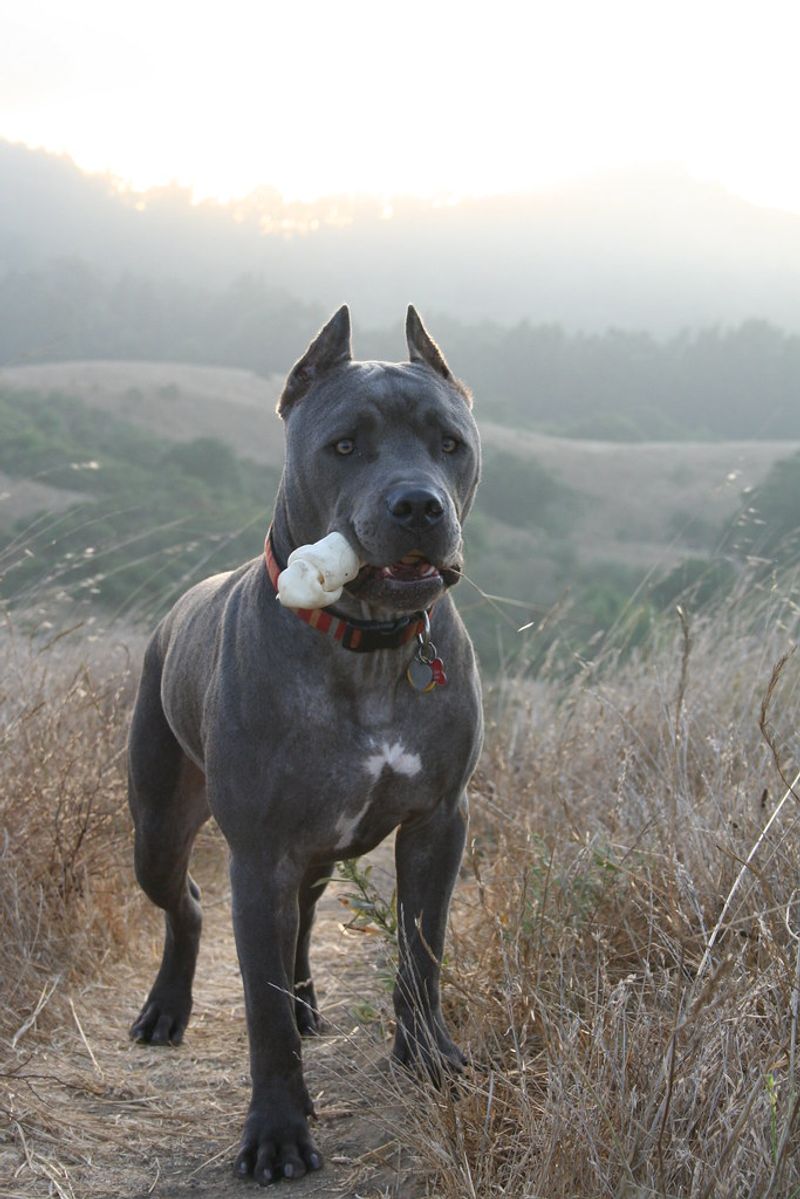
The Cane Corso is imposing, athletic, and deeply devoted, but not a casual first dog. Guardian instincts require confident leadership, socialization, and clear rules from day one.
Untrained, that power becomes rude lunging, territorial disputes, and costly liability.
Training must balance firmness with fairness, rewarding calm choices and neutral reactions in public. Health screening and responsible breeders matter, especially for hips, elbows, and temperament stability.
If you prefer quiet confidence over showy bravado, the Corso can be a remarkable partner.
Commit to controlled introductions, reliable containment, and ongoing obedience with real life distractions throughout adulthood. Daily decompression walks, impulse control games, and thoughtful bite avoidance skills protect relationships and neighborhoods when stress runs high in busy modern family routines daily.