
Most people picture a high-maintenance dog as a fluffy pup that needs fancy haircuts and bows. The truth is that some of the hardest dogs to care for have short, sleek coats and look like they need almost nothing.
Their real needs come from huge energy, sharp minds, and strong personalities. Knowing this before you bring one home can save you, and the dog, a lot of stress.
Belgian Malinois
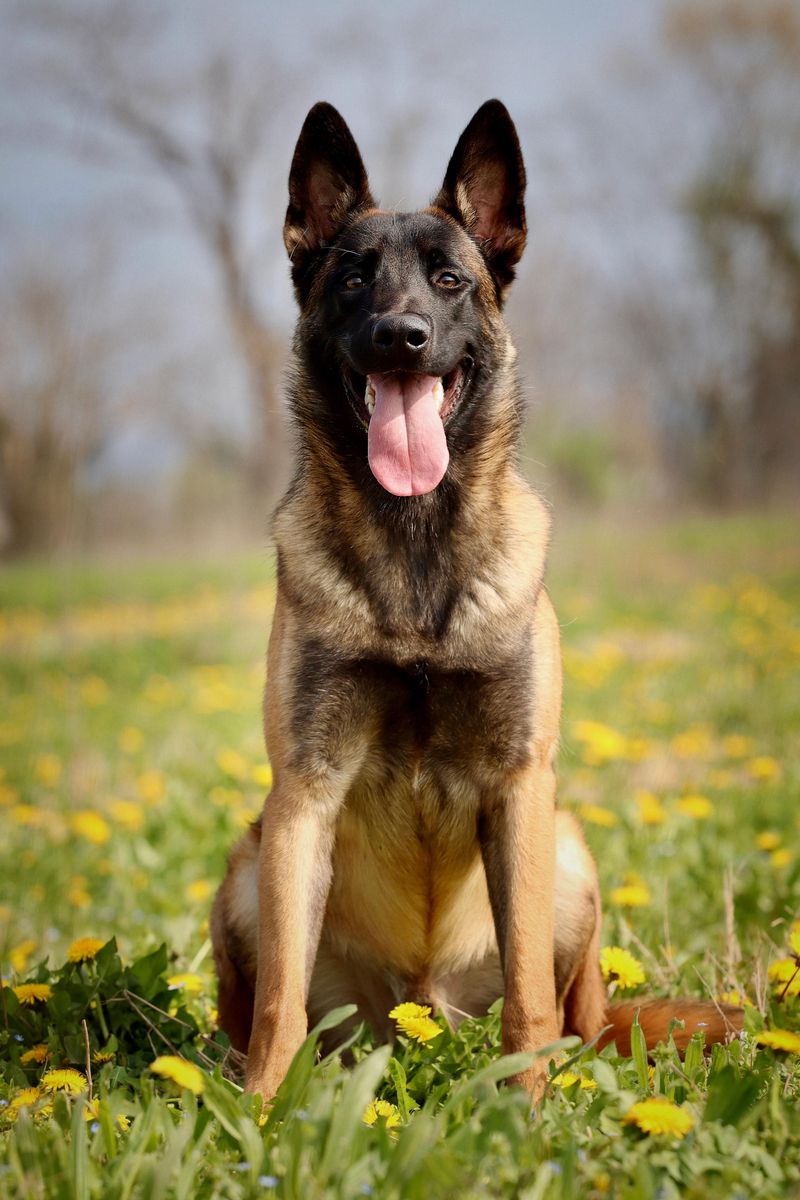
Police officers and soldiers trust the Belgian Malinois for a reason. This dog can work for hours, track scents, and learn complex jobs fast.
At home, that same drive can turn into chewed couches and nonstop pacing. A short walk will barely warm it up.
Plan on daily training, puzzle games, and real exercise like running or agility. Owners who treat this breed like a part-time pet usually end up with a frustrated, restless dog.
Dalmatian
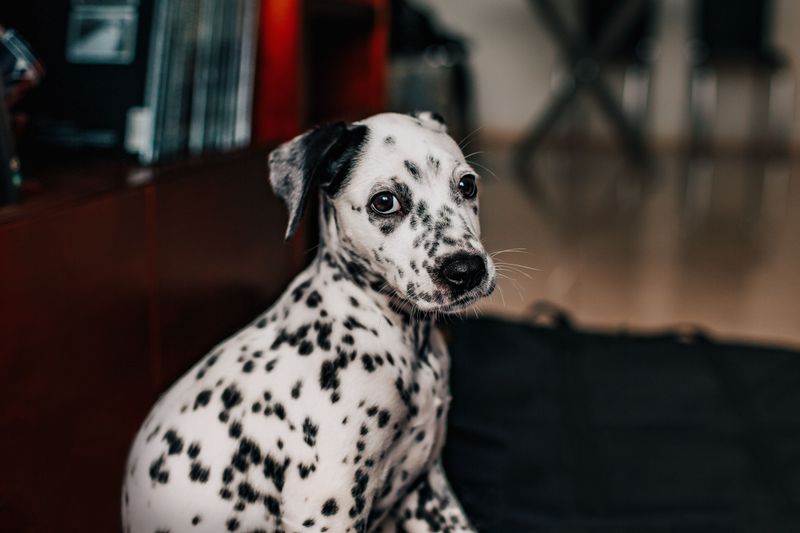
Thanks to a famous movie, lots of families have wanted a spotted puppy. Many were surprised by what came next.
Dalmatians were bred to run beside horse-drawn carriages for miles. That means they need tons of exercise every single day.
Their short coats also shed all year long, leaving white hairs on everything you own.
Fun fact: Dalmatian puppies are born pure white. Their spots appear after a couple of weeks.
Weimaraner
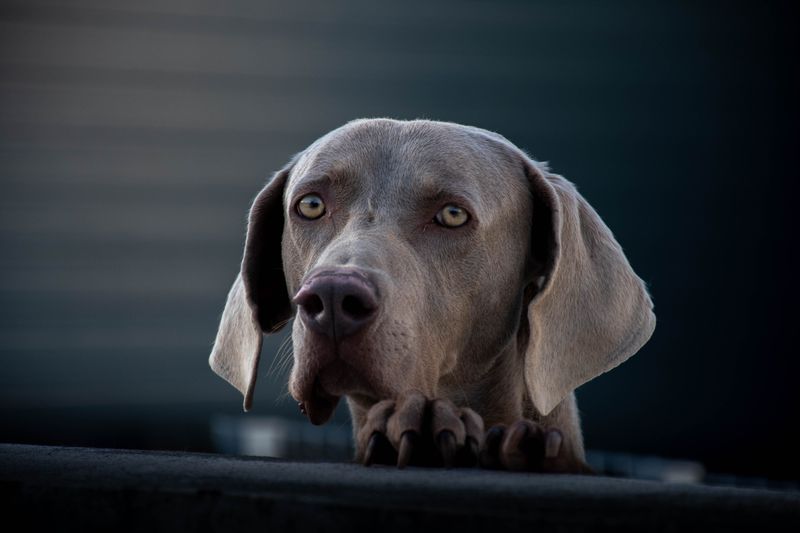
Nicknamed the gray ghost, the Weimaraner looks calm and elegant. Do not let that silvery coat fool you.
Bred for hunting big game in Germany, this breed has energy to spare and a deep need to be near its people. Left alone too long, many Weimaraners panic and destroy doors, crates, or furniture.
Families who work from home or bring their dog along on outings tend to have the happiest pups.
Jack Russell Terrier
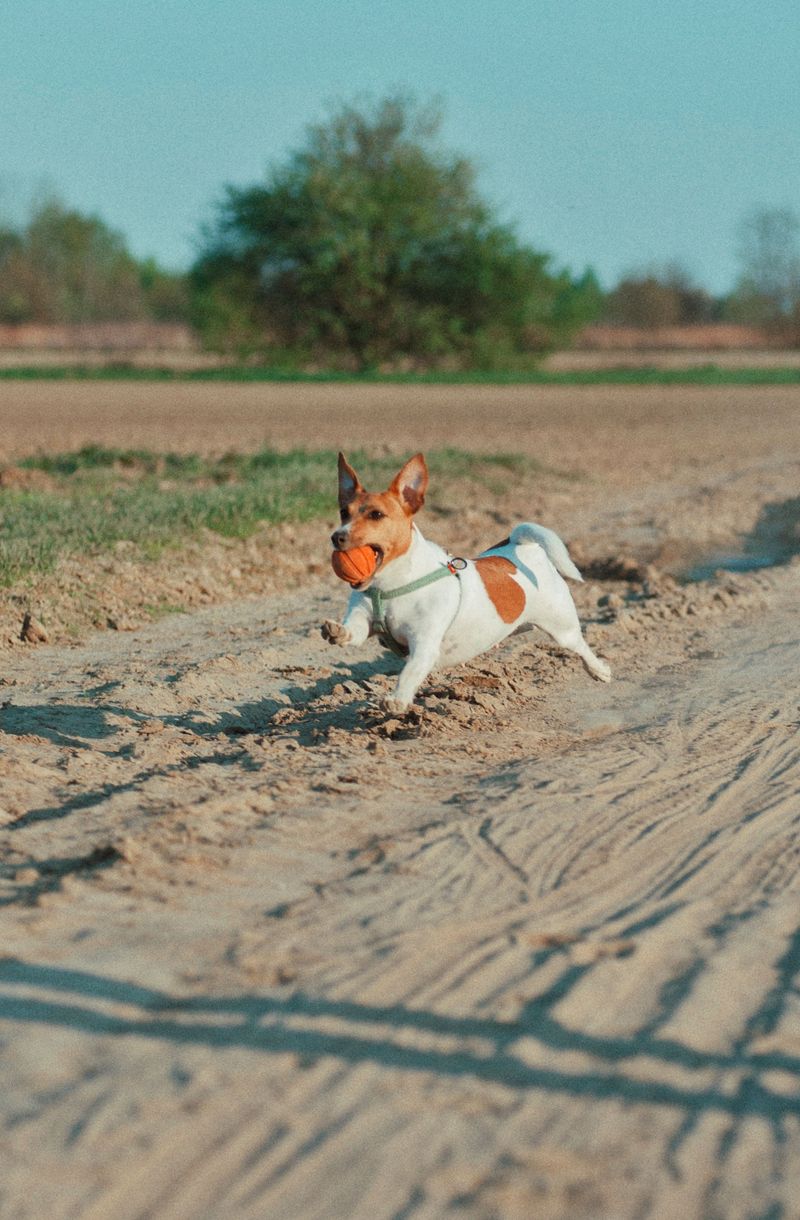
Small dog, small job, right? Not even close.
Jack Russells were bred to chase foxes out of their dens, and they still act like every squirrel is a mission. Expect digging, barking, and jumping surprisingly high fences.
Their tiny size tricks people into skipping training. Big mistake.
Give this terrier fetch sessions, chew toys, and firm, fun lessons, and you will have a clever little buddy instead of a furry tornado.
German Shorthaired Pointer
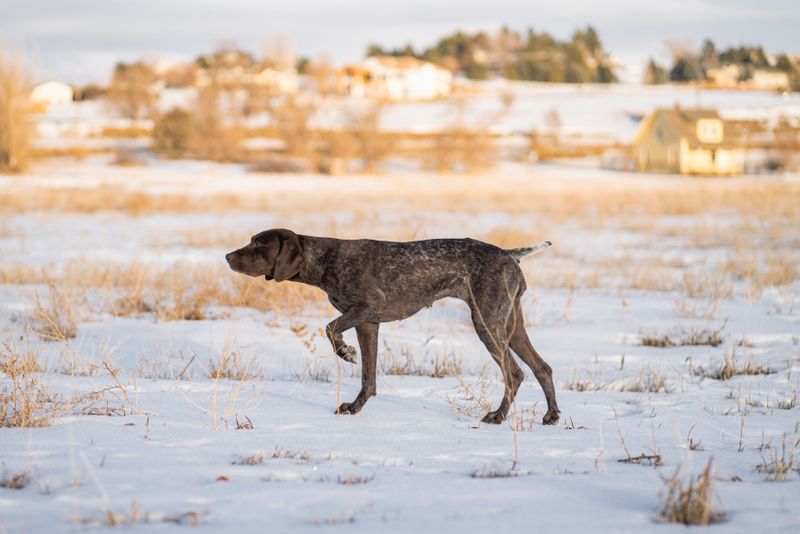
Picture a dog that could hike all morning, swim all afternoon, and still beg to play at night. Meet the German Shorthaired Pointer.
This all-purpose hunting breed has a tidy coat and a friendly face, but its engine never seems to stop. Bored pointers often bark, escape yards, or invent their own games.
Runners, hikers, and active families make great matches. Couch lovers might want to look elsewhere.
Australian Cattle Dog
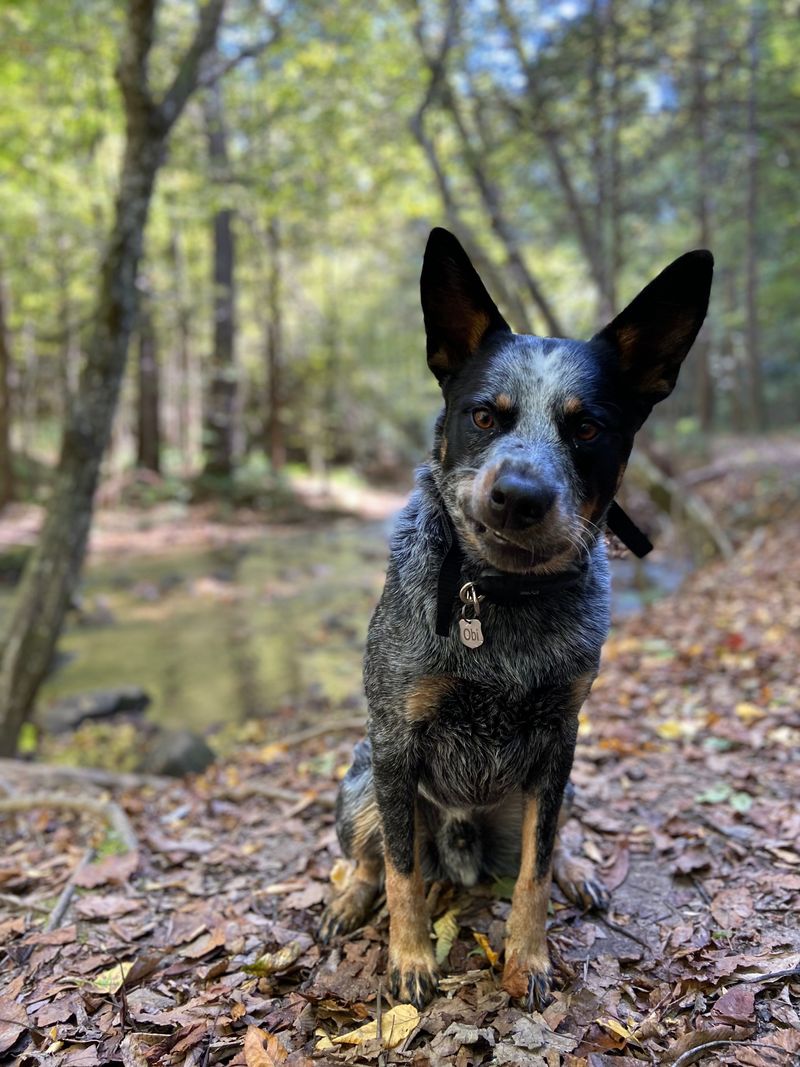
On Australian ranches, these tough dogs nip at the heels of stubborn cattle. That habit does not always switch off at home.
Some heelers try to herd kids, cats, or even bikes by nipping at ankles. They are smart, loyal, and very stubborn.
Give them a job, like learning tricks or carrying a backpack on hikes. Did you know?
A cattle dog named Bluey lived almost 30 years, a famous record.
Doberman Pinscher
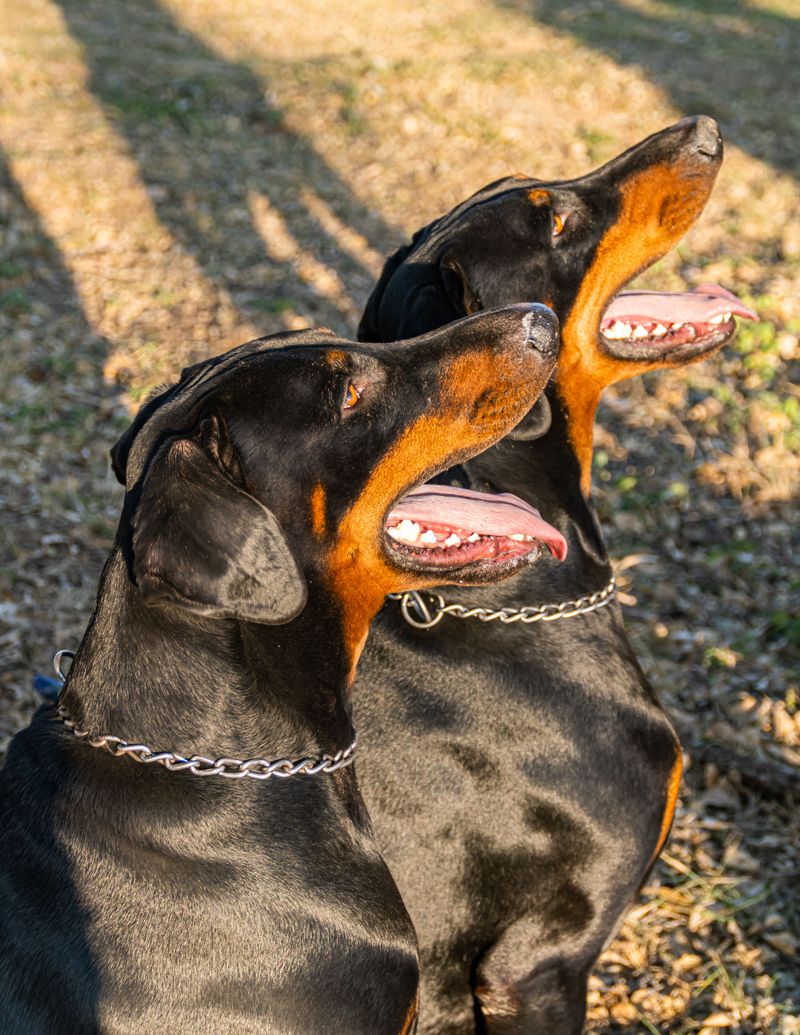
Back in the 1890s, a German tax collector named Louis Dobermann created this breed to protect him on his rounds. Its watchful nature still shows today.
Dobermans are sensitive and bond tightly with their families. They need early socializing so they stay confident, not nervous or pushy.
Daily exercise and steady training matter a lot. Owners should also keep up with vet checkups, since the breed can face heart problems.
Cane Corso
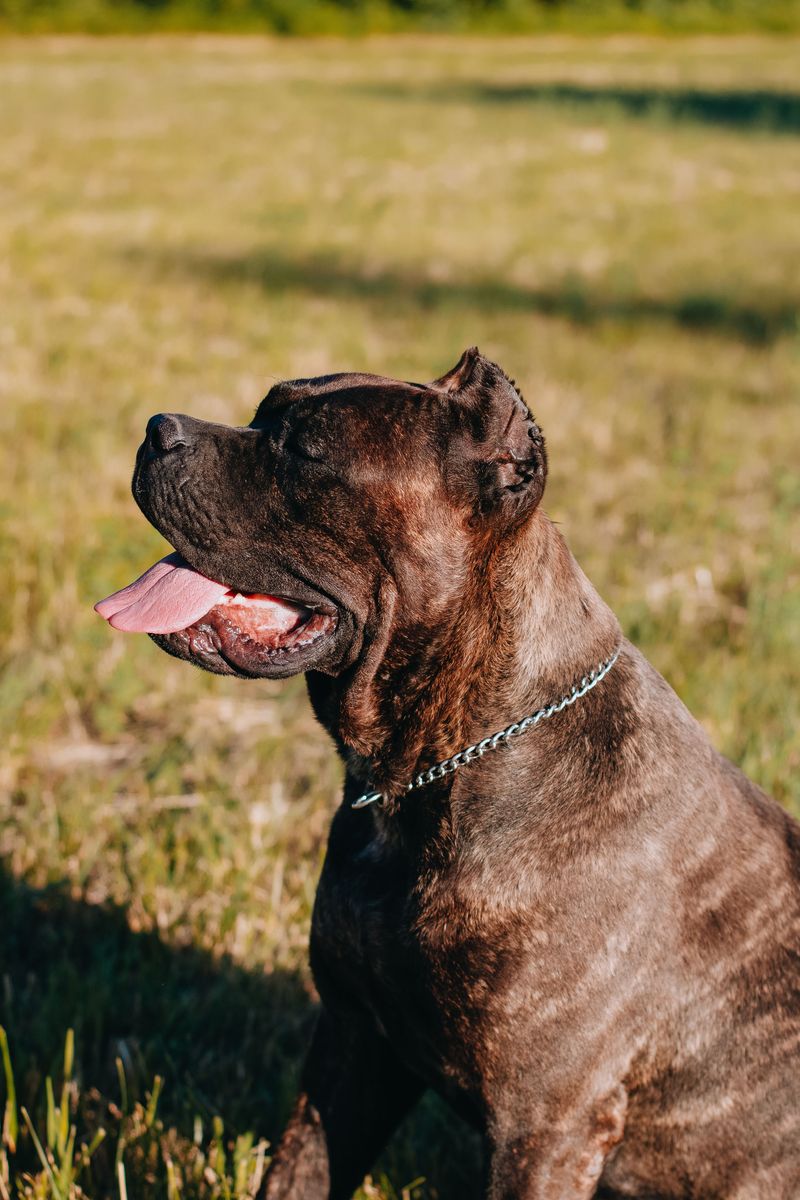
Weighing up to 110 pounds, the Cane Corso is pure muscle. Its short coat is easy to brush, but that is where the easy part ends.
This Italian guardian needs an experienced owner who can lead with calm confidence. Without strong training and lots of meeting new people, it may become overly protective.
Food bills, large crates, and possible joint issues add up too. Think carefully before falling for that noble face.
Vizsla
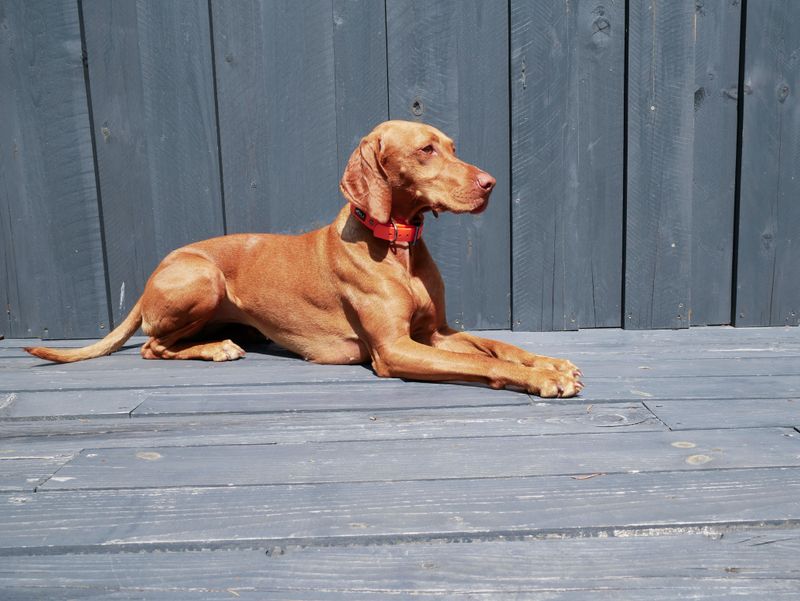
Fans call it the Velcro dog, and they mean it. A Vizsla will follow you from room to room, even into the bathroom.
That sweet, clingy streak pairs with the stamina of a Hungarian hunting dog. Too little exercise or too much alone time can lead to whining and chewing.
Try long runs, swimming, and scent games. Your reward is a loving shadow with a shiny, golden-red coat.
Rhodesian Ridgeback
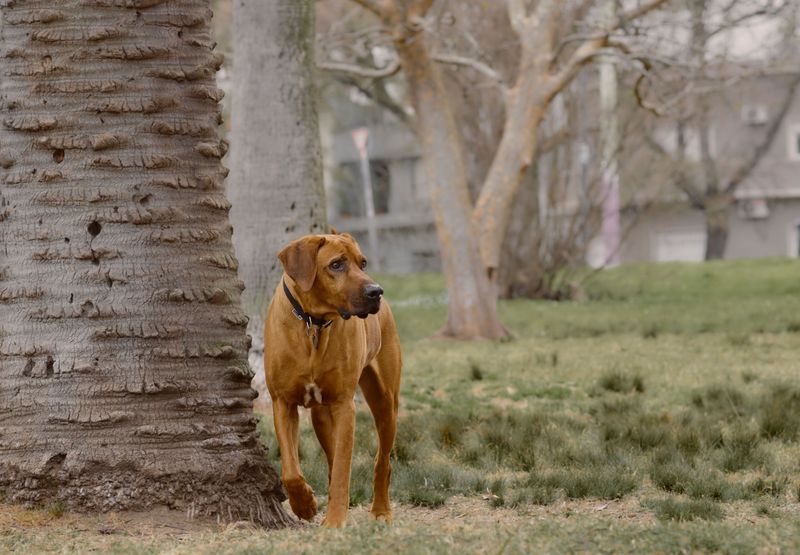
Here is a wild bit of history: Rhodesian Ridgebacks once helped hunters track lions in southern Africa. Brave, right?
That courage comes with an independent mind. Ridgebacks often decide for themselves whether a command is worth following, and they love stealing food off counters.
Patient, reward-based training works best. Keep snacks out of reach, give them room to sprint, and you will earn the respect of a dignified, quietly funny companion.
Border Collie
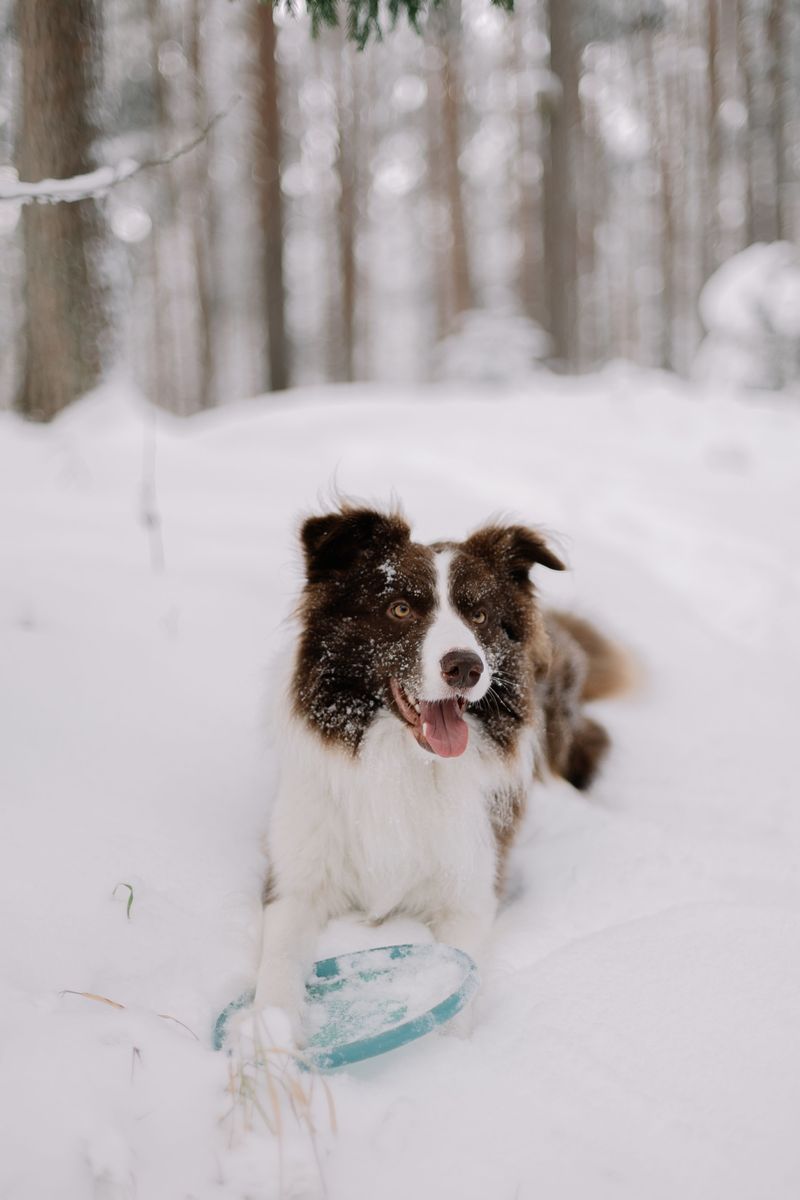
Scientists often rank the Border Collie as the smartest dog breed. One collie named Chaser learned the names of over 1,000 toys.
Brains like that need constant work. A bored collie may herd the family, stare at shadows, or invent bad habits.
Agility classes, frisbee, and herding lessons keep its mind busy. Owners who love teaching new tricks will find this breed incredibly rewarding, though rarely relaxing.