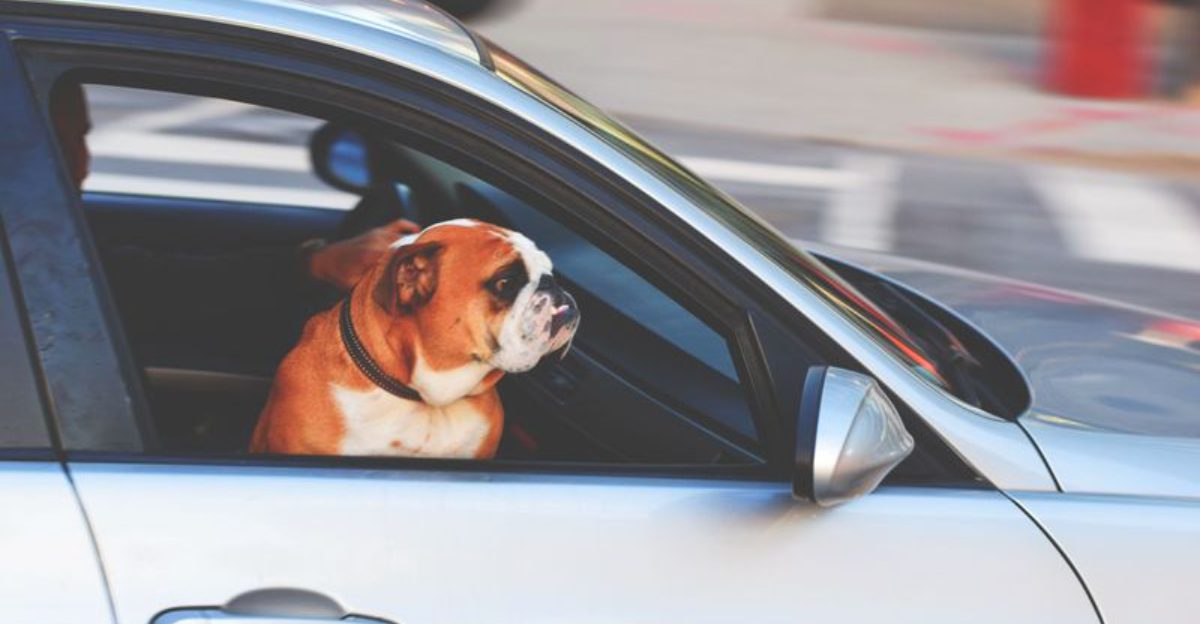
Think you can name a dog at first glance? Many of the most popular breeds are constantly mistaken for their close cousins and convincing mixes.
Once you know what to look for, you will start spotting subtle clues in ears, tails, movement, and even expression. Get ready to test your eye and impress the next time someone guesses wrong at the park.
American Pit Bull Terrier
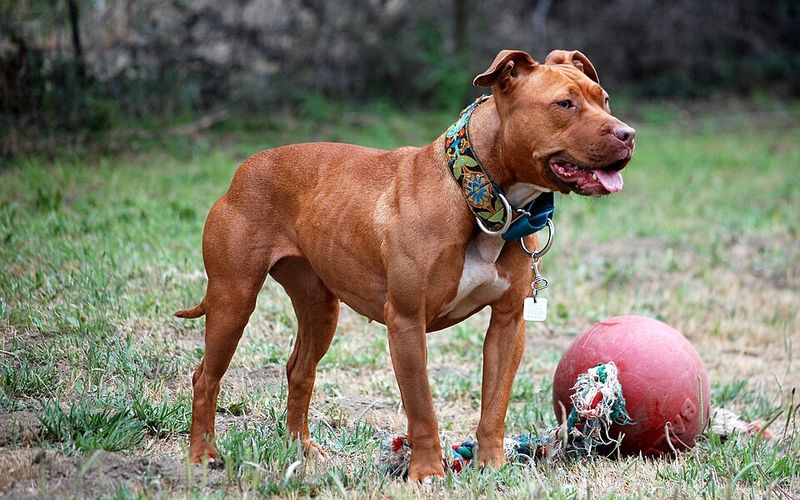
You see blocky head and muscular frame and think pit bull, but the label gets tossed around for many dogs. The American Pit Bull Terrier is a distinct, athletic companion with endless grin and goofball energy.
Shelter staff and neighbors often mistake lookalikes for this breed, which fuels myths and confusion.
Spot them by a smooth coat, deep chest, wide jaw, and a springy trot that looks ready to play. Weight ranges widely, but balanced proportions and bright, engaged eyes really stand out.
Common confusions include American Staffordshire Terrier, Staffordshire Bull Terrier, and mixed bully breeds from shelters. Temperament is affectionate, people focused, and energetic when well socialized and trained.
If you assume toughness, you will miss the cuddly dog.
Staffordshire Bull Terrier
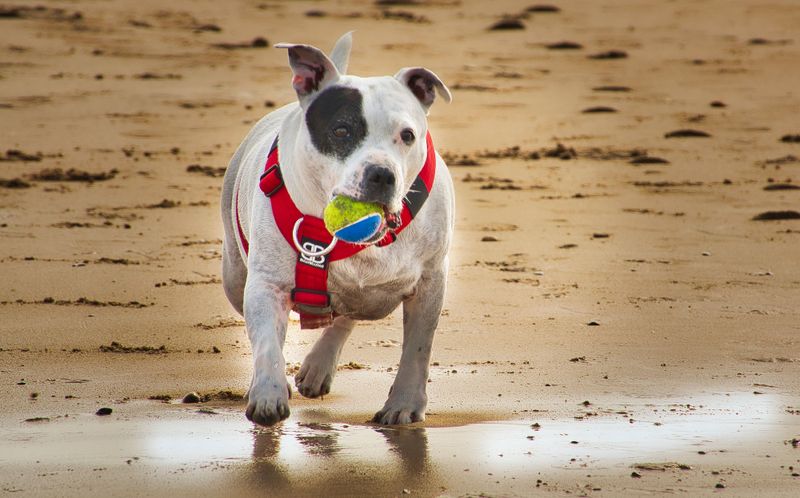
Compact and cheerful, the Staffordshire Bull Terrier often gets labeled as a pit bull by strangers. You will notice a shorter, stockier frame with a big heart and bigger grin.
They carry impressive jaw muscles and rose or half-pricked ears that frame bright, people-loving eyes.
Confusion happens because bully breeds share silhouettes and coats. Look for a shorter back, thick neck, and a surprisingly nimble bounce when they move.
Staffies tend to be smaller than American types, with a signature smile that melts skepticism. Many are total cuddle champions who crave your lap after play sessions.
If you learn these markers, you will start separating Staffy from AmStaff and mixed bullies at a glance.
American Bulldog
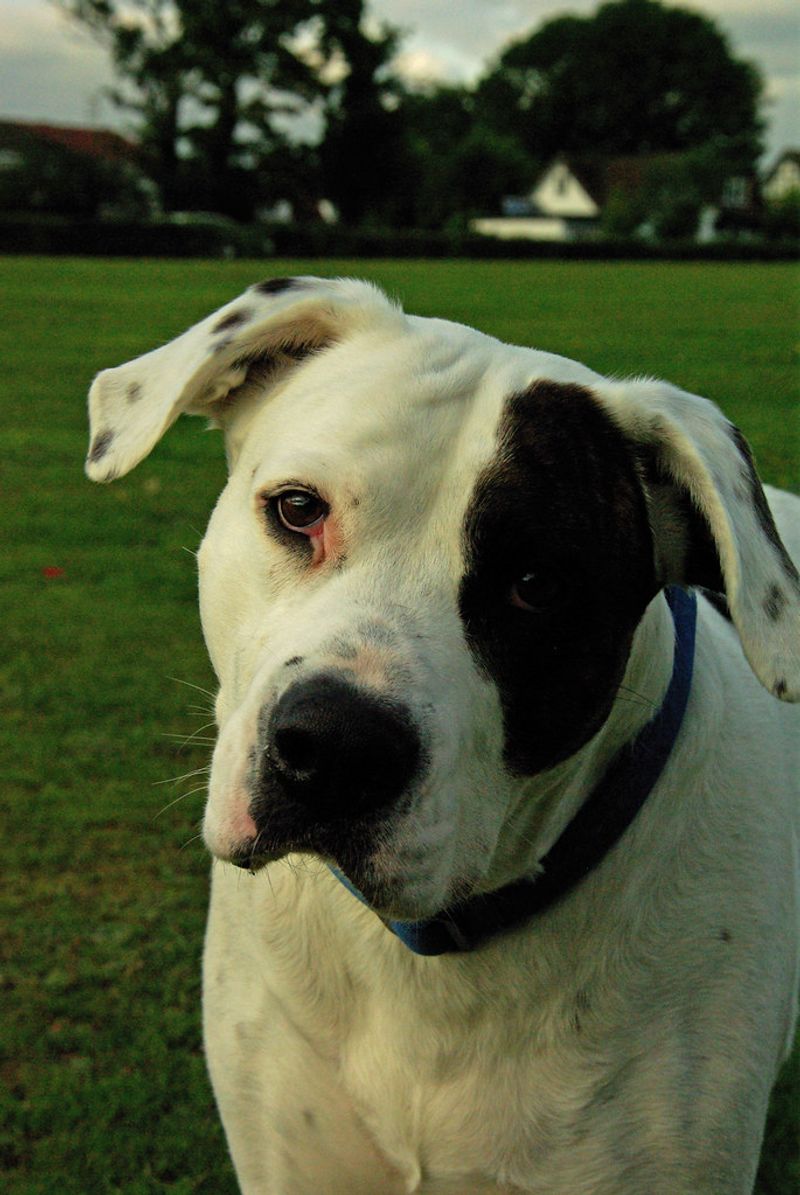
Big, brawny, and surprisingly agile, the American Bulldog is constantly mistaken for pit bull or Boxer mixes. You will see heavier bone, broader chest, and a wider, boxier head.
Many have predominantly white coats with patches, and a working dog stride that says job first, nap later.
Misidentification sticks because people expect Bulldogs to be couch potatoes. This breed is more farmhand than furniture ornament, with stamina to spare.
Look for slightly longer legs than English Bulldog, a natural tail, and a confident, purposeful trot. The face often shows a strong stop and pronounced cheeks.
When trained kindly, they are loyal guardians who adore your family rhythm. Get exercise right, and the breed shines at home.
Belgian Malinois
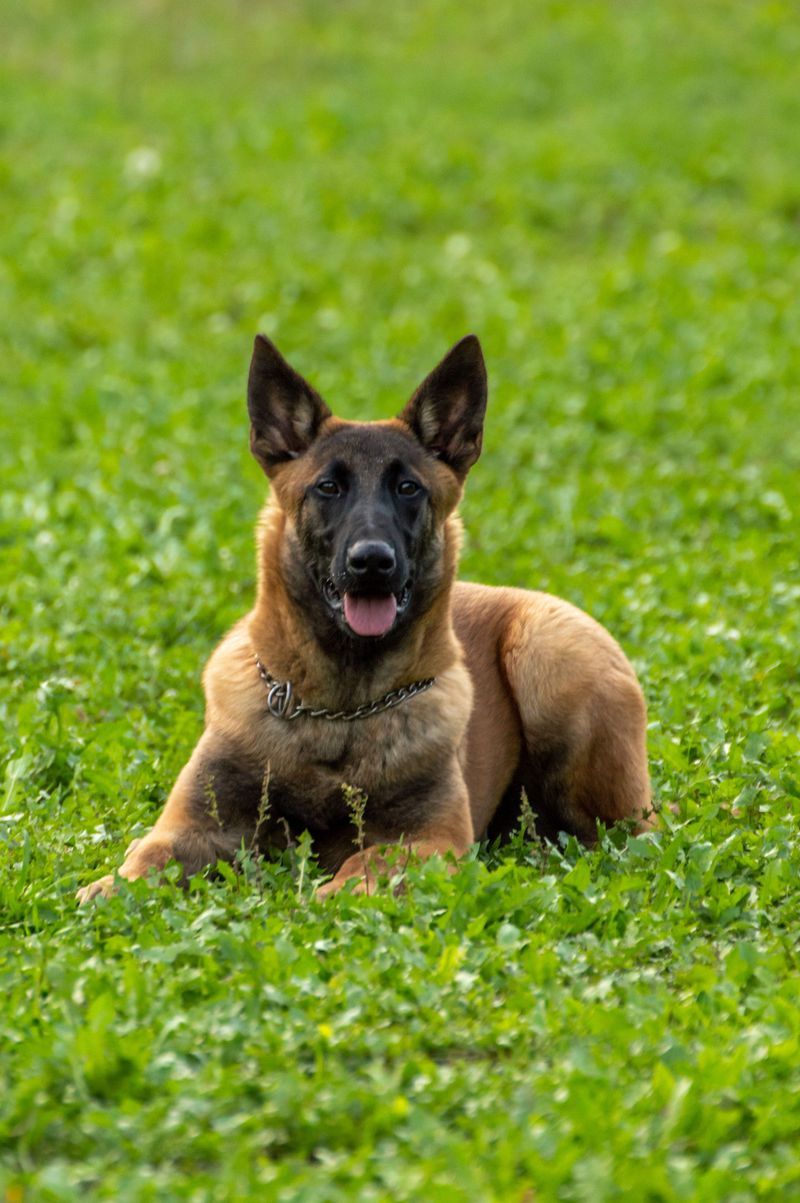
Sleek and serious, the Belgian Malinois gets mistaken for a small German Shepherd all the time. Once you watch the movement, the difference pops.
Malinois carry a lighter, more vertical frame with a quick, elastic stride and laser focus that says ready now.
Look for a short fawn coat with black mask, erect ears, and a tucked waist. The back tends to be level, not sloped, and the expression is all business.
Because they star in police and sport videos, many assume any tan dog with a mask is Malinois. Training needs are sky high, so do not choose one lightly.
If you want a high-drive partner, this breed will thrill and challenge you daily.
Dutch Shepherd
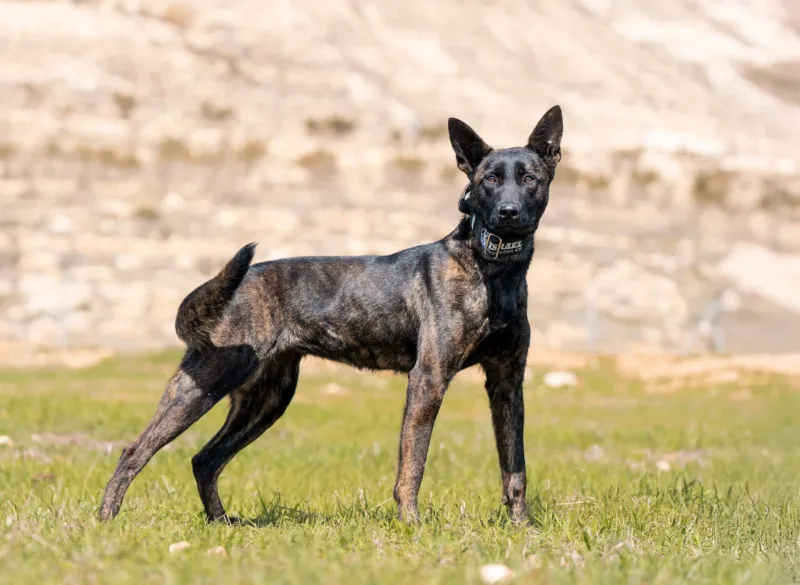
The Dutch Shepherd is the brindle cousin who gets mistaken for Malinois or random shepherd mixes. You will notice tiger-striped brindle coats in short, rough, or long varieties.
The build is versatile and athletic, with a bright, investigative stare that reads problem solver.
Misidentifications happen because the outline feels similar to Belgian herders. Check for brindle as the defining clue, plus a balanced, moderate frame.
Movement is smooth, ground-covering, and efficient without wasted drama. These dogs thrive on purpose, puzzles, and time with you.
If a shepherd-shaped dog is brindle and zippy, there is a great chance you are looking at a Dutch Shepherd, not a Malinois. Expect brains, stamina, and a loyal shadow at your heel.
English Bulldog
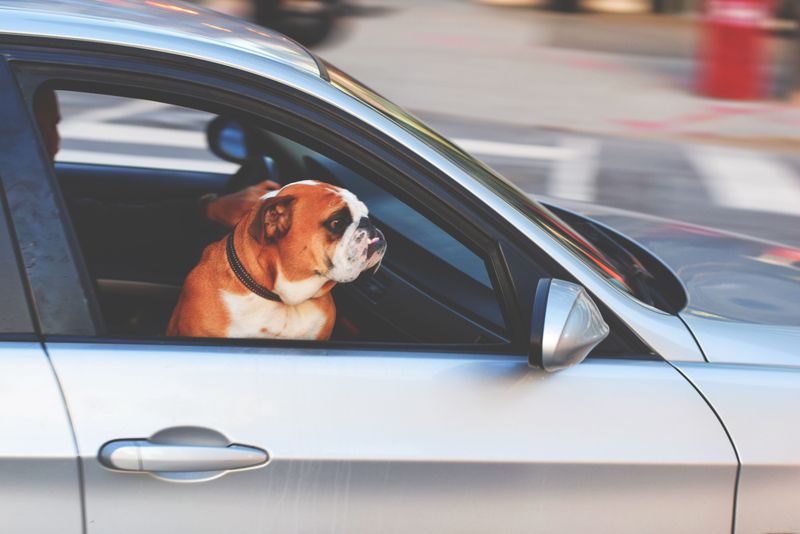
Everyone recognizes the wrinkled face, yet English Bulldogs are still mistaken for American Bulldogs or mixed bullies. The giveaway is the compact, heavy front end with a rolling, side-to-side walk.
You will see abundant skin folds, a very short muzzle, and an undershot jaw.
These dogs are sweet companions, but their structure is very different from athletic bulldogs. Look for shorter legs, a broad chest, and a lower energy vibe.
Many have a screw tail and rose ears, with a dignified, almost comic presence. People often guess wrong when a white American Bulldog shows up.
Remember this rule of thumb for quick checks: heavier wrinkles, shorter snout, and that signature waddle usually mean English Bulldog.
French Bulldog
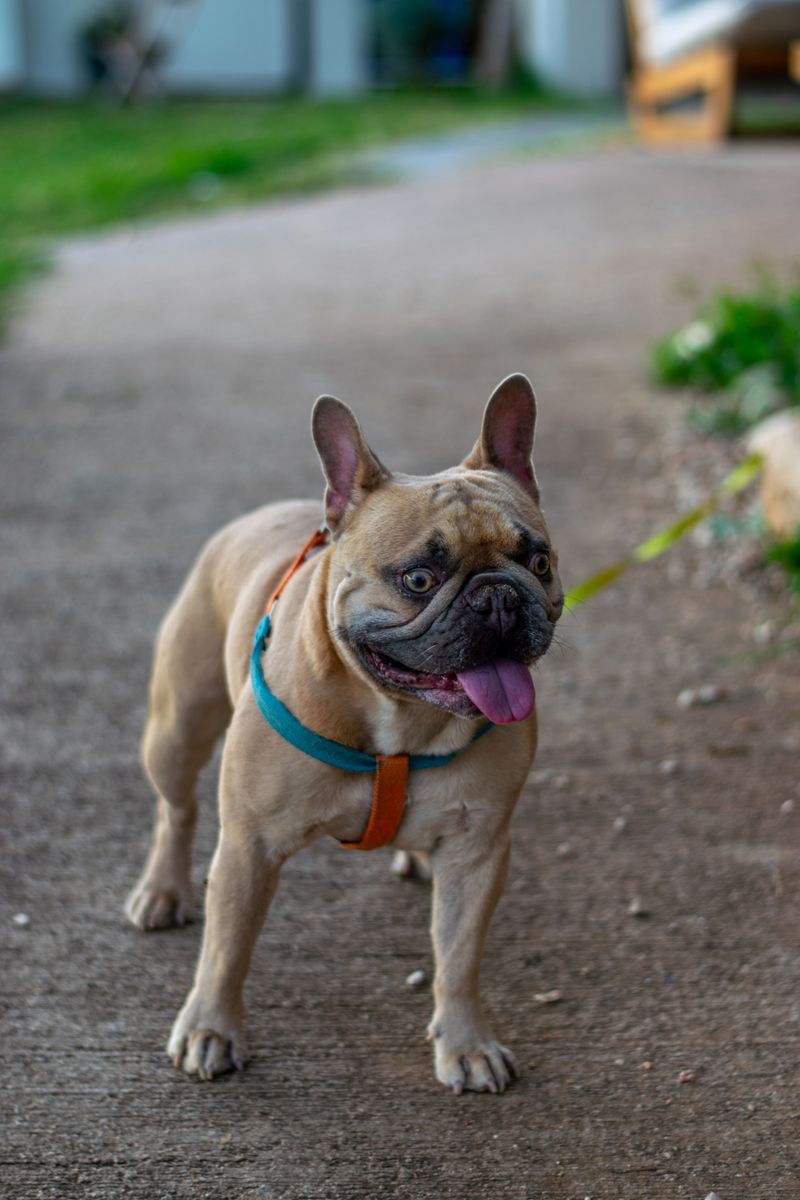
Frenchies may be small, but they are champions of mistaken identity with Boston Terriers and Pug mixes. The instant tell is those big bat ears that stand like sails.
Add a compact body, broad chest, and a smushy face that gives comedic side-eye on command.
Confusion spikes with black and white Frenchies that resemble Bostons. Look for heavier bone, wider chest, and a shorter muzzle than Boston Terrier.
The tail is tiny, and the ear shape is taller and more open. Energy is playful in short bursts, then couch time.
If you want a quick ID, think bat ears, stocky toy body, and a clownish vibe. That combination usually means French Bulldog, not Boston or Pug mix.
Akita
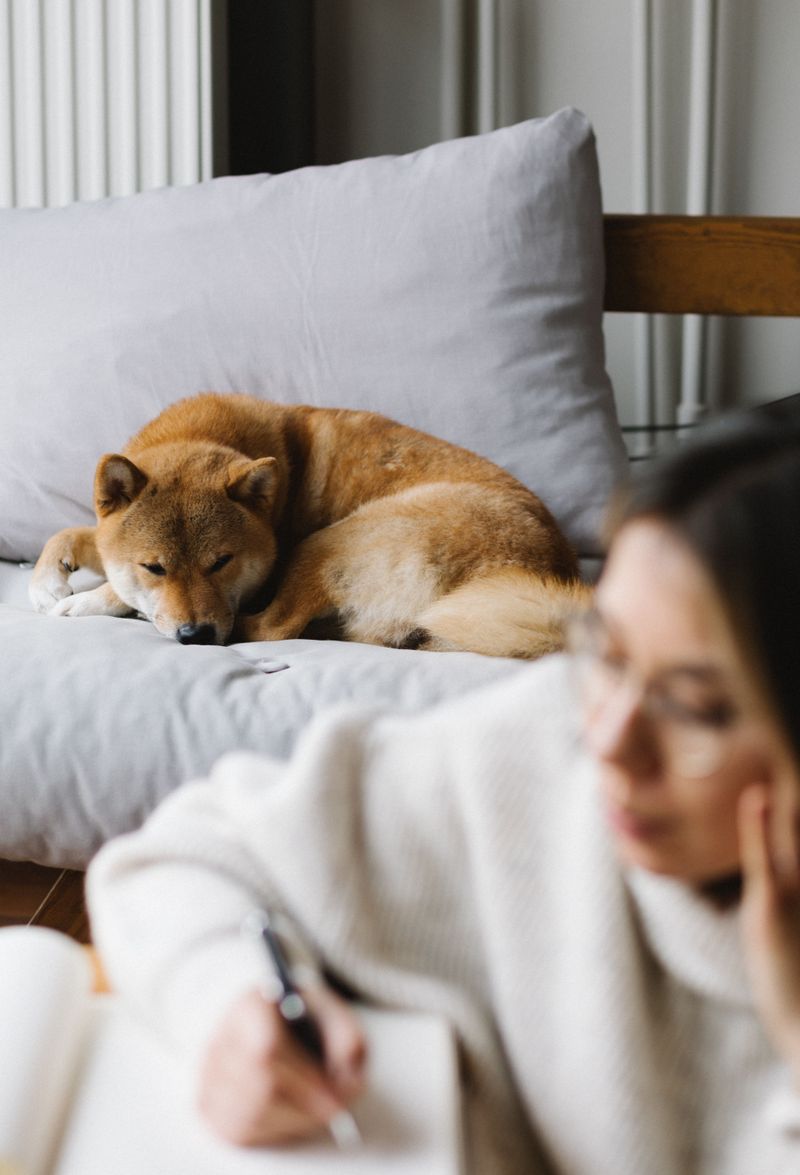
Majestic and stoic, the Akita is often confused with Malamutes, Huskies, and even big Shiba Inus. The key is a large, powerful spitz frame with a plush double coat and a full, tight curl in the tail.
Their expression is confident, sometimes aloof, with small triangular ears.
Akitas carry real presence, moving with a steady, purposeful gait. Look for a broad head, deep stop, and a strong neck that flows into a square outline.
Colors vary widely, including pinto and brindle. Many people guess Husky, but Akitas are heavier, taller, and more monumental.
With respectful training, they bond deeply and guard quietly. Learn that silhouette, and you will never confuse an Akita with northern sled dogs again.
Shiba Inu
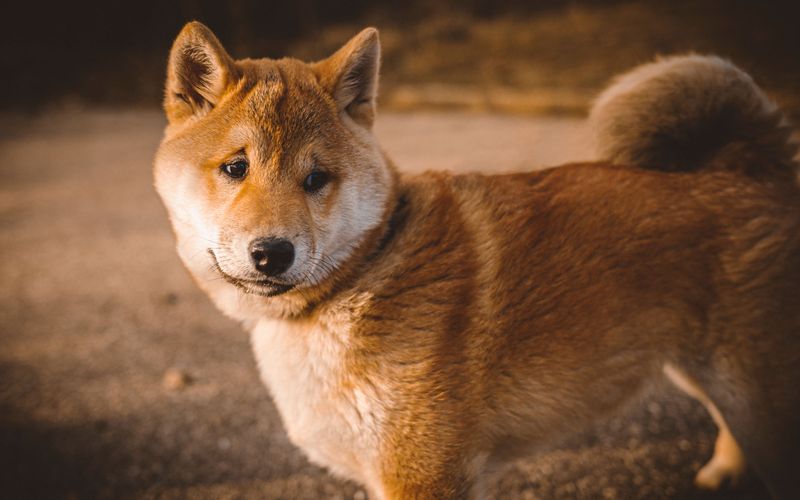
The Shiba Inu is the internet’s fox dog, but many people confuse it with small Akitas or spitz mixes. Spot the compact, agile body, high-set curled tail, and that mischievous foxlike face.
The coat is plush and clean, with red, black and tan, or sesame patterns that pop in sunlight.
Compared with Akitas, Shibas are smaller, lighter, and far bouncier in movement. Ears are perky, eyes are triangular, and the smile looks a little smug in the best way.
They can be independent, so patience pays off. If you picture a tidy fox with a curly tail trotting confidently, you are probably seeing a Shiba.
Learn that tidy outline, and mislabeling as mini Akita will disappear quickly.
Siberian Husky
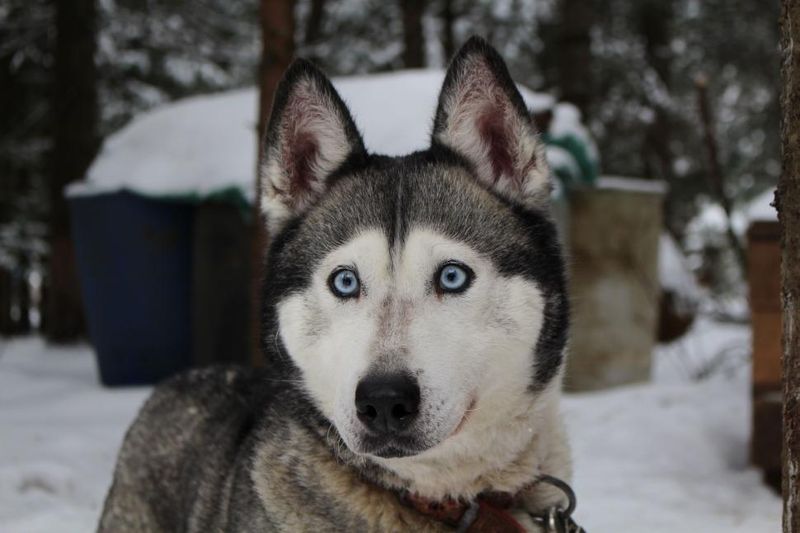
Siberian Huskies get mixed up with Alaskan Malamutes constantly. Huskies are medium, nimble, and built for speed over distance.
You will see almond eyes that can be blue or brown, a lighter frame, and a tail that often streams behind rather than tight curls when moving.
The face can carry striking masks that scream movie star. Look for a level back, clean leg lines, and an efficient, floating trot.
Malamutes feel heavier and broader through the chest and head. Huskies show a racier silhouette with a foxier face.
If you imagine a marathon runner compared with a powerlifter, you have the right picture. That quick, ground-eating gait is your best clue you are looking at a Husky.
Alaskan Malamute
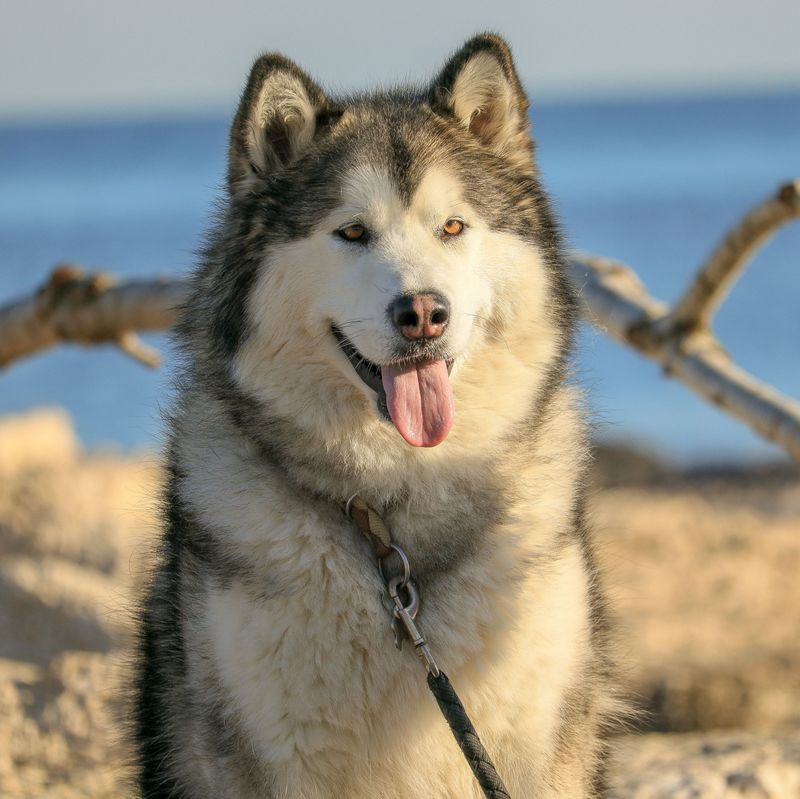
The Alaskan Malamute is the heavyweight hauler that people call Husky by habit. You will notice a larger, broader dog with a deep chest and a massive head.
The tail usually drapes or curls over the back like a plume, adding to the big mountain silhouette.
Movement is steady and strong, not sprinty. Look for warm brown eyes more often than blue, dense bone, and wide feet like snowshoes.
The face markings can be bold, but the expression reads gentle and steadfast. Compared to Huskies, Malamutes are thicker through shoulder and neck.
Think power over miles, not quick bursts. When you see that bear cub outline in winter gear, you are almost certainly meeting a Malamute, not a Husky.
Flat-Coated Retriever
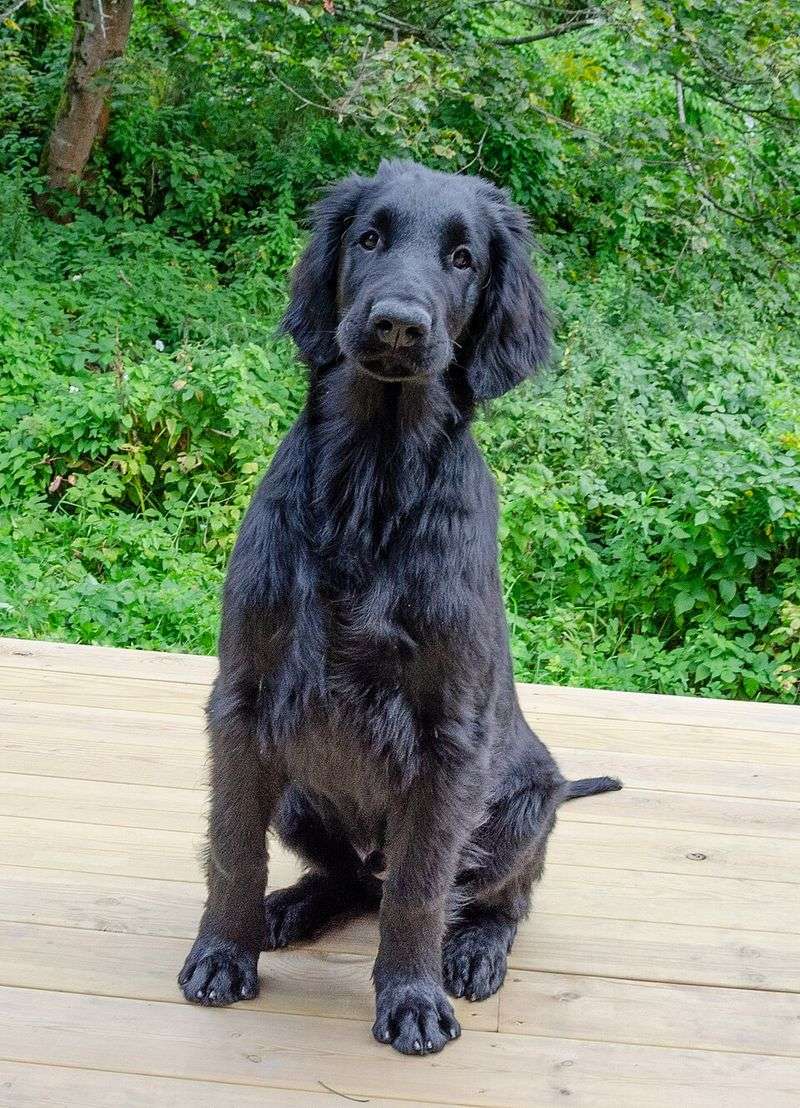
The Flat-Coated Retriever is the forever-young comedian often mistaken for a black Golden or a lanky Lab mix. You will notice a sleek, flowing black or liver coat with feathering on legs and tail.
The head is long and clean, giving a joyful, almost smiling expression.
Movement is buoyant and effortless, like a friend who always suggests one more swim. Look for a one-piece outline, moderate bone, and a constantly wagging tail.
Compared with Goldens, Flats have a flatter coat and a racier silhouette. Compared with Labs, they are silkier, with more feathering.
If you love enthusiasm that never quite grows up, this breed will charm you daily. Expect a social butterfly who thrives on your attention and activity.
Chesapeake Bay Retriever
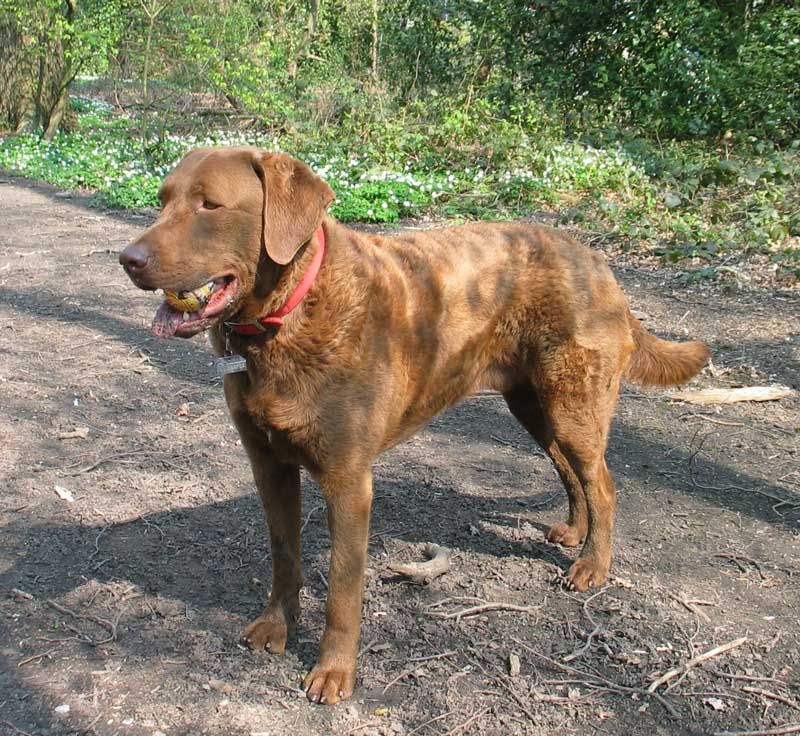
Chessies are rugged waterfowl partners often mistaken for chocolate Labs. The giveaway is a dense, wavy coat that sheds water and elements like armor.
You will also notice striking amber eyes that look determined, with a powerful, slightly more square build.
Compared with Labs, the topline can be a touch higher in the rear, and the coat feels oily and textured. Movement is purposeful, with a worker’s mindset that says let us get this done.
Colors include brown shades like deadgrass and sedge. The temperament is loyal and protective of home, sometimes reserved with strangers.
If you see a brown retriever with waves and amber eyes blasting into cold surf, you are meeting a Chesapeake, not a Lab.