Some dogs do not ignore you because they are confused. They may understand your words just fine, but choose to think first and act later.
That can be funny, frustrating, and surprisingly normal for certain breeds. Knowing which dogs have this independent streak can help you train smarter and live together more peacefully.
Siberian Husky
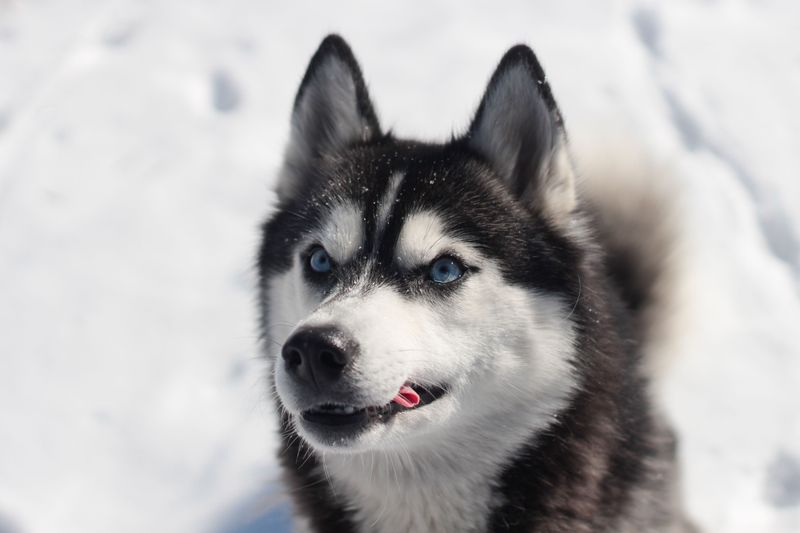
Call a Husky once, and you may get a bright stare instead of quick obedience. Bred to think for themselves while pulling sleds, they often weigh your request before moving.
Clear routines, short commands, and playful rewards work better than angry repetition. When exercise needs are met, this clever dog is far more likely to cooperate instead of turning your backyard into an adventure show for the whole neighborhood to watch and laugh outside daily.
Dachshund
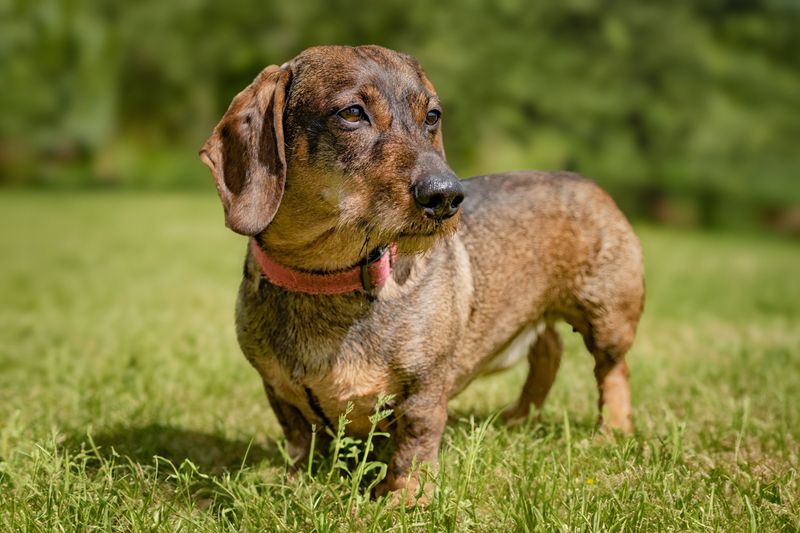
That little body can carry a surprisingly stubborn opinion. Dachshunds were made to chase badgers underground, so bold choices are part of the package, even in your living room.
Patience matters more than volume with this breed. Use upbeat practice, tasty treats, and gentle consistency, because pushing too hard can make a Dachshund plant its paws, look away, and decide your plan sounds much less exciting than its own at the moment that same day.
Shiba Inu
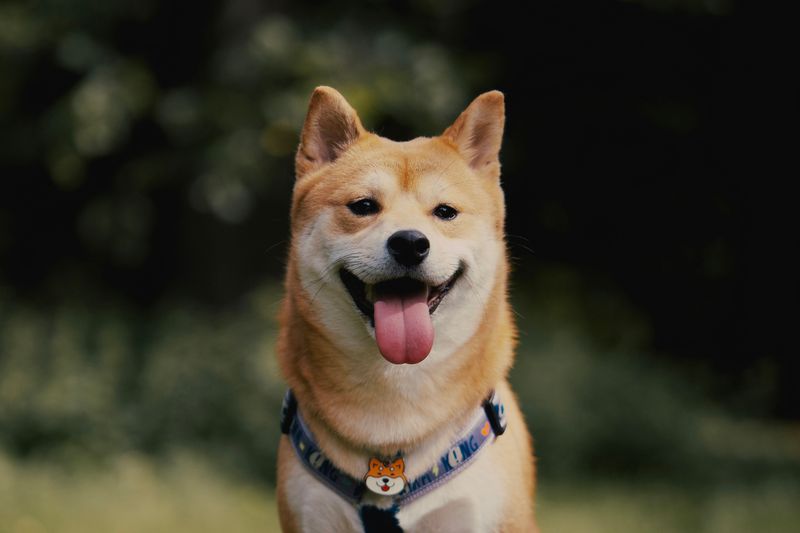
Shiba Inus often act like tiny comedians with very firm personal boundaries. Many understand exactly what you mean, but their independent streak can make every request feel like a negotiation.
Respect goes a long way with this foxlike breed. Keep training short, interesting, and fair, and celebrate small wins, because a bored Shiba may simply glance at you, choose dignity over obedience, and stroll off as if it wrote the house rules itself that morning.
Beagle
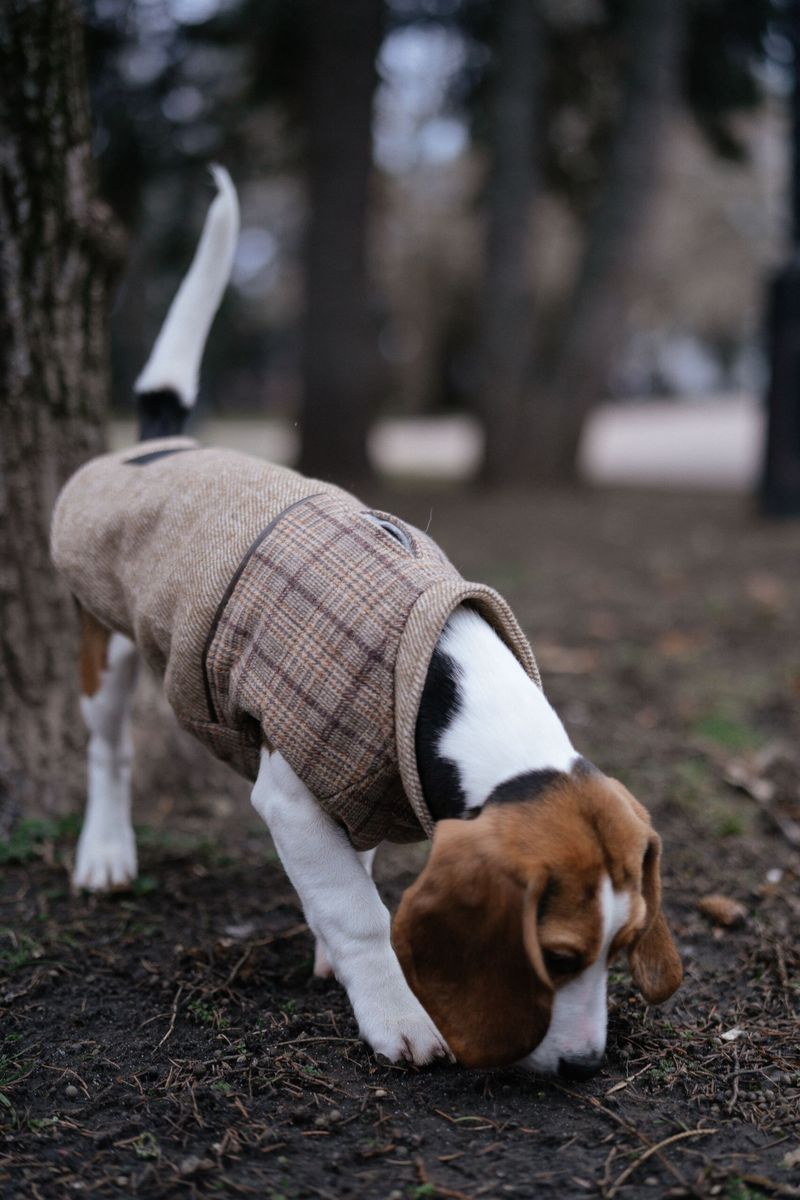
A Beagle nose can overrule your voice in a single second. Once a scent trail appears, this merry hound may hear you just fine and still choose the far more thrilling story drifting through the air.
Training works best when you become more interesting than the smell. Practice recall with rewards, use secure spaces, and remember that mental games help channel curiosity before those wandering ears lead your dog toward a fresh backyard mystery again.
Akita
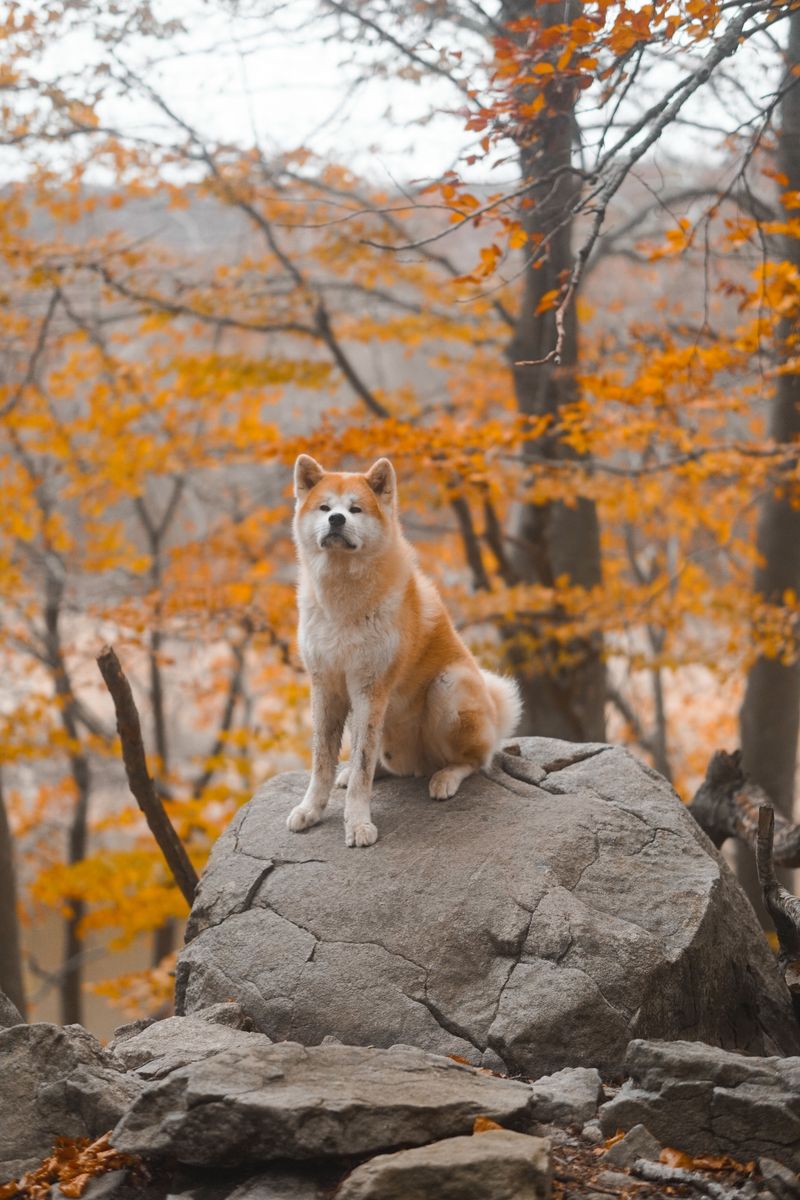
An Akita can read a room with quiet, serious focus. Known for loyalty and strong judgment, this breed may pause before obeying because it likes to decide whether your idea makes sense.
Calm leadership earns more respect than constant chatter. Build trust early, teach with steady rules, and avoid rough handling, since an Akita usually responds best to people who act confident, fair, and worthy of being followed during everyday life at home together peacefully.
Scottish Terrier
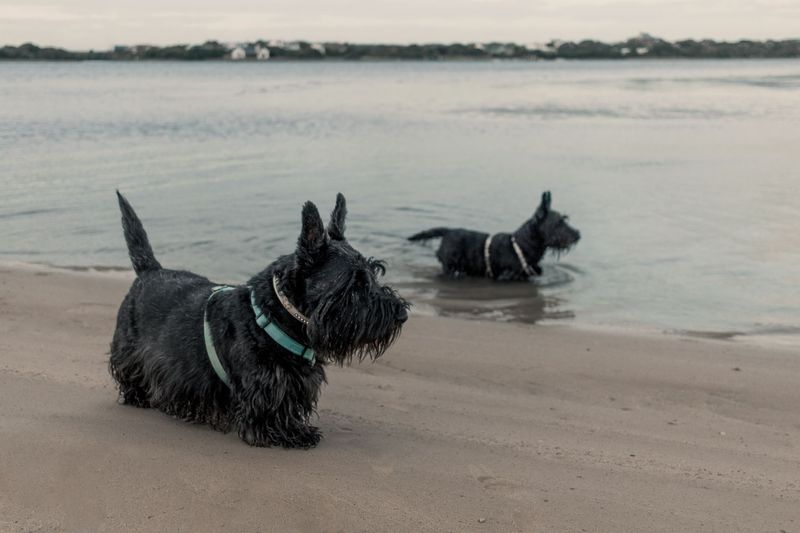
A Scottish Terrier may be small, but it carries itself like a determined mayor. That self assured attitude means commands are often reviewed, not instantly accepted, especially if something more interesting is happening nearby.
Firm routines and cheerful practice sessions suit this breed well. Give clear boundaries, keep lessons brief, and use praise wisely, because a Scottie often prefers working with you as a respected partner, not as a tiny robot on command each day.
Alaskan Malamute
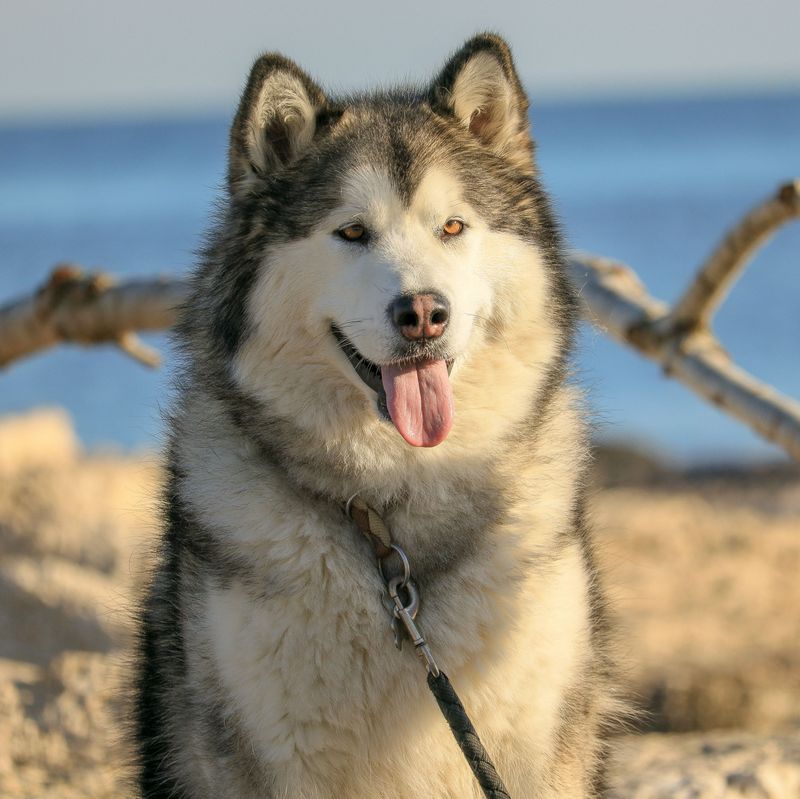
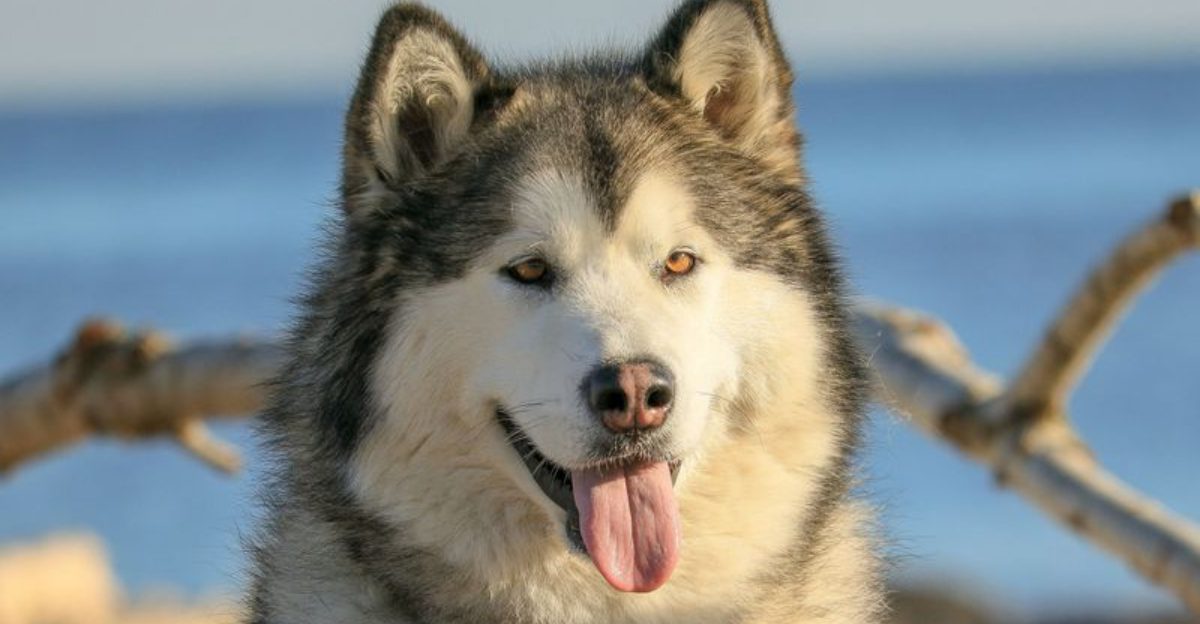
Picture a powerful worker pausing to consider whether your plan is efficient. Alaskan Malamutes were bred for endurance and teamwork, but they also carry a strong independent streak that shows up at home.
Daily exercise is a huge key with this breed. Pair physical activity with simple training games, stay consistent, and skip power struggles, because a restless Malamute can turn selective hearing into a full performance of canine stubbornness and charm before dinner nightly.
Afghan Hound
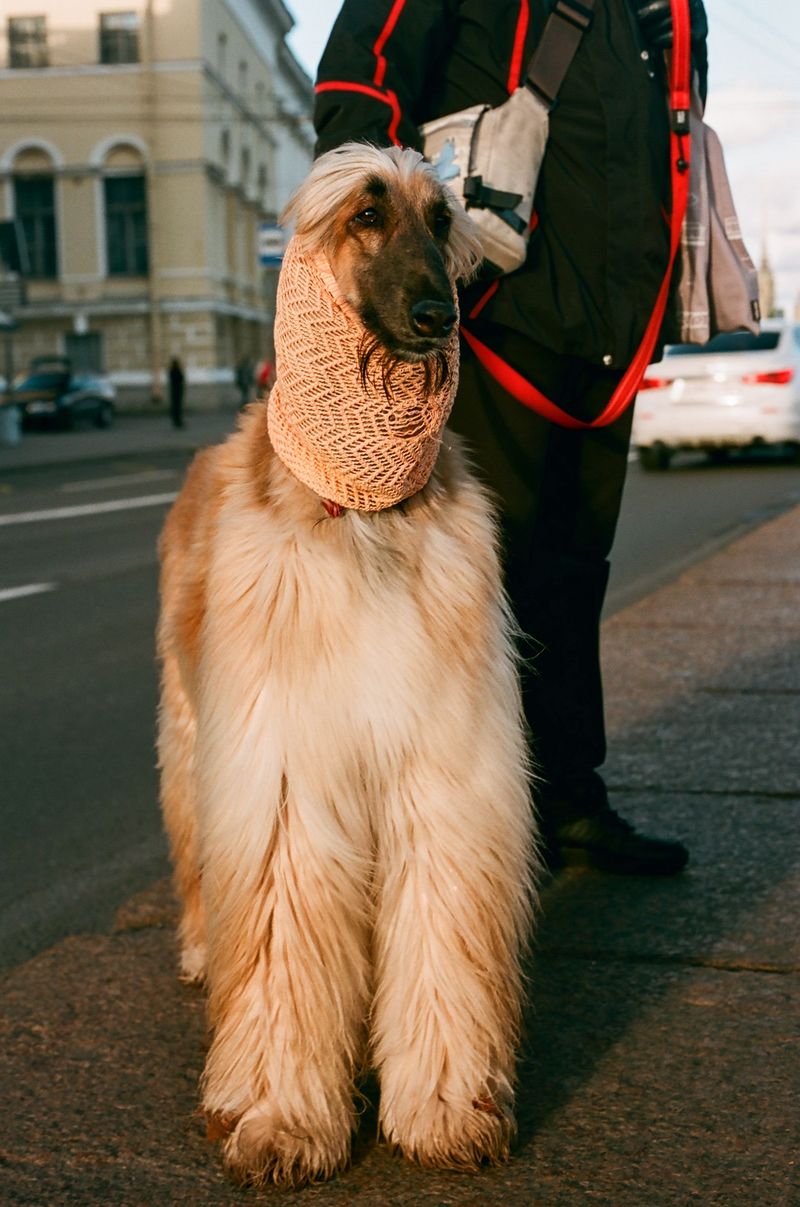
An Afghan Hound brings movie star looks and a mind of its own. Under that elegant coat is an old hunting dog that often prefers making choices independently instead of following every request right away.
Gentle patience works far better than drilling commands again and again. Keep training upbeat, protect their sensitive spirit, and remember that respect, not force, is what helps this graceful breed listen when the world feels more interesting than your voice.
Basenji
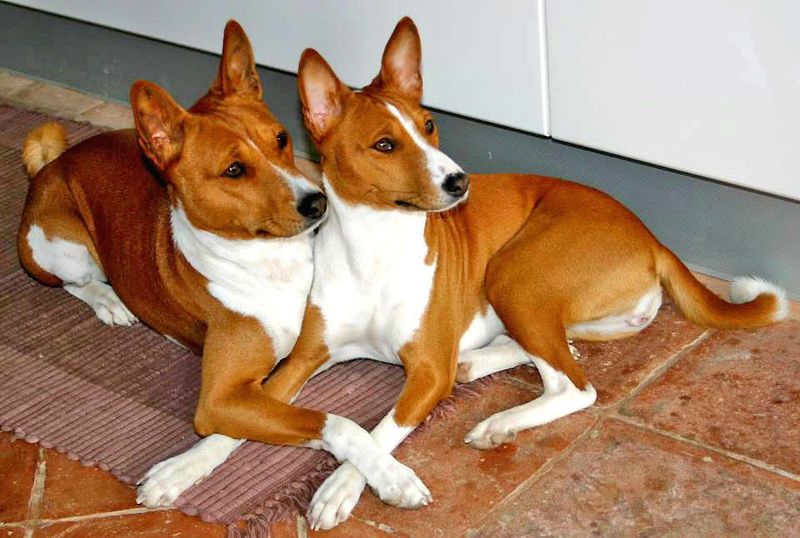
Silence can fool people, but a Basenji is rarely clueless. Famous for unusual vocal sounds and catlike habits, this sharp dog may understand your command, then calmly decide another option seems better.
Smart owners lean on variety and motivation. Rotate rewards, keep sessions lively, and offer puzzle toys, because a Basenji often checks out when training becomes boring, repetitive, or too bossy for its curious, fast thinking nature during even the shortest afternoon lessons sometimes.
Basset Hound
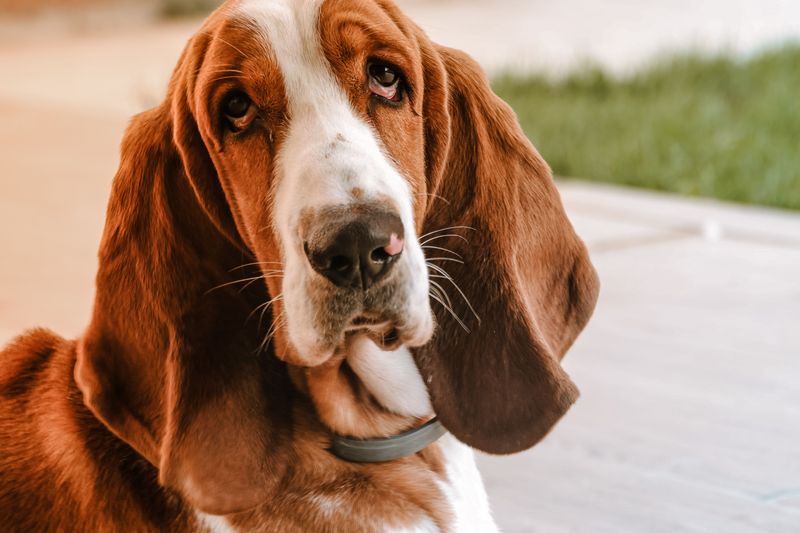
A Basset Hound can look sleepy while quietly making its own plan. Behind those droopy ears is a scent driven thinker that may choose following a smell over following your timeline.
Life gets easier when training feels rewarding and relaxed. Use food motivation, practice in low distraction areas, and keep your sense of humor, because pushing a Basset usually slows things down instead of speeding them up for anyone involved on a busy morning walk.
Jack Russell Terrier
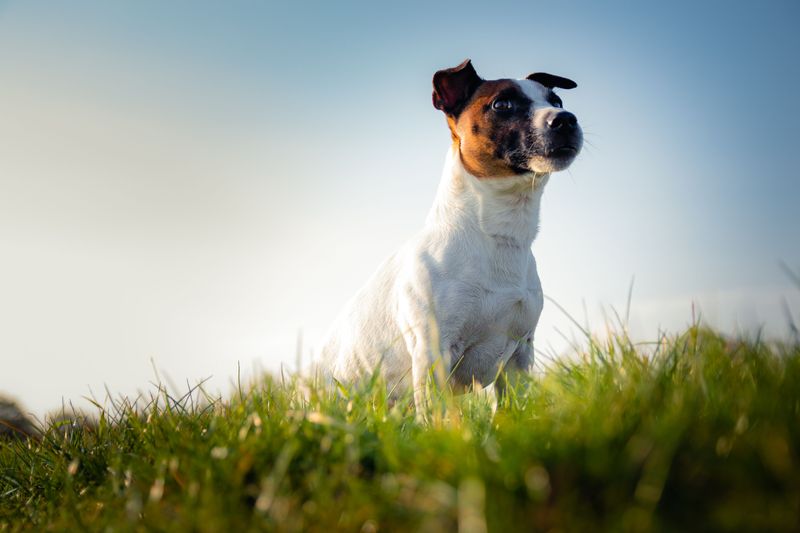
Living with a Jack Russell can feel like sharing space with a tiny rocket scientist. Quick to learn and quicker to invent trouble, this breed may ignore a command simply because a better idea just popped into its busy head.
Channel that energy before expecting perfect manners. Short drills, chase games, and food puzzles help a lot, while boredom often turns a clever Jack Russell into a cheerful expert at rewriting your household plans daily.
Chow Chow
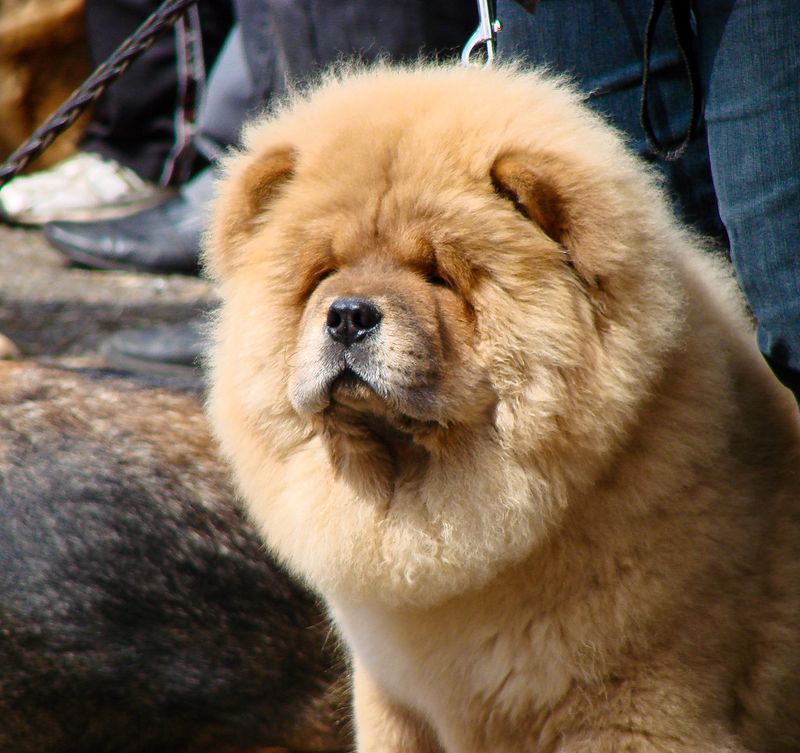
A Chow Chow often carries an air of quiet royalty around the house. Many are deeply devoted, yet they are not usually eager to obey every request, especially from people who have not earned trust.
Steady socialization and respectful training make a real difference. Speak clearly, stay patient, and build a bond first, because a Chow usually responds to calm confidence far better than loud corrections or endless repeated commands during ordinary days at home.