
Ever feel like your furry friend is giving you the cold shoulder? Understanding canine behavior can often clear up these misunderstandings. Here are ten reasons why your dog might seem distant or upset, and why it’s usually not as it seems.
Your Dog Is Overstimulated and Needs Space
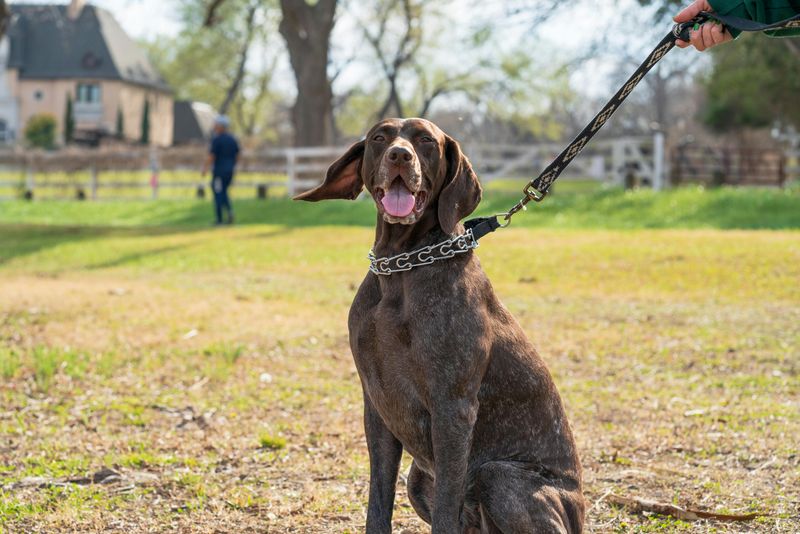
Your dog might seem distant because they’re overwhelmed by their surroundings. Picture a busy park with children playing, other dogs barking, and the sun beating down. It’s a sensory overload for your furry friend.
Just like us, dogs need a moment to decompress. They may retreat to a quiet spot to regain their calm.
This doesn’t mean they dislike you. It’s their way of managing stress. Providing a peaceful environment can help them feel secure and appreciative of your company.
Pain or Discomfort Is Changing Their Mood
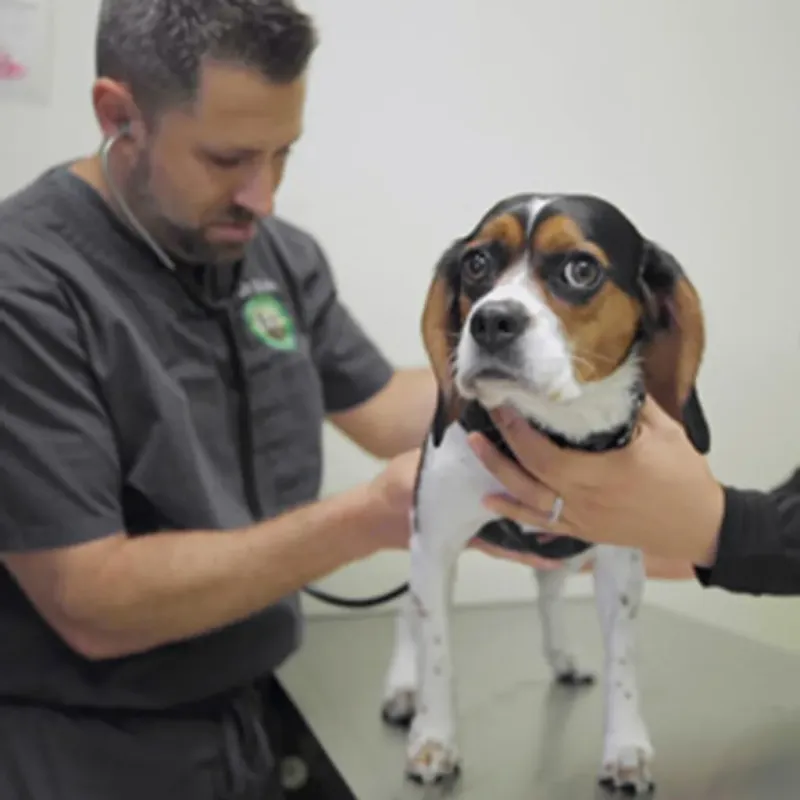
Dogs, much like humans, can become irritable when in pain. Imagine an older golden retriever with an aching leg at the vet. Their usual wagging tail might droop, and their eyes may appear sad.
This change in demeanor can be misinterpreted as dislike. However, it’s often their way of communicating discomfort.
Regular check-ups can identify these issues early. Understanding their body language helps in providing the right care and affection.
Fear or Anxiety Makes Them Avoid Contact
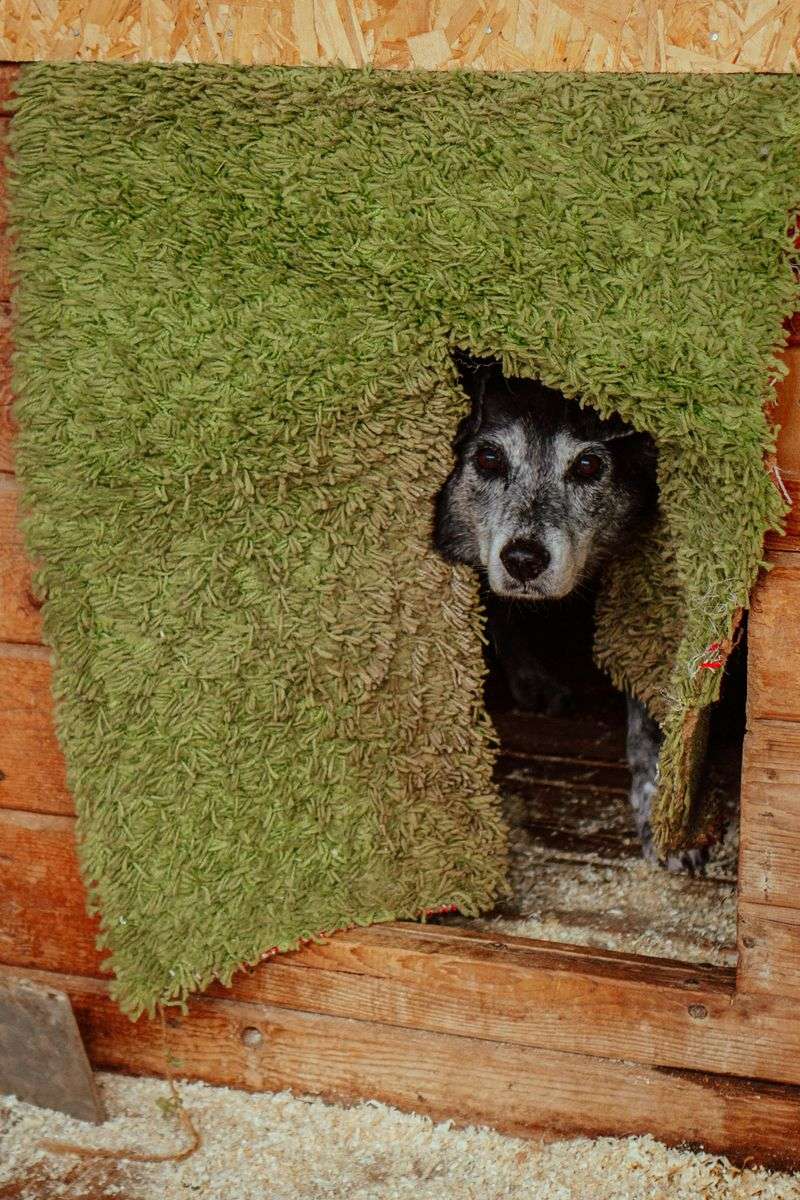
Thunderstorms, loud noises, or even unfamiliar visitors can trigger anxiety in dogs. Picture a small terrier trembling under a couch, eyes wide with fear.
In these moments, they might avoid eye contact or run away. It’s not personal; it’s their instinct to seek safety.
Creating a safe, quiet space can help alleviate their fears. Comfort and understanding go a long way in building their trust and confidence.
They’re Tired and Don’t Want Interaction

Even the most energetic dogs have their limits. Picture a bulldog sprawled on a sofa, eyes drooping after a long play session.
When they’re tired, they may not be interested in play or cuddles. Instead, they seek rest and rejuvenation.
Respecting their need for downtime can strengthen your bond. It’s not rejection; it’s just nap time! Understanding this can help prevent any feelings of being unwanted.
Past Reinforcement Makes Them Ignore You
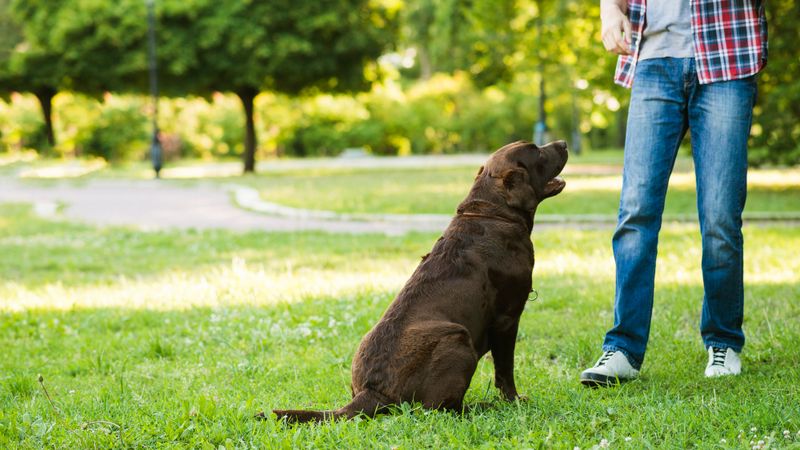
Sometimes, we inadvertently teach dogs to ignore us. Imagine a Labrador sitting by its bowl, waiting for treats every time it hears your voice.
If commands are not consistently rewarded, they may learn to disregard them. This isn’t animosity; it’s learned behavior.
Clear, consistent communication and training can reshape this dynamic. With patience, dogs can learn to respond positively and eagerly.
Your Timing With Cues Is Confusing
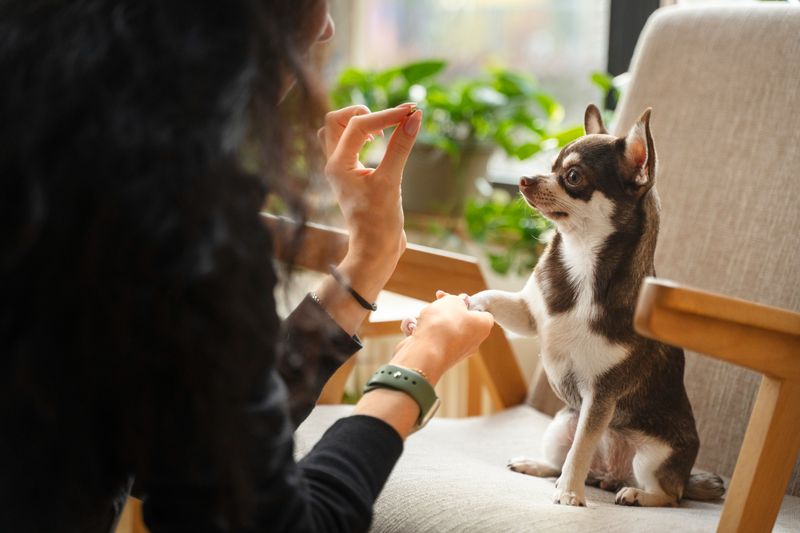
Dogs are keen observers but can be puzzled by mixed signals. Picture a border collie tilting its head, trying to decipher conflicting hand gestures.
Misaligned timing between cues and rewards can lead to confusion. It’s not that they’re ignoring you; they simply don’t understand.
Practicing consistent training techniques can clarify expectations. Clear communication fosters better understanding and connection.
They’re Guarding a Resource (Food, Toy, Spot)
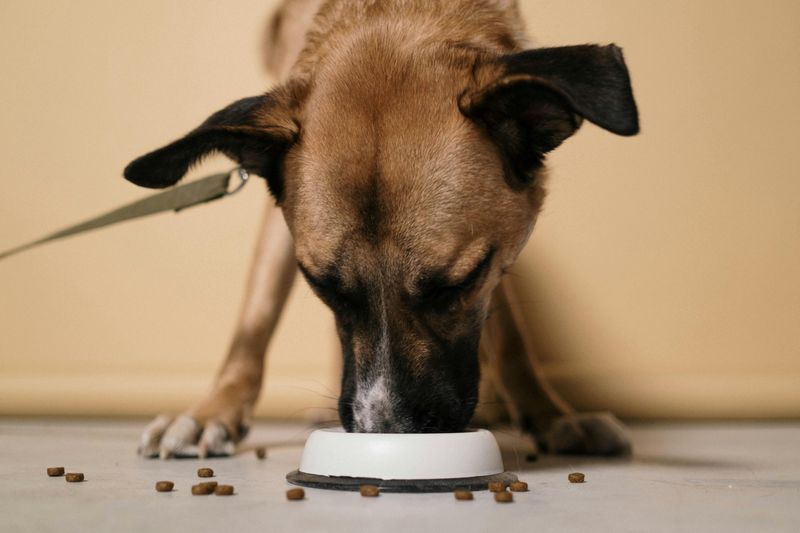
Resource guarding is a natural instinct. Visualize a German Shepherd standing protectively over its food bowl, eyes wary of nearby dogs.
They might growl or turn away from you to safeguard their prized possessions. This isn’t hostility; it’s protective behavior.
Recognizing this can prevent misunderstandings. With patience and training, they can learn to share and trust more openly.
They’re Reacting to a Specific Trigger You Didn’t Notice
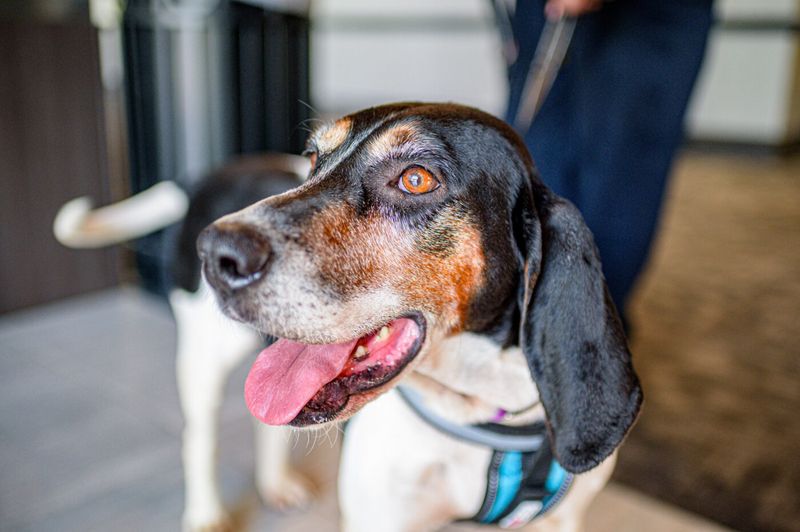
Dogs often react to stimuli we overlook. Picture a beagle suddenly barking, pulling at its leash when a bicycle appears in the distance.
Their response might seem abrupt or inexplicable. However, they’re reacting to a trigger that caught their attention.
Being attentive to their surroundings can help address these reactions. Acknowledging their cues fosters better understanding and control.
Stress Hormones Stay High After a Scary Moment
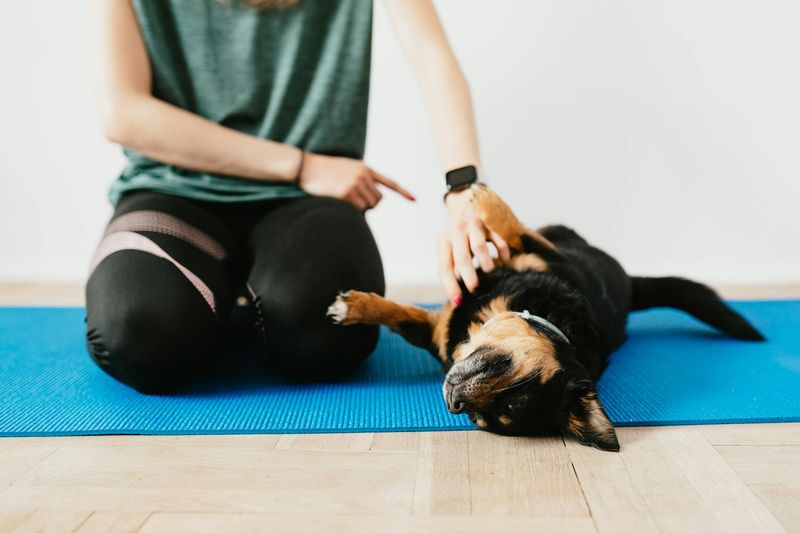
After a frightening event, stress hormones linger in a dog’s system. Imagine a poodle with wide eyes, standing tensely by a door after a thunderous noise.
They may appear distant or skittish long after the event. It’s their body’s way of processing the experience.
Providing comfort and reassurance helps them recover. Understanding this physiological response promotes empathy and patience.
They’ve Learned That Alone Time Is the Safest Option
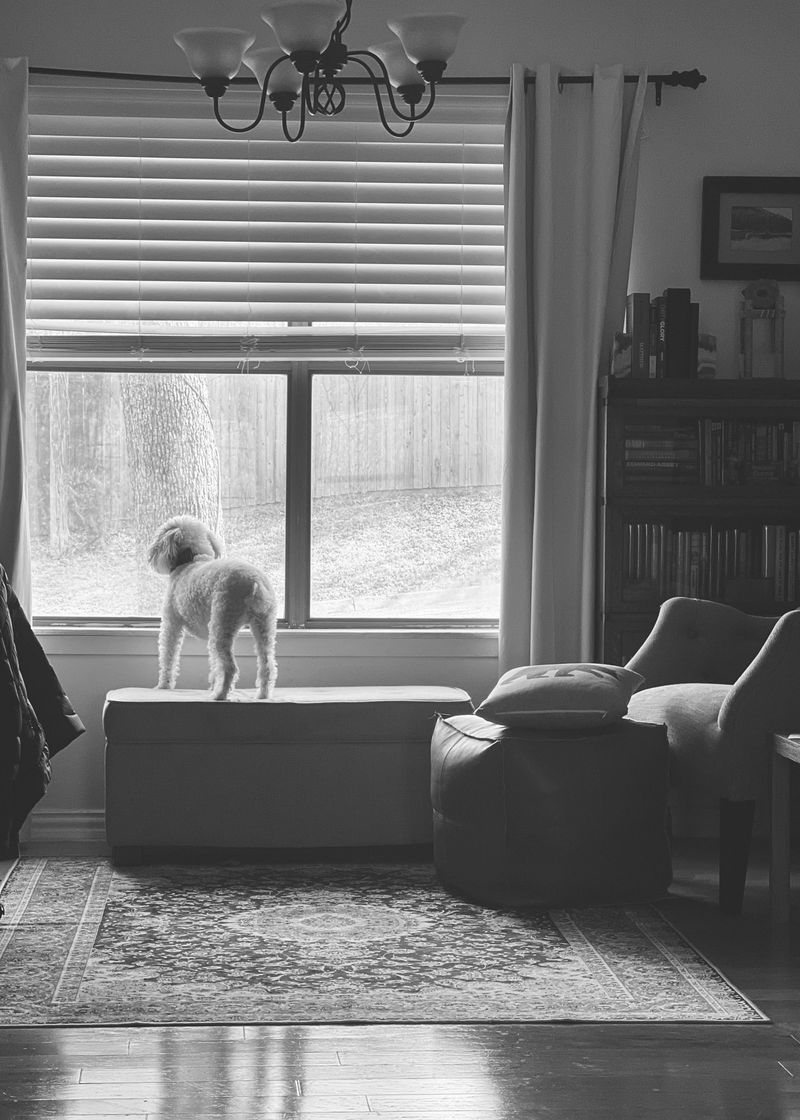
Some dogs find solace in solitude. Picture a Shiba Inu sitting by a window, gazing outside with a serene expression.
They might have learned that being alone is peaceful and safe. This behavior isn’t about rejecting you; it’s about finding inner calm.
Encouraging confidence through positive interactions can help them feel secure in your presence. Building trust takes time, but it’s worth the effort.