
Ever call your dog and get a slow side glance instead of a sprint to your feet? Some breeds are simply wired to filter out background noise and focus on what matters to them.
That does not mean they are stubborn or untrainable, just uniquely independent and selectively attentive. Let us decode the quiet superpowers behind 10 breeds that seem to press mute on the world.
Basenji
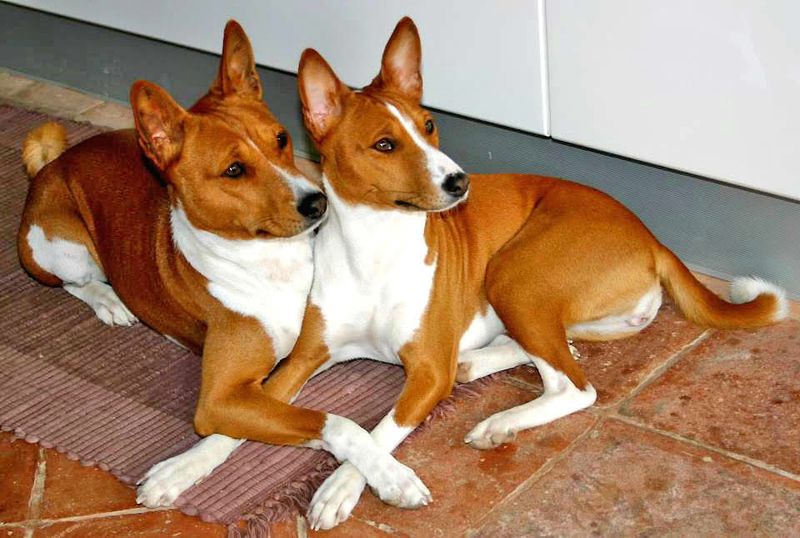
The Basenji is famously catlike, quick to observe yet selective about reacting. Bred for solo hunting, they learned to tune out distractions and conserve energy until something truly matters.
You might call their name and get a polite glance, then a return to quiet watchfulness.
This breed thrives on routines, puzzle toys, and short training bursts with high value rewards. Silence is not indifference, it is efficiency.
Their legendary lack of barking does not mean silence in spirit, though, because they will chirp, yodel, and communicate in their own quirky ways.
To reach a Basenji, keep sessions short and upbeat, and avoid nagging cues. Teach a strong check in.
Respect their independence and you will earn genuine attention.
Afghan Hound
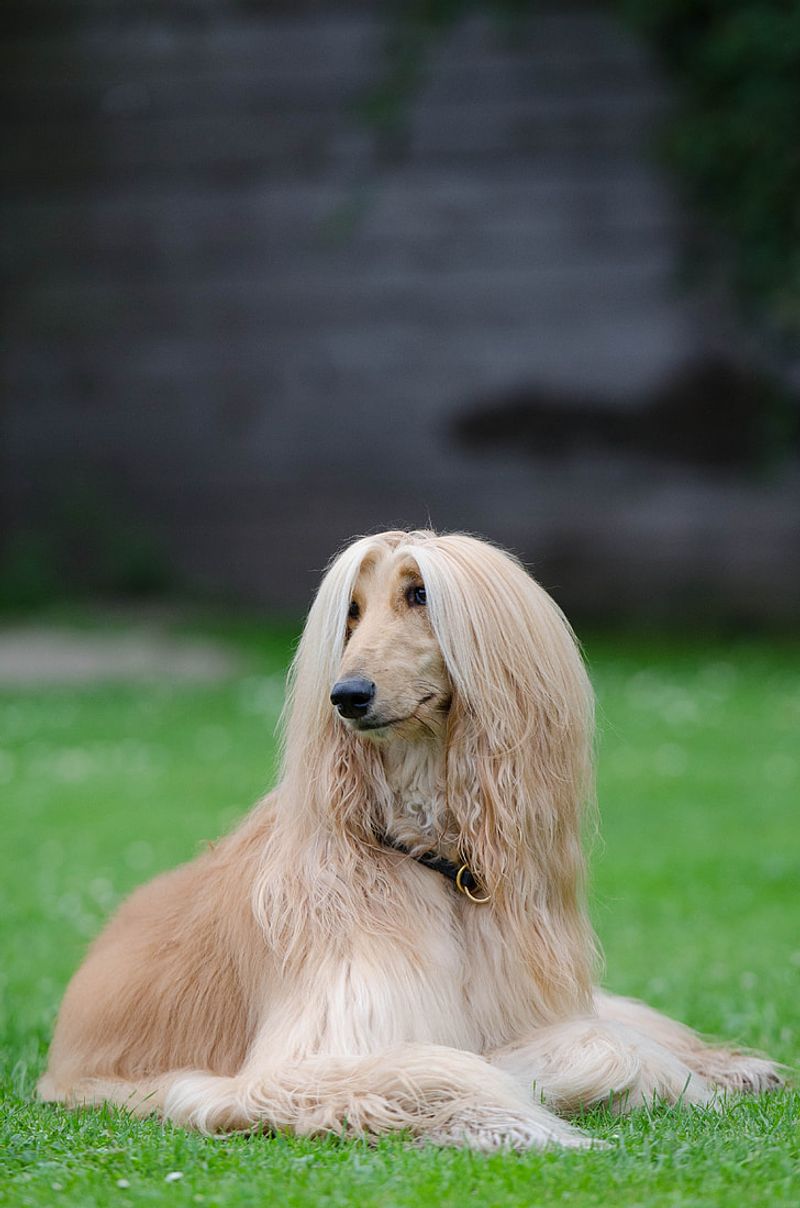
The Afghan Hound carries an aristocratic calm that often reads as aloof. Historically sprinting across rugged terrain, they learned to conserve attention for sights that truly matter.
When the house buzzes, they may drift above the noise, serene and selectively engaged.
Motivation matters. Use soft handling, tasty rewards, and short, glamorous training moments that match their dramatic flair.
Nagging will not work, but a playful recall game with movement often sparks participation.
Grooming sessions can double as bonding time when paired with calm praise. Afghans are sensitive souls, so keep tone gentle and expectations consistent.
They notice more than they show, and when trust is built, their attention feels like a private spotlight.
Saluki
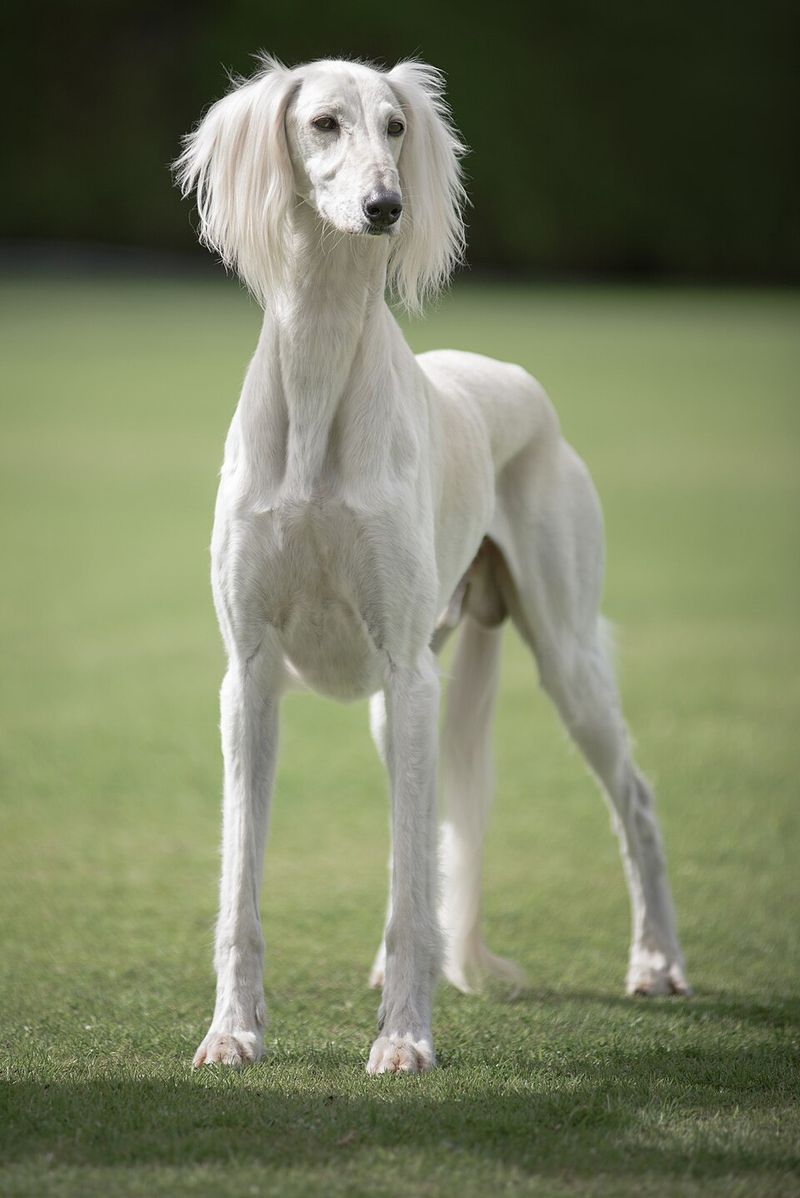
Salukis are sight hounds built for wide open spaces and swift decisions. Indoors, that translates to thoughtful quiet and selective responses.
They often ignore household clatter because it provides no meaningful signal in their mental landscape.
Make attention worth it with chase games, flirt pole play, and recall training that taps into motion. Keep cues light and consistent, and use distance rewards like a chance to sprint.
Heavy repetition bores them, while novelty unlocks engagement.
Salukis prefer calm environments and clear routines. Provide comfy resting spots and windows for watching the world.
With patience and respectful communication, you will find a subtle, loyal partner who listens when it counts most.
Borzoi
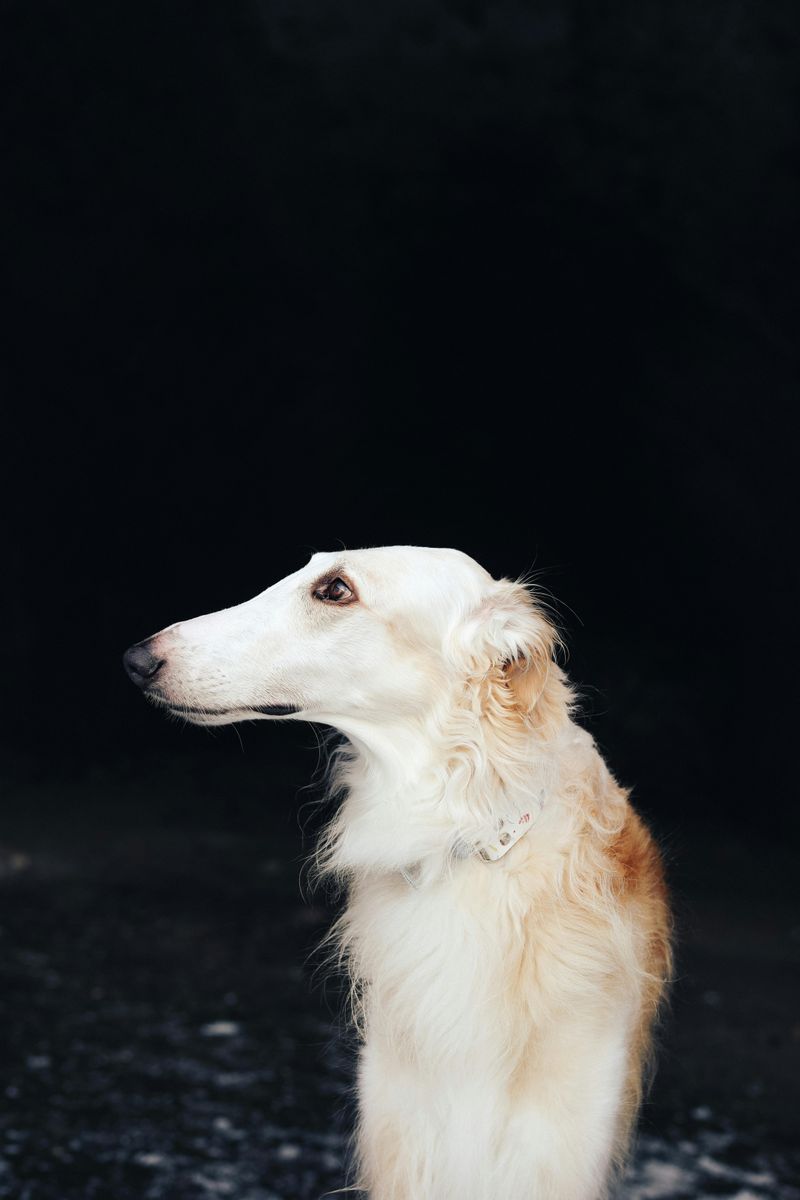
Borzoi nobility shows in their quiet, measured demeanor. They do not rush to respond because life rarely demands it.
Historically, they surveyed vast landscapes, filtering noise to find meaningful movement.
To earn their attention, keep sessions short, scatter food in grass for sniffing, and add sprinting rewards after a good recall. Forceful methods shut them down, while calm confidence draws them in.
They are capable learners when training respects their sensitivity.
At home, a Borzoi appreciates space and soft bedding. Provide gentle exercise and allow decompression time after stimulation.
Their silence is not disinterest, it is poise, and when they choose to tune in, it feels like a graceful bow of trust.
Shiba Inu

The Shiba Inu is famously self possessed and sometimes selectively deaf. Background noise becomes wallpaper when something more interesting is happening.
They are clever, observant, and quick to learn when it benefits them.
Use high value treats, mark behaviors clearly, and keep sessions brisk. Recall becomes stronger when you reward with freedom, not just food.
Teach an emergency come with a special jackpot that never disappoints.
Shibas respond to consistency and clear boundaries. Avoid nagging commands and instead build habits through structure.
Provide outlets for independence, like scent games and supervised exploration, and you will find their attention gradually shifts toward you by choice.
Chow Chow
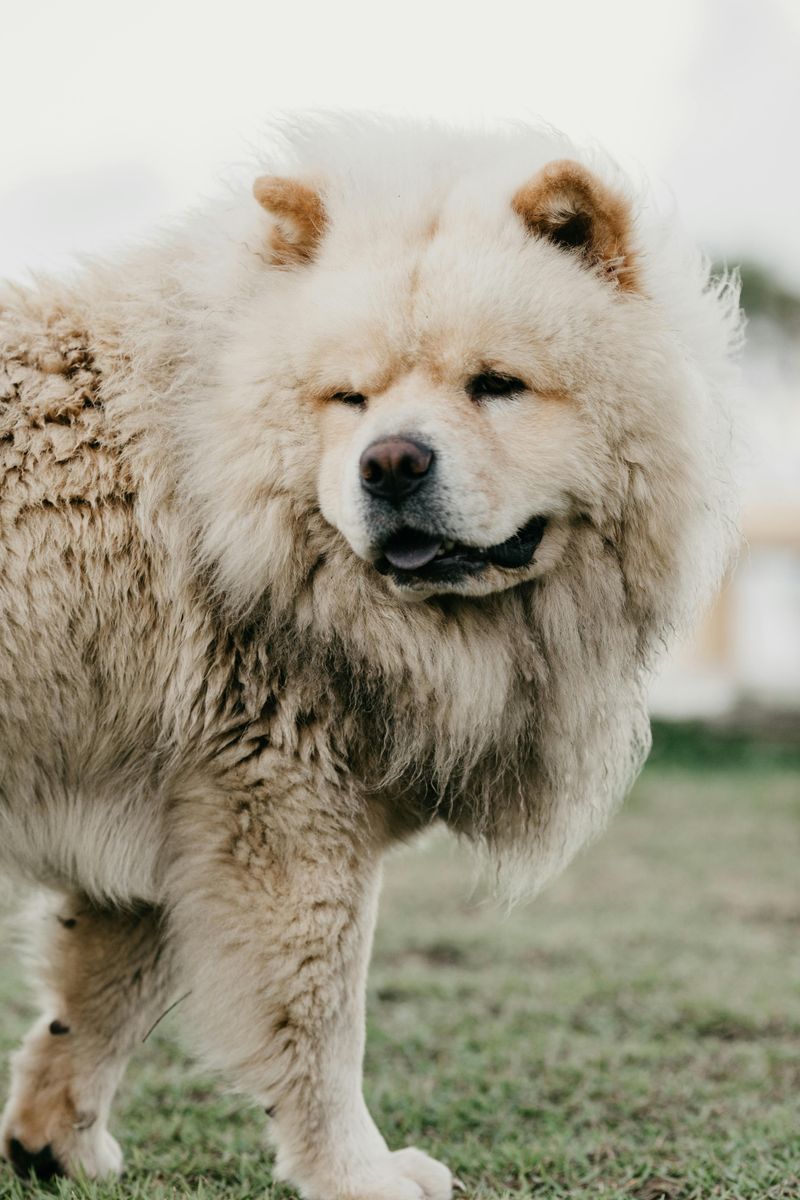
Chow Chows project regal calm and interpret noise as unimportant unless it signals something truly meaningful. They are thoughtful, stoic, and sometimes stubborn, which can look like ignoring.
In reality, they are analyzing.
Use predictable routines, patient training, and non confrontational handling. Lure and reward quietly, then give space to think.
They respect calm leadership and will mirror your composure when the environment gets loud.
Socialization should be controlled and positive, never rushed. Chows enjoy mental work that feels dignified, like platform training or scent tasks.
When trust deepens, they offer solid, steady attention that feels earned rather than demanded.
Shar Pei
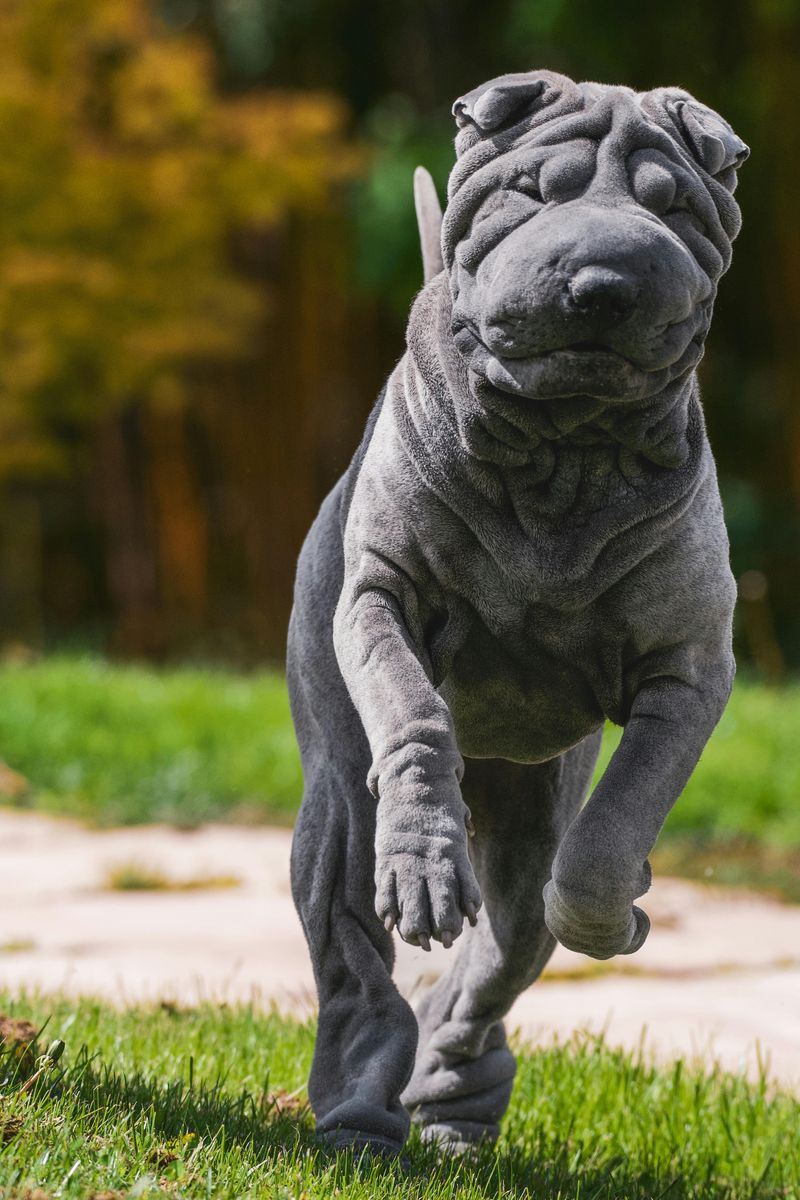
Shar Pei dogs have a thoughtful, sometimes reserved personality that filters out chaos. They were bred for practical problem solving, and they bring that same quiet focus to the home.
You may need to prove why your cue matters over everything else.
Short, clear training with generous reinforcement works best. Keep expectations consistent, and avoid repeating commands.
A strong name recognition game and a jackpot recall create dependable responsiveness.
Because Shar Pei can be sensitive, introduce new environments gradually. Offer structured walks, scent work, and calm settling routines.
With respect and clarity, they will prioritize your signals even when the world hums around them.
Scottish Terrier
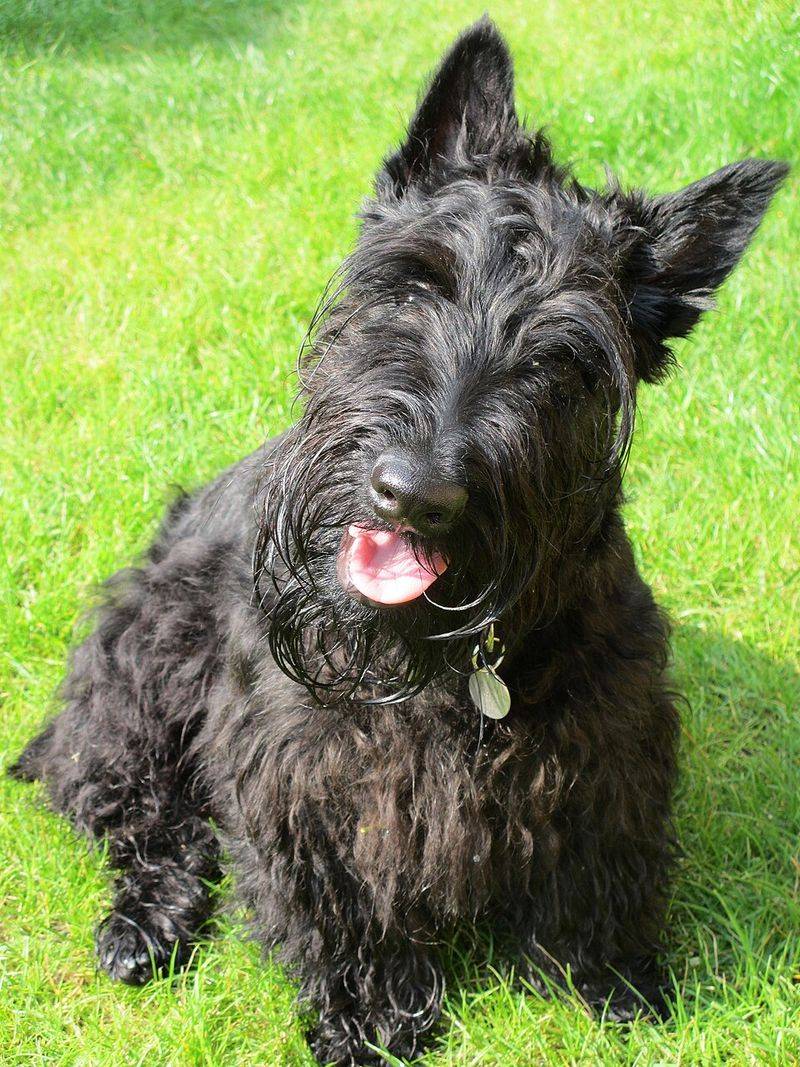
Scottish Terriers were bred to hunt underground, which favors independence and selective listening. They are bold, focused, and not easily swayed by household noise.
If something does not serve a purpose, they move on.
Training thrives on variety, brisk pace, and clear markers. Use tug, scent games, and quick sits for impulse control, then pay generously.
Frequent micro sessions build attention better than marathon lessons.
Scotts need enrichment that honors their instincts, like digging boxes and nosework. Keep rules consistent, and you will see steady engagement.
Respect their sturdy self confidence, and you will get a loyal, attentive partner who chooses to listen even when distractions flare.
Akita
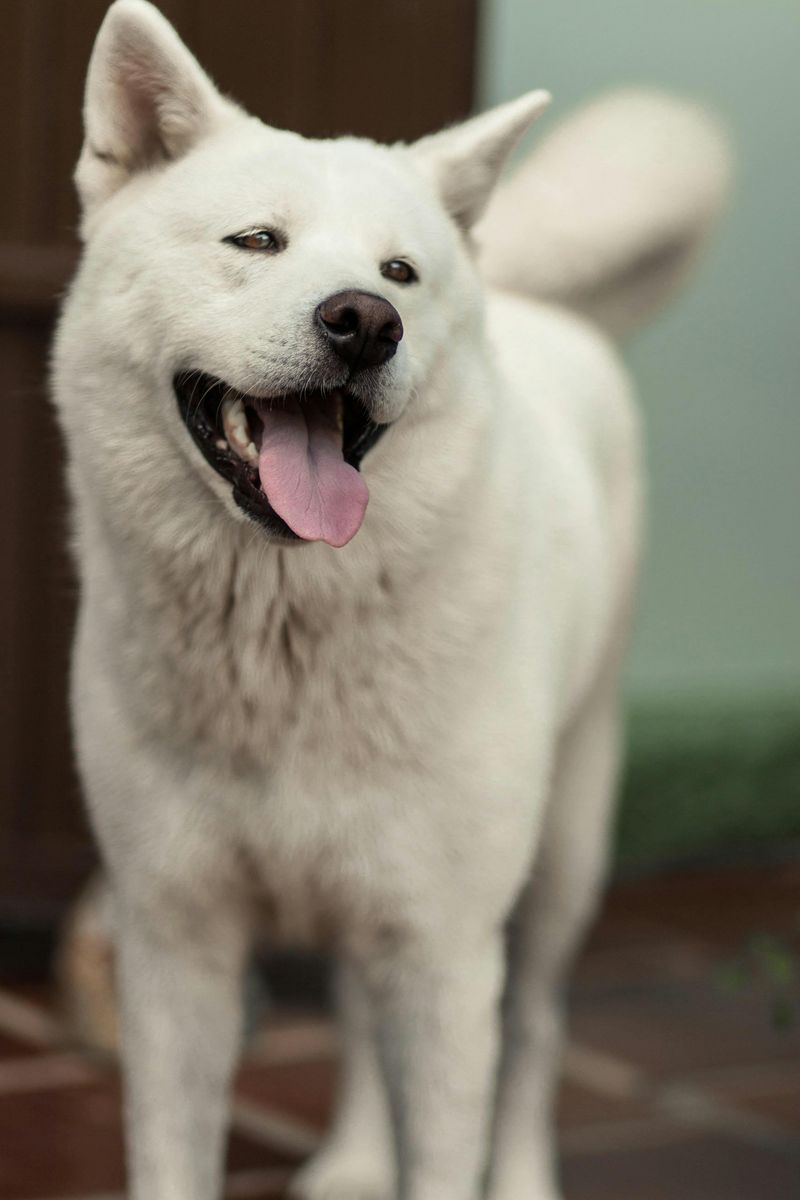
Akitas are dignified guardians who evaluate before acting. Household noise rarely registers unless it carries significance.
They communicate with subtle body language and prefer calm, decisive guidance over chatter.
Prioritize early socialization, consistent routines, and high value reinforcement. Practice a reliable recall with distance rewards, and keep training balanced with restful decompression.
Over cueing dilutes your signal, so speak less and pay better.
Akitas enjoy purposeful tasks like platform stays, scent work, and structured hikes. Handle with respect and clarity, and you will earn unwavering attention when it counts.
Their selective focus is not defiance, it is discernment honed by history.
Greyhound
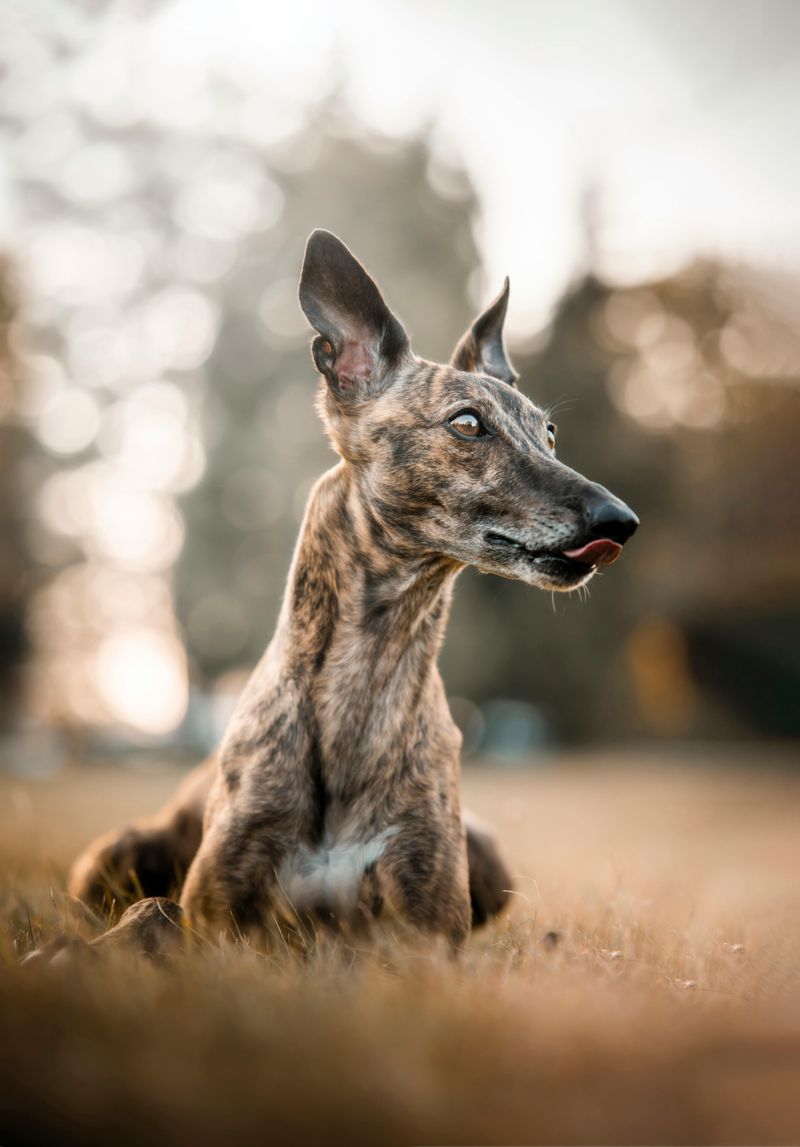
Greyhounds are quiet observers with a soft, sensitive nature. They often appear detached from household sounds because they are conserving energy.
When something meaningful happens, their awareness switches on with elegant precision.
Use gentle handling, calm praise, and brief training paired with movement. A recall followed by a playful dash satisfies instinct and pays well.
Loud, chaotic environments can overwhelm, so provide restful retreats.
Retired racers blossom with predictable schedules and soft bedding. Enrichment like sniffary walks and puzzle feeders builds natural engagement.
With patience, you will see delicate attention unfold, and your cues will begin to matter more than the background hum.