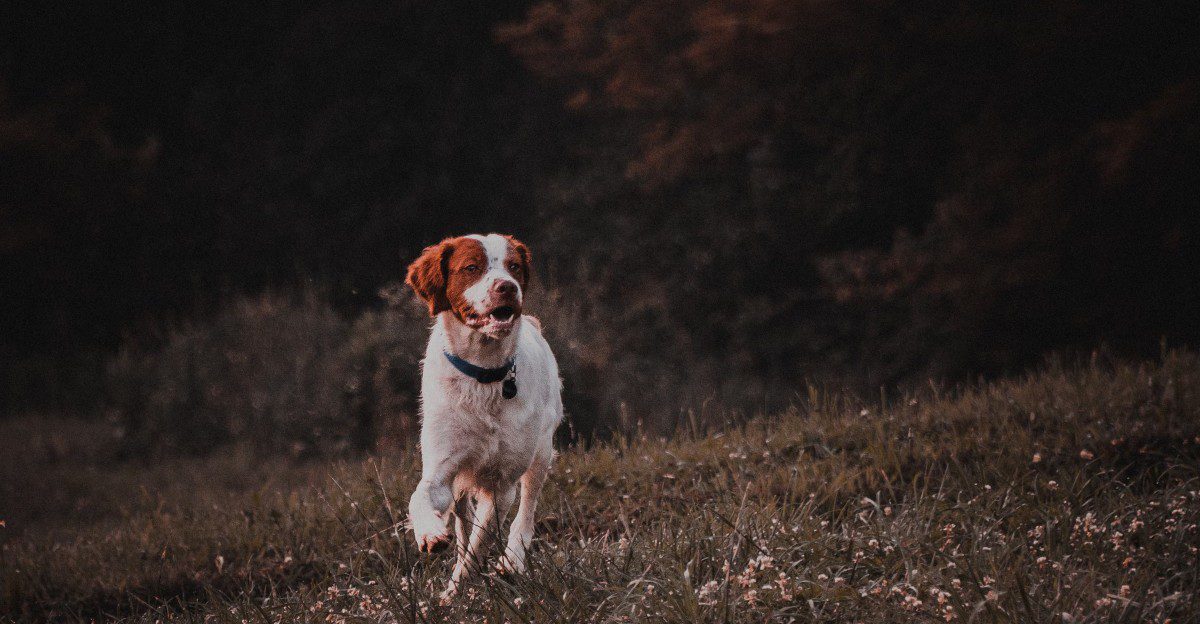
Have you ever watched your dog nip at heels, dig up the yard, or chase every squirrel in sight? It might look like silly fun, but many of those habits come from jobs their ancestors did for hundreds of years.
Knowing where these behaviors come from can help you train your pup, keep them happy, and stop blaming them for being bad. Here are some breeds whose playtime is really a peek into their working past.
Pembroke Welsh Corgi
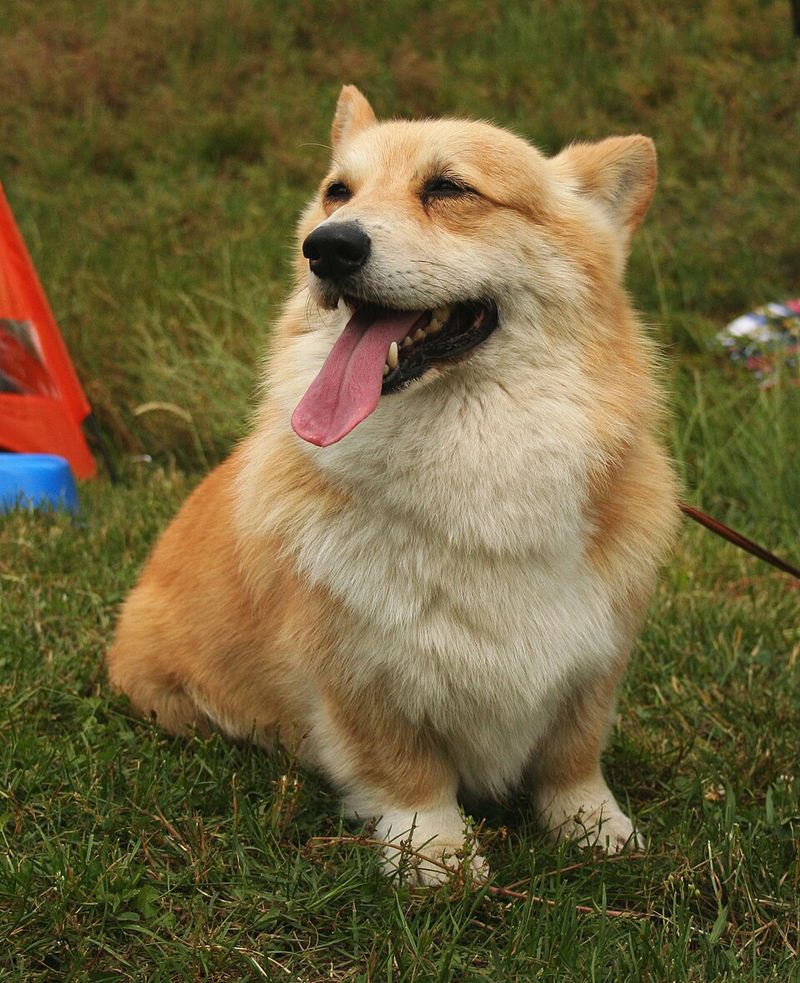
Short legs can be a secret weapon. Corgis were built low to the ground so they could nip at cattle heels in Wales and duck under flying hooves.
So when your Corgi chases your ankles during a game, that is herding, not rudeness. Fun fact: Welsh legend says fairies once rode Corgis into battle.
Redirect the urge with herding balls or tug toys. Teaching a calm sit before play also helps a lot.
Border Collie
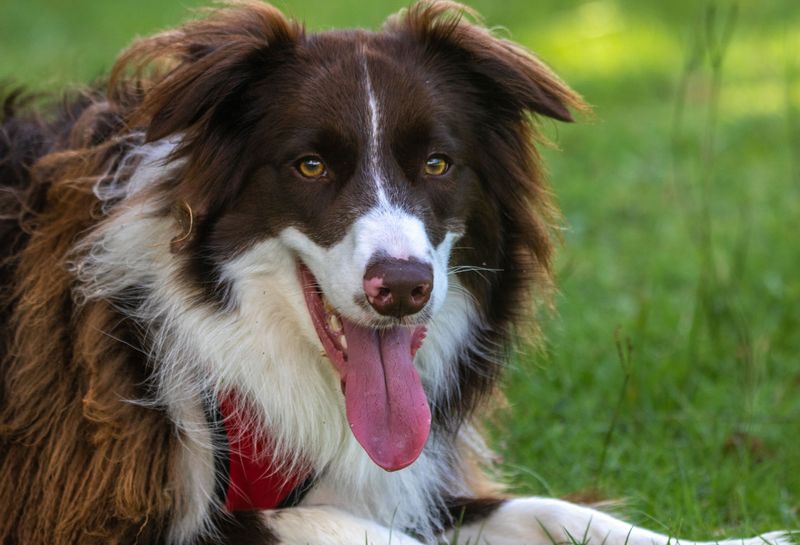
That famous stare is called the eye. Border Collies use it to move sheep without barking or biting, just by locking their gaze.
At home, your Collie might crouch and stare at kids, cats, or even the vacuum cleaner. They are trying to organize the world around them.
Give that sharp brain a task every day. Puzzle feeders, frisbee sessions, and agility classes keep boredom from turning into trouble.
Beagle
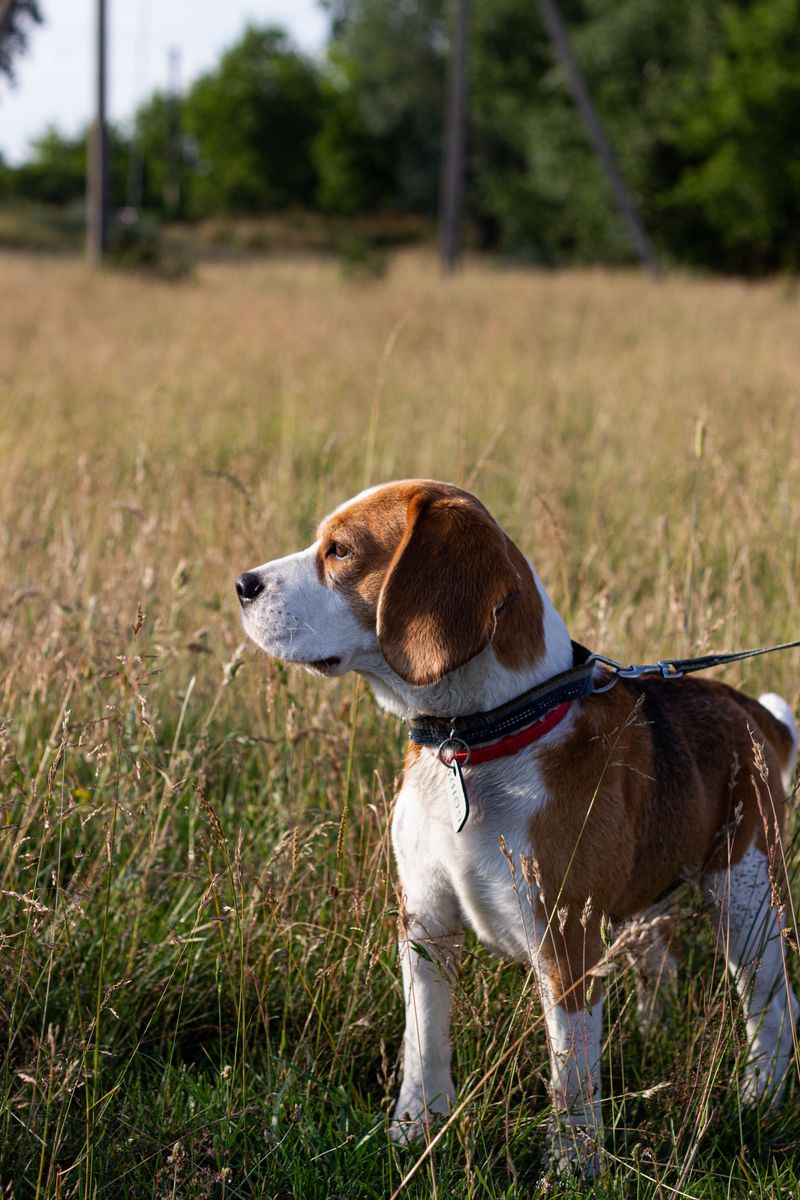
Picture a nose with around 220 million scent sensors. That is what your Beagle carries everywhere, and it was bred to track rabbits for hunters.
Wandering off mid-walk or howling at nothing? Your hound probably caught a smell and wants to tell the pack.
Try hiding treats around the house for a sniffing game. Always use a leash outside, because once that nose takes over, your calls may go unheard.
Dachshund
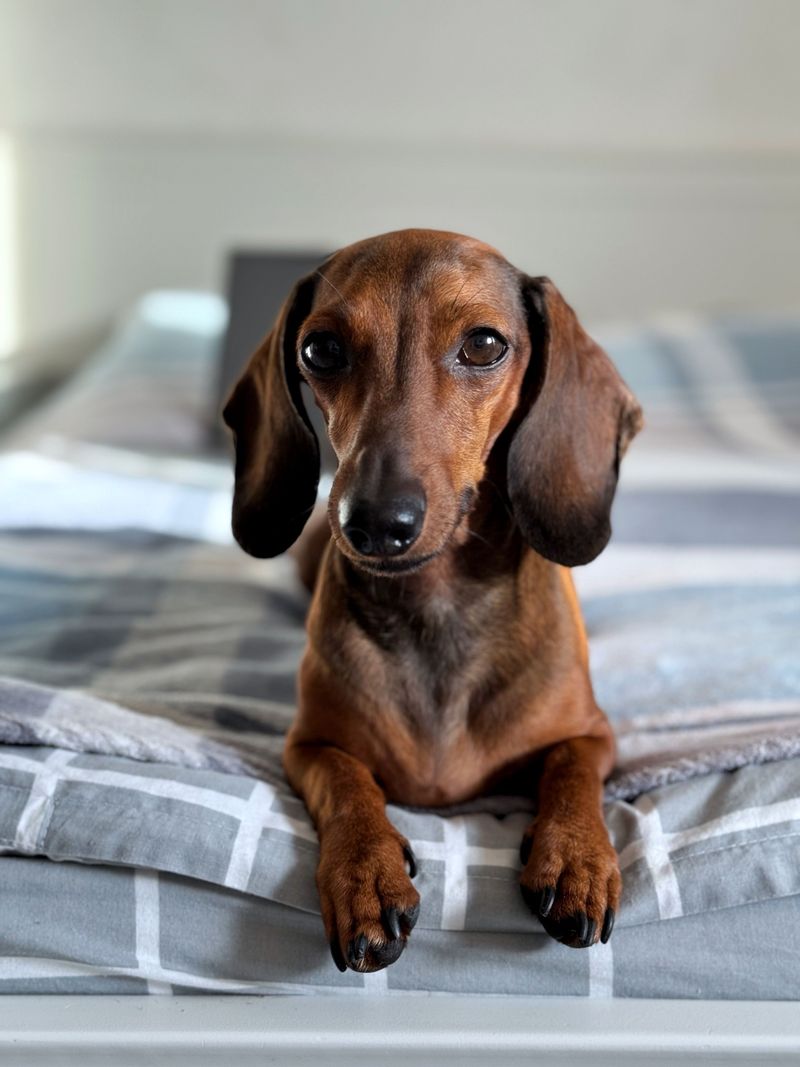
Did you know the name means badger dog in German? These long little hunters were sent into tunnels to face badgers head-on.
That explains why your wiener dog digs through blankets, burrows under pillows, and barks with surprising bravery. Their courage is way bigger than their size.
A digging box filled with sand or a pile of soft blankets can satisfy the urge. Your flower beds will thank you.
Jack Russell Terrier
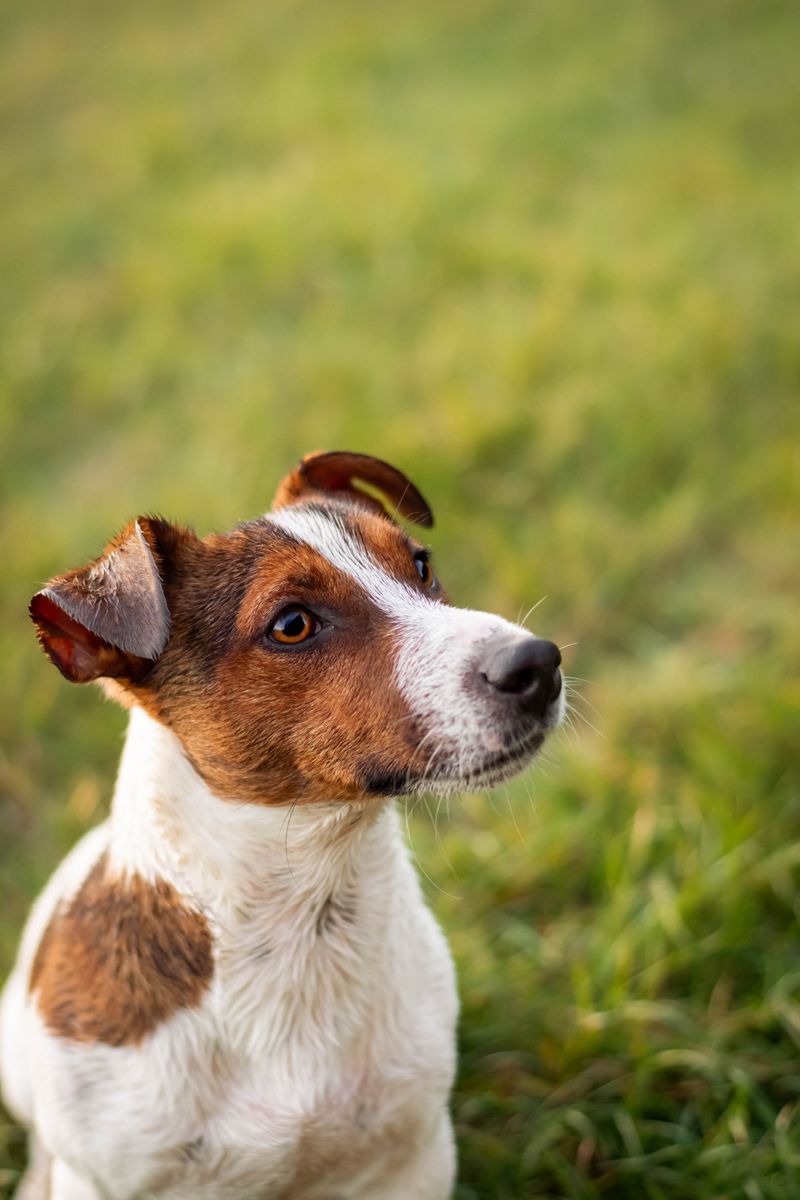
Tiny body, endless energy. Jack Russells were bred in England to chase foxes out of their dens, so they never really learned to slow down.
If your terrier shakes toys hard or bolts after anything small and fast, you are seeing a fox hunter at work.
Long runs, flirt poles, and fetch games burn off that fire. Without them, expect chewed shoes and a very loud, very bored pup.
German Shorthaired Pointer
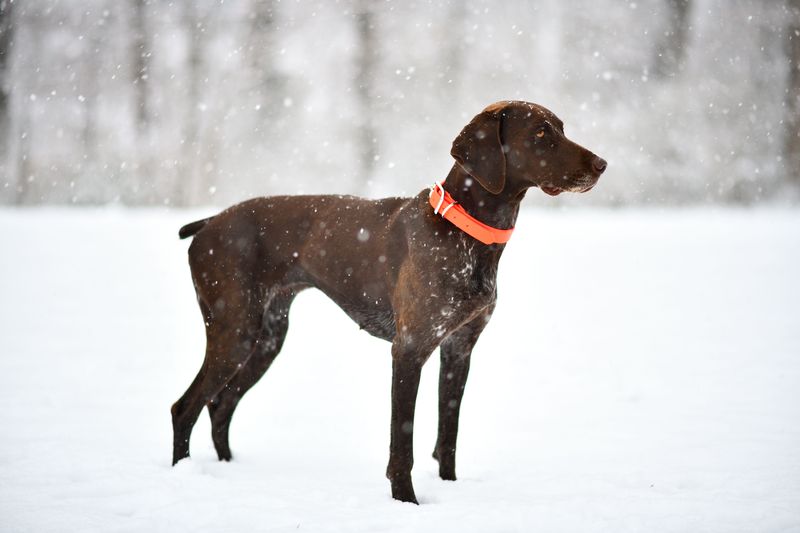
One paw lifts, the tail goes stiff, and the nose aims straight ahead. Owners often laugh at this frozen pose, but it is a skill hunters prized for centuries.
Pointers stop and show where birds are hiding. Your GSP may do it at backyard pigeons or even a fluttering leaf.
These athletes need serious exercise. Hiking, swimming, and scent games keep them calm, content, and much less likely to bounce off your walls.
Labrador Retriever
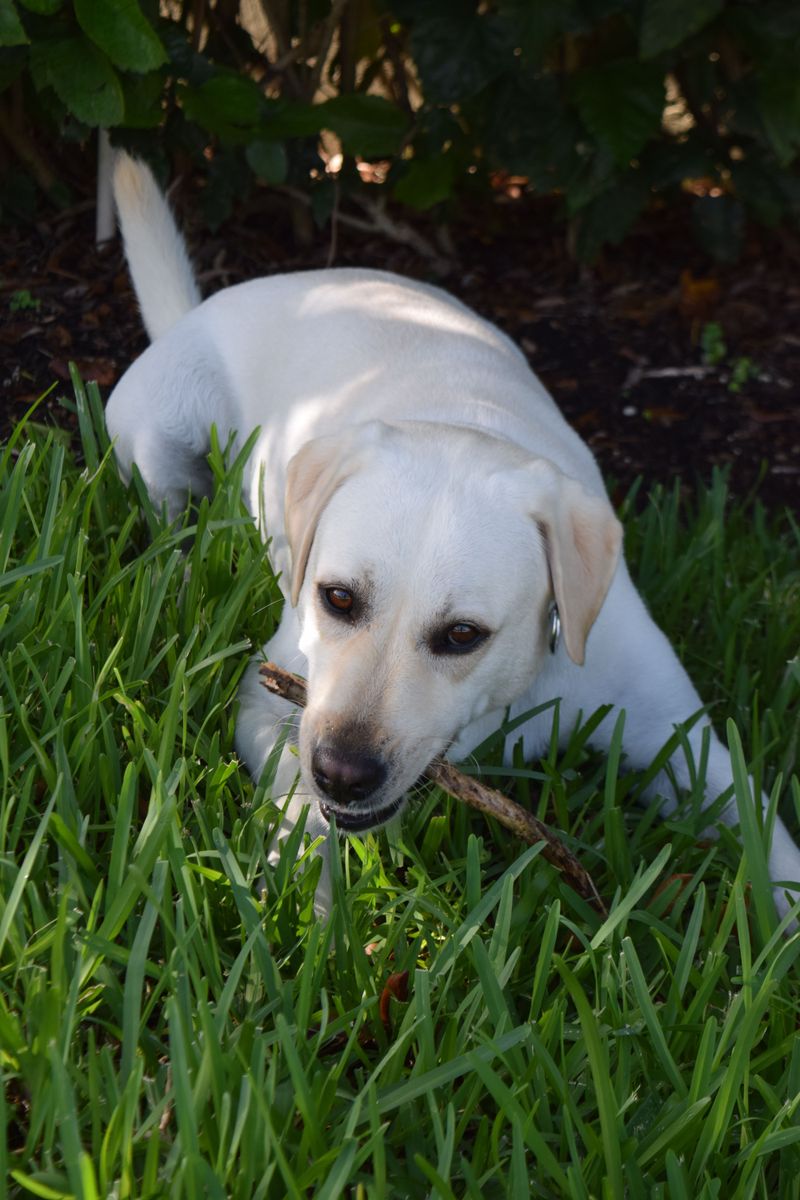
Ever get greeted at the door with a sock in your Lab’s mouth? It is a gift, kind of.
Labs were bred to carry ducks back to hunters gently.
Surprisingly, these dogs come from Newfoundland, Canada, not Labrador. Fishermen used them to haul nets from icy water.
Fetch, swimming, and carrying games match their nature well. Keep toys handy so their soft mouths have something better than your laundry.
Australian Cattle Dog
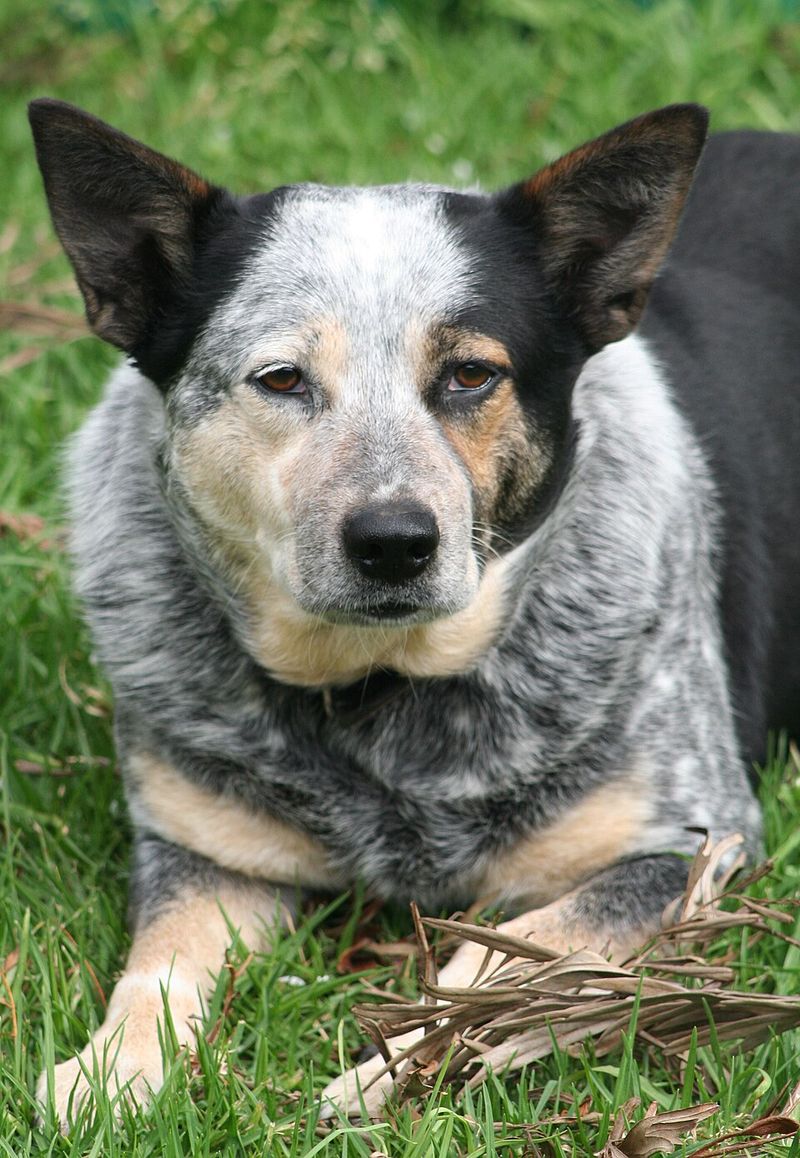
Rugged ranchers in Australia needed a dog tough enough to move stubborn cattle across hot, dusty land. The Heeler was the answer.
Nipping at running kids or circling bikes comes straight from that job. They are not mean, just doing what their blood tells them.
Give them structured work like obedience drills or herding trials. A tired Heeler is a polite Heeler, and a bored one will invent chores.
English Springer Spaniel
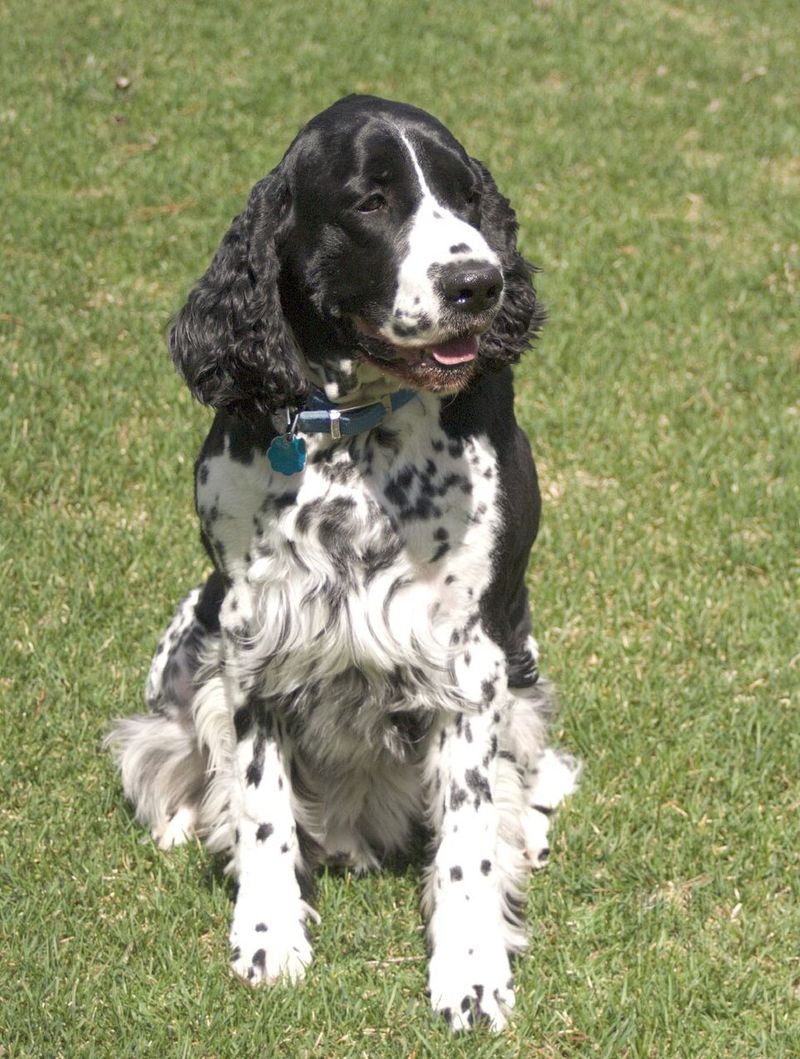
Their name tells the story. Springers were bred to spring birds from bushes so hunters could spot them.
Watch yours bounce through tall grass or poke into every hedge on a walk. Flushing hidden creatures is pure joy for them.
Hide-and-seek with toys in the yard taps right into this talent. Bonus tip: check those floppy ears after outdoor adventures, since burrs and moisture love to hide there.
Siberian Husky
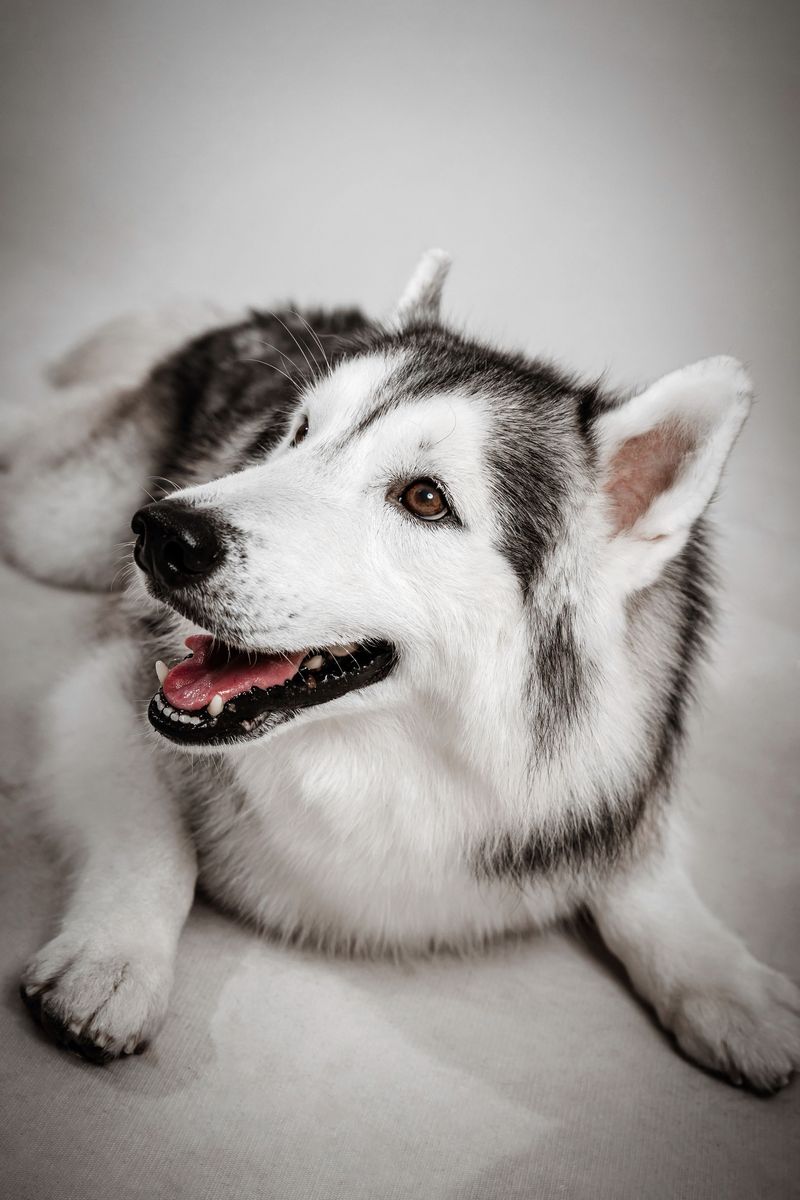
Leash pulling drives many Husky owners crazy. Yet these dogs spent generations hauling sleds across frozen Siberia, so pulling feels natural.
Howling and escaping fences also trace back to pack life and long runs. Huskies were built to travel far.
Consider a harness for canicross, bikejoring, or skijoring. Channeling that drive into a sport turns a frustrating habit into a team activity you can both enjoy.
German Shepherd
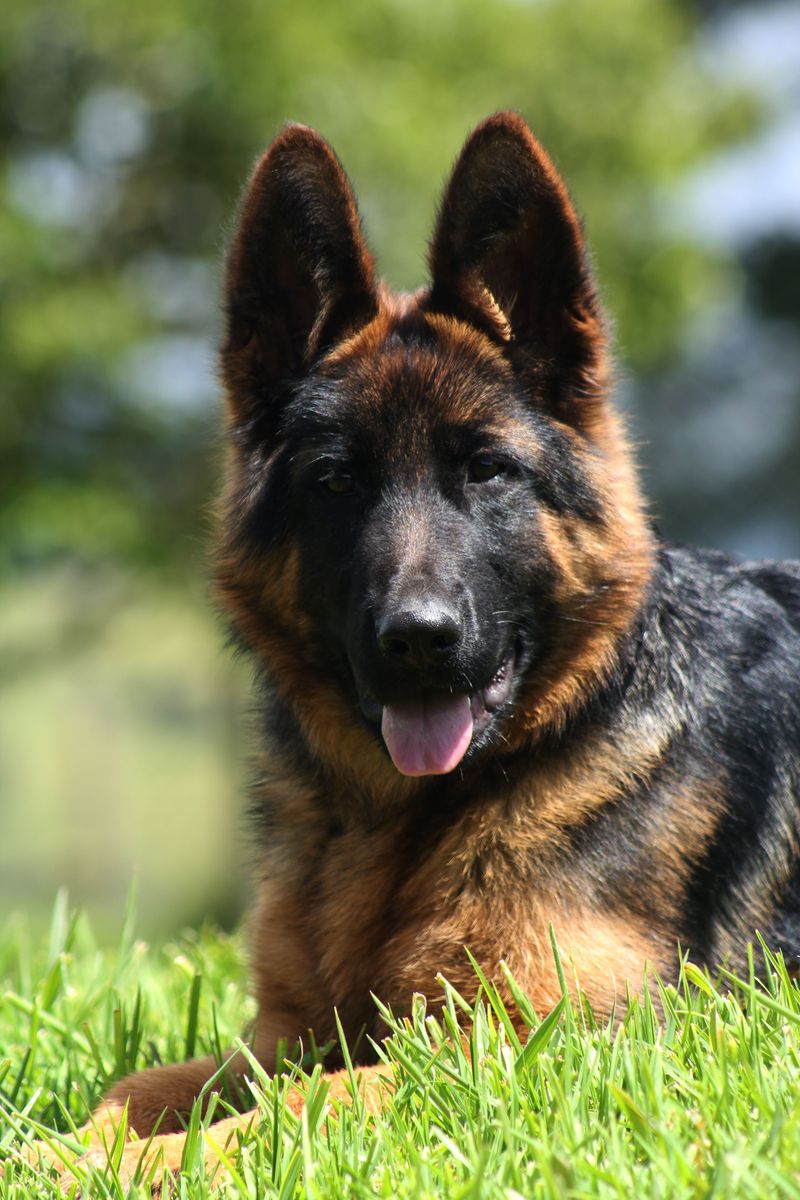
Max Stephanitz, the breed’s founder, wanted the perfect working dog back in 1899. He started with sheep herders, and the guarding instinct stuck.
Your Shepherd may pace the fence line, follow you room to room, or herd family members together. That is loyalty mixed with old job training.
Obedience work and tracking games give them purpose. Early socialization helps them tell real threats from friendly visitors.
Brittany
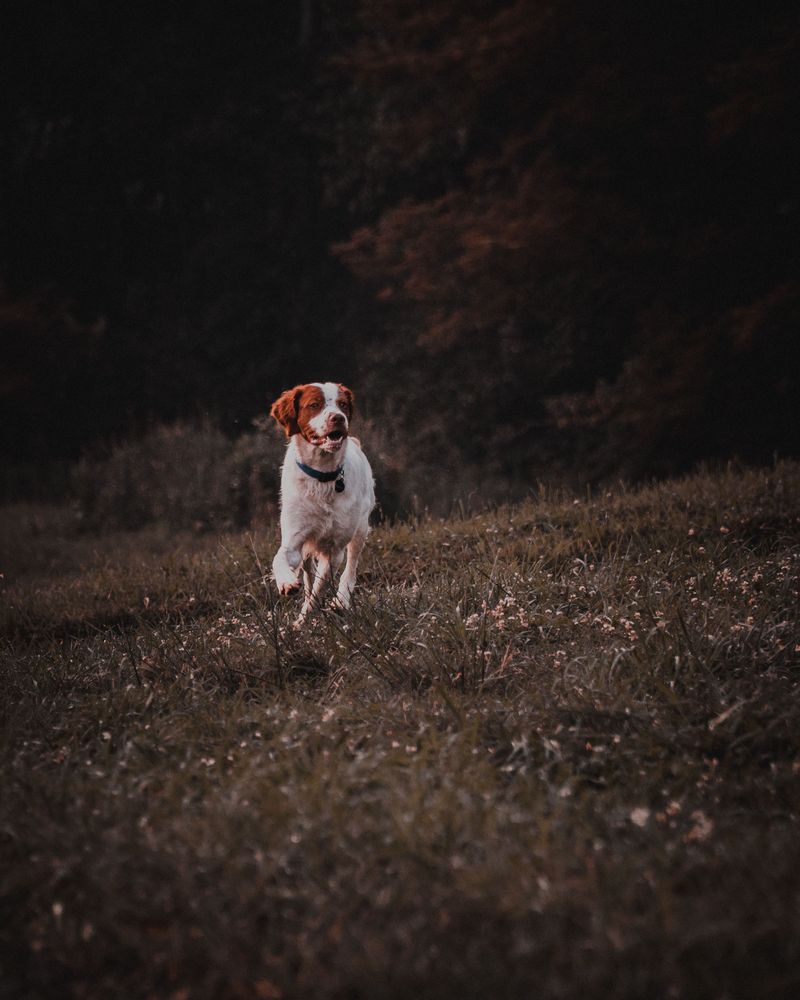
Here is a happy little bird dog from France who loves a good field trip. Brittanys both point and retrieve, making them handy helpers for hunters.
At the park, yours might zigzag across the grass, nose low, searching. It is not random running, it is a search pattern.
Mix fetch with scent work to fully satisfy them. Their sensitive hearts respond best to praise, so skip harsh scolding during training.
Yorkshire Terrier
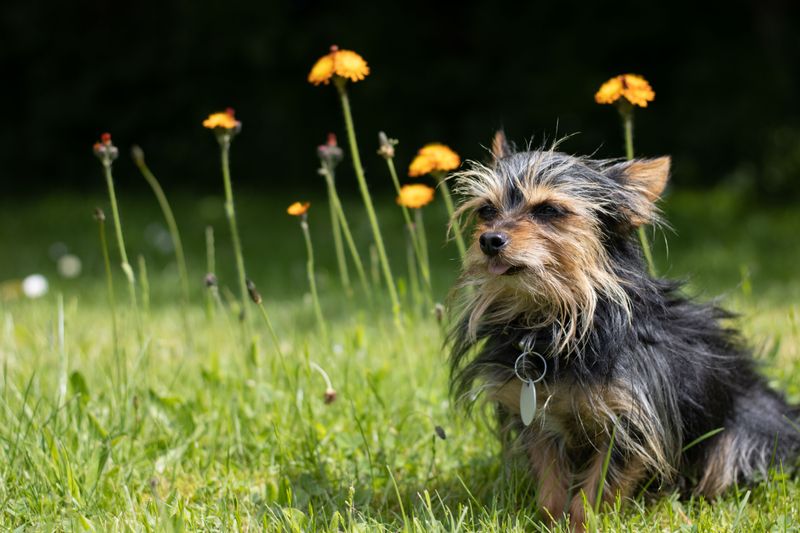
Under all that silky hair hides a tough little ratter. Yorkies once worked in English mills and mines, catching rats in tight spaces.
So when your tiny pup attacks squeaky toys or barks at every noise, credit those working ancestors. Size never stopped them.
Short play bursts with small chew toys keep them content. Teach a quiet command early, because that watchful bark can become a household soundtrack fast.