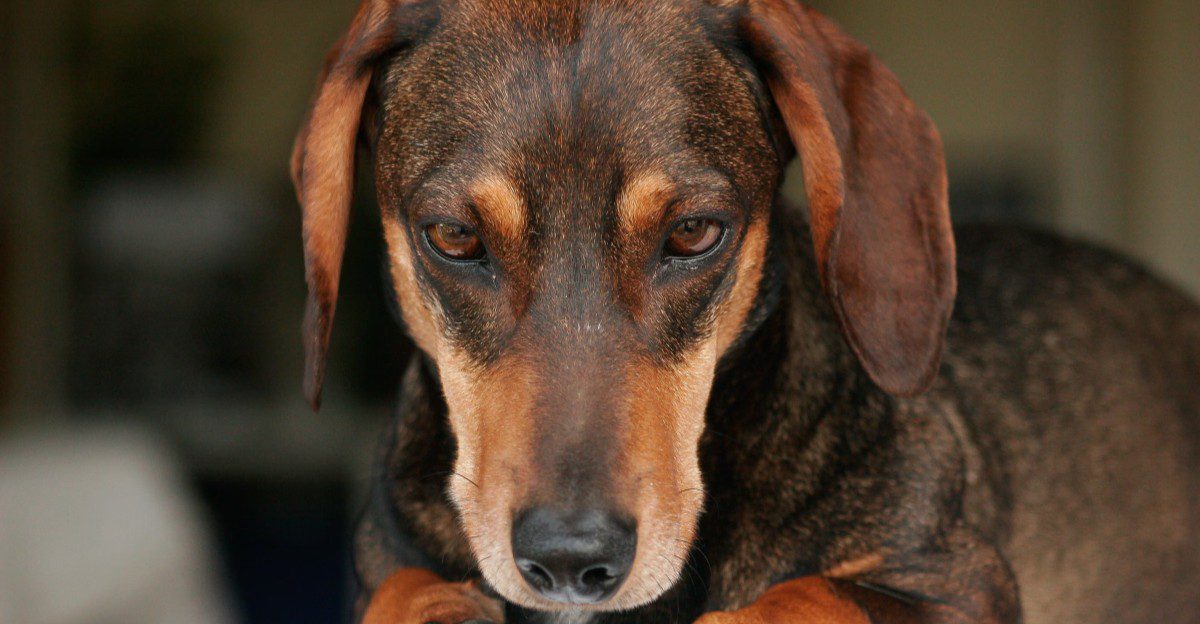
Your dog grabs a sock, runs off, and freezes when you get close. It might look like a silly game, but sometimes it is a sign of resource guarding.
Resource guarding happens when a dog feels it must protect food, toys, or spaces from people or other pets. Some breeds lean toward this habit more than others, so knowing the signs early can keep your home safe and happy.
Cocker Spaniel: Sweet Face, Serious Snack Rules
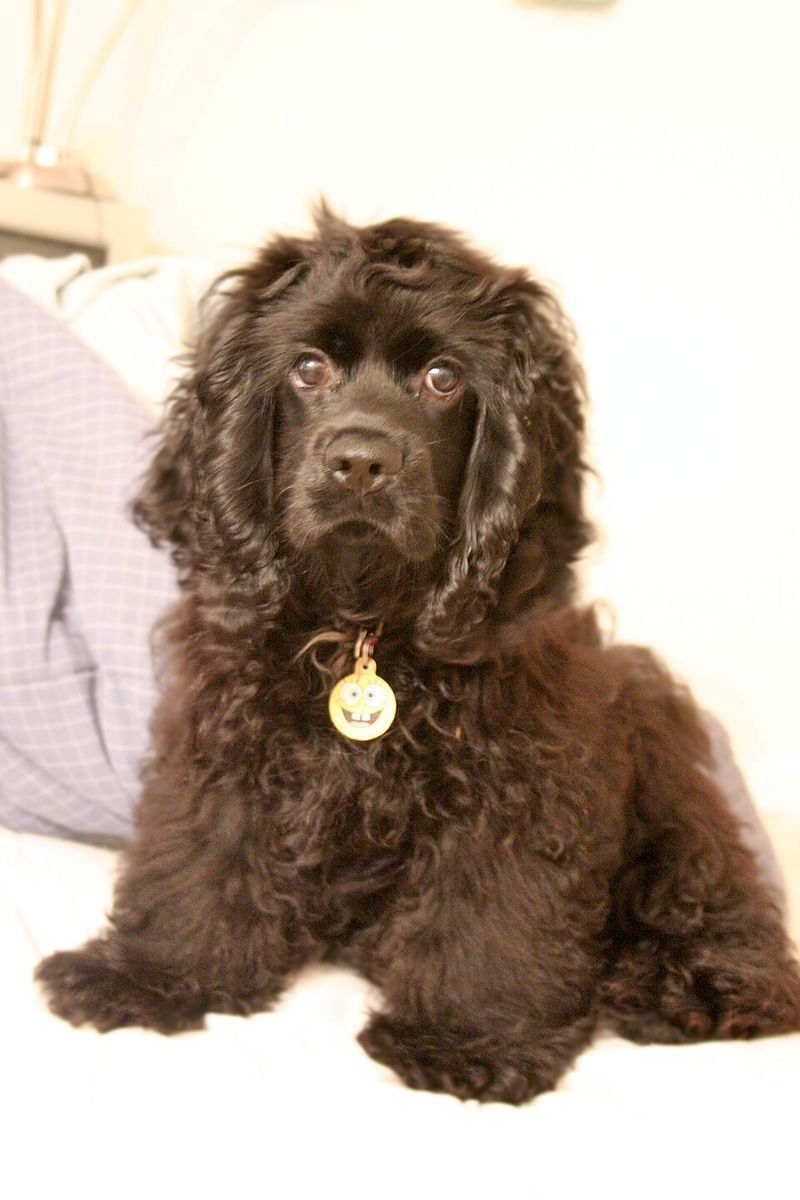
Those soulful eyes can fool anyone. Many owners are surprised when their silky-eared Cocker stiffens over a chew bone or a dropped sandwich crust.
Vets and trainers have long noticed that some Cockers feel extra protective of food. Start early by trading treats for items instead of grabbing them away.
Hand-feeding a few kibbles at mealtime also builds trust. Your pup learns that your hand near the bowl means good things are coming.
Dachshund: Tiny Badger Hunter, Big Possessive Streak
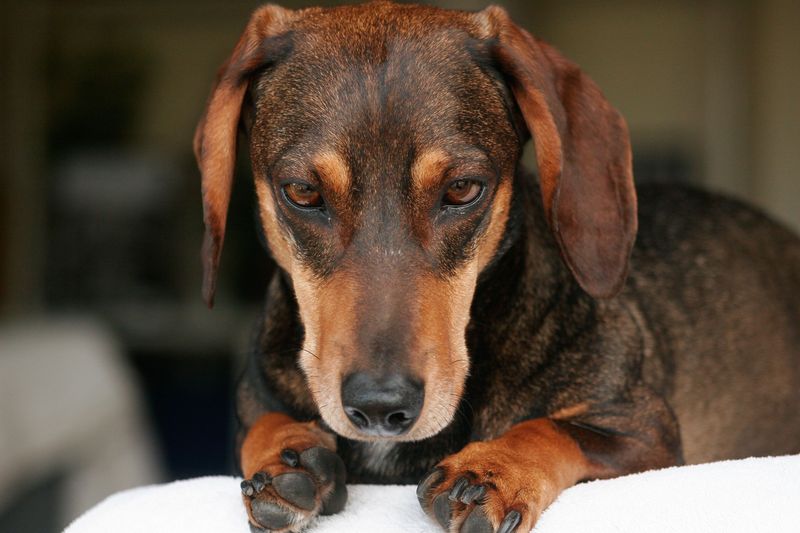
Bred in Germany to chase badgers underground, Dachshunds needed grit and stubborn courage. That same fierce spirit sometimes shows up when someone reaches for their favorite blanket.
A wiener dog may growl from under the couch while guarding a stolen slipper. Never pull the dog out by force.
Instead, toss a tasty treat a few feet away. When your Doxie goes for it, calmly pick up the slipper and praise the good choice.
Chihuahua: The Pocket-Sized Bodyguard
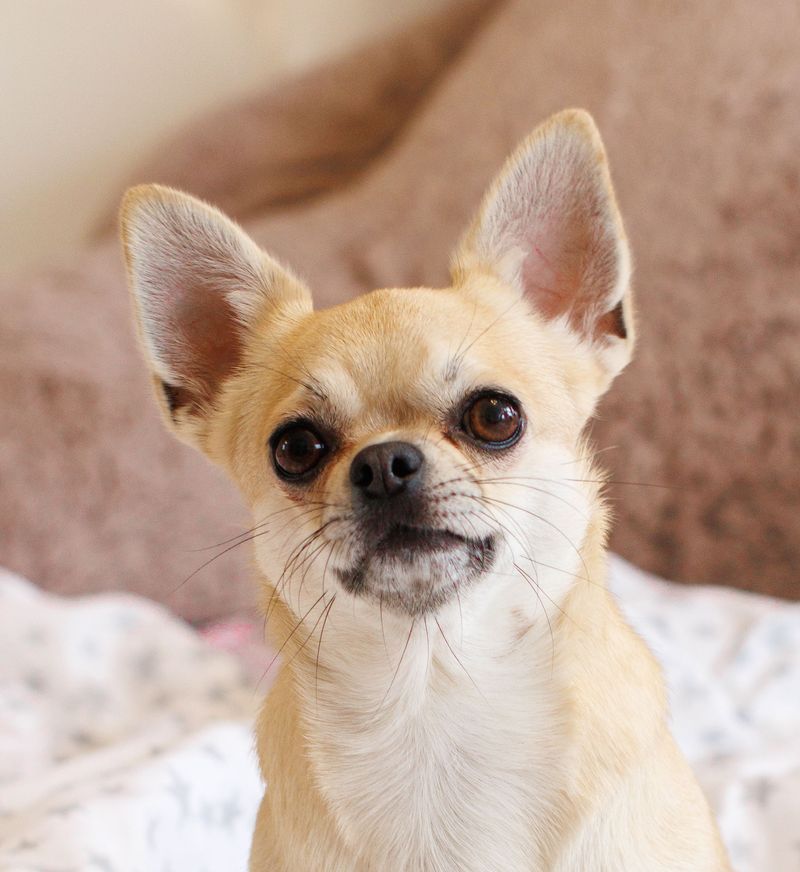
Picture a four-pound dog snarling at a Great Dane for stepping near its owner. Sound familiar?
Chihuahuas often guard people, not just bones.
That lap-protecting habit can look cute, yet it may lead to scuffles or bites. Teach a simple off cue, rewarding your pup for hopping down.
Let guests offer treats from a calm distance too. Over time, your little guardian learns that visitors bring snacks, not threats.
Jack Russell Terrier: Fast Paws, Firm Grip
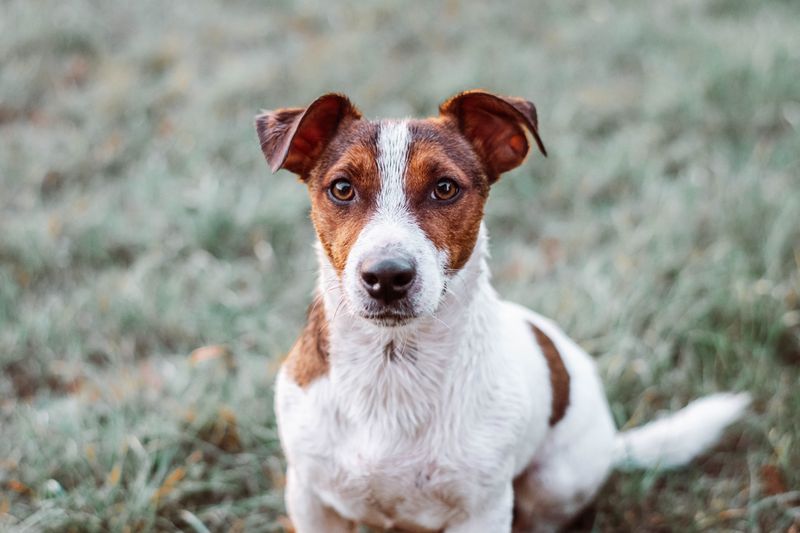
Ever tried to win a tennis ball back from a Jack Russell? Good luck!
These energetic terriers were made to grab and hold onto prey.
Keep-away might start as play, but watch for hard stares or a frozen body. Those clues mean your dog is guarding, not having fun.
Practice drop it with two identical balls. Offer the second one, and your speedy pal will usually let go of the first.
Beagle: Follow the Nose, Protect the Prize
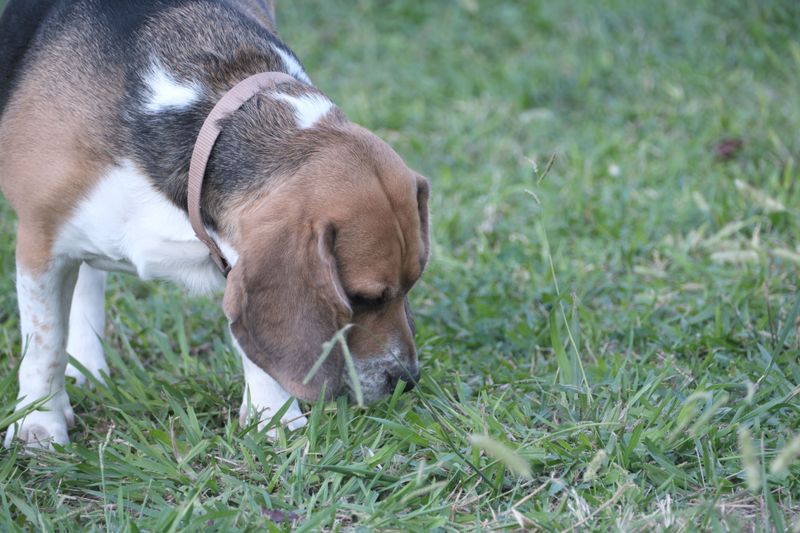
A Beagle has around 220 million scent receptors, so food is basically its whole world. Finding a stolen burger wrapper feels like striking gold.
Because of that strong food drive, some Beagles snap when people get close to their finds. Prevention helps most here.
Use locking trash cans and keep counters clear. Then work on leave it daily with yummy rewards, so your hound learns giving up treasure pays off.
Shiba Inu: Independent Thinker With Strong Opinions
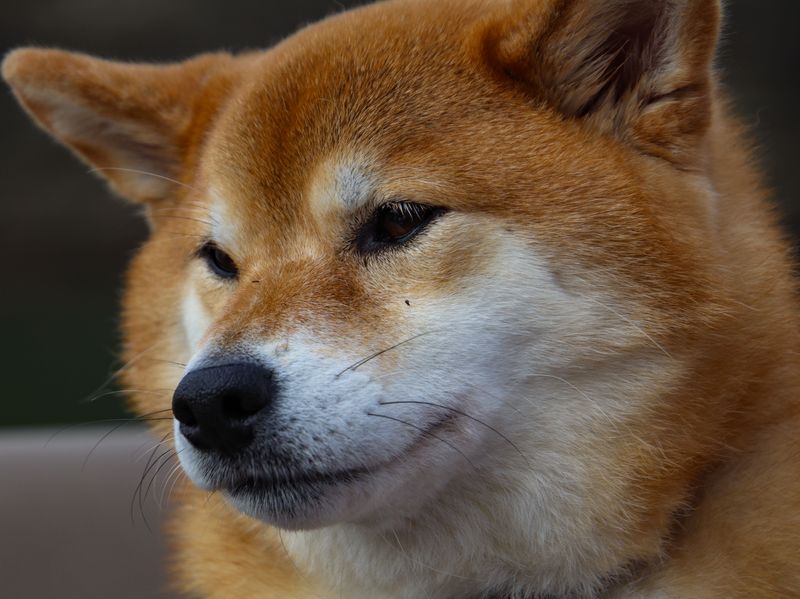
Shiba owners joke that their dogs act more like cats. This ancient Japanese breed is proud, clean, and very sure about what belongs to it.
Many Shibas guard bones or beds, sometimes letting out the famous Shiba scream. Respect their space while slowly building trust.
Feed meals in a quiet spot and avoid crowding them. Pair your approach with a dropped treat, so your presence feels like a bonus rather than a robbery.
Rottweiler: Loyal Guardian Who Needs Clear Lessons
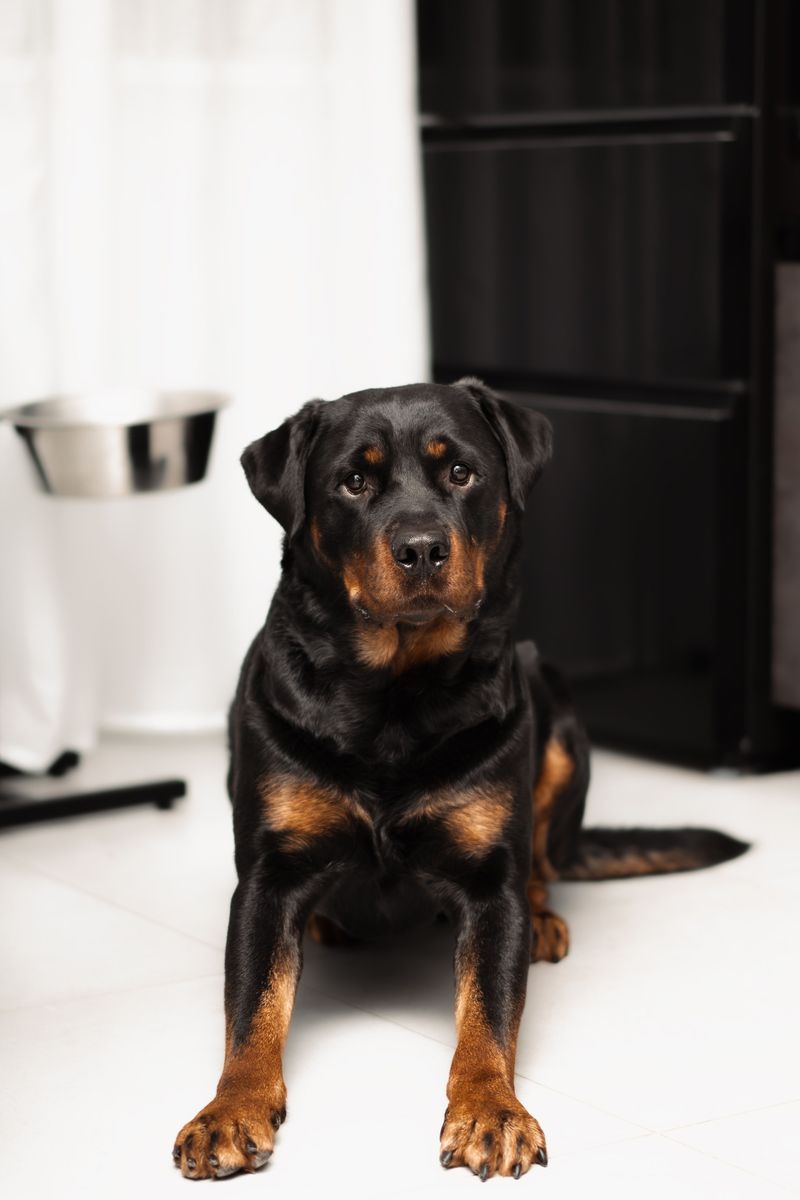
Long ago, Rottweilers guarded cattle and money pouches for Roman-era traders and German butchers. Protecting things is practically in their blood.
With such a powerful dog, guarding behavior should never be ignored. Even a small growl over food deserves gentle attention and a training plan.
Working with a certified trainer is a smart move. Positive methods help a Rottie feel secure, turning that protective instinct into calm confidence around the family.
German Shepherd: Hardworking Brain That Loves Its Stuff
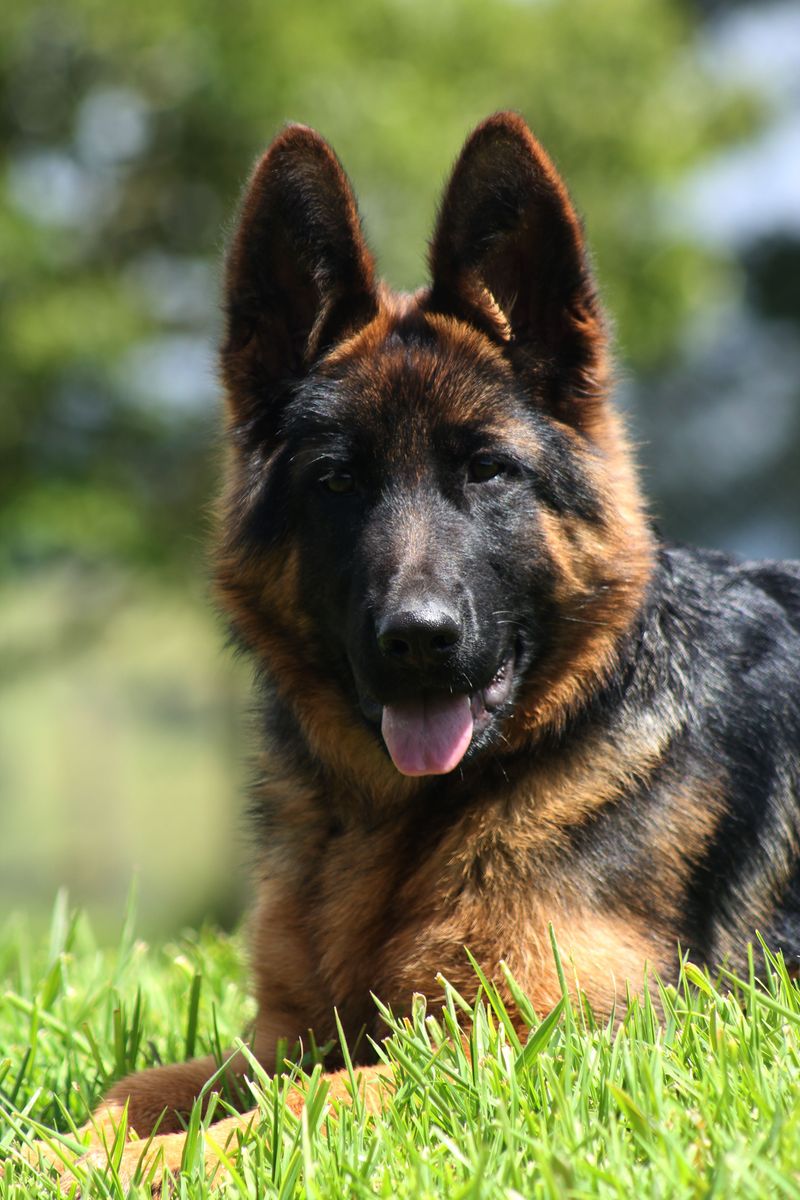
Smart, loyal, and eager to work, German Shepherds treat their jobs seriously. Sometimes that job becomes guarding a rope toy or a comfy bed.
Watch for stiff posture, whale eye, or eating faster when someone walks by. Those small signals come before bigger warnings.
Give your Shepherd puzzles and training games to keep that busy mind happy. A bored brain often invents its own tasks, including protecting possessions.
Miniature Schnauzer: Bearded Boss of the Kitchen
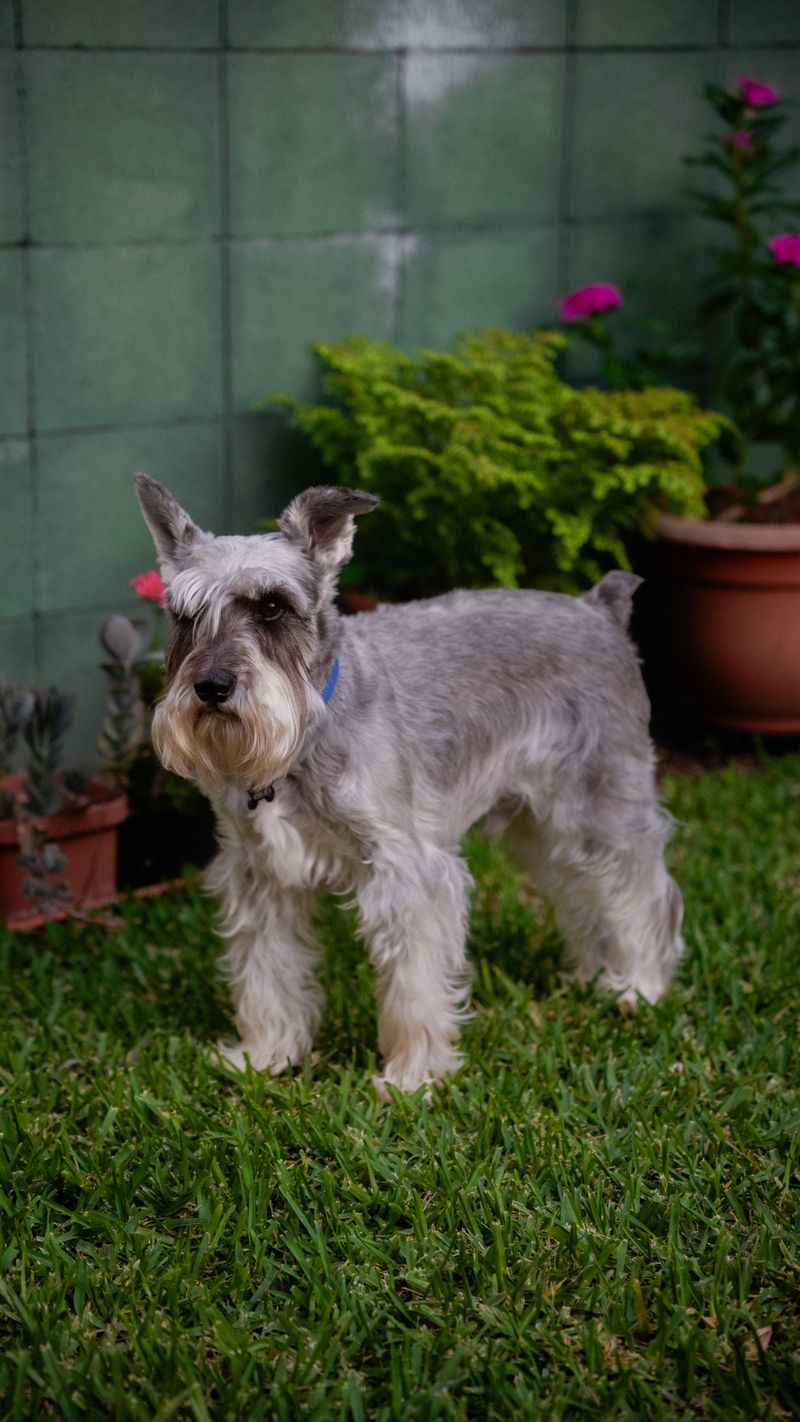
Bushy eyebrows, a wiry beard, and plenty of attitude. Miniature Schnauzers were farm ratters, and they still act like tiny managers of the house.
Some Schnauzers guard food from other pets more than from people. Feeding each dog in a separate room can stop squabbles before they start.
Pick up empty bowls after meals as well. Fewer leftover items lying around means fewer reasons for your bearded buddy to stand guard.
English Springer Spaniel: Happy Retriever, Reluctant Sharer
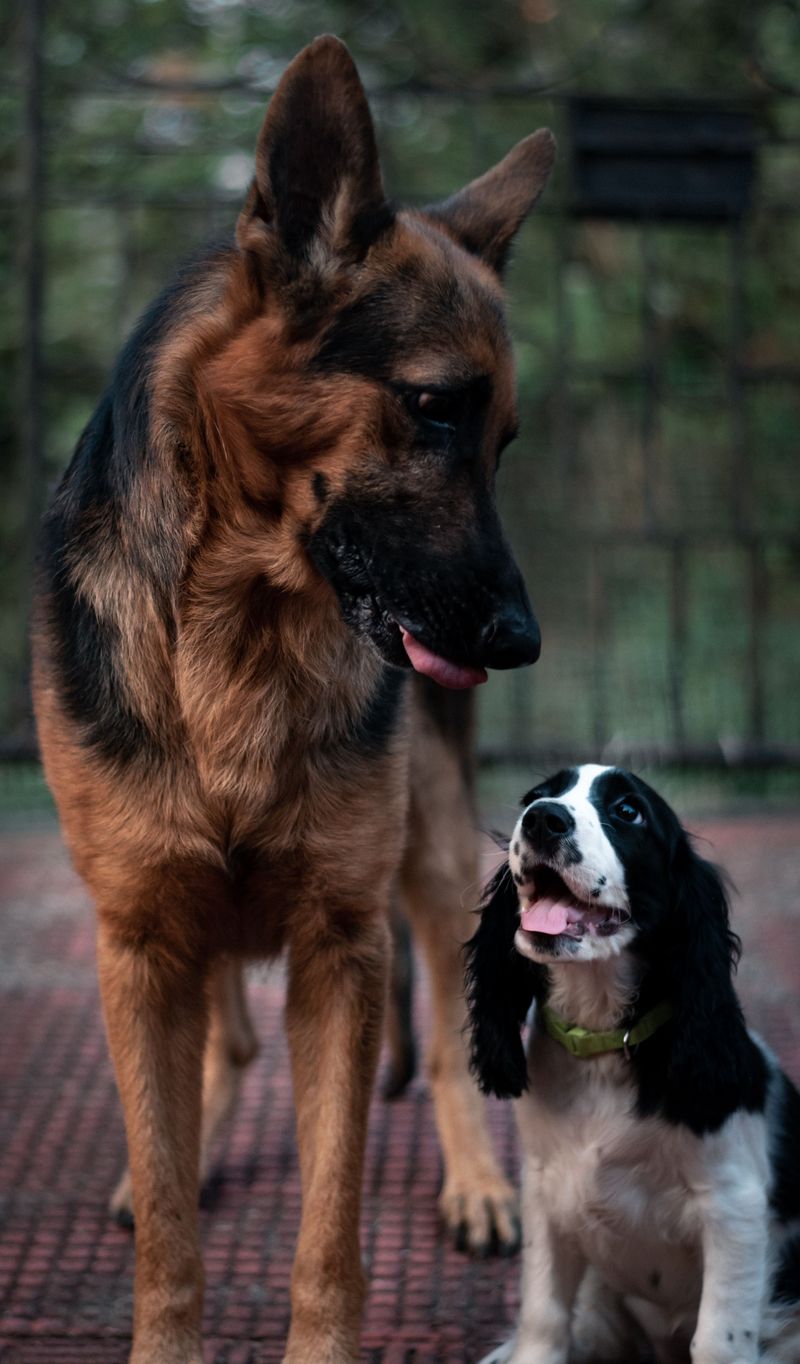
Springers adore carrying things around, from sticks to socks to the TV remote. Fetching birds was their original job, after all.
Trouble can start when a child reaches for a treasure and the dog clamps down. Teach kids never to grab items from any dog.
Adults can practice trade games using high-value snacks. With patience, your Springer will start bringing prizes to you, proudly expecting a reward instead of a chase.