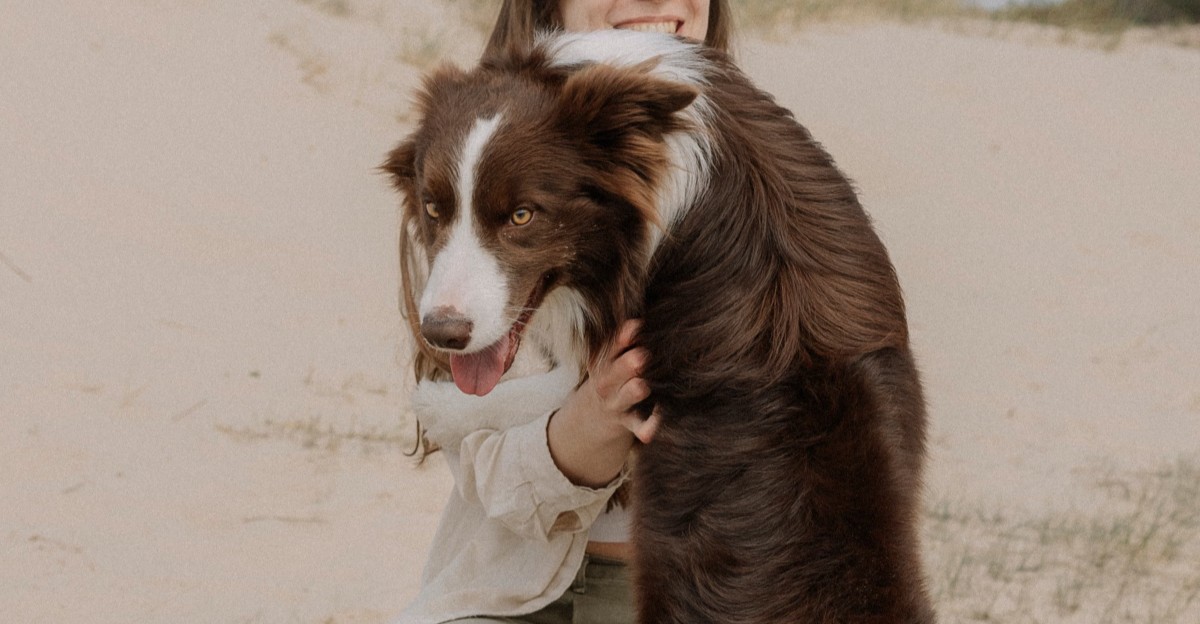
Sometimes a dog that ignores you is not being stubborn at all. Many dogs tune out commands when they feel worried, overwhelmed, or uncomfortable.
Some breeds are more sensitive to stress than others, and their signals can be easy to miss. Learning these signs can help you build a calmer, happier bond with your pup.
Border Collie
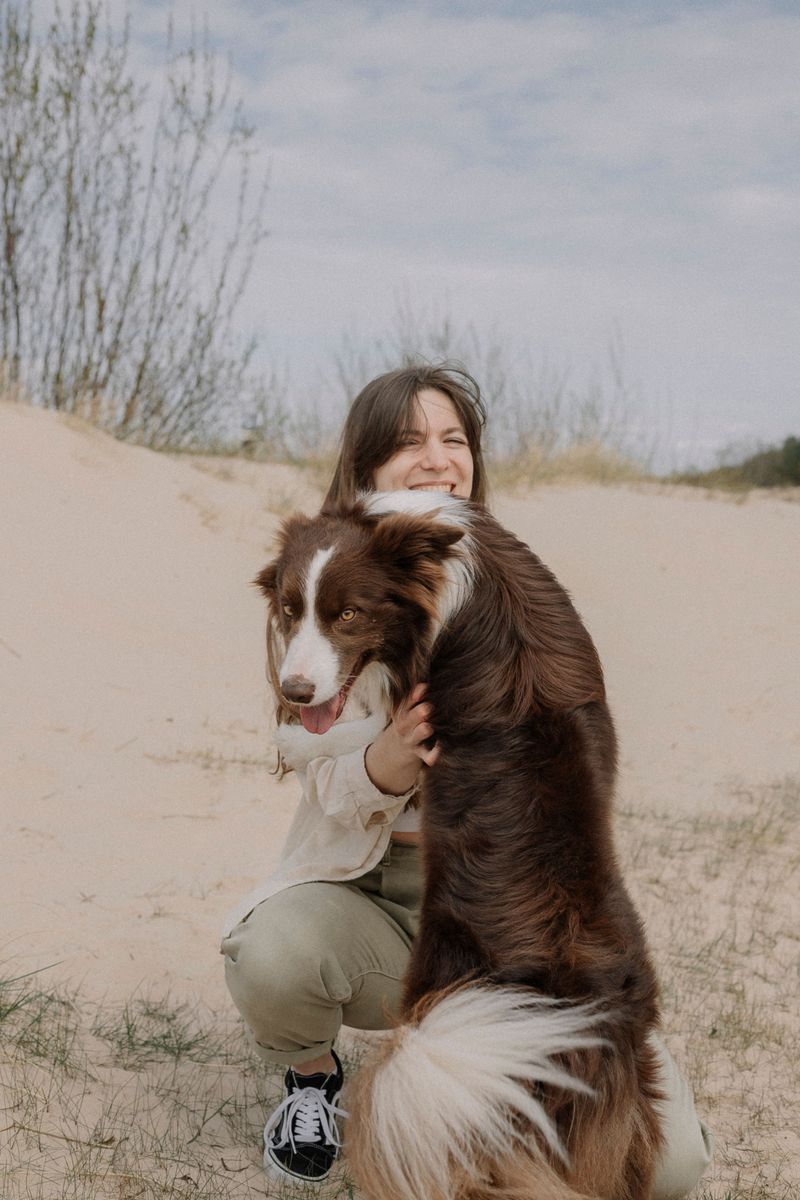
Picture a genius with nothing to solve all day. That is a bored Border Collie, and boredom quickly turns into stress for this herding superstar.
When these dogs skip commands, they may be mentally overloaded or craving a real job. Watch for pacing, staring at shadows, or nipping at heels.
Try puzzle toys, short training games, and herding-style activities. A busy brain is a calmer brain, and a calmer dog listens much better.
German Shepherd
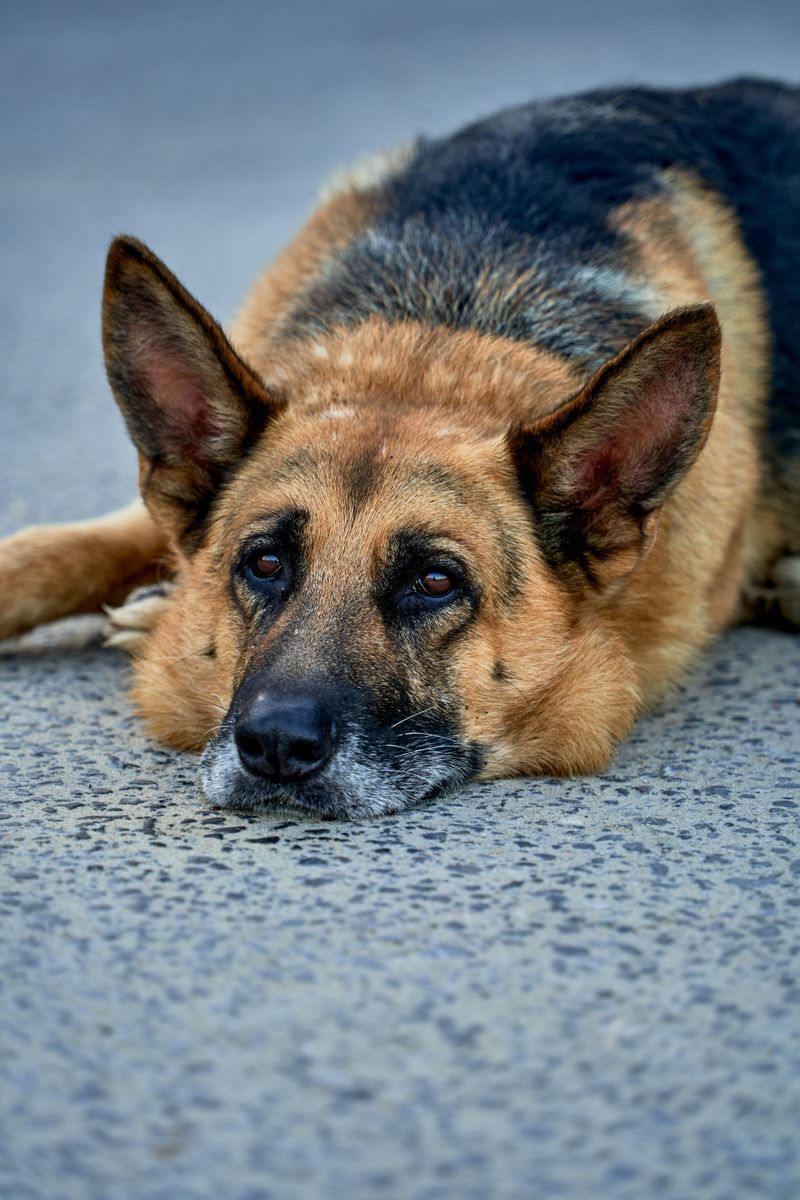
Loyal to the bone, German Shepherds often carry the weight of the world on their furry shoulders. They take guarding their family very seriously.
A shepherd that suddenly stops responding might be on high alert. Heavy panting, constant scanning, and a tucked tail are common clues that something is bothering them.
Give your shepherd a quiet resting spot and predictable routines. Confidence-building exercises, like simple obedience wins, can help them relax and focus again.
Chihuahua
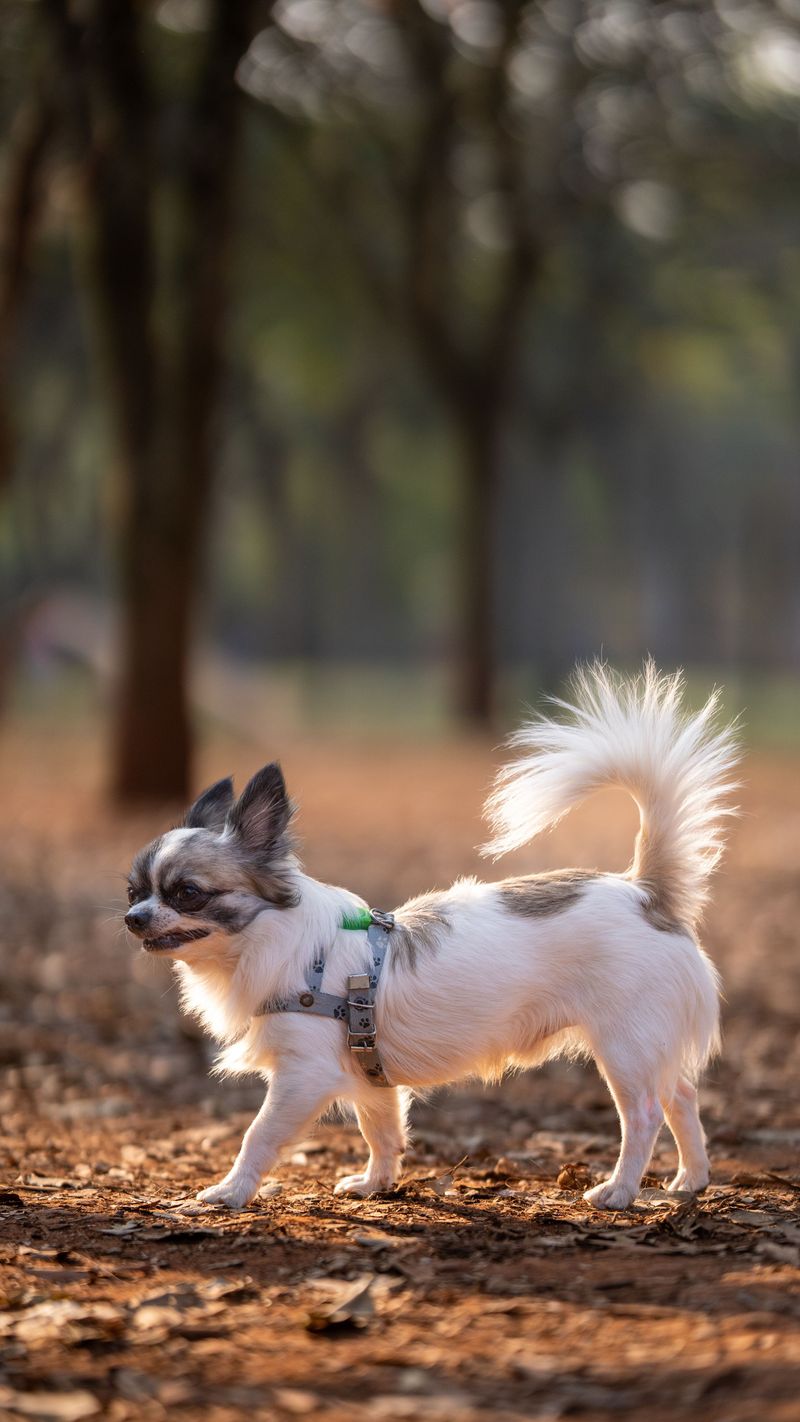
Tiny body, giant feelings. Chihuahuas live in a world full of huge feet, loud noises, and towering furniture, so stress can sneak up fast.
If yours ignores you, it may be frozen with worry instead of being sassy. Shaking, lip licking, and hiding under blankets often mean the little one feels unsafe.
Get down to their level when giving commands. Speaking softly and offering a cozy den can work wonders for this pocket-sized pup.
Australian Shepherd
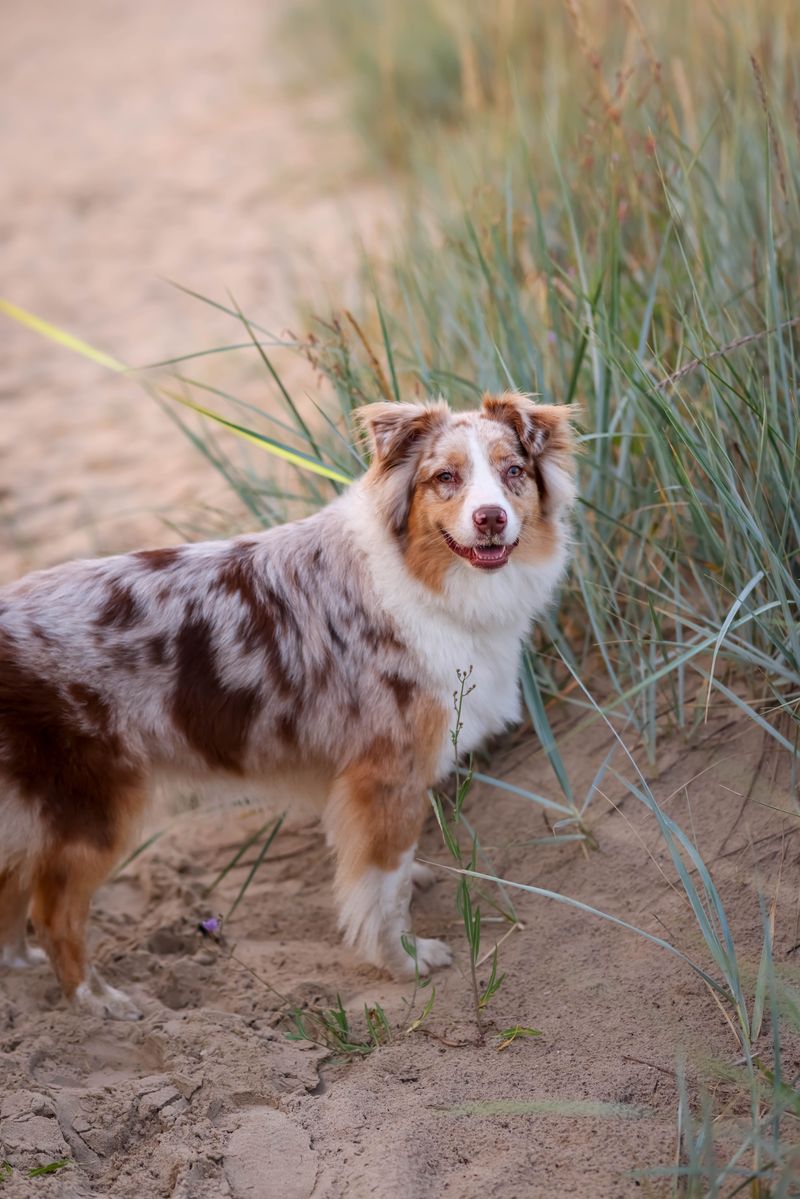
Ever seen a dog spin in circles while you call its name? Australian Shepherds sometimes do this when their energy has nowhere to go.
Bred to work cattle on ranches, Aussies need action. Without it, they get restless, and restless dogs struggle to hear anything you say.
Fun fact: despite the name, this breed was developed in the American West. Long hikes, fetch, and agility classes can turn chaos into calm cooperation.
Greyhound
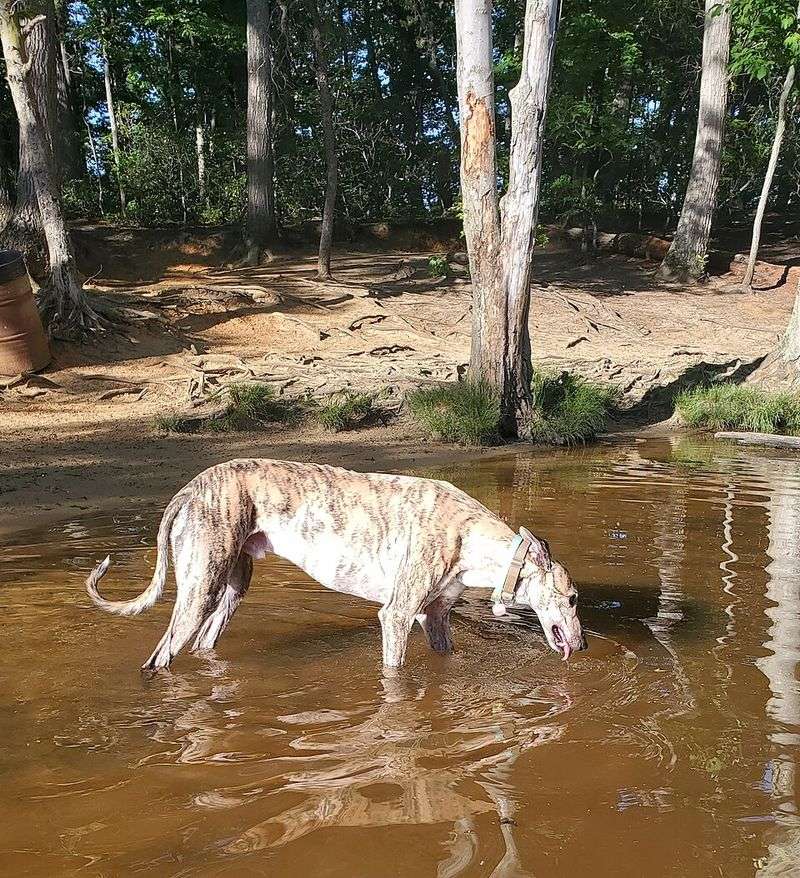
Many retired racing Greyhounds have never lived inside a house before. Stairs, shiny floors, and doorbells can feel completely strange to them.
A Greyhound that seems to ignore you might actually be shut down. Freezing in place, yawning a lot, or refusing treats are quiet signs of worry.
Patience is your best tool here. Let them explore slowly, use gentle praise, and celebrate small steps.
Their sweet, silly side usually shines through in time.
Shiba Inu
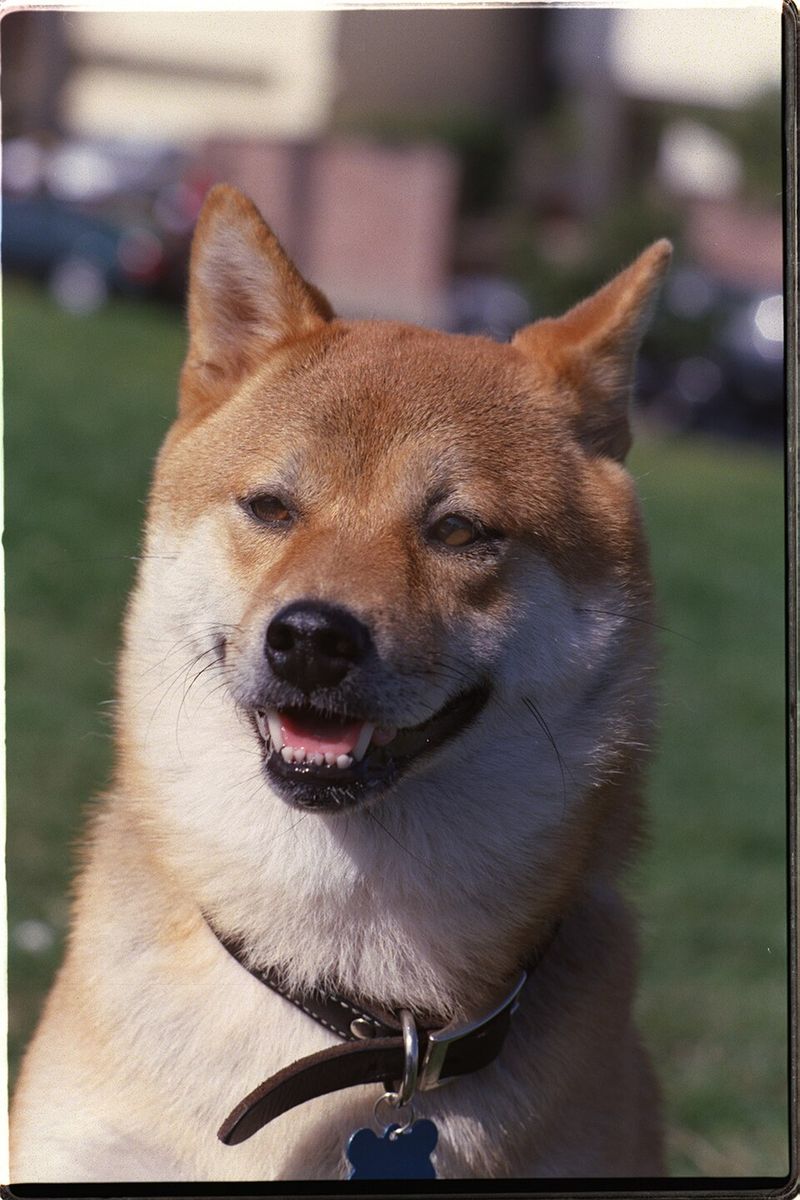
Shiba Inus have a reputation for acting like cats. Folks often call them stubborn, but there is usually more going on behind that fox-like face.
Shibas dislike being handled or rushed. When stressed, they may turn away, scream the famous Shiba scream, or simply walk off mid-command.
Respect their space and keep training sessions short and rewarding. Earning a Shiba’s trust takes time, but once you have it, they respond with surprising loyalty.
Labrador Retriever
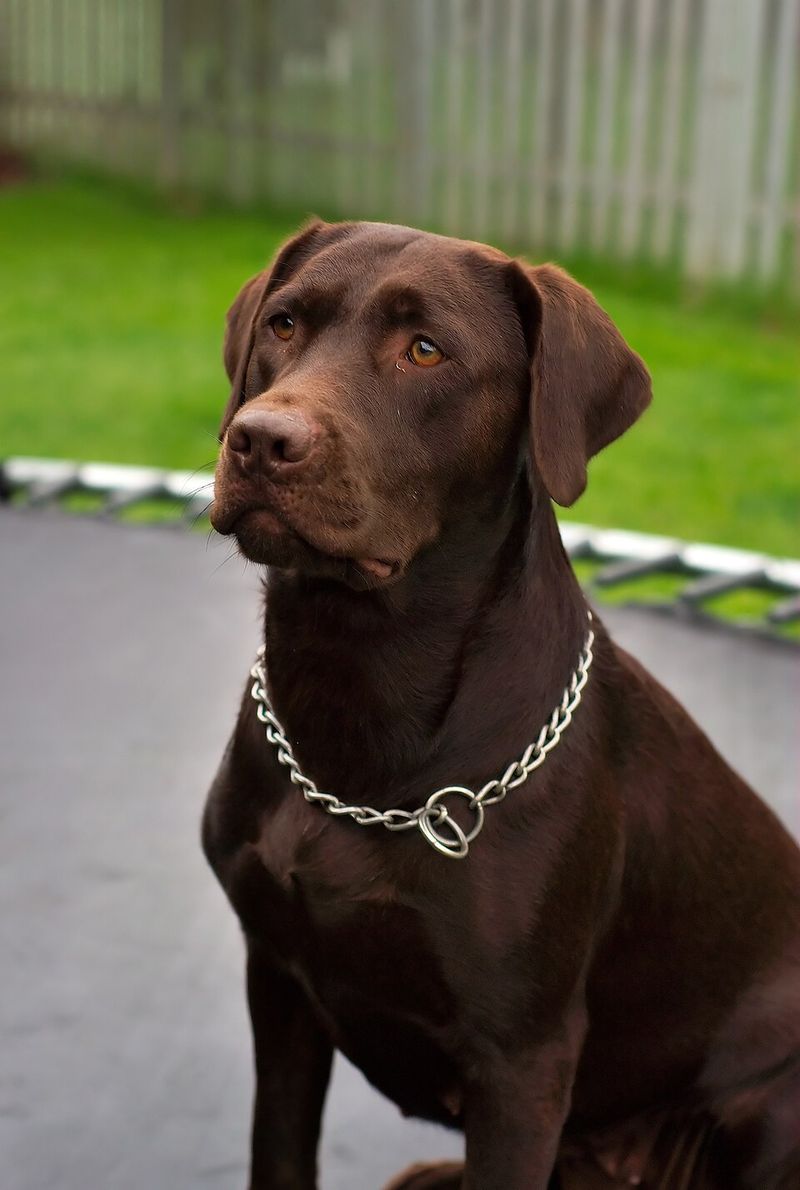
Happy-go-lucky Labs can hide stress better than most dogs. That wagging tail does not always mean everything is fine inside.
Chewing furniture, jumping nonstop, or tuning out your voice can point to anxiety, especially when left alone. Labs are social and hate long stretches of loneliness.
Try more walks, chew toys, and company during the day. Did you know?
Labradors actually originated in Newfoundland, Canada, where they helped fishermen haul nets.
Dachshund

Brave enough to chase badgers, yet scared of the vacuum? Welcome to life with a Dachshund.
These little hounds have big opinions and bigger nerves.
Stressed doxies may bark nonstop, hide under beds, or refuse to come when called. Back pain can also cause grumpiness, so watch for stiff movement.
A vet check is smart if behavior changes suddenly. Ramps, steady routines, and gentle reward-based training help keep these sausage dogs feeling secure.
Siberian Husky
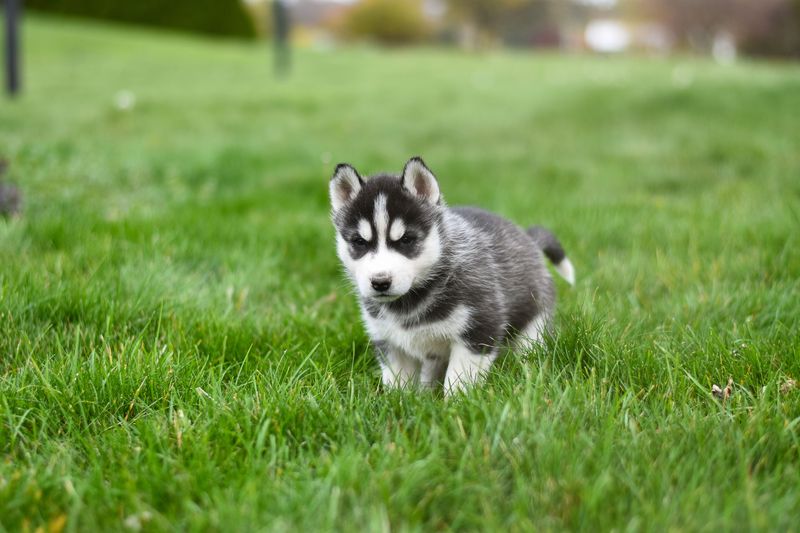
Howling, digging, escaping. If your Husky treats the backyard like a prison break movie, stress or boredom could be the cause.
Huskies were bred to pull sleds across icy Siberia for miles. Without enough exercise, frustration builds, and commands start falling on deaf ears.
Running, pulling sports, and long adventures help burn that energy. Keep fences secure, and remember that a tired Husky is far more likely to listen than a cooped-up one.
Cavalier King Charles Spaniel
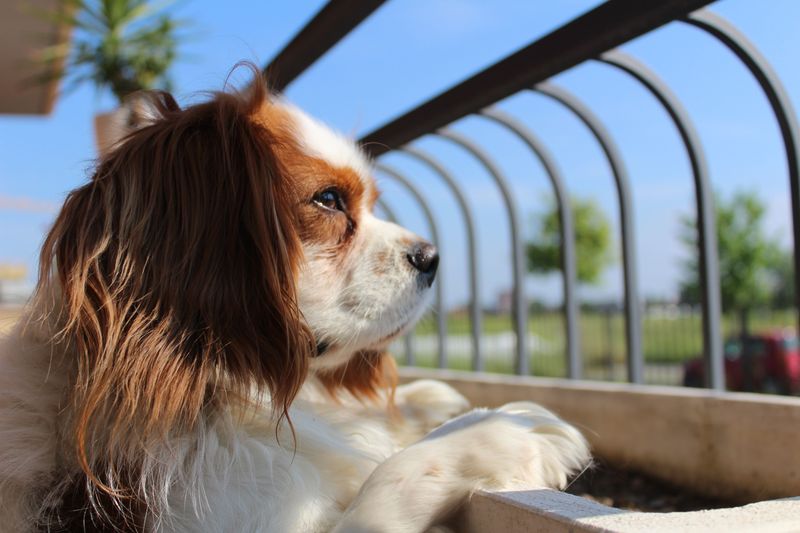
Sweet as honey, Cavaliers were bred to sit on royal laps. Being apart from their people can feel heartbreaking to them.
Separation stress often shows up as whining, clinginess, or ignoring cues because they are too focused on where you are going. Some even stop eating.
Practice short departures and come back calmly. Leaving a worn shirt or a treat puzzle can comfort them, helping your loving shadow feel safe even when alone.
Jack Russell Terrier
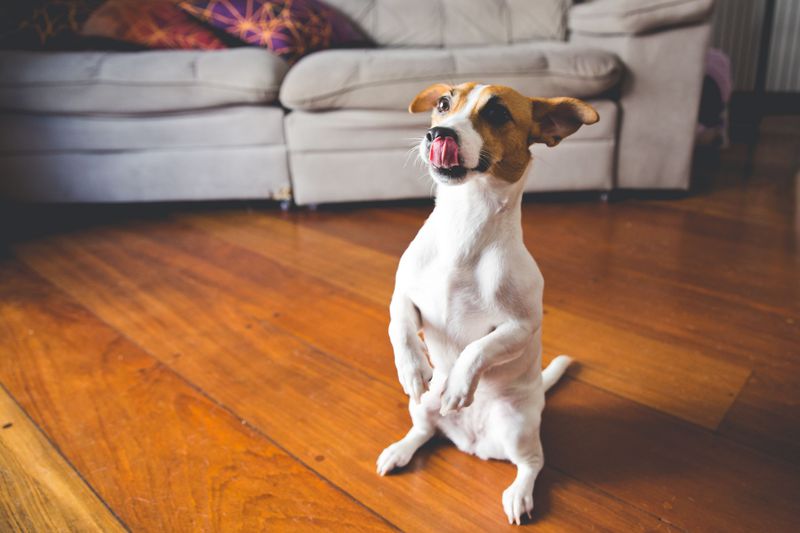
Here is a dog powered by rocket fuel. Jack Russells were bred to hunt foxes, so sitting quietly is not exactly their specialty.
Constant barking, bouncing off walls, and selective hearing can all signal stress from too little activity. Small spaces make it worse.
Give them digging boxes, tug games, and scent work. Short, upbeat training with tasty rewards keeps their quick minds engaged, turning that wild energy into focused listening.