Have you ever felt like your dog could read your mind? Some breeds are amazing at noticing your moods, your face, and even tiny changes in your voice.
Knowing which dogs tune in to people can help you pick a pet that fits your life. Read on to meet ten breeds that seem to know what you’re thinking, plus two that would rather do their own thing.
English Springer Spaniel
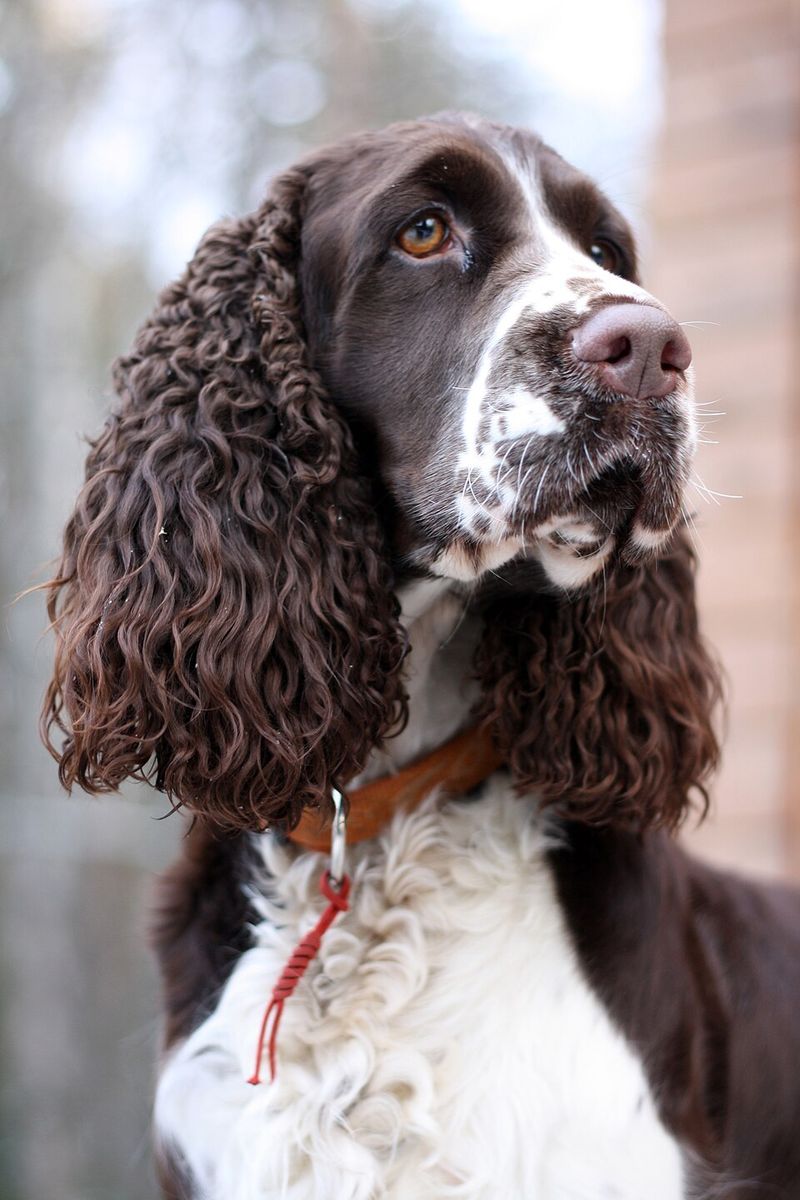
Grab your shoes, and a Springer is already wagging at the door. These cheerful spaniels were bred to work closely with hunters, watching every hand signal in the field.
That teamwork history makes them experts at reading your body language. They often notice when you feel sad and will lean against your legs for comfort.
Give them daily exercise and fun training games. A busy Springer is a happy, tuned-in friend.
Rough Collie
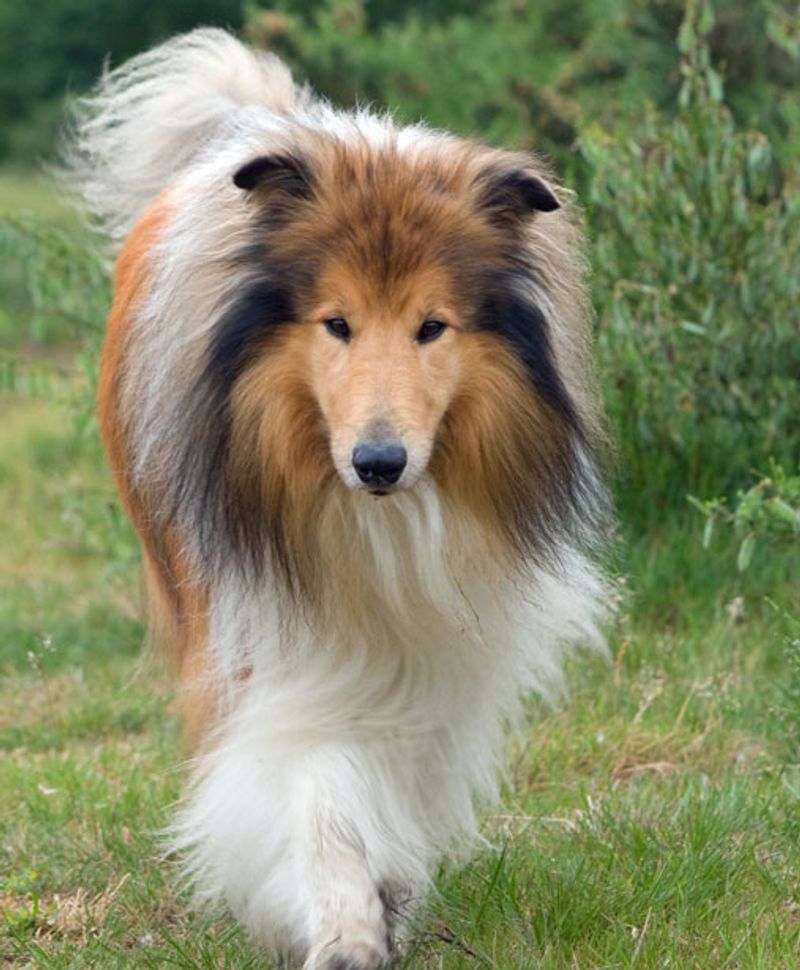
Lassie wasn’t just a movie star. Real Rough Collies really do seem to sense when something is wrong at home.
Originally from Scotland, these fluffy herders spent centuries watching over sheep and shepherds alike. Today, they keep that same watchful eye on their families, especially kids.
Their feelings can be tender, so harsh words hurt them. Use soft praise and treats during training, and you’ll earn a loyal, thoughtful shadow for life.
Doberman Pinscher
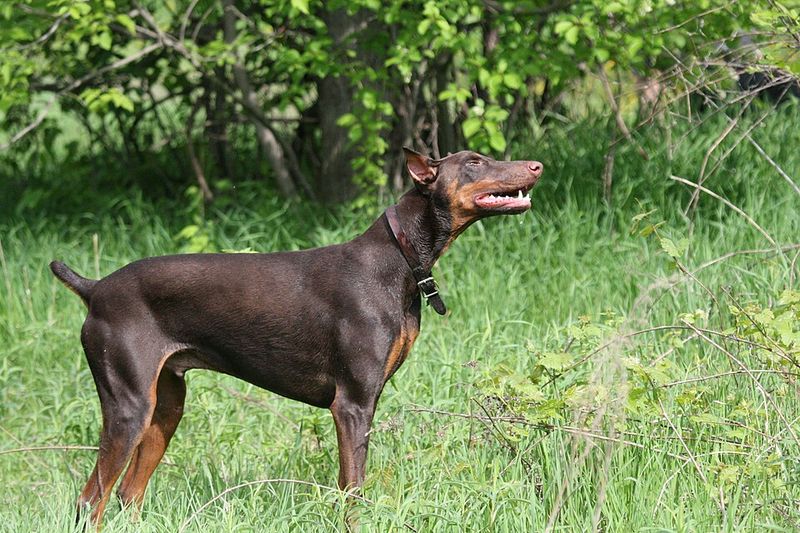
Fun fact: a German tax collector named Louis Dobermann created this breed in the 1890s to keep him safe on his rounds.
Behind that tough look hides a big softie. Dobermans bond deeply with their people and often pick up on stress before you say a word.
Many owners call them velcro dogs because they stick so close.
Early socializing helps them stay confident. Firm, kind training brings out their brilliant, caring side.
Papillon
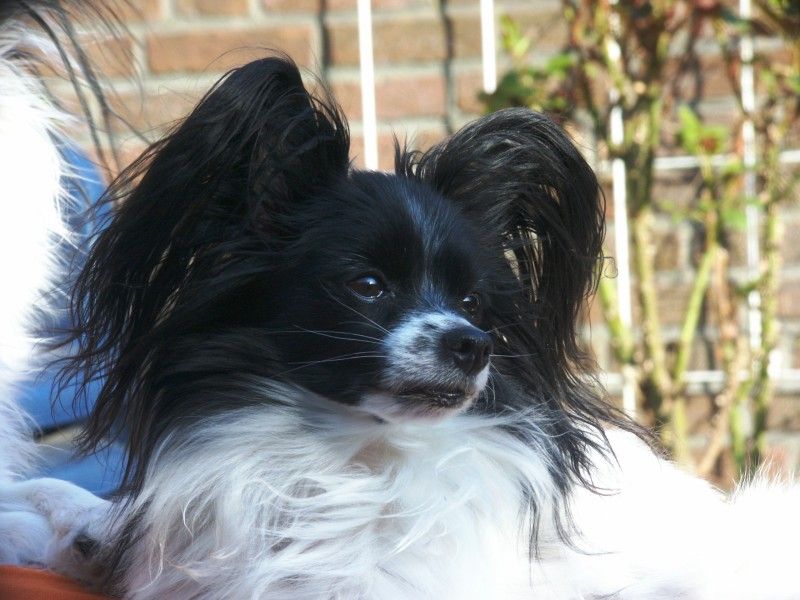
Small dog, giant brain! Named for its butterfly-shaped ears, the Papillon is one of the smartest toy breeds around.
These little charmers watch your face closely and learn routines fast. Some figure out that putting on a coat means a walk before you even reach for the leash.
Try teaching tricks like spinning or ringing a bell. Papillons love having a job, and short lessons keep their quick minds happily busy.
Cocker Spaniel
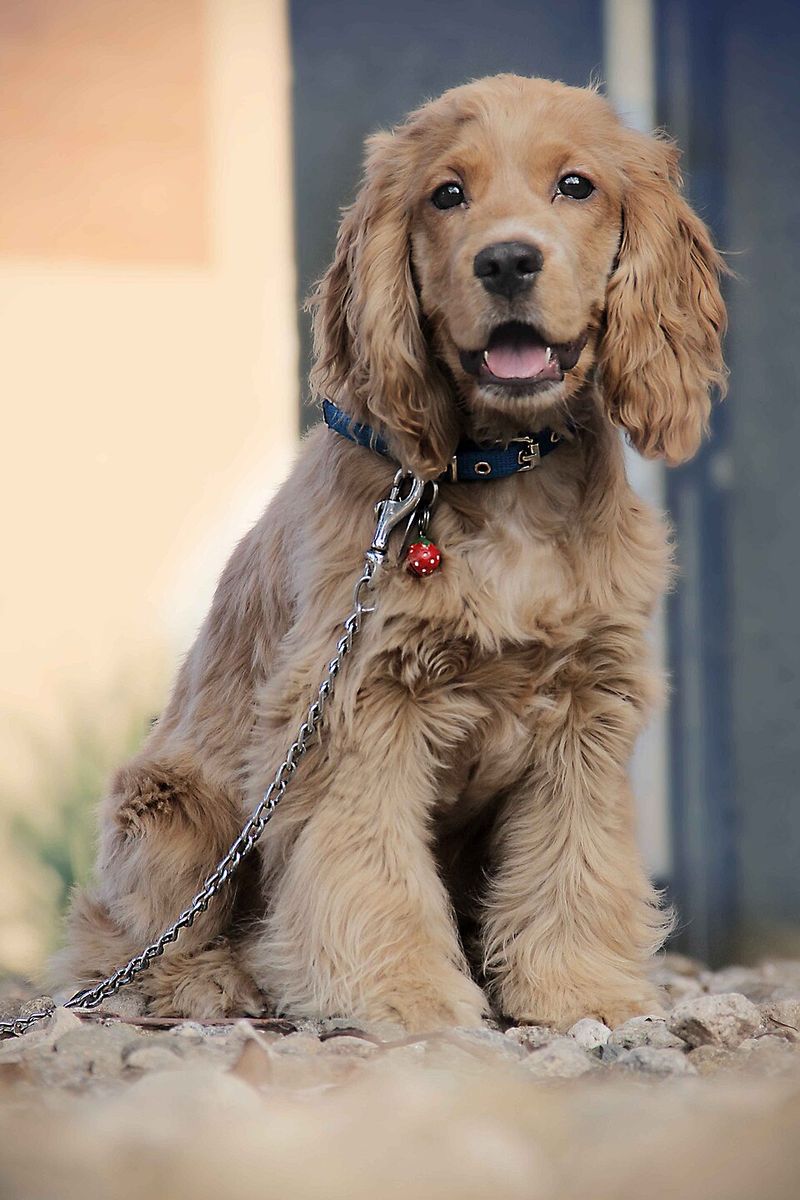
Those big, soulful eyes aren’t just for show. Cocker Spaniels are famous for staring at their owners as if waiting for the next clue.
They’re sweet, sensitive dogs that mirror your mood. When you’re excited, they bounce around.
When you’re quiet, they curl up nearby.
Because they feel things deeply, gentle handling matters. Keep those long ears clean and brushed, and reward good behavior generously to build a trusting bond.
Boxer
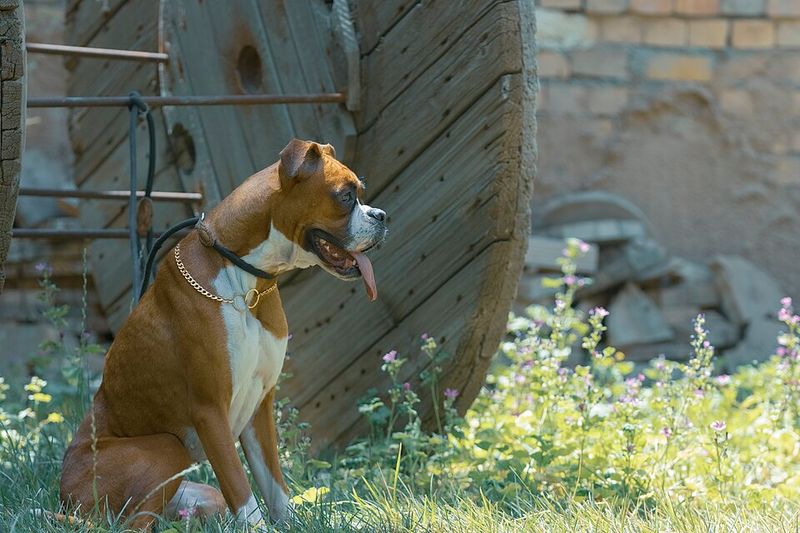
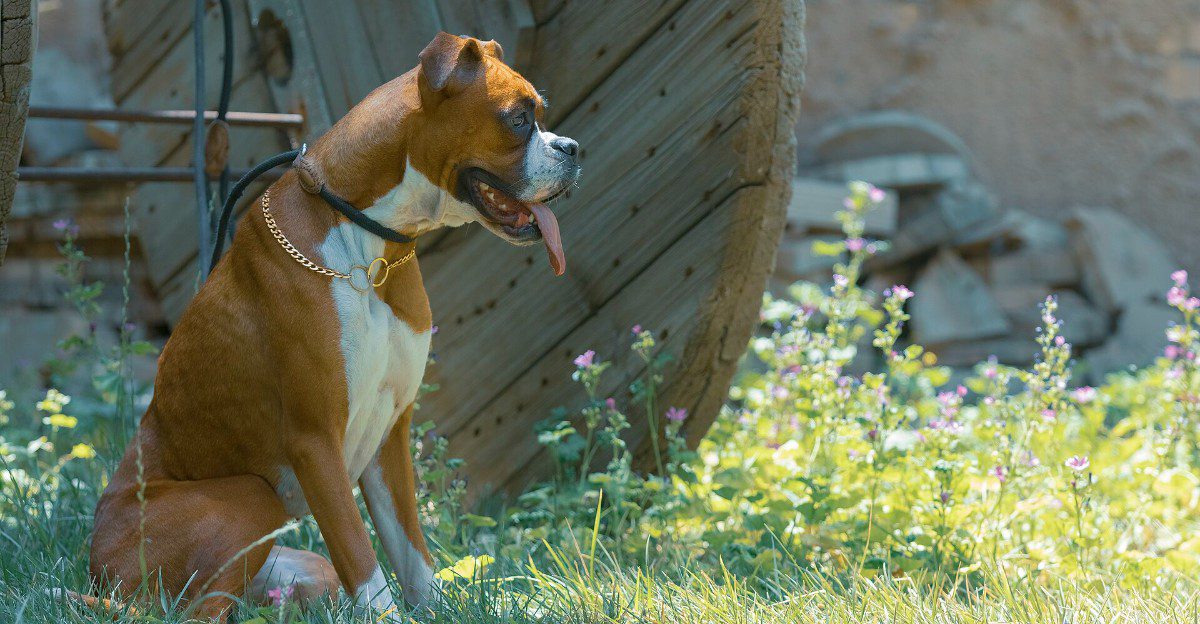
Picture a clown with a detective’s nose. That’s the Boxer, a goofy pup that somehow always knows when you need a laugh.
Boxers are known for the kidney bean dance, wiggling their whole bodies in happiness. They also read emotions well and often stay calm and close around upset family members.
They have lots of energy, so plan daily playtime. A tired Boxer is a well-mannered Boxer, and a very cuddly one too.
Standard Poodle
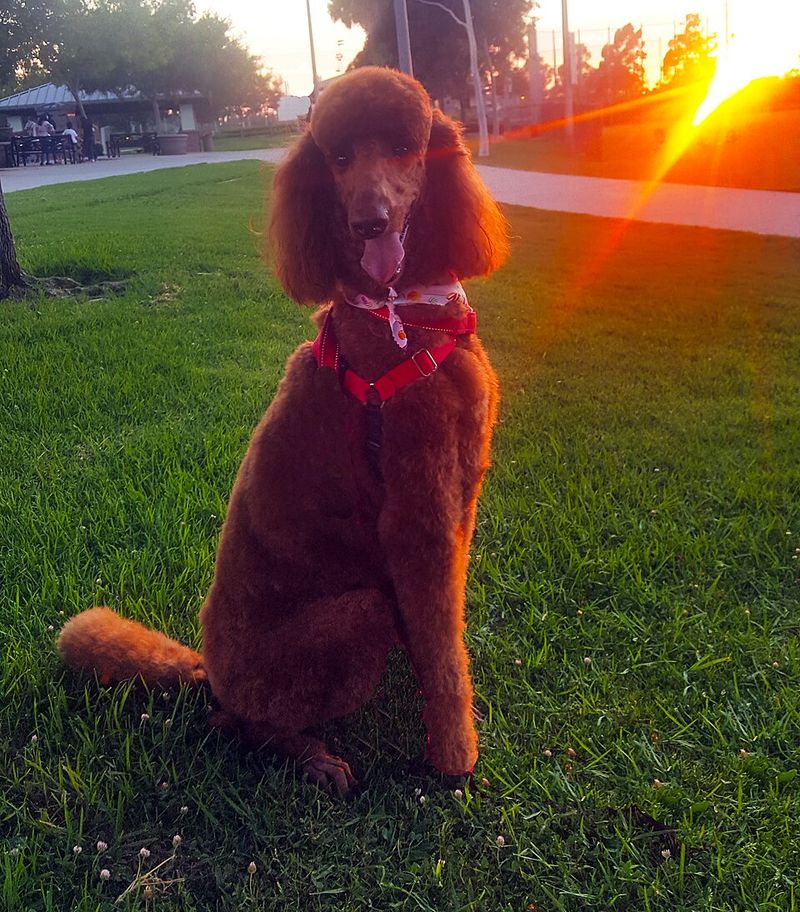
Forget the fancy haircuts for a second. Standard Poodles are among the smartest dogs on the planet, often ranking second only to Border Collies.
Originally bred in Germany to fetch ducks from water, they learned to follow cues from hunters. Now they use that skill to read your expressions and tone.
Poodles get bored easily, so puzzle toys help a lot. Bonus: their low-shedding coats are friendlier for many allergy sufferers.
Shetland Sheepdog
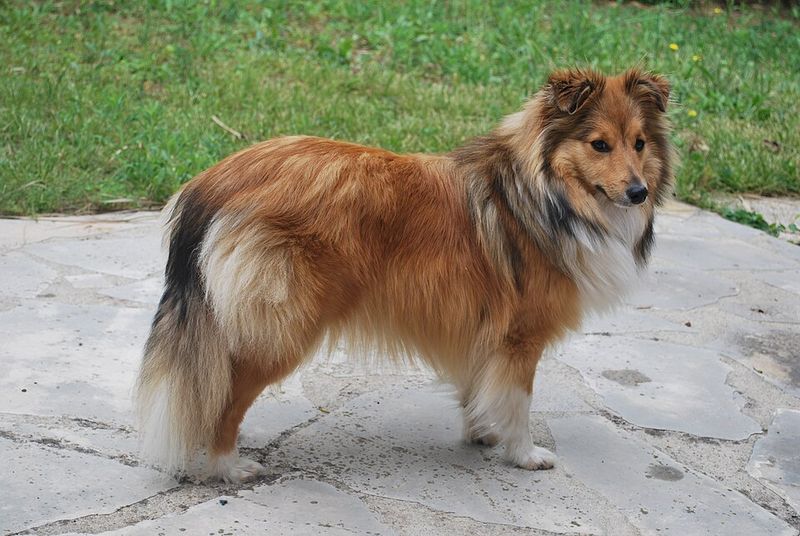
Ever had a dog herd you into the kitchen at dinnertime? Sheltie owners know this move well.
From the windy Shetland Islands, these quick little herders notice everything. A change in your step or a sigh can get their attention right away.
They’re eager to please and shine in agility classes. Just know they can be barky, so teach a quiet command early.
Their alert minds pay off beautifully.
Australian Shepherd
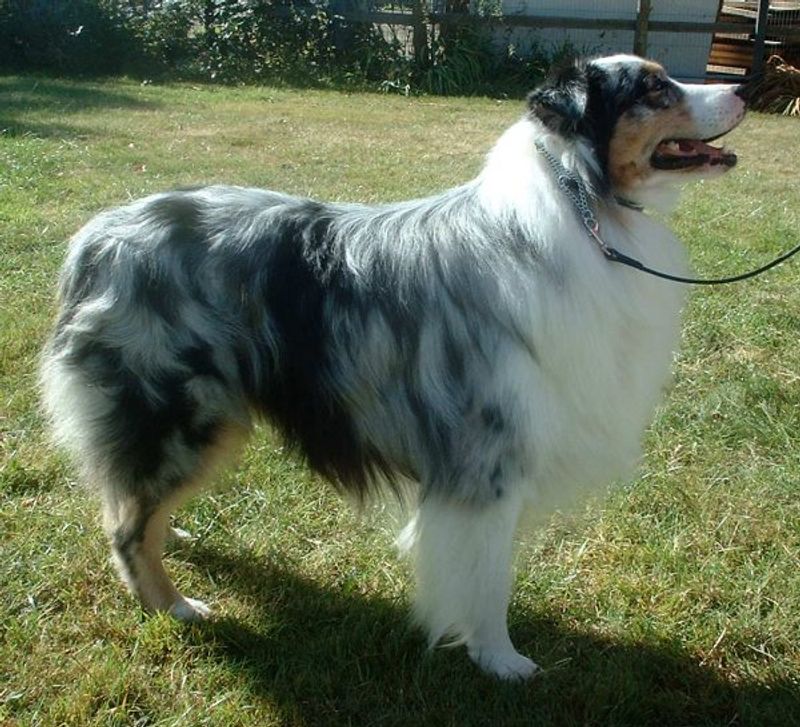
Surprise! The Australian Shepherd actually developed in the American West, not Australia.
Ranchers loved them for their sharp minds and quick feet.
Aussies watch their people like hawks. Many learn to predict your next move, like heading to the barn or grabbing the frisbee.
Without enough to do, they may invent their own jobs, such as chewing your couch. Daily runs, games, and training keep this clever helper calm and content.
German Shepherd
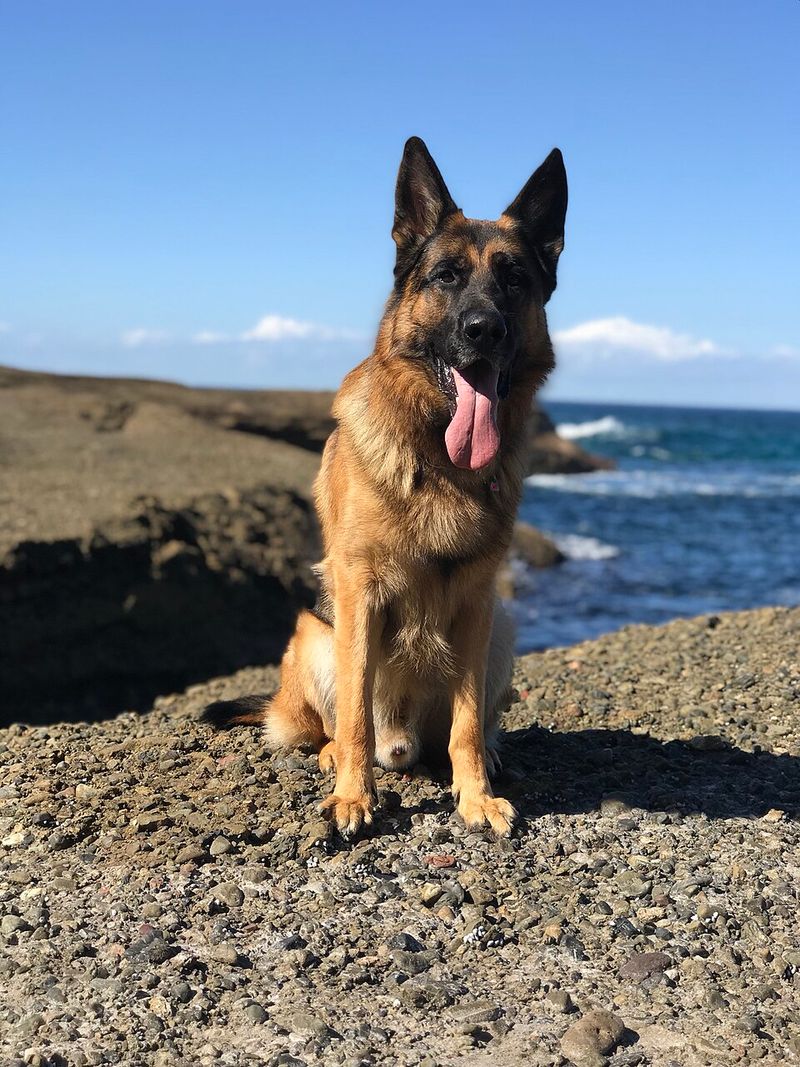
Police officers, rescue teams, and guide dog programs all trust one breed again and again. There’s a reason for that.
German Shepherds are brave, loyal, and incredibly good at understanding human commands and feelings. They often sense danger or sadness quickly and stay right by your side.
They need mental challenges and plenty of exercise. Try scent games or obedience classes.
With guidance, this devoted guardian becomes a true partner in everything.
Shiba Inu
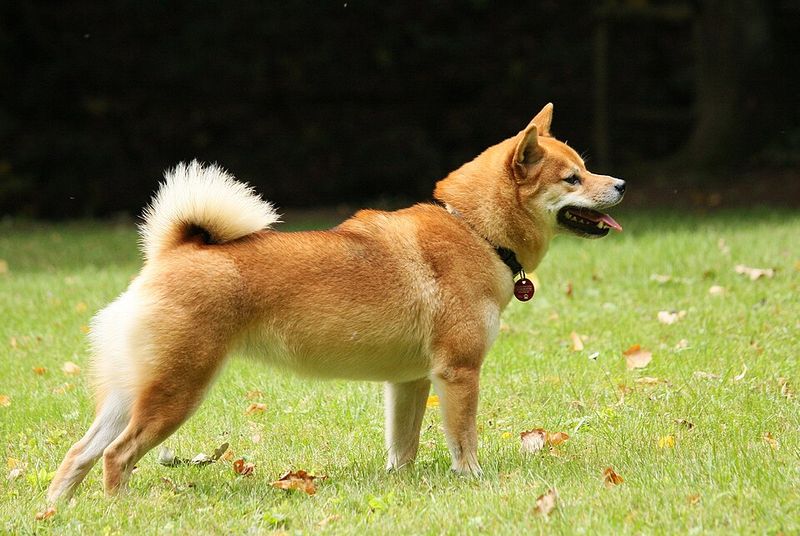
Call a Shiba Inu, and it might just look at you and walk away. Independence is part of the charm here.
This ancient Japanese breed acts a lot like a cat. Shibas are clean, proud, and selective about affection.
They know what you want, but they decide whether to care.
Training takes patience and tasty rewards. Keep them on a leash, since their urge to explore usually wins over your calls.
Scottish Terrier
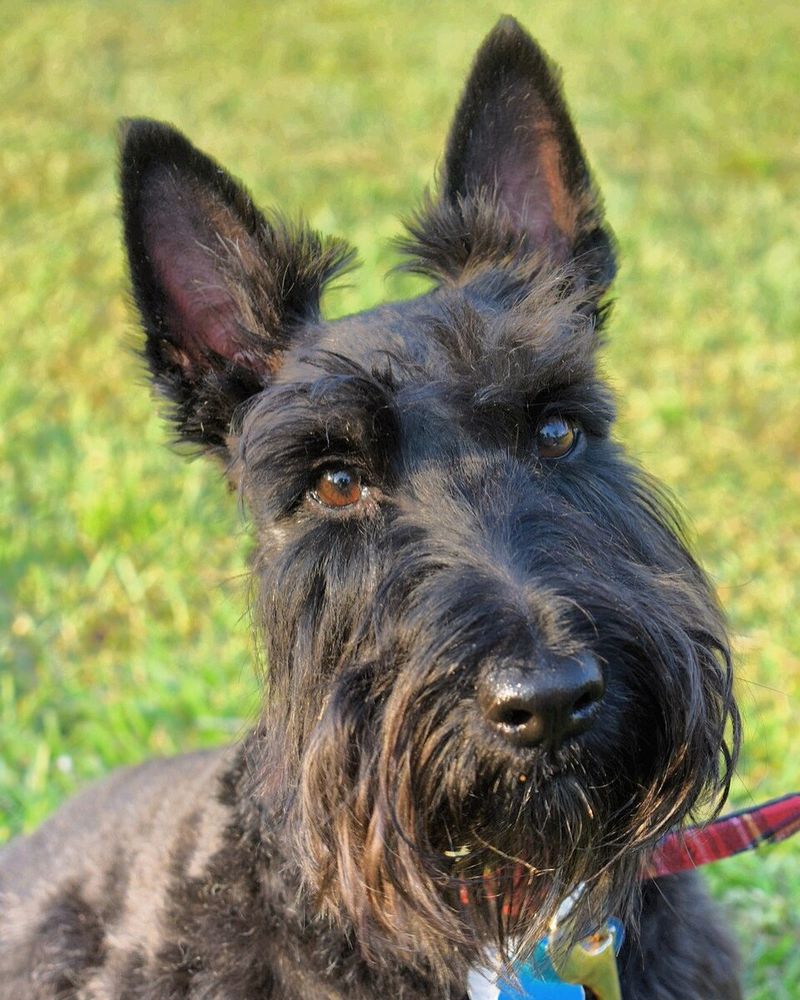
Stubborn? Absolutely.
Scotties were bred to hunt badgers and foxes alone, making their own choices underground.
That history explains their bold, serious attitude. A Scottie loves its family but rarely begs for attention.
It prefers dignified companionship on its own terms.
Did you know? President Franklin Roosevelt’s Scottie, Fala, was a famous White House pet.
Use short, fun training sessions, and respect their space for the best results.