
Bringing home a second dog can feel exciting, but also a little intimidating. The right pairing can turn daily life into smooth, joyful teamwork, while the wrong match can create stress.
These tried and true combinations highlight complementary energy, play styles, and temperaments that tend to click. You will also find two surprising mixes that work when managed thoughtfully.
Labrador Retriever + Golden Retriever
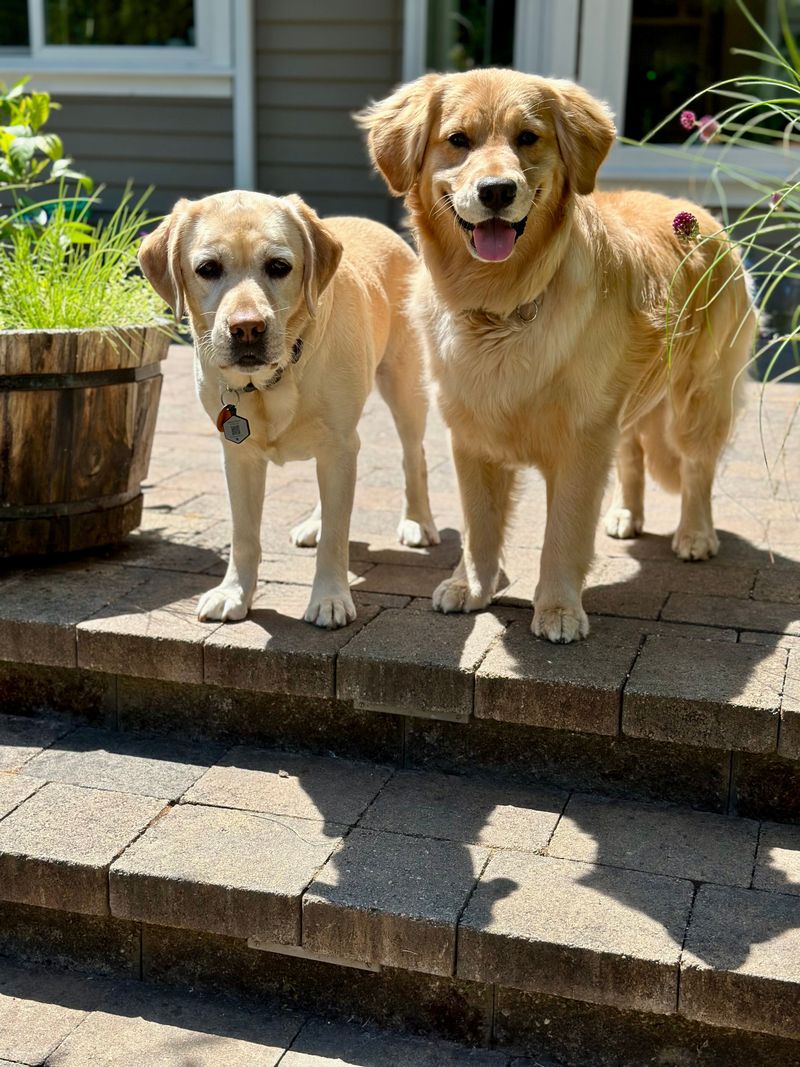
These two gentle crowd pleasers share similar energy, trainability, and love of people. They tend to communicate clearly, enjoy fetch and swimming, and settle nicely after exercise.
If you already have one, the other often slides into the routine with minimal friction. Puppy to adult pairings work best when sizes align and play styles are well supervised early.
Plan on daily walks, mental games, and consistent boundaries to prevent boisterous chaos. Both shed, so invest in brushing habits, lint rollers, and a solid vacuum.
When matched thoughtfully by age and temperament, this golden duo gives you goofy fun balanced with real biddability. Health screenings for hips, elbows, and eyes help you dodge heartbreak while keeping vet costs predictable over time.
Golden Retriever + Standard Poodle

This pairing blends sunny friendliness with sharp wit and low shed potential for a busy household. You get social ease from the Golden and problem solving sparkle from the Poodle.
Both love structured training, retrieve games, and water, so enrichment is refreshingly straightforward. Mind the Poodle’s sensitivity and the Golden’s people pleasing to keep sessions upbeat and fair.
Grooming matters: plan regular brushing, ear checks, and a professional clip on a predictable schedule. Health testing for hips, elbows, eyes, and heart helps you prioritize sound lines.
Energy levels are medium to high, so daily cardio plus brain work keeps harmony at home. Match temperaments thoughtfully, and you will see affectionate teamwork blossom in everything from hikes to cuddles.
Border Collie + Australian Shepherd
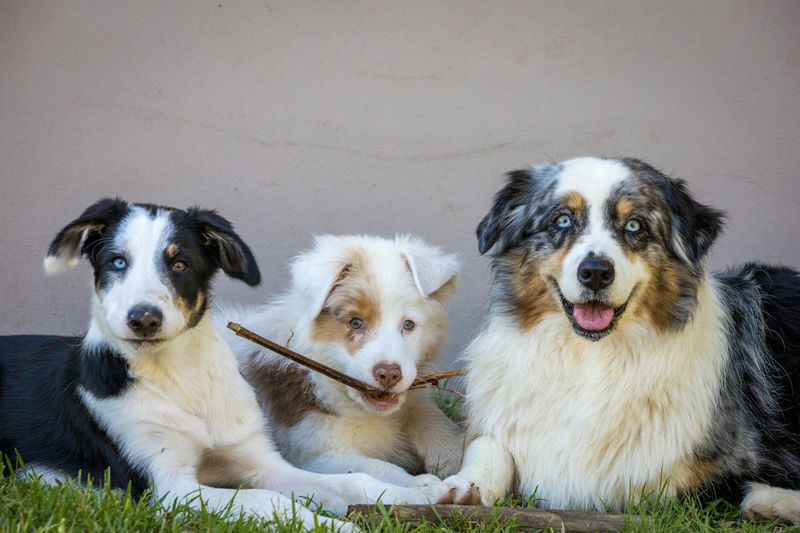
If you crave brains and drive, this dynamic duo brings intensity, work ethic, and eye contact. Both thrive on clear jobs like agility, herding lessons, and advanced obedience with real-life application.
Without structure, they invent chaos, so plan schedules, crates, and off switches. Use food, toys, and thoughtful reinforcement to motivate rather than nag.
Socialization is crucial, including calm neutrality around children, bicycles, and other dogs. Grooming means regular brushing, foxtail checks, and seasonal coat care.
Health tests for hips, elbows, eyes, and MDR1 status protect your training investment. Handled well, they deliver dazzling partnership that turns ordinary routines into purposeful adventures.
Be honest about your time, because brilliance without outlets can morph into reactivity and frustration for everyone involved.
Boxer + Labrador Retriever

Playful optimists at heart, Boxers and Labs often mesh through goofy humor and sturdy play styles. Both are affectionate, people focused, and food motivated, which makes training fun and predictable.
Channel the bounce into flirt pole sessions, scent games, and structured fetch for calmer evenings. Teach polite greetings early to curb jumping and mouthy antics.
Healthwise, prioritize heart checks for Boxers, plus hips and elbows for both breeds. Expect moderate shedding, slobber from some lines, and a love of comfortable couches.
Daily exercise needs are real, so mix cardio with impulse control games like sit to fetch. When given fair outlets, this pair shines as family companions that still feel up for adventure.
Crate training and nap windows keep overstimulation from derailing manners.
Cavalier King Charles Spaniel + Havanese

If you want sweetness with portable size, this duo delivers friendly vibes and adaptable energy. Both typically adore people, accept other pets, and learn quickly with gentle, reward based training.
Indoor play, short walks, and puzzle toys go far, though zoomies certainly appear. Watch for separation sensitivity and build independence skills early and often.
Grooming is moderate: regular brushing, eye and ear care, and tidy trims keep coats comfortable. Health testing matters, especially hearts for Cavaliers and patellas for both breeds.
Their social charm is real, yet they appreciate quiet recovery time after outings. Handle with kindness, and you will have snuggly companions who still enjoy cheerful training sessions.
Stairs and furniture jumping should be managed to protect joints long term.
Whippet + Greyhound
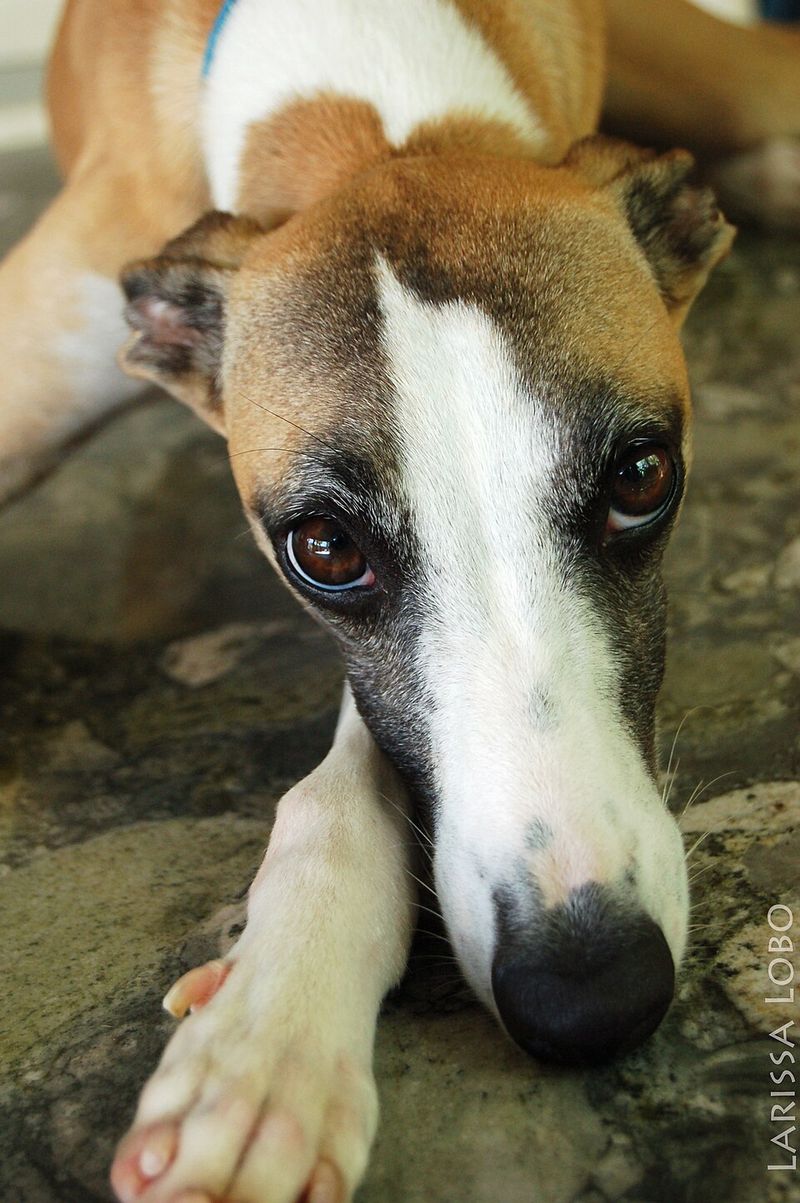
Sighthound elegance meets couch potato bliss in this graceful, surprisingly low maintenance combination. Expect explosive sprints during play, followed by long naps and affectionate snuggles indoors.
Both enjoy gentle training, soft bedding, and calm routines that respect sensitivity. Secure fencing is non negotiable because chase instincts can override recalls in a heartbeat.
Muzzles for group runs add safety without dampening their cheerful enthusiasm.
Thin skin and lean frames mean sweaters in winter and careful temperature management year round. Grooming is simple, but nail care and dental routines matter.
Adopted retirees can pair beautifully with younger Whippets when intros go slowly and respectfully. With empathy and safe outlets, you will enjoy serene companions who still thrill at sprint time every week.
Bernese Mountain Dog + Newfoundland
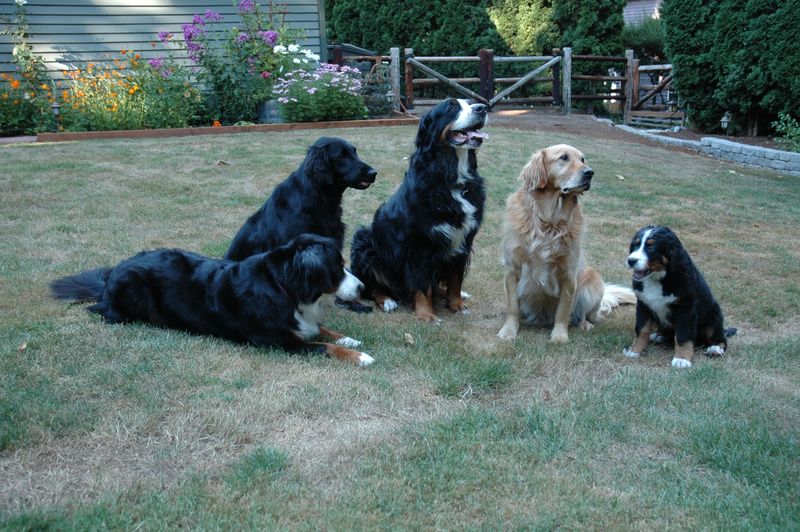
If you love giant hearts and gentle temperaments, this heavyweight duo brings sweetness and patience. They relish cool weather, leisurely hikes, and purposeful tasks like carting or water work.
Socialization and impulse control around doorways and guests protect everyone from enthusiastic bowling. Because growth plates take time, manage stairs and jumping carefully through adolescence.
Grooming is significant: weekly baths during shedding seasons, daily brushing, and diligent ear care. Prioritize sound structure with hips, elbows, eyes, and heart testing from reputable breeders or rescues.
Heat management is critical, including shade, cool floors, and slow pacing in summer. Handled thoughtfully, you get steadfast companions who adore families and reward unhurried routines.
Budget for food, orthopedic beds, and vehicle solutions that respect size and weight.
Beagle + Labrador Retriever
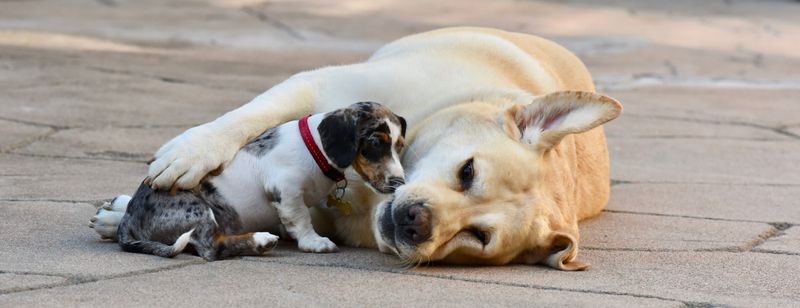
This merry pair blends nose driven curiosity with classic retriever enthusiasm for life and snacks. Expect vocal play, joyful zooms, and a deep love of scent games and scavenger hunts.
Training thrives on food rewards, clear boundaries, and patience when sniffing takes priority. Teach rock solid recalls and door manners to keep adventures safe together.
Crates and chew rotations keep boredom from blooming into mischief indoors.
Daily exercise should mix cardio, tracking games, and decompression walks where sniffing is encouraged. Manage counters and trash because both can be opportunistic gourmands.
Healthwise, check hips and elbows, and monitor ears for moisture related issues. With structure and sniff time, you will see cheerful cooperation that makes neighborhood life easier for everyone daily.
Pembroke Welsh Corgi + Shetland Sheepdog
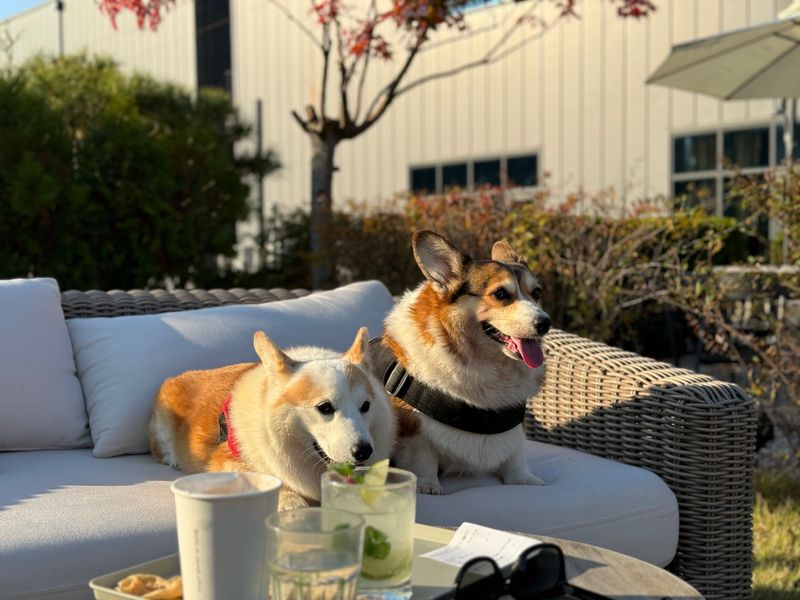
Small herders with big opinions, these two bring brains, voice, and surprising athleticism. They enjoy trick training, rally, and agility, especially when sessions stay short and upbeat.
Nipping and herding impulses can appear during play, so teach off switches and tug rules. Confidence around noises and strangers grows with thoughtful, frequent social outings.
Grooming requires consistent brushing and seasonal de shedding, plus diligent dental care. Mind backs and joints, keeping fitness high and jumps reasonable for Corgi proportions.
Health testing for hips, eyes, and MDR1 or vWD status helps you plan responsibly. With fair leadership and jobs to do, you get charming roommates who truly try.
Prevent nuisance barking by meeting needs before asking for quiet and calm mats daily.
German Shorthaired Pointer + Vizsla
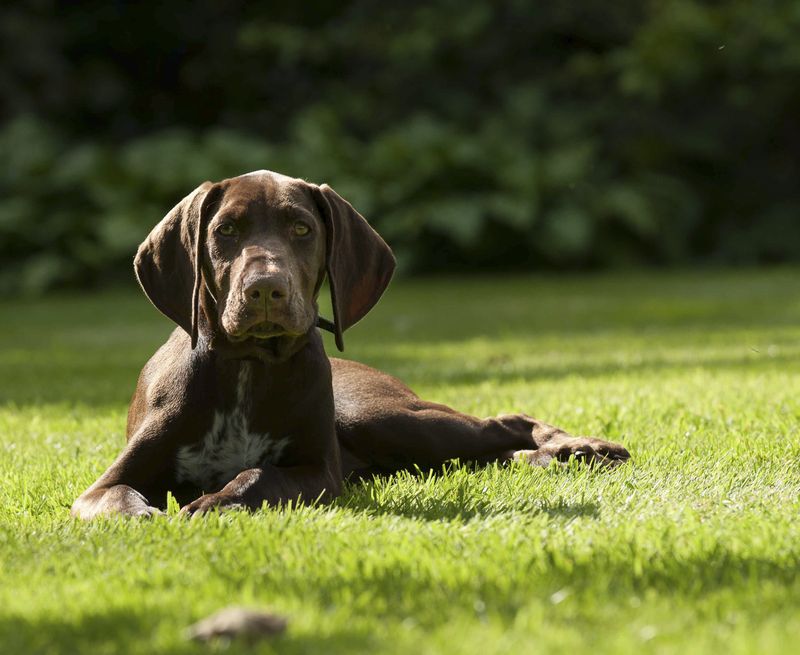
If your happy place is outdoors, this athletic pair delivers stamina, sensitivity, and serious birdiness. Both crave purposeful exercise like field training, canicross, and off leash hiking in safe areas.
Affectionate natures and soft temperaments mean balanced feedback, clear expectations, and calm handling. Teach settling early, because motion can be intoxicating and rest is a learned skill.
Daily needs include long walks, recall practice, and nose work to channel arousal productively. Gentle crate time prevents meltdowns and keeps households peaceful.
Health testing for hips, elbows, eyes, and thyroid gives you confidence in your planning. Handled kindly and consistently, they become dazzling partners from road trips to rainy runs.
Consider coats and booties for winter hunts and reflective gear for urban evenings.
Great Dane + Chihuahua

Yes, opposites can work when temperaments align and management stays thoughtful from day one. The Dane offers steadiness and warmth, while the Chi brings spunk, alerts, and comic relief.
Central to success is protected interaction, including baby gates, rugs, and separate rest spaces. Teach soft mouths, mat skills, and respectful approaches to prevent size mismatch incidents.
Joint friendly floors, non slip runners, and careful leash passing help the Dane move smoothly. Chihuahuas may need warm layers and high value reinforcement to feel secure near big friends.
Healthwise, monitor hearts and bloat risks for Danes, dental health and patellas for Chihuahuas. Move slowly, celebrate small wins, and you can enjoy a surprisingly tender bond.
Supervision stays non negotiable during doorbells and high arousal moments.
Akita + Standard Poodle
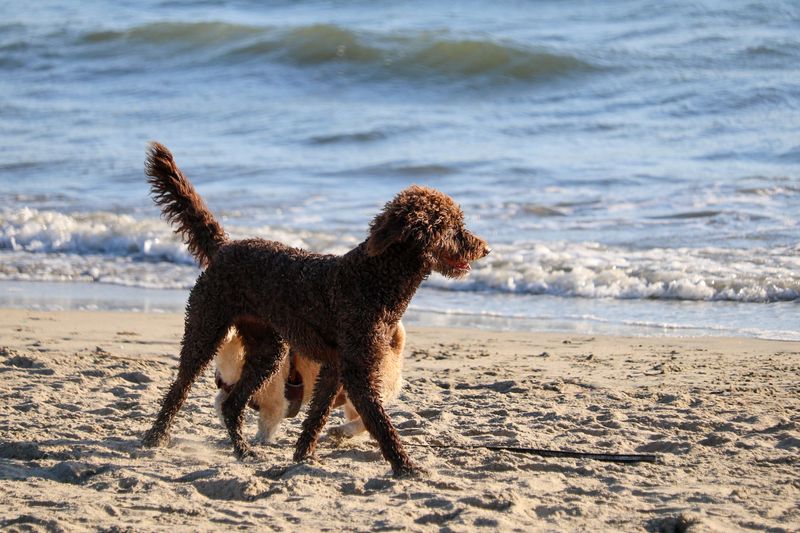
This thoughtful blend pairs Akita dignity with Poodle intelligence, creating a team that respects boundaries. Early, careful socialization and neutrality training help both dogs navigate busy spaces without conflict.
Expect moderate to high exercise needs, with emphasis on brain work, scent games, and clarity. Teach reliable recalls, cooperative care, and polite guest routines before adolescence.
Grooming spans poodle coat care plus routine Akita brushing, ear care, and nail work. Health testing for hips, elbows, eyes, and thyroid should be non negotiable.
Use fair, consistent training that avoids harshness, because trust fuels this partnership. Handled wisely, you will see loyal devotion alongside sparkling problem solving that keeps life interesting.
Clear household rules prevent resource guarding and keep expectations predictable for both dogs.