
More dog owners are admitting their pups struggle when life gets loud and unpredictable. Maybe you have seen it too: the trembling at doorstep greetings, the frantic pacing when kids burst into laughter, the wide eyes during bustling weekends.
These “can’t handle chaos” confessions are increasing, and certain breeds pop up again and again. Let’s talk about the ones mentioned most, why they react this way, and how you can help them feel safe and confident.
Border Collie
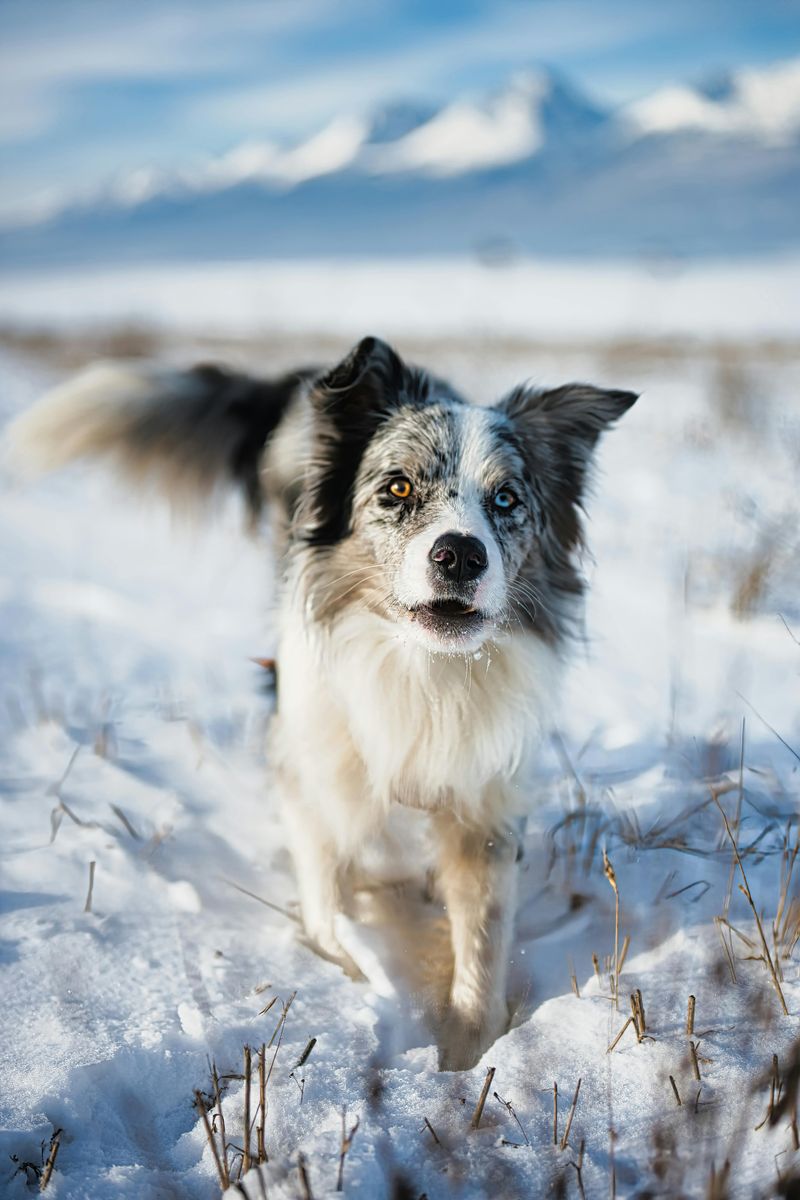
Border Collies are geniuses with a job to do, which is why chaotic homes can overwhelm them. That lightning quick brain scans every motion, every sound, and tries to control it all.
When nonstop noise hits, they may pace, herd ankles, or fixate because it feels like work without rules.
You can help by giving structure and purpose. Daily brain games, trick training, and calm scent work let that focus land somewhere productive.
Teach a settle-on-mat cue, use white noise during peak commotion, and reward relaxation like it is a sport.
Fair warning, under-exercised Collies invent their own missions. Keep consistency, predictable routines, and clear boundaries.
When life ramps up, offer distance, chew enrichment, and patient guidance.
Australian Shepherd
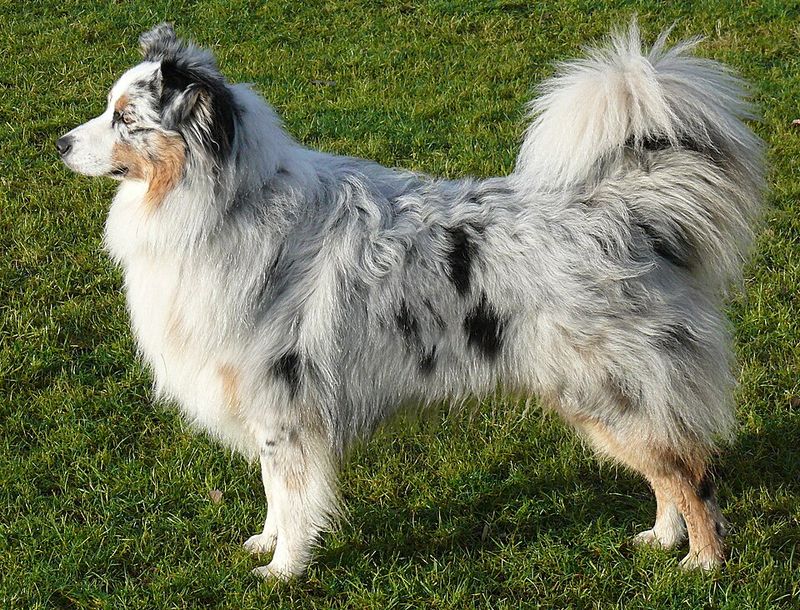
Australian Shepherds thrive on order and meaningful activity, so random clamor can feel like static to them. When kids sprint, doors slam, and schedules wobble, an Aussie may shadow you anxiously or start micromanaging everyone.
They are sensitive, bright, and loyal, which means they feel everything intensely.
Counter chaos with rituals. Park your Aussie on a comfy station place while life swirls, paying for quiet with treats.
Rotate puzzle feeders, scent games, and short obedience sprints to drain mental energy without over-arousing them.
Movement helps, but so does decompression. Sniffy walks, predictable nap windows, and calm greetings make a huge difference.
Advocate for your dog by giving space, reading their signals, and rewarding the behavior you want.
Shetland Sheepdog
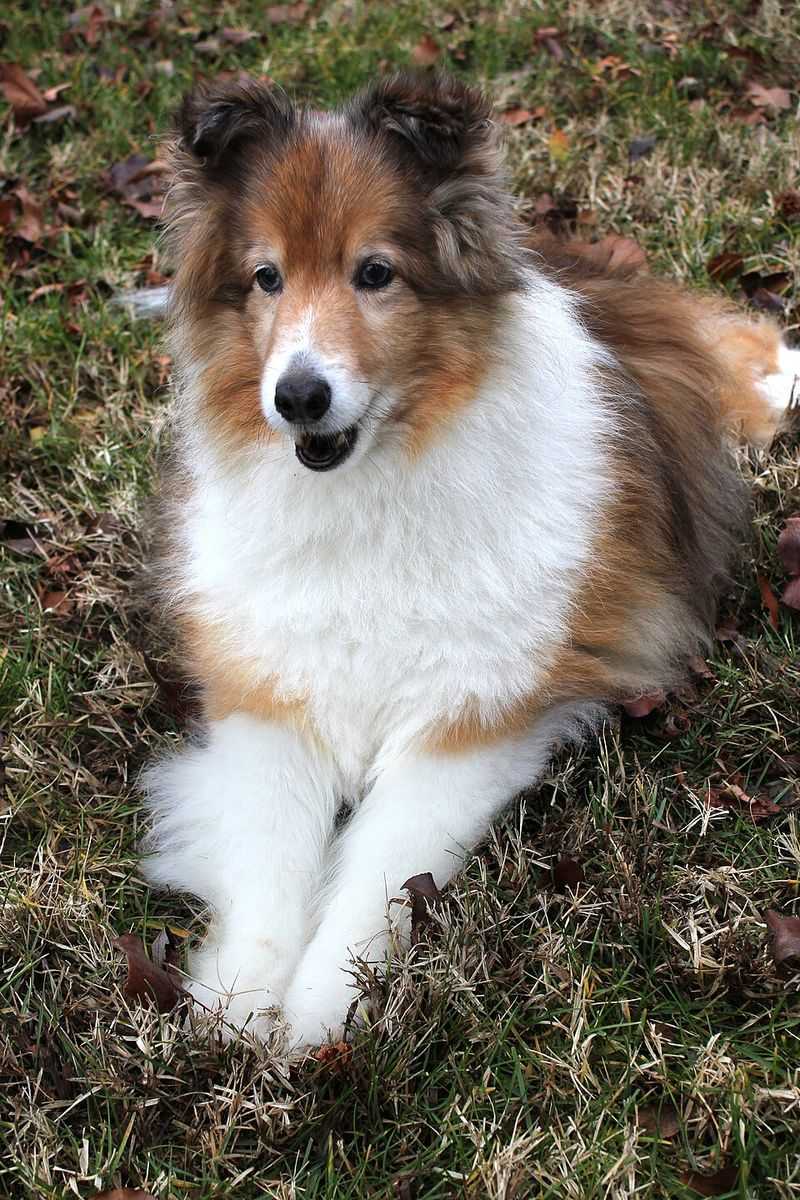
Shetland Sheepdogs are gentle, bright, and sound sensitive, so hectic settings can rattle them. Sudden shrieks or clattering dishes may send a Sheltie under the table to process.
They excel when routines are predictable and voices stay soft.
Build confidence through kind exposure. Pair doorbells, dropped items, and guest arrivals with yummy snacks.
Offer a quiet retreat with a plush bed, chewy options, and a fan for soothing noise.
Train calm cues like touch, find-it, and settle to give them familiar jobs. Keep greetings low key and let them approach on their timetable.
With patience, consistent boundaries, and daily mental work, your Sheltie can handle the world without feeling swamped.
Belgian Tervuren
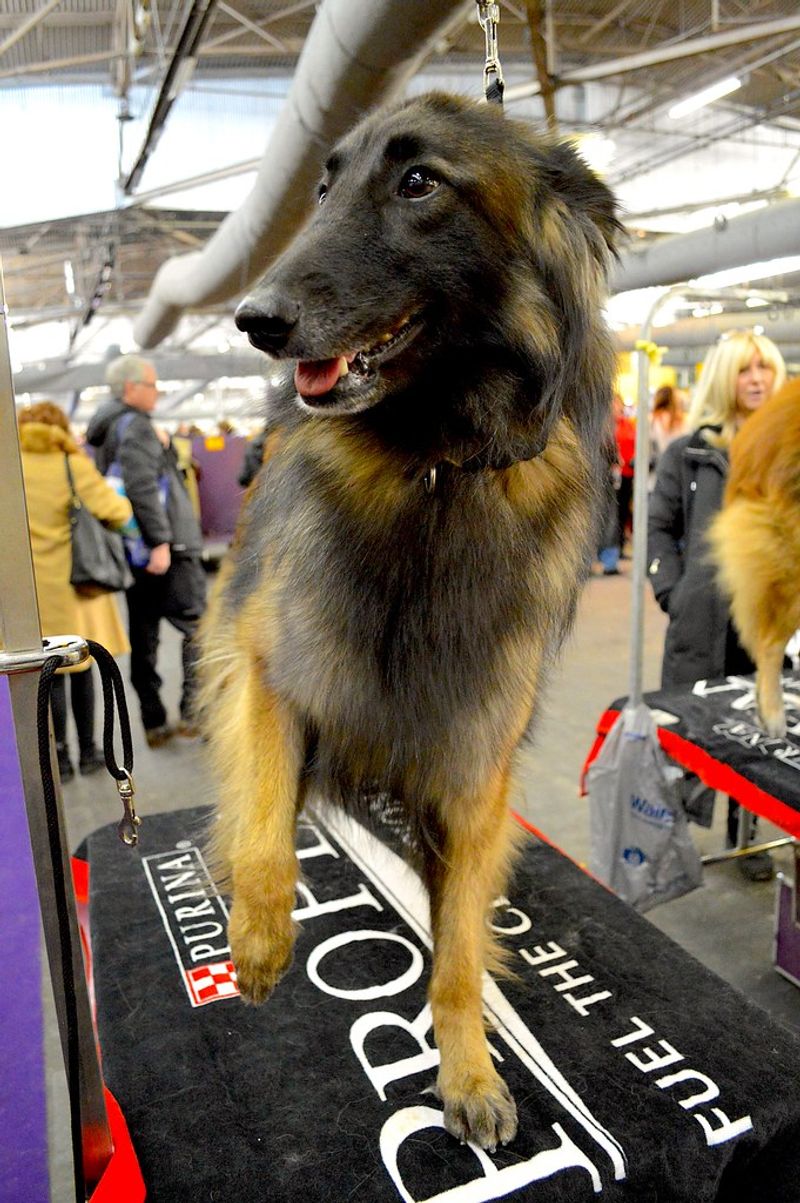
Belgian Tervurens are intense, watchful herders who clock every detail. In disorganized homes, that vigilance never shuts off, and stress accumulates.
You may notice scanning, vocalizing, or frantic motion when visitors or loud gadgets disrupt the rhythm.
Channel the edge into purposeful work. Do platform training, precise heeling bursts, and object targeting, then follow with decompression like sniff walks.
Teach off-switch behaviors: go to mat, chin rest, or settle under a desk.
When chaos rises, provide structure and distance. Predictable routines, fair boundaries, and calm handling help them exhale.
Keep social time measured and reward neutrality as much as flash. A thoughtful plan lets their brilliance shine without frying their circuits.
Belgian Groenendael
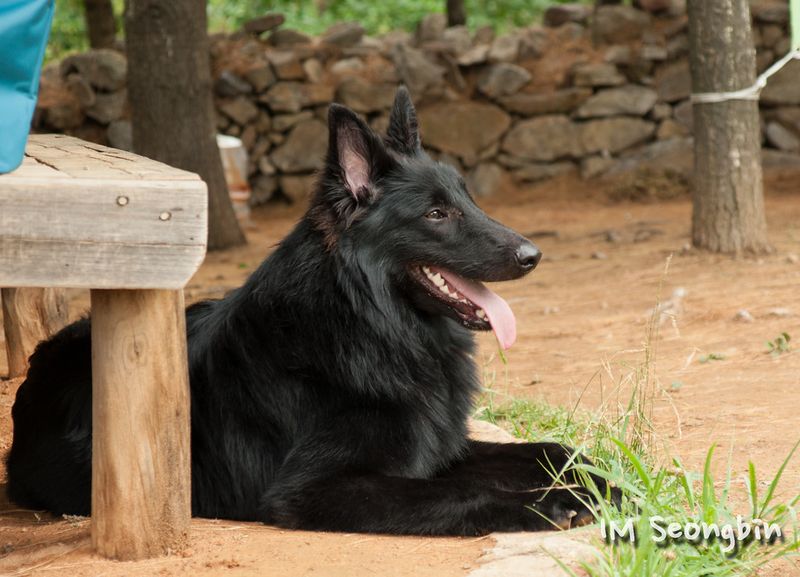
The Belgian Groenendael blends elegance with high drive, which can clash with household mayhem. Constant novelty pushes them into perpetual alert mode.
Without structure, that sharp mind spirals into reactivity or compulsive checking.
Give clear jobs and predictable patterns. Short obedience ladders, sniff-based enrichment, and place work train their brain to downshift.
Use calm voice, consistent markers, and generous breaks from the fray.
Protect their bubble when guests arrive. Offer a crate sanctuary with a cover, frozen chews, and low light.
Reward quiet observation and staged neutrality around movement. With steady guidance, they learn the world is safe, and they do not need to manage every ripple.
German Shepherd Dog

German Shepherd Dogs are guardians by nature, tuned to responsibility. Chaos amps their protective radar and muddies decisions.
You might see barking at doorbells, doorway blocking, or restlessness when energy spikes.
Meet that intensity with clarity. Teach rock solid place, recall, and leave-it, then pay heavily for relaxed body language.
Provide decompression walks, nose work, and structured play instead of free-for-all fetch.
During high activity, create buffer zones with gates and mats. Coach visitors on calm, sideways greetings, or skip greetings entirely.
Consistency, sleep, and fair exercise smooth their edges. With leadership rooted in calm predictability, a GSD can relax without feeling like the household security chief.
Vizsla

Vizslas are sensitive Velcro companions who mirror your emotional weather. When chaos spikes, they often cling harder, whine, or race in loops because arousal feels confusing.
Too much rough play can tip them into frantic energy rather than happy engagement.
Lean into calm connection. Teach relax-on-mat, gentle place reinforcement, and slow petting breaks.
Schedule aerobic exercise earlier in the day, then finish with sniffing and massage to downshift.
Give them permission to opt out. A quiet room with a soft crate, lick mats, and low music helps tremendously.
Reward checking in and soft eyes. With patient routines and predictable touchpoints, your Vizsla can ride the waves without getting swept away.
Weimaraner
Weimaraners crave closeness and structured outlets, which makes noisy unpredictability tough. They often vocalize, counter surf, or shadow you when over-aroused.
Big athleticism plus boredom equals trouble in a hurry.
Front load their day with work. Practice impulse control games, place stays, and retrieve routines that end in calm.
Add scent trails, scatter feeding, and long-line hikes to feed their hunting brain.
When the doorbell rings, default to stationing and high value chews. Keep greetings measured, not raucous.
Offer quiet dens and firm sleep windows. With consistency and mental fulfillment, Weims transform from chaos sponges into steady companions who can observe without reacting to every clatter.
Doberman Pinscher

Dobermans read the room with laser precision and feel responsible for order. In chaos, they can flip between hypervigilance and frustration.
You might see doorway guarding, tension around rambunctious play, or over-attachment.
Clarity lowers pressure. Train crisp place, heel, and release cues, then reinforce off-duty time with chews and structured naps.
Use thresholds, baby gates, and planned guest introductions to prevent stacking stress.
Mind and body both need outlets. Short obedience drills, scent games, and decompression walks keep arousal balanced.
Reward neutrality more than flash. With predictable leadership and calm repetition, a Doberman can relax into family life without trying to manage every moving part.
Standard Poodle
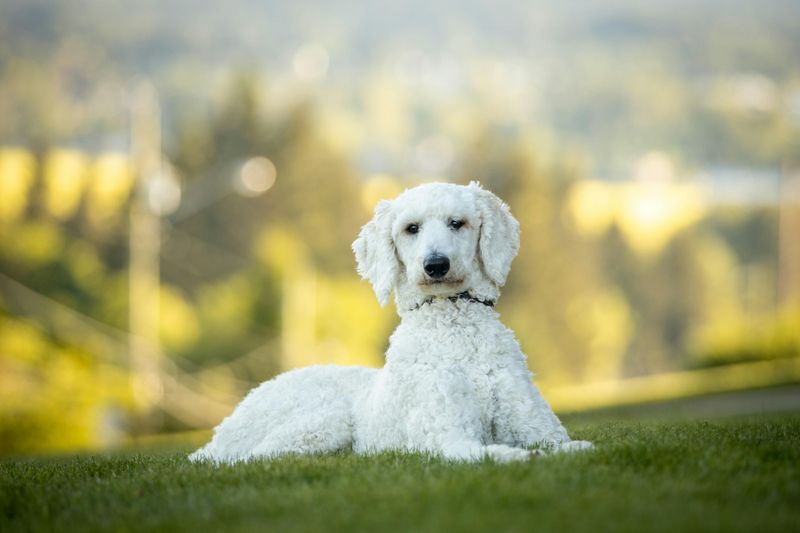
Standard Poodles are brainy, sensitive, and socially attuned. Sudden noise spikes and irregular routines can push them into fidgeting, barking, or clingy behaviors.
Their curiosity needs direction or it turns into supervising everything.
Create anchors. Use station training, reset cues, and calm reinforcement to reward doing nothing.
Rotate gentle puzzles, scent boxes, and short training bursts that end with relaxation on a mat.
Grooming days and visitors can stack stress, so pre-load rest and sniff walks. Keep greetings low and controlled.
Teach a quiet cue paired with exhale moments. With thoughtful structure and decompression, your Poodle learns to float through chaos instead of trying to orchestrate it.
Cocker Spaniel
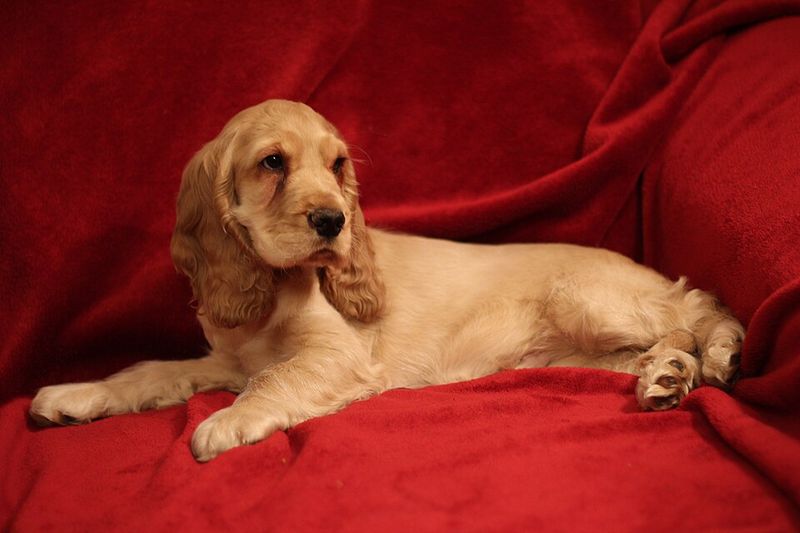
Cocker Spaniels are affectionate and often sound sensitive, which makes rowdy gatherings challenging. You may notice startled reactions to clinks, cheers, or fast movement.
They do best with soothing voices and predictable routines.
Support them with sanctuary spaces. A covered crate, white noise, and lickable enrichment can transform stressful moments into restful ones.
Teach polite greeting rituals and reward calm check-ins.
Mind the grooming and handling sensitivity too. Pair brushing and ear care with treats and breaks.
Keep play gentle, and offer sniffy walks to decompress. With empathy and consistent structure, Cockers learn that noise does not predict chaos, and they can choose calm even when the room buzzes.
Golden Retriever
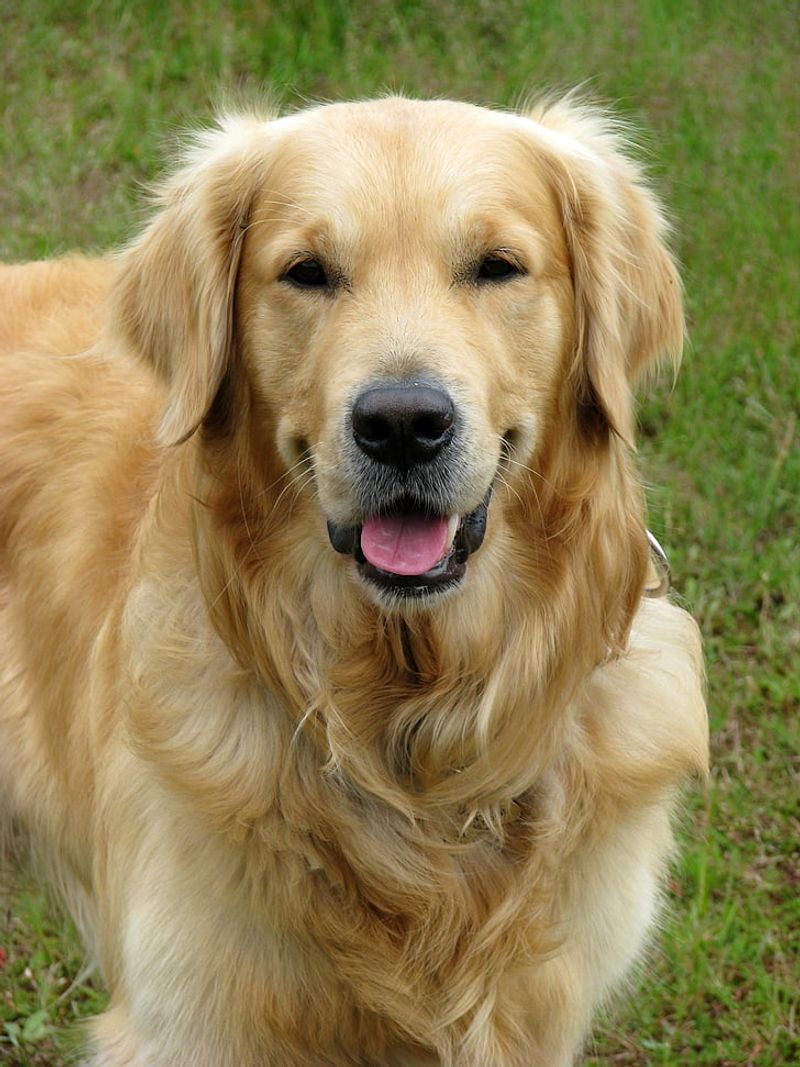
Golden Retrievers love people but can absorb the room’s energy like sponges. Too much rough play swings some Goldens into over-arousal, mouthing, or zoomies that tip chaotic.
They are happiest with clear expectations and rest built into the day.
Balance fun with recovery. Practice settle after play, use place cues during meals, and reward quiet observation.
Offer sniff walks, gentle retrieves, and long chews to take the edge off without spiraling excitement.
During parties, manage space kindly with gates and calm treats. Keep greetings soft and brief.
With routine, downtime, and calm reinforcement, your Golden can enjoy the action yet remain composed, turning lively moments into memories instead of meltdowns.
Labrador Retriever

Labrador Retrievers are exuberant and people focused, which means chaos can fuel trampoline level energy. Doorbells, kids dashing, and snack tables may unleash jumping and counter surfing.
Labs need clear rules and plenty of appropriate outlets.
Front load exercise wisely with sniffing and controlled retrieves, not just wild fetch. Teach rock solid sit-for-greeting, leash pressure release, and place during meals.
Pay generously for four-on-the-floor and quiet eyes.
When life gets loud, create structure with gates, tethers, and chew stations. Rotate food puzzles to satisfy that foraging brain.
With consistency and balanced routines, your Lab can switch from party crasher to polite host, soaking up love without soaking the room in chaos.