
You have probably heard someone say a dog does not forgive mistakes, and the comment instantly sparks arguments. Some breeds really do demand precision, clarity, and consistent handling, or they push back hard.
If you are navigating that tension between fairness and firmness, these profiles will help you avoid drama and set clearer expectations. Let’s look at breeds where sloppy training or mixed signals can create storms fast.
Border Terrier
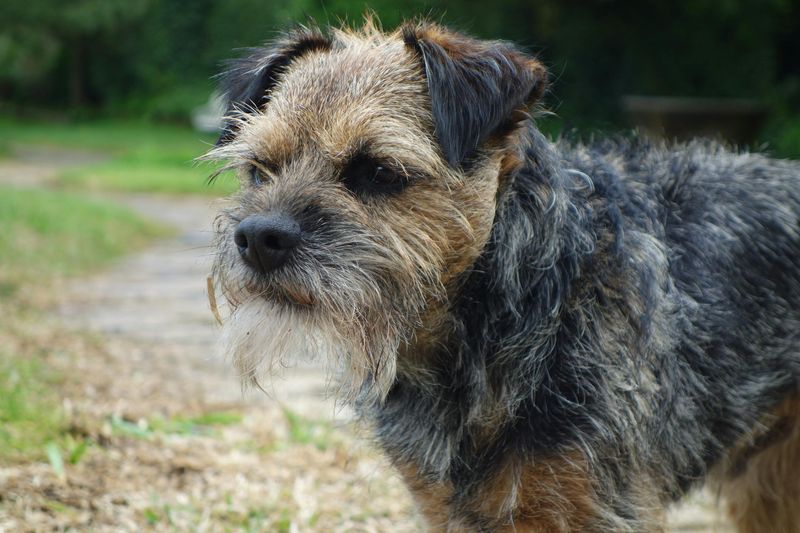
Border Terriers can read your nerves like a book, so wobbling rules often backfires. They are clever problem solvers who test gates, routines, and your patience if boundaries shift day to day.
Give clear structure, short training reps, and work outlets like scent games or controlled earthdog-style tasks.
They forgive honest mistakes when you own them fast, but repeated inconsistencies create loophole hunting. Harshness shuts them down while leniency invites mischief, so calm neutrality works best.
Keep rewards predictable, prevent self-rewarding escapes, and you will see that gritty heart cooperate.
If you shout, they go stubborn. If you guide, they shine.
Consistency is the currency this scruffy strategist truly respects.
Norwich Terrier
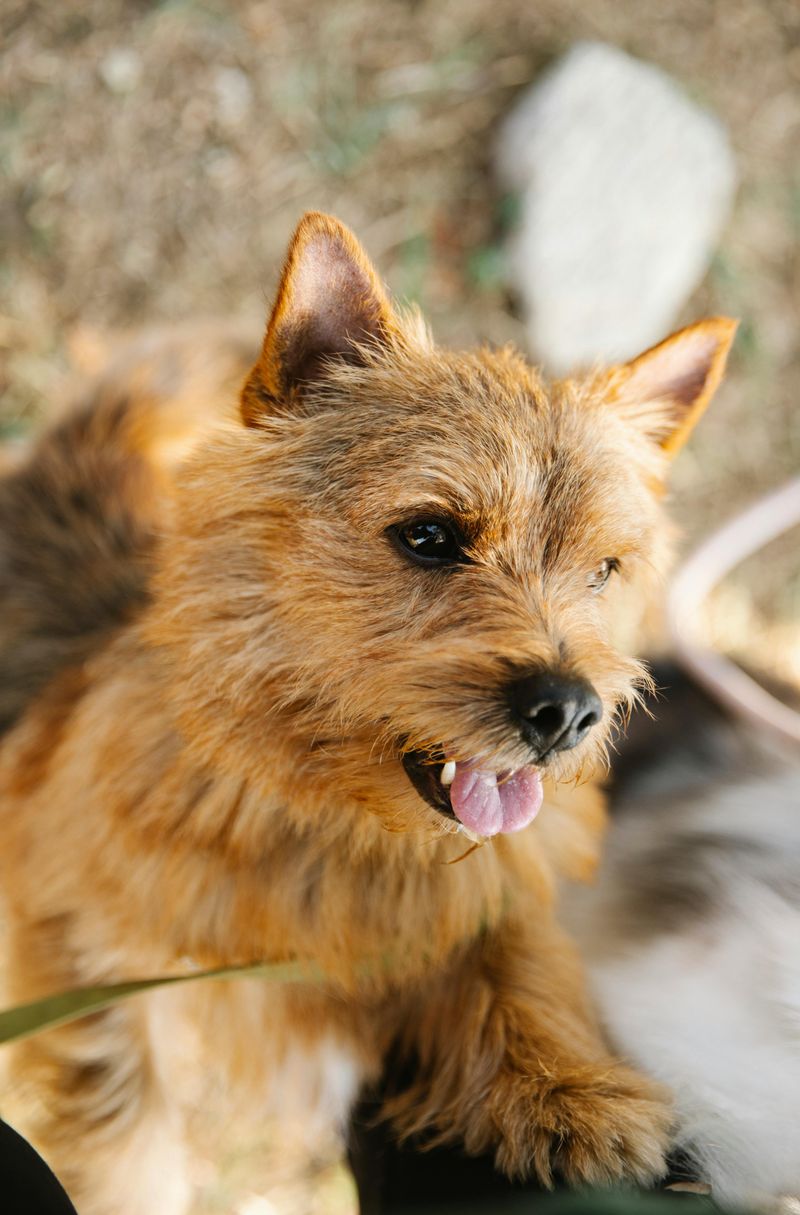
Norwich Terriers are tiny, tenacious investigators. Mixed signals make them bargain for control, chasing every leaf or rumor of a mouse instead of listening.
Keep cues short, criteria fixed, and reinforcement fast to stay ahead of that turbo curiosity.
They do not hold grudges, but they catalog patterns ruthlessly. If sit sometimes means sit later, they will cash in on maybe.
Use leash structure, scatter feeding in grass, and patterned games to channel energy without constant nagging.
Corrections should be matter-of-fact, not angry. Overdo pressure and they sour, go soft and they self-assign quests.
Hit the middle line and you unlock a cheerful, gritty partner who loves a clear plan.
Norfolk Terrier
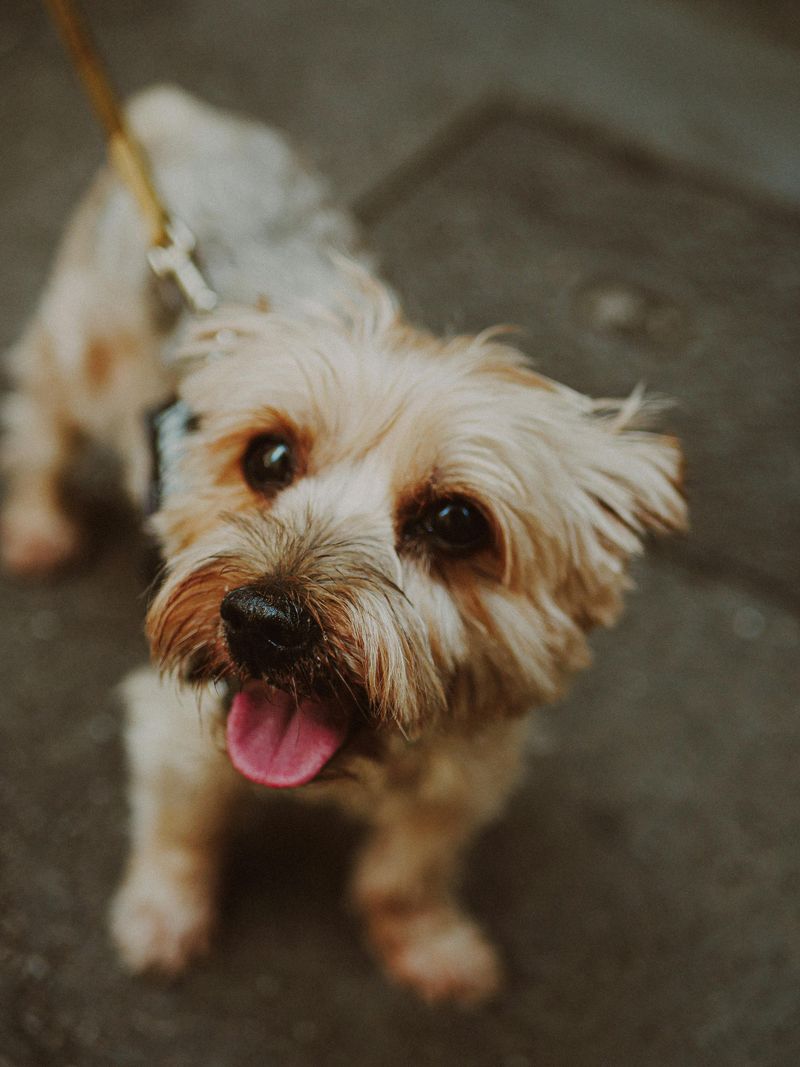
Norfolk Terriers thrive when rules feel like gravity: always there, never dramatic. Their drop ears and sweet face hide a shrewd negotiator who notices when leash manners apply only sometimes.
Keep criteria tight, proof behaviors everywhere, and make rewards worth their while.
They dislike micromanagement but resent chaos more. If your timing lags, they self-direct into excavation projects and critter surveillance.
Rotate enrichment, tug with rules, and build reliable recalls through controlled distractions.
Corrections should be light and immediate, then move on. Reward correct choices more than you punish wrong ones.
Give them a job and a fair system, and the infamous terrier stubborn streak transforms into real grit for good.
Cairn Terrier
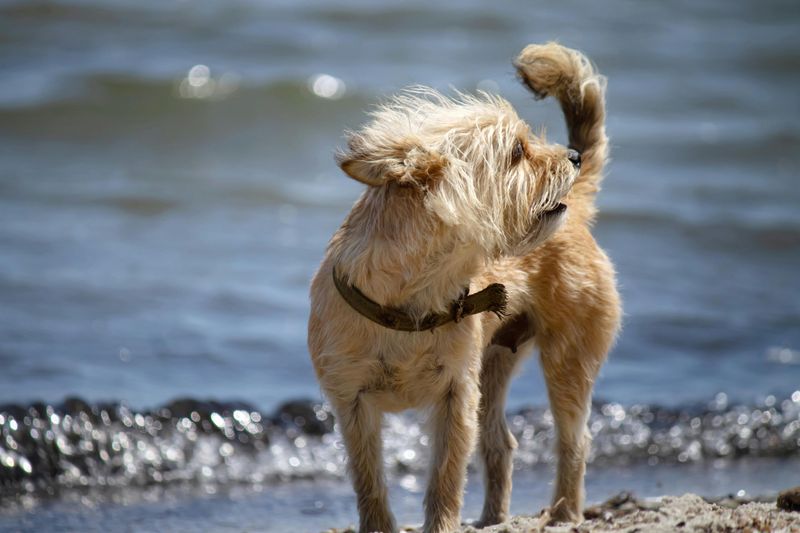
The Cairn Terrier was bred to make independent choices underground, so sloppy rules scream optional. If your recall is a suggestion, they will audit it against chipmunk economics and choose no. Train like a scientist: clear criteria, rapid feedback, and tiny steps forward.
They thrive on puzzles and fast reinforcement schedules. Overcorrecting sparks pushback, under-guiding fuels self-employment.
Use long lines, pattern games, and terrier-appropriate outlets like controlled digging boxes.
They do not “forgive” repeated human inconsistency. They simply build their own system.
Bring steadiness, celebrate tiny wins, and you will see a hardy teammate who funnels that volcanic independence into dependable behavior without crushing spirit.
West Highland White Terrier
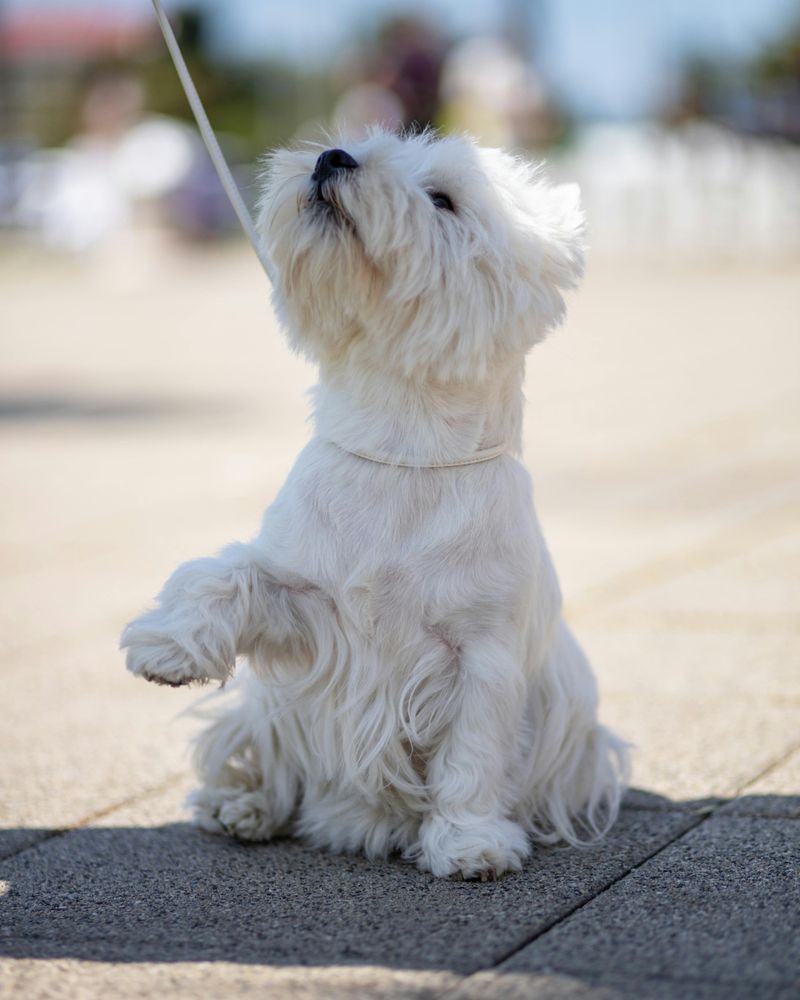
Westies look like plush toys but audit your boundaries like accountants. If heel is optional on weekends, they will file that clause forever.
Keep sessions short, upbeat, and precise, and prevent freelancing with smart management.
They can bristle at unfair corrections, but they equally dismiss mushy guidance. Use clear markers, reinforce generously for choosing you over squirrels, and practice calm neutrality when they test.
Grooming routines double as consent training and impulse control.
Westies respect a steady captain. Earn trust through predictability, not volume.
With consistent expectations and terrier outlets, that sparkling mischief converts into a witty partner who loves nailing clean reps under pressure.
Lakeland Terrier
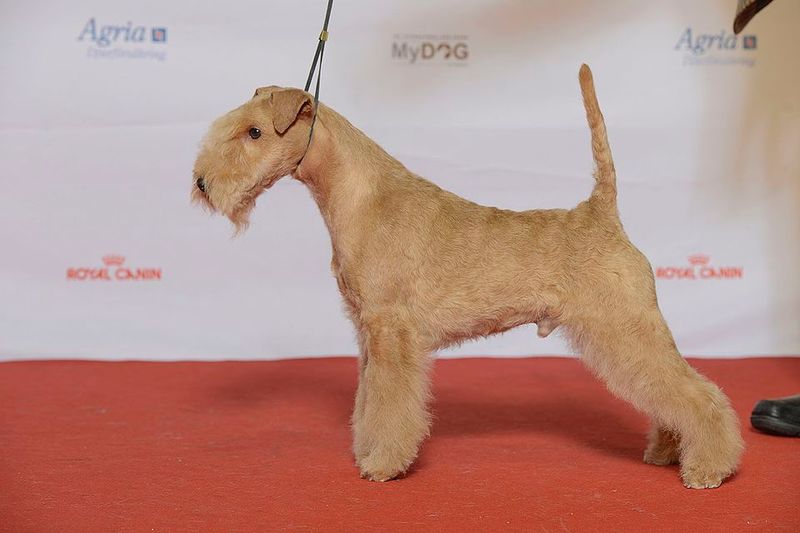
Lakelands are charming contrarians with endurance. If you change rules midstream, they out-stubborn you politely.
Build behaviors under distraction from day one, and make payoff stronger than the environment.
They excel with shaping and novelty games, but they tally every inconsistency. Too much pressure triggers stonewalling, while vagueness invites improvisation.
Structure hikes with check-ins, controlled freedom on long lines, and clear start-stop cues for sniffing.
They will not forgive sloppy criteria because it seems like permission. Hold lines calmly, celebrate correct choices, and rotate jobs like retrieve, scentwork, and platform work.
Get that balance right and the Lakeland becomes a spirited, reliable partner who loves precision.
Welsh Terrier
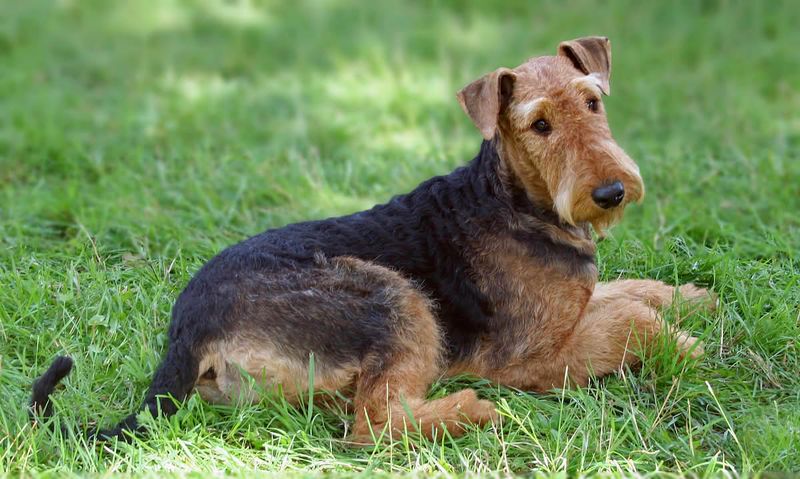
Welsh Terriers bring bold opinions. If you are inconsistent, they debate every cue and cross-examine leash pressure.
Keep sessions playful but exact, use clear markers, and avoid bribery spirals by reinforcing effort, not pleading.
They relish tug with rules, scentwork, and agility foundations. Corrections must be fair and tiny, followed by a route to win.
Over-escalate and they argue, under-define and they freelance.
They do not hold grudges so much as keep score. Your predictability is the scoreboard.
Provide crisp routines, rotating challenges, and a calm demeanor, and the Welsh transforms from courtroom litigator into an energetic teammate that thrives on sharp communication.
Irish Terrier
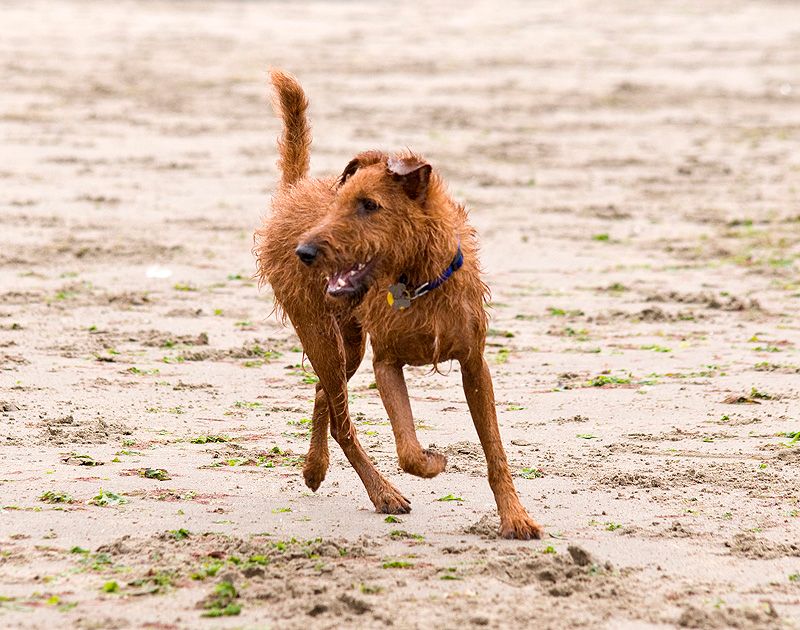
Irish Terriers have hearts like wildfire and memories like ledgers. Unclear leadership breeds counteroffers and hard-eyed stares.
Train with conviction, never cruelty, and keep your promises about cues and consequences.
They need purposeful outlets: tracking, running, and controlled guard of property boundaries through calm routines. Overbearing handling sparks defiance, while mushiness invites takeover.
Use structured freedom, long downs with distractions, and predictable reinforcement schedules.
If you wobble, they will not forget. If you are fair, they forgive fast.
Consistency, dignity, and meaningful work convert this proud soul into a fiercely loyal partner who chooses you over chaos.
Kerry Blue Terrier
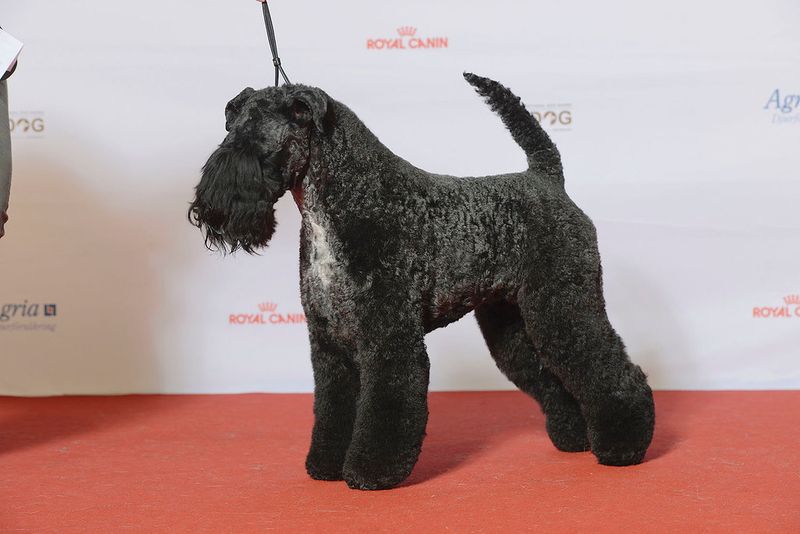
Kerry Blues are sharp, athletic, and sometimes confrontational when rules drift. They respect clarity delivered calmly.
Teach impulse control through stationing, heel patterns, and precise release cues that never blur.
They can escalate if you escalate, so keep pressure measured and information rich. Use food, toys, and environmental access in balanced ways.
Social neutrality training is essential to prevent grudge collecting around triggers.
They do not forgive repeated inconsistency because it feels like a challenge. When you run a steady system, they settle into excellence.
Give them grooming cooperation training, scent puzzles, and structured play, and you will see brilliance framed by genuine partnership.
Soft Coated Wheaten Terrier
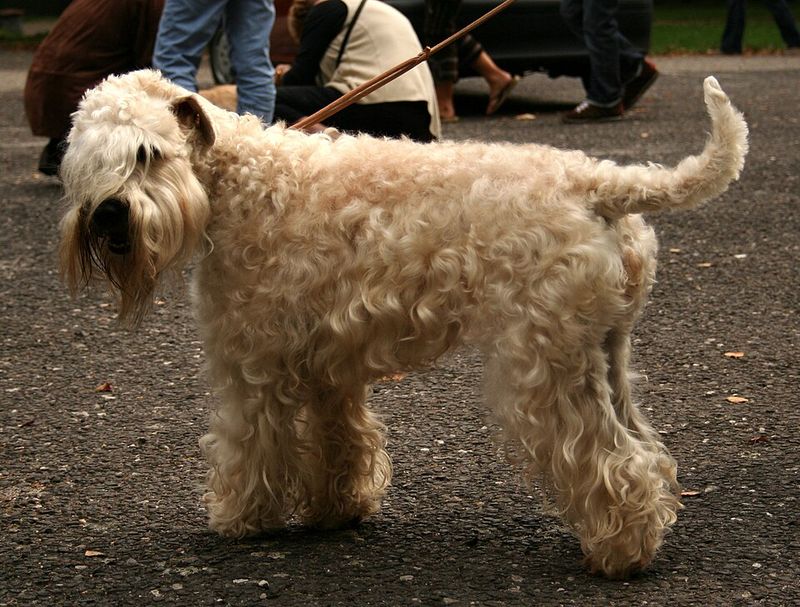
Wheatens are exuberant greeters with selective hearing if rules wobble. That famous jumpy hello becomes a ritual you accidentally trained.
Set a sit-to-greet standard everywhere, with calm reinforcement and patient resets.
They respond best to upbeat structure, not stern lecturing. Blend pattern games, scatter feeding, and leash skill drills that feel like play.
Keep grooming and handling cooperative with clear start-finish signals.
When expectations change daily, they ride the loopholes. When your plan is steady, they soften into compliance quickly.
Provide movement outlets, predictable routines, and consistent criteria, and your Wheaten becomes a sweet, reliable companion who trades chaos for connection.
Manchester Terrier
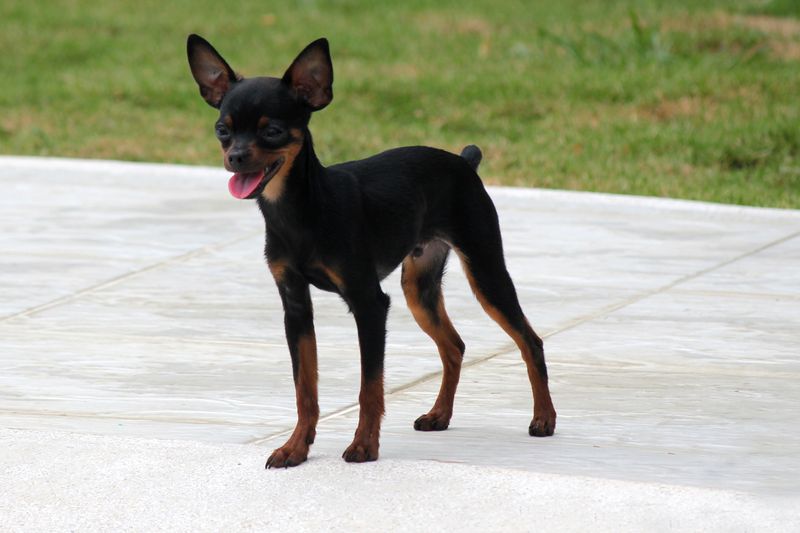
Manchesters are fast thinkers with a strong chase reflex. If your recall and heel have fine print, they will sprint through it.
Build ironclad cues under motion, proofed around bikes, squirrels, and city noise.
They value fairness. Overcorrect and you get brittle responses, under-define and they ghost your cues.
Use quick markers, precise placement of rewards, and thoughtful decompression after arousal spikes.
They do not forgive repeated sloppiness because consequences feel immediate in their world. Keep structure crisp, give sprint outlets, and prioritize neutrality around excitement.
When the program is steady, the Manchester becomes a sleek, responsive partner who glides through distractions.
Skye Terrier
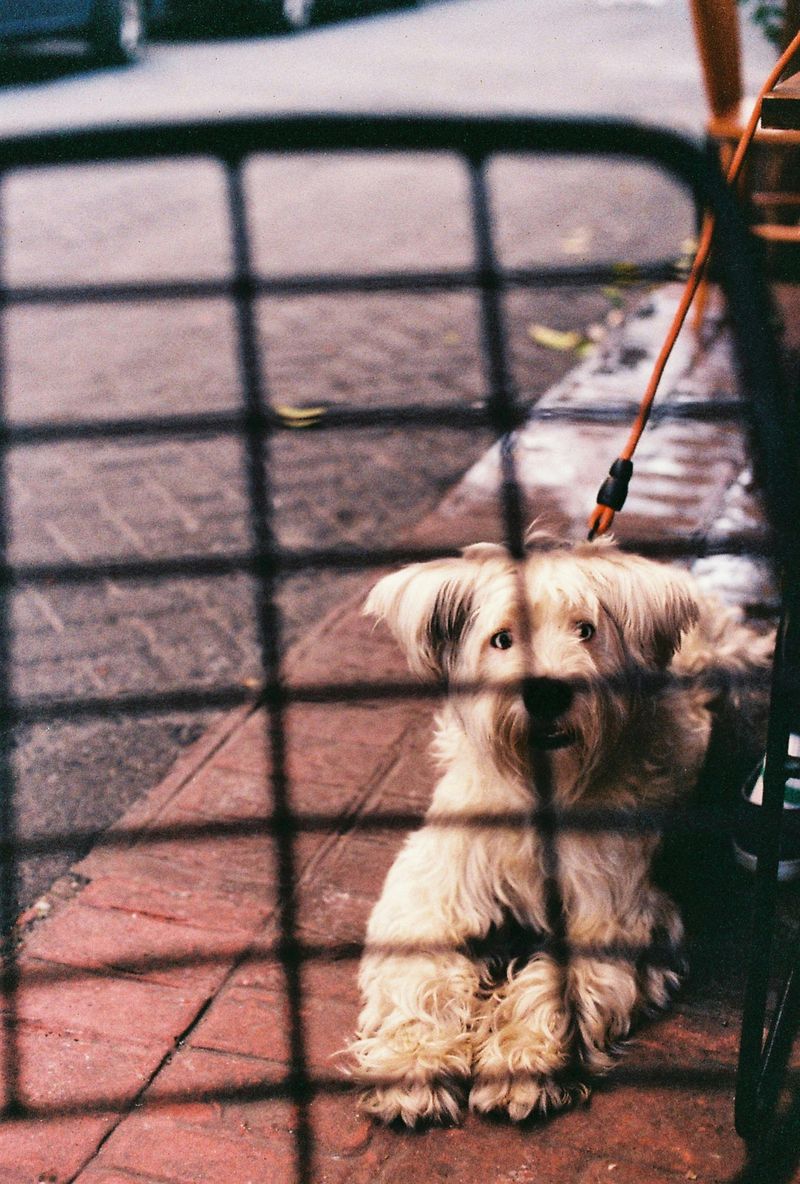
Skye Terriers carry quiet resolve. They dislike loud corrections and erratic rules, retreating into mistrust or dignified refusal.
Teach through calm clarity, consistent boundaries, and generous reinforcement for choosing you.
Grooming cooperation is vital, anchored by predictable routines. Use platforms, chin rests, and start buttons to empower them.
Long, steady walks and scent games suit their thoughtful tempo.
They do not forgive chaos because it undermines security. Provide ritual, soft guidance, and unwavering expectations.
With patient consistency, the Skye reveals deep loyalty and surprisingly sturdy obedience wrapped in serenity.
Dandie Dinmont Terrier
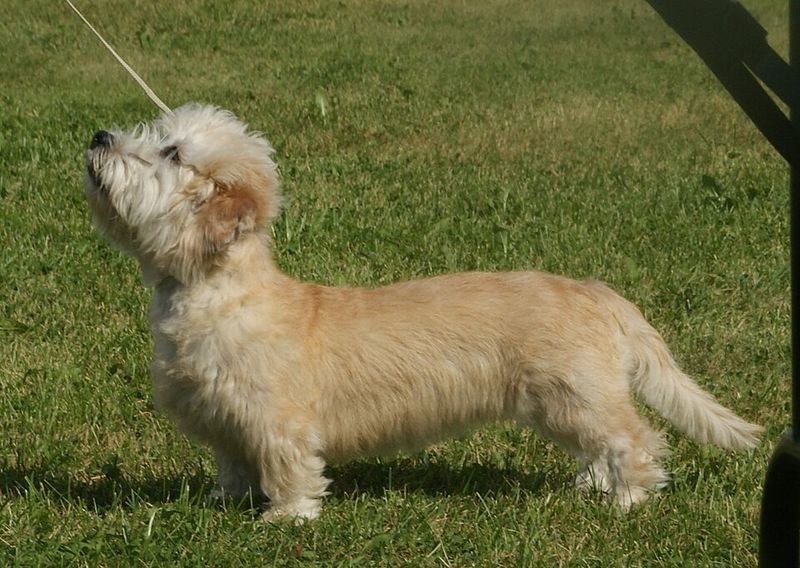
Dandies look whimsical but negotiate like lawyers. If down occasionally means maybe, they will hold a filibuster.
Keep cues short, reinforcement meaningful, and criteria consistent across rooms and handlers.
They respond to gentle structure, not bluster. Use shaping, scentwork, and polite leash games.
Handling sessions benefit from clear start cues and brief, predictable durations to avoid resistance.
They do not forgive shifting rules because ambiguity feels exploitable. When you are steady and kind, they bloom into charming collaborators.
Respect their pace, celebrate accurate choices, and the Dandie’s quirky brilliance shines without power struggles.
Sealyham Terrier
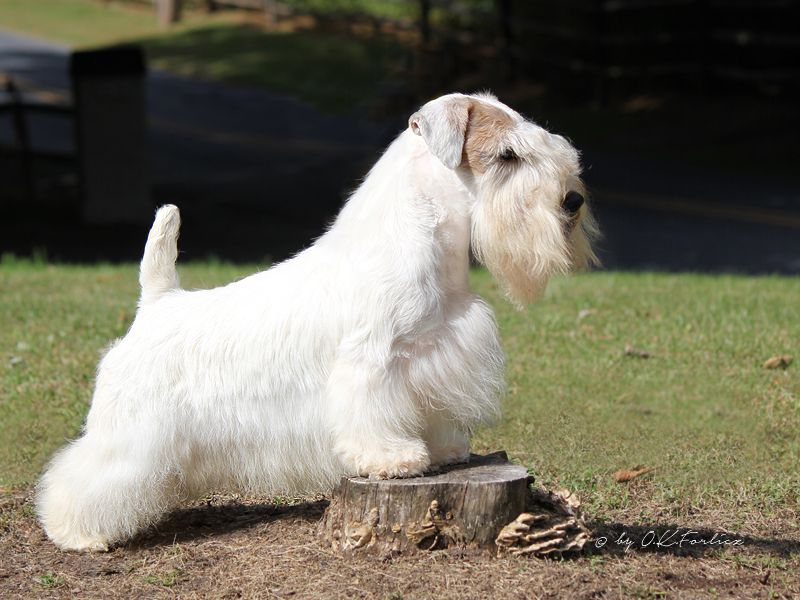
Sealyhams pair clownish charm with iron wills. If leash manners slip on short walks, expect towing on long ones.
Set non-negotiables, reinforce heavily for position, and prevent rehearsals of pulling with smart management.
They dislike nagging and unfair surprises. Keep sessions brief, fun, and crystal clear, using food and toys strategically.
Body handling and grooming should follow predictable patterns to avoid debates.
They will not forgive inconsistent standards because they memorize loopholes. Offer clarity, outlets for grit like nosework, and calm authority.
Do that, and the Sealyham becomes a steady, humorous partner who works hard within well-marked lines.