
Your dog seems like a star at home, then suddenly forgets everything outside. That contrast is not stubbornness, it is stress and surprise stacking up. Once you spot the triggers, you can plan calm, simple wins and rebuild confidence. Let’s decode the top outside stressors so you can help your dog feel safe and steady.
Loud traffic
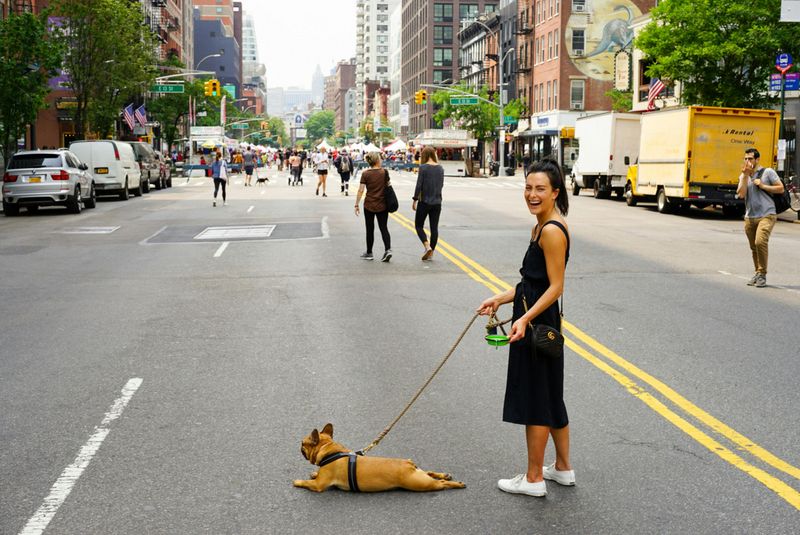
Loud engines, sudden horns, and rumbling trucks hit like mini earthquakes to sensitive ears. Outside, your dog hears layers of sound you barely notice, and the startle response stacks. When adrenaline spikes, training cues get fuzzy because survival feels more important than sit.
Think distance first, not obedience. Step back to quieter side streets, reward for noticing a truck without tense body language, and exit before overwhelm. Use simple patterns like heel two steps, treat, turn away.
Pair predictable routines with noise recordings at low volume at home. Gradually increase volume while playing calm games. Your dog learns that booms predict snacks, breath, and safety, and confidence grows one controlled repetition at a time.
Crowds
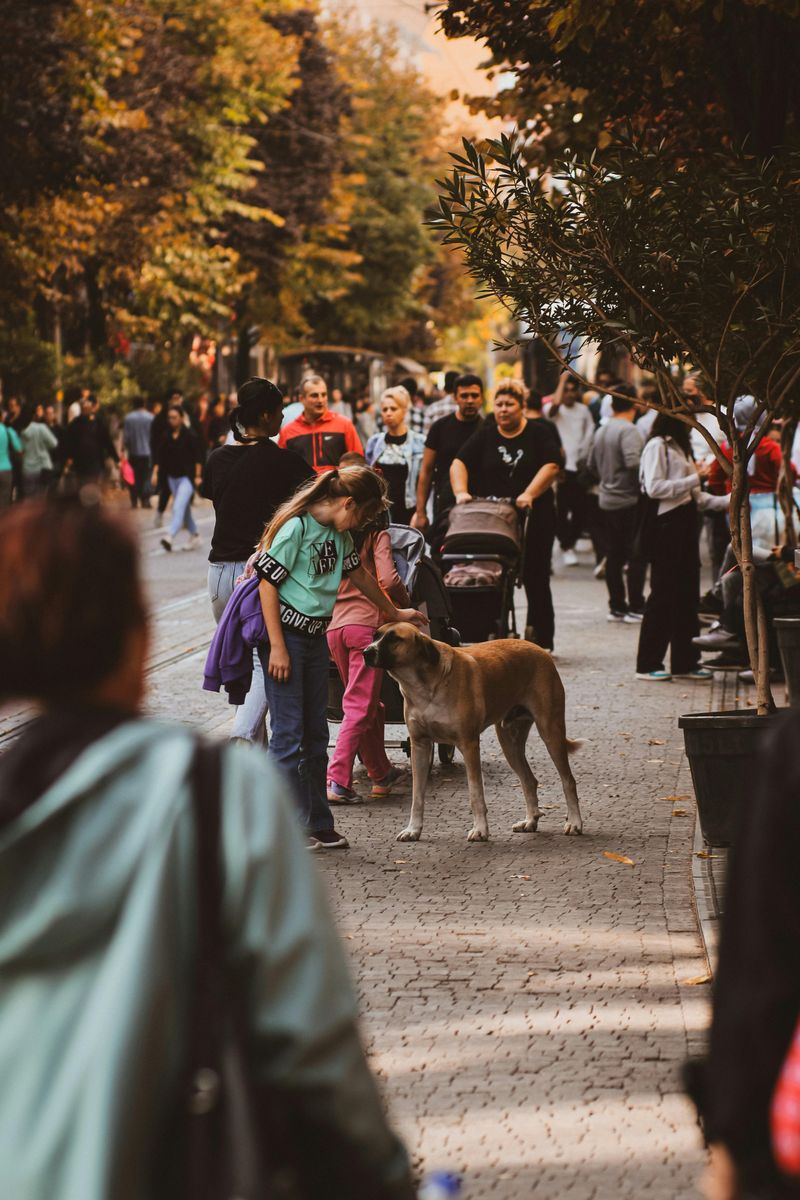
In a crowd, movement comes from every angle. Shoes squeak, bags sway, and voices bounce around like ping pong balls. Your dog tries to track it all, and that constant scanning drains focus fast.
Start on the crowd fringe. Keep sessions short and predictable, feeding steady treats for looking at people and then back at you. Build a social bubble by turning away for breath breaks so the world feels smaller and kinder.
Choose times and places with stable patterns, like a quiet farmers market aisle. Teach a nose target or middle position between your legs. Those anchored behaviors give your dog a safe home base when the walkway feels like a river.
Strange dogs
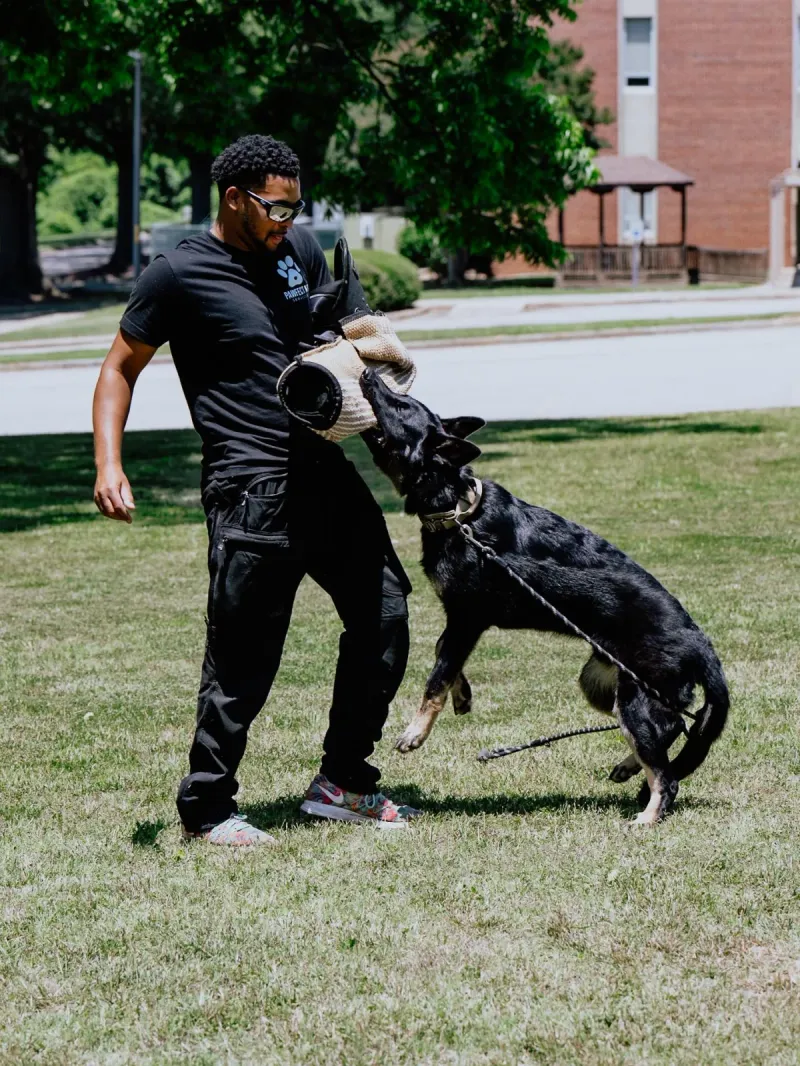
Unknown dogs are unpredictable to your pup. Will they rush, stare hard, or bark from across the path. Your dog plays it safe with big feelings, and suddenly sits, stays, and polite leash manners vanish.
Manage distance like a dimmer switch, not a light switch. Arc around other dogs, keep a loose leash, and reward calmly for looking then disengaging. Curved approaches and parallel walks let curiosity settle without pressure.
Advocate with your voice. Say not today to off leash greetings, and step aside behind a parked car or tree. Consistency teaches your dog you protect space, so they do not have to shout about it.
Smells overload
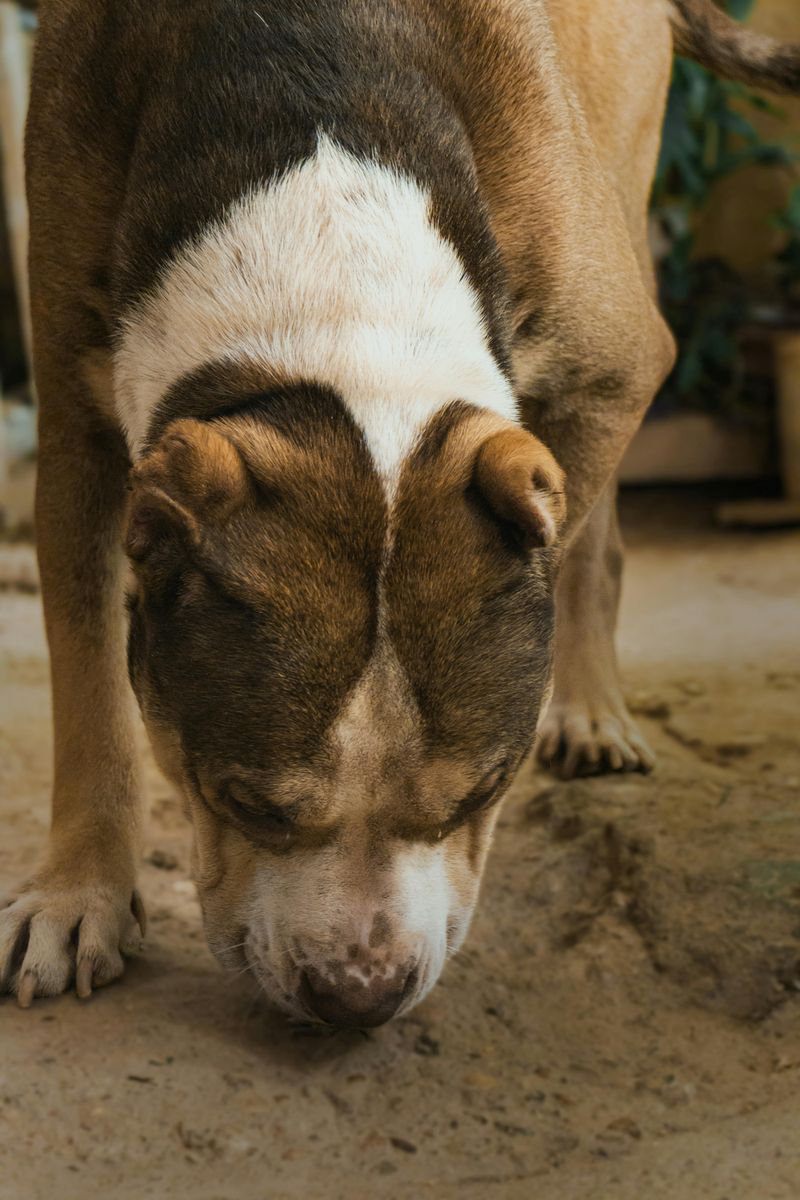
Outside is a scent library, and your dog reads every page. Food scraps, other animals, and new plants create a story that rewrites priorities. You might ask for heel, but their nose says wait, this chapter matters.
Leverage sniffing as a paycheck. Cue go sniff after a few focused steps, then gently call back for treats. That rhythm respects your dog’s needs while keeping a conversation going.
Practice search games on quiet streets. Scatter a handful of kibble in grass, let the nose work, then move on. When sniffing is part of the plan, it stops being a tug of war and becomes teamwork.
Tight spaces
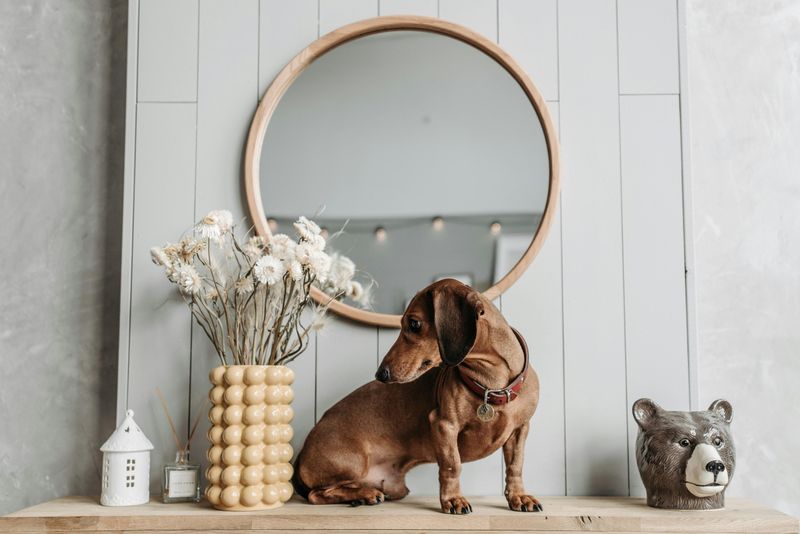
Narrow corridors remove escape options. When a stroller or scooter appears, your dog feels boxed in and your training cues fade under pressure. Even calm pups can stiffen in a squeeze.
Scout routes with shoulder room. If you must pass through, pause at the entrance for steady breathing and treats. Keep sessions short and leave before stress spikes, then celebrate small wins.
Teach a behind cue so your dog tucks safely behind your legs in narrow lanes. Practice at home with chairs creating a mini hallway. Rehearsal builds automatic responses when space gets tight and surprises pop up.
Fast bikes
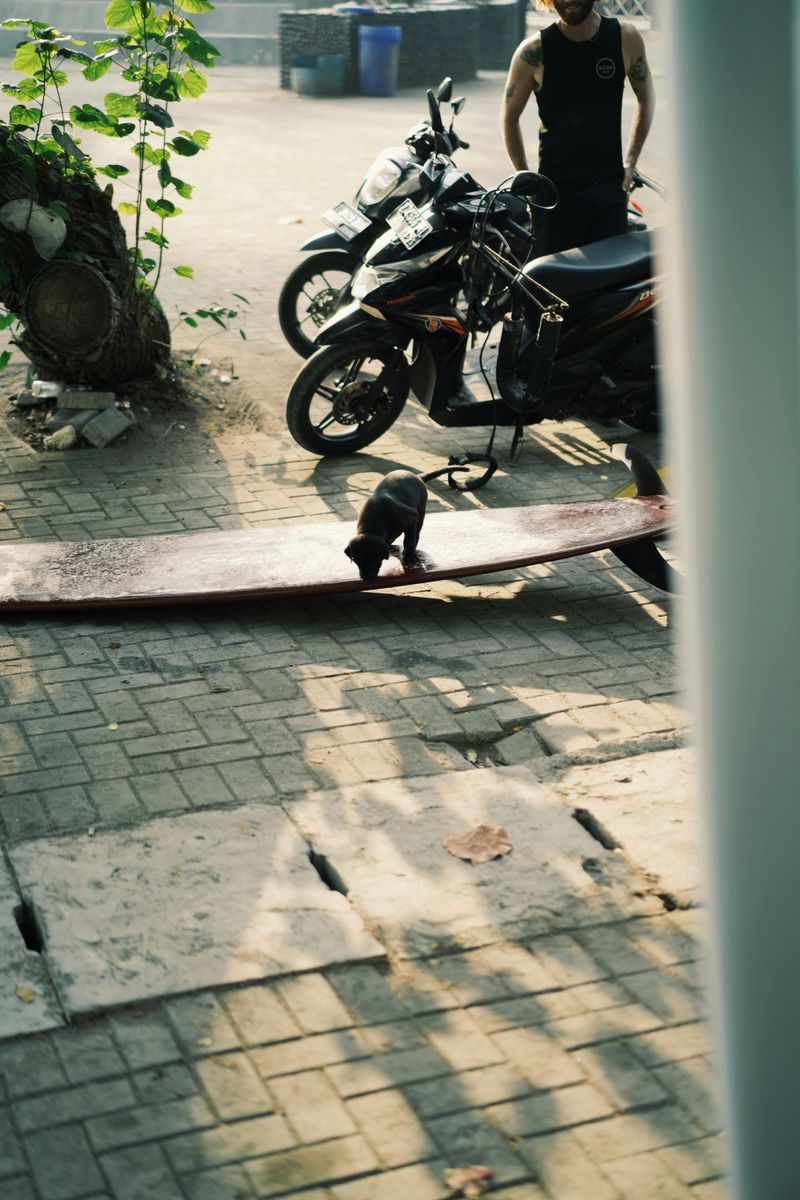
Fast wheels trigger chase instincts. Bikes appear quietly then rush past, and your dog snaps into reflex mode. Thinking shuts down because motion screams act now.
Work at a distance where your dog can eat. Mark for looking at the bike, feed, then turn away for decompression. Gradually inch closer as your dog stays relaxed, like turning up volume slowly.
Pick predictable bike paths at off peak times. Teach a park cue that means step to the side and wait. With consistency, your dog learns that whirring wheels predict calm, treats, and safety, not panic.
Kids running
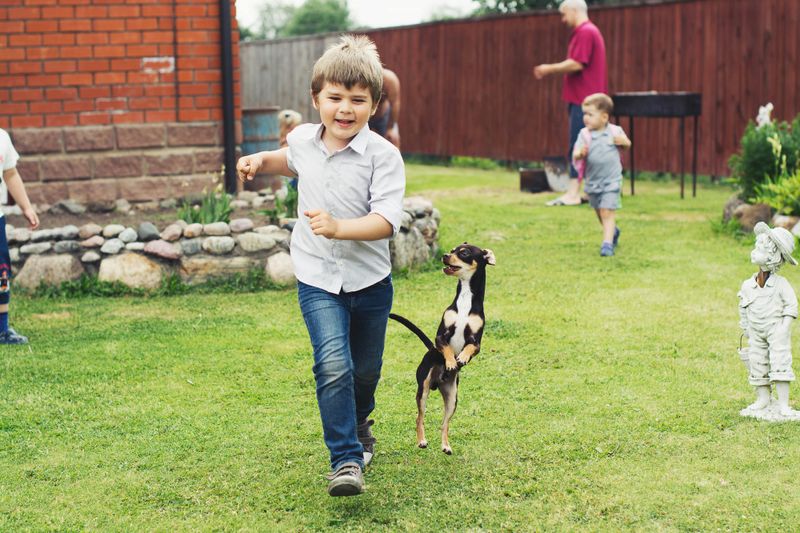
Kids move like fireworks, bursting with sudden starts and squeals. That chaotic energy pulls at prey drive and fear at the same time. Your dog may bark, lunge, or freeze because the rules keep changing.
Start far enough that your dog can breathe and snack. Reward for looking away from the action, then reset. Keep sessions short and exit before the energy spikes.
Teach a watch me cue at home, then move to quiet parks. Add calm patterns like sit, treat, step away. With practice, running feet become background noise instead of a tempting or scary target.
Slippery floors
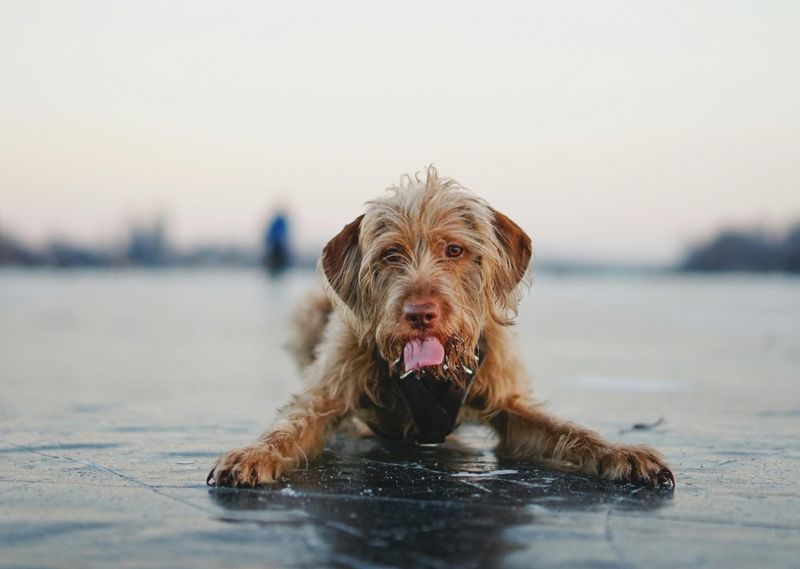
Shiny floors feel like ice to unsure paws. When traction disappears, confidence follows, and your dog may freeze or scramble. Panic can erase even solid training in a heartbeat.
Build traction with grip socks or a short rug path during early reps. Lure forward one paw at a time and celebrate tiny progress. Turn around before fear peaks so momentum stays positive.
Practice on yoga mats at home, spacing them farther apart each session. Add soft weight shifting exercises for core strength. Over time, your dog learns that careful steps and your calm support beat the slippery surprise.
Echo-y hallways
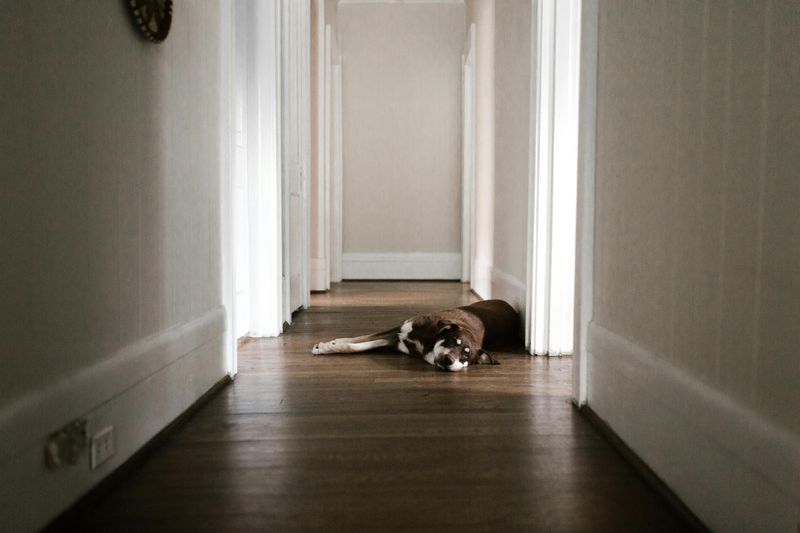
Hard walls bounce sound, so every toe tap and door slam doubles back. Echoes distort direction, making the world feel haunted and unsafe. Your dog hesitates because their senses disagree.
Lower the intensity. Start at the quiet end of the hall, feed steady treats for each step, and retreat often. Keep doors propped if allowed to reduce bang surprises.
Layer in familiar scents on a bandana or mat to anchor calm. Practice short there and back trips, then add mild background noise. Predictable patterns teach your dog how this tunnel behaves, and courage fills the gaps.
Unpredictable greetings
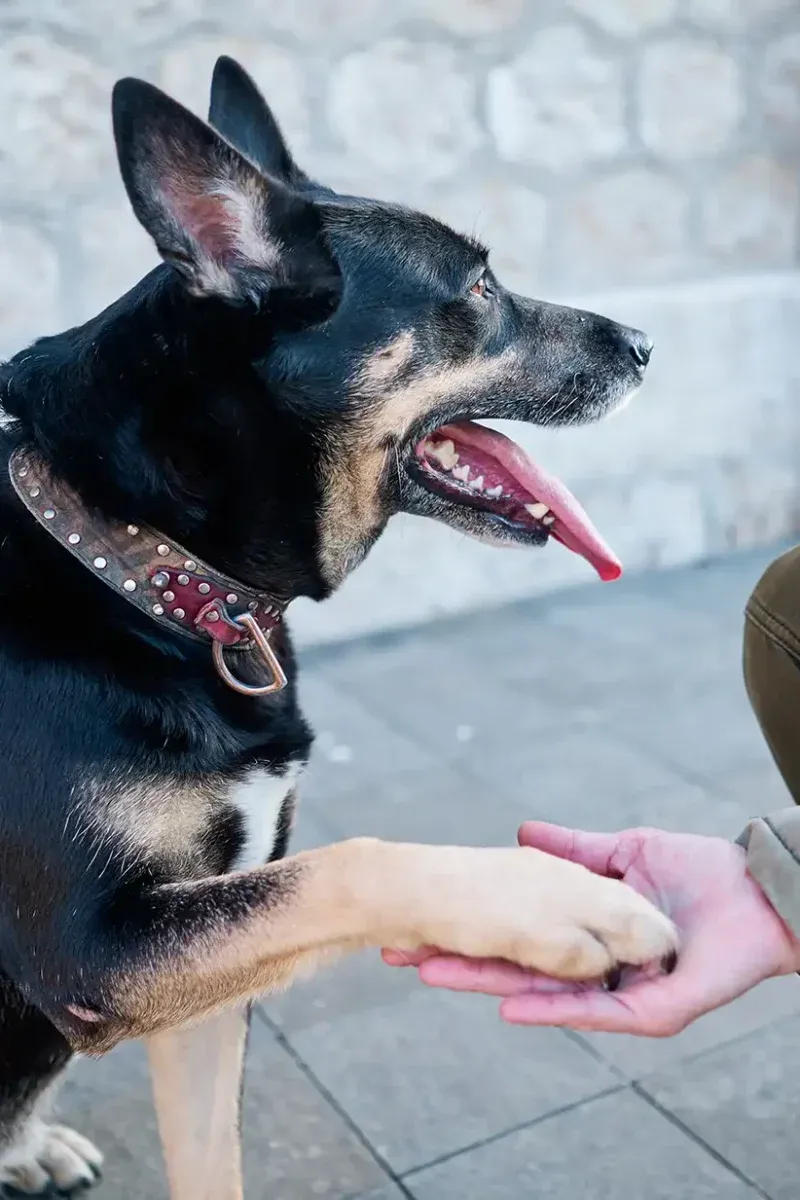
Random hands reaching and tall bodies leaning can feel threatening. Strangers often bend, coo, and stare, which reads as pressure. Your dog may retreat, bark, or jump because the rules are fuzzy.
Advocate clearly. Say please give us space, offer a hand signal, and reward your dog for staying near you. If someone insists, pivot and leave kindly.
Teach consent based greeting routines. Cue sit, present a hand target, then release to sniff only if your dog stays relaxed. When you control the script, your dog learns people are predictable and safe.