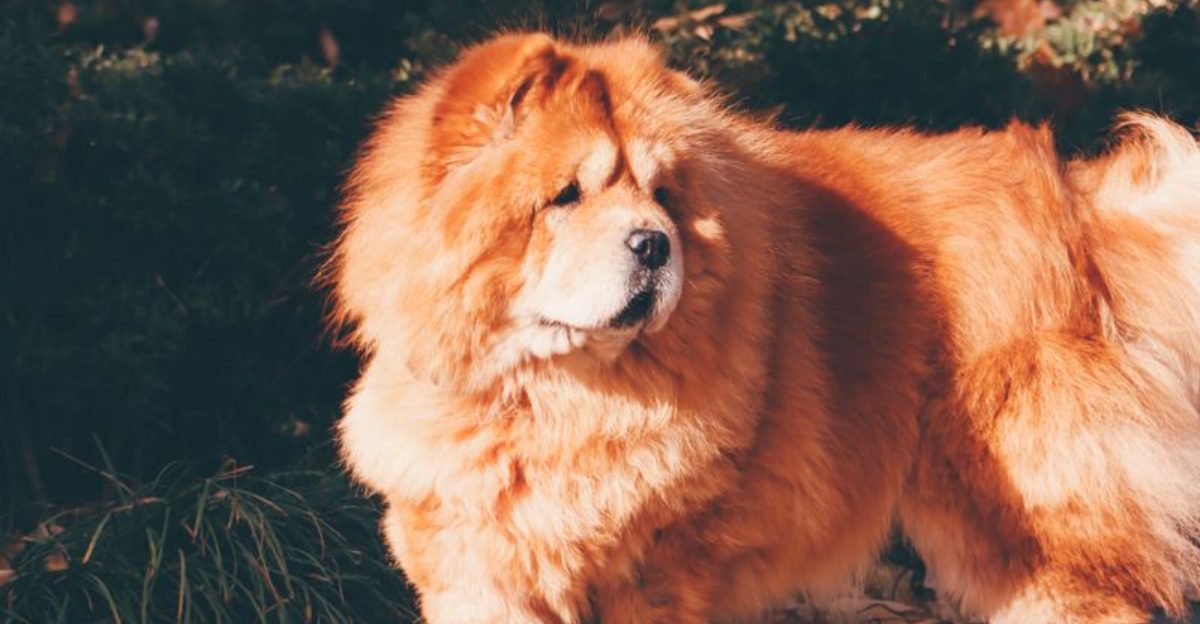
Some dogs thrive on quiet guidance, not a chorus of competing cues. If you have ever watched your dog tune out in a busy class, you are not alone.
A single calm handler often unlocks focus, confidence, and reliable behavior. Here are twelve breeds that shine when the noise drops and clarity rises.
Akita
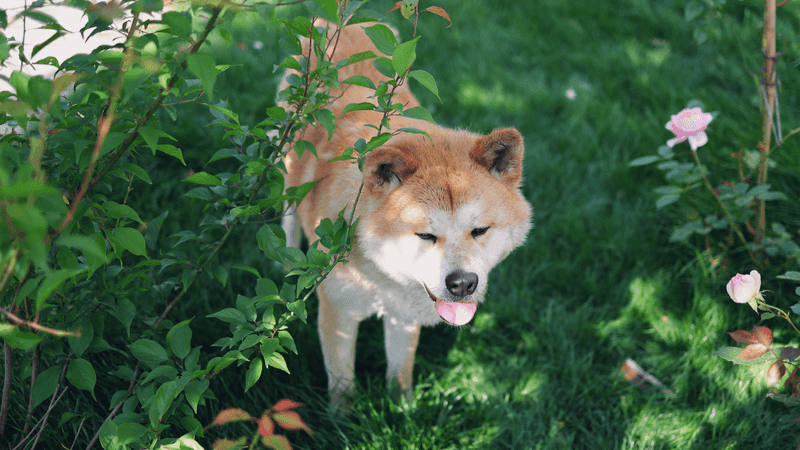
Independent and dignified, the Akita can shut down when too many people talk at once. You get better results with one calm voice, consistent cues, and patient timing.
Loud corrections or a chorus of commands only make this breed dig in deeper.
Keep sessions short, structured, and rewarding, and you will see thoughtful engagement. Use clear body language, predictable routines, and high value treats to reinforce attention.
When your energy stays steady, the Akita mirrors that confidence and follows through.
Socialization matters, but do it quietly and deliberately. Let the handler advocate space, introduce novelty at a pace the dog chooses, and celebrate small wins.
With fewer voices and steady guidance, even stubborn moments become teachable opportunities.
Shiba Inu
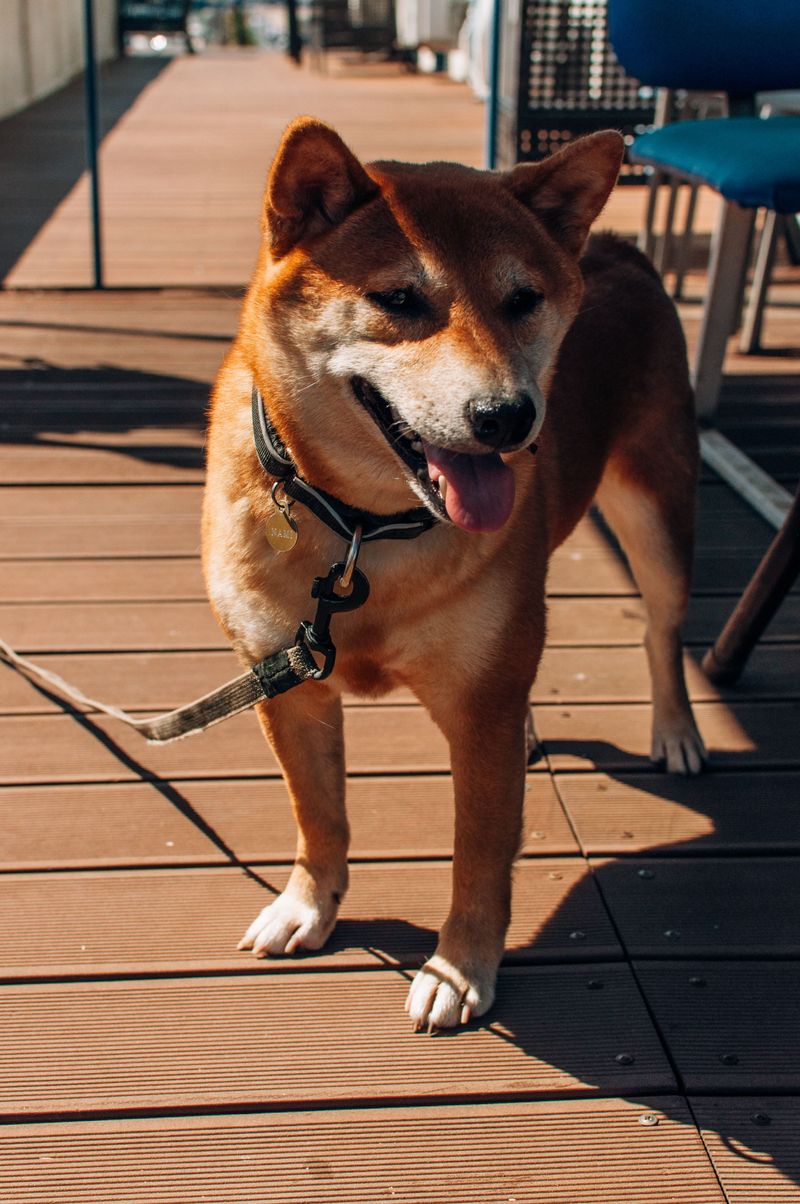
Shiba Inus are sharp and self directed, so a crowd shouting cues just sounds like noise. One calm handler keeps direction clean, which helps this breed choose cooperation over avoidance.
If you speak softly, move deliberately, and reward promptly, the Shiba listens.
Set up training like a puzzle with easy wins first. Keep leashes light, rewards immediate, and sessions brief to protect motivation.
Clear patterns build trust, and trust unlocks focus even around distractions. Avoid drilling; end sessions while interest is high.
Social walks, not chaotic dog parks, let your Shiba practice neutrality. Advocate space, read the tail and ears, and step in before arousal spikes.
With quiet leadership, this witty companion becomes predictably polite and wonderfully fun.
Chow Chow
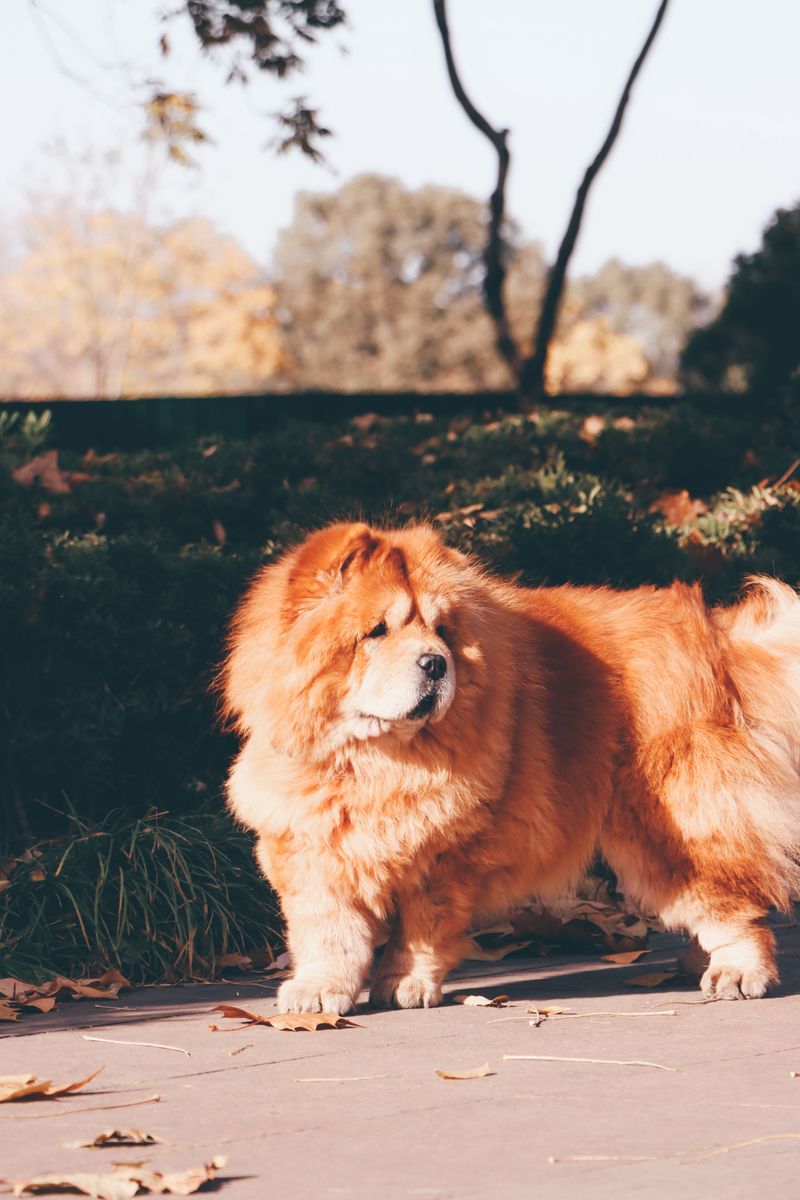
Reserved and catlike, the Chow Chow dislikes chaos. Too many voices feel pushy, so the dog checks out or stiffens.
One calm handler with clear expectations keeps arousal low and choices thoughtful. Avoid crowding doorways and let the dog choose approach.
Use slow movements, gentle equipment, and tasty reinforcers to reward curiosity. Short exposures to new places, followed by quiet decompression, prevent overwhelm.
Predictable routines build confidence and reduce defensiveness around strangers. Keep sessions very quiet.
Teach cooperative care like brushing and harnessing with consent cues. You mark small tries, pause when the body softens, and progress only when engagement returns.
With steady leadership and fewer cooks in the kitchen, the Chow shows mellow manners.
German Shepherd
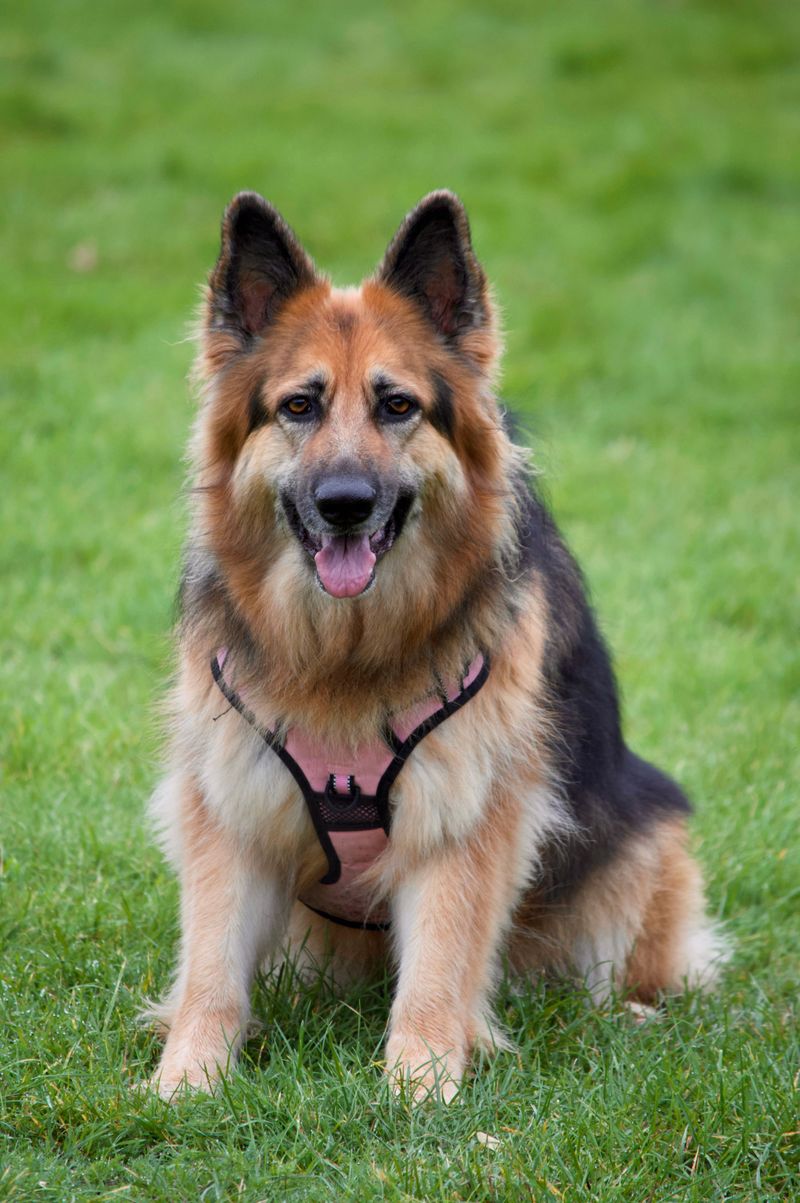
Brilliant and sensitive, German Shepherds pick up tension fast. When multiple people cue at once, conflict spikes and the dog rehearses reactivity.
One calm handler simplifies the picture so focus can land where it belongs.
Start with engagement games, then add tasks that pay well, like positions and heeling. Use consistent markers, fair criteria, and generous reinforcement to keep clarity high.
Manage the environment so success stays easy before you raise difficulty. Avoid committee training and keep observers silent.
Do it at first.
Rotate work with decompression walks and sniffing to drain stress. You will notice softer eyes, cleaner responses, and fewer spinning behaviors.
With a single steady voice, this worker becomes confident, precise, and eager to partner.
Doberman Pinscher
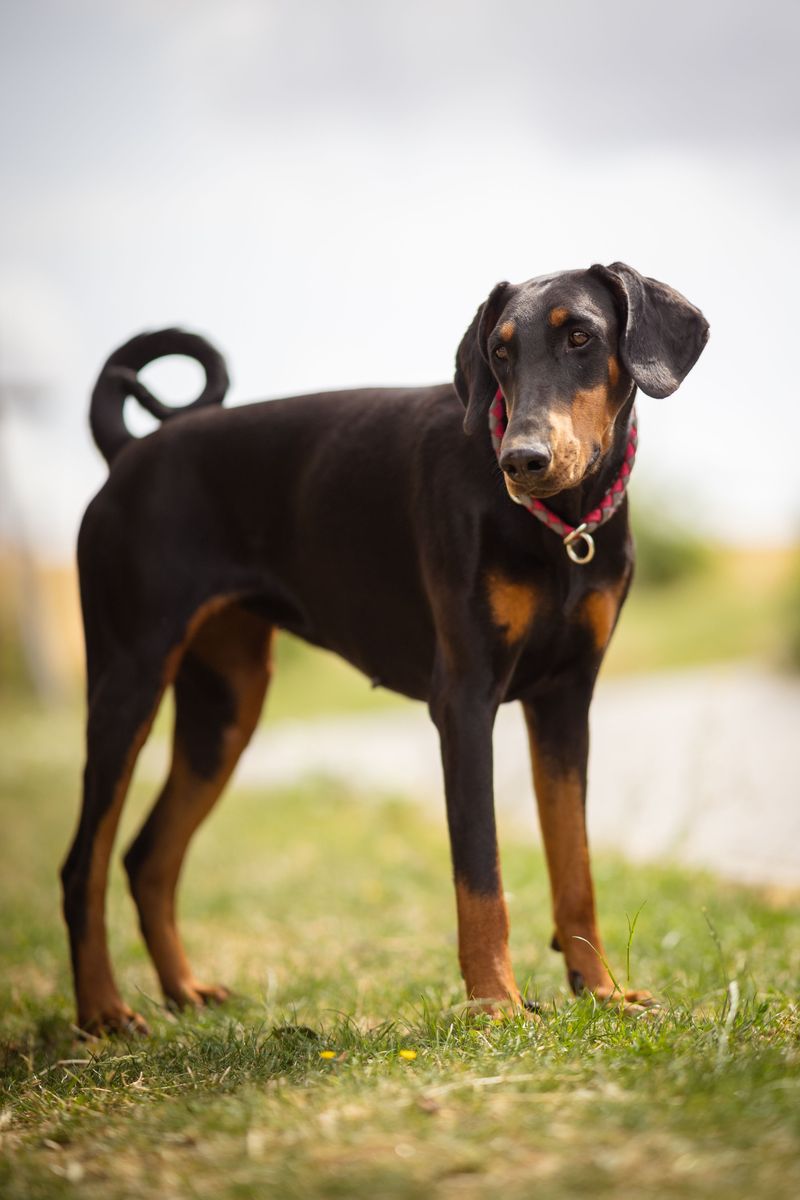
Dobermans are laser focused but can stress when feedback clashes. Too many voices create uncertainty and pushy behaviors.
A single calm handler offers the reliable structure this breed craves. Clear eyes, soft tone, and steady timing keep arousal manageable.
Open with impulse control games that pay big for patience. Use markers, food, and toys in a predictable rhythm so the dog understands exactly what earned reinforcement.
Keep criteria fair, split steps small, and end on a confident rep.
Socialize thoughtfully with space, not forced greetings. Advocate at the vet, during deliveries, and around gates to prevent rehearsed guarding.
With quiet leadership and consistent boundaries, your Doberman channels intensity into polished, cooperative work. Let success feel easy.
Weimaraner
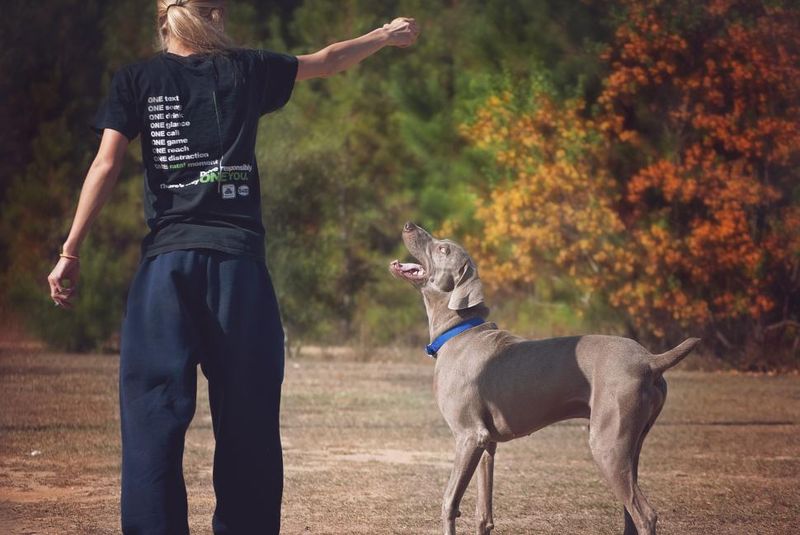
High drive and sensitive, the Weimaraner absorbs your mood instantly. A room full of coaches makes signals messy, so the dog runs hot.
One calm handler turns the volume down and gives pressure relief.
Balance movement with stationary skills, rewarding stillness as richly as speed. Use food chases, then settle on a mat to reset the nervous system.
Clear markers and frequent breaks keep thinking online when excitement spikes. Lower criteria in busy places.
Practice recalls after decompression, not straight out of the car. You will see fewer frantic leaps and more thoughtful choices.
With consistent structure and a single voice, the Weim learns to channel thrill into reliable performance. End sessions before fatigue shows.
Vizsla
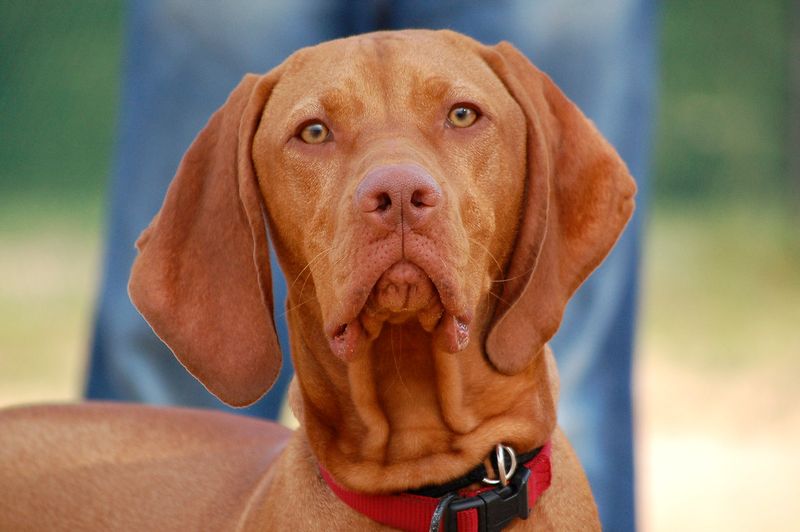
Vizslas love people and movement, which can explode into scatter when many voices compete. A single calm handler creates a predictable bubble so attention has somewhere to land.
That clarity turns wiggles into teamwork. Avoid group coaching until foundations stick.
Alternate action and stillness: quick recalls, then settle on a mat, then a sniff break. Pay generously for check ins and quiet body language.
Keep criteria simple, toss treats behind to reduce jumping, and let arousal bleed off through sniffing.
Use soft gear and upbeat markers, never shouting. You will watch fidgeting fade and problem solving appear.
With one steady guide, your affectionate athlete becomes focused, polite, and endlessly fun to train. End while engagement is high.
Great Dane
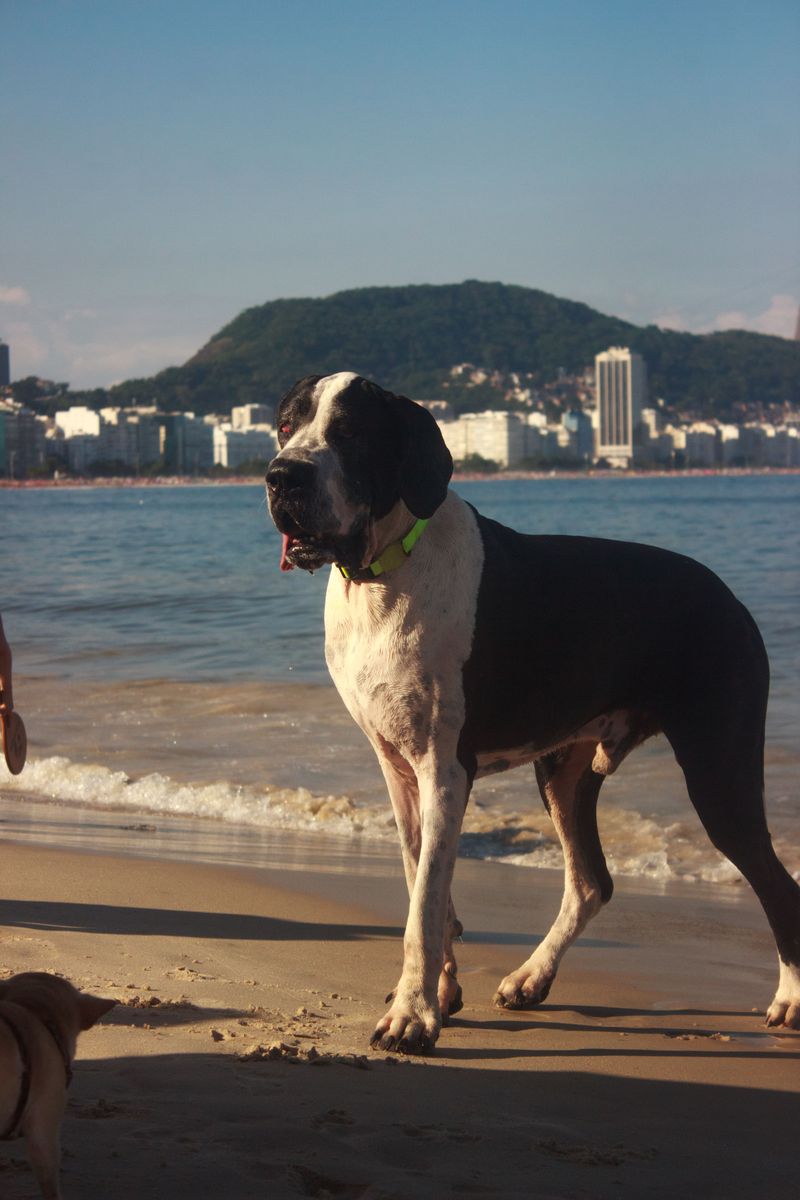
Gentle giants feel pressure fast, and a chorus of voices can make a Great Dane freeze. One calm handler, spacious setups, and slow pacing build security.
When the picture stays simple, this dog offers lovely cooperation. Keep doorways clear and paths wide.
Protect joints with short sessions and soft surfaces. Reinforce leaning into harnesses, standing still for gear, and relaxed down stays.
Pay for calm greetings and teach people to ignore the dog until invited.
Use food stations, not luring over long distances, to reduce wobble. You will see softer movement, deeper breaths, and easier decision making.
With steady guidance and low noise, your Dane grows confident, tolerant, and sweetly responsive. End early and celebrate small tries.
Belgian Malinois
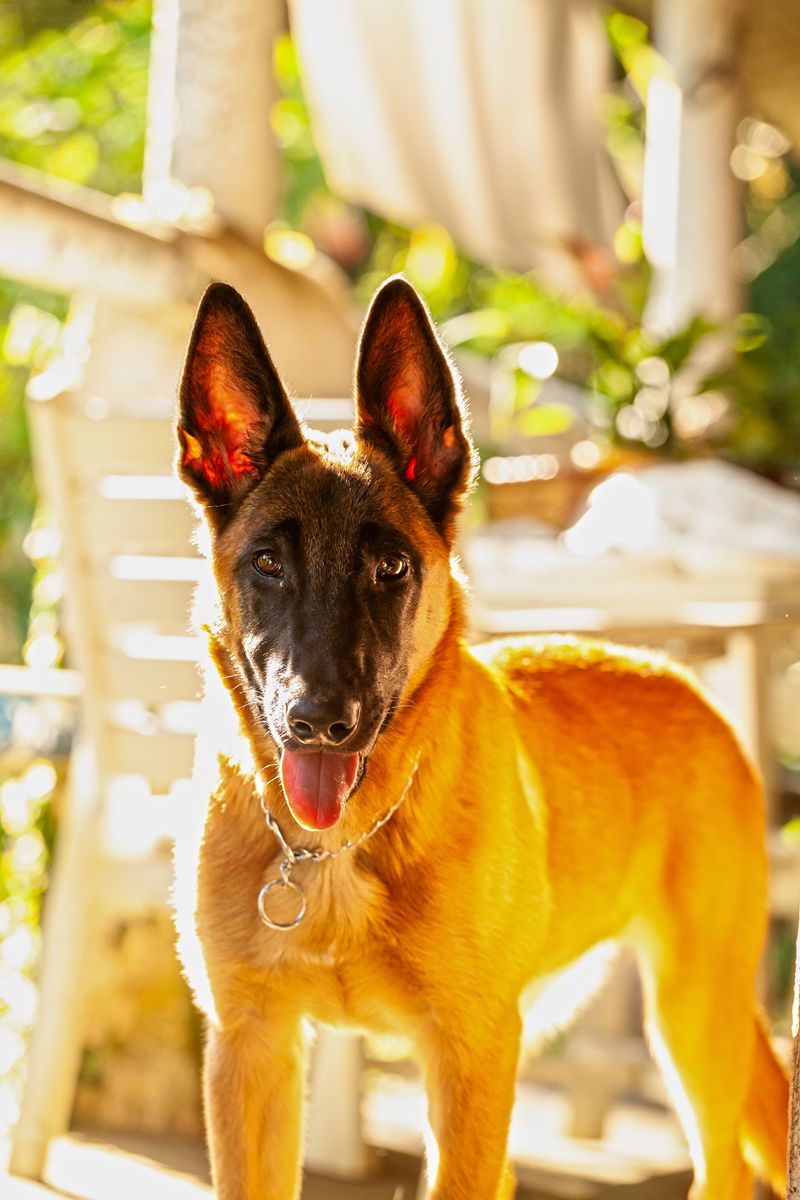
Malinois are brilliant and explosive, so mixed messages become rockets. Too many voices create conflict that spills into nipping, spinning, or frantic grabs.
One calm handler channels that energy into clear, targeted work. Work in neutral spaces and keep observers quiet.
Frontload engagement, then pay heavily for impulse control. Use markers, tugs on cue, food for precision, and frequent sniff breaks to regulate arousal.
Keep criteria crisp, and split behaviors before the brain outruns the body. Reset often.
Drill less, pattern more, and watch focus grow. You will see cleaner grips, smoother outs, and quieter recovery between reps.
With a single voice and fair rules, the Malinois becomes a marvel of control. Finish before arousal peaks.
Cane Corso
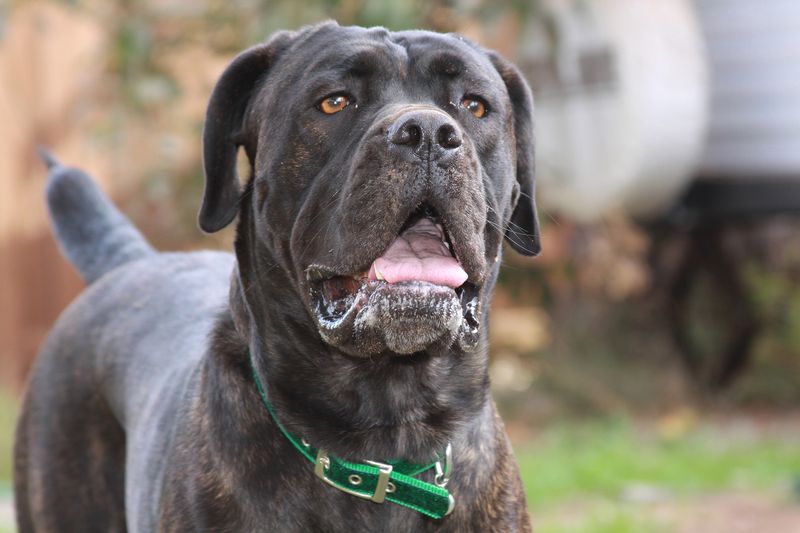
Protective and thoughtful, the Cane Corso watches everything. A crowd giving feedback feels unsafe, so the dog escalates or shuts down.
One calm handler builds trust and turns guarding impulses into choices. Keep greetings structured and optional.
Teach clear routines for doors, deliveries, and visitors. Pay for stationing on a mat, slow breathing, and checking in before decisions.
Use food first, then layer in voice and touch when the body language loosens. Stay patient.
Advocate space on walks and avoid busy aisles at first. You will see softer eyes, smoother turns, and fewer hard stares.
With consistency and a quiet plan, your Corso becomes stable, social, and easy to live with. End sessions while confidence grows.
Basenji
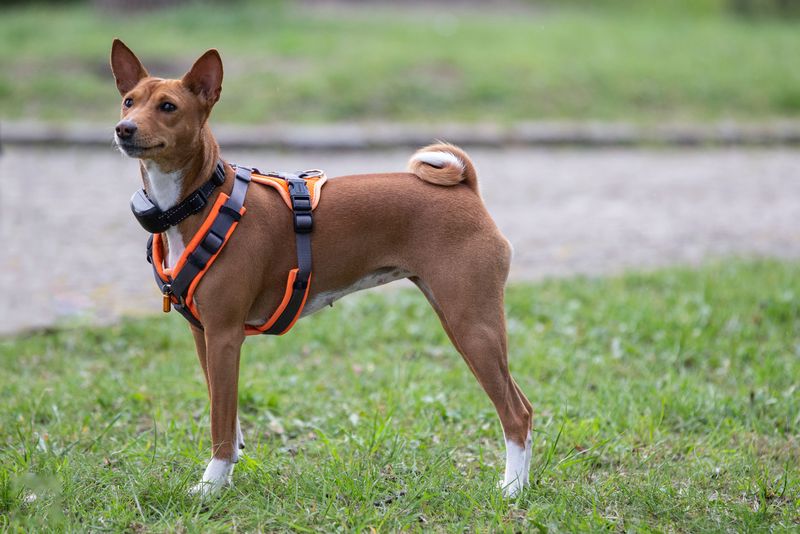
Basenjis are clever, quiet, and very tuned to tone. Too many voices flatten motivation and invite selective hearing.
One calm handler keeps things interesting without pressure. Crowded lessons feel like static to them.
Use scent games, food hunts, and quick trick sessions that end before boredom shows. Reinforce orientation, then add simple leash skills and relaxed handling.
Clear markers plus movement keep this independent dog invested. Rotate environments to stay novel.
Socialize slowly with space and choice. You will catch more check ins, fewer blow offs, and happier participation.
With a steady plan and minimal chatter, your Basenji trains beautifully. Let the dog choose approach and keep exits open.
Celebrate curiosity, then pause before asking for more.
Scottish Terrier
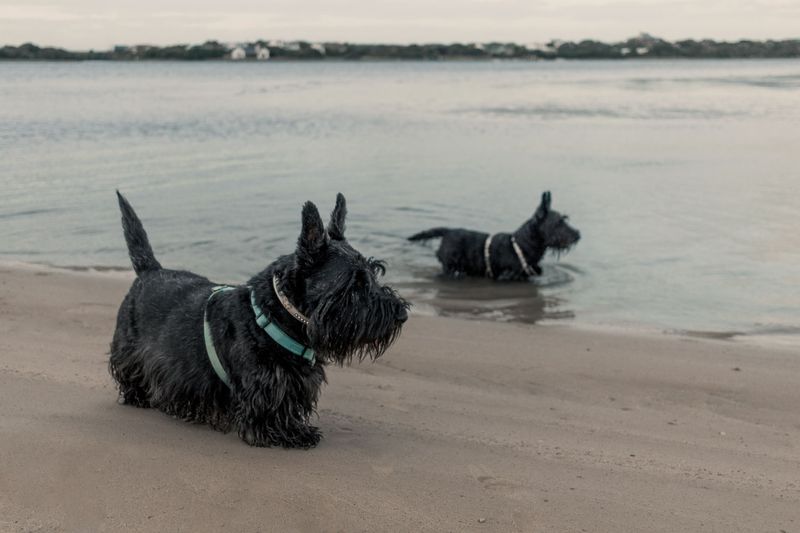
Scottish Terriers are bold yet particular, and mixed messaging can spark stubbornness. A single calm handler trims the noise so choices stay clear.
When you slow down and reward promptly, this thinker leans in. Avoid committees and keep observers quiet.
Use short shaping sessions with obvious criteria. Reinforce targeting, polite stands for grooming, and loose leash skills on quiet streets.
Keep distractions low at first, then proof slowly with distance and duration. Split steps smaller than you think.
Advocate space from pushy greeters and rolling carts. You will see fewer hard stops and more tail swishes.
With steady guidance and respectful handling, your Scottie becomes mannerly, game, and fun around town. End on success and give sniff breaks.