
You have probably heard the advice to tire out a high-energy dog. But for some breeds, more play just cranks the engine hotter instead of calming it down.
These dogs thrive on balance, not endless fetch or frantic zoomies. Learn which breeds actually get sharper, nippier, or more wired when you overdo it, and how to channel that fire the right way.
Australian Cattle Dog
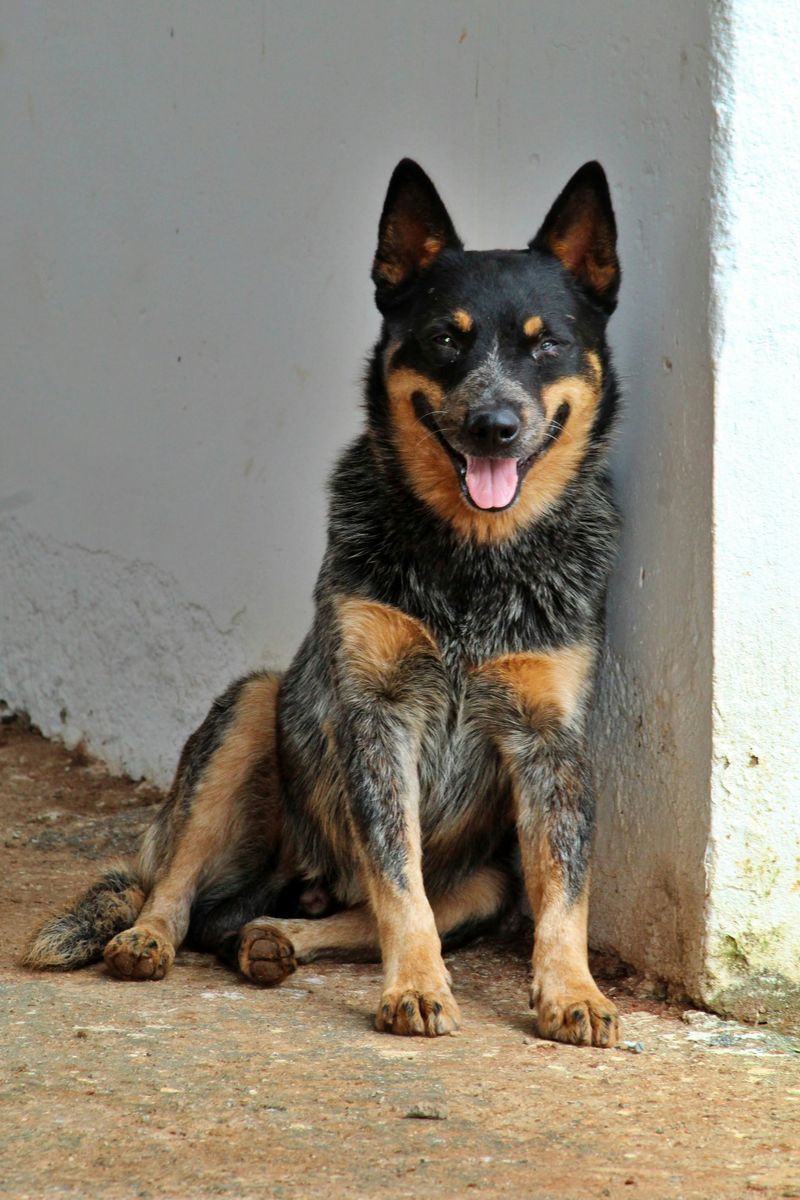
Australian Cattle Dogs are problem solvers first, athletes second. If you try to tire one out with nonstop fetch, you often build stamina and adrenaline, not calm.
They can rebound with nipping, herding ankles, or patrolling the house like a night shift supervisor.
They need brain work paced with body work. Use scent games, shaping sessions, and brief obedience drills between moderate play.
End sessions on a quiet decompression walk so arousal has time to drop.
Skip the marathon ball tosses that spike cortisol. Choose tasks with clear beginnings and endings, like a short retrieve then a down-stay.
When you structure activity, this breed relaxes; when you chase exhaustion, you get a sharper, edgier cattle dog.
Border Collie
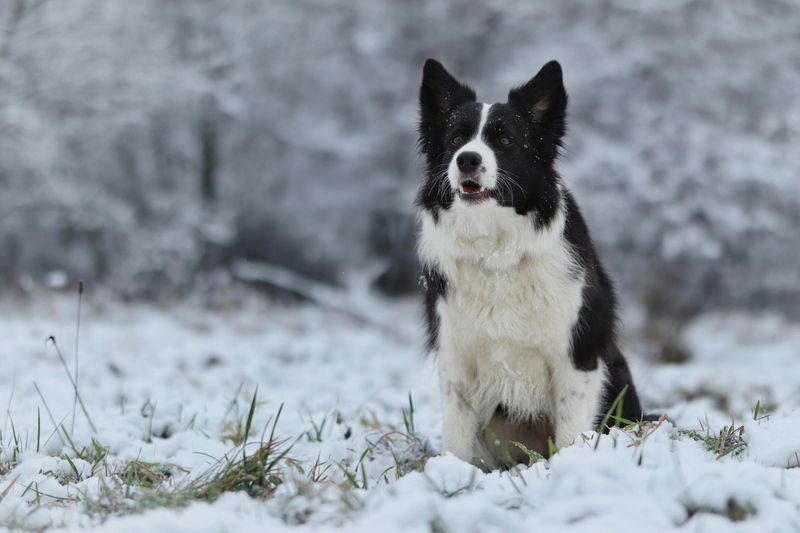
Border Collies are built to work all day, but not at redline. Endless ball throws can teach frantic patterns and obsession.
Overstimulation often shows up as stalking shadows, nipping, or hypervigilance that does not switch off.
Balance aerobic exercise with precision tasks. Try short herding-style games with impulse control, like stay, release, gather, then relax.
Sprinkle in mat training and scatter feeding in quiet areas to lower arousal.
Think interval training, not chaos. Ten focused minutes with boundaries beats an hour of uncontrolled sprinting.
When you cap excitement and reward recovery, a Border Collie’s famous brain finally exhale. Chase exhaustion and you might build a compulsive fetch machine instead of a calm partner.
Belgian Malinois
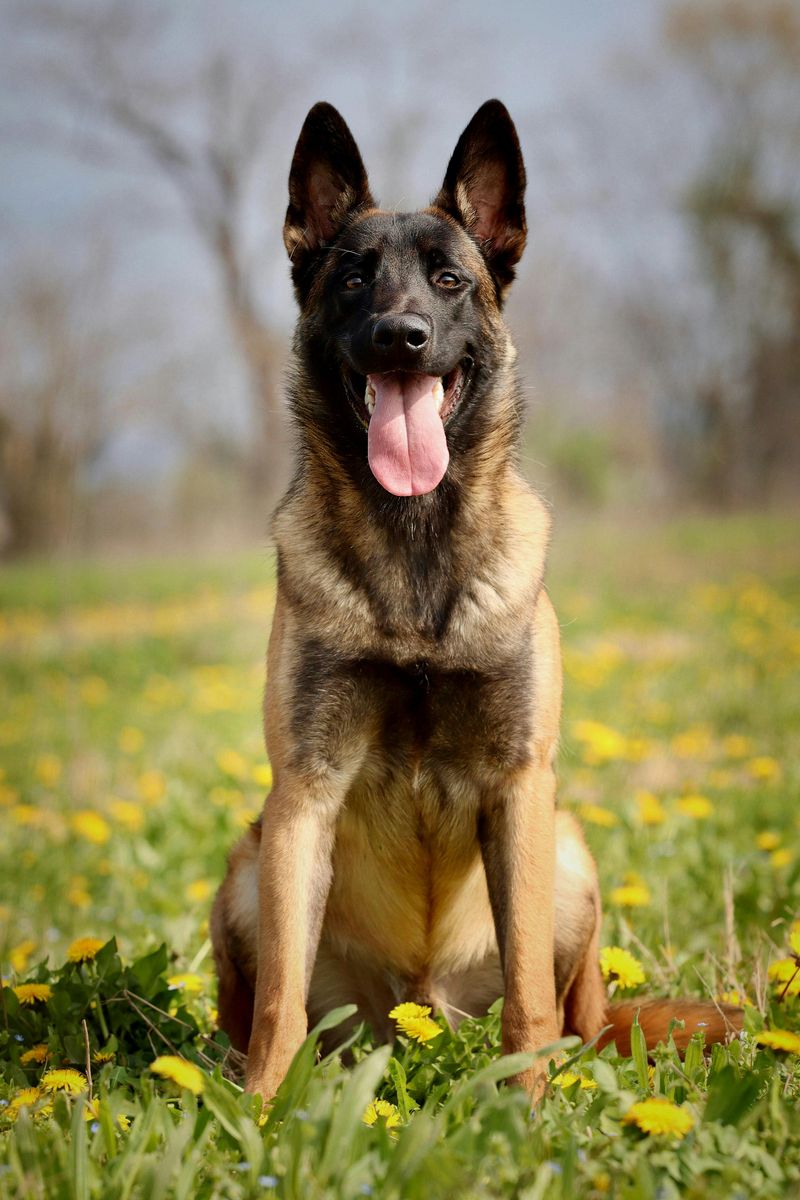
A Belgian Malinois does not mellow with more chaos. Piling on play builds a war drum heart and razor focus on motion.
That can morph into spinning, vocalizing, and handler biting when frustration peaks.
Use high-drive activities with strict rules. Tug with clear outs, bite pillow work only under guidance, and short agility sequences capped by stillness.
Insert down-stays and place training so arousal cycles down predictably.
Quality matters more than quantity. Three crisp reps, then rest, beats thirty sloppy ones.
Malinois thrive on purpose and clarity. When you teach off switches, you get brilliance.
When you chase fatigue, you get a caffeinated missile that cannot land.
Dutch Shepherd
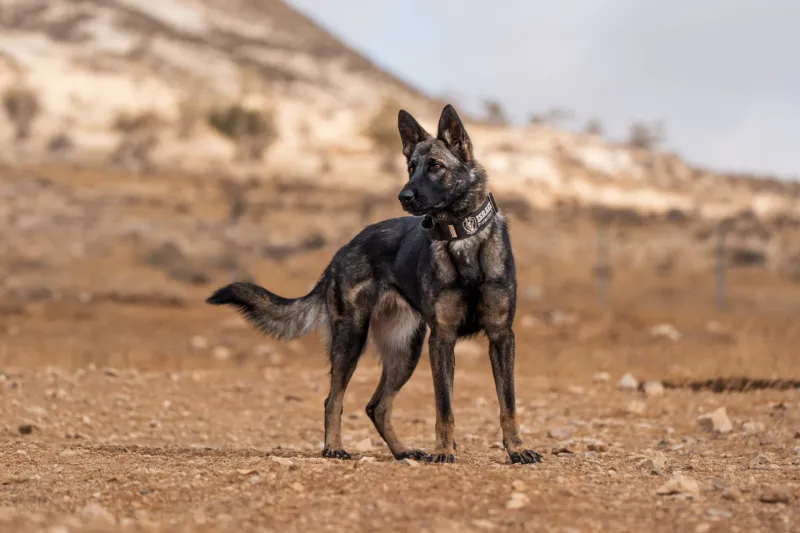
Dutch Shepherds bring intensity to everything. Overplay ramps that intensity into agitation, pacing, and vocal frustration.
Their brains crave rules and their bodies crave variety, not reckless repetition.
Mix short obedience chains, nosework hides, and moderate cardio like trotting beside a bike at a controlled pace. Use clear markers for start and stop.
After exciting tasks, offer chew time or a sniffy decompression walk to lower the throttle.
Unstructured fetch marathons can create a dog that monitors your every move, unable to relax. Structure equals safety for this breed.
Provide purposeful work, then predictable rest. Get that rhythm right and the Dutch Shepherd’s focus becomes calm power instead of buzzing electricity.
Weimaraner
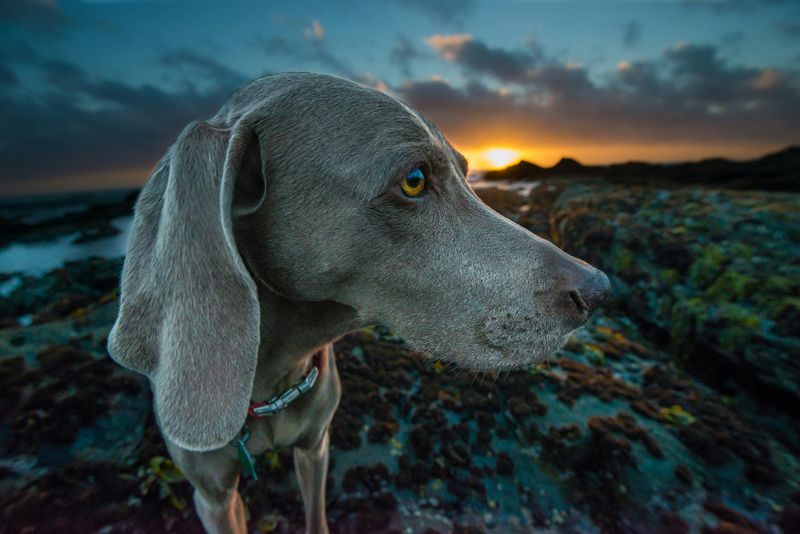
Weimaraners are exuberant and sensitive. Overdoing fetch or rough play can tip them into whining, clinginess, and restless pacing.
They often need connection and clarity more than endless miles.
Plan balanced sessions: a brisk run, then a few crisp obedience reps, then a calm settle on a mat. Scent games in woods burn energy without spiking adrenaline.
End with cuddles or quiet chew time to reset their nervous system.
Watch for stacking stress across days. Too much arousal becomes a habit that looks like separation frustration later.
Keep activities varied, predictable, and capped with calm. A thoughtful routine turns the Weimaraner’s big feelings into steady companionship instead of spirals.
Vizsla
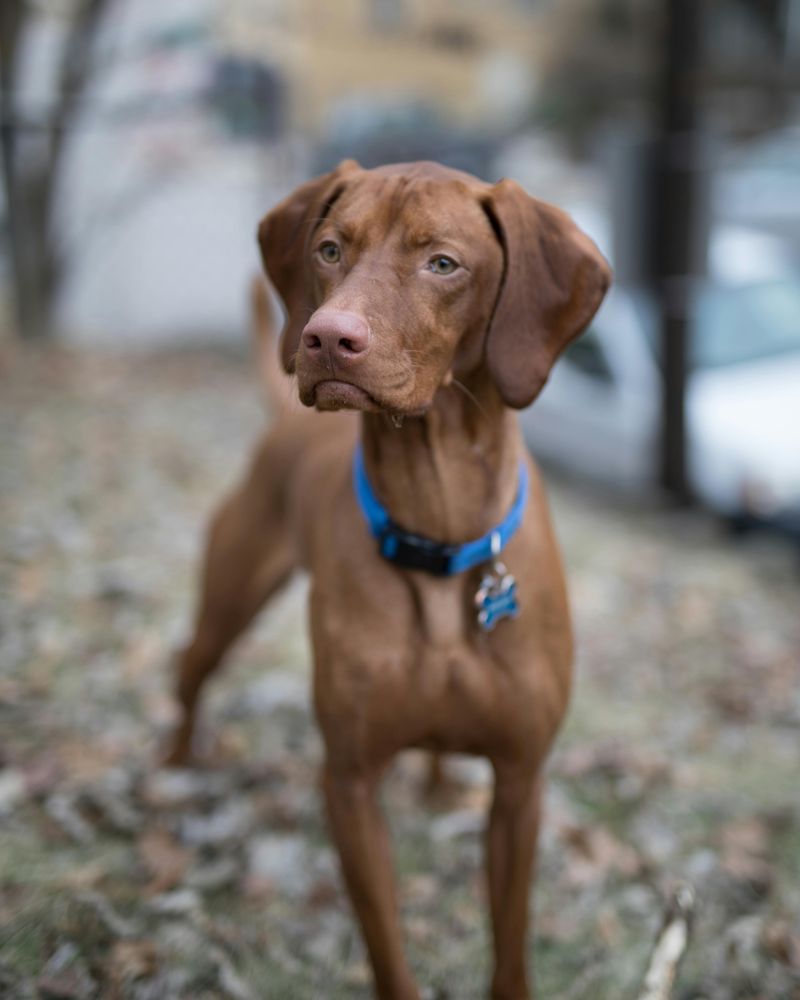
Vizslas bond deeply and read your energy. When play becomes frantic, they mirror it, cycling into zoomies, barking, and difficulty settling.
More sprints often equal more restlessness afterward.
Use rhythmic exercise like steady trail runs or canicross at conversation pace. Pair that with short, upbeat training and a place command to teach off switches.
Nosework or field retrieves with pauses keep the mind working without flooding adrenaline.
End every session with quiet touch or a lick mat. Predictable warm-up and cool-down matter for this sensitive athlete.
Structure and connection calm the Vizsla’s spark; chasing exhaustion feeds the fire and invites post-play meltdowns.
German Shorthaired Pointer
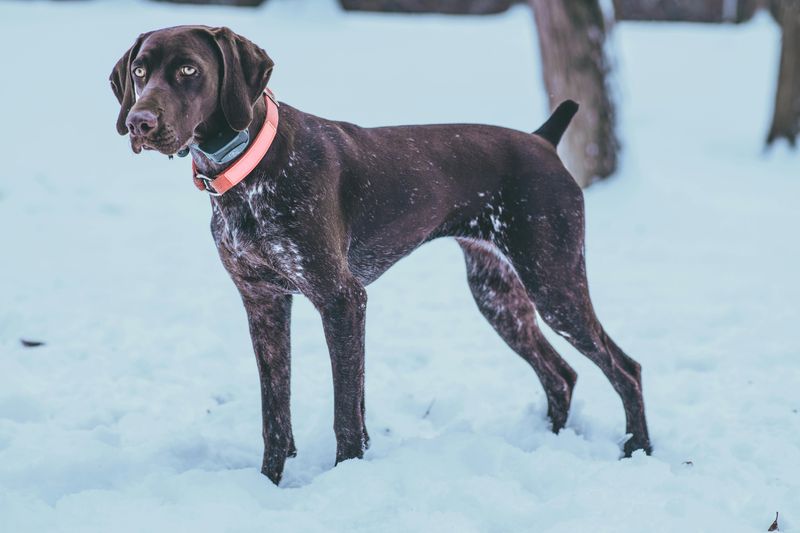
German Shorthaired Pointers are purpose-driven hunters. Endless fetch or chaotic dog park sprints build tolerance to arousal without teaching control.
Afterward, you might see whining, counter surfing, and constant scanning for motion.
Channel the drive with field-style drills. Practice heel to off-leash recall, then steadiness to a tossed bumper, then a long sniffy break.
Add place training after excitement so the nervous system truly powers down.
Think hunt, then halt. Short, meaningful reps followed by real rest create a calmer housemate.
If you chase fatigue, the GSP just gets fitter and nosier. If you teach boundaries, you get brilliance on birds and peace on the couch.
Brittany
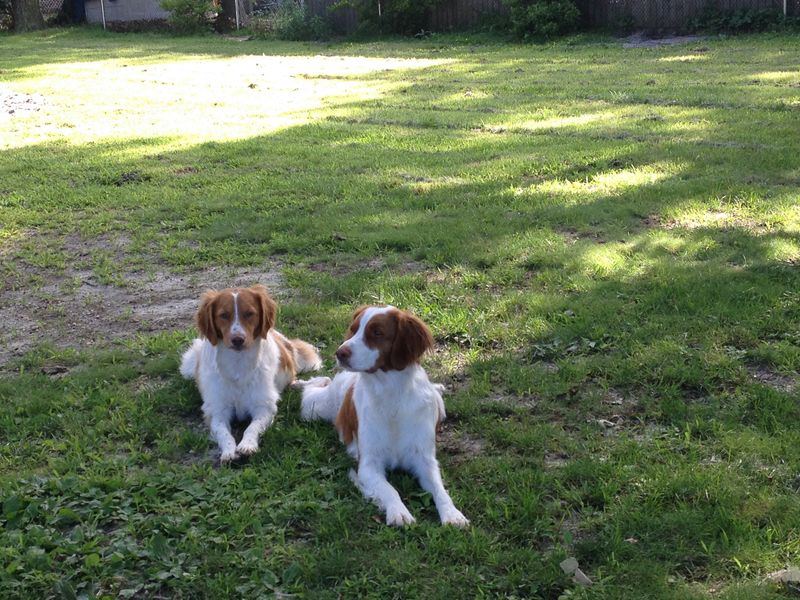
Brittanys are cheerful dynamos with sensitive edges. Overplay can flip them into barking, leaping, and pacing that will not stop.
They do best when exercise has rhythm and purpose, not just speed.
Use short birdy games, nosework boxes, and recall-reward sessions that end with a relax cue. Scatter feed in grass, then cap with a long leash decompression walk.
Teach settle on a mat so excitement has a reliable off ramp.
Consistency beats intensity. When activities are predictable and bookended by calm, this breed shines.
Chase exhaustion and you may spark a whirling dervish. Build skills and recovery, and you get a sweet, steady Brittany companion.
Jack Russell Terrier
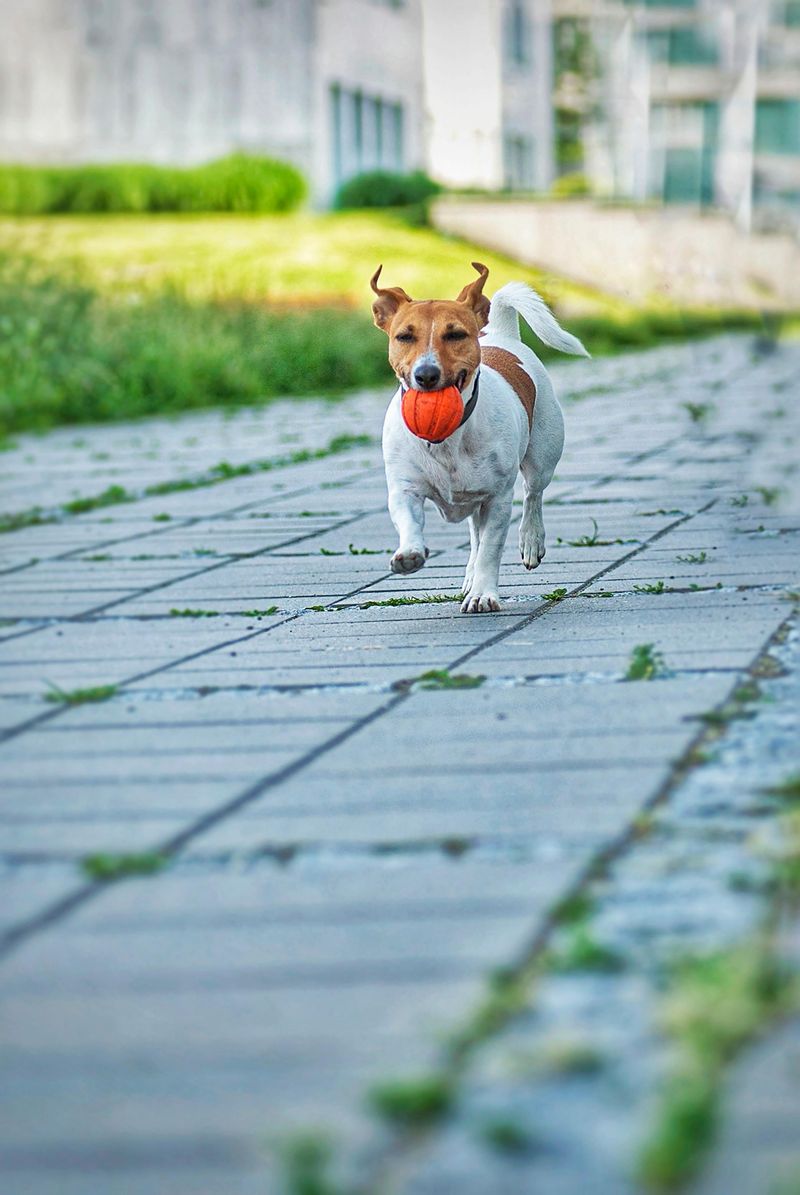
Jack Russell Terriers are tiny rockets with opinions. Endless fetch or roughhouse often creates a wind-up toy that cannot switch off.
Post-play, expect barking, digging, and nippy frustration if arousal never lands.
Use puzzle feeders, scent trails, and controlled tug with clear outs. Keep sessions short, with calm breaks on a bed.
Teach a reliable place cue and reward stillness as much as speed.
Outsmart, do not outpace. Intervals of think-work plus brief sprints balance their spark.
If you stack excitement, you breed chaos. If you split activity into clear chapters, your Jack Russell learns to turn down the volume at home.
Parson Russell Terrier
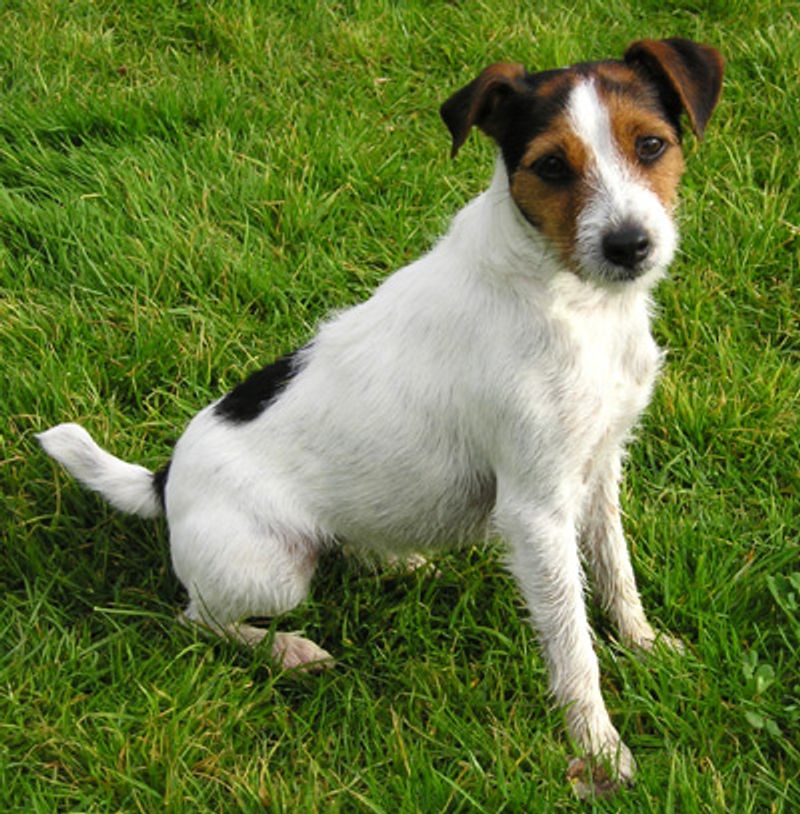
Parson Russell Terriers share the Jack’s drive but add longer legs and leap. Overdoing play fuels scanning and critter obsession.
That can turn into yard patrols and fence running that never stop.
Design sessions with jobs and brakes. Practice dig-box searches, then a down-stay, then a short fetch.
Use long lines outdoors to prevent self-reinforcing chase patterns.
Reward sniffing and stillness after excitement. A predictable cool-down prevents terrier tunnel vision later in the day.
When you harness brain and body in measured doses, the Parson Russell shines. Chase fatigue and you build a faster, louder problem.
Miniature Schnauzer
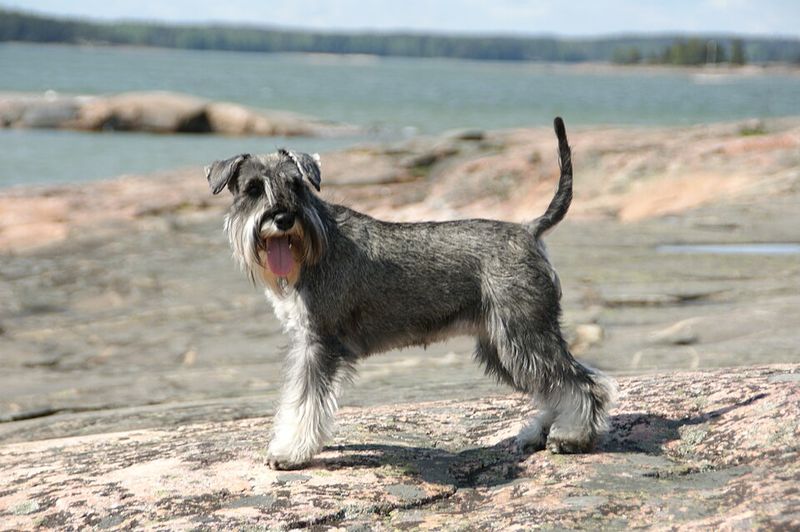
Miniature Schnauzers are keen watchdogs with a quick trigger. Overstimulating play dials up reactivity and barking.
After too much fetch, you may see door alerting and pacing because their arousal never dropped.
Keep sessions short and mixed. A brisk walk, a few shaping reps, then settle on a mat.
Use sniff breaks and foraging to invite parasympathetic calm. Teach quiet as a default after excitement.
They thrive with predictability and jobs. Grooming routines and trick training can be calming structure.
If you chase tired, you get a louder sentinel. If you teach on-off switches, you get a witty, composed Mini Schnauzer at home.
Dalmatian
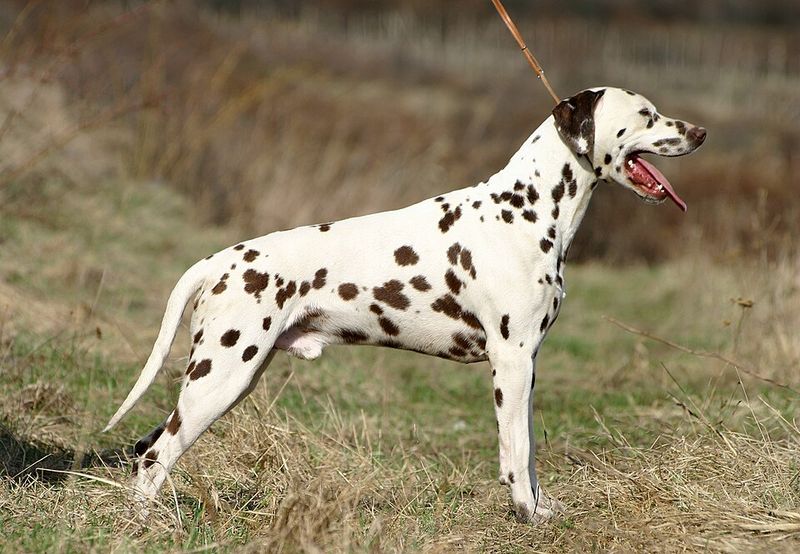
Dalmatians were bred to trot with horses, so pure speed does not tire them. Overplay can leave them wired, vocal, and prone to pacing laps in the house.
They need consistent cadence and clear cool-down rituals.
Use steady cardio like jogging at a moderate pace, paired with obedience breaks. Practice go then whoa: brief heeling, a sit, then trot again.
Finish with a sniff walk and chew time to complete the arousal cycle.
Watch hydration and heat, and avoid repetitive high-impact fetch. Structure builds a calmer Dalmatian.
If you chase exhaustion, you just build endurance and restlessness. If you design rhythm and recovery, you get a spotted athlete who actually settles.