
Most dogs love their toys like treasures. Some get a bit serious when a favorite squeaker or chew is at stake.
Knowing which breeds tend to guard can help you keep playtime safe and fun. With a little training and respect for their space, you can avoid hurt feelings and keep tails wagging.
Jack Russell Terrier
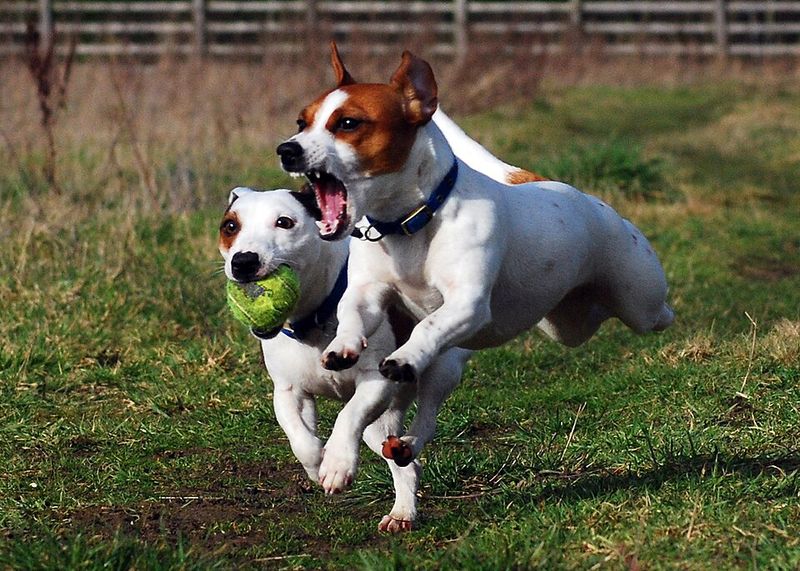
Small body, giant opinions. A Jack Russell can treat a squeaky ball like gold.
Quick reflexes and bold spirit mean surprise grabs might spark a snappy protest. Teach a solid trade cue using high-value treats, and practice swapping calmly.
Rotate toys so one item does not become too prized. Provide puzzle games to channel that hunting drive.
If kids visit, set clear rules about leaving the dog while it relaxes with a favorite chew.
Miniature Bull Terrier
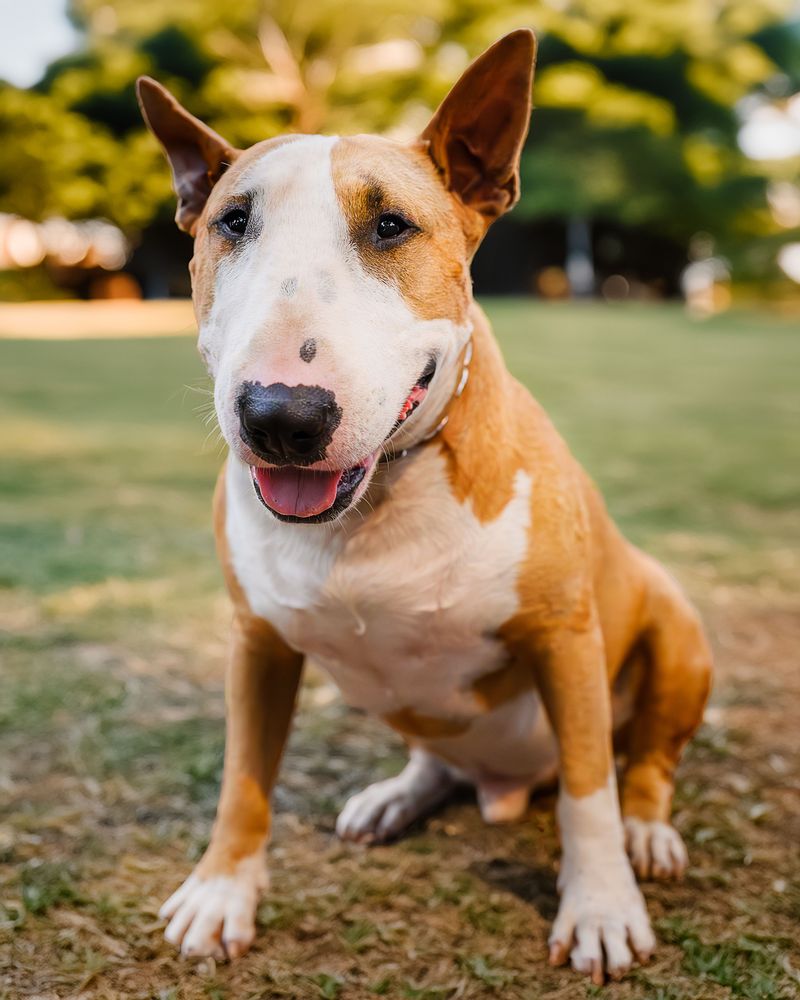
Big-hearted clown, but stubborn about prized toys. A Mini Bull can latch on and deliver a very serious stare if someone reaches in.
Start by teaching “drop” with gentle exchanges, never yanking. Reward calm releases with something even better.
Use durable toys to prevent frustration from torn pieces. Short training bursts keep focus sharp.
If tension builds, pause the game and give space. Structure, routine, and fair trades go a long way with this spirited pal.
American Staffordshire Terrier
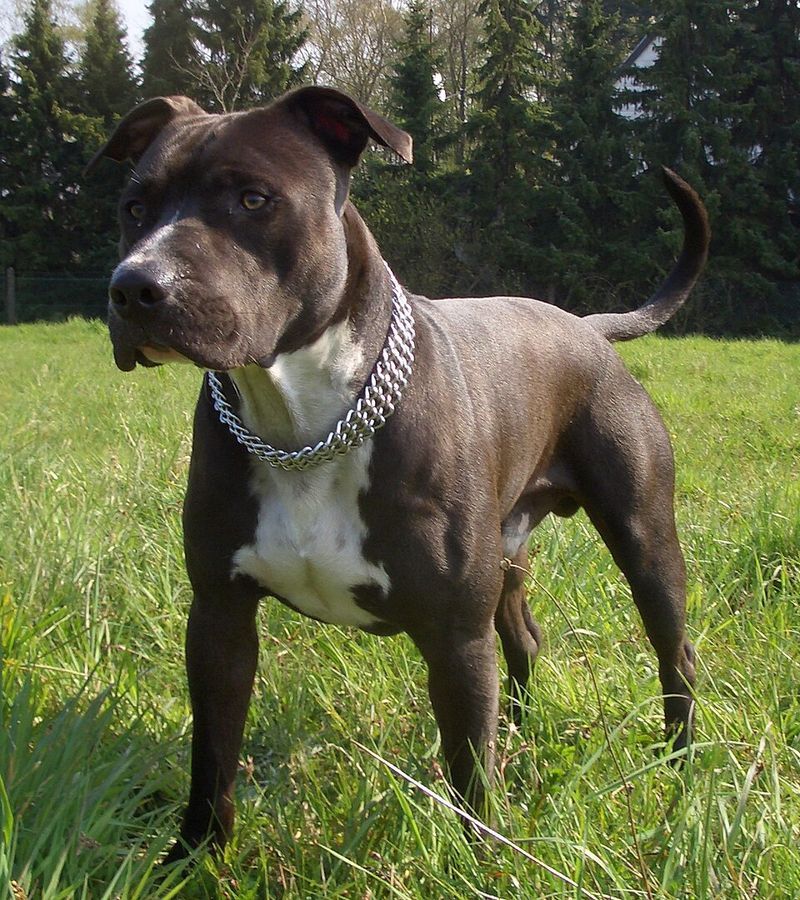
Muscle and heart make a loyal friend, yet prized toys can bring intense focus. Rather than reach in, guide an AmStaff into a sit, then cue a release.
Pay with praise and treats. Over time, swaps feel routine, not risky.
Plenty of exercise reduces pent-up energy that can fuel guarding. Teach family members to avoid crowding the dog during chew time.
A clear plan prevents mix-ups and keeps that broad smile shining.
Border Collie
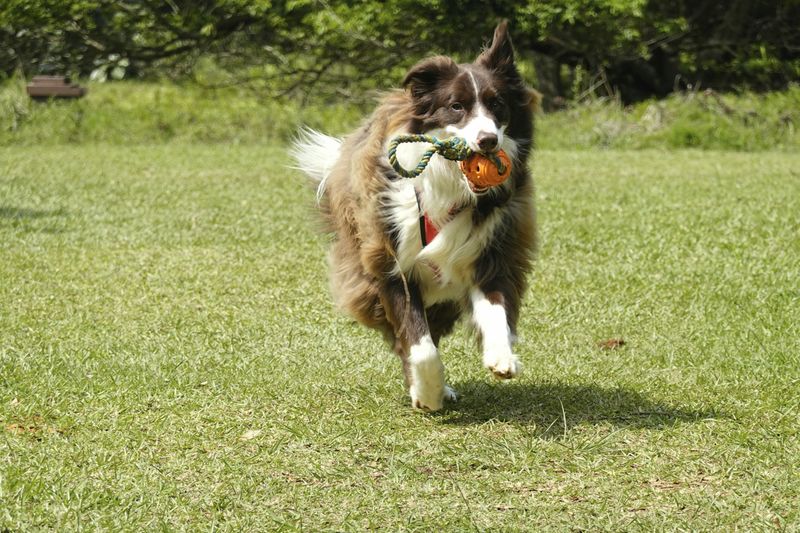
The brainy herder lives for games. That laser focus can turn a disc or ball into a must-have prize.
Build cue chains: fetch, drop, then sit to restart play. Reinforce self-control, not grabbing, so the reward becomes more play time.
Mental workouts help too. Try scent games and trick training to balance drive.
Calm handling keeps excitement from tipping into guarding. Predictable rules let your Collie relax, even when the favorite toy rolls away.
Australian Cattle Dog
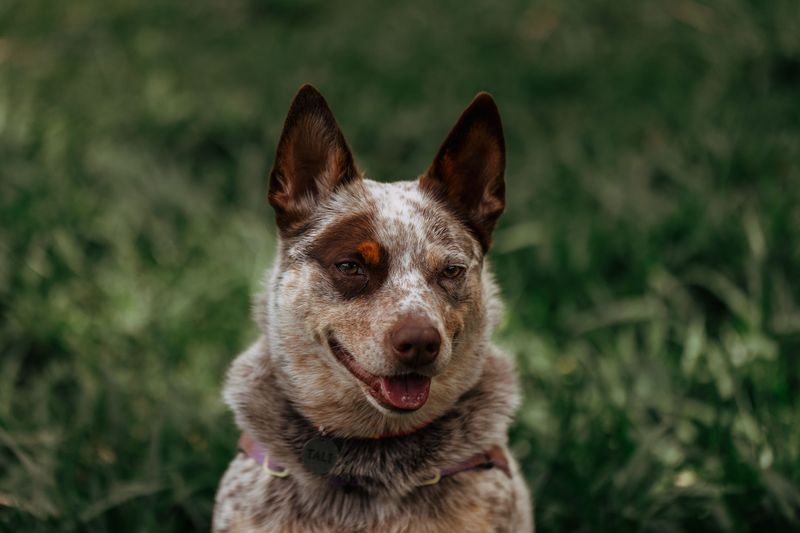
Work ethic meets stubborn streak. ACDs often bond hard with a single toy.
Instead of reaching, scatter-feed a few treats to draw the dog away, then pick up the item calmly. Practice trades often so it becomes second nature.
Give daily jobs: tug with rules, structured fetch, and obstacle play. A busy mind guards less.
Clear boundaries, like a mat for chew time, help everyone read the room and avoid tense moments.
Belgian Malinois
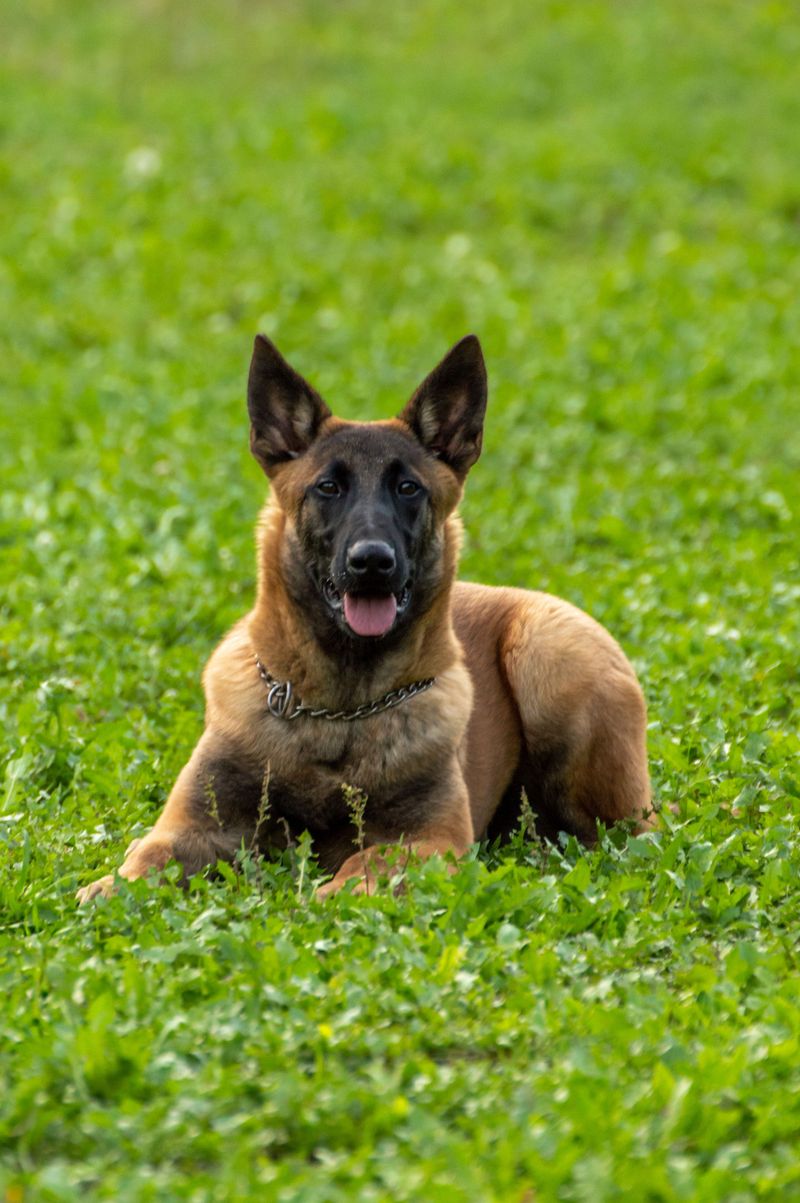
High-drive athlete alert. A Malinois can treat a tug like a mission.
Training solves it: mark the release, pay fast, and restart the game as the prize. That cycle teaches giving up the toy earns more action, not loss.
Daily outlets are crucial. Sprint drills, obedience, and scent work reduce stress.
Avoid rough snatch-and-grab games that trigger guarding. Consistent rules keep this powerhouse tuned to you, not just the gear.
Australian Shepherd
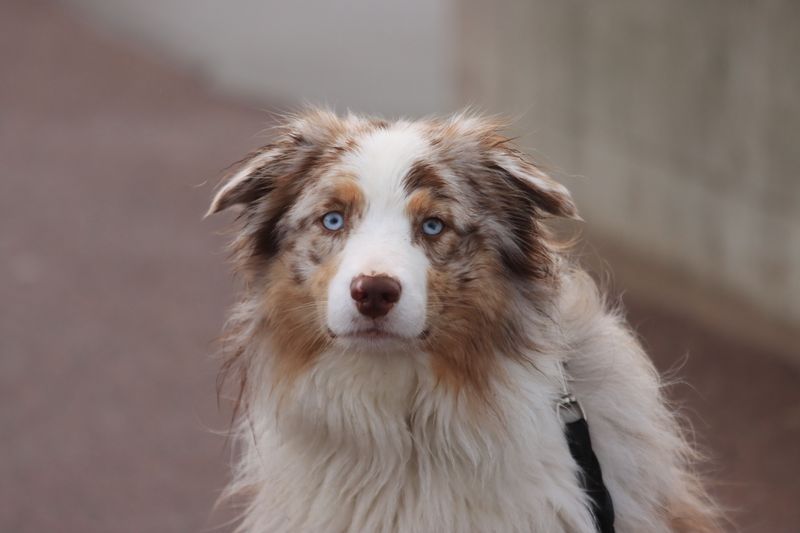
Chatty and busy, Aussies love to manage their world, toys included. Try teaching “take it” and “give” as a polite pair.
When the dog hands over the plush, surprise with a quick toss or treat to make sharing feel safe.
Rotate textures to avoid fixating on one toy. Keep sessions short to prevent over-arousal.
With routine practice and calm voices, your Aussie learns that cooperation makes the game last longer.
Siberian Husky
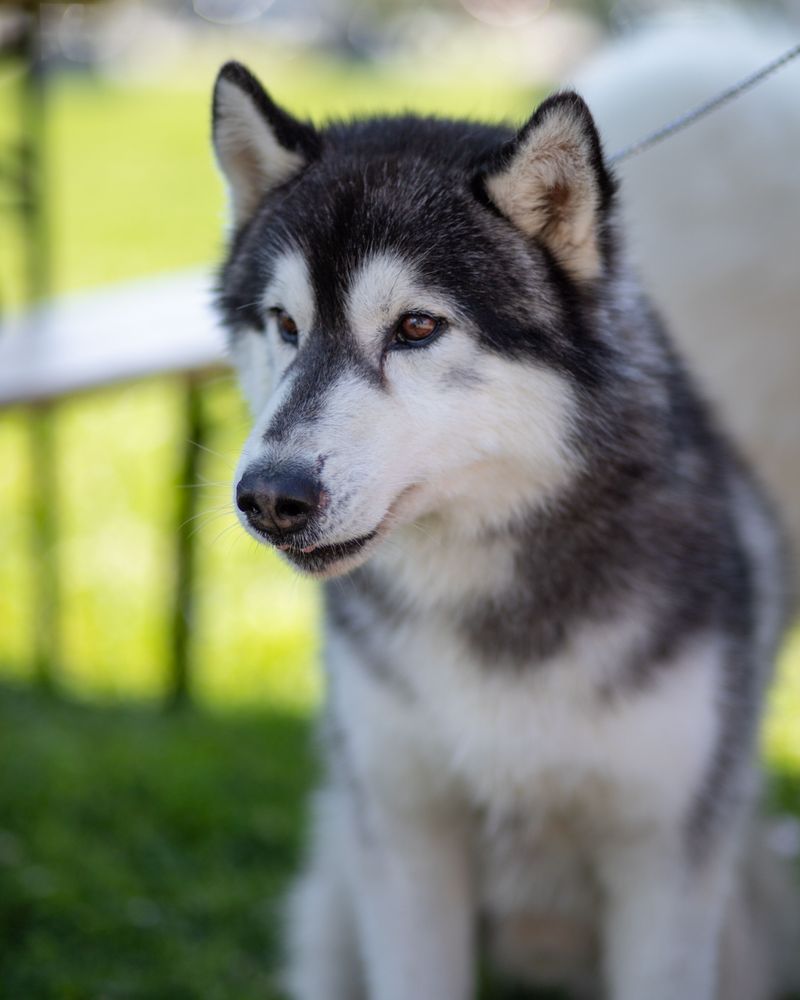
Independent spirit, playful prankster. A Husky may stash a toy like buried treasure.
Instead of chasing, use a cheerful trade and move away to create space. Praise quiet mouths and relaxed body language while swapping items.
Plenty of runs and sniffing breaks lower tension. Keep high-value chews for crate or mat time where the dog feels secure.
Clear routines and predictable exchanges help this free thinker keep the fun without the fuss.
Shiba Inu
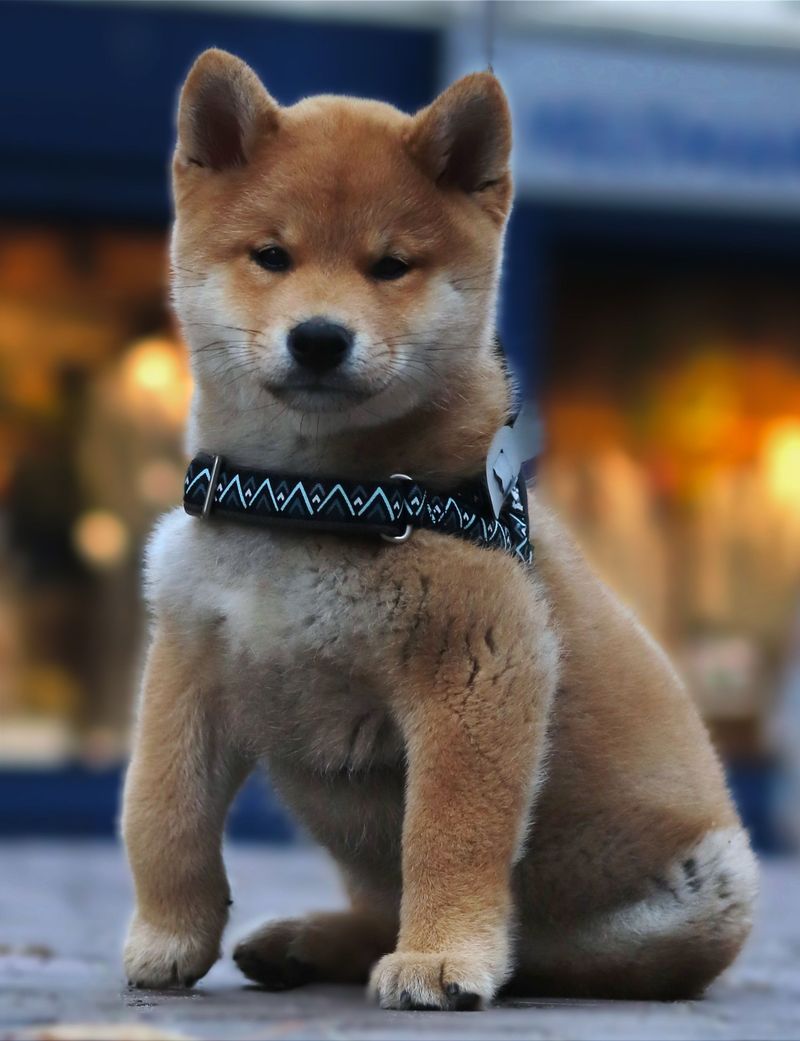
Cat-like manners come with sharp opinions. A Shiba may freeze or curl a lip over a favorite plush.
Start with consent-based play: invite, do not insist. Teach a gentle “drop” using treat trails and avoid looming over the dog.
Short sessions, quiet praise, and clear exits build trust. Save top-tier chews for alone time.
With patience, your Shiba learns that people near toys mean calm rewards, not takeaways.
Pembroke Welsh Corgi
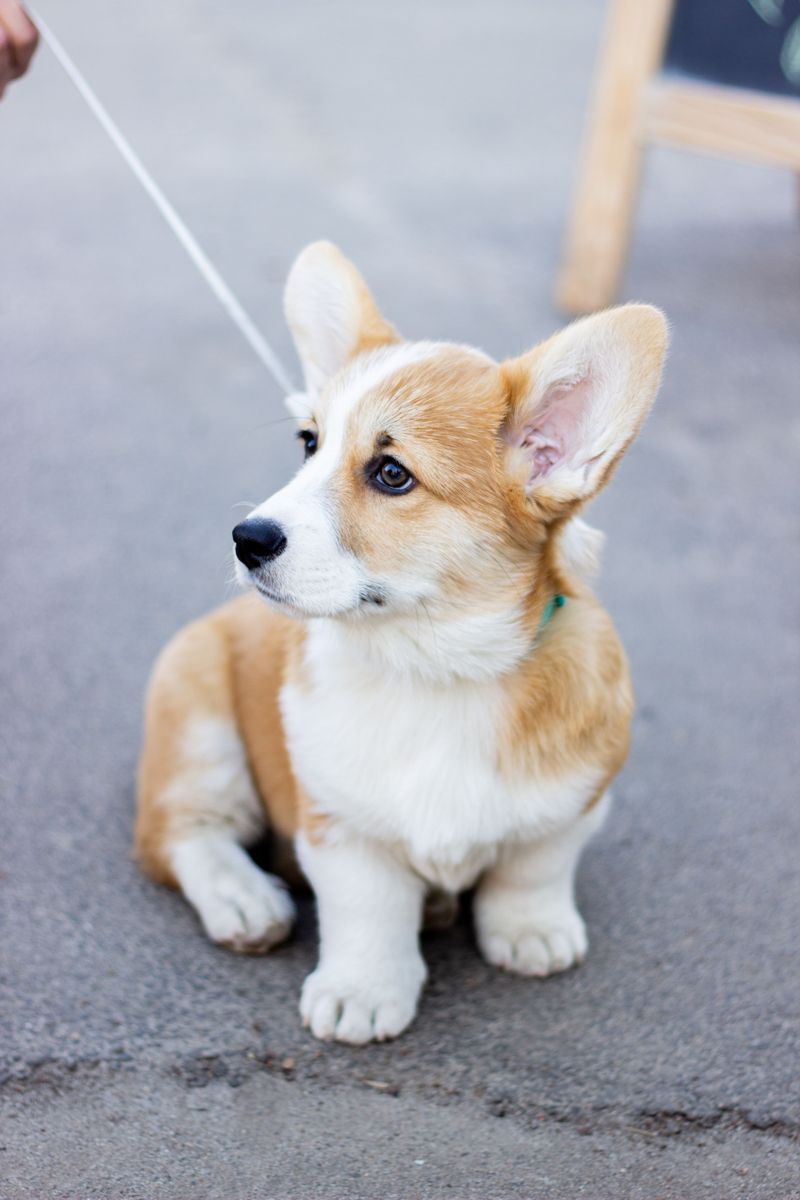
Small shepherd, big feelings. A Corgi can become bossy over a squeaker.
Practice cue ladders: name the toy, ask for drop, then request a down before tossing again. The routine keeps brains and bodies working together.
Food puzzles and trick sessions take the edge off. Teach kids to swap using a bowl, not hands.
Consistency removes drama from toy time so that cheerful grin stays on display.
Rat Terrier
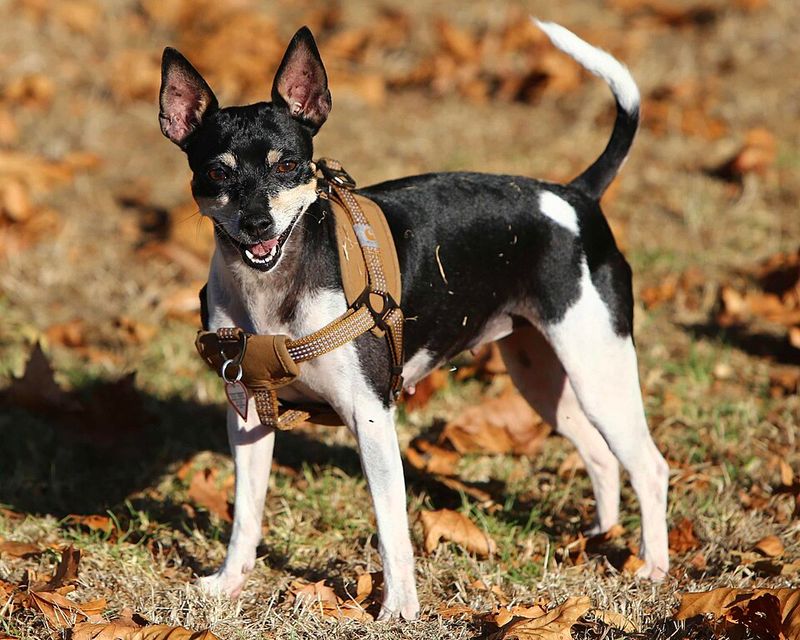
Fast, clever, and treasure-proud. Rat Terriers can guard small balls like trophies.
Build confidence with hand-feeding and easy trades. Ask for a sit before any pickup so the dog learns that calm behavior makes the game return quickly.
Offer scent hunts to satisfy that varmint-chasing brain. Keep toys rotated and limit super high-value items during busy family times.
Clear patterns reduce surprises, and soon the dog expects good things when people approach.
German Shepherd
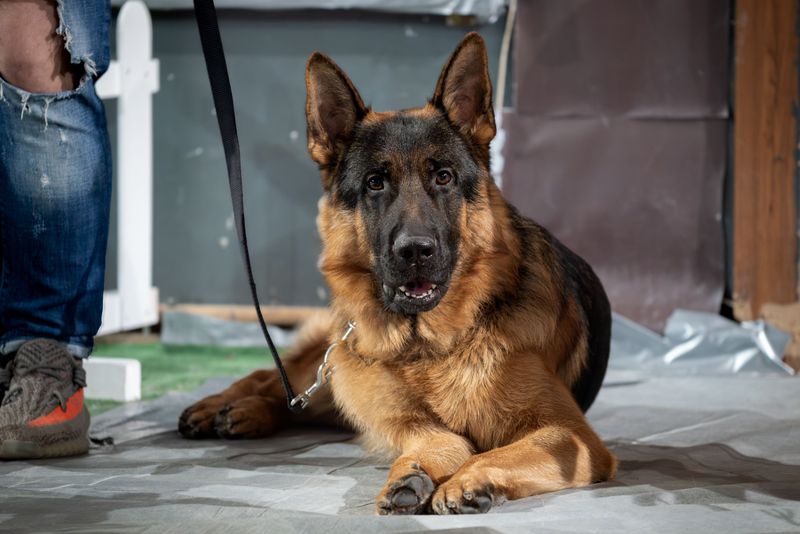
Serious worker with strong drive. A GSD may lock onto a tug or ball like a job.
Turn release into a cue that predicts more play. Use two identical toys for clean swaps and keep your body relaxed to prevent tension.
Daily training channels energy into clear tasks. Avoid rough surprise grabs that feel threatening.
When rules are steady, this guardian can share gear without turning it into a standoff.
Staffordshire Bull Terrier
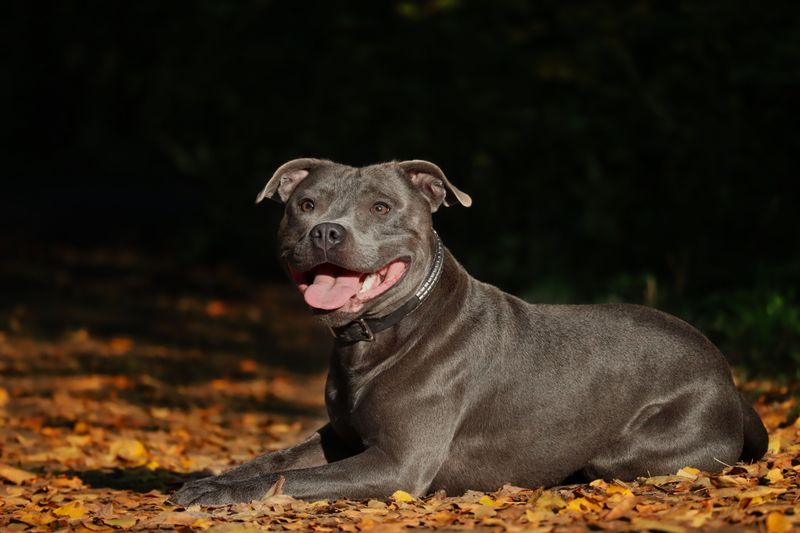
Nicknamed the smiling dog, yet prized toys can flip the script. Staffies love intense games.
Teach “out” with soft voice and quick rewards, then restart tug to show that letting go brings more fun. Keep sessions brief to prevent over-arousal.
Provide chew time in a quiet spot so the dog can relax. Family rules about no teasing or chasing make a huge difference.
Clear, kind structure turns a potential scuffle into teamwork.