
Each summer brings more toxic algae alerts, and water loving dogs are often first to dive in. Even a quick splash or a mouthful of scummy water can turn into a veterinary emergency fast.
Knowing which breeds are most drawn to lakes, ponds, and slow moving rivers helps you plan safer adventures. Read on to learn practical, breed specific tips to keep playtime fun and algae free.
Labrador Retriever
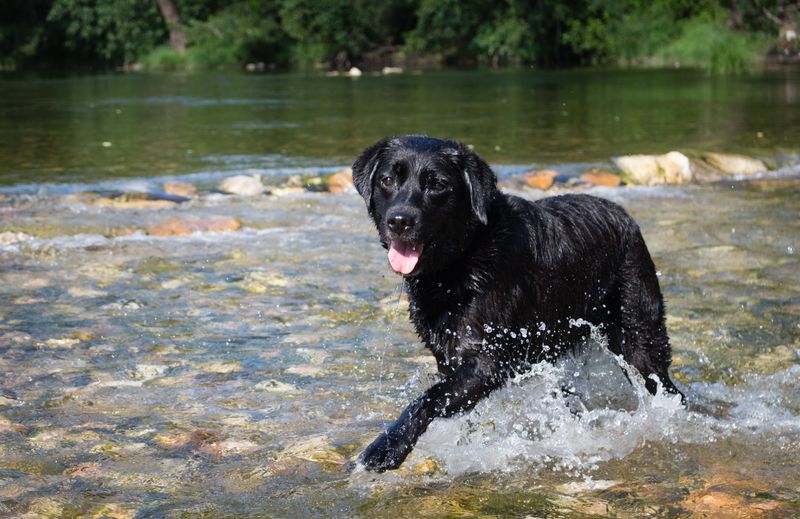
Labradors adore water, which puts them at higher risk when blooms pop up mid summer. Teach a strong leave it cue and keep a long line attached near ponds with green scum or musty odors.
Offer frequent breaks with fresh water so the dog does not drink from questionable sources.
After any swim, rinse the coat thoroughly, focusing on the chest and paws where residue clings. Pack a towel, collapsible bowl, and canine life jacket for safer outings.
If vomiting, drooling, wobbliness, or seizures occur after exposure, head to an emergency vet immediately.
Choose fast moving rivers or lifeguarded beaches with posted testing updates. Check local health department maps before weekend trips.
When in doubt, skip the swim and play retrieval games on land.
Golden Retriever
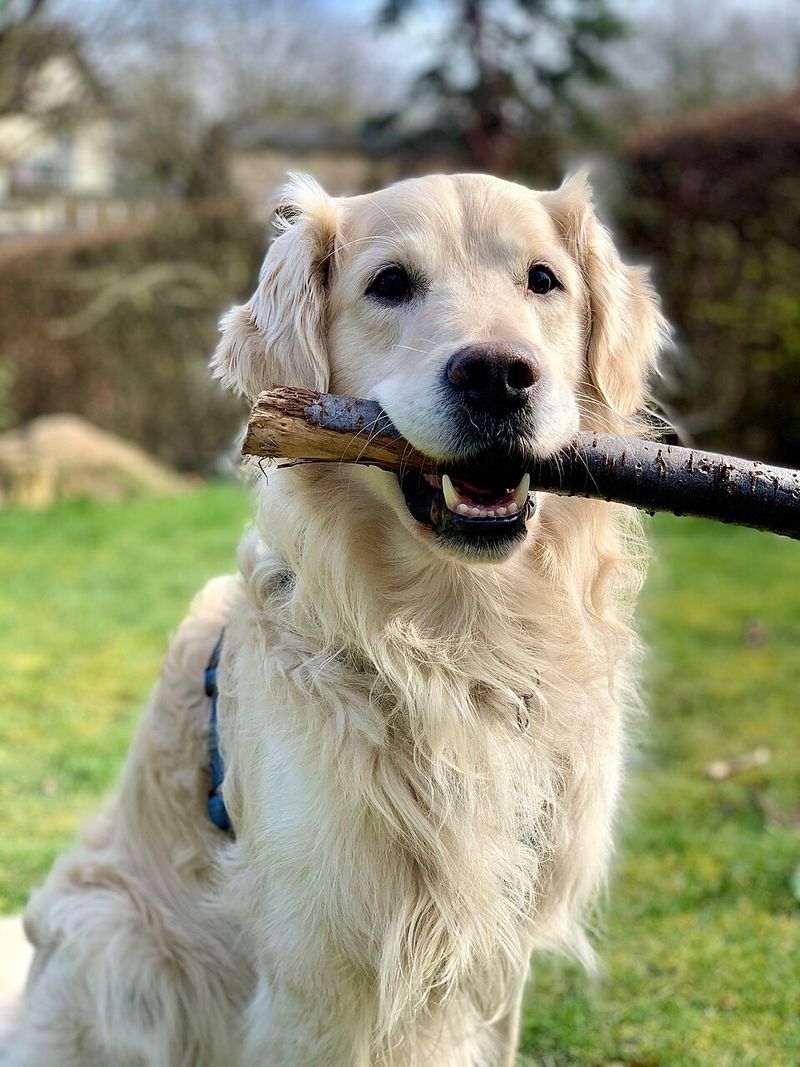
Goldens live for splash time and long retrieves, which makes vigilance essential in warm months. Scan shorelines for pea soup water, foam, or paint like streaks before letting your dog approach.
Keep a pocket test strip kit and know local advisories to plan safe routes.
Brush and rinse their dense coat after water play to reduce licking residue later. Carry a high value toy to redirect if they rush toward stagnant coves.
Train a solid recall and reinforce it regularly with short, fun sessions.
Bring fresh water, shade, and rest breaks to prevent overheating. If your Golden shows sudden weakness, drooling, or tremors after swimming, seek urgent care.
Document the location and symptoms to help your vet act quickly.
Chesapeake Bay Retriever
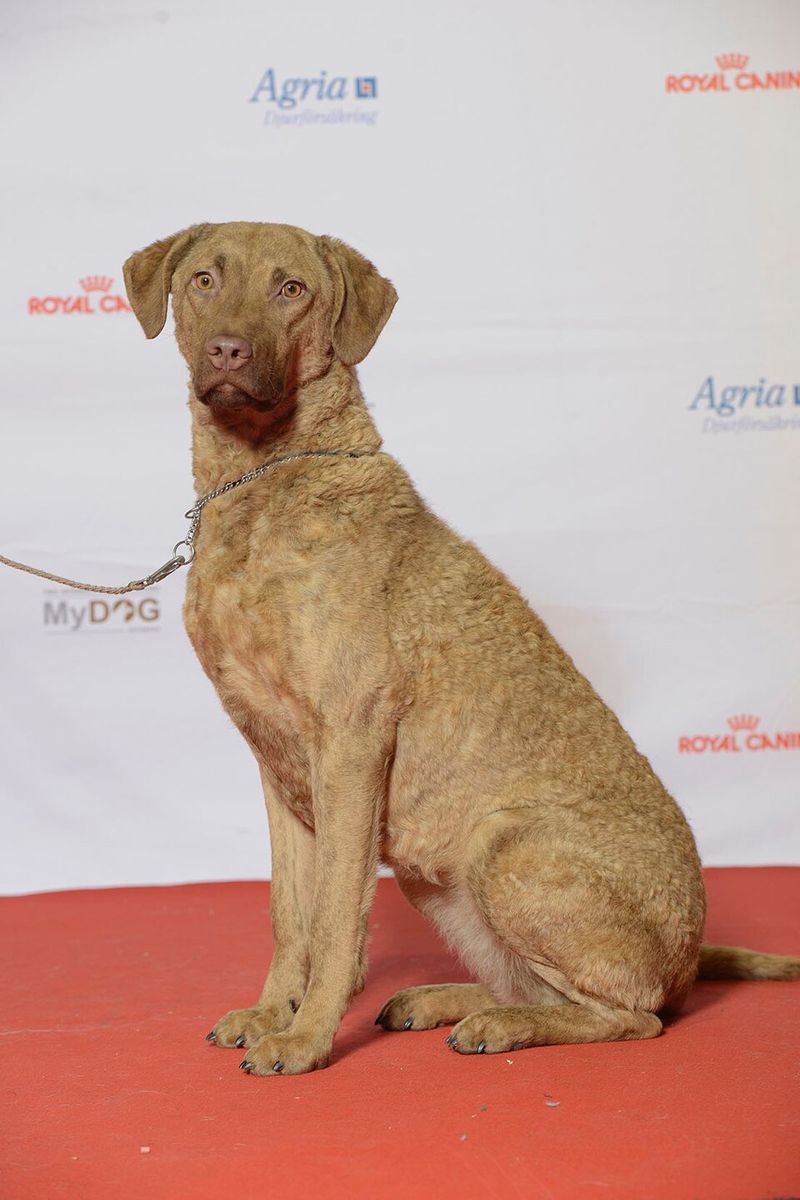
Chessies are tough, driven workers that thrive in rough water, but blooms can sideline even the strongest retriever. Prioritize open, moving water with public testing instead of marshy backwaters.
Use a rinse station or portable sprayer to wash oils and algae off immediately.
Because they are independent, proof impulse control around shoreline birds and fishy smells. A basket muzzle can prevent spontaneous drinking in risky areas while still allowing panting.
Reward choosing clean paths over muddy inlets to build safer habits.
Store decoys and training bumpers clean, not in algae stained buckets. Monitor for gastrointestinal upset, weakness, or disorientation after sessions.
If symptoms appear within hours, go straight to a veterinarian and bring photos of the water.
Nova Scotia Duck Tolling Retriever
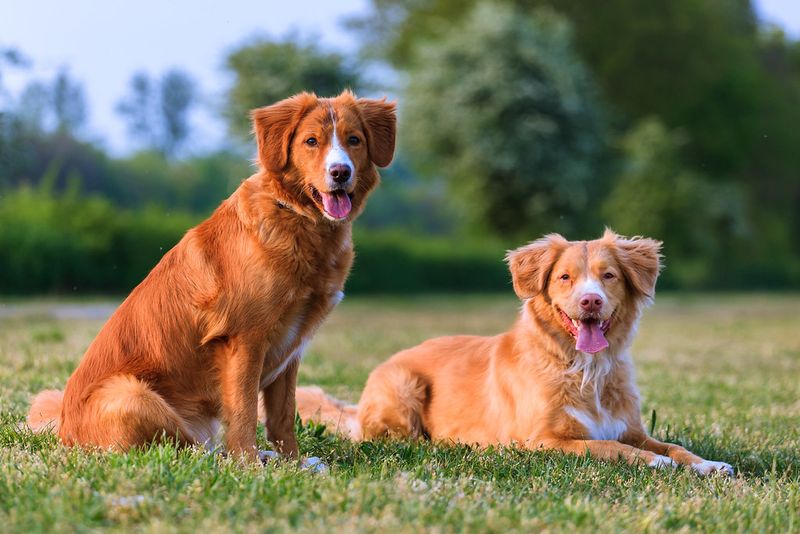
Tollers are curious, agile, and quick to splash in shallows where algae concentrates. Before play, scan for dead fish, surface mats, or a sour smell that hints at toxins.
Keep toss games to deeper, clear zones with visible bottom and good circulation.
Bring a squeeze bottle to rinse paws and fur right after exiting the water. Practice a drop cue so they do not carry slimy sticks or clumps.
Offer frequent sips of clean water and short breaks to curb accidental gulping.
Track local bloom dashboards and plan dawn swims when temperatures are cooler. If your Toller shows lethargy, pale gums, or vomiting, seek immediate veterinary care.
Share the site details to help authorities update warnings quickly.
Portuguese Water Dog
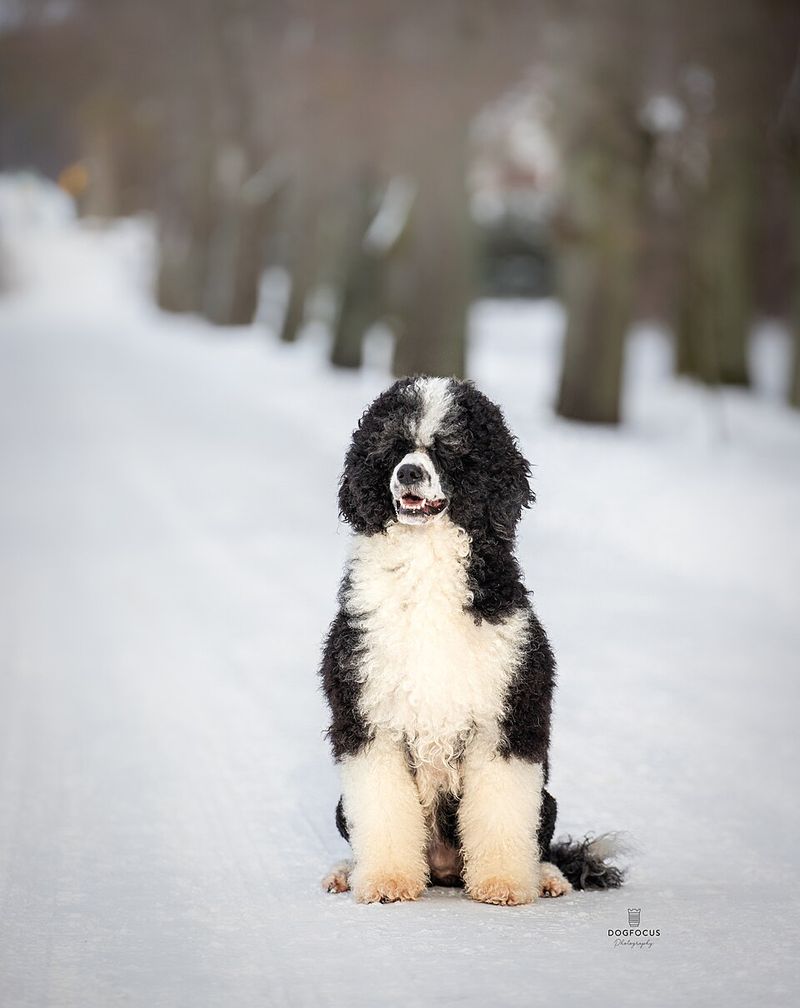
These energetic swimmers excel in choppy conditions but are tempted by any water access. Choose beaches with recent test results and avoid lagoons after heat waves.
Keep a long line attached for quick redirection if the water turns suspicious.
Rinse the curly coat thoroughly since tight curls can trap residue. Comb out tangles to reduce licking, then offer a towel dry and shade.
Bring high value treats to reinforce staying on designated clean entry points.
Teach a drink cue so your dog only drinks on permission from a bottle. Watch for drooling, weakness, or unsteady gait following water play.
If symptoms emerge, go to an emergency clinic and do not wait for them to pass.
Spanish Water Dog
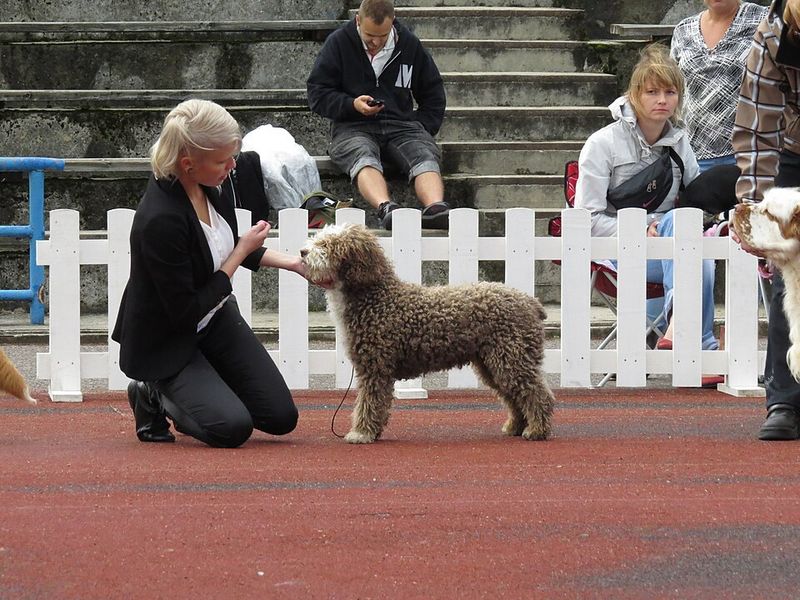
Spanish Water Dogs are bold explorers that love reeds and coves where algae often collects. Survey shorelines and skip areas with green films or paint like streaks.
Keep retrieves short and in open water with wind and wave action.
Their rustic curls can hold residue, so rinse thoroughly and dry well. Regularly trim around eyes and muzzle to reduce post swim licking.
Pack a lightweight sprayer and microfiber towel for quick cleanup on hikes.
Prevent free drinking by reinforcing heel and focus as you pass ponds. Learn emergency signs like collapse, seizures, or sudden vomiting.
Act fast and tell your vet the time of exposure to guide decontamination and treatment.
Barbet
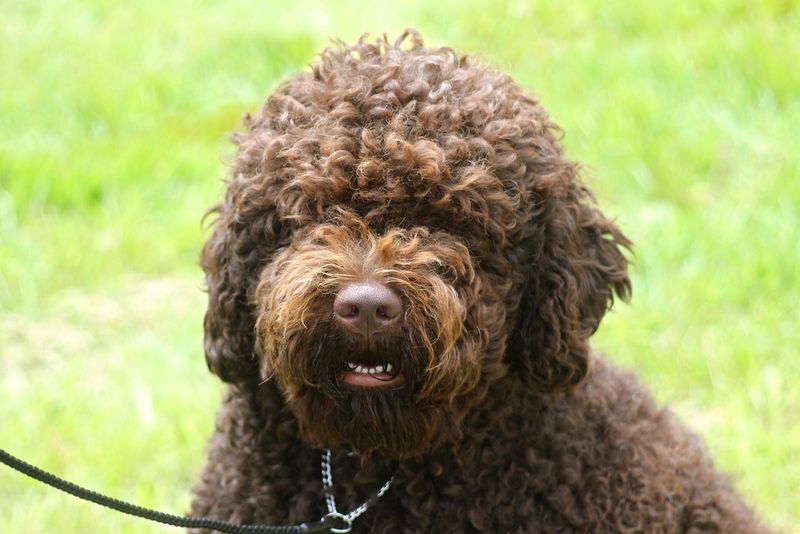
The Barbet is a cheerful, splash ready companion that thrives on outdoor adventures. Warm, stagnant bays tempt them, so scout for clear entry points with visible sand.
Use a harness and long line to steer around suspect edges and shallow sloughs.
After swims, rinse their woolly coat and wipe the face to limit licking. Build a habit of drinking from your bottle only, never from puddles.
Keep sessions short in late afternoon heat, when blooms intensify.
Check regional advisories before weekend getaways and save emergency vet locations. If you notice diarrhea, tremors, or sudden weakness after water play, seek urgent help.
Better to switch to scent games ashore than risk a contaminated swim.
Lagotto Romagnolo
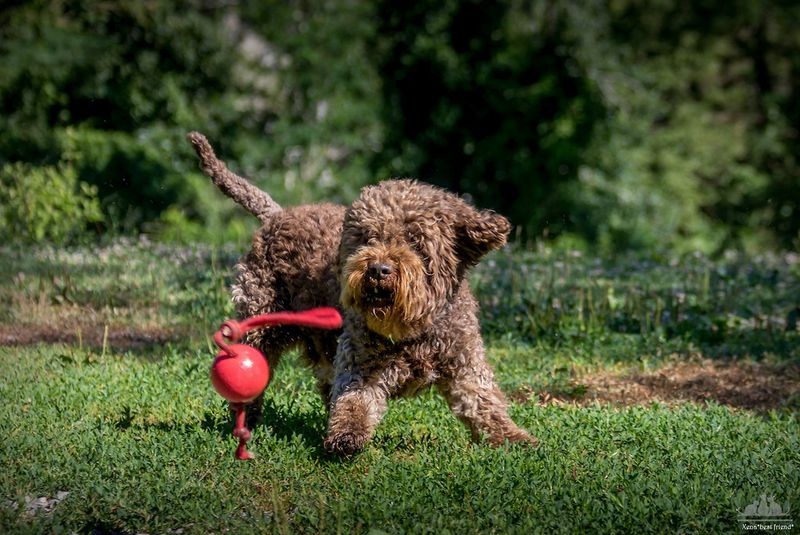
Lagotti are inquisitive and love sniffing along muddy edges where toxins concentrate. Keep them engaged with nose work on dry land when conditions look sketchy.
If water time is essential, choose clear, flowing streams with rocky bottoms.
Rinse the dense curls and check between toes for residue. Reinforce a strong leave it with sticks, clumps, and shoreline wildlife.
Offer frequent clean water sips to prevent opportunistic drinking while exploring.
Monitor local reports after heat spikes and consider morning outings when blooms are less active. Watch for stumbling, drooling, or collapse following exposure.
Bring photos of the site and any vomit to the vet to speed triage and care.
Irish Water Spaniel
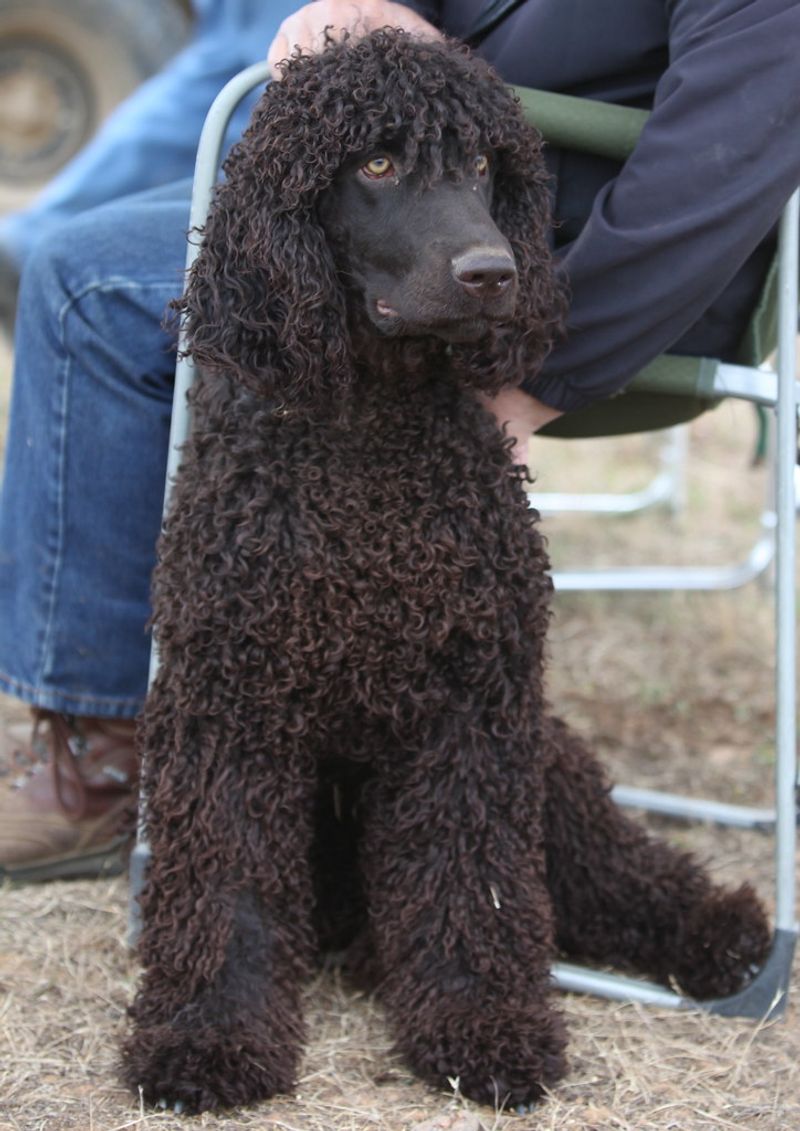
This athletic spaniel has a waterproof coat and endless enthusiasm, which can override caution. Avoid coves with stagnant film or unusual colors and pick windy shores instead.
Keep sessions short in peak heat and rest in shaded areas.
Rinse thoroughly, especially the rat tail and chest, then towel dry to reduce licking. Train an emergency recall that interrupts mid chase excitement near risky water.
Use treats and toys to reward returning to you immediately.
Carry activated charcoal only if your vet advised it beforehand. If your dog shows twitching, drool strings, or sudden vomiting after swimming, seek emergency help.
Quick action and a precise location history can make a lifesaving difference.
Flat-Coated Retriever
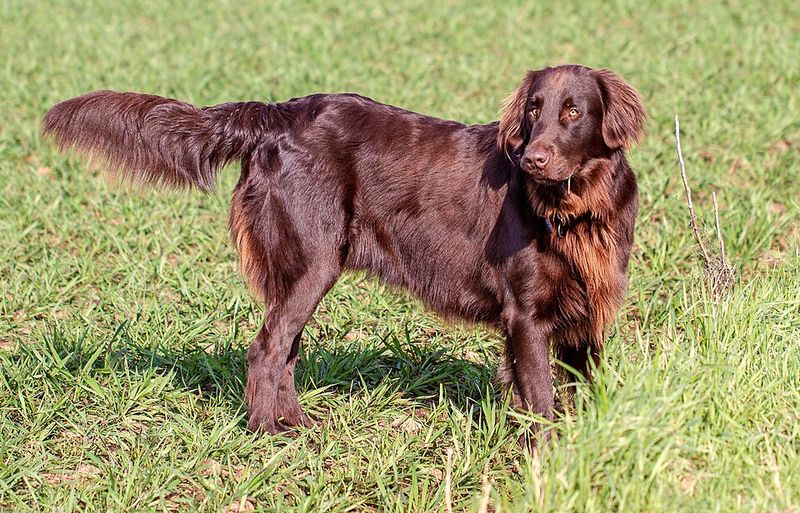
Flat Coats are joyful and single minded when chasing toys into water. Shift fetch games to grassy fields if you notice green scum or unusual odors.
Seek deeper, moving water with lifeguard testing instead of quiet coves.
Rinse that silky coat and brush after drying to remove residue that encourages licking. Keep a water bottle handy and offer frequent drinks to prevent gulping from shorelines.
Reinforce leave it around sticks and shoreline debris.
Check county dashboards for bloom alerts before road trips. If your dog shows confusion, weakness, or vomiting, contact an emergency vet immediately.
Provide the approximate exposure time and body weight so treatment can begin without delay.
Curly-Coated Retriever
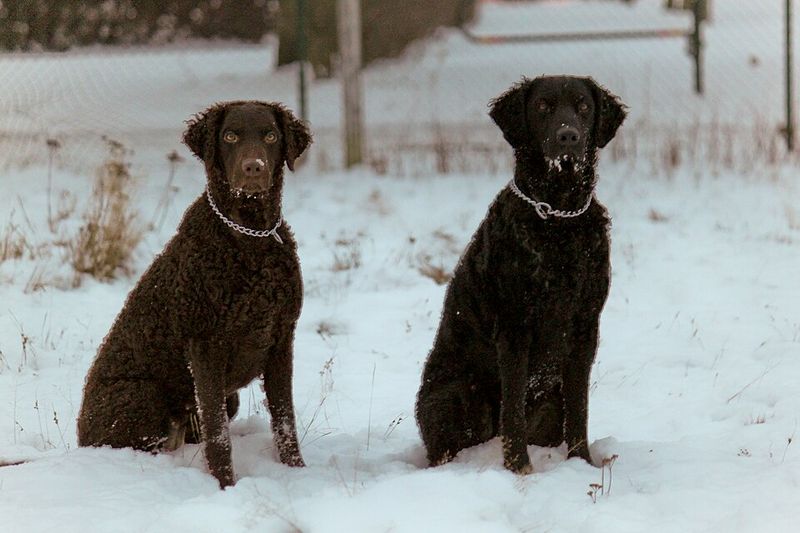
Curly Coats are powerful swimmers that push into reeds and marsh edges if allowed. Keep them on leash near unknown lakes and release only after a clear scan.
Favor boat ramps with clean concrete entries and visible bottom.
Rinse the tight curls and check armpits, groin, and between pads where residue sticks. Build a strong recall and reward choices to return rather than investigate scummy corners.
Bring fresh water, shade, and a first aid card with emergency contacts.
Plan outings around cooler times and recent water testing updates. Sudden drooling, stumbling, or seizures warrant immediate veterinary care.
Avoid denial and get help fast, then report the site to protect other dogs and people.