
If your dog lives for fetch, you already know toy drive is more than a quirk. It is a lifestyle that fuels focus, training success, and endless grins during one more throw.
Meet breeds that will clock extra hours for a tennis ball and then ask for overtime. Ready to find your perfect fetch partner and tire out that unstoppable brain and body?
Belgian Malinois
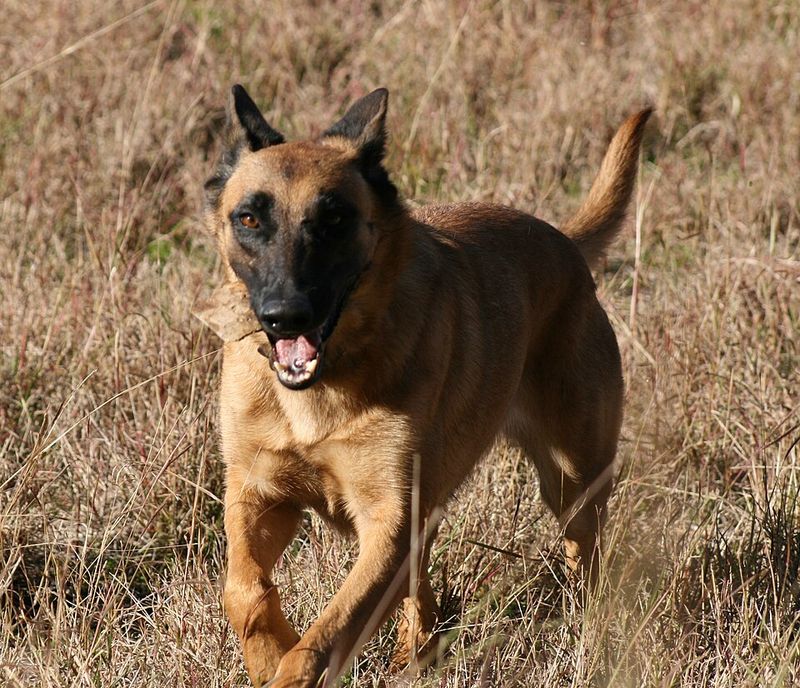
Few breeds channel obsession like the Belgian Malinois. Give this dog a ball and watch laser focus ignite, turning play into a mission.
You will get acceleration, precision catches, and that unblinking stare that asks you to throw again now.
Because the drive is sky high, structure matters. Short, frequent sessions keep arousal in the sweet spot and prevent meltdown.
Layer obedience into fetch using sits, downs, and outs between throws to sharpen clarity.
Malinois thrive on jobs, so swap balls for tugs, rollers, and flirt poles to vary the picture. Use a release word to control access to the toy, and finish with calm decompression.
If you love intensity, this is your relentless teammate.
Border Collie
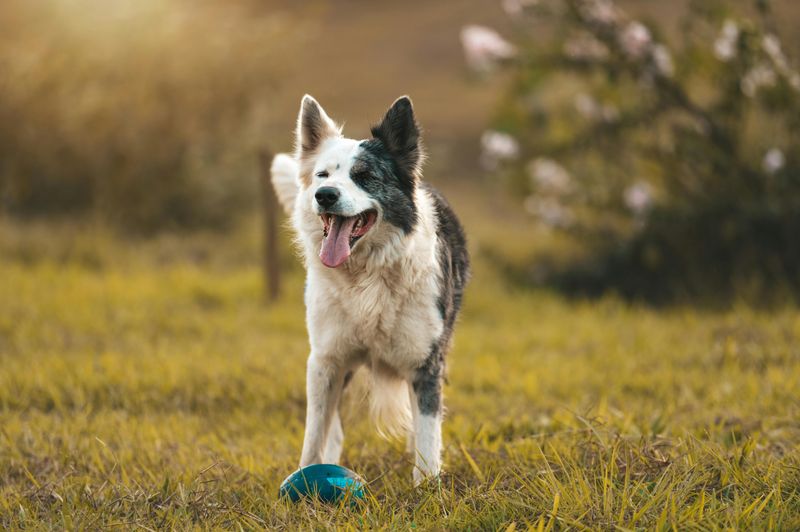
Border Collies bring chess player brains to a ball game. That focus puts you in control of a rocket that anticipates trajectories and reads micro cues.
Use it well and you will see perfect outs, lightning recalls, and calm holds between throws.
Because patterns form fast, rotate games: short fetch, shaped retrieves, and hidden ball searches. Add impulse control with place stays while you toss decoys, then release for the real reward.
Mental work drains this breed more than mindless sprints. Teach them to switch off by ending with a sniffy walk or settle mat.
Keep your throws low impact, watch joints, and use soft fields. When brains and ball align, magic happens.
Australian Shepherd
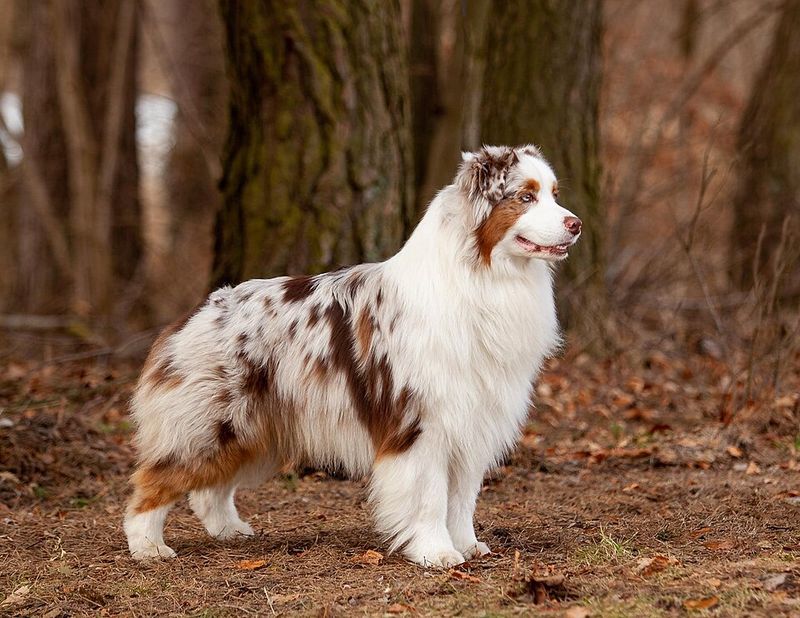
Australian Shepherds mix bouncing enthusiasm with serious work ethic. A ball brings out their herding-style eye and quick pivots that slice across the field.
Keep throws thoughtful, because this breed will happily run through fatigue to please you.
Use markers to create clean routines: fetch, front, sit, out, heel, release. Sprinkle in directionals and go-around posts to channel that natural outrun instinct.
If arousal spikes, slip into hand targets or spins to reset.
Variety prevents rehearsal of frantic patterns. Alternate retrieves with tug and scent hides, and build duration on a mat before each throw.
Protect joints by warming up with figure eights and backing up. When guided, this dog turns play into harmony.
German Shepherd Dog
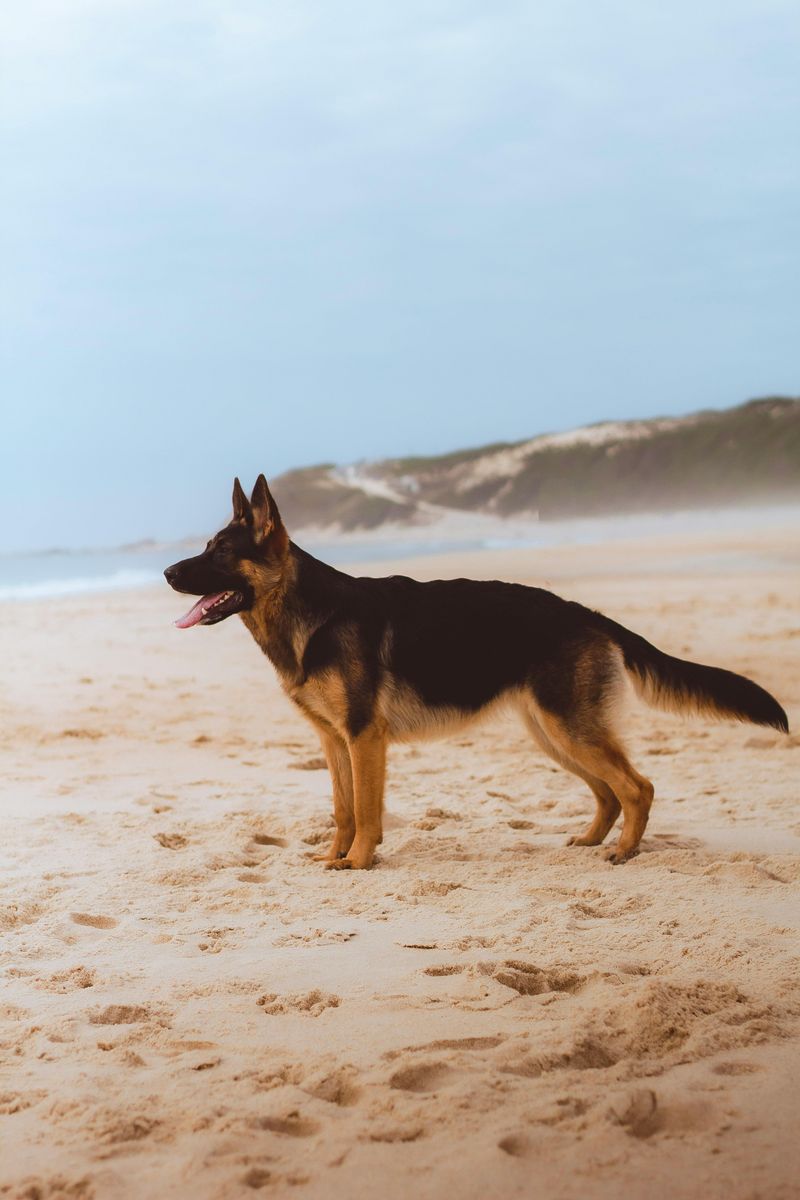
German Shepherd Dogs bring purposeful intensity and big hearts to ball work. That deep grip and confident stride make every retrieve feel like a mission.
Use structured reps, clear outs, and consistent markers to channel the engine without chaos.
Warm up hips and spine with cavaletti and gentle trot work before explosive throws. Keep surfaces safe and distances moderate to protect joints, especially for young dogs.
Mix obedience with play to reinforce reliability under arousal.
GSDs bloom when they understand rules. Build a strong release word, practice neutrality to dropped toys, and reward calm holds at heel.
Add problem solving with hidden retrieves. With balanced engagement and rest, this partner will work all day.
Dutch Shepherd
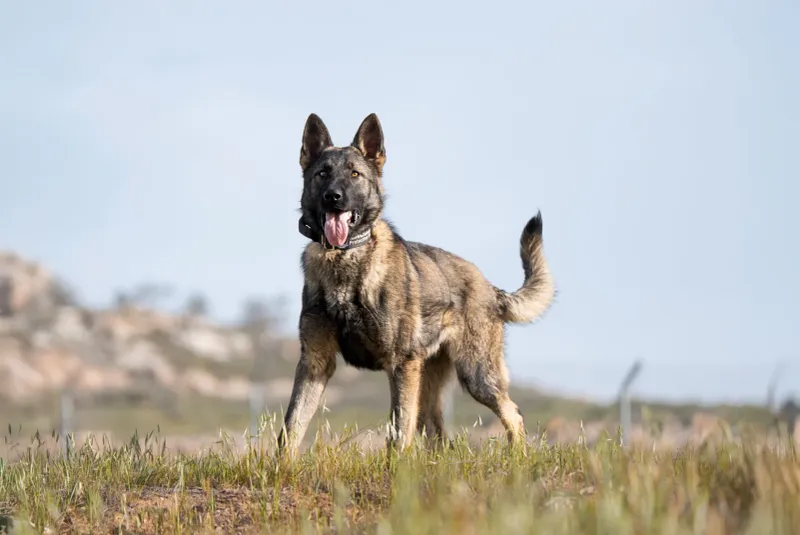
Dutch Shepherds are gritty, clever, and relentless when a toy is in play. Expect springy acceleration, tight turns, and a firm, satisfied hold.
They love patterns, so turn fetch into a job with checkpoints and decisions.
Use two-toy games to build clean outs and reduce guarding. Insert obedience between throws and reward with the chase, not just possession.
If arousal spikes, pivot to nosework or platform work to settle the brain without ending fun.
Protect that hard body with warm ups and cool downs. Keep surfaces varied but safe, and avoid repetitive high jumps.
When you bring structure, the Dutchie brings grind and joy, happily clocking overtime for one more toss.
Doberman Pinscher
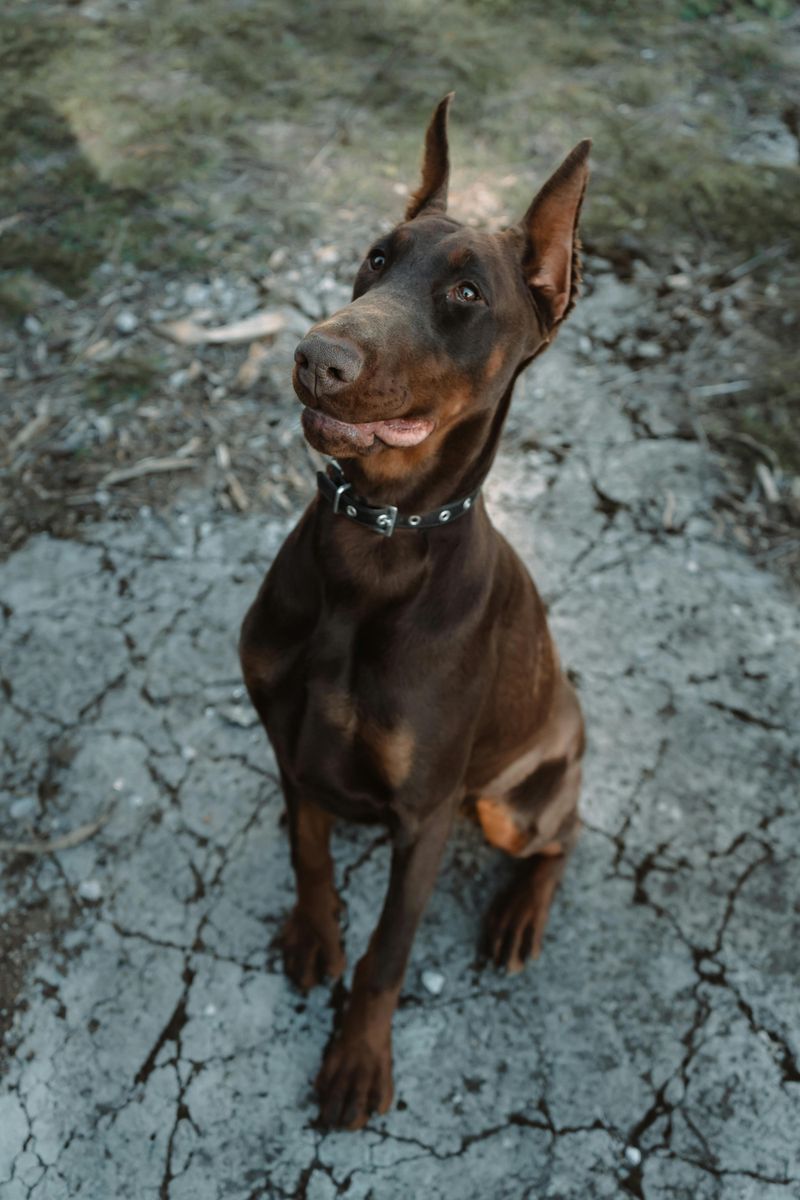
Dobermans combine elegance with a powerful desire to engage. For many, the ball flips a serious switch, unlocking sleek sprints and confident grips.
Keep sessions short and precise to match their thoughtful, sensitive nature.
Shape clean outs by trading for a second toy and marking the release. Add heeling into play so you can steer arousal without shutting down drive.
If the dog fixates, reset with place work and reward calm eye contact before the next throw.
Mind body care: warm shoulders, avoid slippery ground, and choose softer balls to protect teeth. End before fatigue turns sloppy.
With fairness and timing, your Doberman will give sharp, stylish effort every single rep.
Jack Russell Terrier
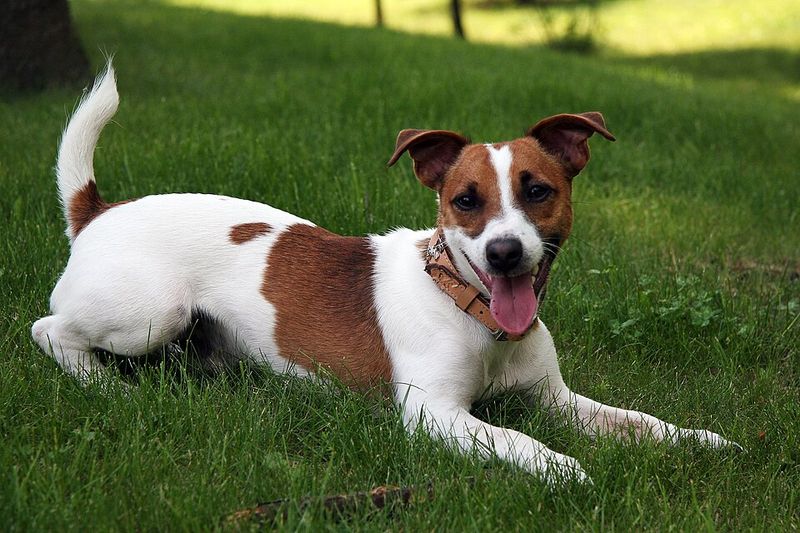
Jack Russell Terriers are pocket rockets built for pursuit. A simple ball becomes a mission that includes pouncing, shaking, and victory laps.
Channel that tenacity with quick reps, frequent breaks, and clear rules about outs.
Two-ball games reduce possessiveness while keeping the chase alive. Teach a hold and present behavior so the dog delivers to hand rather than dropping at your toes.
Mix in dig-box searches or scent games to satisfy their hunting brain.
Protect joints by keeping throws short and low. Soft surfaces are your friend, and a warm up prevents bangs.
End on a successful out and a calm settle. With structure, this tiny athlete works like a big dog.
Parson Russell Terrier
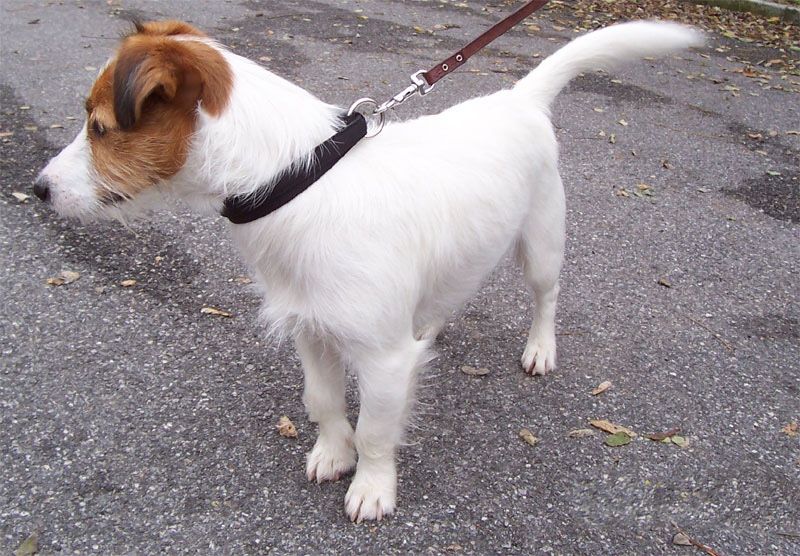
Parson Russell Terriers bring classic hunt drive wrapped in clean lines and endless bounce. Give them a ball and you unlock darting sprints, springy jumps, and enthusiastic victory shakes.
They shine with routines that ask for clarity and speed.
Use place to cue impulse control, then release to chase for the jackpot. Teach a deliberate deliver-to-hand and pay heavily for the moment of cooperation.
Rotate games to avoid rehearsing frantic patterns and to keep think first, chase second.
Short grass, soft balls, and warm ups protect joints. Layer nosework between fetch sets to satisfy the terrier brain.
Keep your timing crisp and cheerful. With a fair plan, this dog will work until your arm gives up.
Australian Cattle Dog
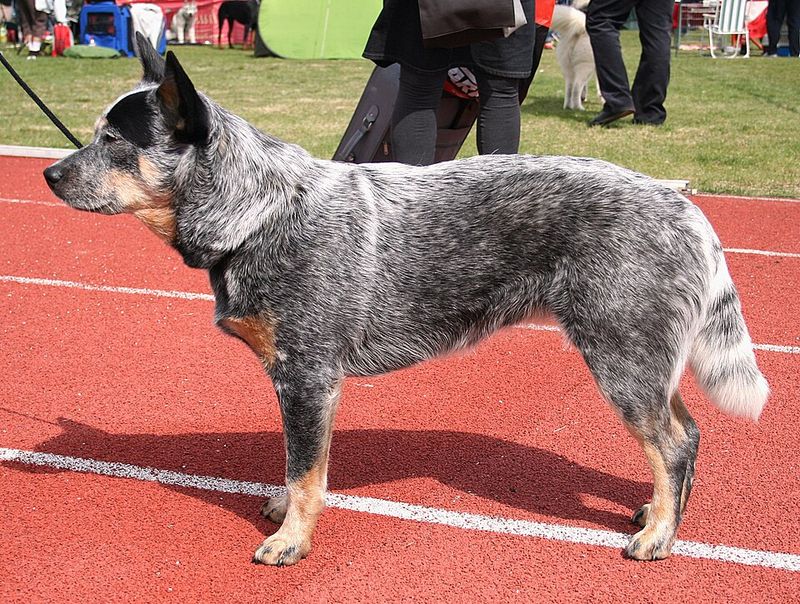
Australian Cattle Dogs are gritty problem solvers with stamina to spare. A ball turns into a task that demands precision, drive, and satisfaction.
Expect heel nips at your ankles if you stall, so keep the session purposeful and clear.
Use directional cues and “go around” posts to tap herding instincts without chaos. Two-toy trades build clean outs and reduce guarding.
Sprinkle in platform work and calm eye contact to reset arousal between throws.
These compact athletes need joint-smart play. Warm up, keep throws moderate, and favor soft ground.
End with decompression sniffing so that off switches grow strong. When work meets play, this breed brings blue-collar joy to every retrieve.
Labrador Retriever
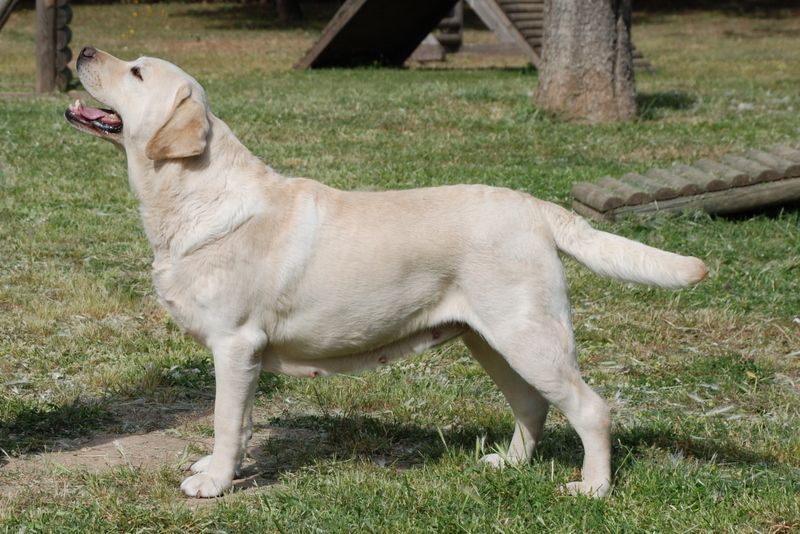
Labradors were born to carry things and grin about it. Water, field, backyard, it does not matter.
Hand them a bumper or ball and you get happy power, steady grips, and eager returns that make training feel easy.
Use retrieves to reinforce obedience: sit for send, deliver to hand, and hold until release. Keep sessions short to avoid sloppy mouthing.
Add water work and memory retrieves to challenge the brain while sparing joints.
Labs love repetition, so protect shoulders and keep surfaces soft. Mix tug and sniff breaks to prevent over-arousal.
End with calm petting and a settle on a mat. With gentle structure, this joyful athlete will chase your heart and every ball.
Golden Retriever
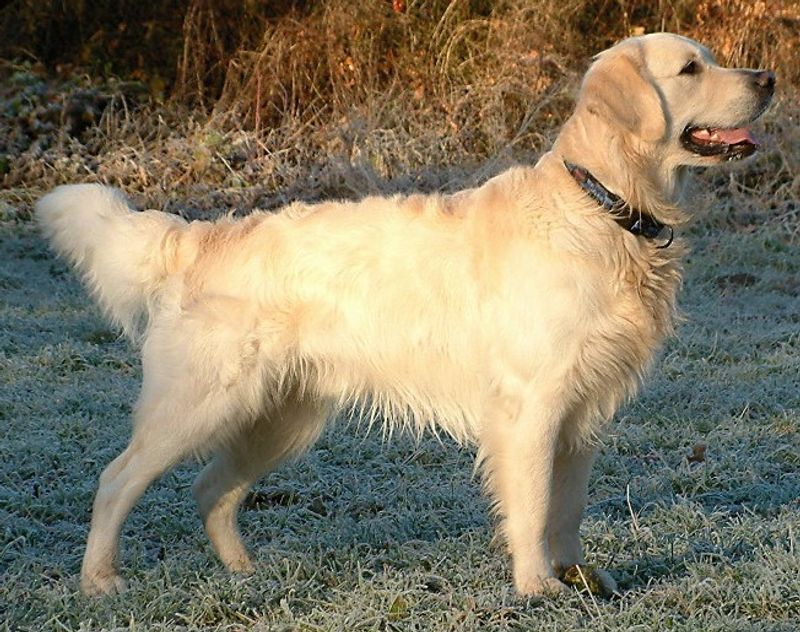
Golden Retrievers bring sunshine to every fetch session. Their soft mouths, steady enthusiasm, and eager-to-please mindset make ball work a training dream.
You get consistency and heart, as long as you keep the plan clear and upbeat.
Teach reliable holds and hand deliveries early to prevent drops. Use sits and eye contact before release to build impulse control.
Layer in memory retrieves and short blind searches to engage that quick learner brain.
Goldens can overdo it for your praise, so watch fatigue and keep throws joint friendly. Rotate toys and add scent games to keep thinking sharp.
End with gentle brushing or a cuddle cool down. This partner will fetch love all day.
Poodle
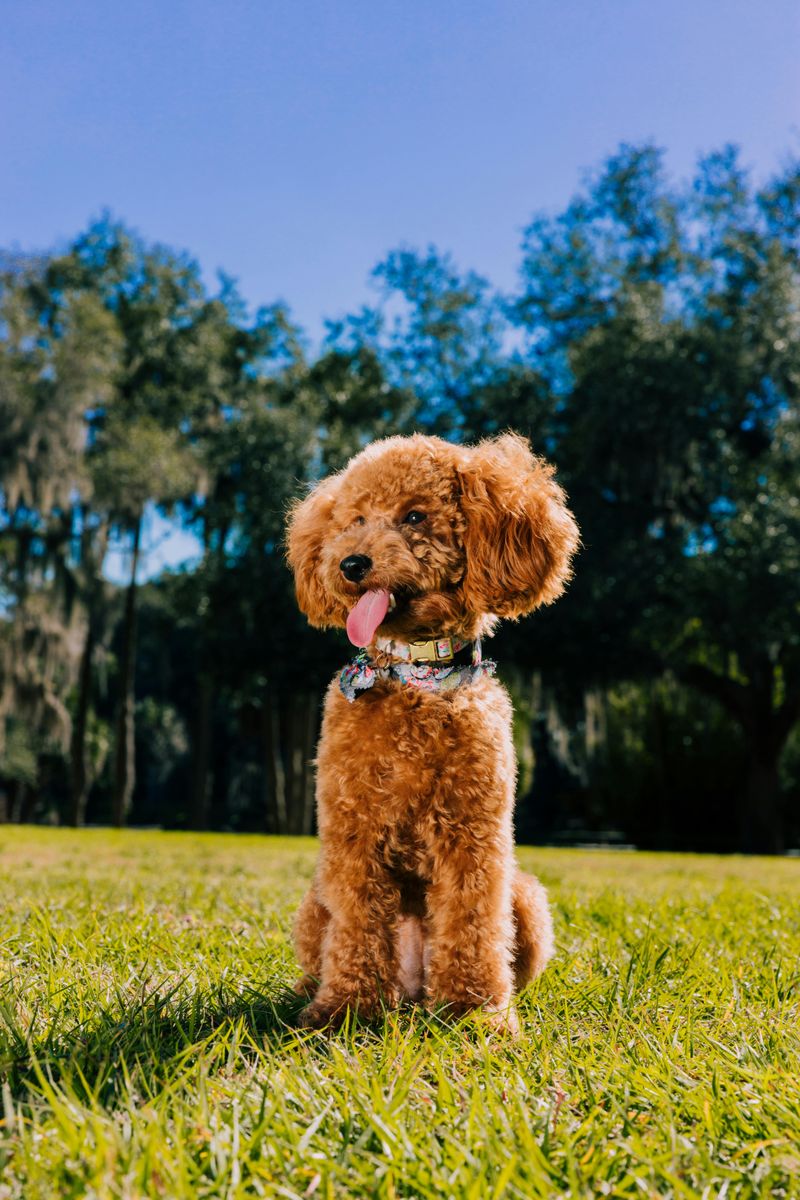
Poodles are thinkers wrapped in athletic elegance. Give them a ball and you will see nimble footwork, smart problem solving, and stylish catches.
They love patterns, so use clear start and stop cues to frame the game.
Build deliver-to-hand with calm holds and generous reinforcement. Insert obedience between throws and reward thoughtful choices, not frantic motion.
For variety and joint safety, mix ground-level rollers, tug, and brief scent searches on sand or grass.
Poodles read your energy fast, so keep tone light and instructions precise. Warm up hips with spins and side steps, and finish with a relaxed stroll.
When fun meets clarity, this breed gives you joyful, sustainable drive all day.