
Words shape how safe your dog feels with you, especially in confusing moments. Some phrases we toss out without thinking can accidentally spike stress and erode trust.
The good news is one small change in language can flip chaos into cooperation fast. Here are ten common lines to rethink, plus kinder replacements that protect security.
No
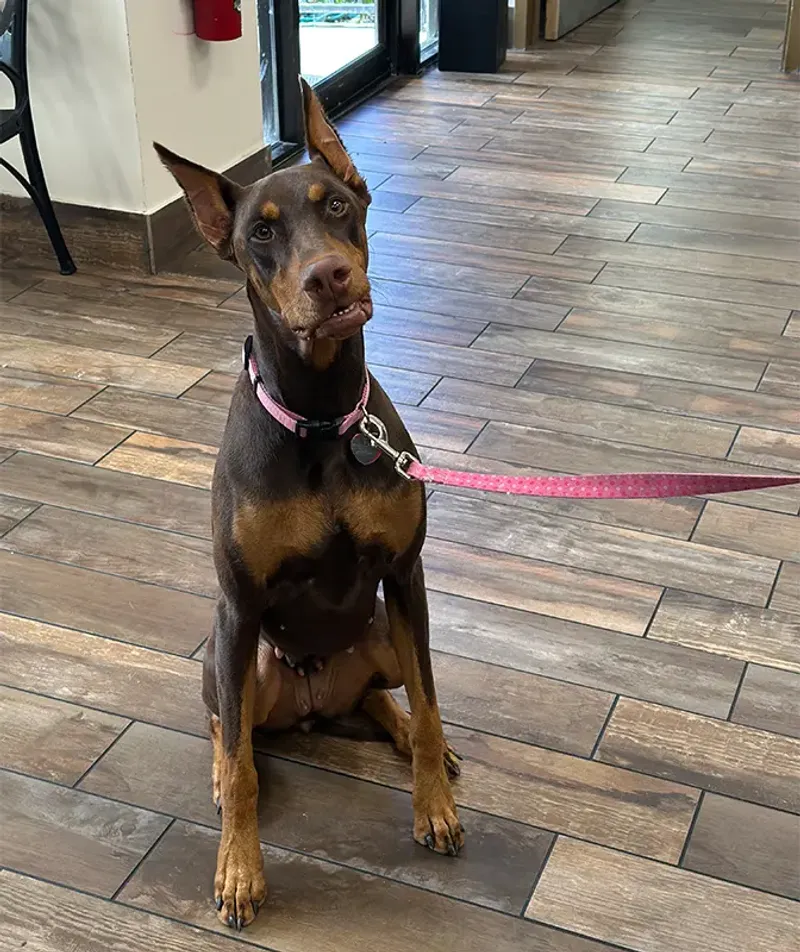
No is short, sharp, and often carries more threat than guidance. When you blurt it reflexively, your dog may freeze, guess, or simply feel unsafe around you.
Security grows when feedback is specific and teachable, not vague and punishing.
Replace No with a clear cue plus an immediate alternative you can reward. Try Leave it, then capture a sit, look, or move away behavior and pay generously.
Your dog learns exactly what turns off the pressure and what earns safety, predictability, and you.
Practice in low distraction spaces so timing and tone stay calm and consistent. If No slips out, immediately follow with guidance and reinforcement to repair clarity.
Soon your dog will trust that information, not intimidation, guides every interaction.
Bad dog
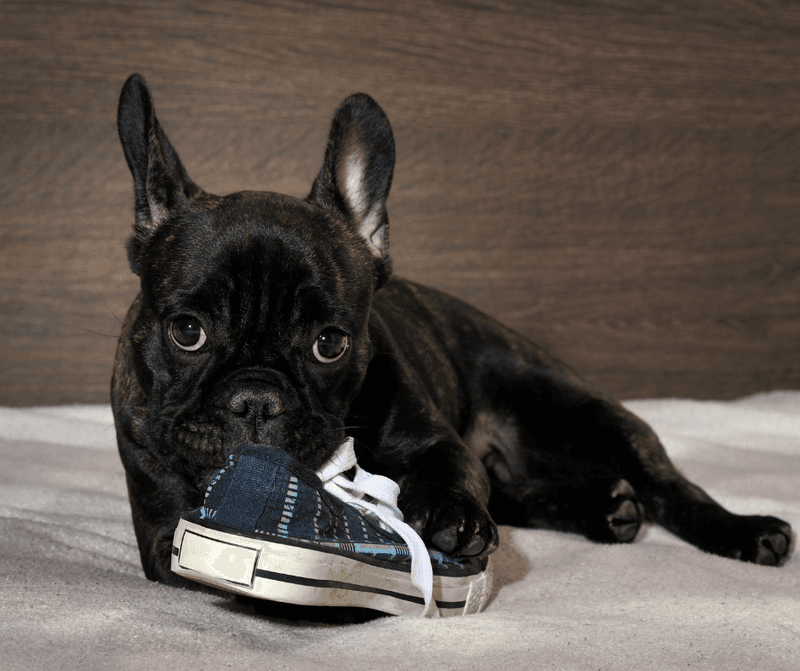
Bad dog sounds personal, and dogs read that emotional heat as social danger. Repeated labels do not explain what behavior earned the outburst, so confusion grows.
Confused dogs experiment, shut down, or avoid you, which erodes secure attachment.
Trade the label for information that marks the exact moment to change. Use an interrupter like Uh oh, then cue a simple incompatible action you can praise.
Deliver treats, play, or access to life rewards when the new choice happens.
Soon bad moments become teaching moments, and your voice predicts clarity, not threat. That shift builds resilience, while your relationship gains warmth and trust.
A secure dog learns faster because safety keeps the brain open to learning.
Stop it
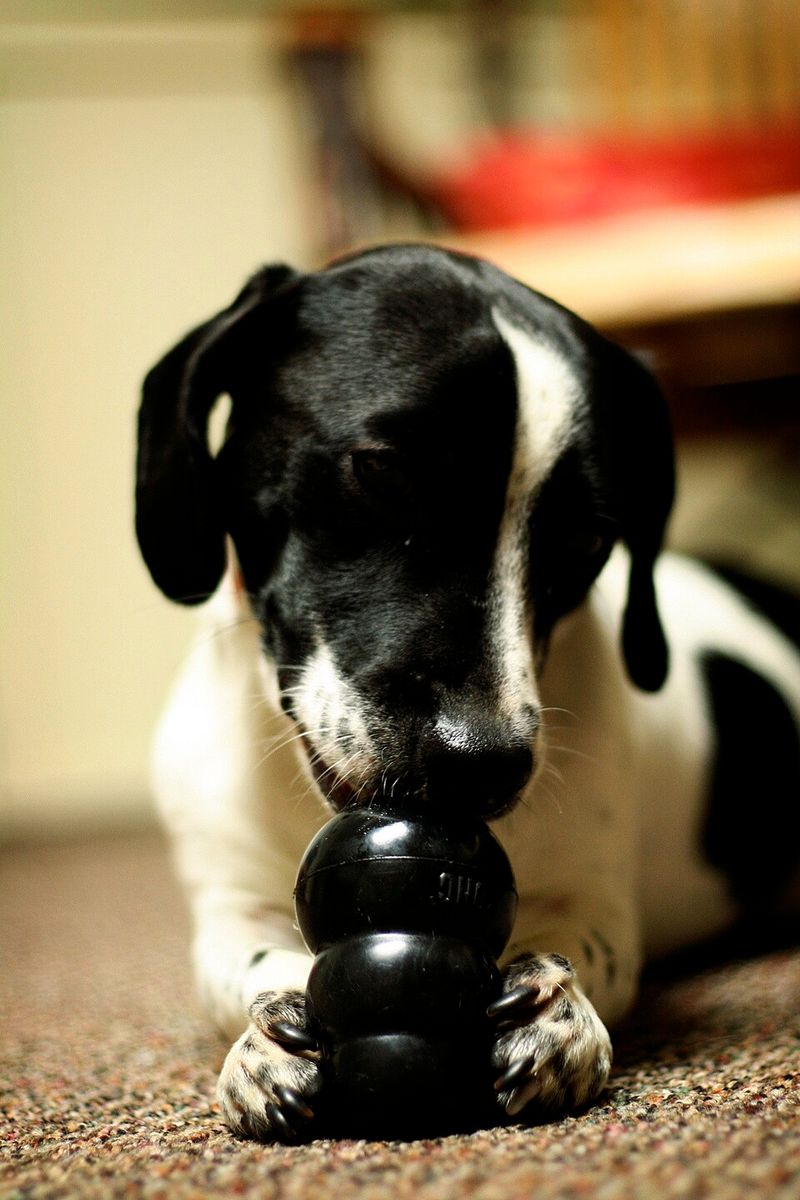
Stop it is vague, so your dog must guess which behavior needs to end. Guessing under pressure triggers stress, and stressed learners struggle to think clearly.
Over time that tone can predict conflict instead of guidance and support.
Name the behavior and give a do instead that earns reinforcement quickly. Try Drop it, Off, or Quiet paired with a treat scatter, chew, or settle mat.
Mark Yes the instant your dog shifts, then reward generously to anchor confidence.
Clarity turns conflict into cooperation, and your voice becomes a reliable compass. Practice calm delivery so the cue feels safe even during exciting moments.
Security grows when choices are simple, rehearsed, and richly reinforced. That is how stopping becomes learning.
Why did you do that
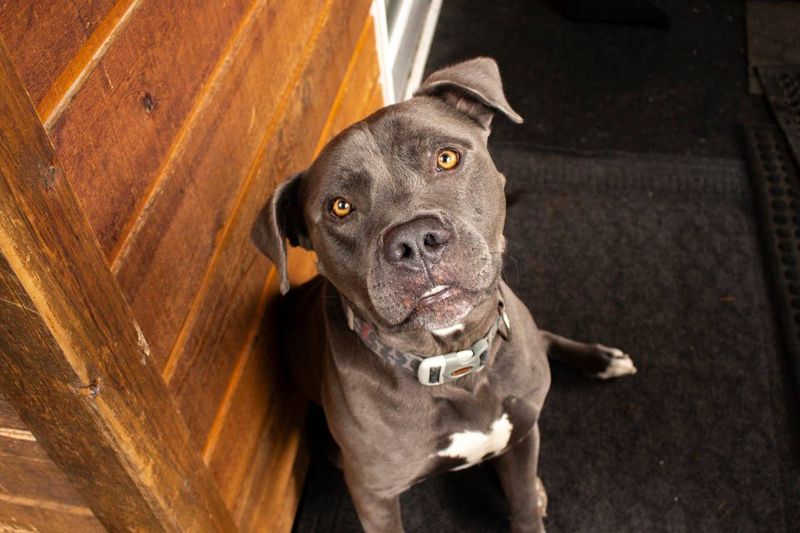
Questions invite explanation, but dogs hear tone and timing, not logic or blame. Why did you do that often lands as frustration, which raises arousal and anxiety.
Anxious dogs cannot assess options well, so mistakes repeat under stress.
Skip the courtroom and give immediate coaching your dog can succeed with. Interrupt gently, guide to an alternative, then reinforce like crazy for choosing it.
The brain stores what it practices most, especially under clear, low pressure outlines.
Later, adjust the environment so the right choice is easier next time. Your curiosity is useful when it designs better setups, not when it scolds.
Security grows when feedback is quick, actionable, and kind. That keeps trust intact during learning.
Shut up
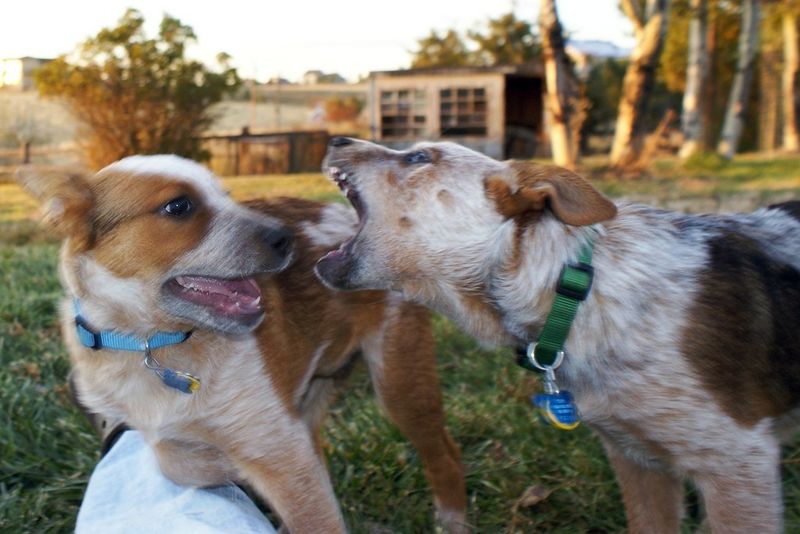
Shut up spikes threat, and threat pushes many dogs to bark harder or shut down. The phrase gives no map for success, only social heat pointed at the dog.
Safety drops, and the situation escalates or simmers with lingering stress.
Teach a quiet pattern by reinforcing stillness, orientation to you, and breathing breaks. Set up distance from triggers, add a scent sniff or chew, and pay generously.
Mark the first half second of silence, then build gradually as confidence returns.
Your voice should predict help, not hostility, during tough moments. When barking has a job, calm becomes reachable and repeatable.
That shift protects security while solving the actual problem. Everyone breathes easier, including you.
Progress follows.
Come here right now
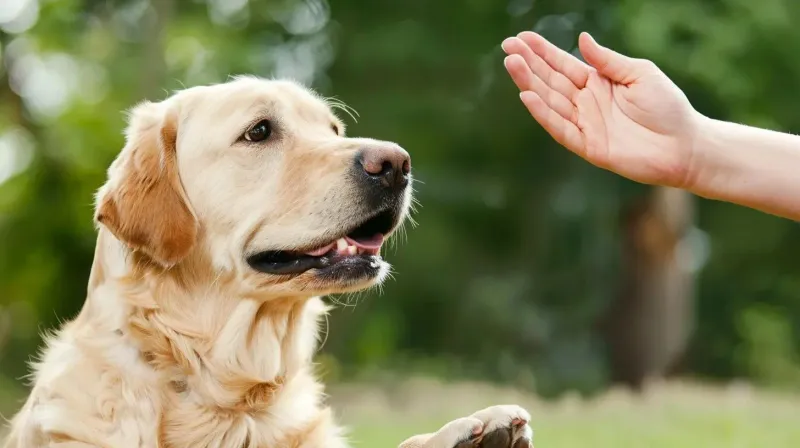
Stacking urgency on a recall can sound like trouble is waiting at your feet. Dogs remember whether coming ended play, scolding, or restraint, and many hesitate.
Hesitation under pressure slows learning and chips away at security.
Build a magnetic recall that always pays with food, games, or freedom back. Use cheerful sounds, toss a treat behind you, then run the other direction.
Clip the leash, feed again, release sometimes, and keep the ratio friendly.
Soon Come here predicts safety, partnership, and maybe another round of fun. Use urgency rarely, reserving it for emergencies, not routine management.
That balance keeps responsiveness high and your bond rock solid. Confidence grows when coming feels consistently safe.
Your dog will hurry happily.
What’s wrong with you
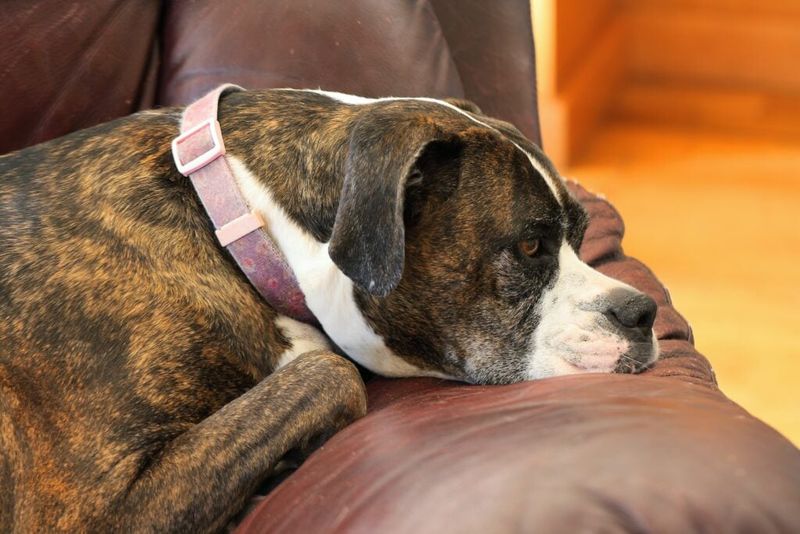
What is wrong with you frames your dog as broken, which hurts trust. Shame tones make social mammals seek distance or shut down to stay safe.
Distance from you means less guidance, slower learning, and more mistakes.
See behavior as information about needs, skills, arousal, and the environment. Ask What do you need, then make the next right choice easy and rewarding.
Reinforce liberally when your dog offers even tiny steps toward the goal.
Kind curiosity builds security, while skills grow through many small, successful repetitions. Your words become scaffolding, not judgment, and cooperation blooms.
That shift can change everything about training and life together. Security loves patient coaching.
So speak like a partner. It matters.
Don’t be scared

Telling a frightened dog Do not be scared dismisses the feeling driving behavior. Comforting words without action rarely change emotions, and sometimes they reinforce clinging.
Clinging can trap the dog near the trigger longer than needed, growing fear.
A better plan is create distance, breathe together, and give a simple job. Sniff this, look here, then treat scatter or retreat to safety.
Pair the trigger at low intensity with food until the dog predicts good things.
When behavior changes first, emotions follow, and security returns. Your calm leadership plus helpful structure beats wishful sentences every time.
The message becomes I will help you, not Just handle it. That promise builds trust.
Rehearse it often. Consistency counts.
Calm down
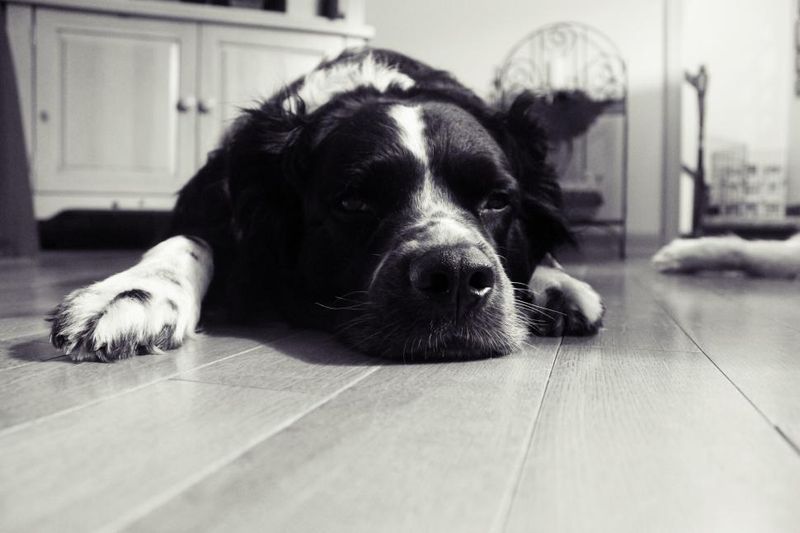
Calm down usually arrives when arousal is already high, which limits thinking. The phrase is content free, so your dog has no actionable next step.
That gap breeds frustration for both of you and prolongs the chaos.
Coach the body first, then the mind follows. Try a pattern of breathe, settle on a mat, or sniff a treat scatter.
Reinforce small slices of quiet, stillness, or eye contact, and build gradually.
Over time Calm becomes a cue connected to practiced actions, not a scold. Your voice will start a routine that feels familiar and safe to perform.
Security grows when bodies know exactly what to do. Practice during easy moments before you need it.
Then celebrate.
It’s okay (when reinforcing fear)
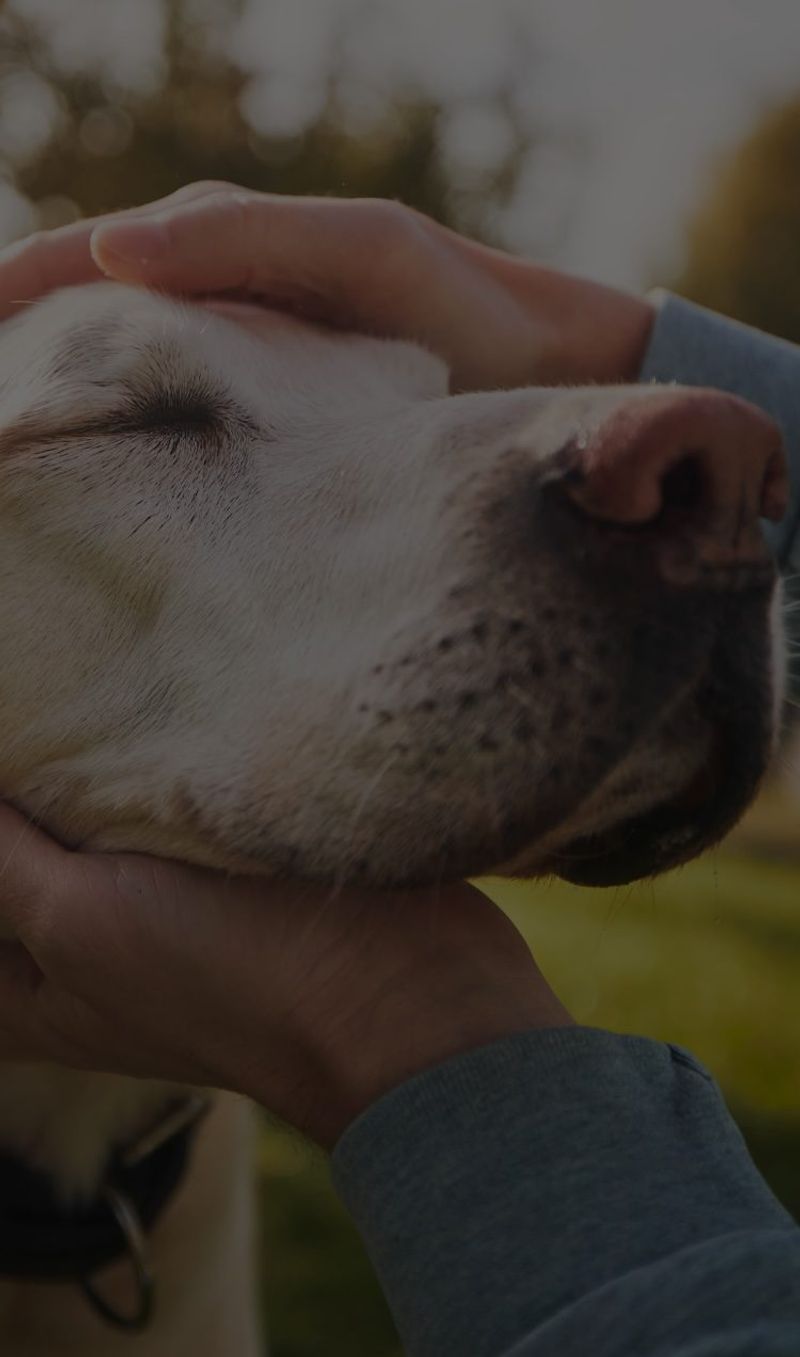
It is okay can accidentally become a predictor that the scary thing is close. If you pet and coo while your dog trembles, the pattern may stick.
Soon the words mean brace yourself, not safety is coming.
Change the association by pairing distance, control, and snacks with the trigger far away. Say It is okay while the dog visibly relaxes, not while panic climbs.
If tension rises, end the scene kindly, then try again smaller next time.
Over repetitions, the phrase regains its meaning because it matches real relief. Your dog will trust your forecast when comfort reliably arrives.
Security is built on accurate predictions, not wishes. Let evidence lead your language.
Then reward the calm.