
Long days full of noise, excitement, and constant decisions can drain even the friendliest dogs. That rising tension has a name right now trigger stacking and it explains why a sweet pup can suddenly melt down after a busy afternoon.
If you have an energetic breed, you might be seeing it more than most. Here are the dogs owners say hit their limit fast and smart ways to spot the signs before things boil over.
Border Collie
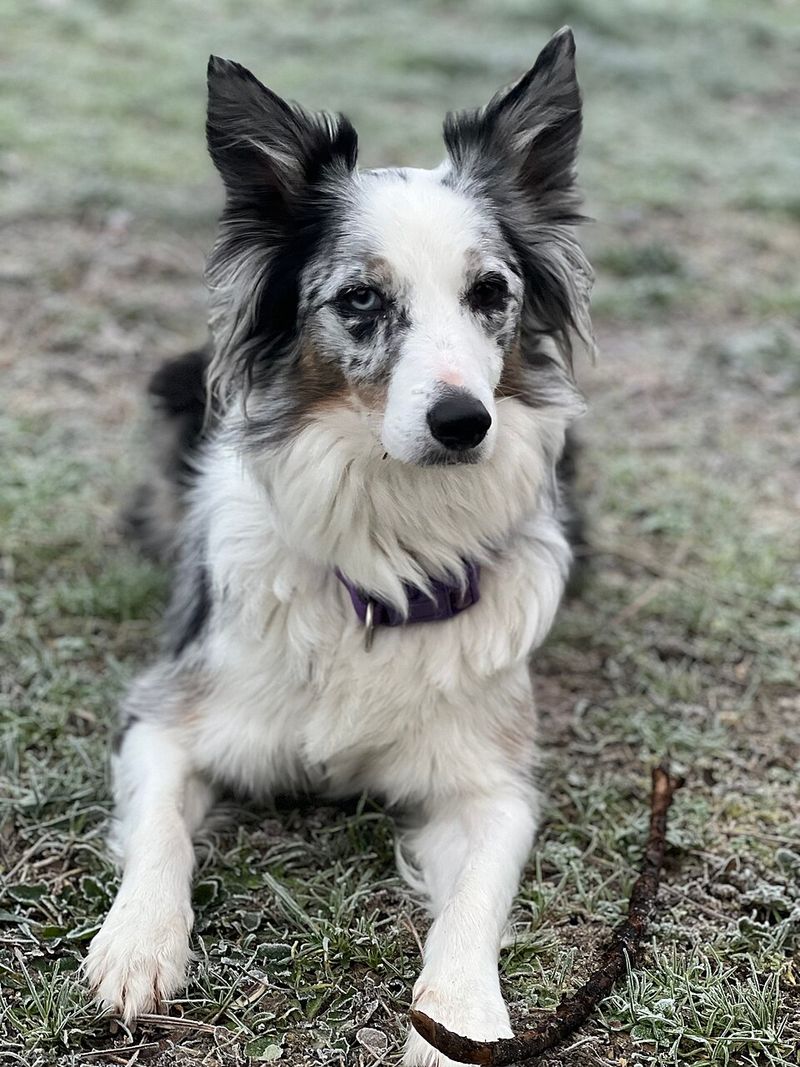
Border Collies are brilliant problem solvers, which means their brains collect tiny stresses quickly. A morning of fetch, a skateboarding kid, a doorbell, then the vacuum can build a stack that topples by dinner.
You might see lip licking, glassy eyes, or a sudden startle at small sounds.
When trigger stacking hits, give structure and decompression. Short sniffy walks, scatter feeding, and a cozy crate with a chew help reset the system.
Keep training snappy and simple, and let them choose quiet over constant tasks.
Think balance over more exercise. Mental rest matters as much as mileage for this breed.
Protect recovery windows, especially after agility, herding lessons, or crowded parks, and your Collie will bounce back smoother.
Shetland Sheepdog
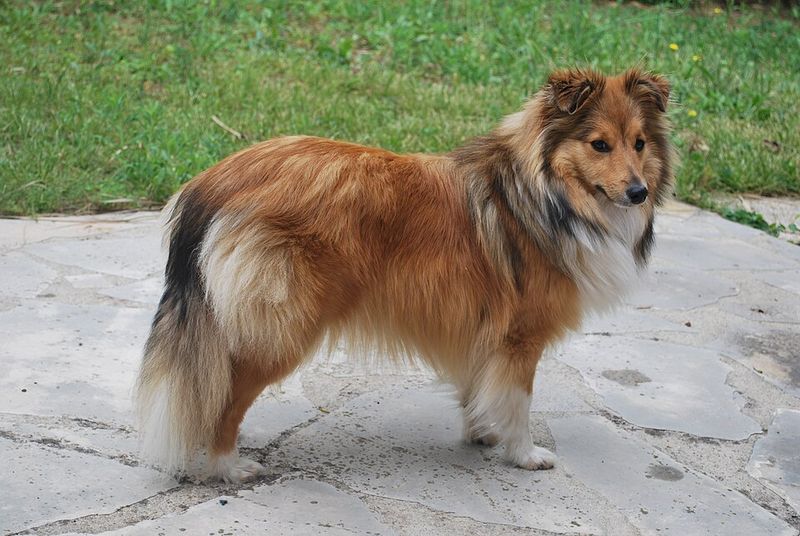
Shetland Sheepdogs pick up on everything, especially changes in routine and motion. After a bustling day with visitors, delivery trucks, and neighborhood dogs, they can seem overly barky or clingy.
Look for yawns when not tired, pacing, or a sudden refusal to settle in familiar spaces.
To lower the stack, use quiet games like find it with kibble, and offer a covered crate or a denlike corner. Keep greetings low key and add distance from exciting windows.
If training, end while they are still successful.
Predictability helps Shelties exhale. Schedule calm time after agility or obedience classes.
Gentle brushing sessions and slow sniff walks restore their confidence and keep small triggers from snowballing.
Australian Shepherd
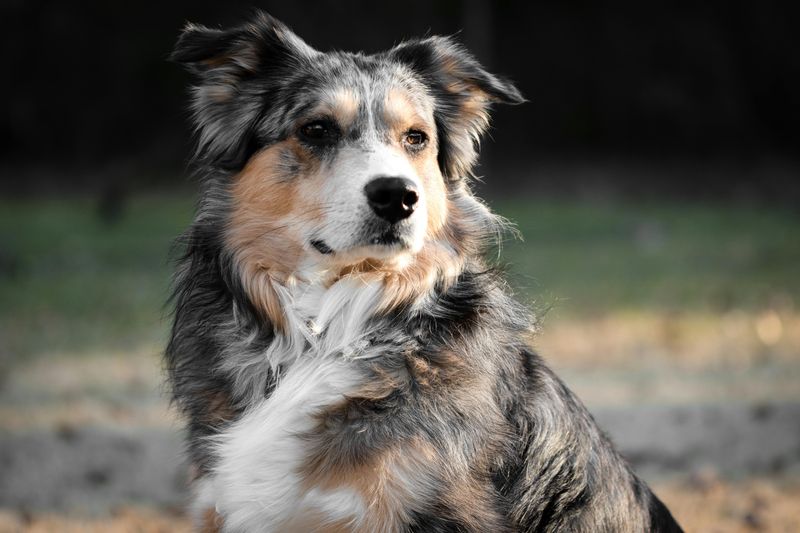
Australian Shepherds thrive on jobs, yet busy environments layer stress fast. After daycare, errands, and visitors, they might start shadowing you or barking at subtle movements.
Watch for head turns, stiffness when touched, and that classic whale eye when pressure climbs.
Prevent the pile up by planning rest between activities. Use food puzzles that encourage licking, and opt for calm training like place work or mat settles.
Dim lights, gentle music, and a predictable bedtime routine help tremendously.
When stacked, avoid high arousal fetch or rough play. Choose sniffy decompression walks or gentle tug with easy wins.
Consistent boundaries plus recovery days keep their sharp brains happy and their emotions balanced.
Miniature American Shepherd
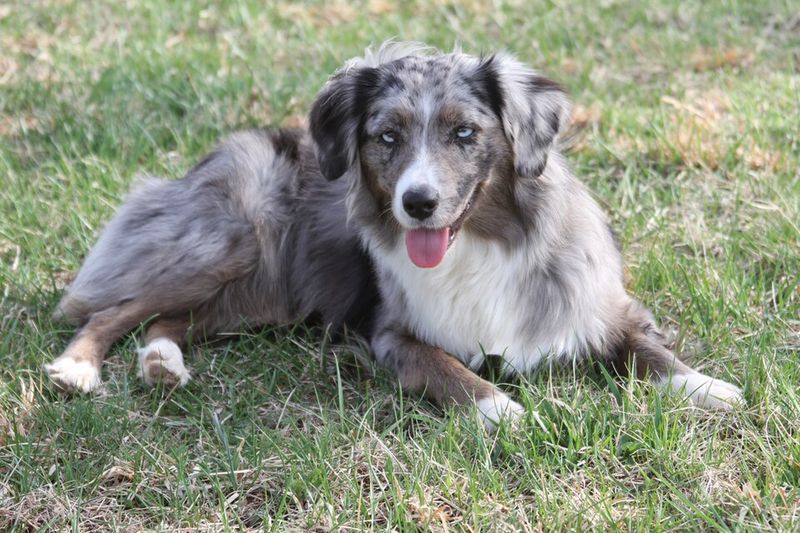
Miniature American Shepherds are turbo sized thinkers in compact bodies. A day full of errands, elevators, and dog friendly patios can stack tiny stressors until bedtime jitters appear.
You may notice zoomies, overreacting to hallway noises, or ignoring cues they know well.
Help them reset with predictable micro breaks. Offer a stuffed Kong, a quiet crate, or a simple scent game.
Keep training fun and short, favoring calm behaviors like chin rest and hand target to rebuild focus.
Be proactive on busy days. Plan a quiet decompression walk away from traffic, then lights down and soft chew time.
With structured rest, their spark returns without tipping into frantic energy.
German Shepherd Dog
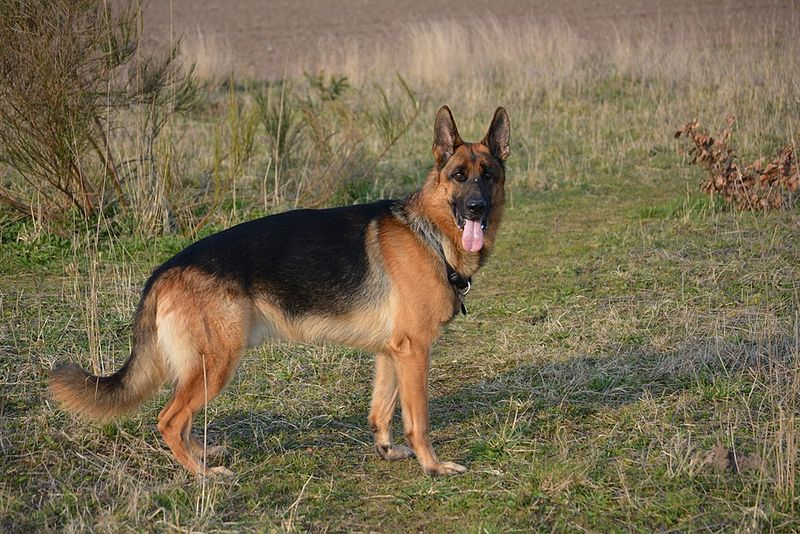
German Shepherd Dogs are vigilant by design, so city life can stack triggers quickly. After construction noise, crowded sidewalks, and doorstep deliveries, they may seem edgy or reactive on the evening walk.
Look for scanning, tight mouth corners, and delayed responses to familiar cues.
Break the cycle with structured downtime. Use mat training, place stays with calm rewards, and quiet chew sessions.
Keep outings purposeful and avoid stacking high arousal play on top of stressful errands.
Confidence grows with smart recovery. Short tracking games and nosework satisfy instincts without spiking arousal.
Add predictable routines around meals and rest, and you will see steadier behavior even on hectic days.
Belgian Malinois
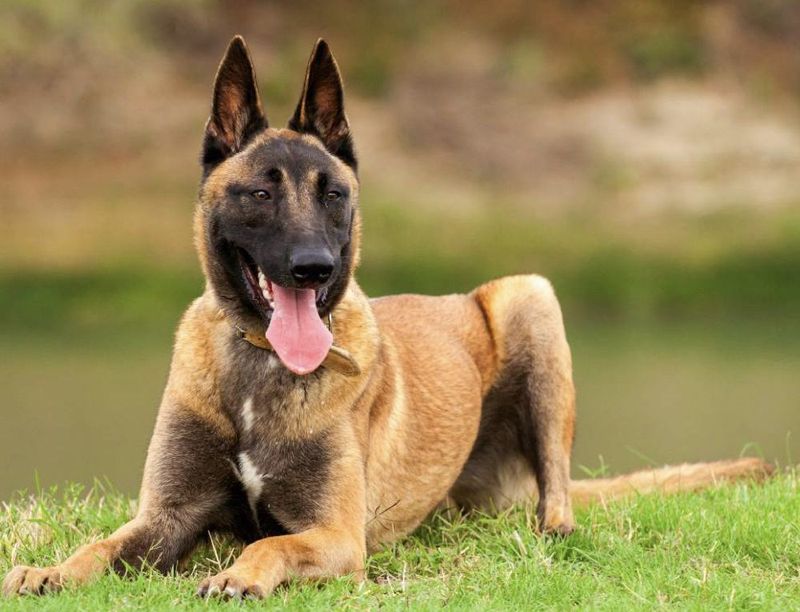
Belgian Malinois collect stimulation faster than most breeds. A tough workout, plus guests, plus errand noise, can flip them from laser focused to scattered.
Signs include frantic pacing, ignoring known cues, or over the top reactions to routine sounds.
Manage arousal like a bank account. Deposit rest between withdrawals of excitement.
Use place training, long lasting chews, and problem solving games that reward calm choices rather than speed.
On stacked days, skip bitey tug or sprinty fetch. Choose scent work, slow heeling, or quiet pattern games.
Consistency, clear boundaries, and true downtime help a Mal decompress so brilliance shows without the edge.
Standard Poodle
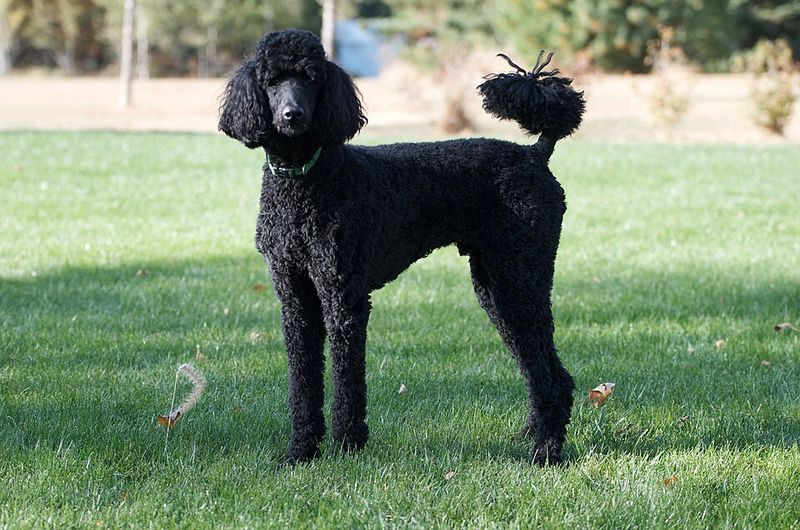
Standard Poodles read the room and often shoulder everyone’s energy. After grooming, errands, and social visits, tension can stack into restlessness or surprise startles.
Notice panting indoors, clingy behavior, or flinching at small noises they usually ignore.
Give a clear off switch. Post social outings, offer a lick mat, dim lights, and soft music.
Use easy pattern games like one two three to rebuild rhythm and predictability without overthinking.
Protect sleep after stimulating days. Keep training light, practice a cozy settle on a mat, and add gentle sniff walks.
With structured recovery, their playful confidence returns without the frazzle.
Labrador Retriever
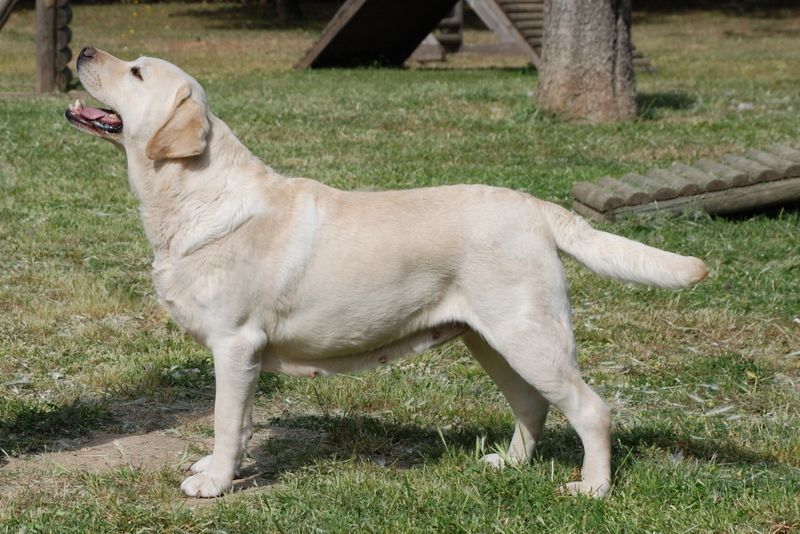
Labradors often mask stress behind friendliness. After daycare, car trips, and visitors, they can tip from happy go lucky to jumpy or mouthy.
Watch for slower responses, sloppy sits, or tuning you out during simple cues.
Help them land softly. Offer a stuffed Kong, a decompression walk with lots of sniffing, and quiet cuddle time.
Keep play gentle and avoid stacking fetch on top of an already busy day.
Routine steadies Labs beautifully. Use short training with easy wins, then a solid nap window.
Balanced days that mix movement and true rest keep their sunny vibe intact and meltdowns rare.
Cocker Spaniel
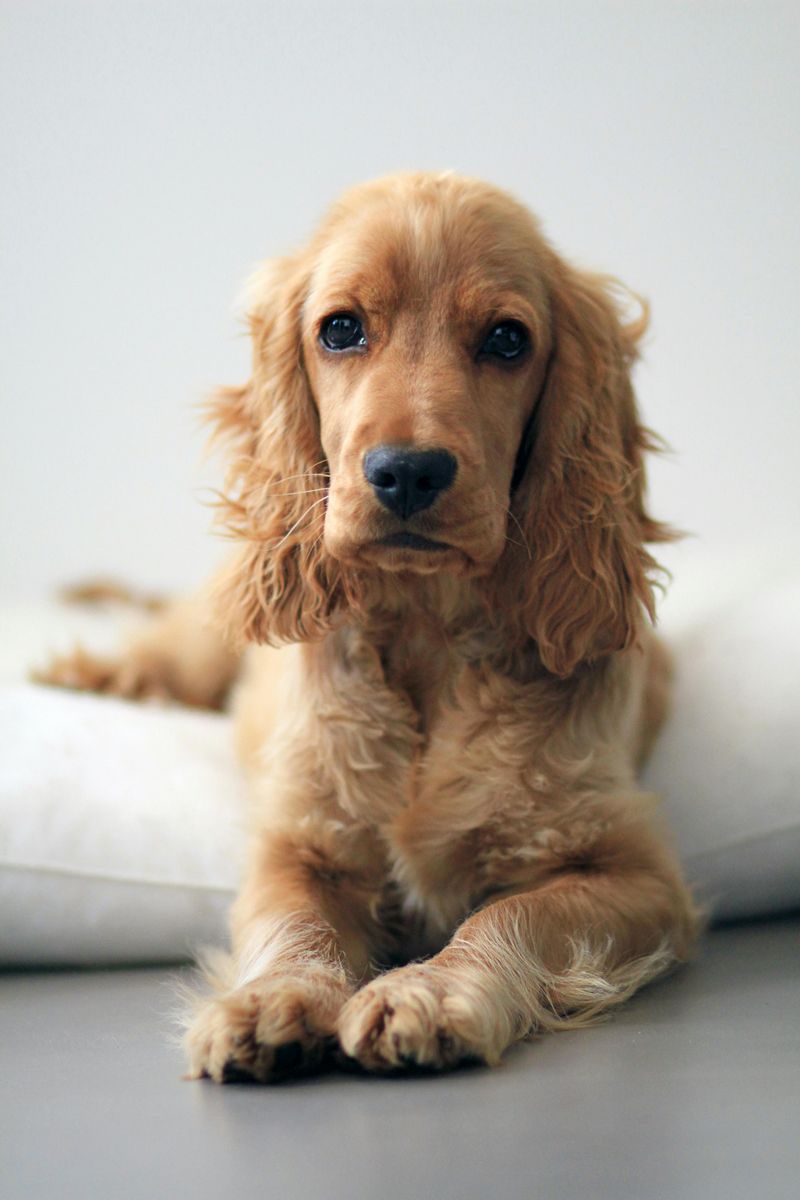
Cocker Spaniels can be sensitive to noise and handling, so busy grooming days plus visitors may stack quickly. You might see clinginess, startled barking, or reluctance to settle on the couch.
Subtle signs like lip licks and slow blinks tell you their bucket is full.
Reset with comfort and predictability. Use gentle sniff games, a calming chew, and a quiet corner away from foot traffic.
Keep handling light and reward voluntary participation for brushing or ear checks.
On heavy days, aim for warmth and routine. Dim lights, soft background sounds, and short training with easy successes.
With thoughtful decompression, their affectionate charm shines without the frazzle.
Siberian Husky
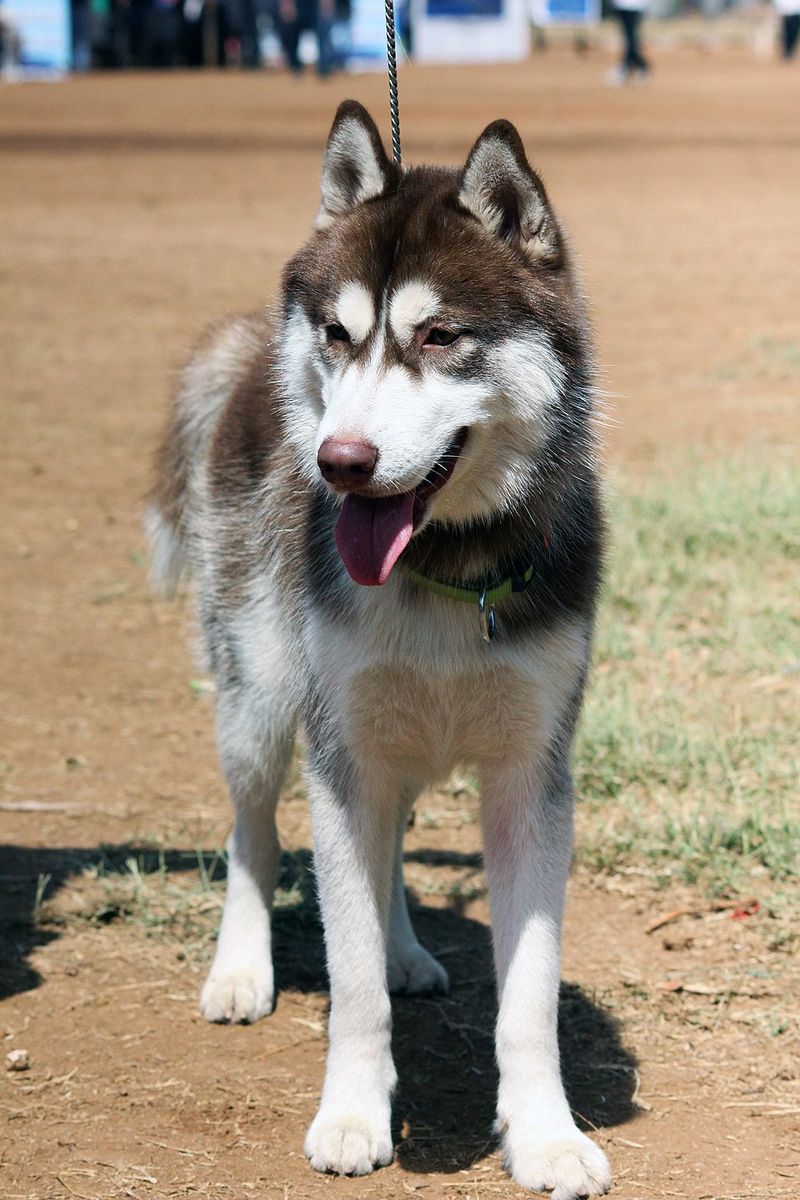
Siberian Huskies love stimulation, yet the constant buzz of city life can stack quickly. After dog park chaos, scooters, and crowds, they may swing from goofy to shrill vocalizing.
Look for leash pulling surges, ignoring recalls, and restless pacing at home.
Balance adventure with decompression. Choose quiet trails, sniffy walks, and longer cooldowns before heading indoors.
Give them a frozen chew and a cool, dim space to nap undisturbed.
Communication matters with Huskies. Keep cues simple and consistent, then end sessions while they are still focused.
Protect rest after big runs or social days so their fun loving spirit does not spill into chaos.
Jack Russell Terrier
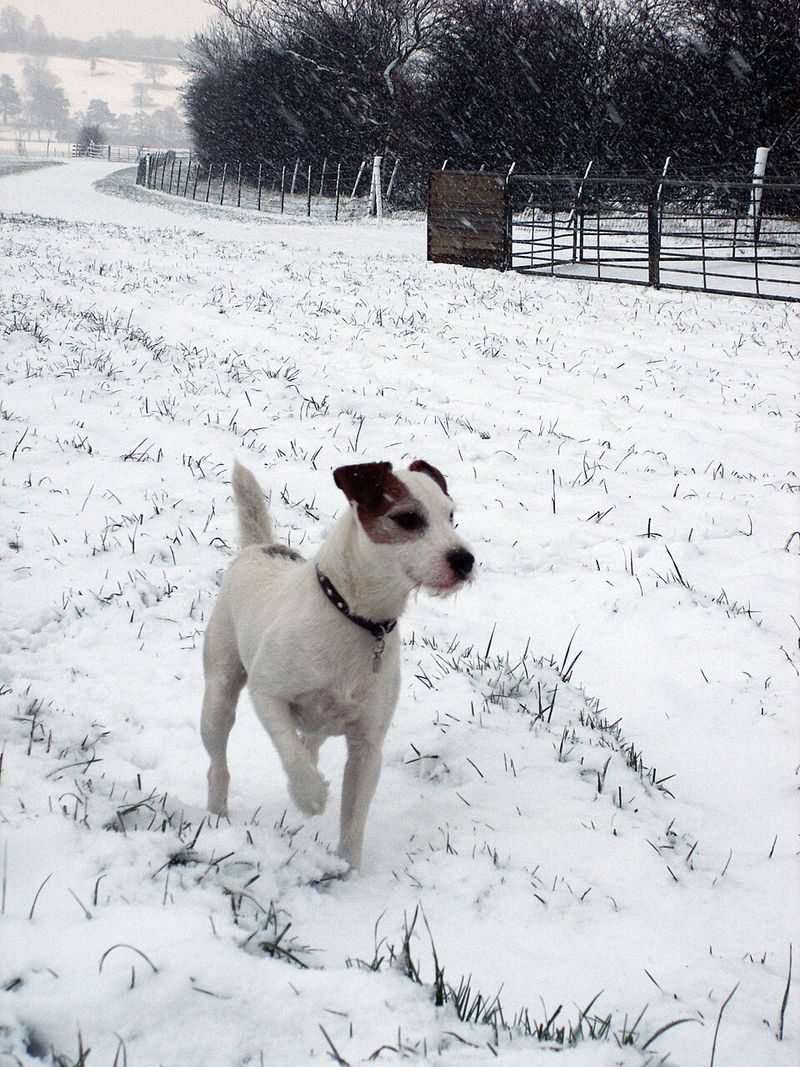
Jack Russell Terriers gather micro triggers like pros. Squirrels, doorways, and a bouncing tennis ball stack until the smallest sound sets them off.
You may notice frantic sniffing, spinning, or snapping at the leash when overloaded.
Decompression is not optional. Use scent games, cardboard shredding boxes, and lick mats to shift from boom to calm.
Practice simple stationing on a mat and end fetch before arousal spikes.
Structure helps tiny dynamos reset. Short calm walks, predictable meal routines, and cozy crate time keep their spark channeled.
With thoughtful pacing, you will see bright focus instead of fizzing energy.
Dalmatian
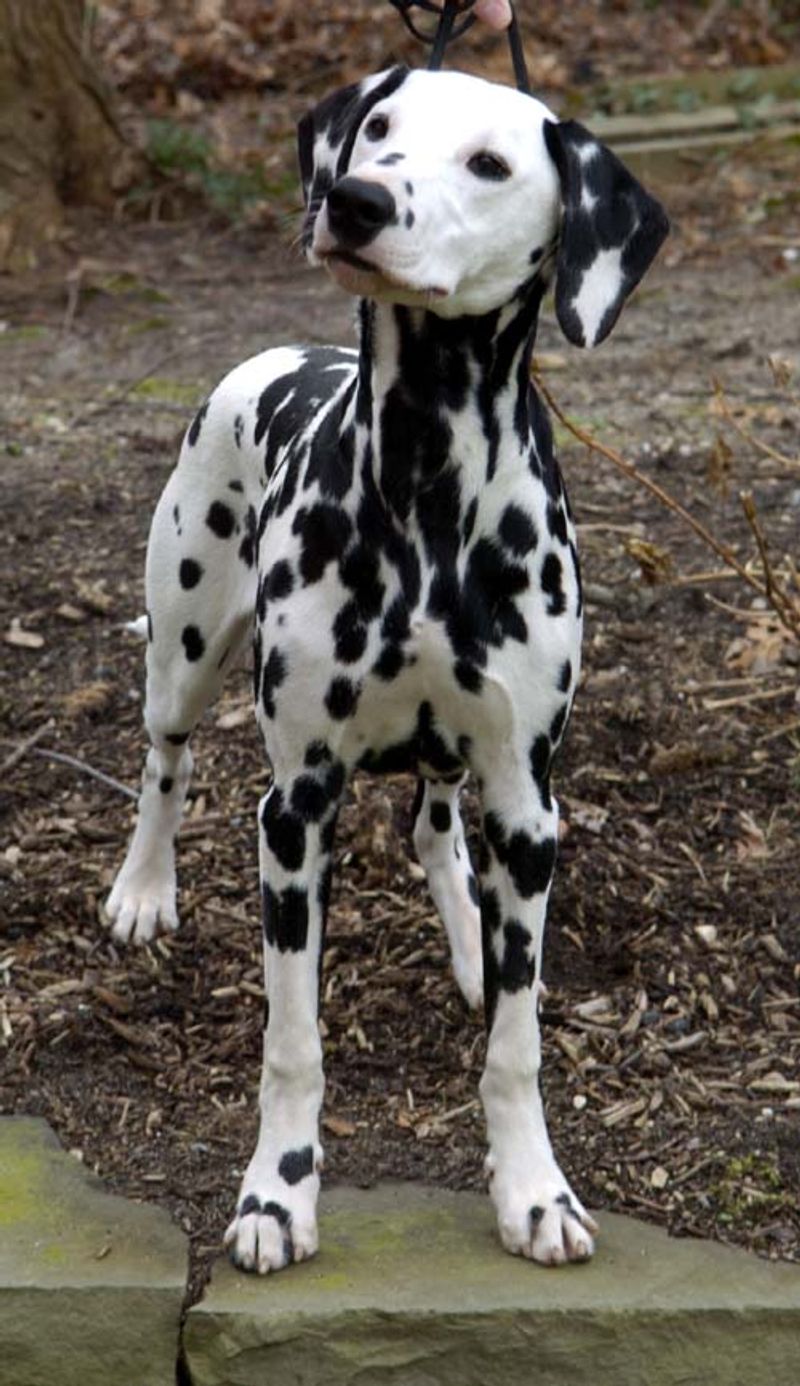
Dalmatians are energetic, social, and easily excited by movement. A bustling day of visitors, traffic, and play can stack into overarousal by evening.
Signs include stubbornness on cues, barking at shadows, or zoomies that will not quit.
Plan pressure relief. Offer a long sniff walk, gentle tug with easy wins, and a stuffed Kong in a quiet room.
Keep post play transitions slow and predictable, and reduce visual triggers by closing blinds.
Give space for the nervous system to settle. Use short training bursts, then real naps.
With intentional recovery, your Dal will hold that charming sparkle without the end of day crash.