
Think herding dogs are all the same? Get ready to be surprised. These uncommon workers use voices, eyes, and even hair to move stock in ways you might not expect. If you have a curious mind and a love for clever canines, you will want to see how each one flips the herding rulebook.
Koolie
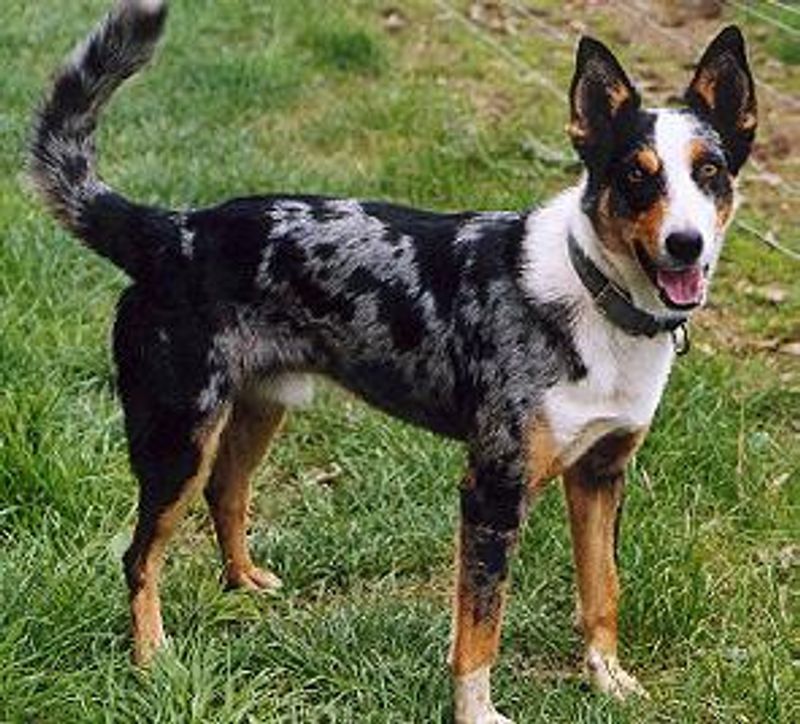
The Koolie is a nimble Australian herder that zigzags with laser precision, reading stock pressure like a seasoned drover. You will notice quick pivots, low ground cover, and a soft mouth on gathers. Instead of relying on force, it paints the paddock with calm arcs that keep everything flowing.
Unlike more famous cousins, a Koolie often uses eye and motion instead of heavy bark. It can handle goats, cattle, and even flighty ducks with surprising finesse. You might think it would blast forward, but it hangs back, shaping movement like a quiet conductor.
Out on rough terrain, that merle blur saves steps by anticipating breaks. Training rewards timing rather than volume. Expect thoughtful solutions, not drama, mile after mile.
McNab Dog
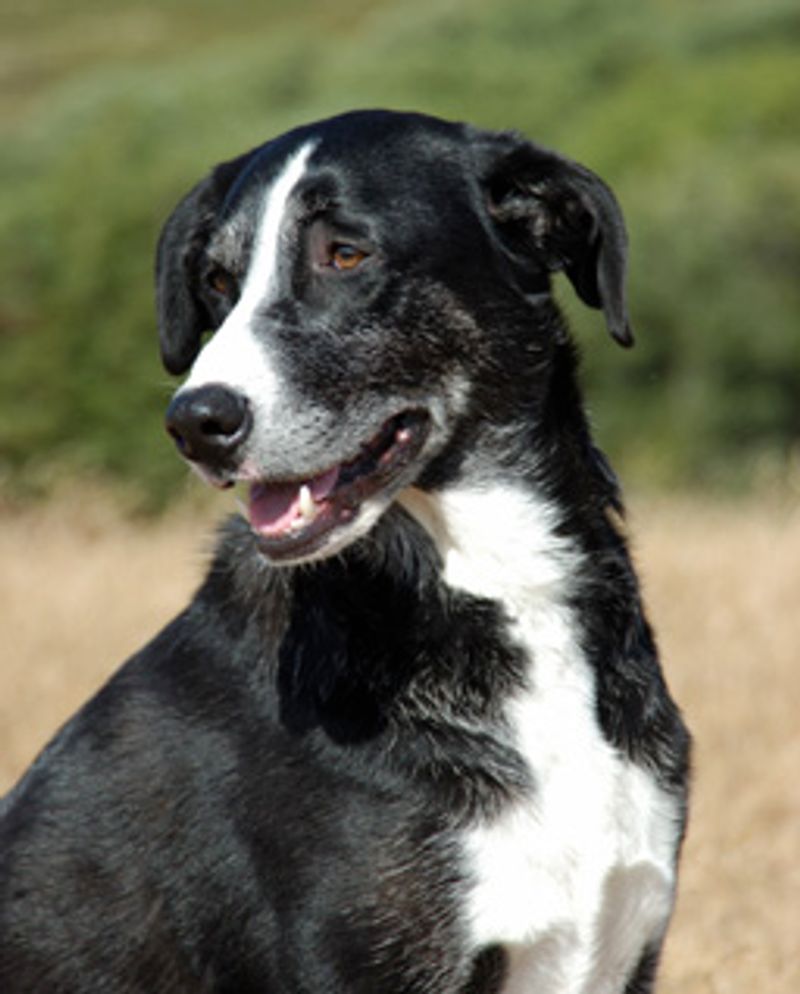
Born on California ranches, the McNab Dog blends border collie brains with a distinctly American stride. You will see tight flanks, wide outruns, and a smooth gait that wastes zero energy. Its style favors quiet authority over body slams.
Instead of constant eye, McNabs toggle pressure like a dimmer switch. They read cattle moods, easing tension before it becomes a mess. That means fewer barks and fewer wrecks when horns start to tip.
What surprises most folks is the versatility. This dog will swap seamlessly from cattle to sheep to trail work without drama. Long days do not rattle it, and subtle handler cues go far. Think calm competency wrapped in athletic efficiency.
Australian Stumpy Tail Cattle Dog
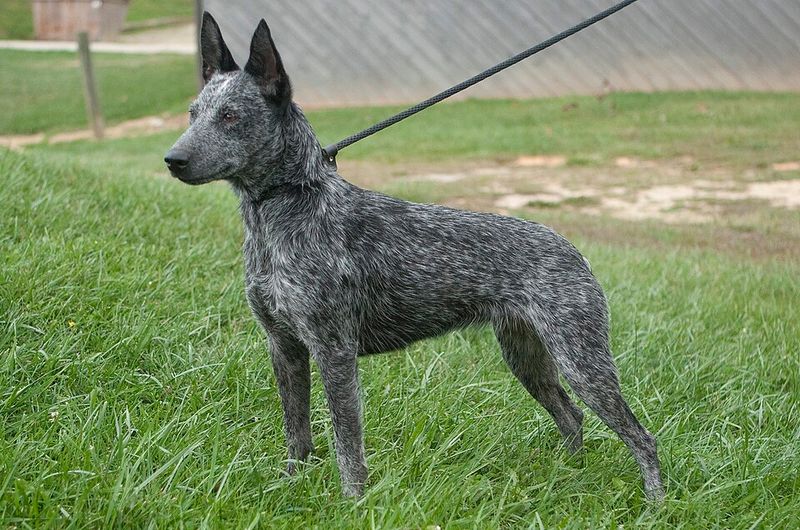
The Australian Stumpy Tail Cattle Dog is all business, with a natural bobtail that telegraphs intent. You will see direct, purposeful lines rather than showy circles. It works close, heels smartly, and holds a strong head when cattle test boundaries.
What throws people off is the balance of grip and restraint. The stumpy waits, then commits cleanly, avoiding chaos. It does not waste breath barking when posture and timing get the job done.
Tough feet and a cool brain keep it steady through heat, noise, and long hauls. Handlers count on that grit for stubborn stock. Expect laser focus, concise corrections, and a dog that treats every run like a contract to be honored.
Huntaway
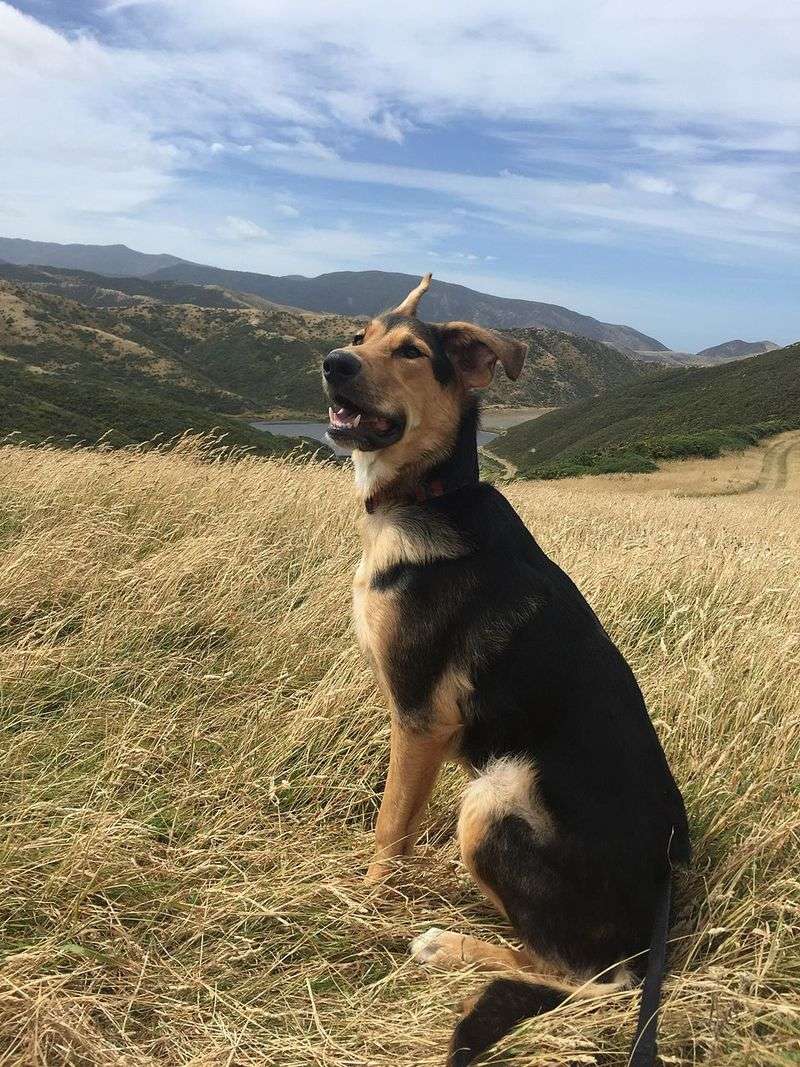
The New Zealand Huntaway turns herding expectations upside down with a big voice used like a tool. You will hear a deep, rolling bark that drives sheep forward rather than intimidating them. Instead of eye, it uses sound to push large mobs across hills.
On steep country, that bark carries over wind and distance. The dog sweeps behind, then booms to lift the flock like a wave. Surprising to newcomers, it is more conductor than chaser.
Huntaways conserve energy with long, economical strides. They save the voice for strategic moments, not nonstop noise. When you need a big move across rough country, nothing clears scrub and gathers numbers with such musical authority.
Pyrenean Shepherd
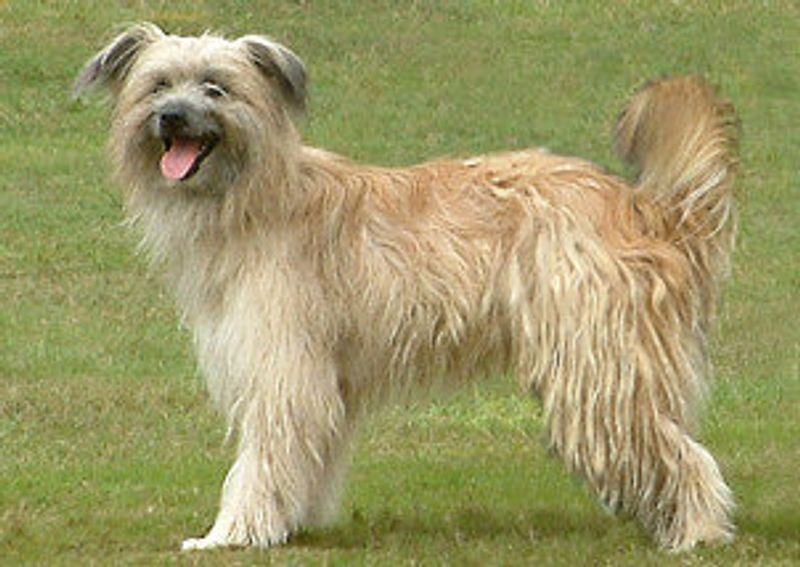
Small but volcanic, the Pyrenean Shepherd herds with turbocharged footwork. You will see darting feints, tight circles, and sudden stops that reset the flock’s balance. It is like a hummingbird turned strategist.
Instead of leaning on size, it manipulates attention and angle. The dog flashes into view, retreats, then reappears where tension needs release. Stock move because the rhythm keeps them guessing, not because of brute pressure.
That quick brain also excels in agility style problem solving. Handlers use light cues while the dog handles micro decisions. If you expect a cuddly mountain mascot, prepare for a fiery professional that choreographs motion with speed and wit.
Portuguese Sheepdog
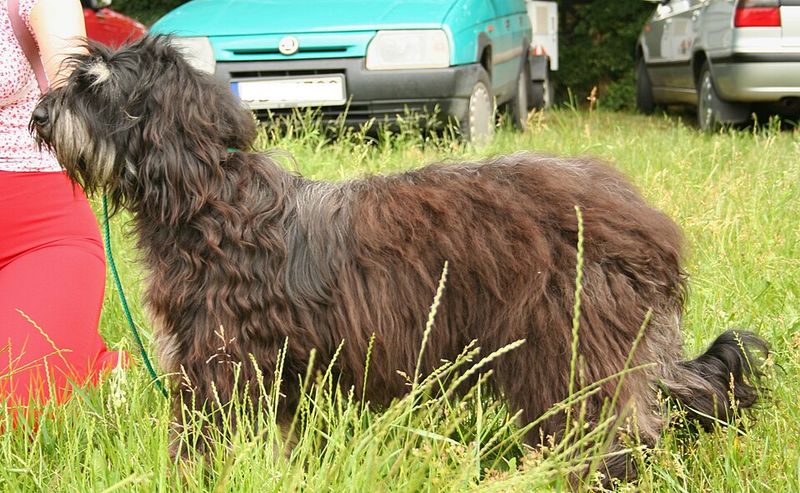
The Portuguese Sheepdog is a rustic multitool with a shaggy coat that hides swift intent. You will spot fluid, catlike movement and a medium push that suits goats and sheep. It leans on agility and smarts rather than heavy gripping.
Handlers often give a job, then let it improvise. The dog reads terrain, threads narrow paths, and settles restless animals with calm presence. Barking stays measured, a gentle nudge more than a blast.
What surprises many is the balance of independence and responsiveness. It checks in frequently, then slips back to work. Expect adaptable pacing, gentle corrections, and a quiet confidence that keeps fragile herds settled on tricky ground.
Catalan Sheepdog
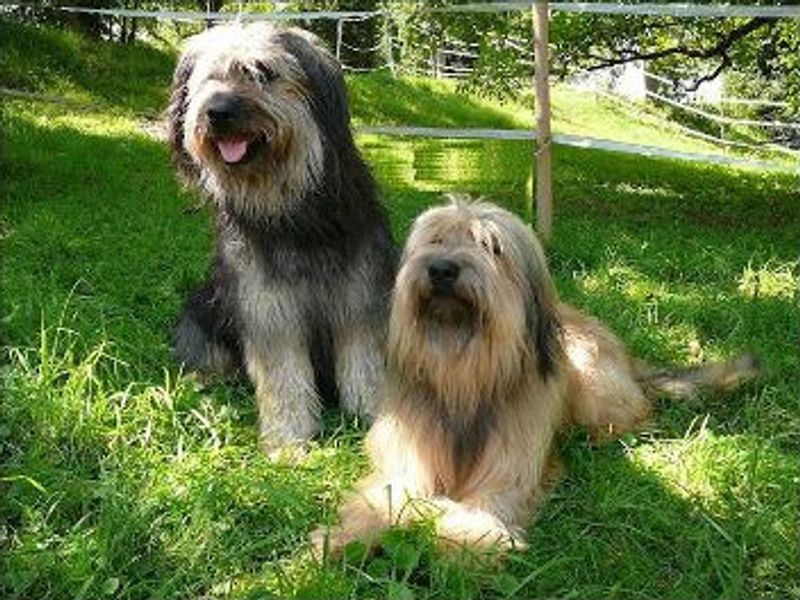
The Catalan Sheepdog blends steady patience with quick bursts of authority. You will notice a soft approach that invites stock to move willingly. When pressure rises, it snaps into action, then melts back to calm.
Instead of relentless eye, it communicates with body position and silent insistence. The coat’s curtain look fools you, but underneath is a sharp reader of space. It favors tidy lines over dramatic chases.
In vineyards and terraces, it navigates obstacles gracefully. Handlers appreciate the dog’s polite persistence on delicate flocks. Expect respectful pressure, tidy gathers, and a partner that crafts order from bustle without fraying nerves.
Bergamasco Sheepdog
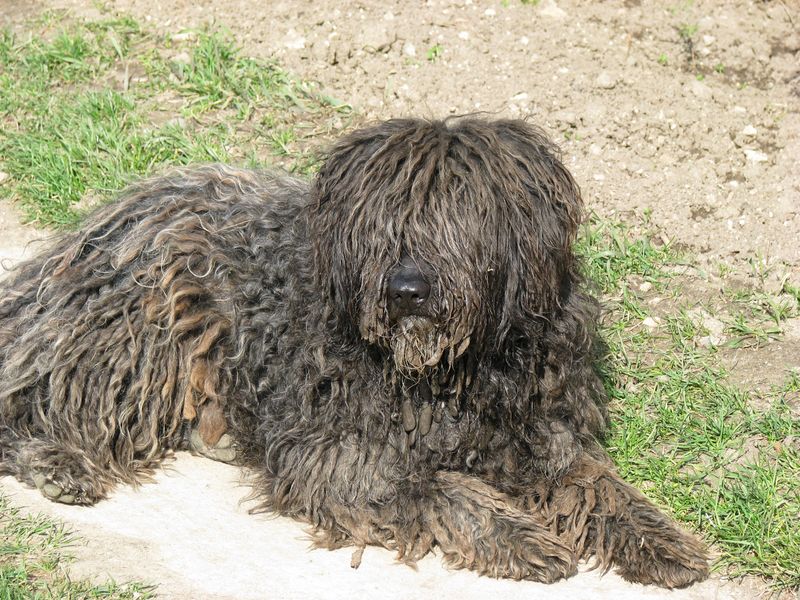
The Bergamasco Sheepdog looks like living art, with felted flocks that move like curtains. You will assume slow and stubborn, then watch a steady strategist appear. It works close, projecting calm that seeps into the flock.
Rather than barking, it sets patient boundaries with measured steps. The dog blocks, releases, and blocks again until animals choose the easy path. That coat protects in harsh weather while the brain stays cool.
Its superpower is reducing panic. Frantic sheep relax, and tricky gates become uneventful. Expect quiet problem solving, low drama turns, and a dog that turns pressure into a gentle, guiding wall.
Schapendoes
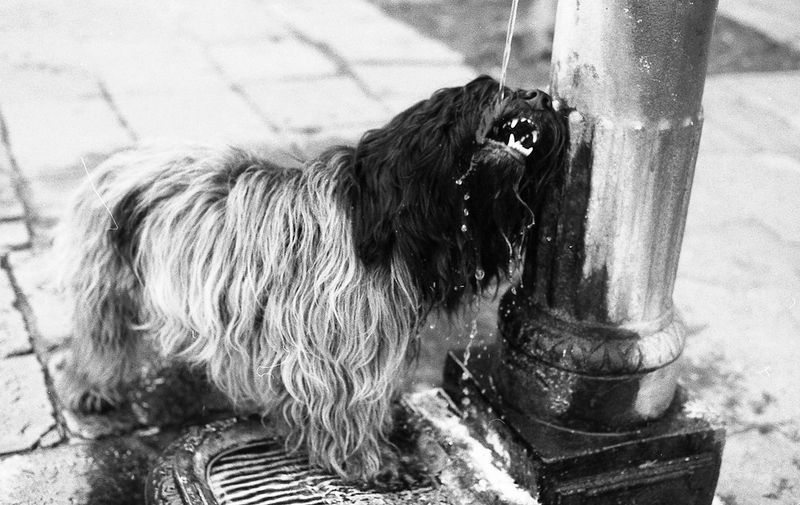
The Dutch Schapendoes is bounce and brains wrapped in shag. You will see airy jumps and springy footwork used to catch attention, not chase. It taps the flock’s curiosity, then channels it into forward motion.
Unlike forceful drivers, this dog sprinkles playfulness into precision. It appears, vanishes behind a ripple of wool, then pops up ahead to redirect. Stock move because the energy feels safe and engaging.
That lighthearted cadence keeps days long but spirits high. Handlers give broad goals while the dog reads micro shifts. Expect elastic movement, soft cues, and a joyful tactician that turns chaos into cooperative flow.
Picardy Shepherd
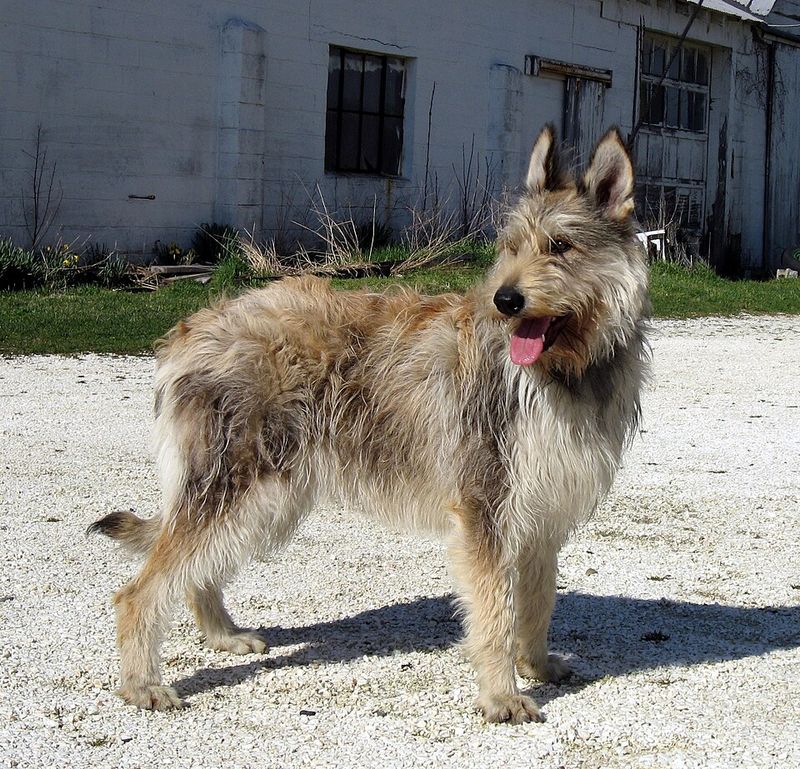
The Picardy Shepherd brings a farmer’s practicality in a wiry package. You will notice upright ears scanning and a calm trot that never quits. It works mixed stock without theatrics, saving speed for crucial pivots.
Instead of pinning with heavy eye, it manages lanes and gates like a traffic officer. Subtle shoulder turns and strategic pauses clear jams. Barking stays minimal while posture does the talking.
What surprises many is the dog’s diplomatic patience. It diffuses stubborn animals, then finishes the job with tidy drive. Expect reliable endurance, clean lines, and a partner that prefers competence over drama every single day.