
Some dogs are wired to notice everything, and that superpower can tip into overwhelm fast. When you understand overstimulation, you stop blaming behavior and start shaping calmer routines that actually work.
Small tweaks to arousal, environment, and recovery can prevent meltdowns and unlock incredible focus. Ready to turn frantic energy into fluent teamwork you both enjoy?
Border Collie
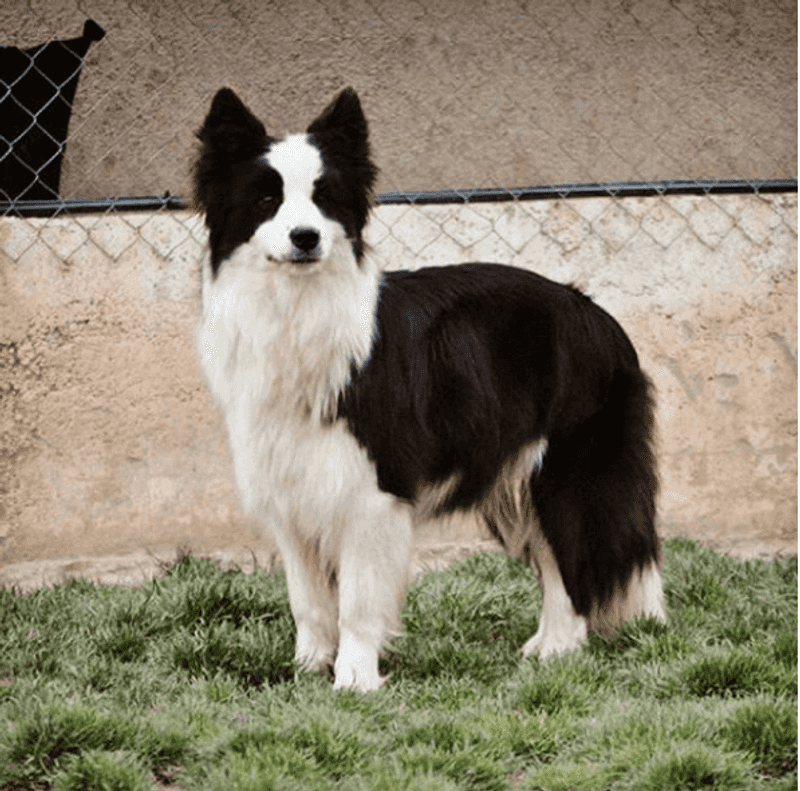
Border Collies process everything at once, so city noise, fast hands, or chaotic play can push them over threshold quickly. Watch for flicking ears, scanning eyes, lip licks, and that famous stare hardening into tunnel vision.
Instead of endless fetch, build decompression walks, nosework, and patterned games that give the brain clear on off switches.
Use quiet mats, predictable cues, and scatter feeding to lower arousal before training high arousal skills like herding style recalls. Short sessions with frequent reset breaks keep thinking online while muscles still work.
When strangers want to pet, advocate calmly, turn away, and let your dog sniff a hedgerow until the world shrinks to manageable. Then finish with a chew to seal the calm.
Belgian Malinois
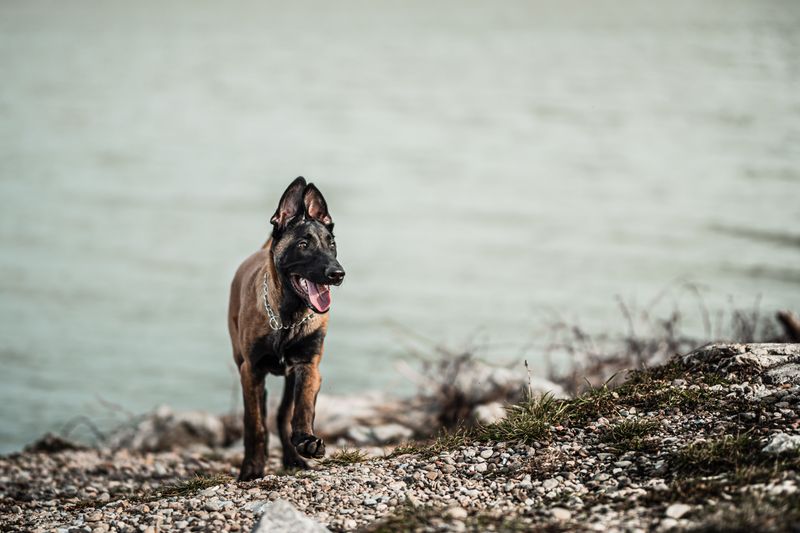
Malinois run hot by default, so overstimulation can look like spinning, mouthy grabs, or explosive launches toward movement. You can get ahead of it by rehearsing off switches: stationing on a mat, pattern games, and slow hand feeding.
Build arousal ladders where you raise excitement briefly, then guide a smooth return to baseline before adding difficulty.
Movement triggers are huge, so protect training from joggers or bikes at first. Teach a watch cue and a behind handler tuck for passing distractions, then praise quietly.
If you feel tension rise, breathe, step away, and let sniffing reset the nervous system. Cap sessions early, finish with a long lickable reward, and you will see clarity replace frantic reactivity.
Australian Shepherd
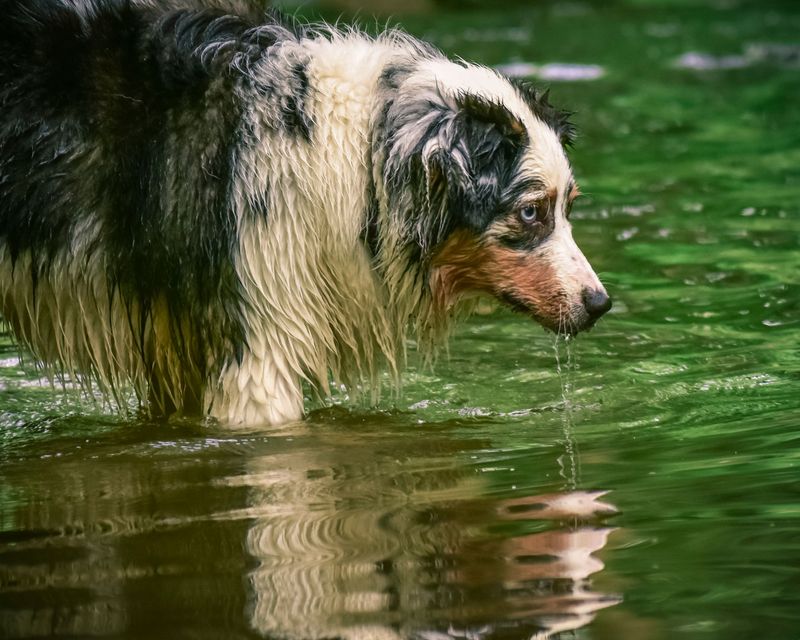
Aussies love to supervise everything, which makes crowded spaces extra loud for their brains. Overstimulation shows up as heel nipping, barky spins, or herding shadows and kids.
Try rhythm before intensity: predictable routines, decompression walks, and scent games that let thinking outrun adrenaline.
In training, alternate focus work with calm chewing or a settle on a blanket. Mark early for soft eye contact, then release to sniff, so your dog learns calm earns freedom.
When guests arrive, use a baby gate, toss food for foraging, and greet only after breathing slows. Keep play flirt pole sessions short with frequent downs.
You will see flexible attention replace frantic micromanaging, and daily life gets peacefully doable.
German Shepherd
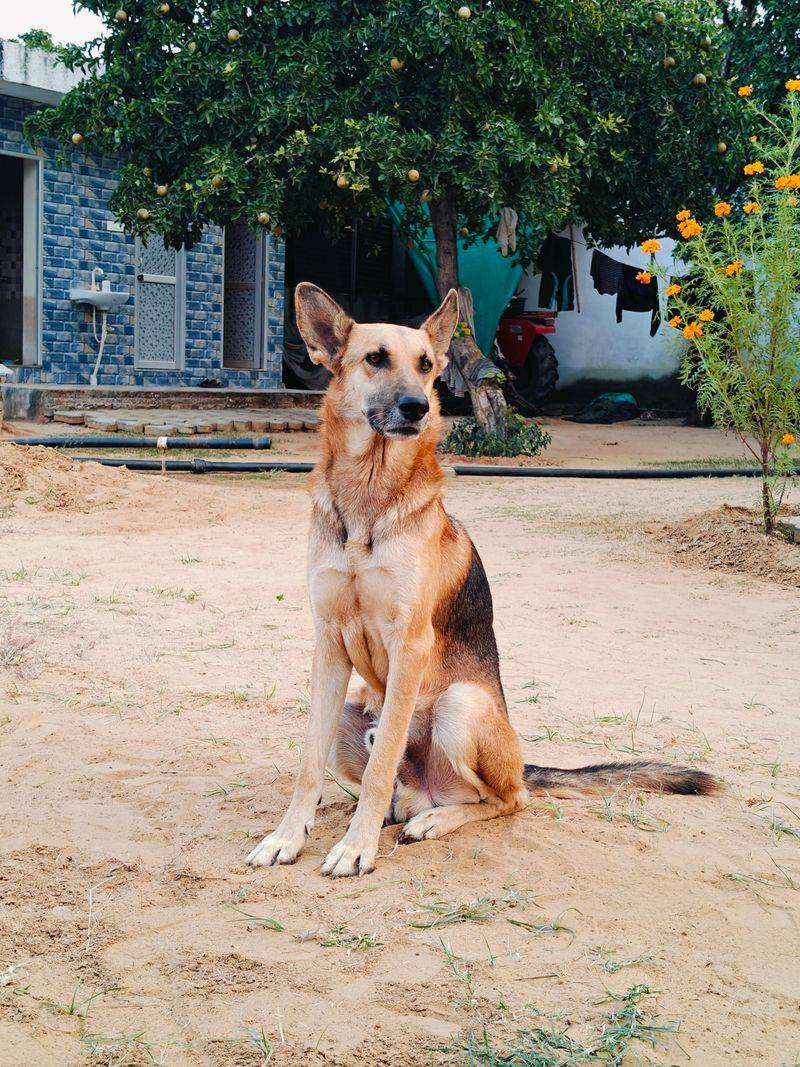
German Shepherds are vigilant guardians, so their senses rarely clock out. Overstimulation appears as stiff scanning, deep barking, pacing, or grabbing the leash.
Channel that intensity with structured sniff walks, boundary games, and clear start stop rituals for work and rest.
Teach a hand target, then use it to move away from triggers while rewarding calm steps. Rotate in tug with rules, but sandwich it between mat settles so arousal never snowballs.
Advocate in busy places by creating distance, turning corners, and letting your dog process. Soft voices, slow treats, and predictable routines keep that big brain balanced.
When their world makes sense, watch reactivity fade and thoughtful bravery shine.
Vizsla
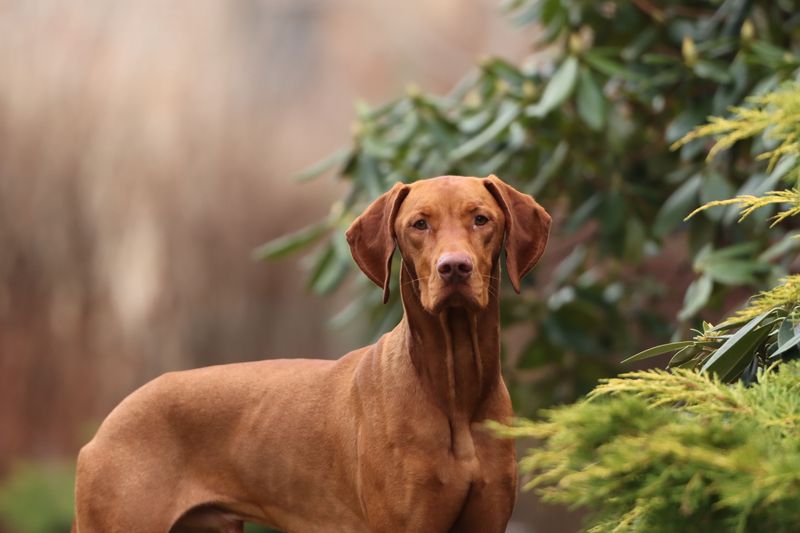
Vizslas bond hard and read every emotion, which can tip into frantic energy in new places. Overstimulation shows as whining, pogo jumps, mouthing, or zoomies that do not shut off.
Start with connection games in quiet spots, then gradually sprinkle in distractions while rehearsing returns to calm.
Layer activities that soothe: long sniffing, sunbathing, gentle massage, and lick mats after training. Keep sessions short, celebrate soft eye contact, and use warm food delivered slowly.
Teach a go to bed cue that becomes a predictable safe harbor at cafes or family gatherings. Protect sleep after busy days, and do one big thing, not five.
You will see that famous Velcro heart relax into confident, thoughtful companionship.
Weimaraner
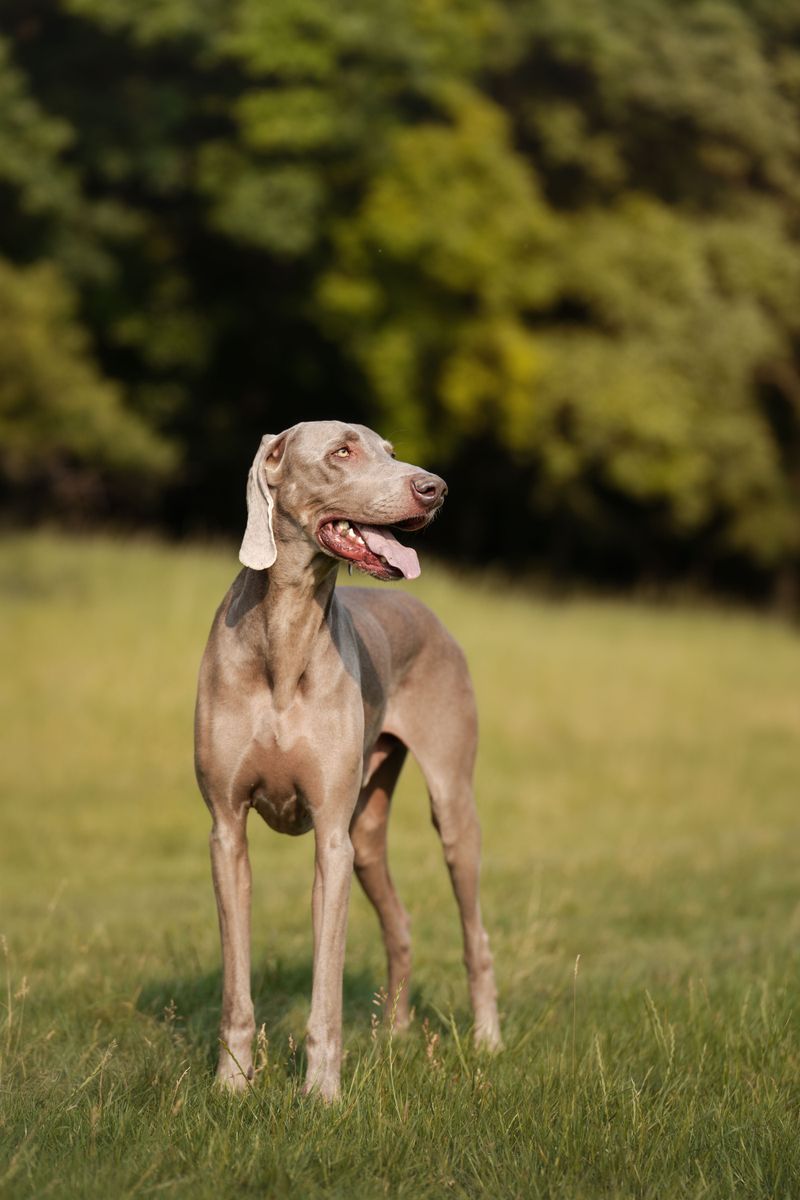
Weimaraners can ping between playful clown and anxious sentinel, making overstimulation sneak up fast. Signs include yodeling, grabbing clothing, pacing, and fixating on wildlife.
Build stress buffers with long-line sniff walks, pattern feeding, and calm retrieve games with predictable starts and finishes.
Practice a settle on a portable mat, reward slow breaths, and release to sniff after each success. Use environmental management at doors and windows so neighborhood bustle does not spiral arousal.
When excitement spikes, step away, cue hand targets, and let your dog hunt scattered kibble. End outings with a chew to downshift.
With these habits, energy becomes directed purpose, and the silver rocket turns into a steady adventure partner.
Jack Russell Terrier
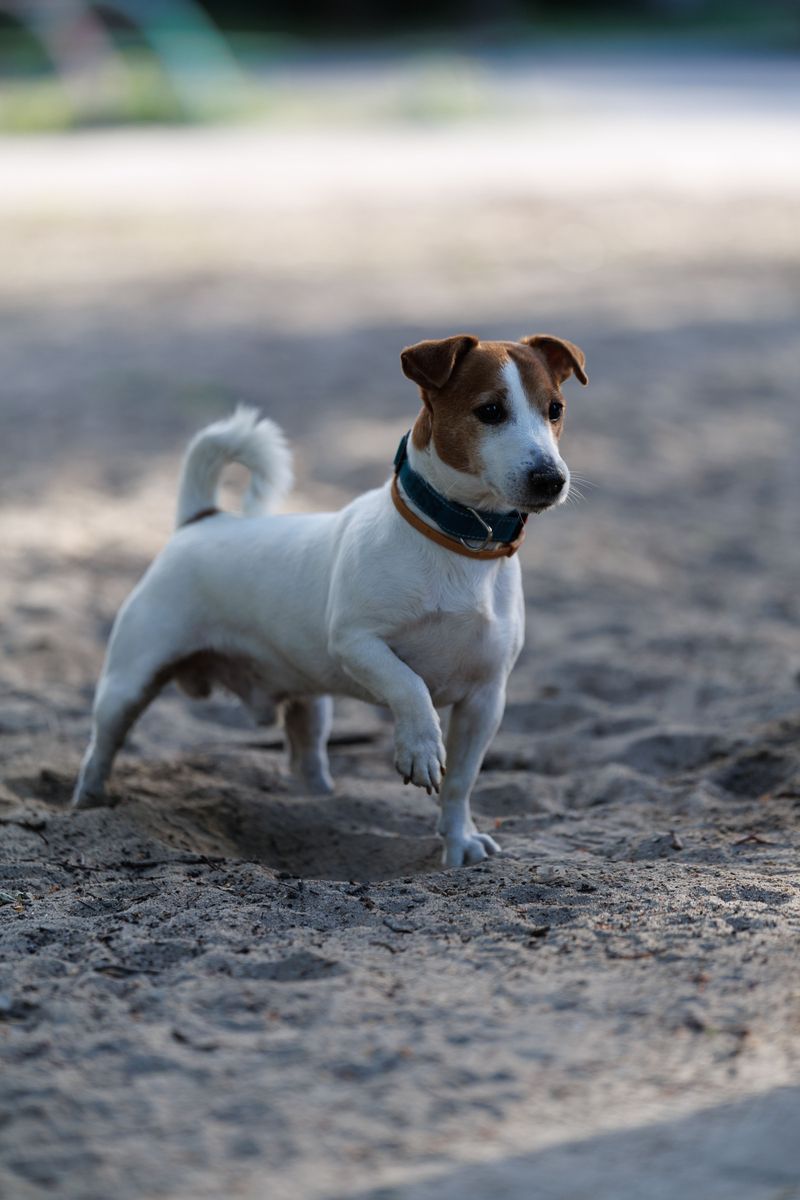
Jack Russells are tiny problem solvers who light up at motion and squeaks. Overstimulation looks like relentless barking, digging, nipping, or trampoline jumps on furniture.
Give their brain a mission: scent puzzles, controlled tunnel runs, and retrieve tasks with clear stop points.
Teach hand targets and stationing on a perch to channel precision without chaos. Keep tug polite with predictable rules and frequent pauses for sits and breath.
Neighborhood squirrels will test patience, so create distance, reward looking away, and let sniffing reset arousal. Rotate toys, favor chewing after play, and prioritize sleep.
When you guide energy into structured searching and short, thoughtful reps, the firecracker turns into a focused teammate who still has plenty of sparkle.
Australian Cattle Dog
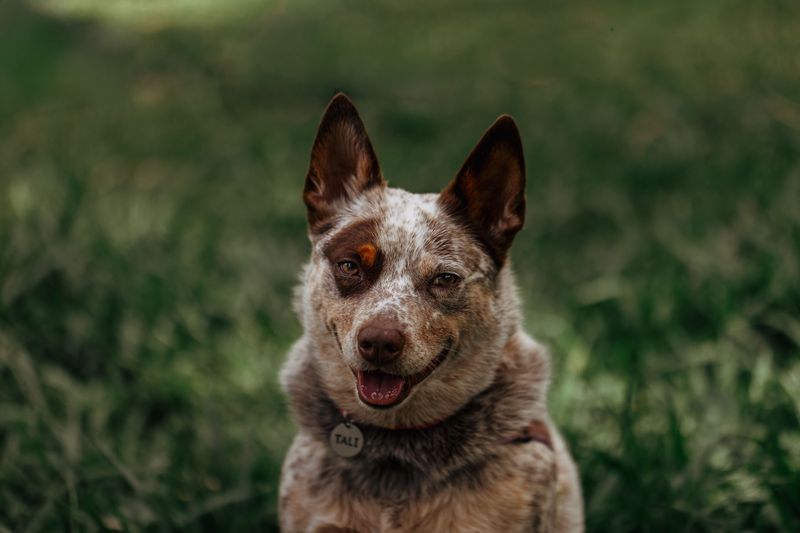
Cattle Dogs are built to control movement, so skateboards, joggers, and kids can flip their on switch. Overstimulation appears as heel nipping, hard eye, and explosive darts toward motion.
Meet needs with structured herding style games like middle position, circling cues, and impulse-controlled fetch.
Use pressure and release thoughtfully: step forward to interrupt, then reward a soft turn back. Alternate energetic drills with mat time and chewing to keep arousal capped.
On walks, practice a look at that routine, then reinforce turning away before intensity spikes. Short, meaningful work beats long chaos.
With consistency, that gritty drive softens into reliable self control, and everyday life stops feeling like a field full of stampeding cows.
Siberian Husky
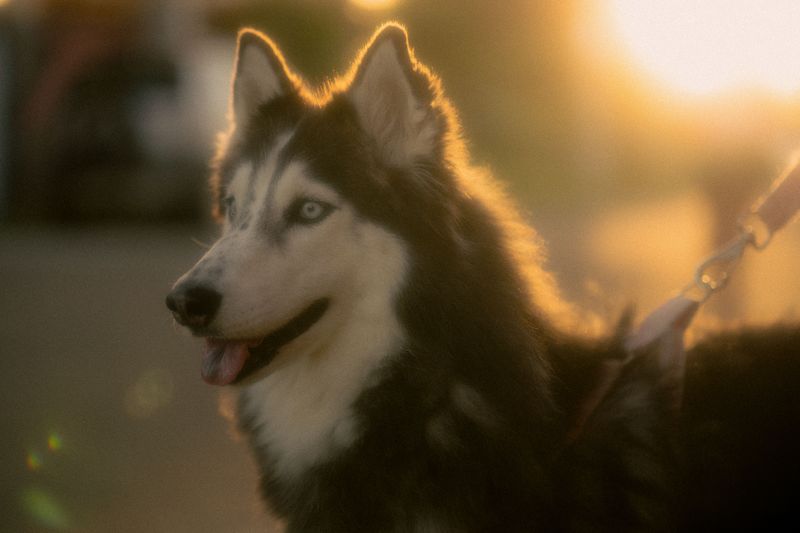
Huskies are sensory thrill seekers who love speed and sound. Overstimulation shows as screaming vocals, towing like a sled, and frantic social greetings.
Meet the need to move with long-line hikes, sniffing detours, and drag-free harness walks before asking for tight focus.
Teach a check in game and pay generously for brief eye contact, then release back to explore. Rotate in enrichment that tires the mind, like scent boxes and frozen licks.
In busy areas, create space, breathe with your dog, and let snow or grass sniffing wash arousal away. Cap excitement early and land every outing with calm decompression.
The result is a bouncy buddy who can actually hear you when it matters.
English Springer Spaniel
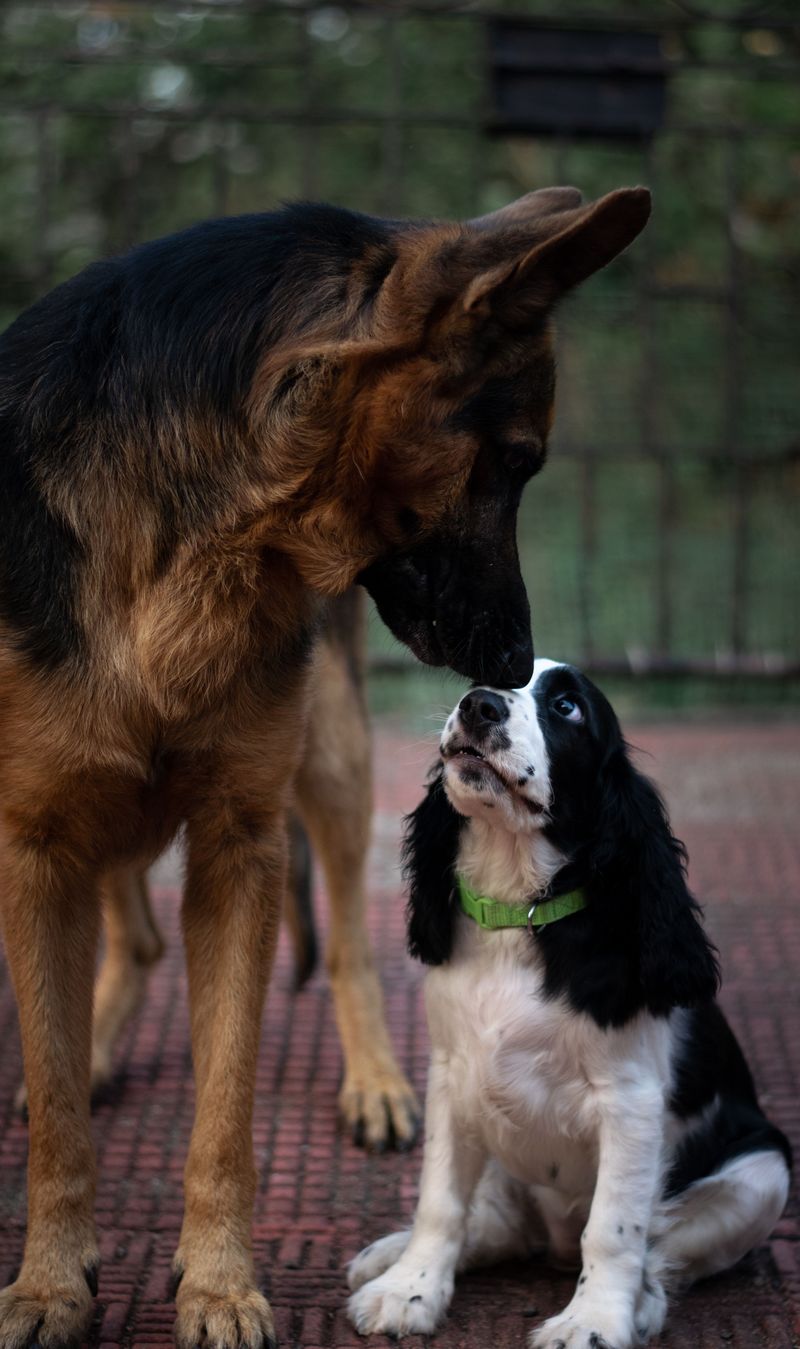
Springers are bred to explode into cover, so fast environments can light them up. Overstimulation appears as frantic quartering, jumping, and vocalizing when birds or kids move.
Balance the thrill with nosework, patterned recalls, and clear start end cues for search games.
Practice settle on a blanket at home and bring that skill to parks and patios. Use quiet reinforcement and frequent sniff breaks to prevent bubbling over.
If arousal spikes, step behind a tree, feed slowly, and breathe until muscles soften. Finish with a chew or lick mat.
By honoring their need to hunt scents while teaching off switches, you turn high drive chaos into polished, joyful teamwork.
Brittany
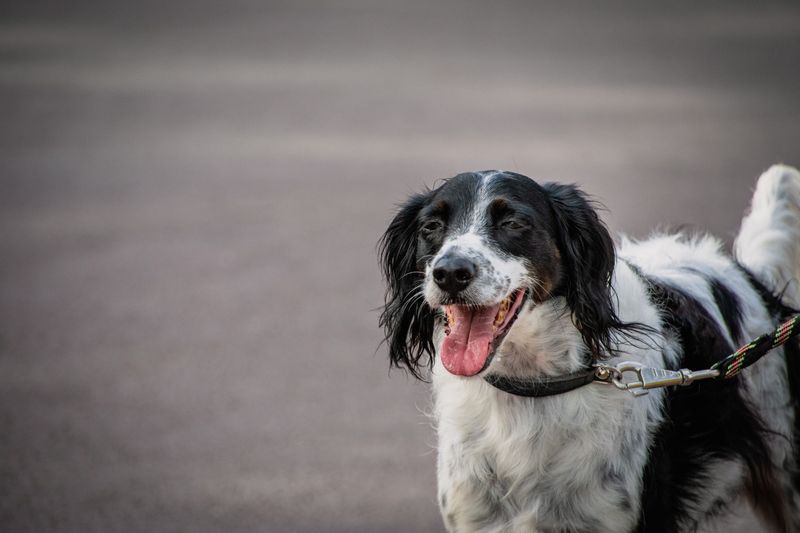
Brittanys are birdy athletes with eager brains that sprint ahead of their bodies. Overstimulation shows as pinging between people, high whining, and ricochet zoomies.
Aim for thoughtful reps: short points on a target, quiet recalls, and controlled hunting games with predictable rules.
Add decompression after excitement, like slow sniffing along hedgerows or a calm food scatter. Reward soft eyes and stillness as much as speed.
In busy areas, create distance, then reinforce looking back to you before resuming exploration. Cap sessions while attention is still good, and end with a chew to anchor calm.
With structure and recovery, that sparky energy becomes a reliable, joyful companion who can both sprint and settle.
Standard Poodle
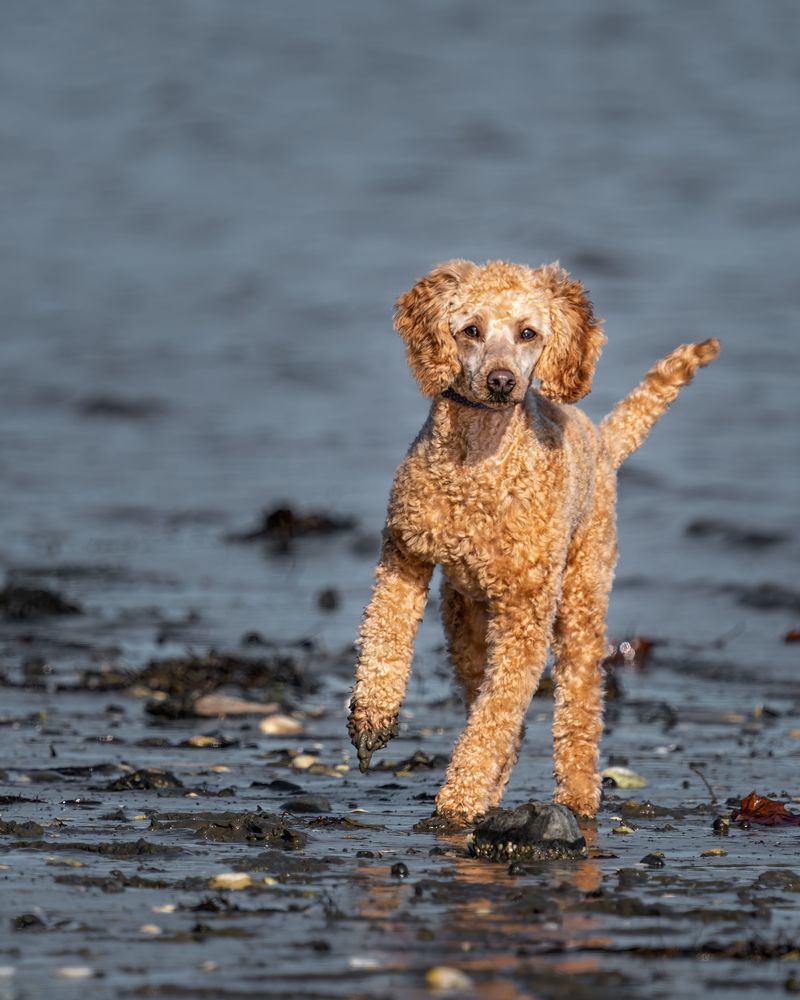
Standard Poodles are brilliant pattern spotters who can overthink into overarousal. You might see spinning, barky greetings, or frantic checking in without settling.
Build confidence with simple, repeatable games, then rehearse resting between reps so the brain learns to idle.
Teach a chin rest for cooperative care and use it when the world feels noisy. Reward slow breaths and soft eyes, not just flashy behaviors.
In public, park on a mat, feed calmly, and release to a sniff break before attention frays. Predictable routines, enrichment, and deep sleep keep everything balanced.
With calm structure, that stylish athlete shifts from fidgety to fluent, showing off both brains and grace.
Shetland Sheepdog
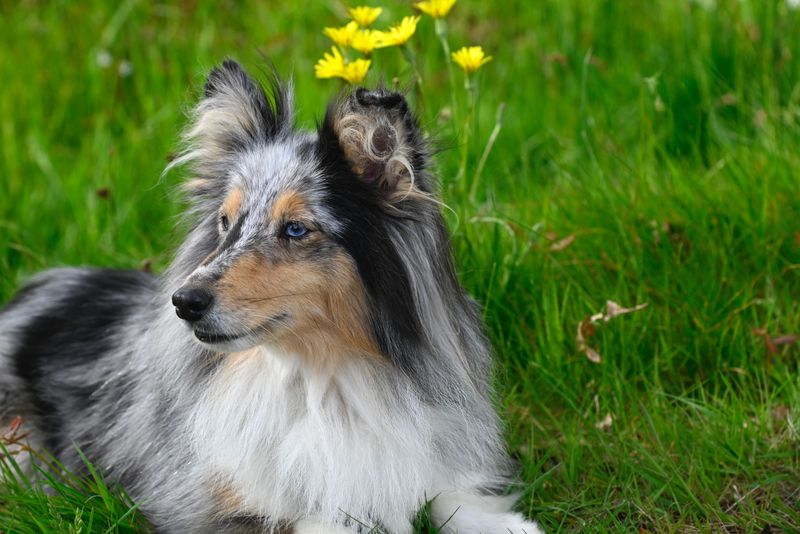
Shelties are sensitive sound collectors, so traffic, doors, or squeals can flood them fast. Overstimulation looks like spinning, barking strings, or shadow chasing.
Protect the edges with quiet routines, white noise at home, and decompression walks that favor sniffing over speed.
Teach a middle position for passing stimuli, then reinforce looking away before tension spikes. Use pattern games and a portable mat to give their brain a safe script in new spaces.
Keep greetings brief, advocate with space, and celebrate tiny relaxations. Finish outings with a gentle chew and quiet time.
Over time, awareness stays, panic fades, and your little strategist handles the world with elegant, thoughtful confidence.
Papillon
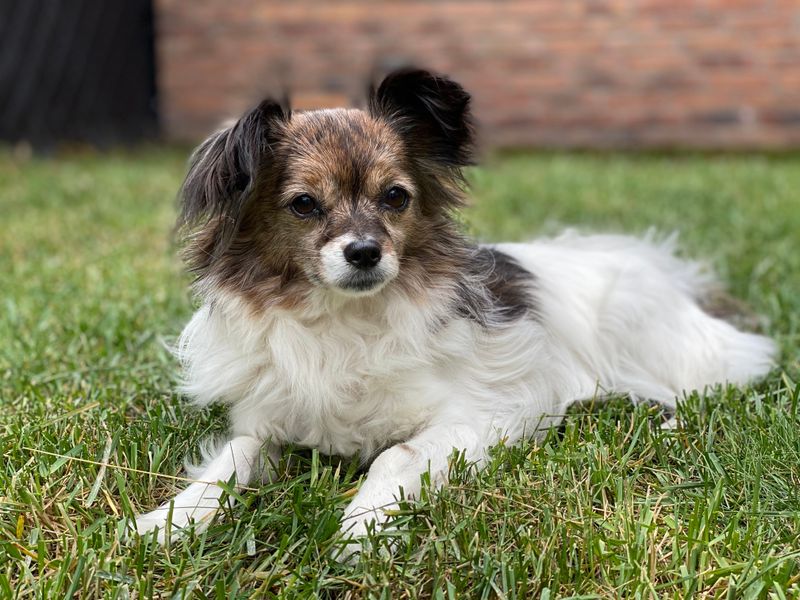
Papillons are tiny athletes with huge curiosity, which can tip into buzzing energy in seconds. Overstimulation appears as rapid barking, pogo jumps, or frantic agility zooms.
Prioritize micro rests between reps, sniffing breaks, and quiet reinforcement that helps the nervous system downshift.
Teach a go to mat cue and reward stillness with slow treats and gentle petting. Keep social hellos short, then step away to breathe and nibble a chew.
In training, alternate focus with decompression so thinking stays online. Protect sleep, use puzzles, and make calm the biggest paycheck.
Soon that butterfly eared genius will float from sparkle to serenity on cue, staying engaged without burning out.