
Confidence in dogs is a gift when you know how to guide it. Once you understand how these bold breeds think, training stops feeling like a power struggle and starts feeling like teamwork.
You will see faster progress, fewer arguments, and deeper trust. Let’s unlock what makes each of these dogs shine, so your training finally clicks.
Akita
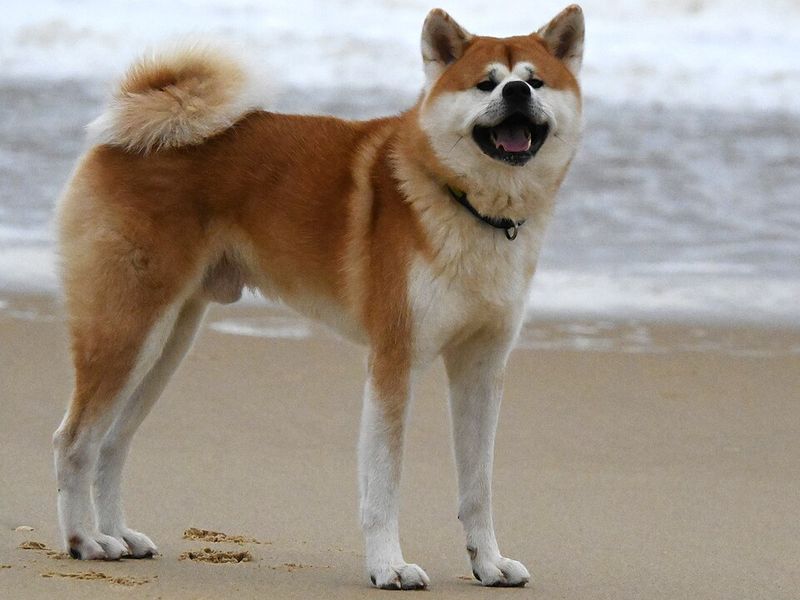
Akitas project calm self-assurance, which can fool you into thinking they do not need guidance. They absolutely do, but it has to feel purposeful and fair.
When you set clear boundaries early, their natural dignity leans into cooperation instead of stubborn pushback.
Use short, confident cues, then reward with quiet praise or a meaningful treat. Overdramatizing corrections makes them shut down, yet steady consistency earns deep respect.
Socialize widely, incorporate scent games, and give them real jobs like carrying a pack, so their independence works for you.
Be mindful with dog greetings and resource sharing to prevent friction. Teach a rock solid leave it and settle on mat early.
With patience, you will uncover a gentle clown beneath the armor.
Doberman Pinscher
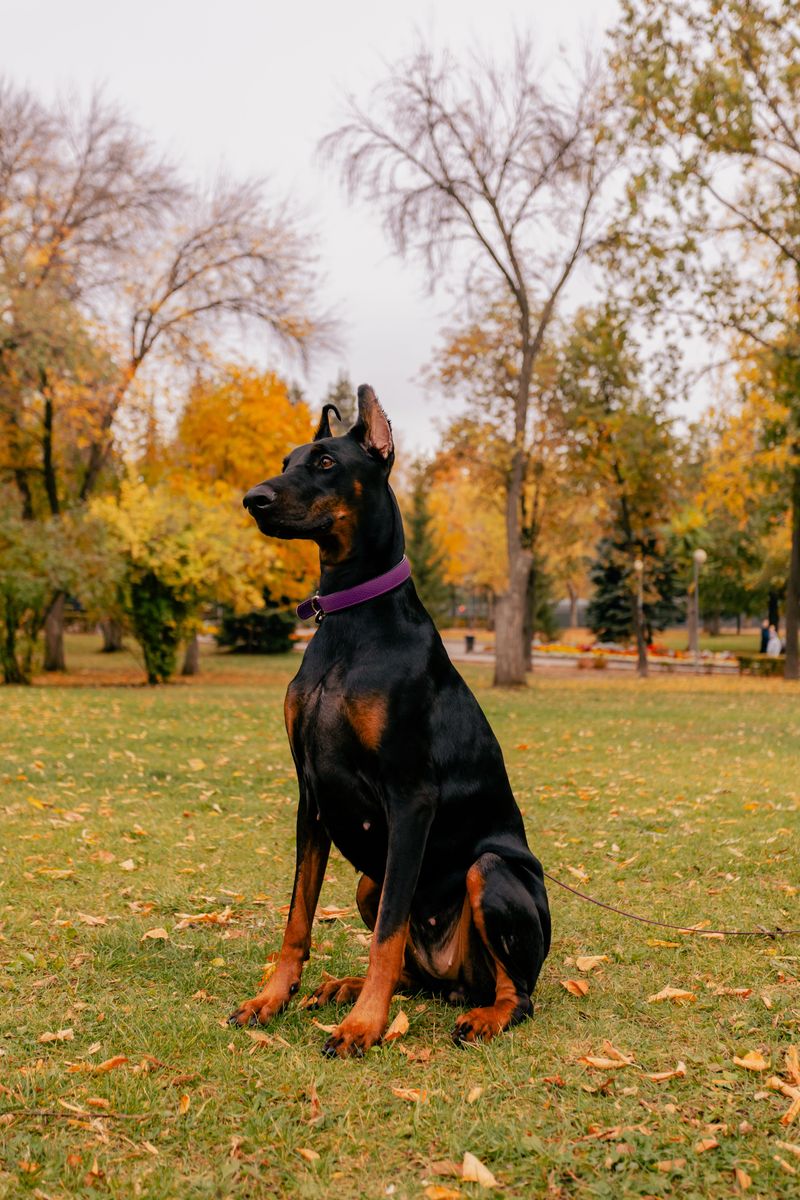
Dobermans brim with confidence and focus, so training thrives on clarity and speed. They love puzzles solved at a brisk pace, with precise timing on rewards.
If your signals lag or wobble, they may invent their own rules and race ahead without you.
Use clean markers like yes, then deliver tug or food quickly. Mix heeling, impulse control, and agility style drills to keep their mind anchored.
Fair, neutral corrections matter, but even more powerful is catching correct choices and paying them instantly.
Social exposure should be broad and upbeat, not chaotic. Teach place training to build off switches at home.
When you communicate like a coach, that famous loyalty surges, and your Doberman becomes an eager partner who anticipates the next challenge.
German Shepherd
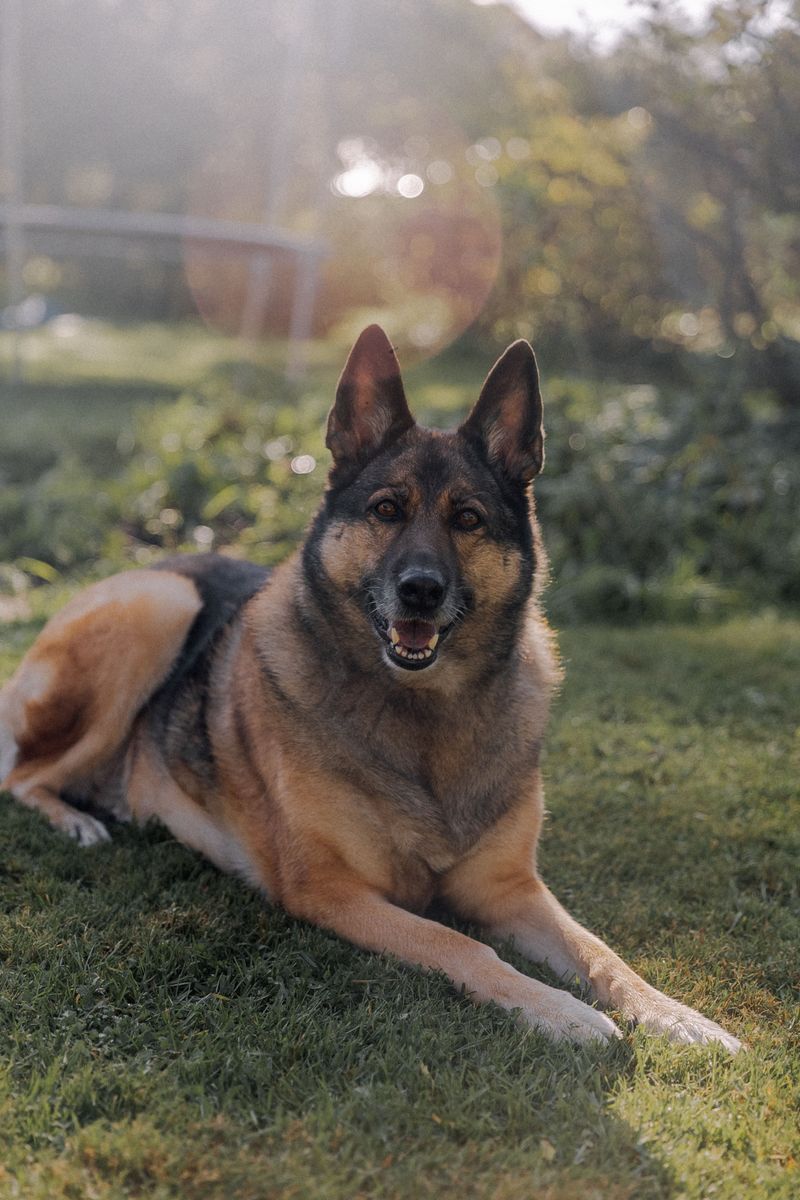
German Shepherds pair confidence with sensitivity, making timing and tone everything. They read posture, eyes, and breath, so your calm body language becomes the loudest cue.
Overhandling can sour motivation, while structured purpose unlocks their remarkable desire to work alongside you.
Blend tracking games, problem solving, and obedience that flows like a story. Reward decisively, then ask for thoughtful stillness to balance the drive.
Clear criteria, fair corrections, and consistent routines transform that big engine into steady, confident performance.
Socialize early with surfaces, noises, and friendly strangers. Teach a reliable out for toys and a rock solid down stay for impulse control.
When trusted with meaningful tasks, they shine as composed guardians who default to thinking before reacting.
Belgian Malinois
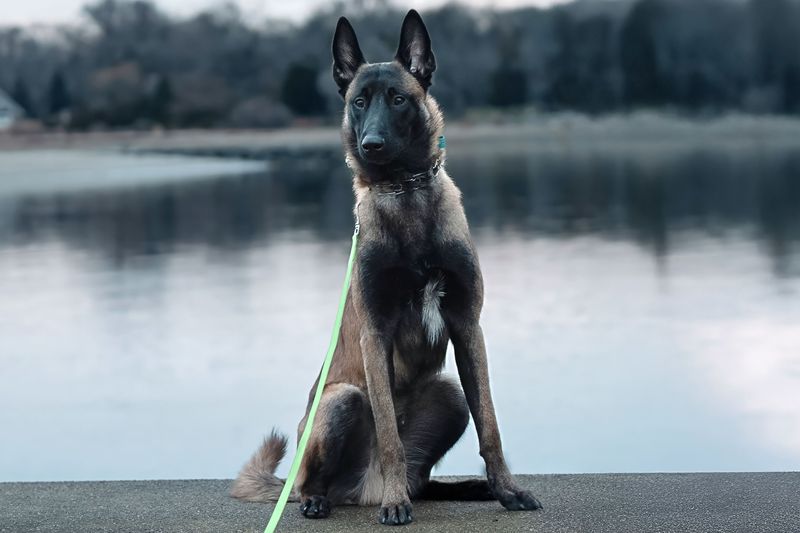
Malinois pulse with confident intensity, so channeling arousal is priority one. They adore tasks that demand precision under motion, and they learn lightning fast.
If drills stagnate or clarity fades, they will self direct into frantic patterns and rehearse independence.
Build rituals for engagement, then release energy through tug, jumps, and sprint recalls. Insert micro breaks and sniffing to reset the nervous system.
Mark clean behaviors, keep sessions short, and end on success so confidence stays productive instead of explosive.
Teach out and drop cues early to prevent equipment possession. Socialize methodically with surfaces, vehicles, and noise, pairing novelty with play.
When your structure meets their drive, the Malinois becomes an unstoppable teammate who looks to you first before launching forward.
Cane Corso
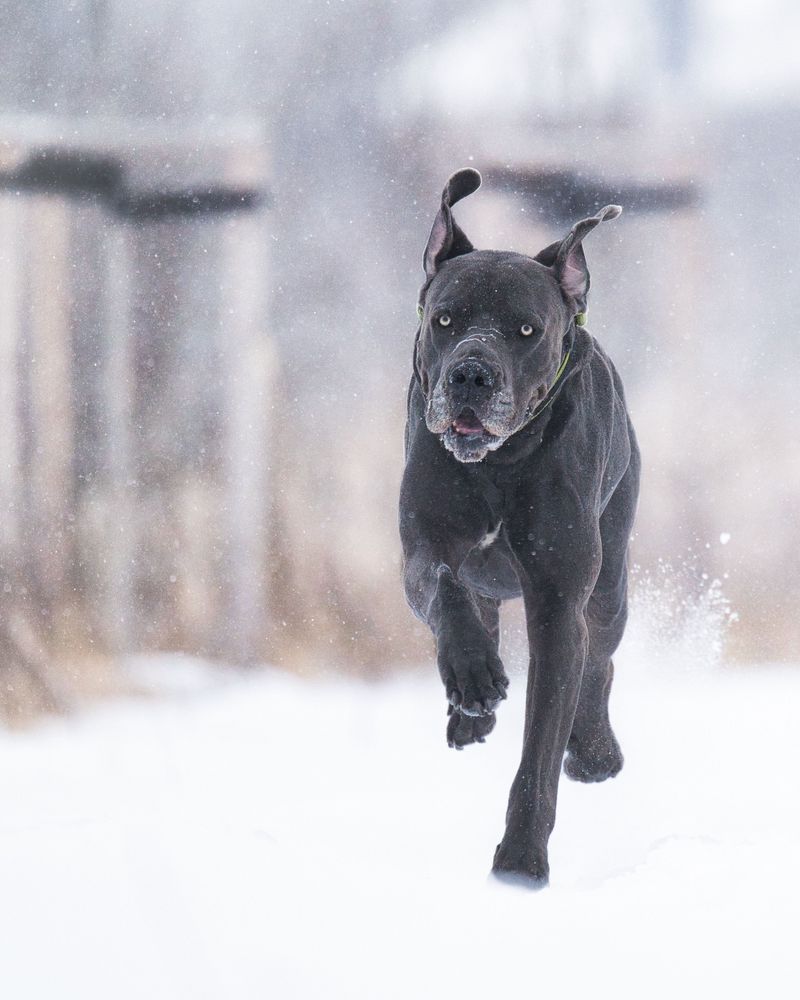
Cane Corsos carry quiet confidence and a thoughtful, evaluating gaze. They appreciate handlers who are calm, consistent, and economical with words.
Loud, frantic training can trigger resistance, while measured sessions create a companion who chooses cooperation without pressure.
Prioritize place training, loose leash skills, and steady social exposure at a pace they can process. Reward generously for neutrality around strangers and dogs.
Clear boundaries at home prevent pushy behavior and give this guardian breed a predictable framework.
Teach a reliable recall, leave it, and settle cues before adolescence hormones surge. Provide jobs like carrying a pack or holding a down during guests.
When you remain steady and fair, the Corso relaxes, trusts your lead, and stays composed.
Rottweiler
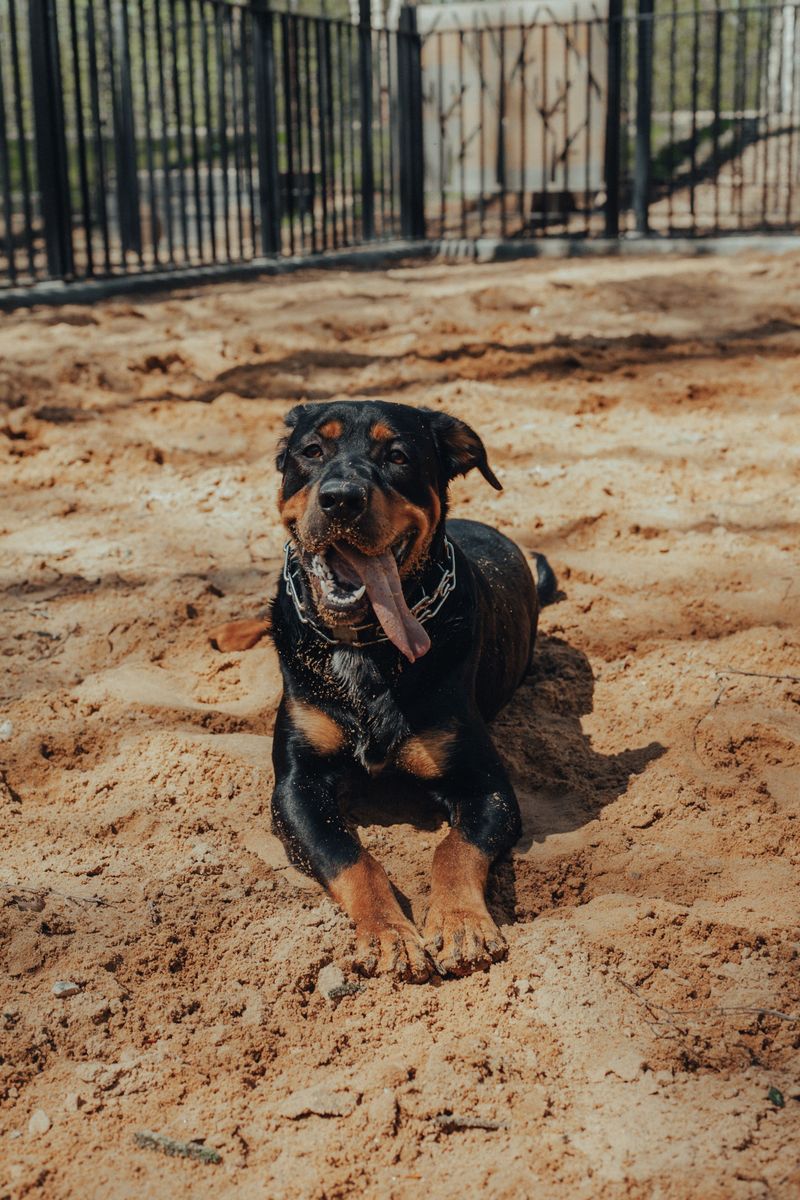
Rottweilers are confident problem solvers with a playful streak hiding under that bulk. They value clarity, humor, and purposeful reps over nagging repetition.
If leadership turns muddy or unfair, they disengage and test limits with stubborn charm.
Keep sessions upbeat with food chases, retrieving, and quick position changes. Use crisp markers and celebrate effort, not just perfection.
Balance power with impulse control through out cues and rock solid stays, so drive learns to idle gracefully.
Socialize early with controlled greetings, surfaces, and body handling. Teach loose leash skills and polite door routines for everyday reliability.
When you are fair and fun, the Rottie leans in, offering focused strength that feels like teamwork, not force.
Giant Schnauzer
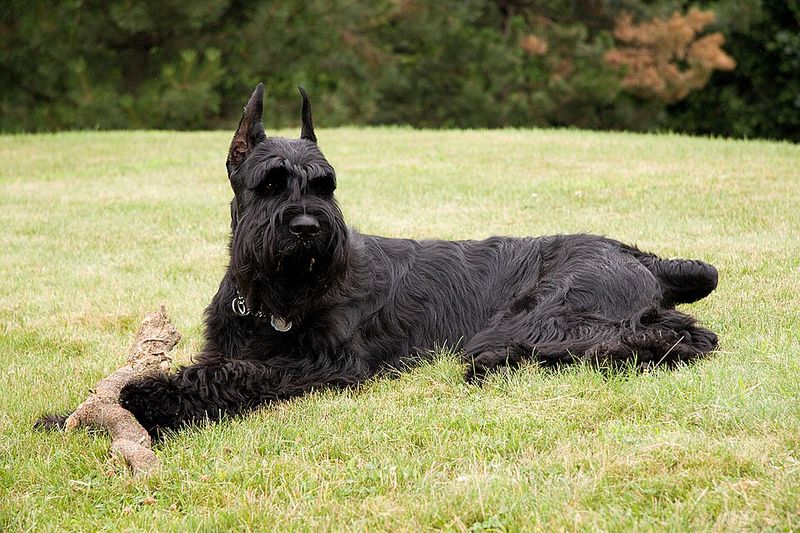
Giant Schnauzers radiate bold curiosity and a smart, sometimes cheeky independence. They thrive on work that changes often and challenges their problem solving.
Without novelty, they get bossy and invent side quests that ignore your agenda.
Use variable reward schedules, platform games, and scent puzzles to keep brains busy. Keep cues short, criteria crystal clear, and reps under ten.
Fair limits, plus regular grooming handling practice, channel that big personality into charming reliability.
Prioritize neutrality around strangers and dogs without forcing interactions. Build a bulletproof recall and a park bench down while life happens.
Give jobs like carting light loads, and you will see confident sparkle turn into cooperative brilliance.
Boxer
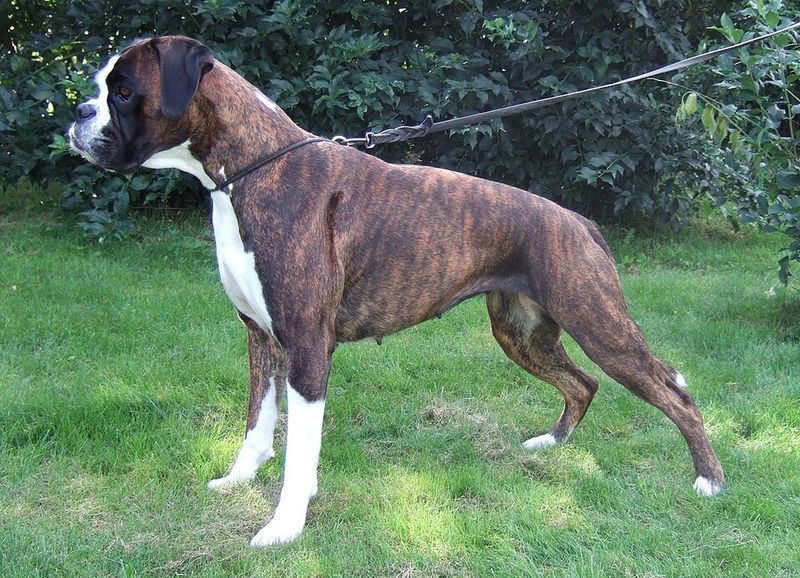
Boxers bring bubbly confidence and goofy enthusiasm that begs for playful structure. They learn best through games that alternate excitement and stillness.
Overcorrection can crush their sparkle, while upbeat coaching turns silliness into precise effort.
Use start stop patterns with tug, fetch, and food, pairing sits or downs between bursts. Reward eye contact and calm breathing before relaunching the fun.
Short sessions, varied environments, and frequent wins keep motivation high and frustration low.
Teach polite greetings, loose leash walking, and a rock solid place cue. Socialize with noises, kids, and wheelchairs to build thoughtful manners.
With your cheerful leadership, a Boxer channels that bounce into focused, huggable reliability inside and outside.
Rhodesian Ridgeback
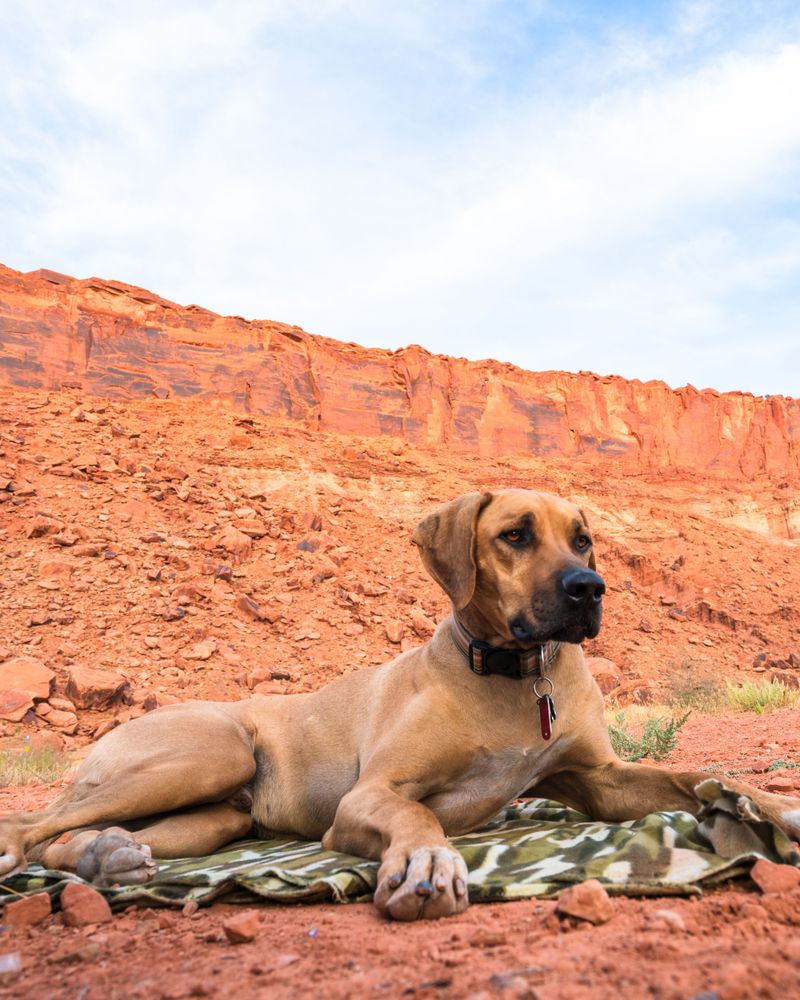
Ridgebacks are confident, athletic thinkers who prefer negotiations over micromanagement. They flourish when decisions feel like their idea.
Push too hard, and they drift away to manage their own entertainment.
Use choices within boundaries, like offering two recalls or two settles, both rewarding. Sprinkle tracking, lure coursing style games, and hill sprints to satisfy instincts.
Quiet praise and earned freedom become the currency that really sticks.
Socialize early with dogs, strangers, and novel places, keeping interactions relaxed. A rock solid leave it and relaxed leash skills prevent opportunistic chasing.
When you respect their autonomy, a Ridgeback returns that trust with grounded, dependable companionship. Teach place for guests and practice calm car rides after exercise.
Clear routines reduce arguments about choices.
Beauceron
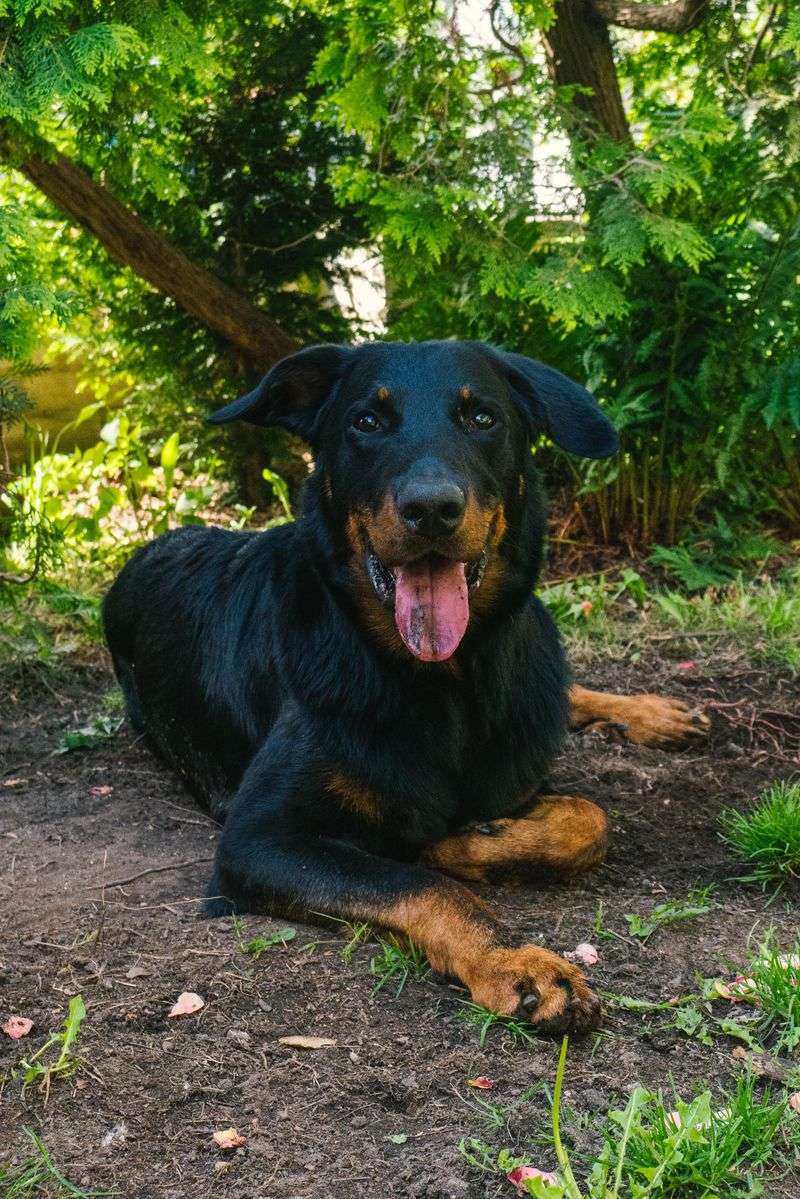
Beaucerons exude composed confidence with a steady, analytical temperament. They appreciate plans, not chaos, and shine when work has clear purpose.
Nagging bores them, yet fair structure earns astonishing loyalty and follow through.
Use boundary games, precision heeling, and scent articles to engage their brain. Pay thoughtfully for correct decisions, especially neutrality around distractions.
Insert decompression walks and farm style chores so confidence expresses as calm, not pushiness.
Teach a reliable recall, a quiet place, and impeccable leash manners. Socialize early with people handling and unusual textures.
With respectful leadership, the Beauceron becomes a composed partner who reads rooms and defaults to good judgment beside you. Practice down stays during meals and doorway thresholds daily.
Consistency builds lasting confidence steadily.
Anatolian Shepherd Dog
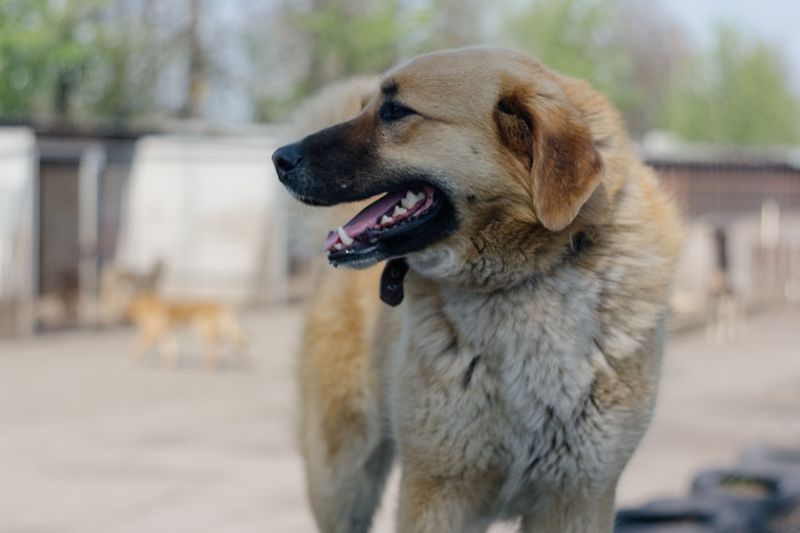
Anatolians possess self assured, independent confidence born from livestock guardianship. They evaluate before acting and dislike noisy micromanagement.
If trust is rushed, they retreat emotionally and stop offering effort.
Focus on calm routines, predictable boundaries, and slow, thoughtful socialization. Reward neutrality near strangers and dogs far more than flashy obedience.
Practice long place, loose leash meanders, and recalls that end in sniff breaks, not constant restraint.
Teach solid house manners, polite door behavior, and a reliable wait. Introduce novelty in small bites, pairing it with food or distance.
With patient leadership, the Anatolian chooses partnership, offering calm presence and confident judgement without drama. Practice boundary games around livestock noises on recordings to build thoughtful composure.
Freedom grows from trust earned.
Great Dane
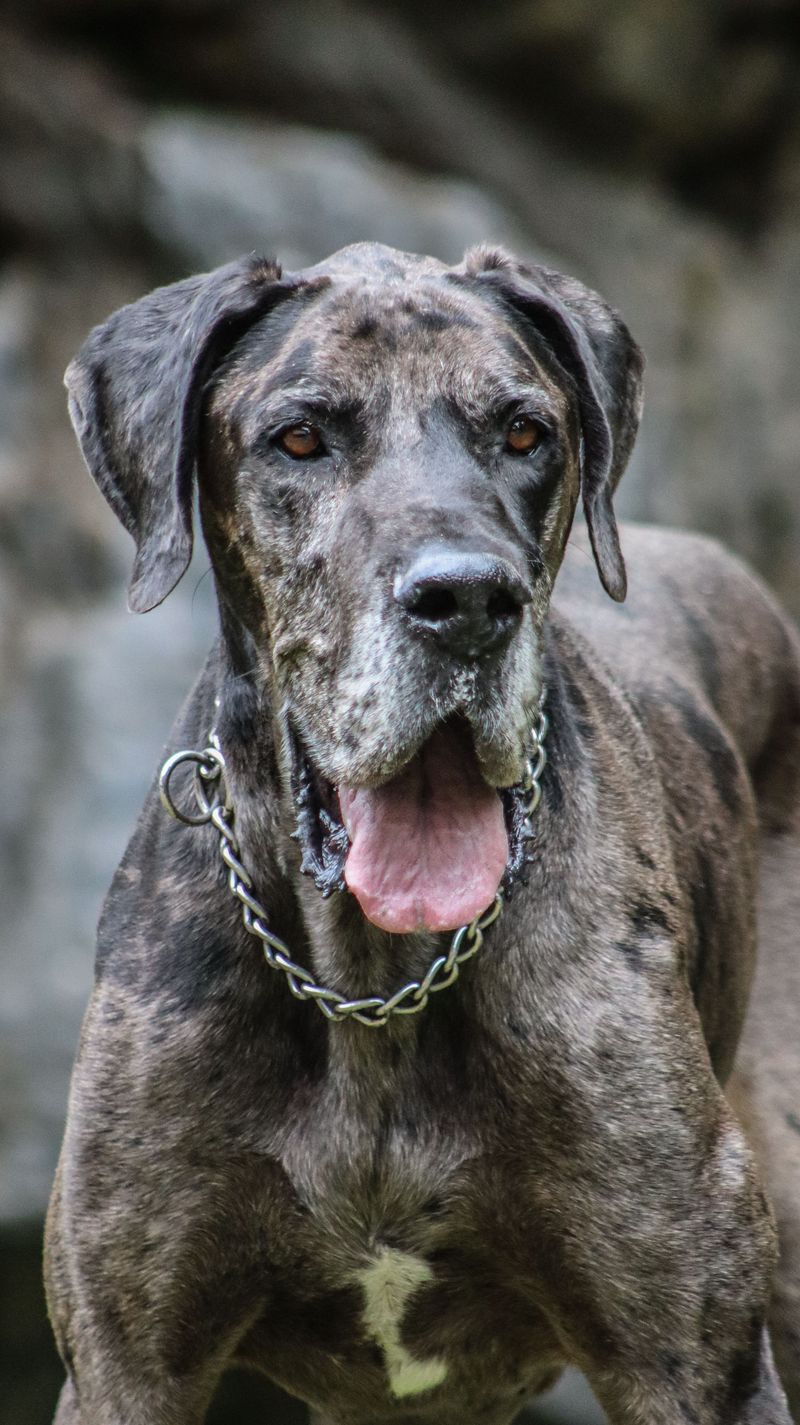
Great Danes carry gentle confidence in giant frames, which demands thoughtful mechanics. Joints and attention spans need short, positive sessions.
When training feels comfortable and kind, their willingness blossoms.
Teach cooperative care early, like nail trims, ear handling, and leaning without crowding. Reward for staying close, because momentum can become accidental pulling.
Use platforms to clarify positions while protecting growing bodies from repetitive strain.
Socialize with stairs, slippery floors, and friendly strangers who respect space. Install a reliable settle cue for cafes and waiting rooms.
With easygoing leadership, a Dane offers soulfully attentive obedience wrapped in comedic, couch sized affection. Practice slow recalls, gentle direction changes, and parking beside you before greeting visitors.
Confidence grows through predictable rituals at home.
Weimaraner
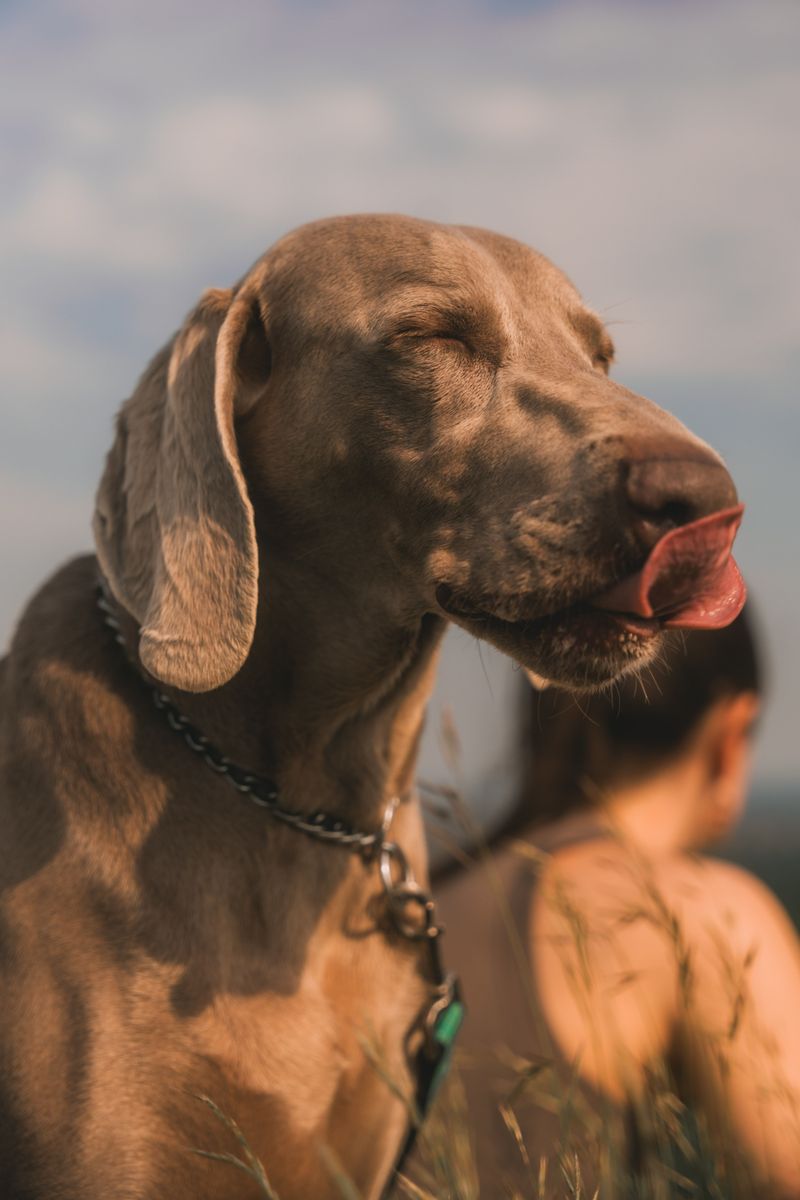
Weimaraners are sleek, confident athletes with emotions close to the surface. They need purposeful outlets for energy and curiosity.
Inconsistent rules spark creative mischief, while fair structure turns intensity into brilliance.
Blend tracking, field style games, and problem solving drills with restful decompression. Pay generously for stillness after excitement to teach off switches.
Keep cues concise and practice indoors first, then outdoors, scaling distractions thoughtfully.
Socialize with novel sounds, new textures, and friendly dogs. Teach a reliable recall, a long place, and polite greetings to support impulse control.
With steady leadership and creative jobs, your Weim becomes a luminous partner who chooses connection over chaos. Practice crate games and calm car rides to nurture patience between adventures.
During big transitions.