Sticker shock at the vet is real, and it is changing how people choose their next dog. Predictable care rarely exists, so smart owners plan for surprise costs before bringing a pup home. The breeds below are lovable, impressive, and sometimes fragile in ways that hit the wallet. If you are mapping out a budget, this guide helps you prepare with fewer nasty surprises.
Great Dane
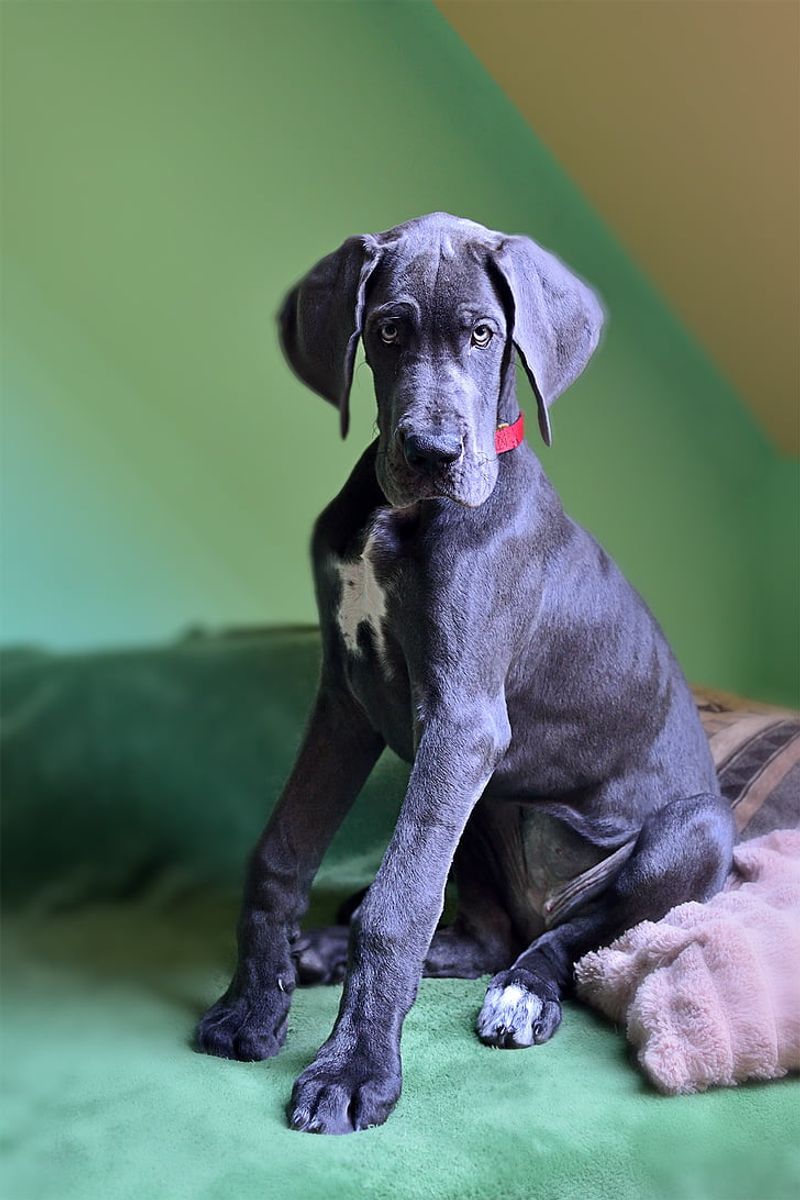
Great Danes win hearts with gentle giant energy, but their size can magnify medical costs. Orthopedic issues like hip and elbow dysplasia are common, and bloat can be a life threatening emergency requiring immediate surgery. You will want a fund for giant breed supplements, joint imaging, and larger dose medications.
Preventive care runs higher due to weight based pricing for anesthesia, heartworm prevention, and pain meds. Insurance can help, yet exclusions for pre existing conditions mean enrolling early is smart. Budget for durable gear, XL crates, and high quality food to help joints, because cutting corners later often costs more.
Dogue de Bordeaux
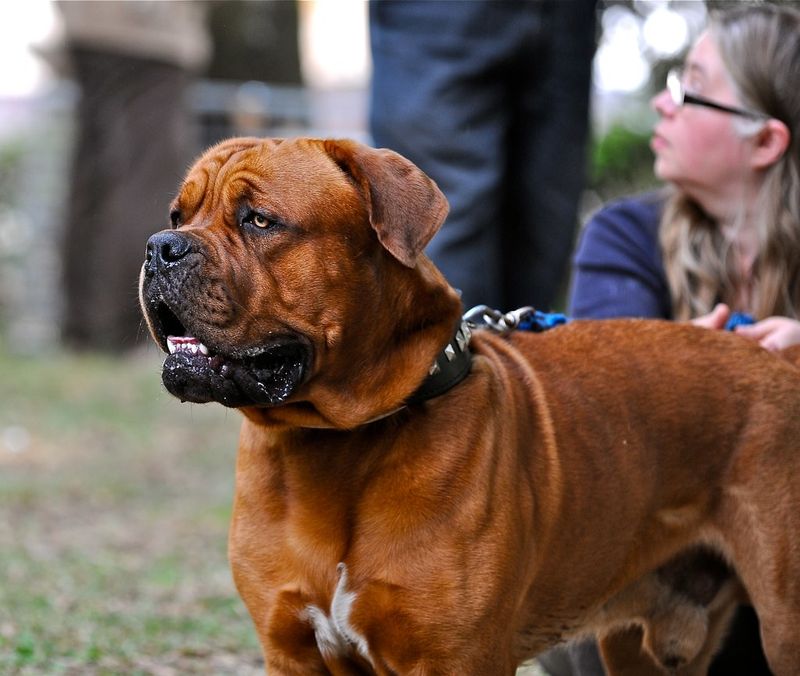
The Dogue de Bordeaux is a heavy, short lived mastiff with a tender soul and a rugged body that needs careful monitoring. You will see higher costs tied to cardiac screening, joint care, and skin fold management. Anesthesia for dental or surgical work is pricey, as dosages scale with mass.
Bloat prevention plans, including gastropexy, are worth considering upfront. Expect recurrent expenses for eye issues, ear infections, and allergy treatments. Insurance may be wise, but read limits around inherited conditions. Keep a savings cushion for emergency referrals because when something happens with this breed, speed and specialty care matter and rarely come cheap.
Neapolitan Mastiff
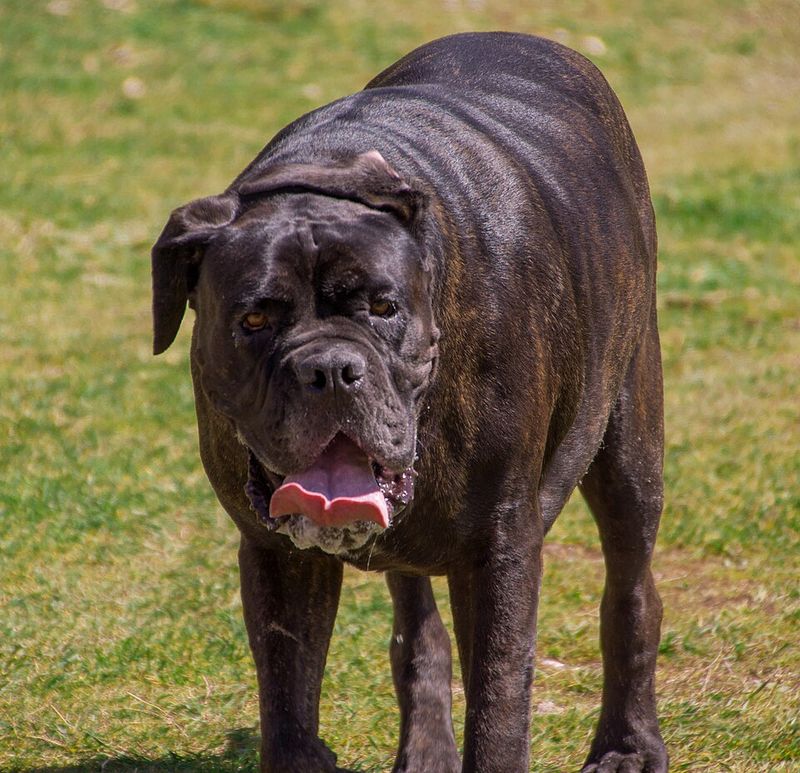
Neapolitan Mastiffs look formidable yet need meticulous care. Those iconic wrinkles trap moisture and debris, inviting infections that require regular cleaning and sometimes prescription treatments. Eye problems like entropion and cherry eye can mean surgery, while joint issues and cruciate tears add orthopedic bills that escalate fast.
Because of size, imaging and anesthesia cost more, and post op meds come in larger, pricier doses. You will want insurance early, plus a monthly budget for grooming supplies and medicated shampoos. Plan for specialist consults if eyelid or ligament surgery becomes necessary. With proactive maintenance and a realistic fund, you can keep this majestic companion comfortable without panicked spending.
Irish Wolfhound
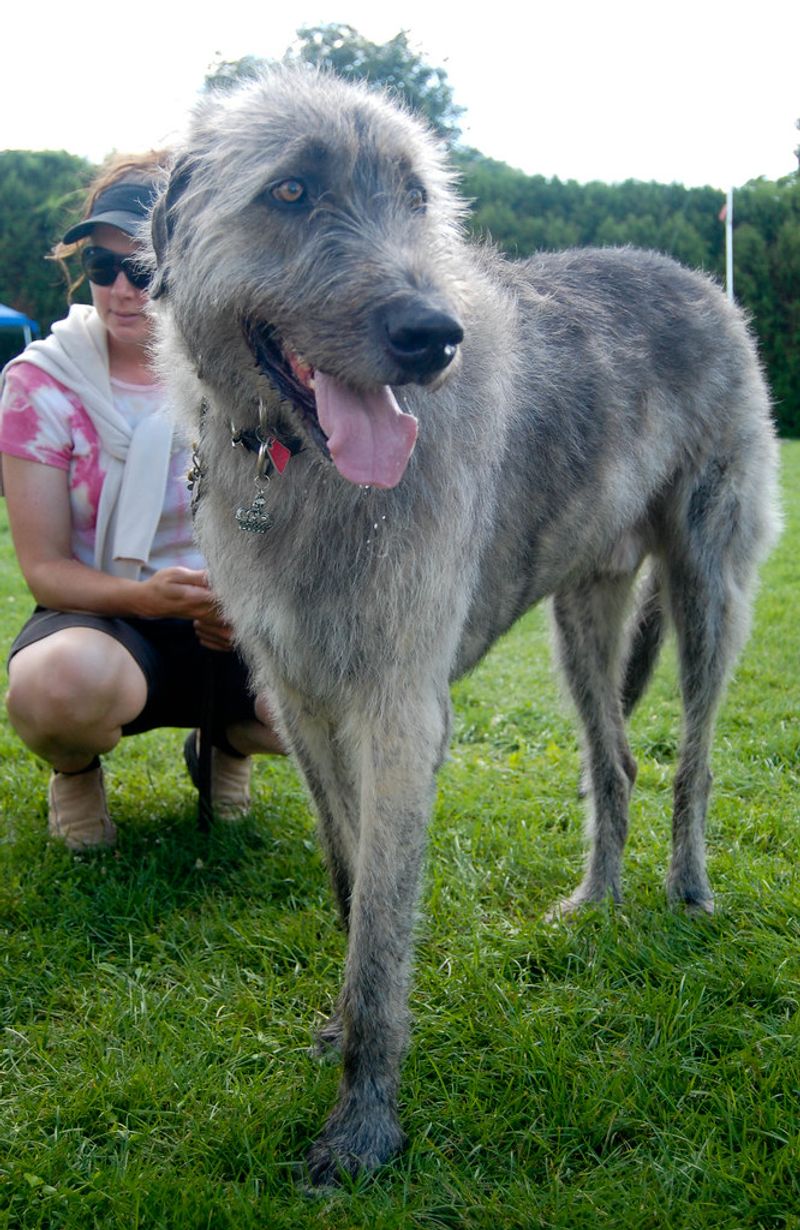
Irish Wolfhounds are elegant, gentle sprinters with special health needs that demand planning. Rapid growth strains bones and joints, leading to screenings, supplements, and careful diet management. Dilated cardiomyopathy and bloat are real worries, so cardiology checks and elective gastropexy often appear in the budget.
Their short lifespan means proactive care matters now, not later. You will pay more for imaging, anesthesia, and emergency stabilization because of size and urgency. Routine care still adds up with weight based parasite prevention. Build an emergency fund and consider breed savvy insurance, since early detection of heart changes can literally buy time and save money through fewer crisis visits.
Bernese Mountain Dog
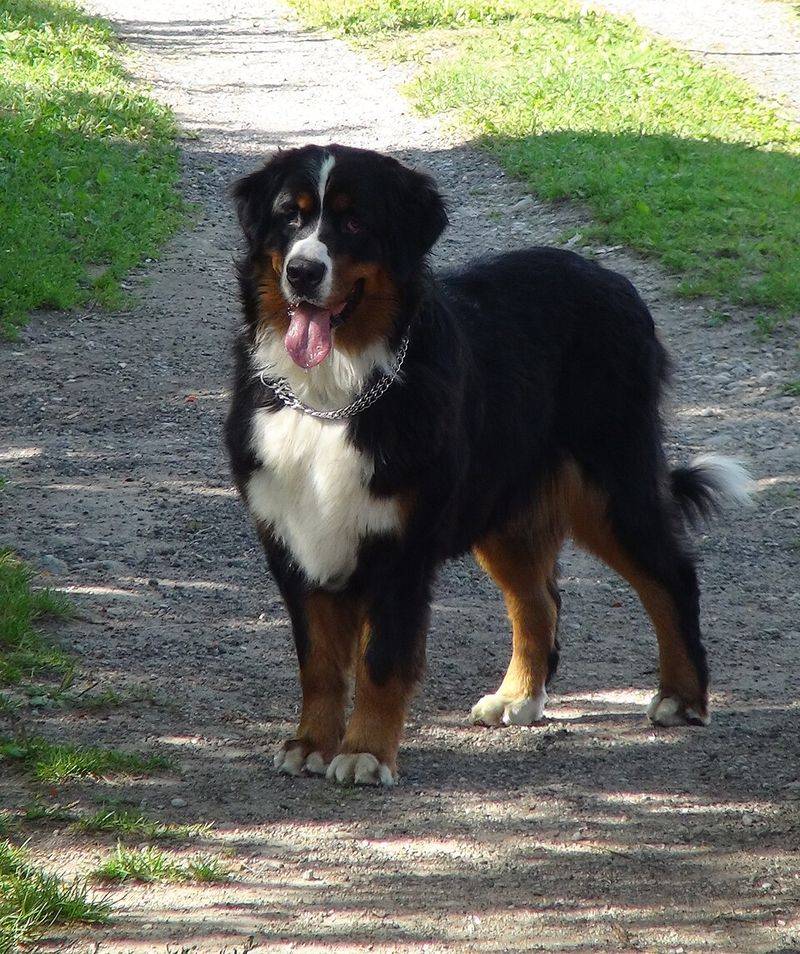
Bernese Mountain Dogs radiate sweetness, but owners often budget for cancer risks and joint care. Unfortunately, malignancies like histiocytic sarcoma appear too often, leading to diagnostics and treatment discussions earlier than expected. Hip and elbow dysplasia screenings, supplements, and possible surgeries can add significant costs.
Allergy and hot spot management may require medicated shampoos and prescription therapies. Insurance can offset oncology bills if in place before symptoms show. Plan for high quality diet, weight control, and regular vet checks to catch problems early. You will appreciate setting aside an annual fund for imaging and specialist consults, because timely decisions can improve comfort and stretch precious time together.
Bulldog
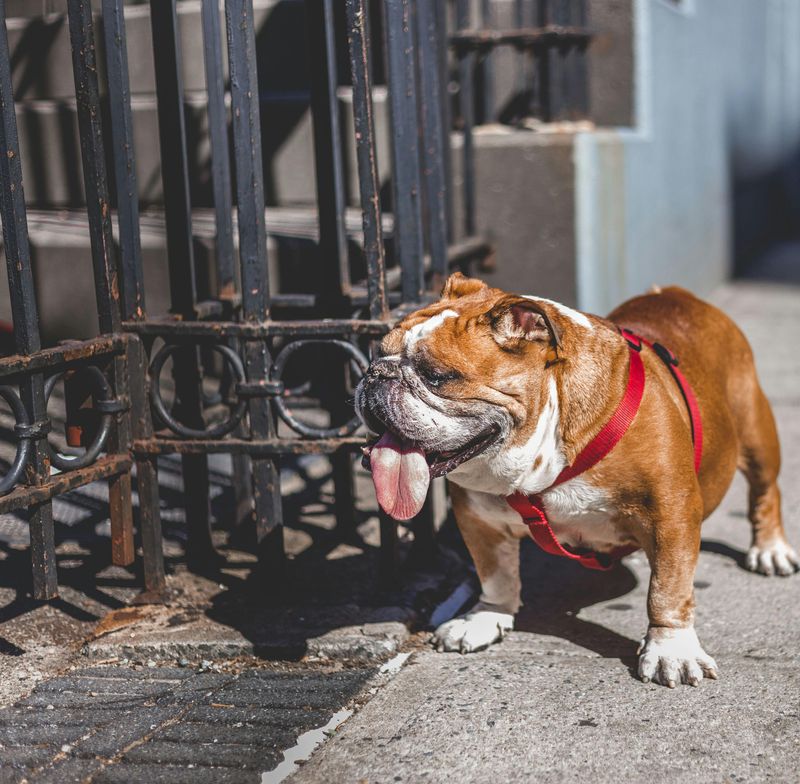
Bulldogs are charming clowns with medical quirks you should plan for from day one. Brachycephalic airway syndrome can require surgery to improve breathing, especially in heat. Skin folds, ear infections, and tail pocket issues invite ongoing treatments, while eye problems like cherry eye may need corrective procedures.
Anesthesia and imaging are higher risk and higher cost, making experienced vets essential. Budget for dental work, allergy meds, and specialized harnesses that reduce airway strain. Insurance helps if it starts early, but expect exclusions for hereditary conditions. You will also want a heat management plan and cooling gear to avoid emergencies, because prevention is the most affordable path with this endearing companion.
Cavalier King Charles Spaniel

Cavaliers melt hearts, but many develop mitral valve disease that needs lifelong monitoring and meds. Echocardiograms, cardiology rechecks, and prescription drugs add steady monthly costs once murmurs start. Syringomyelia and ear infections can layer more appointments and imaging onto the calendar and budget.
Keeping weight controlled and dental care consistent pays off over time. You will want insurance early, since heart issues are often excluded if noted first. Plan for professional cleanings, quality diet, and routine bloodwork to catch medication effects. A dedicated health fund keeps surprises smaller, letting you focus on snuggles and playtime instead of scrambling for each invoice.
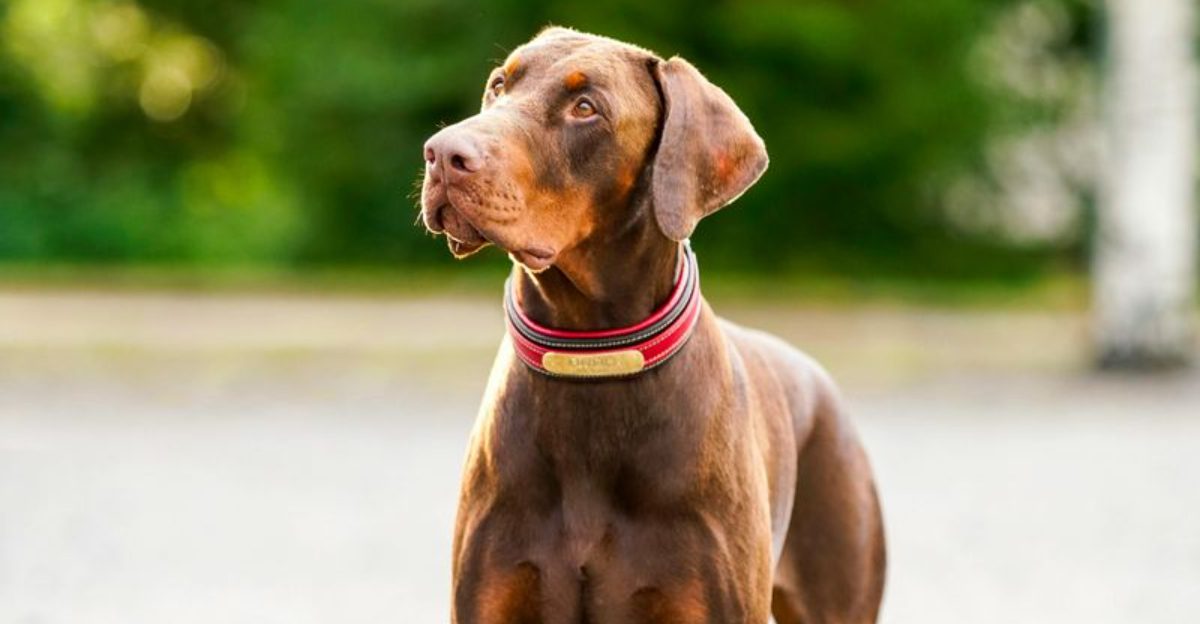
Doberman Pinscher
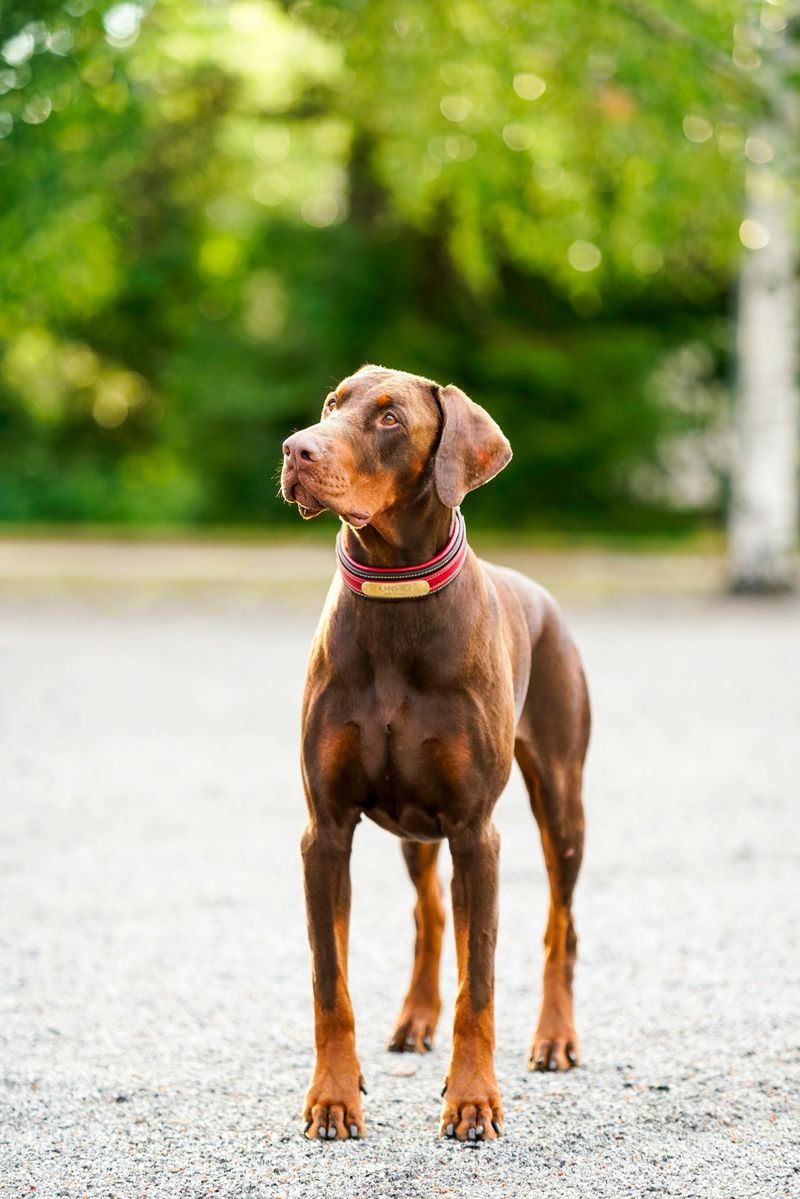
Dobermans are athletic and brilliant, but budgeting wisely means preparing for heart and clotting concerns. Dilated cardiomyopathy screening with echocardiograms and Holter monitors may become routine. Von Willebrand disease testing helps avoid surgical surprises, and thyroid panels can explain behavior or performance changes.
Joint care, gastro issues, and occasional skin allergies add recurring costs. Insurance helps if started before symptoms, and setting aside funds for cardiology makes decisions easier later. You will appreciate investing in training and enrichment, which prevents injuries and stress related vet visits. With proactive screening and a balanced lifestyle, you can manage expenses while keeping this sharp partner thriving.
Rottweiler
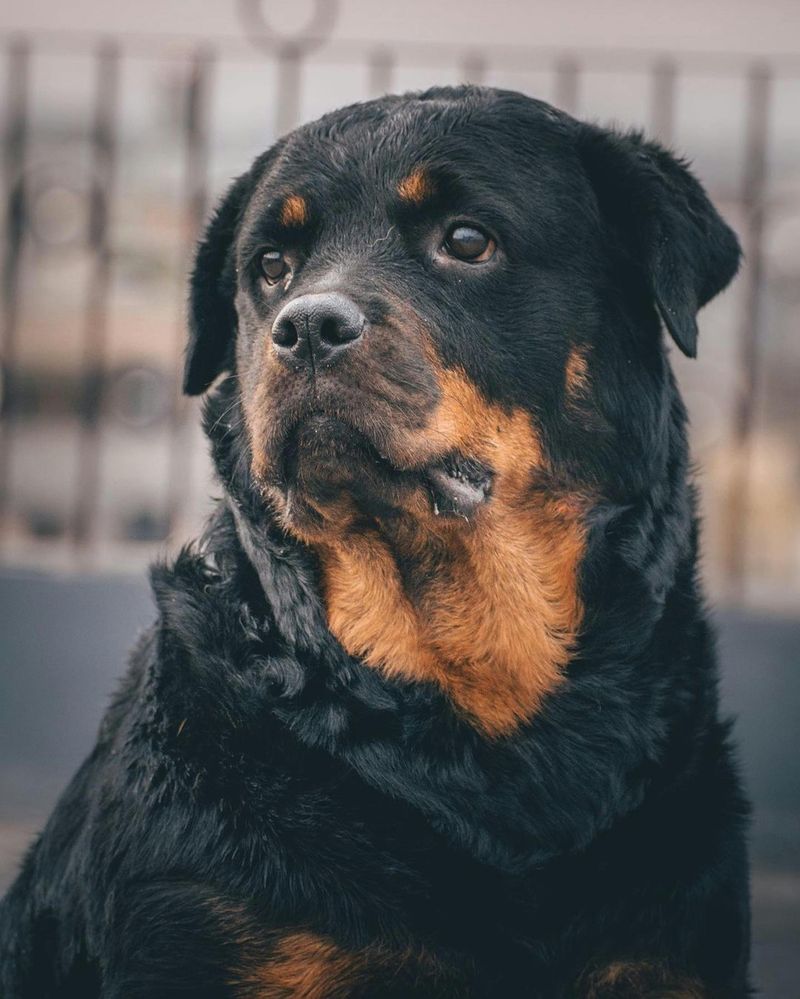
Rottweilers are steadfast guardians with big dog expenses if joints or cruciate ligaments fail. Hip and elbow dysplasia screenings, plus potential TPLO surgery, belong in a long term plan. Some develop osteosarcoma, so imaging and oncology consults might appear on the radar.
Weight management and structured exercise save money by reducing injuries. You will want insurance early and a preventive schedule covering dentals, parasite control, and bloodwork. Training dollars are also health dollars, preventing accidents and stress that trigger emergency visits. With a disciplined budget and agile care, you can keep this confident companion strong and avoid last minute financial scrambles.
German Shepherd
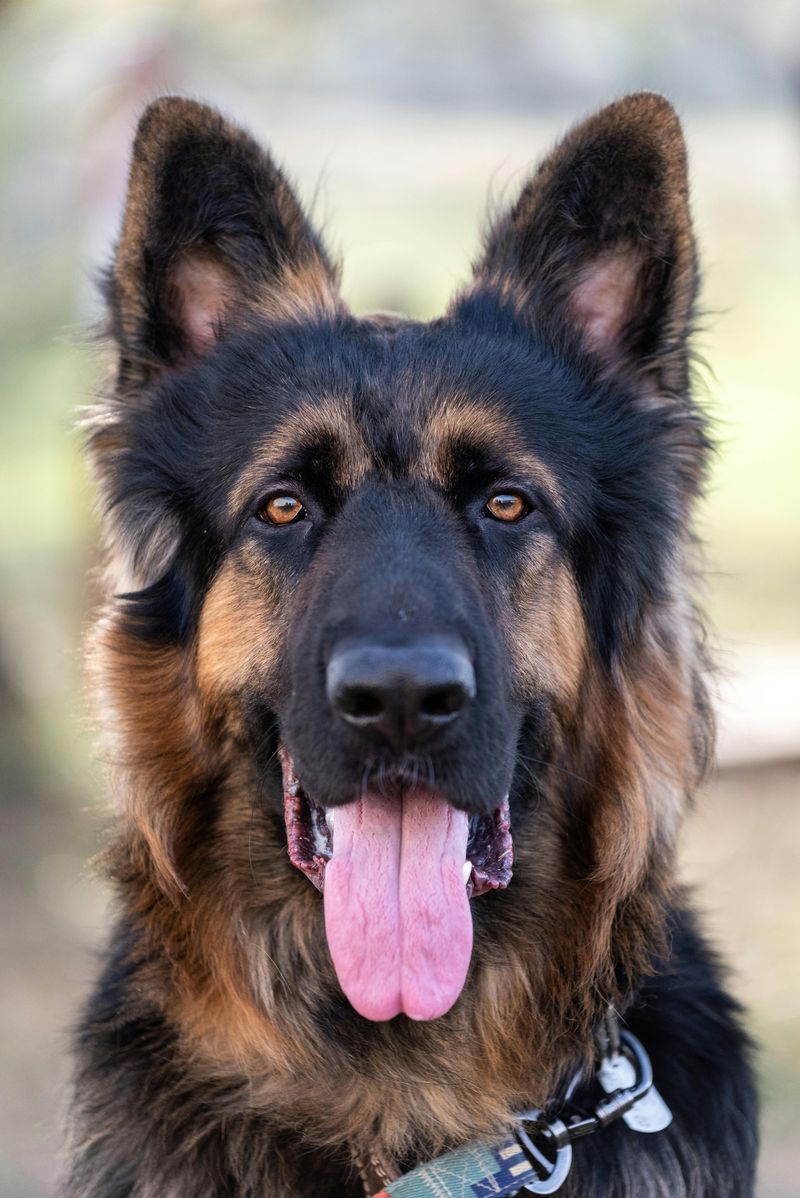
German Shepherds are versatile workers who thrive with structured health planning. Hip and elbow dysplasia can require imaging, physical therapy, or surgery, and degenerative myelopathy adds long term mobility costs. Gastro sensitivities may lead to prescription diets and repeated diagnostics when flare ups happen.
Budget for rehab sessions, joint supplements, and insurance that allows specialist visits. You will want regular dental care and parasite prevention scaled to active lifestyles. Thoughtful training reduces orthopedic strain and emergency mishaps. With consistent checkups and a savings buffer, you can keep your shepherd agile, comfortable, and ready for adventures without financial panic when surprises strike.