
Ever wonder what veterinarians quietly wish every dog owner did? These habits are simple, doable, and they add real years and comfort to your pup’s life.
If you have ever felt unsure about where to start, this list turns good intentions into confident action. Stick with me and you will feel prepared, not overwhelmed.
Regular vet checkups
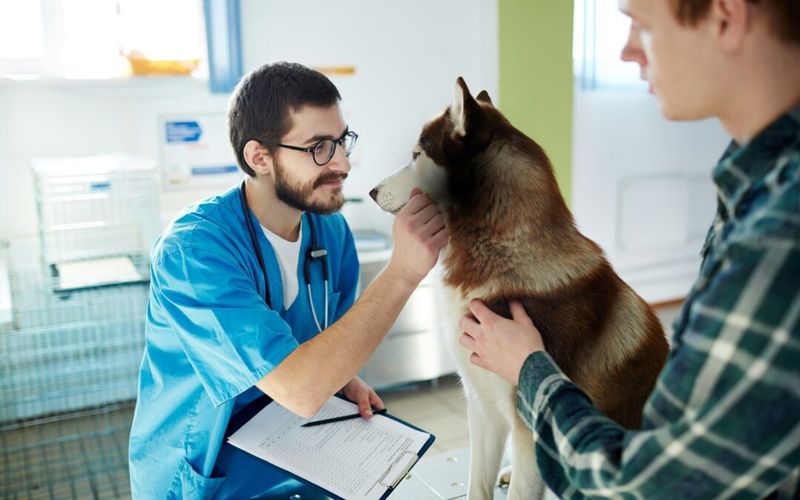
Regular vet checkups are your dog’s preventive safety net, catching small issues before they become big, expensive problems. You get baseline vitals, weight trends, and early screenings that guide smarter daily choices.
I tell friends to schedule exams every six to twelve months, with senior dogs seen more often for bloodwork and mobility assessments.
Use these visits to update records, review diet, and ask about behavior changes you notice at home. Vets also examine teeth, skin, joints, eyes, and ears, creating a cohesive picture that online searches cannot replace.
When something feels off, you already have a trusted team, history, and plan, which lowers stress for you and your dog. Book next appointments before leaving to keep momentum.
Proper vaccination schedule
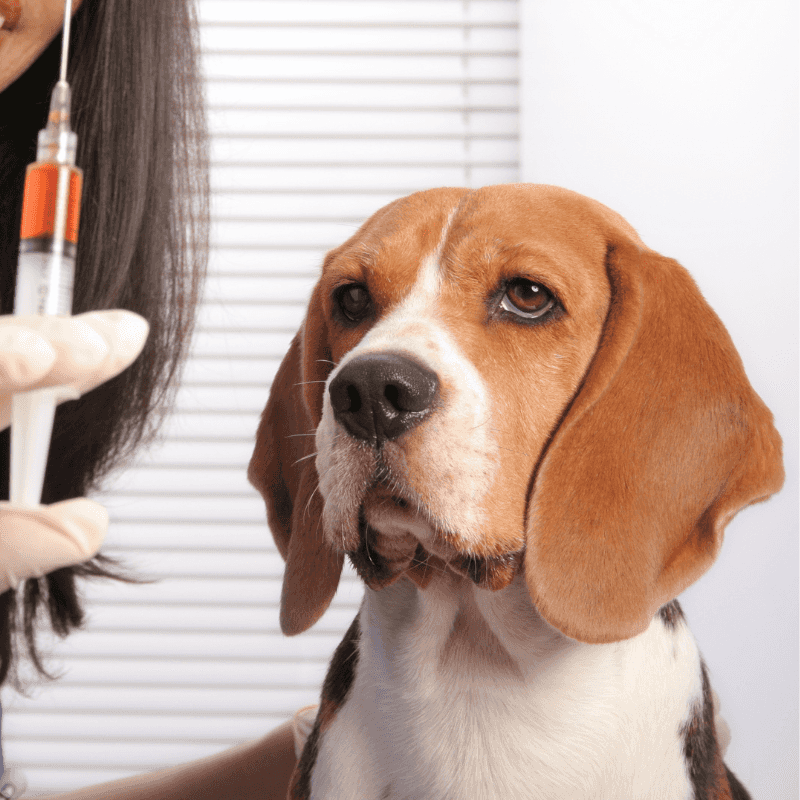
A proper vaccination schedule protects your dog from preventable diseases like parvo, distemper, rabies, and leptospirosis. Your vet times core and lifestyle vaccines based on age, exposure risk, and local regulations.
Puppies follow a series with boosters, while adults need timely updates to maintain protective antibody levels and comply with daycare, boarding, and travel requirements.
Ask about titers, regional risks, and noncore options like Lyme or influenza if you hike, socialize often, or live near wildlife. Keep a digital copy of records so you can share proof instantly when needed.
Schedule reminders in your calendar, and pair vaccine visits with wellness checks, nail trims, or microchip scans to make the trip worthwhile. Consistency keeps immunity strong and predictable.
Balanced nutrition

Balanced nutrition starts with complete, labeled food that meets AAFCO standards for your dog’s life stage. Look for clear protein sources, appropriate fat, digestible carbohydrates, and added omega fatty acids for skin and brain health.
You can choose kibble, fresh, or raw with veterinary guidance, but portion control and safe handling matter more than trends.
Measure meals, track body condition, and use a slow feeder if your dog gulps food. Rotate proteins and textures thoughtfully to reduce boredom and support a diverse gut microbiome.
Treats should stay under ten percent of daily calories, and table scraps need careful moderation, especially onions, grapes, xylitol, and fatty meats that can trigger pancreatitis or worse. Ask your vet before adding supplements.
Daily exercise
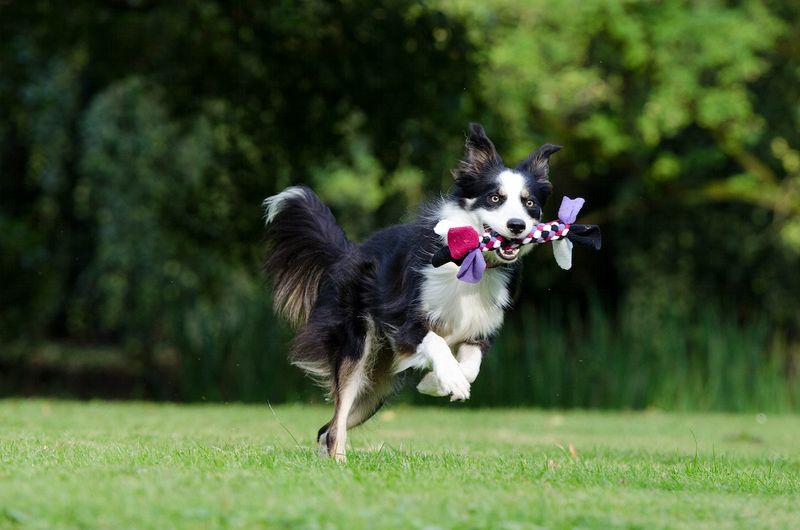
Daily exercise keeps joints lubricated, minds calm, and waistlines trim, which adds years to your dog’s life. Match intensity to breed, age, and weather so activity stays safe and fun.
Mix brisk walks, sniffaris, gentle jogs, and structured play like fetch or flirt pole sessions to target stamina, strength, and impulse control.
Short sessions spaced through the day often beat one exhausting weekend outing. Watch for fatigue, heat stress, paw wear, or stiffness afterward, and adjust plans accordingly.
On rainy days, swap mileage for indoor games, stair climbs, or canine conditioning exercises, then finish with a calm decompression walk so your dog settles peacefully at home. Consistency builds resilience, confidence, and better sleep for both of you.
Dental care routine
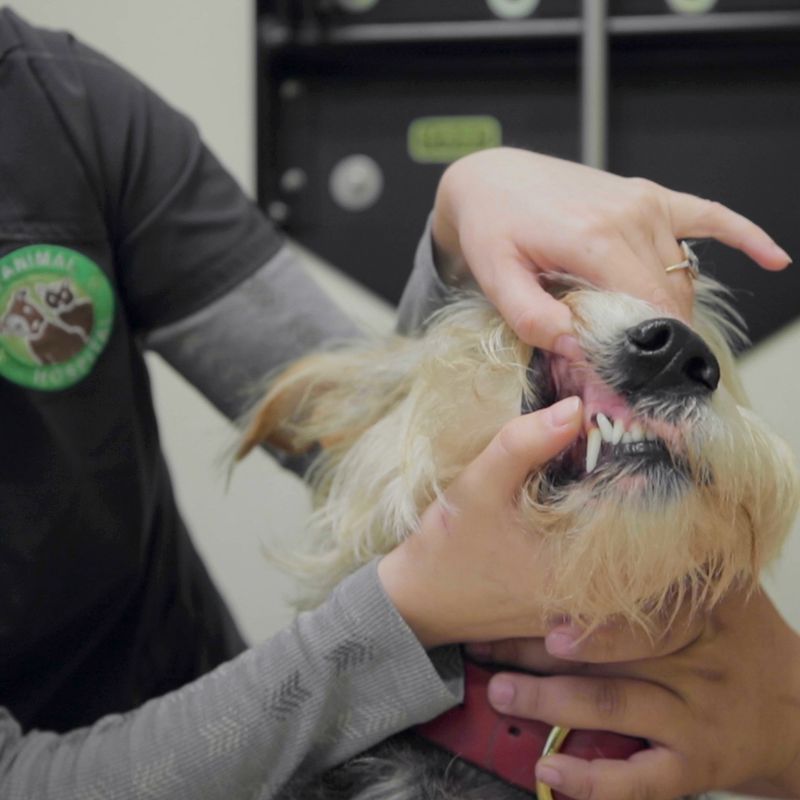
A reliable dental care routine prevents painful infections, tooth loss, and costly cleanings under anesthesia. Daily brushing is the gold standard, using dog safe toothpaste and a soft brush or finger cot.
If brushing feels tough at first, start with gentle gum massages, then pair short sessions with treats until your dog accepts the habit.
Supplement brushing with VOHC approved chews, dental wipes, water additives, or prescription dental diets recommended by your vet. Monitor for bad breath, drooling, blood, or pawing at the mouth, and schedule professional cleanings when needed.
Safer chewing matters too, so skip antlers and hard bones in favor of rubber toys that give slightly when pressed with a thumbnail. Early care saves money and pain.
Parasite prevention

Year round parasite prevention blocks fleas, ticks, heartworms, and intestinal worms that spread disease to dogs and people. Your vet will tailor products to climate, travel, and lifestyle, combining topical, oral, or collar options as needed.
Testing annually for heartworm and fecal parasites keeps protection on track and catches gaps before they become health crises.
Check your dog after hikes, vacuum frequently, and wash bedding hot to reduce household exposure. Ask about regional tick borne threats, and learn safe removal techniques with tweezers, not folklore tricks.
Store medications out of reach, set calendar refills, and never split doses without guidance, because weight changes or age can alter what is both safe and effective. Prevention costs less than emergency care.
Mental stimulation
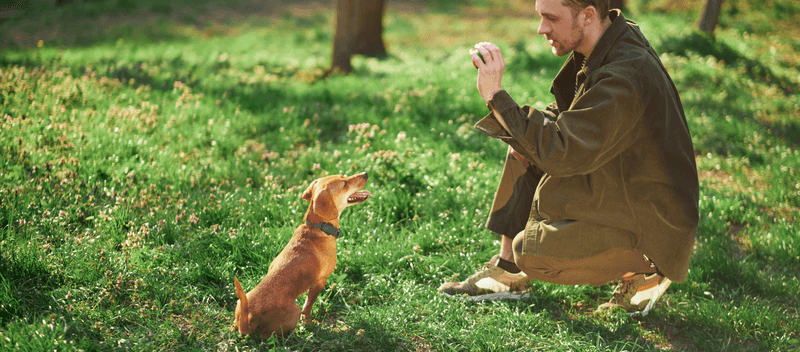
Mental stimulation burns energy without miles of walking and builds confident problem solving skills. Rotate puzzle feeders, snuffle mats, flirt poles, and lick mats to make meals an enriching event.
Teach scent games, basic tricks, and name discrimination, letting your dog use their nose and brain in quick, satisfying bursts throughout the day.
Scatter kibble in the yard, hide toys in boxes, or play find it around furniture for rainy day fun. Keep sessions short, end on success, and adjust difficulty so frustration stays low.
A mentally tired dog recovers faster from stress, chews less destructively, and listens better, because their needs are met in ways that feel natural. You will notice calmer walks and smoother evenings.
Consistent training
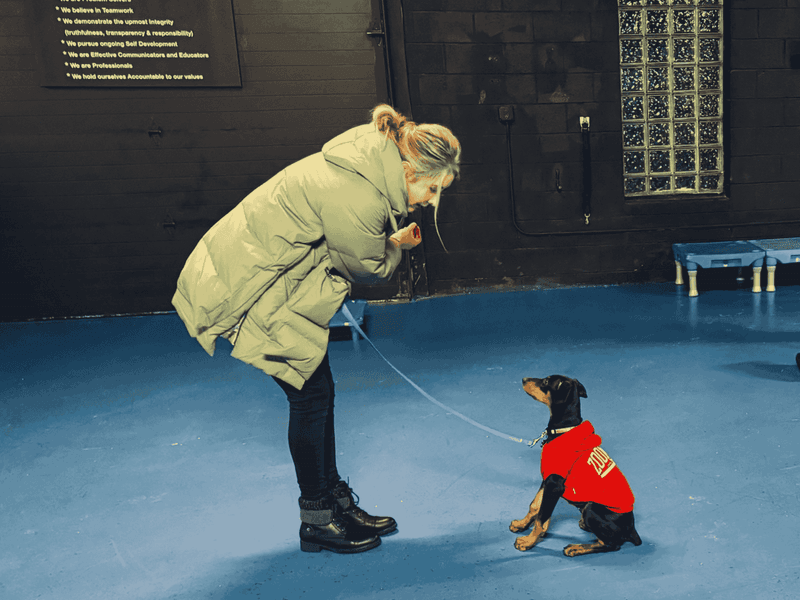
Consistent training gives your dog clarity, confidence, and choices that reduce conflict at home and in public. Pick a marker word, reward generously, and keep criteria simple so progress stacks week after week.
Focus on essentials first sit, down, stay, recall, loose leash walking, leave it, and place then proof behaviors around distractions.
Use short, upbeat reps and end before your dog quits. Prevent rehearsal of unwanted actions by managing space with gates, leashes, and tethers.
If frustration rises, lower difficulty, increase distance, or change rewards, because emotion drives behavior. Positive reinforcement builds trust, while punishment risks fallout, fear, and avoidance that make long term results fragile and unpredictable.
Train briefly every day to lock skills in.
Safe home environment
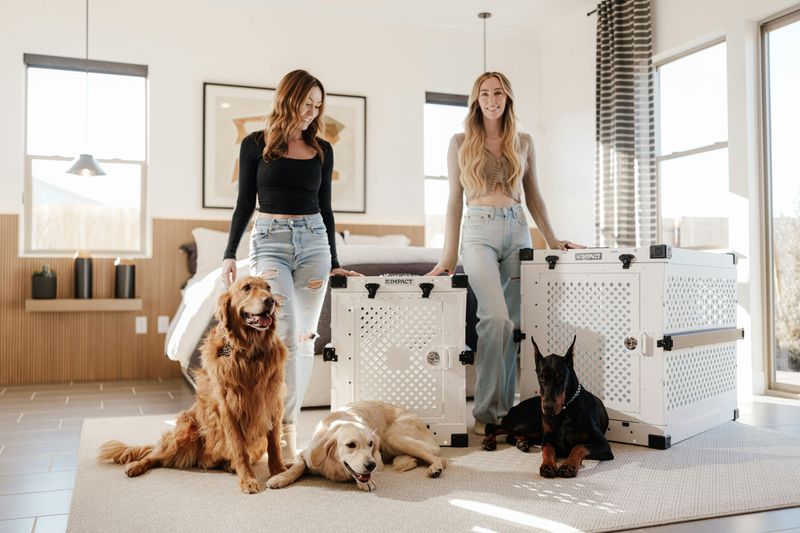
A safe home environment starts with hazard mapping your dog’s zones just like baby proofing. Anchor bookshelves, block balcony gaps, secure trash, and store medications, cleaners, and batteries high or locked.
Use cords covers, outlet guards, and cabinet latches where needed, and pick houseplants carefully because several popular varieties are toxic to curious pets.
Create cozy rest spots away from drafts, add non slip rugs on slick floors, and choose crates sized for comfort. Keep ID tags updated, microchips registered, and doors latched before guests arrive.
During holidays, manage guests, food, and decorations with gates and leashes, then offer decompression time so your dog can reset and feel safe. Small tweaks prevent injuries and expensive emergencies.
Grooming and hygiene
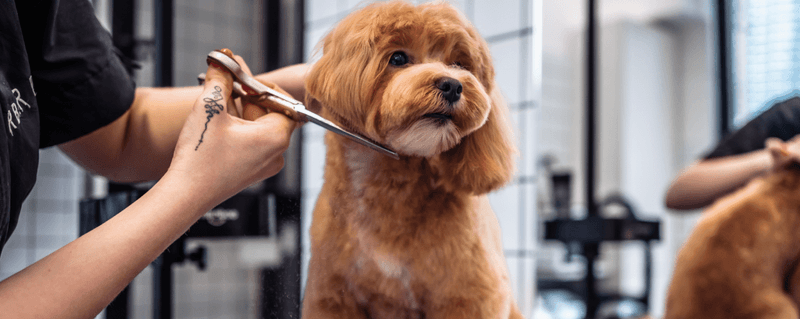
Grooming and hygiene keep skin healthy, coats shiny, and vet visits less stressful. Brush regularly to reduce mats, distribute oils, and check for lumps, burrs, or parasites.
Bathe as needed with dog specific shampoo, rinse thoroughly, and dry completely, especially in skin folds or under dense coats where moisture can trap bacteria and yeast.
Trim nails to a safe length so posture and joints stay protected, and condition paws with balm in harsh weather. Clean ears with vet approved solution, brush teeth, and wipe eyes gently to prevent irritation.
Keep tools sharp, introduce equipment slowly, and pair spa time with rewards so grooming becomes a predictable routine your dog actually enjoys. Consistency reduces shedding and surprise tangles.