
If your dog seems to live for the next snack, you are not imagining it. Some breeds are wired to chase every crumb, and vets see the consequences all the time.
The good news is you can channel that appetite into healthier habits without losing your pup’s joy. Here is how to outsmart the hungriest breeds and keep bellies satisfied without overdoing calories.
Labrador Retriever
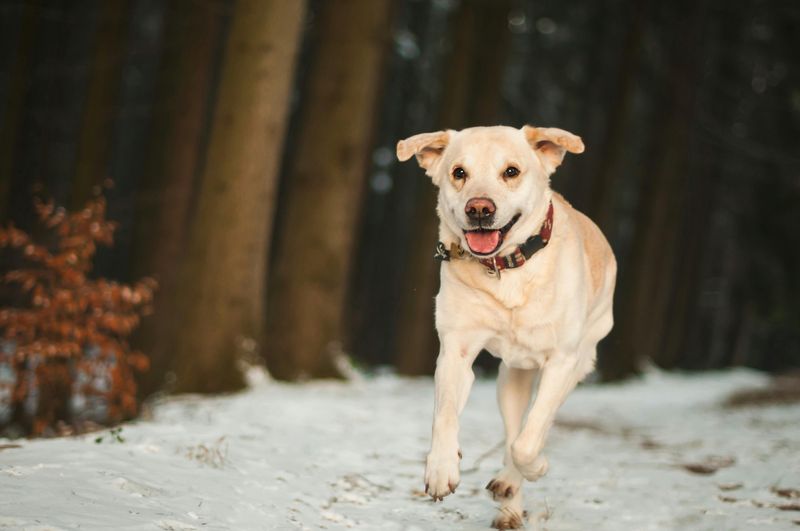
Labradors are famous for bottomless stomachs, and vets see it daily. Bred to retrieve alongside fishermen, they learned to grab every calorie when food was scarce.
That history lingers, so your Lab may inhale meals, scout counters, and hover under the table.
I manage this urge with slow-feed bowls, pre-meal walks, and high-fiber veggies that boost fullness. Split daily rations into smaller scheduled portions, and log every treat so you are not overfeeding.
Teach leave it, keep trash secured, and ask your vet about body condition scoring and thyroid screening.
Mental enrichment matters too, because boredom fuels scavenging. Use puzzle feeders, snuffle mats, and scent games to slow eating and satisfy instincts.
Consistent routines help your Lab feel safe, full, and less fixated on food.
Beagle
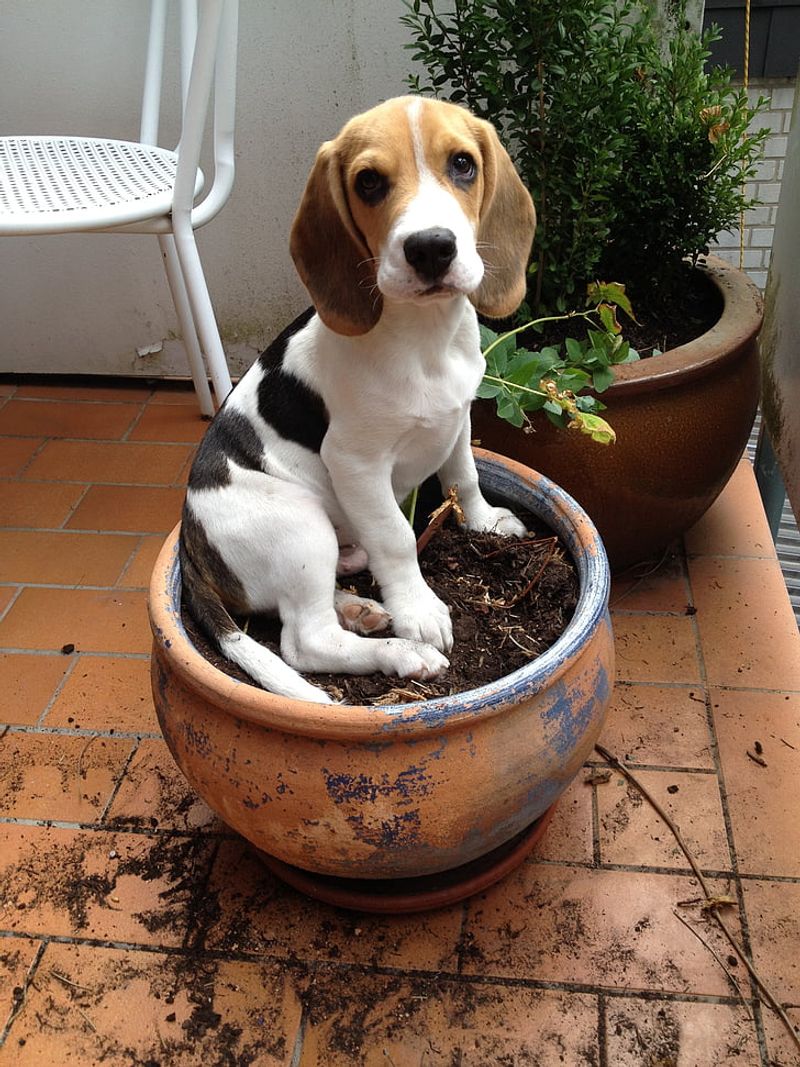
Beagles were built for nose-first hunting, which means food smells are irresistible. That powerful scent drive pushes constant foraging, counter surfing, and backyard snacking.
If your Beagle acts like a vacuum, it is biology, not rudeness.
Turn that talent into enrichment by using scent trails, scatter feeding, and stuffed Kongs. I rotate protein sources and add crunchy vegetables to improve satiety without extra calories.
Smaller, frequent meals can curb begging while keeping energy steady.
Train a solid leave it and settle to interrupt scavenging spirals. Use baby gates, lidded bins, and sealed treat jars to remove temptations.
Regular weigh-ins and a body condition chart help you catch creeping pounds before they become a health risk.
Dachshund
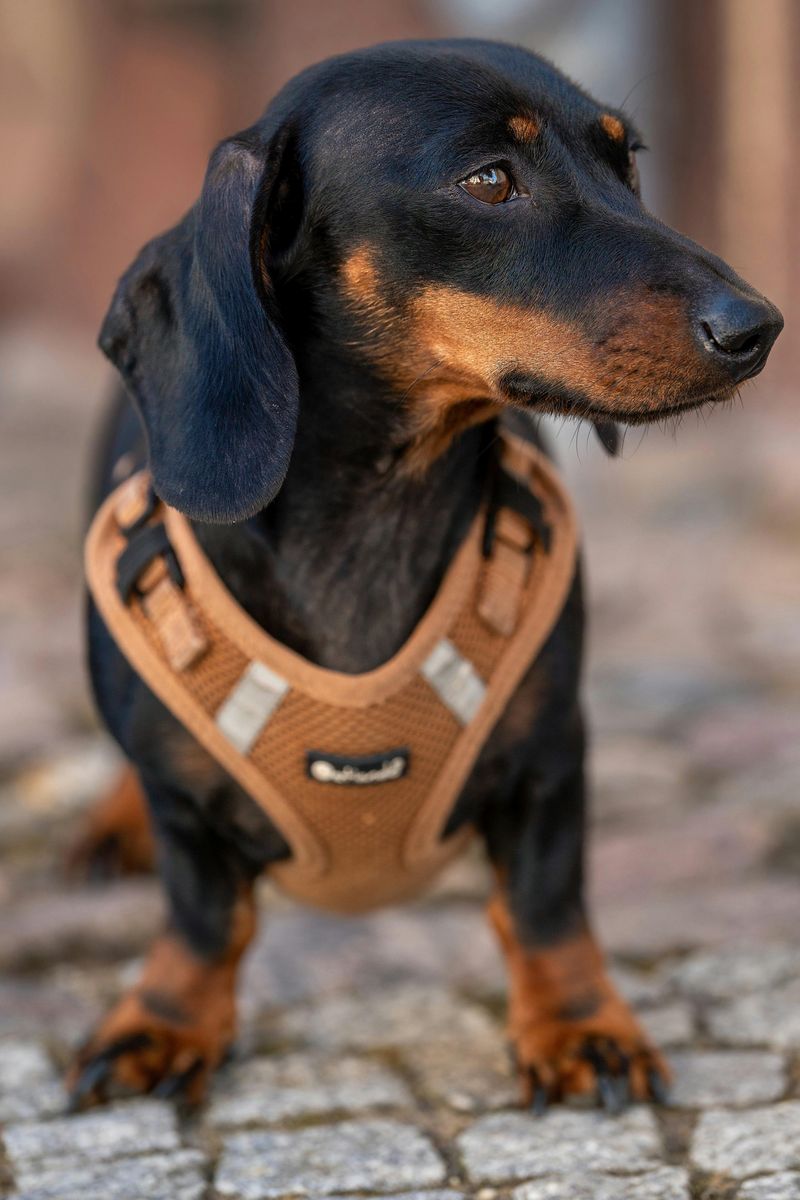
Dachshunds combine big appetites with short legs, so extra calories show up fast. Originally bred to dig and chase, they love earning snacks for bold antics.
That persistence can turn into relentless begging if you reward every look.
Keep portions tight and measure food with a scoop, not guesses. I use slow bowls and hide-and-seek kibble games to stretch meals.
High-fiber toppers like green beans help fill tiny tummies without inflating daily totals.
Protect backs and waistlines together. Train sit and wait before food, and avoid jumping for treats.
Schedule low-impact exercise and monitor weight monthly, since a lean Dachshund moves comfortably and begs less. Use ramps near sofas to prevent risky leaps.
Ask your vet about ideal body condition for long-backed dogs.
Golden Retriever
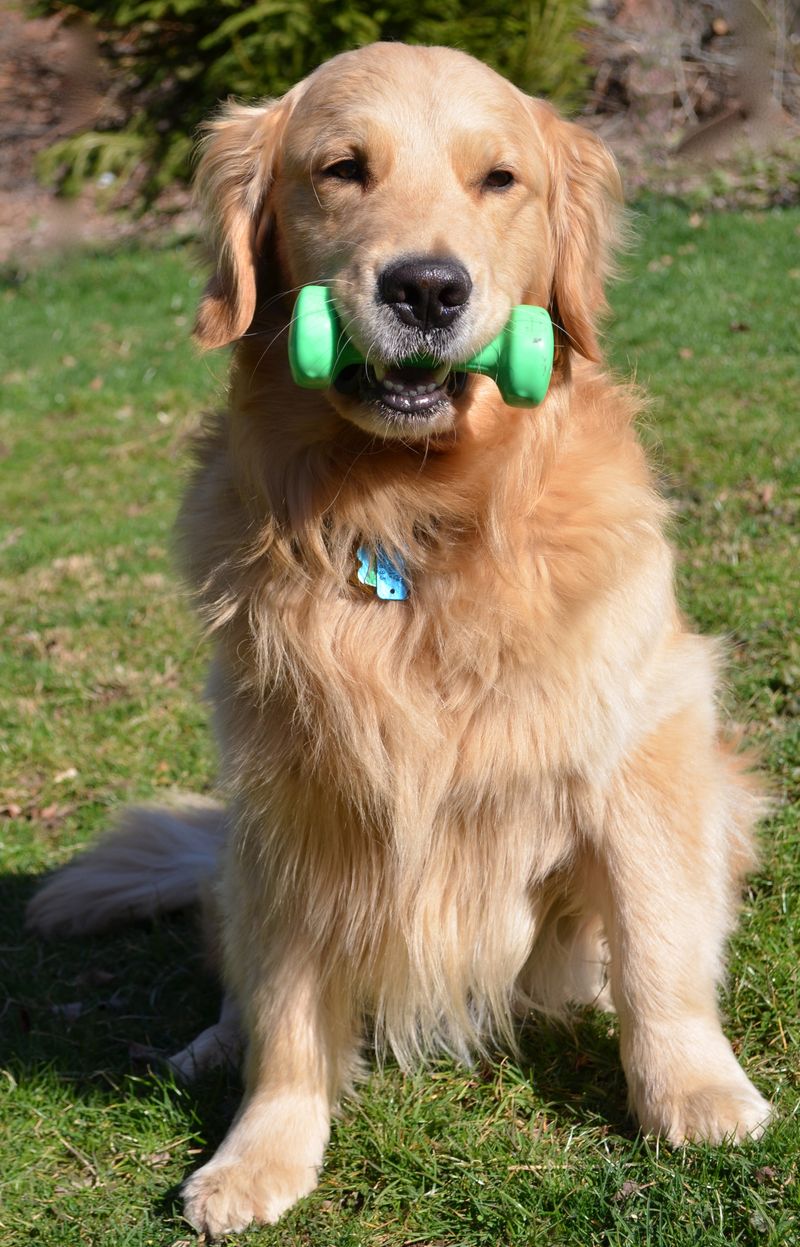
Goldens greet meals with sparkle and speed, then look for seconds. Selective breeding for biddability makes food a powerful training currency.
That eagerness can spill into counter surfing and yard grazing if boundaries slide.
I lean on enrichment that works brain and body together. Use retrieve games with release cues, stuffed toys frozen for longer chewing, and scatter feeding on grass.
Balanced meals plus crunchy vegetables improve fullness without losing focus during practice.
Guard the kitchen with management. Install latches, keep bread out of sight, and teach an out cue for cooking time.
Schedule regular weigh-ins and ask your vet about joint-friendly body condition to protect those happy hips. Swimming and brisk walks burn calories without pounding.
Pug

Pugs charm you into snacks with those round eyes and snorts. Yet brachycephalic breathing means extra weight strains airways and joints.
That is why consistent portions and slow feeding matter so much. They are opportunistic, and food on coffee tables disappears fast.
I use small bowls, measured meals, and crunchy veggie toppers for volume. Puzzle toys extend eating time and curb frantic gulping.
Avoid salty, fatty table scraps that balloon calories and spark more begging. Choose moderation.
Keep walk sessions gentle but regular, watching heat and humidity carefully. Train a solid wait and place to manage doorbell excitement that often earns treats.
Frequent weigh-ins help you stay ahead of sneaky pounds and protect that cheerful spirit.
Cocker Spaniel
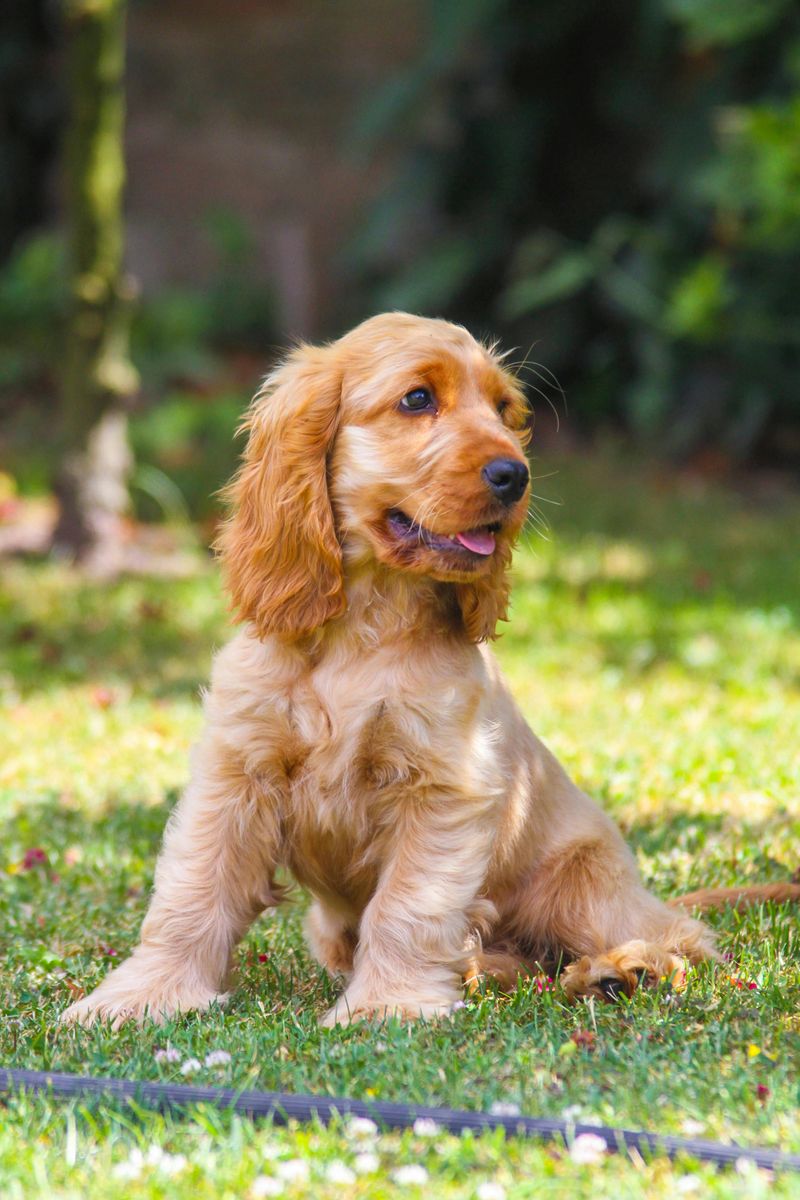
Cocker Spaniels adore treats, and many have sensitive stomachs that crave predictable routines. Their soulful stares can turn anyone into a soft touch.
Consistency keeps that charm from hijacking mealtimes. They also excel at food puzzles that reward patience.
Measure food, track extras, and swap high-calorie chews for crunchy carrots. I use snuffle mats, training kibble, and short, fun sessions to spend mental energy.
Smaller portions more often can help stabilize appetite and reduce frantic begging.
Ear infections and hypothyroidism sometimes drive overeating, so schedule checkups if hunger seems new. Keep bins sealed, counters clear, and teach leave it to break scavenging.
Regular grooming doubles as a weight check, helping you catch subtle changes early.
Basset Hound

Bassets follow noses straight to crumbs, wrappers, and unguarded lunches. That low-slung build hides extra pounds until joints complain.
Preventative structure saves you vet bills and keeps those ears flapping happily.
I split meals, pre-measure treats, and use long sniff walks to satisfy instincts. Scatter feed in grass, pair it with recall practice, and praise generously.
Sturdy slow bowls reduce gulping while adding a little challenge. Add green beans or pumpkin for fiber-driven fullness.
Secure trash tightly and block access to pantries, because temptation lives at nose height. Train an automatic leave it and drop to keep scavenging safe.
Monthly rib checks and a tape measure around the waist track progress honestly. Short bursts of play lift metabolism gently.
Rottweiler
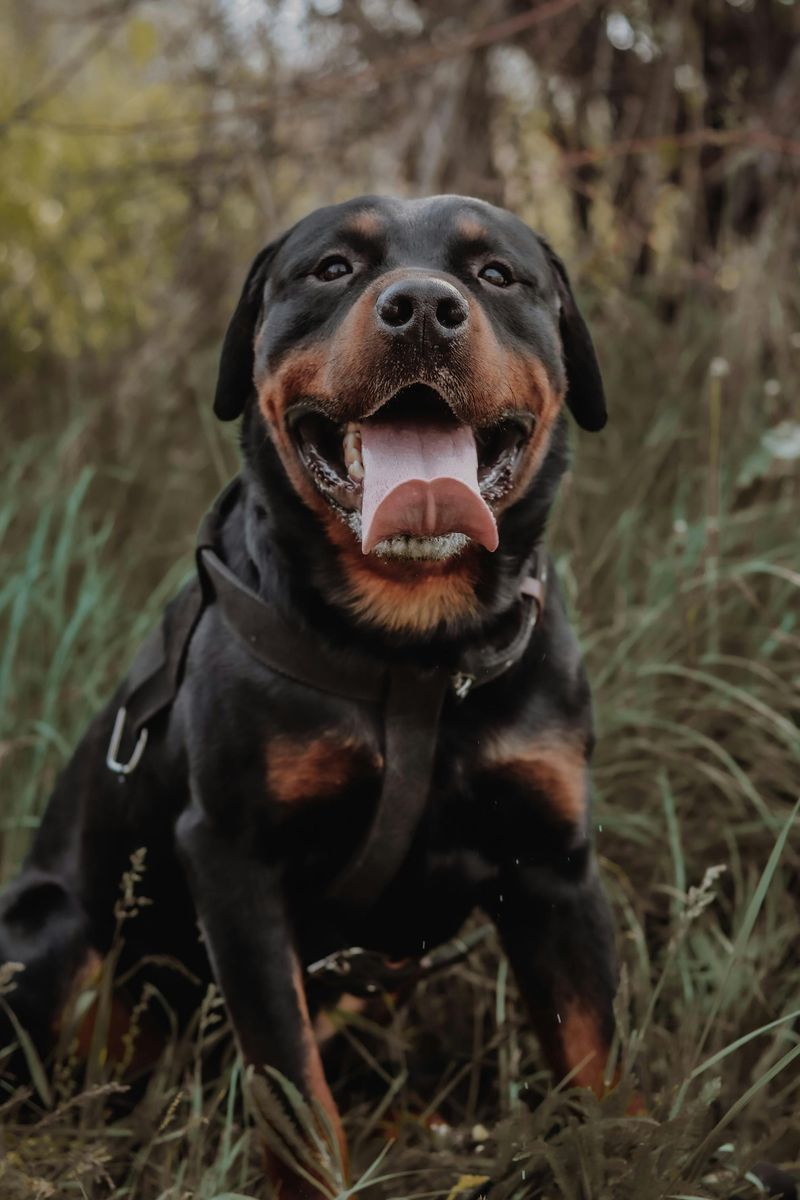
Rottweilers love hearty meals, and their size can hide creeping weight. Working roots mean strong appetites that thrive on structure and jobs.
Without it, they may beg, counter surf, or raid training bags. Early habits around patience and impulse control pay off.
I build routines with scheduled feedings, obedience drills, and controlled fetch. Use big puzzle feeders, crunchy vegetables, and lean proteins to support fullness.
Track treats from training sessions, because dozens of tiny bites add up quickly.
Teach a reliable place command during meals, and reinforce calm. Keep leftovers sealed, elevate bins, and lock pantry doors.
Ask your vet about joint health, body condition scores, and appropriate calories for powerful frames. Regular weigh-ins catch minor trends.
Boxer
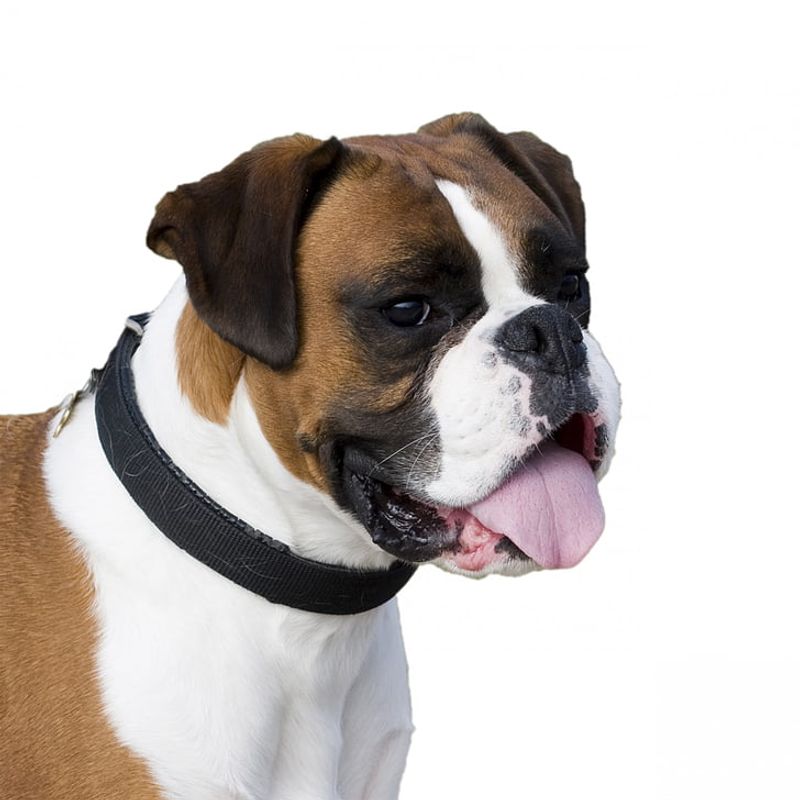
Boxers are energetic clowns who burn calories, then ask for more. That playful charm can mask sneaky overfeeding from training, visitors, and shared snacks.
Clear routines keep appetite aligned with output. Muscle still needs thoughtful fueling and limits.
I mix brisk walks, flirt pole play, and brain games to reduce boredom munchies. Use measured meals, slow bowls, and fibrous veggies for volume without bloat.
Reward calm manners, not comedic chaos, when the treat pouch appears.
Secure counters and trash, because a springy Boxer reaches everything. Train drop and leave it to keep scavenging safe during zoomies.
Track weight monthly, and ask your vet about heart health and ideal condition for endless wiggles. Hydration supports stamina and appetite control.
Cavalier King Charles Spaniel

Cavaliers love cuddles and cookies, which can snowball into weight gain. Their gentle nature invites endless handouts from friends and kids.
Boundaries keep that sweetness healthy. They are sensitive, so gentle structure works best.
I measure meals carefully, add green beans for volume, and use tiny training treats. Scatter feeding on rugs, hide-and-seek toys, and short sniff walks satisfy instincts.
Smaller, frequent portions soften hunger spikes that fuel begging.
Monitor hearts and knees with your vet, since extra weight adds stress. Teach a comfy place command during family meals to reduce pleading eyes.
Keep counters clear and bins sealed so curiosity does not become calories. Regular weigh-ins and photos help you notice small changes early.
French Bulldog
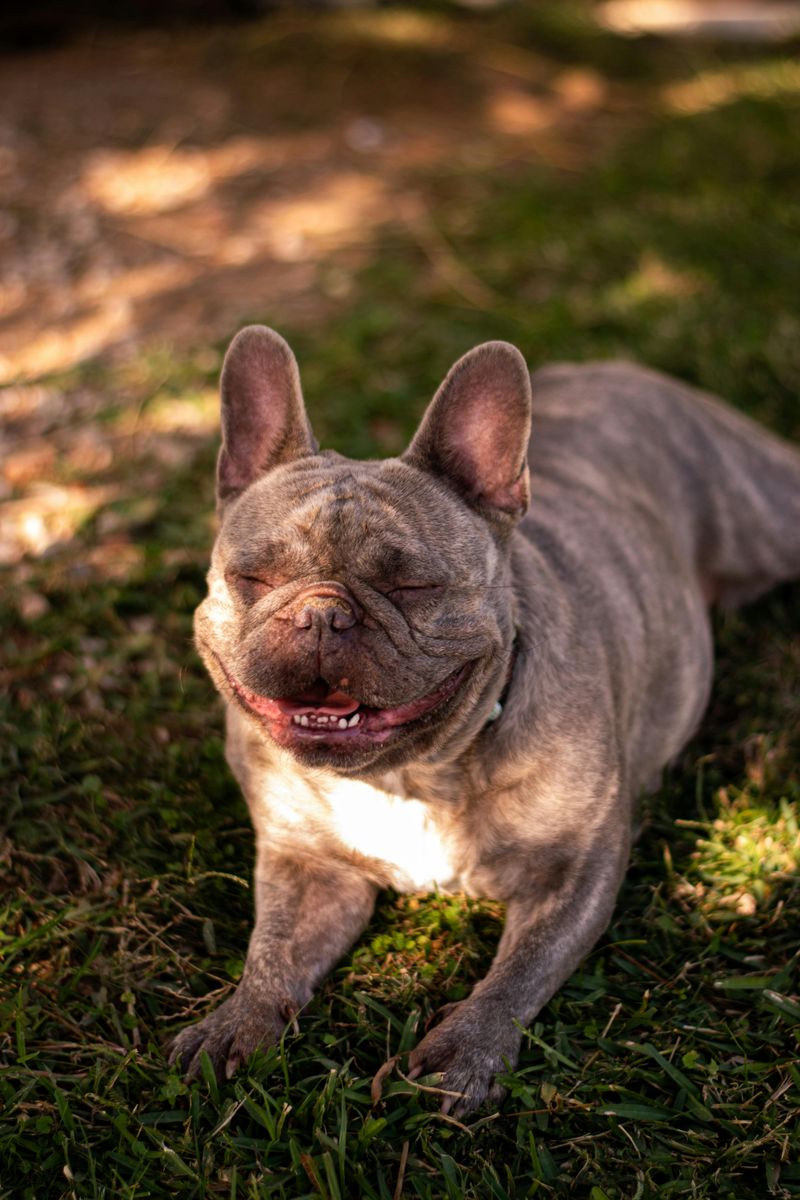
Frenchies are charismatic snack magnets, but extra weight worsens breathing. Short snouts and sturdy frames need tight calorie budgets.
If your Frenchie begs relentlessly, structure beats spontaneous sharing. They learn quickly when boundaries are calm and consistent, especially around the table.
I rely on measured meals, slow feeders, and veggie toppers for fullness. Cool-hour walks and gentle play maintain fitness without overheating.
Tiny training treats keep motivation high while limiting totals. Use lick mats and frozen chews to extend satisfaction safely.
Secure trash, count bites from visitors, and keep counters clear. Teach leave it and place to manage excitement and food-thieving bursts.
Schedule frequent weigh-ins, and ask your vet about skin, spine, and airway health as weight changes.
English Bulldog
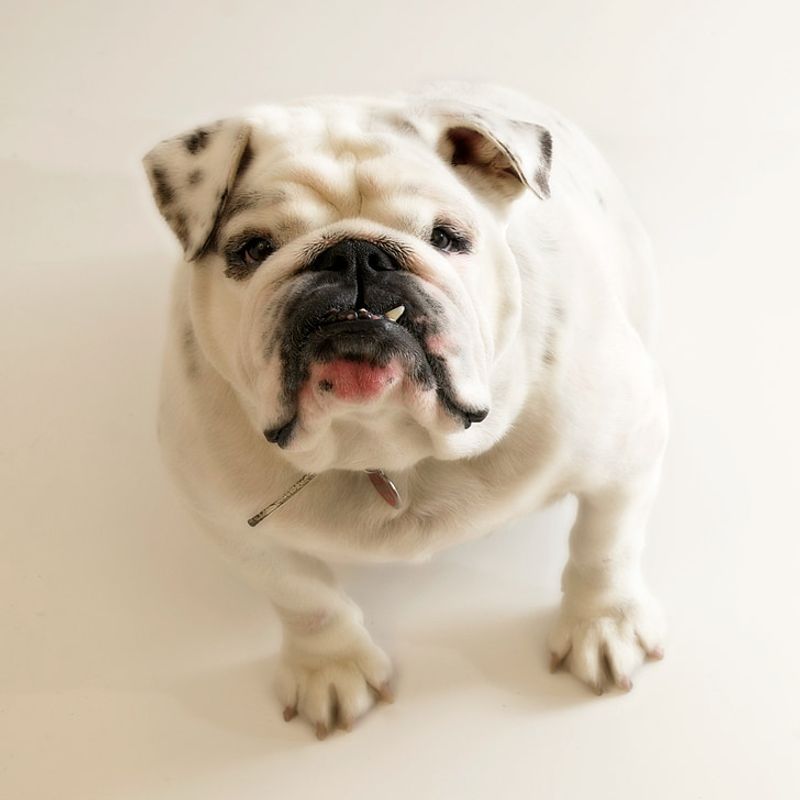
English Bulldogs combine charming stubbornness with hearty appetites. Extra weight strains joints and breathing, so every calorie counts.
Structured routines and patient training curb constant snack quests. They will surf counters, raid bins, and charm treats from pockets if rules drift.
I measure portions, split meals, and add crunchy vegetables for volume. Slow feeders prevent gulping and reduce gas.
Short, frequent walks in cool weather keep fitness rising without risks. Lick mats and frozen broth cubes extend satisfaction between meals.
Use gates, latches, and sealed bins to remove temptation. Teach settle and leave it so visitors do not unintentionally overfeed.
Regular weigh-ins and photos help you track progress and celebrate healthy milestones. Ask your vet about skin folds and spine comfort as weight changes.
Shetland Sheepdog
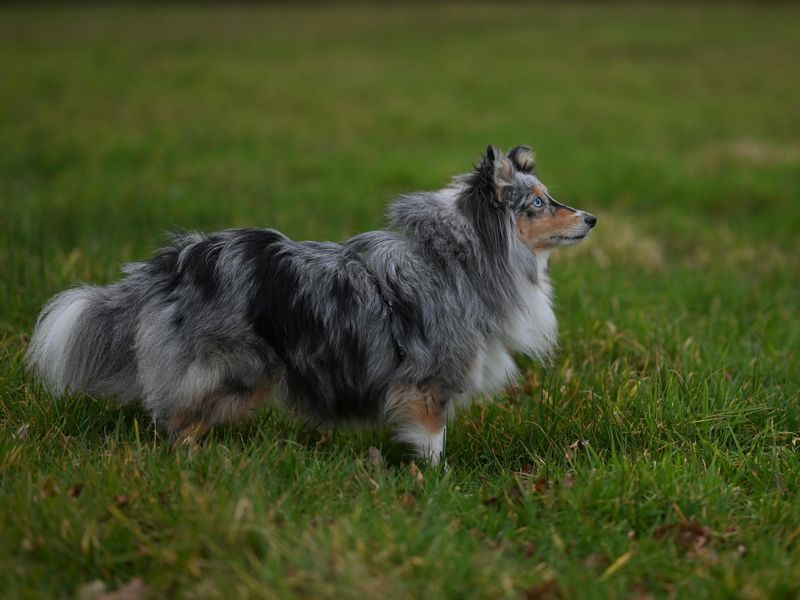
Shelties are sharp, active, and often food motivated during training. Their fluffy coats can disguise creeping pounds.
Consistency keeps agility and appetite in balance. They love patterns, so clear rules around snacks and table time work beautifully.
I use tiny training treats, measured meals, and veggie toppers to boost fullness. Herding brains crave jobs, so mix trick training, scent games, and fetch.
Scatter feeding on lawns slows intake and scratches that foraging itch.
Teach a calm settle during family meals, and secure trash. Keep a chart of weight, waist, and treats to spot trends quickly.
Ask your vet about thyroid screening and ideal body condition for this elegant athlete. Regular photos and rib checks help you catch subtle shifts early.