
If you want a dog that can flip from playtime to couch mode on cue, you are in the right place. Some breeds naturally understand the settle command faster and love a reliable daily rhythm. You will find gentle giants, mellow lapdogs, and thoughtful companions that read the room and breathe out stress. Let’s explore the breeds that often catch the off switch quicker and make downtime feel easy.
Greyhound
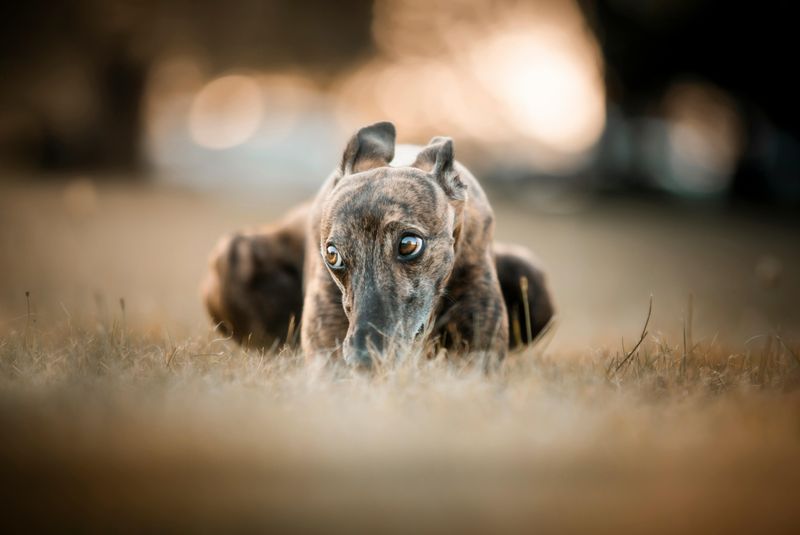
Greyhounds are famously fast runners, yet their home vibe is gloriously chill. After a brief sprint at the park, they usually fold into quiet rest and accept a settle cue without fuss. You will appreciate their polite manners, sensitive nature, and preference for soft beds.
Short training sessions with gentle praise work wonders. They love predictable routines and a calm environment, so you can reinforce settle by rewarding stillness on a mat. Their lean physique prefers warmth and cozy corners, which makes resting an easy sell.
Because they are sensitive, harsh corrections backfire. Keep things light, reward relaxation, and guide them to rest spots. Soon, settle becomes their favorite part of the day.
Whippet
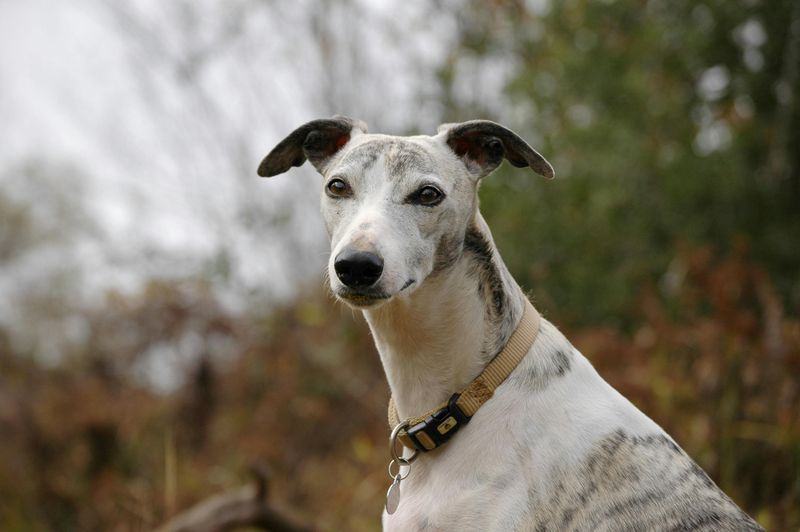
Whippets mirror Greyhounds in the best way: zoomies outside, elegance and quiet inside. Their natural love of comfort helps them adopt the settle behavior quickly. Show them a soft blanket and they practically exhale into stillness.
Use a mat as a relaxation station, and pair calm breathing with treats placed between the paws. Keep sessions short and upbeat, then fade the food as the behavior becomes habit. They are sensitive to tone, so a gentle voice goes far.
Daily exercise plus mental enrichment sets the stage for success. After that, a settle cue becomes easy to capture and reinforce. Expect a devoted shadow who snoozes contentedly while you read or work.
Basset Hound
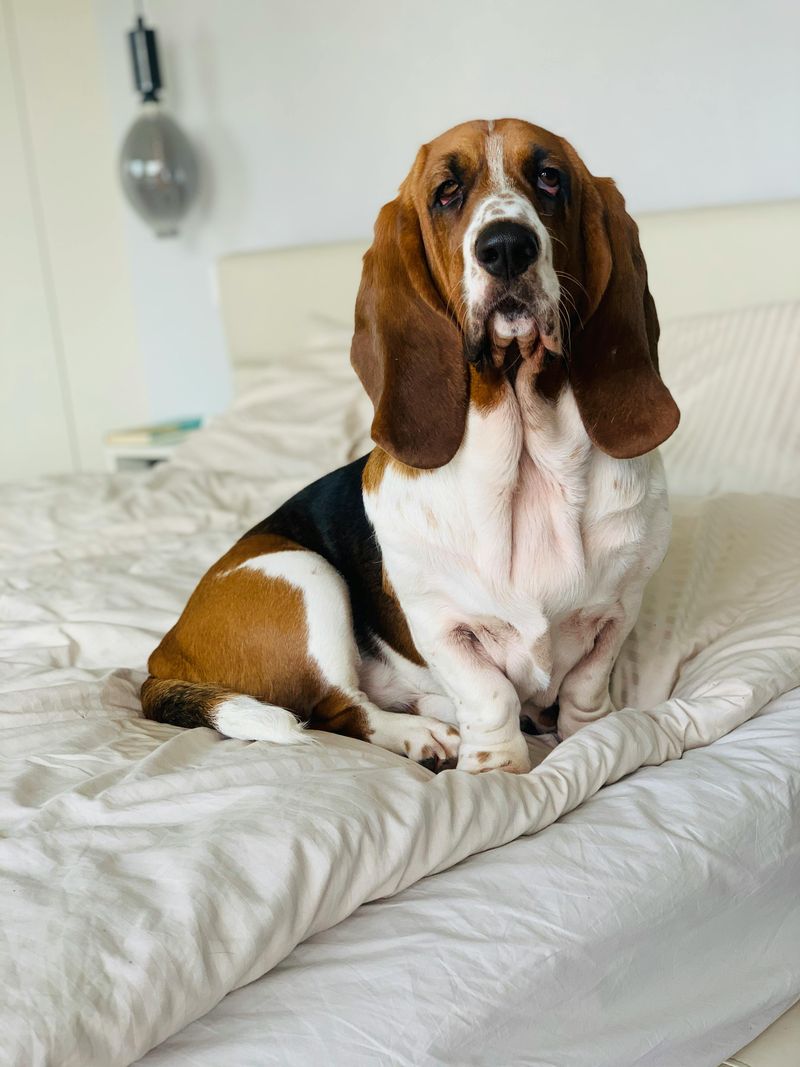
Basset Hounds bring a mellow, soulful energy that suits the settle command perfectly. Their low-key nature and love of lounging help them switch off after short sniffy walks. You will notice they enjoy having a designated nap spot and clear expectations.
Because scent drives them, begin training away from distractions and reward calm remains. A stuffed chew on their bed pairs nicely with settle practice. Keep feedback warm and steady, and celebrate small increments of stillness.
They can be gently stubborn, so patience matters. Break training into bite-sized sessions and end on success. Over time, the bed becomes a magnet, and the settle cue feels like a cozy invitation they are happy to accept.
Bulldog
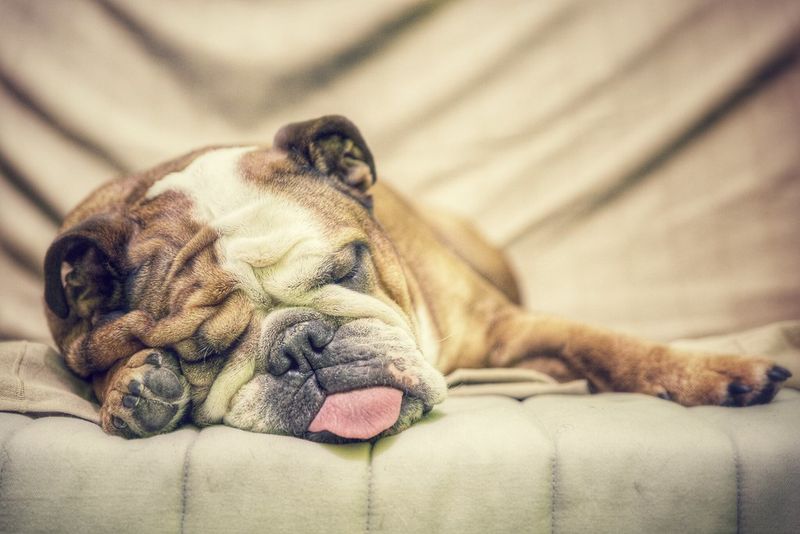
Bulldogs are champions of relaxation, with a natural inclination to power down. They quickly learn that a comfy bed equals happiness, which makes a settle cue easy to teach. Just mind their breathing and body comfort so downtime stays safe and pleasant.
Use short, positive sessions and reward calm postures like hip tucks and chin rests. Gentle guidance onto a mat followed by quiet praise helps build the routine. Keep training cool and unhurried to match their tempo.
Regular low-impact exercise keeps them balanced and ready to relax. A predictable schedule reinforces the off switch. With clear boundaries and cozy spaces, you will have a content companion who settles like a seasoned pro.
Great Dane
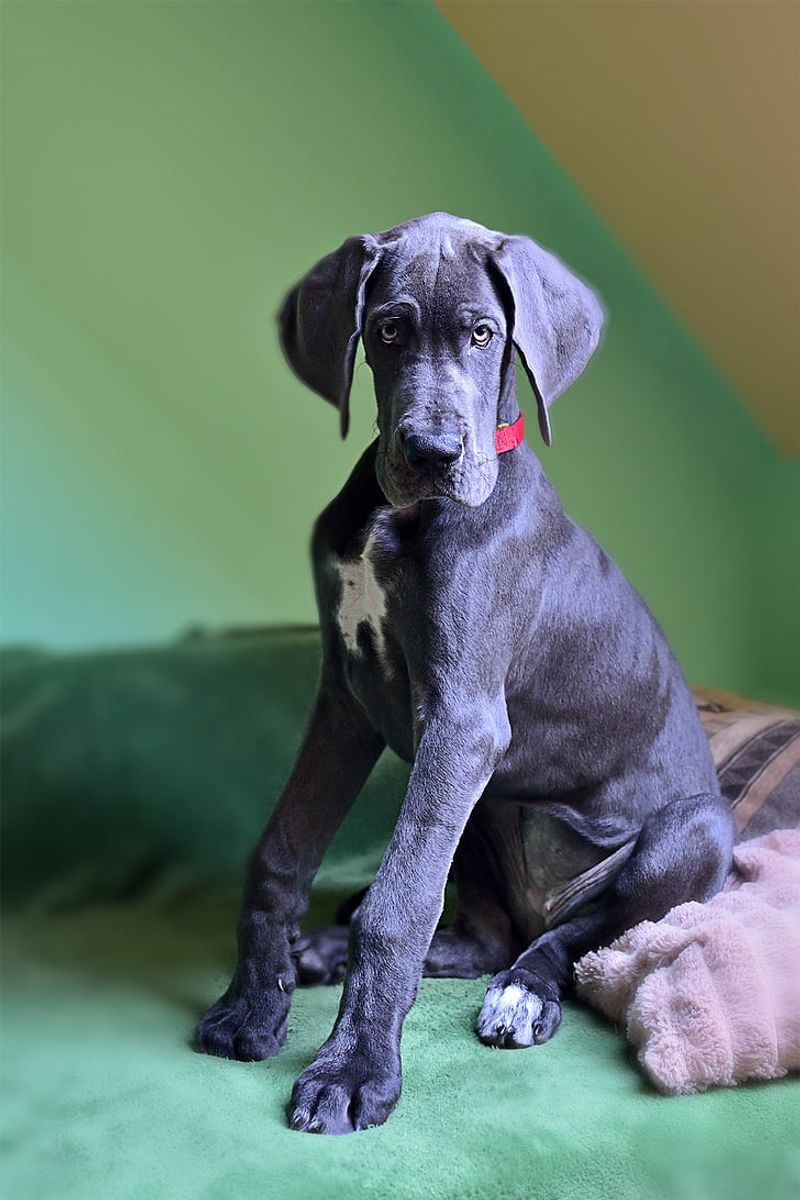
Great Danes are gentle giants with an affectionate, people-focused nature that supports quick settling. Once their exercise needs are met, they enjoy sprawling and observing quietly. A large bed or defined mat makes the settle cue straightforward and comfortable.
Use calm reinforcement and steady routines, avoiding overexcitement. Reward them for relaxed breathing and stillness near your feet. They respond well to structure and clarity, especially in busy homes.
Mind their joints and growth in younger Danes, keeping activity appropriate. When calm is predictable, they follow your lead and exhale tension. Before long, settle becomes a shared habit, turning evenings into peaceful, giant-sized cuddle sessions.
Newfoundland
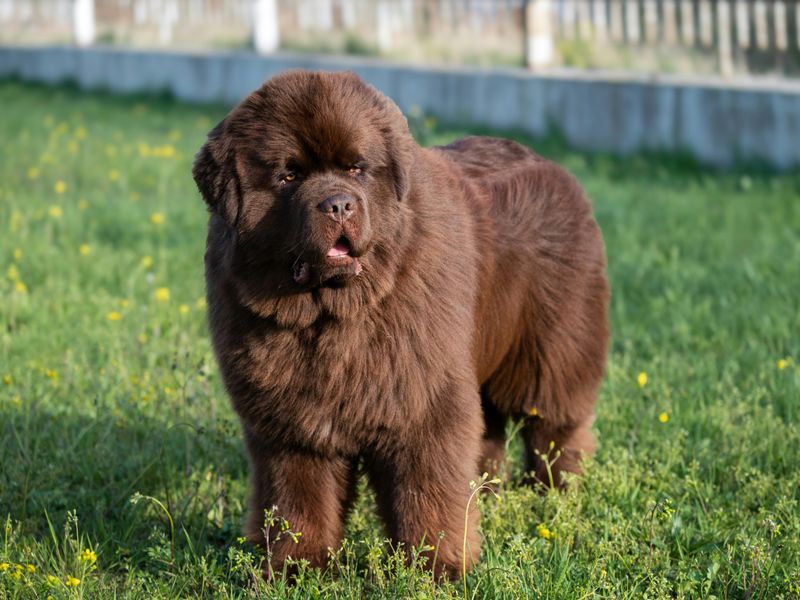
Newfoundlands radiate calm, making settle training feel natural. These gentle workers love staying close and often nap between tasks, especially after a swim or brisk walk. A cozy bed and consistent routines encourage a reliable off switch.
Mark moments of relaxation with soft praise and a treat placed on the bed. Avoid hype and keep cues simple to match their thoughtful temperament. They thrive when jobs are clear and rest is rewarded.
Because of their size and coat, manage temperature and avoid slippery floors. Teach a mat target early to guide them in busy spaces. Soon, you will have a giant teddy bear who settles beautifully beside you without constant reminders.
Shih Tzu
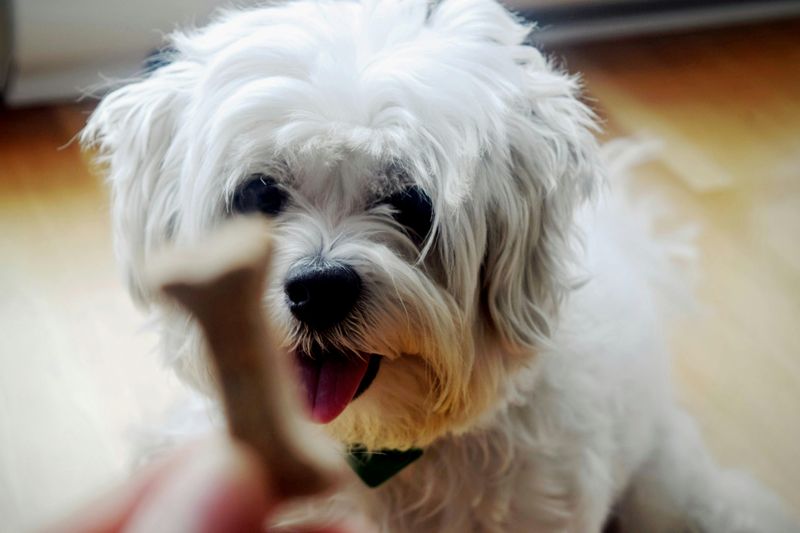
Shih Tzus were bred for companionship, so they love relaxing near their favorite people. With modest exercise and clear cues, they settle quickly and enjoy soft, snuggly spots. A small mat or cushion becomes their relaxation zone within days.
Keep training short and sweet, using gentle praise and tiny treats. Capture calm moments, then add the settle cue as they anticipate relaxation. They appreciate predictability and thrive on routines that include grooming and quiet time.
Watch for overattachment by reinforcing independence on the mat. Encourage contentment at a slight distance so they learn to relax confidently. Soon, you get a cheerful companion who curls up peacefully while you focus on your day.
Cavalier King Charles Spaniel
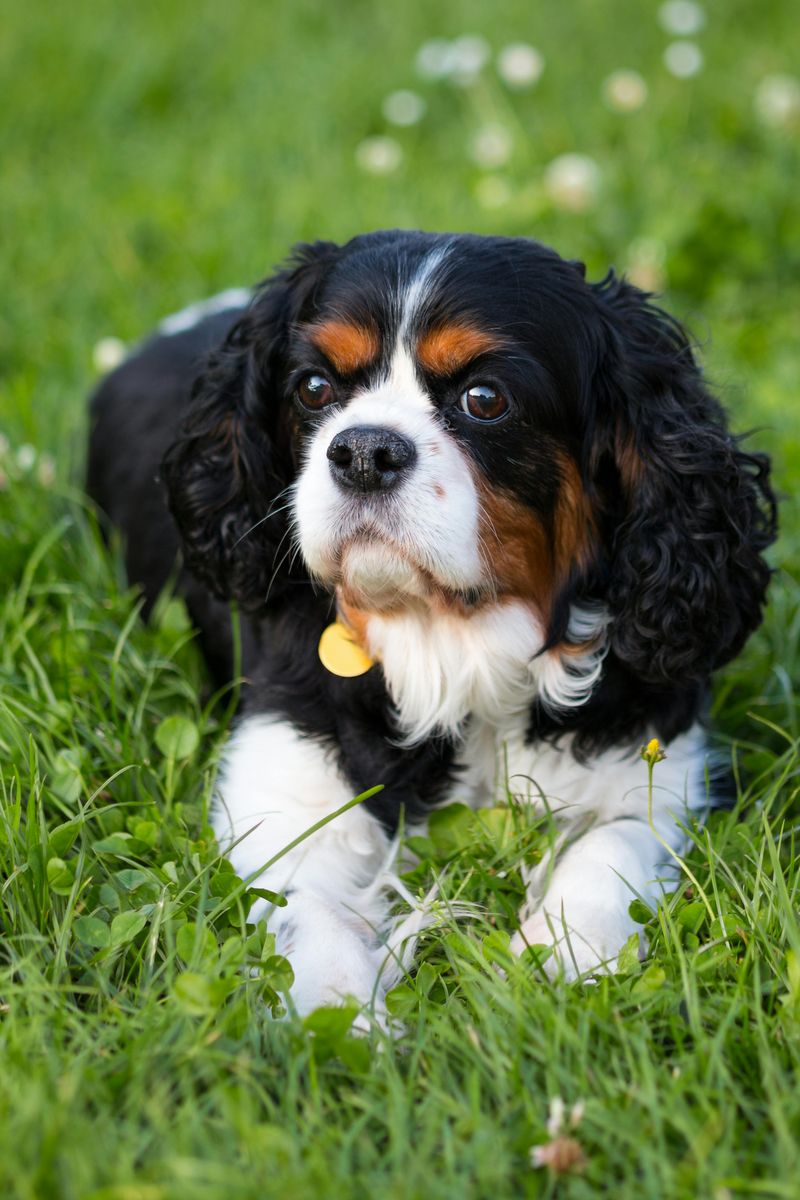
Cavaliers melt into calm with the right rhythm of exercise and affection. Their people-pleasing nature makes the settle cue intuitive, especially when a comfy sofa or mat is nearby. They respond beautifully to quiet praise and soft petting for stillness.
Use a mat to create a relaxation target and reward head-down postures. Keep sessions light, then integrate the cue into everyday routines like movie time. They notice your mood, so your calm voice helps them unwind faster.
Balance cuddle sessions with short sniff walks and gentle play. With consistent boundaries, they become expert relaxers. Expect a warm, sleepy presence who happily nestles in while you read, work, or sip tea.
Chow Chow
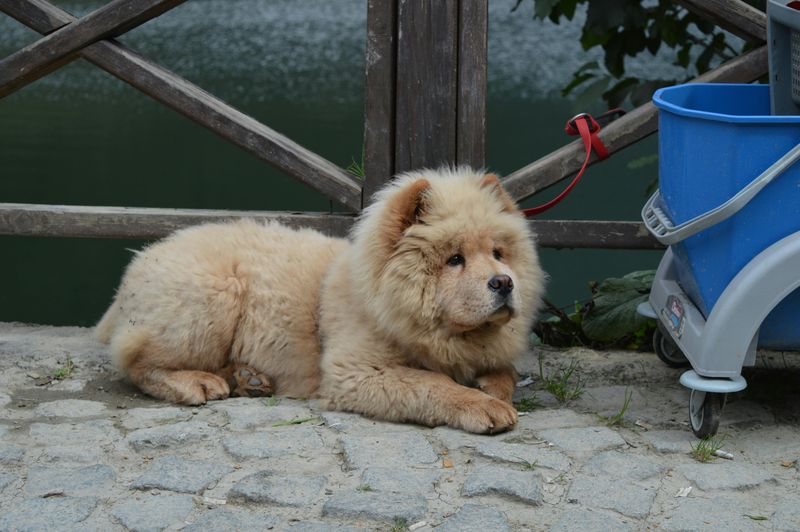
Chow Chows carry a dignified, reserved temperament that can favor quiet time. With fair leadership and clear routines, they accept a settle cue as part of household order. Calm reinforcement works best, avoiding overexcitement or intense pressure.
Use a defined rest area and reward relaxed postures while reducing chatter. They value space, so give them room to decompress and build trust slowly. Once they feel secure, they transition into rest predictably.
Manage coat comfort and temperature, since heat can affect willingness to relax. Keep sessions brief and confident. With consistent guidance, you will see a composed companion who takes the cue seriously and enjoys peaceful downtime.
Shar Pei
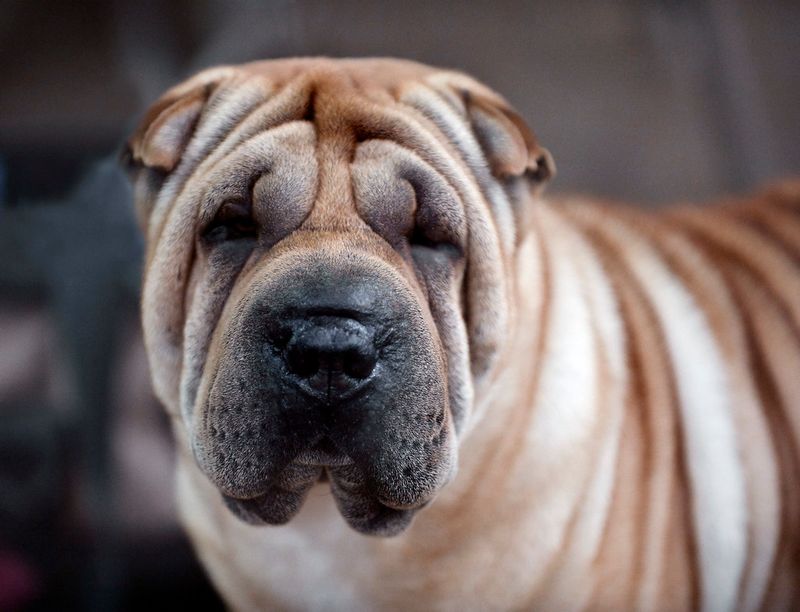
Shar Pei dogs are thoughtful and somewhat independent, which can support structured calm. Provide clear boundaries and a defined mat so the settle cue has meaning. They respond best to low-key praise and consistent expectations.
Begin with short stays on the bed, rewarding relaxed body language. Avoid overhandling and keep your voice even to build trust. Predictable routines help them shift gears smoothly after a walk.
Watch for skin and joint comfort, using supportive bedding. With patience, they become steady companions who appreciate quiet spaces. Soon, settle becomes more than a command, transforming into a shared ritual of calm that keeps the household balanced.
Clumber Spaniel
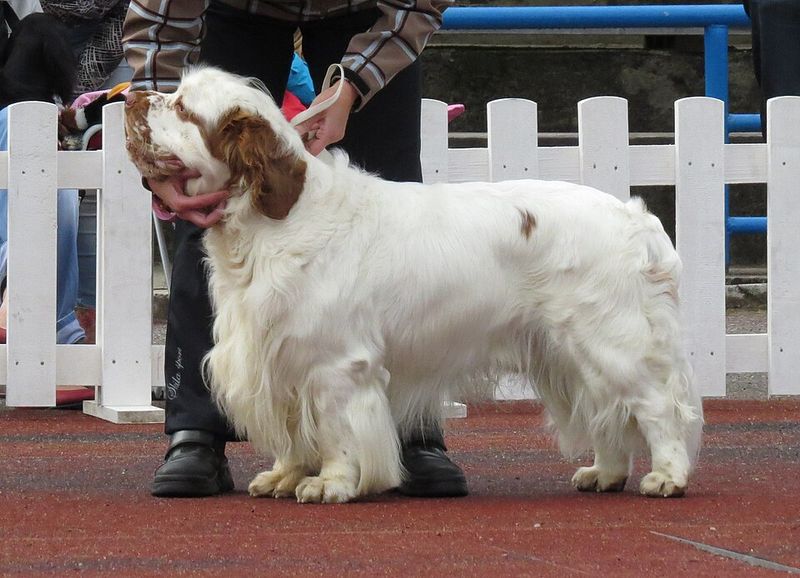
Clumber Spaniels are mellow sporting dogs with an easygoing approach to home life. After moderate exercise and sniffing games, they are primed for a reliable settle. A cushioned mat near family activity suits their affectionate nature.
Train with gentle praise, food rewards, and clear timing. Capture the moment they sink into stillness, then name and repeat it in daily routines. They prefer steady guidance rather than high energy coaching.
Mind weight management and joint support to keep rest comfortable. Provide enrichment that ends with decompression on their bed. Before long, you will enjoy a lumbering sweetheart who lands on the mat and snoozes while life hums along.
Sussex Spaniel
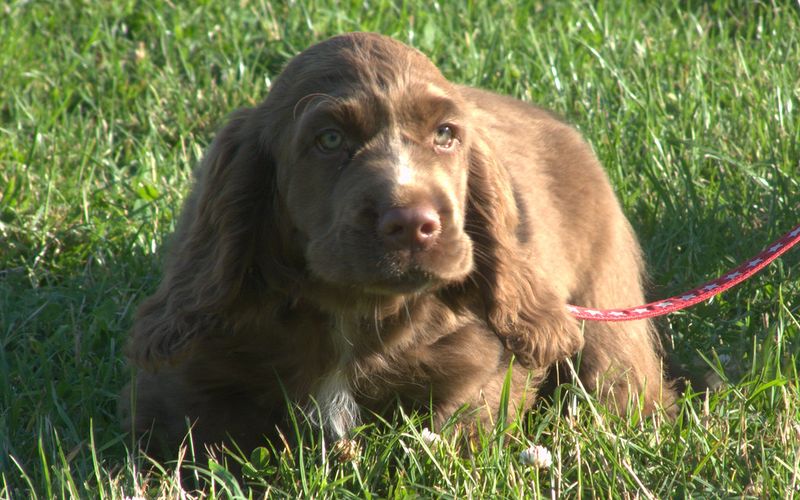
Sussex Spaniels combine a steady temperament with affectionate loyalty, making settle training approachable. After a gentle walk and sniff session, they are happy to unwind at home. A dedicated mat near you helps them anchor the behavior.
Use calm praise, slow strokes, and treats delivered on the bed. Keep sessions short and friendly, then weave the cue into evening routines. They respond well to consistency and a warm, predictable schedule.
Watch weight and coat care for comfortable rest. Encourage independence by occasionally settling a few feet away. With patience, you get a soft-hearted companion who relaxes reliably, turning quiet moments into everyday comfort.