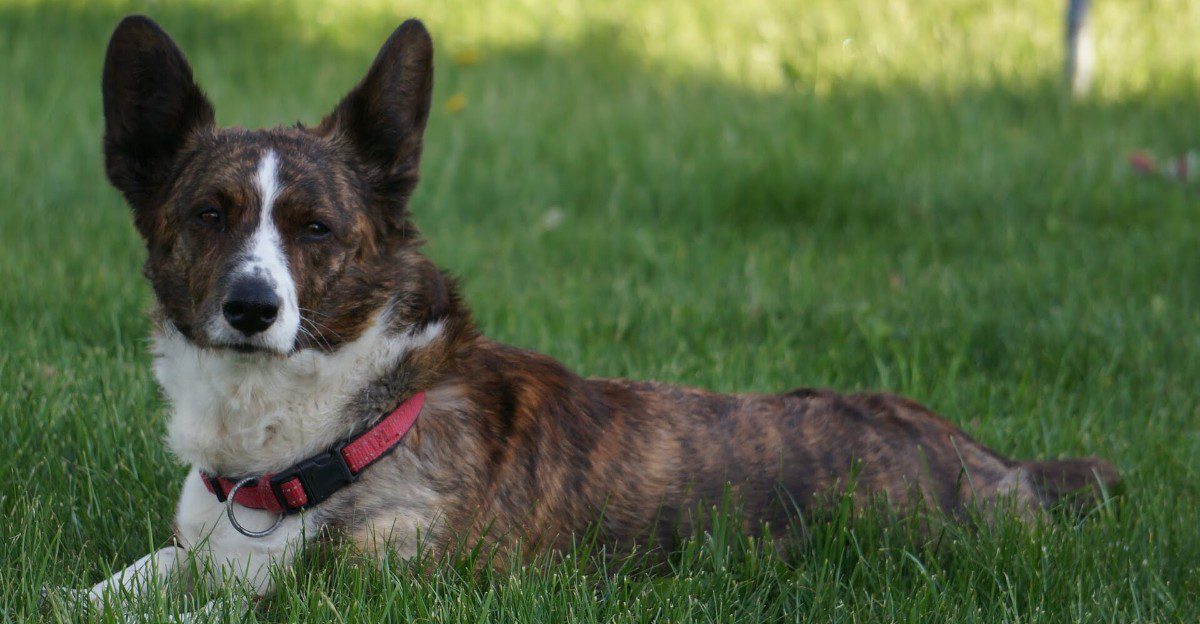
Some dogs figure out a new trick before you finish your coffee, while others need weeks to master sit. Breed is not the whole story, but generations of working jobs have shaped how quickly many dogs pick up on cues.
A weekend is realistic for a simple trick like spin or shake with the right dog and short, happy sessions. Here are 10 breeds that often learn fast, plus what makes each one tick.
Poodle
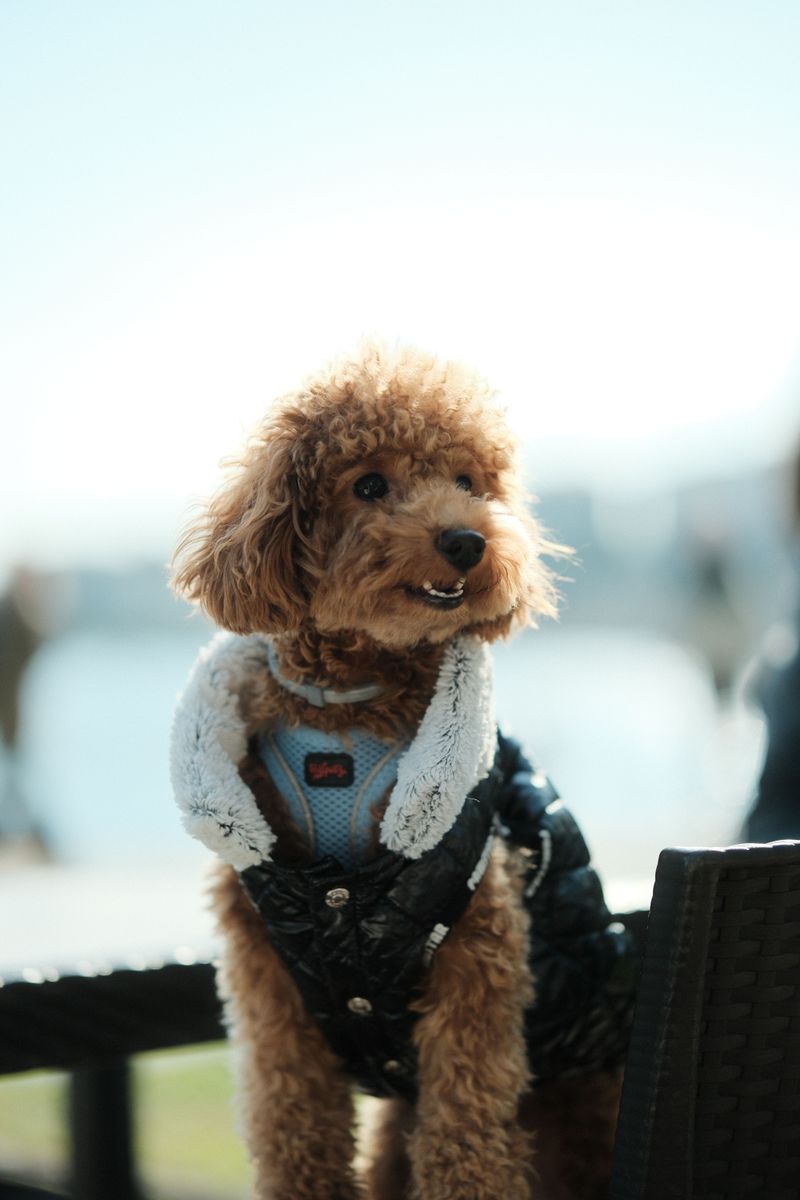
Forget the fancy show haircut for a moment. Underneath all that fluff is a water retriever from Germany, a dog built to work closely with hunters and respond to direction.
That cooperative history may explain why Poodles were circus favorites for generations. They often pick up sequences quickly, like bow, spin, then wave, and seem to enjoy chaining moves together.
All three sizes, Standard, Miniature, and Toy, tend to share this quick learning style. The catch is that a bored Poodle may start inventing its own games, so keep sessions fresh and short.
Papillon
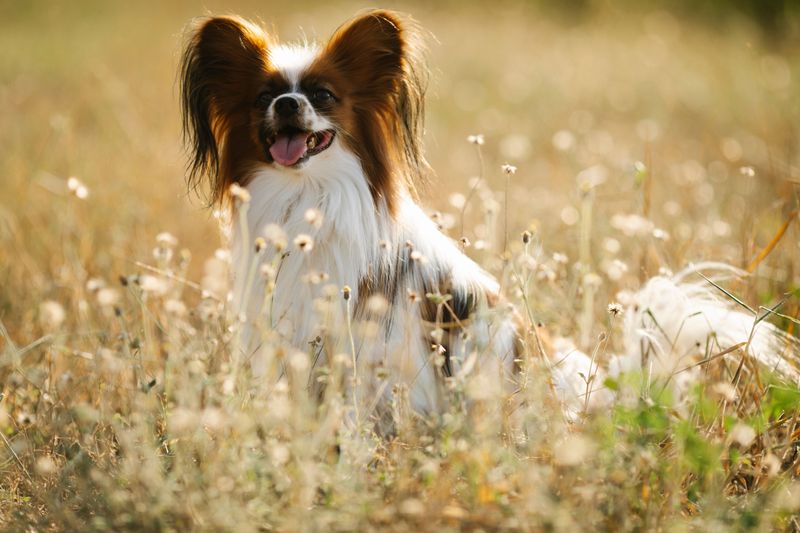
Tiny dog, big brain. The Papillon, named for its butterfly-shaped ears, regularly shows up in agility and obedience competitions against much larger breeds.
Its small size makes it ideal for apartment-friendly tricks like weaving through your legs, jumping through a hoop held low, or ringing a bell. Many Papillons respond eagerly to small food rewards and a cheerful voice.
One practical tip: use very tiny treats. A few pea-sized rewards add up fast for a dog that weighs under ten pounds.
Australian Shepherd
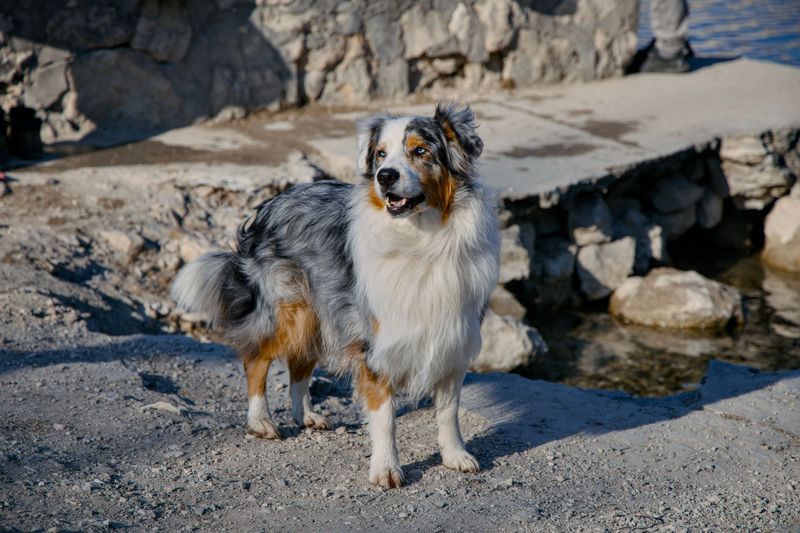
Ranchers in the American West wanted a dog that could read subtle hand signals across a pasture. That attentiveness is exactly what makes the Australian Shepherd a natural trick student.
Aussies often watch body language closely, so hand signals may click even faster than spoken words. Try pairing every cue with a clear gesture and you might see a reliable spin by Sunday.
Be aware that this breed usually needs serious daily activity. Tricks are a great outlet, but they work best alongside real exercise, not instead of it.
Shetland Sheepdog
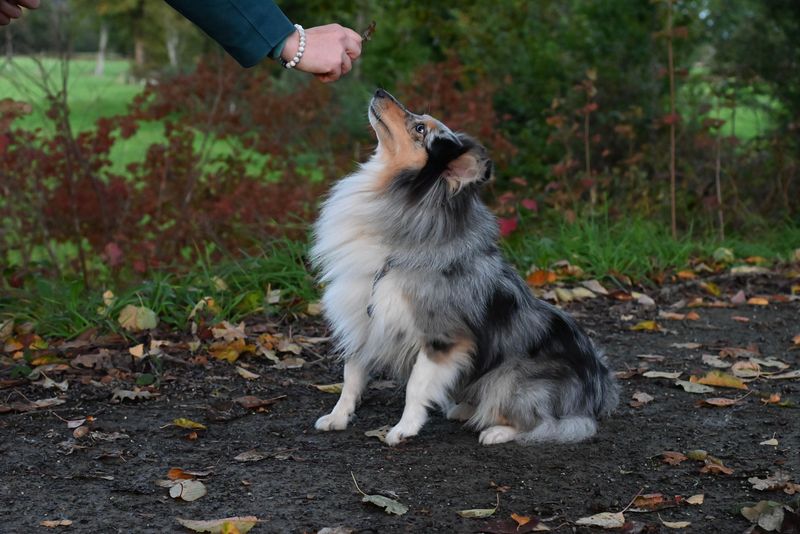
Sensitive learners can be the fastest ones. Shelties, small herders from Scotland’s Shetland Islands, often respond to the gentlest feedback, which makes reward-based training a perfect match.
A Sheltie may master shake or roll over quickly, especially when praise flows freely. Harsh corrections, on the other hand, can make some individuals shut down.
Fair warning about one quirk. Shelties are known for barking, so you may want to teach a quiet cue alongside the fun stuff.
Belgian Malinois
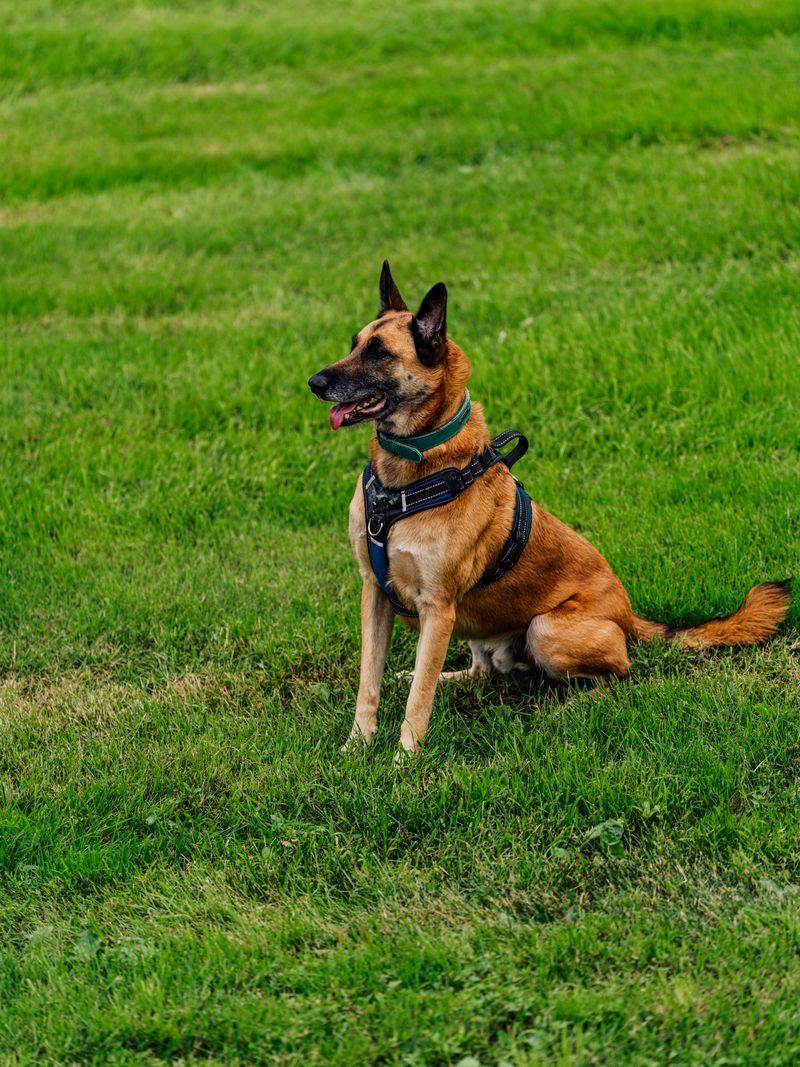
Police and military units around the world rely on the Belgian Malinois for good reason. Its drive to work is intense, and that energy can be channeled into impressive tricks.
Many Malinois work eagerly for a tug toy rather than food, so using play as the reward may speed up learning. Retrieving specific objects by name is a trick some handle remarkably well.
Honestly, though, this breed suits experienced owners. A Malinois without enough to do may create its own projects, and they are rarely ones you approve of.
Pembroke Welsh Corgi
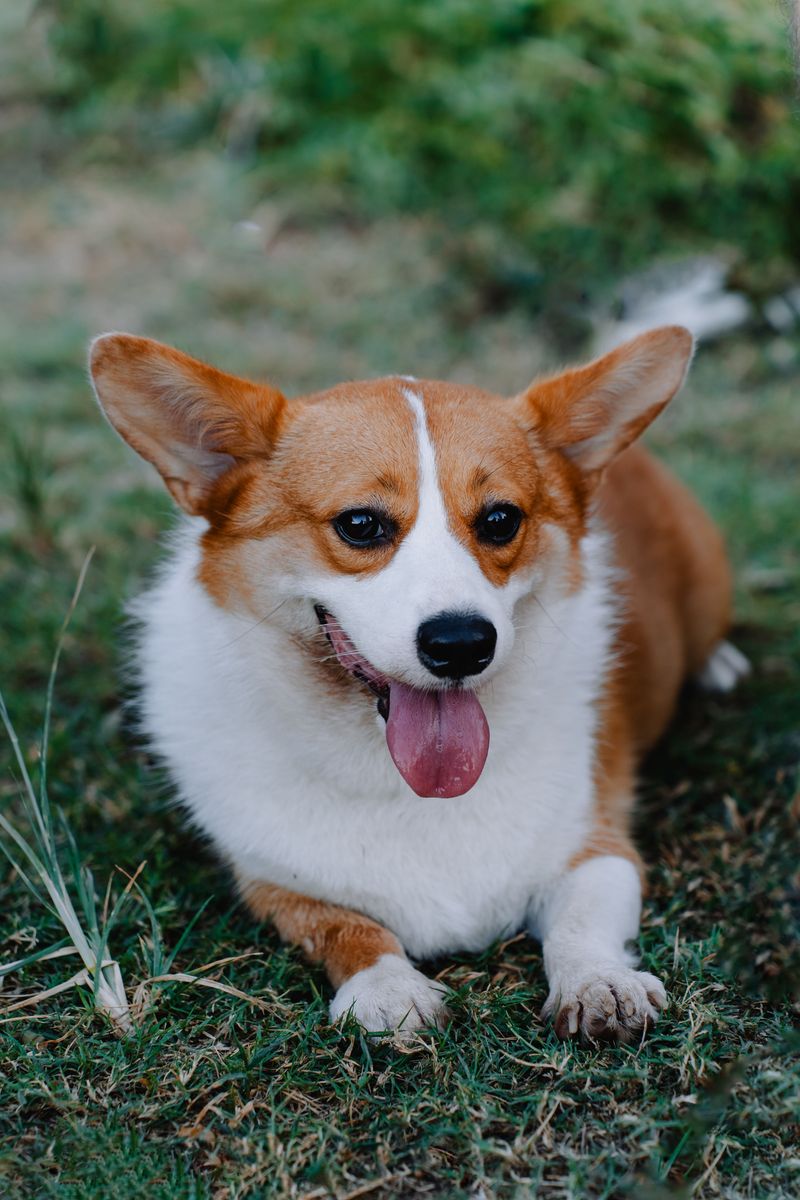
Short legs fool a lot of people. Corgis were bred to herd cattle in Wales, nipping at heels and dodging kicks, a job that called for quick thinking.
Food motivation is often strong in this breed, which can make trick training feel almost effortless. Sit pretty, play dead, and a cheerful high five are common Corgi favorites.
Skip tricks with lots of jumping, though. Their long backs benefit from gentle, low-impact moves.
Doberman Pinscher
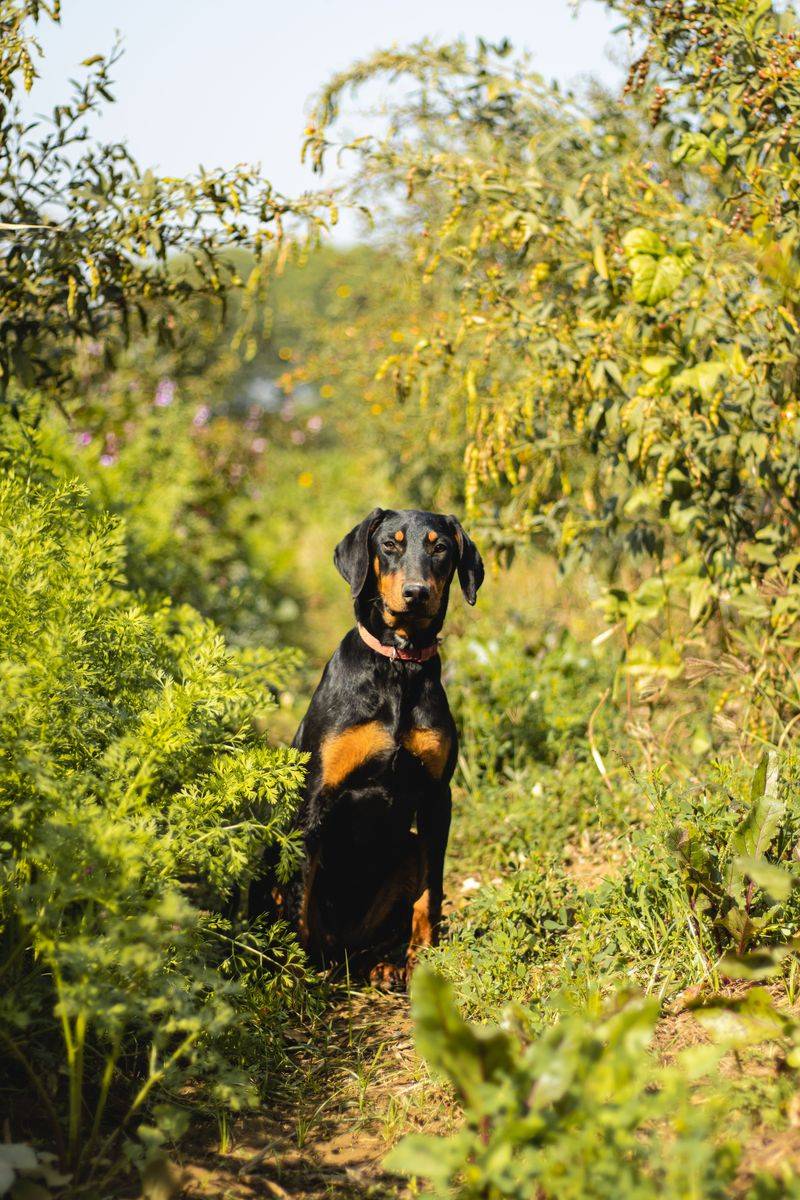
A tax collector named Louis Dobermann developed this breed in 19th-century Germany, wanting a sharp, attentive partner. That focus still shows up in training today.
Dobermans frequently excel in obedience and can learn crisp, precise tricks like bow or back up. Many seem to genuinely enjoy having a job with their person.
They can also be surprisingly soft-hearted, so calm, upbeat sessions usually bring out their best work.
Cardigan Welsh Corgi
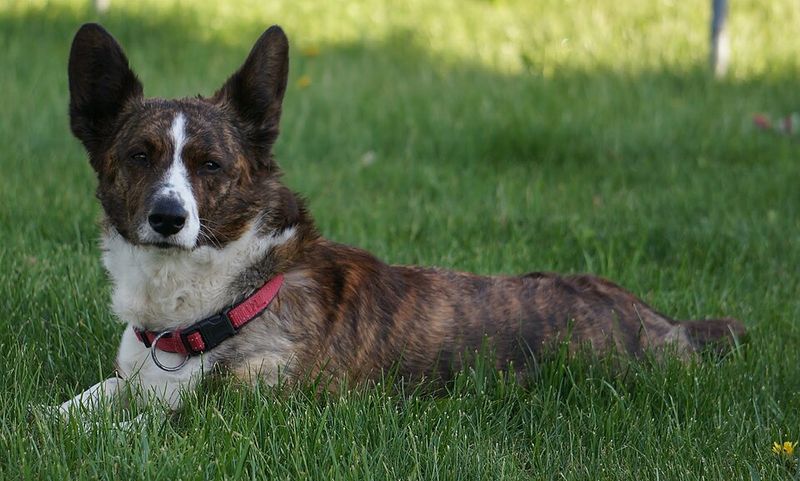
Look for the tail. The Cardigan is the long-tailed, slightly older cousin of the Pembroke, and it brings a more thoughtful style to learning.
Cardigans often study a problem before acting, which makes them good at puzzle-like tricks such as putting toys in a basket. Once they understand, the behavior tends to stick.
They can be a bit reserved with strangers, so practicing tricks around new people may build confidence too.
English Springer Spaniel
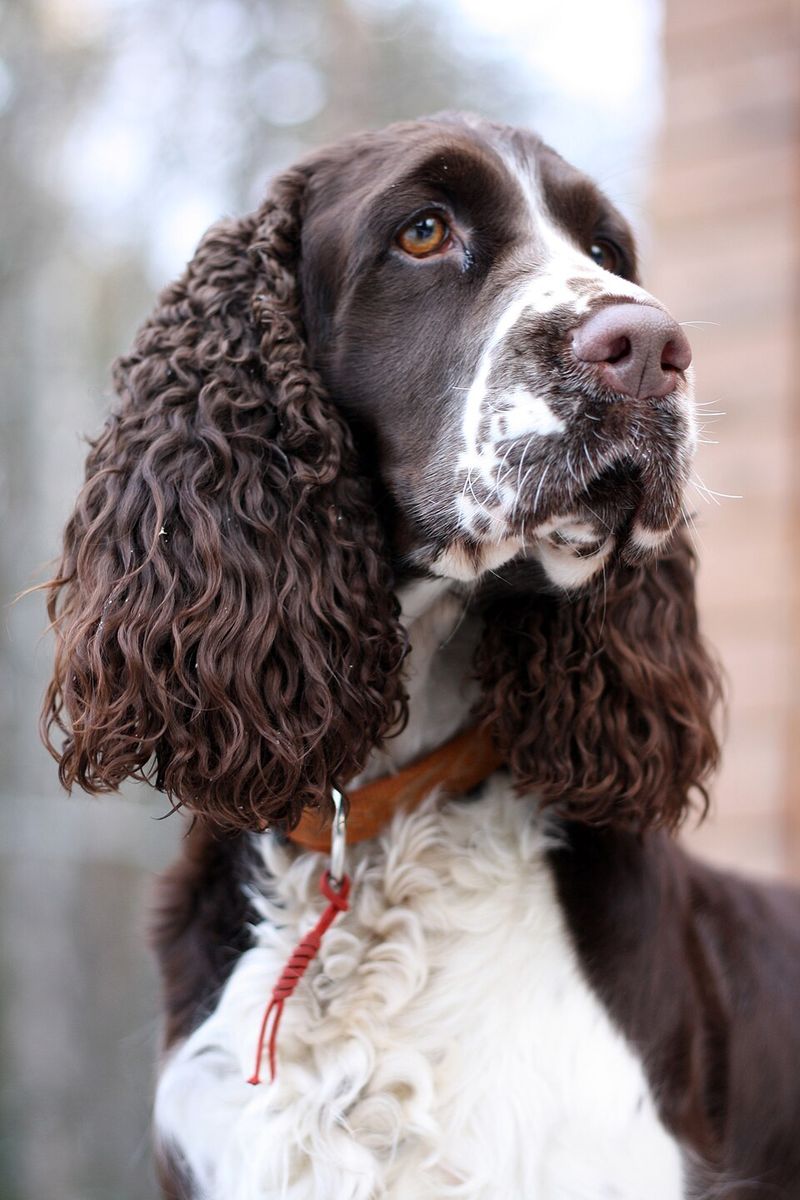
Bird hunters needed a dog that would flush game and then bring it back gently. The English Springer Spaniel still carries that eager retrieving streak.
Fetch-based tricks are a sweet spot. Teaching a Springer to grab your slippers or pick up a specific toy can come together quickly.
Their noses are powerful, so start in a quiet room before moving to the backyard, where smells compete for attention.
Keeshond
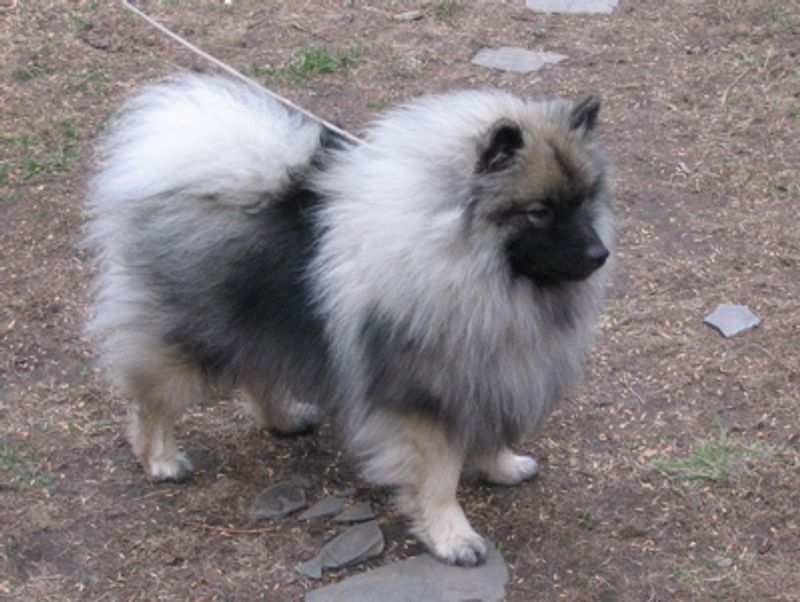
Dutch barge dogs might be the last thing you expect on a trick list. Yet the Keeshond, once a watchdog on canal boats in the Netherlands, is often a cheerful, people-focused learner.
Keeshonden tend to enjoy attention and may pick up showy tricks like wave or speak with enthusiasm. Their famous spectacle markings make every trick look a little more charming.
That thick double coat does need regular brushing, a handy time to practice calm tricks like stay and settle.