
Dreaming of safe off leash adventures without the heart-in-throat worry? With the right plan, recall can feel reliable, even around squirrels and busy parks.
These practical tips show you exactly how to build trust, step by step, without harsh methods. Follow them, and you will enjoy freedom that feels good for both of you.
Start training early
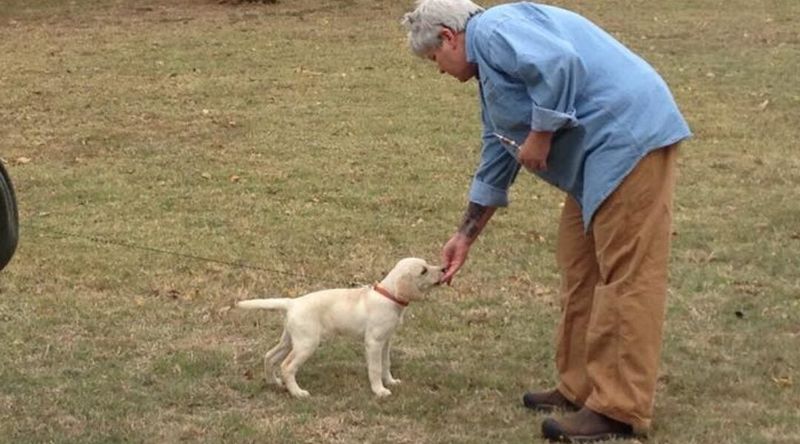
Puppies are sponges, so start shaping great habits the moment they come home. Early sessions teach your dog that listening pays, and they prevent stubborn patterns from setting in.
Keep cues simple, use food they care about, and end while your pup still wants more.
You are building a language together, not drilling a robot. Short daily reps of sit, down, name game, and recall seed reliability for life.
Socialize carefully with calm dogs and friendly people so new places feel safe, not overwhelming, when you eventually go off leash. Start early, and you will make future off leash adventures smooth, predictable, and joyful.
Mistakes still happen, but early wins create optimism that keeps training fun. Progress builds quickly.
Together.
Use consistent commands
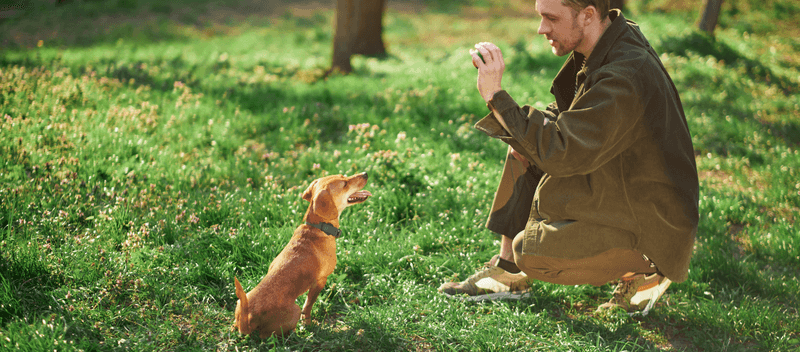
Dogs thrive on patterns, so pick one cue per behavior and stick with it. If sit sometimes means sit and sometimes means wait, your dog will gamble and ignore you.
Choose clear words, say them once, then guide or reset instead of repeating like static.
Consistency also includes body language and rewards. Stand the same way, use the same hand signal, and deliver reinforcement in the same spot to reduce confusion.
When everyone in the household matches cues and criteria, recall becomes dependable, even when squirrels flash or kids shout nearby. Keep a tiny script: say the cue, pause, reward the choice, then release.
That predictable loop teaches your dog what matters and fades guesswork fast. Trust grows every day.
Practice recall in safe areas
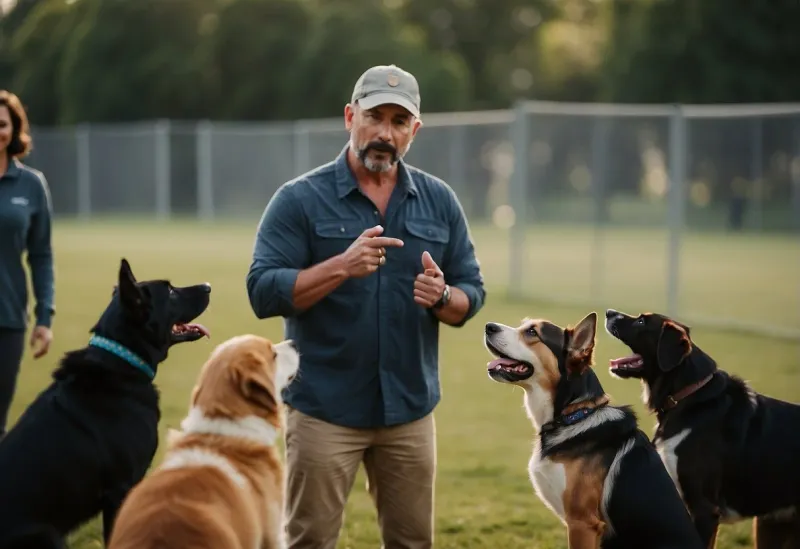
Before freedom, build success where distractions are low and safety is high. Fenced fields, quiet parks, and empty parking lots let you practice without panic.
Distance gives you time to react, and your dog discovers that running back to you always pays better than exploring alone.
Use a cheerful voice, a clear cue, then throw a party when they tag your hand. Practice at different times of day so lighting, smells, and energy feel familiar.
When safe areas become automatic win zones, stepping into bigger spaces feels like the same game, just with more room. Your confidence stays calm, and your dog mirrors it, making recalls faster and happier.
Safe first, freedom second, always. That habit saves chaos.
And injuries.
Reward immediately when they return
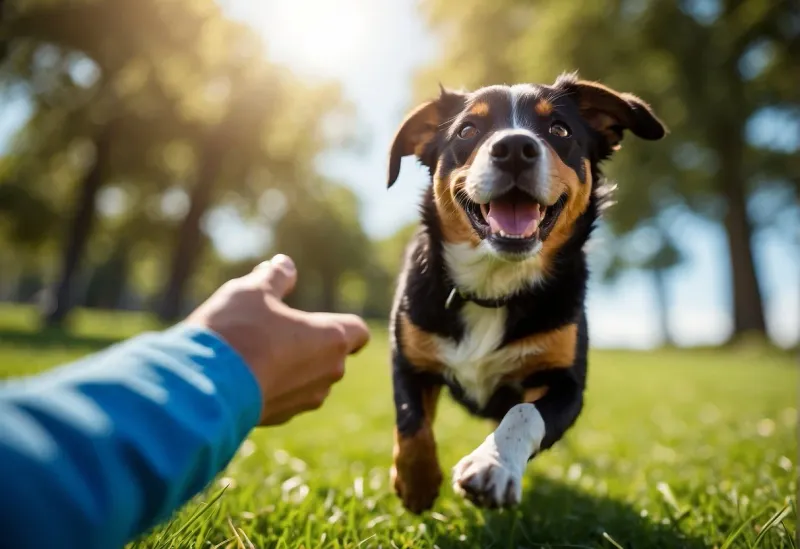
Timing is everything, especially with recall. The moment your dog reaches you or touches your hand, mark it with yes or a click and pay big.
Immediate rewards link the behavior to the jackpot, while delays muddy the lesson and make sniffing feel just as good.
Use a variety of paychecks so your dog keeps guessing high. Sometimes it is chicken, sometimes a squeaky toy, sometimes a joyful sprint with you.
Deliver fast, then release back to fun, proving that coming when called does not end the party, it unlocks even better adventures. Consistency in payout keeps recall sticky under pressure and turns returning into a reflex.
Make the best choice unmistakably valuable today. That clarity speeds learning.
For everyone.
Keep sessions short and positive
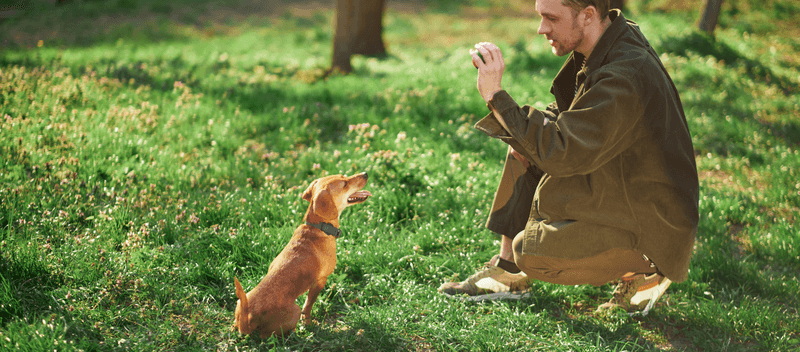
Attention fades fast, so train in tiny bursts that leave your dog hungry for more. Two to five minutes with high success beats twenty minutes of nagging and frustration.
End on a win, toss a treat party, then take a break to reset energy and enthusiasm.
Short sessions prevent boredom from turning into bad habits. They also make it easier for you to track criteria and deliver better timing.
When your dog finishes eager, tomorrow’s recall will start stronger, and trust grows because training consistently feels uplifting, fair, and fun instead of tiring or confusing. Think sprints, not marathons, especially with young dogs discovering the world.
Quit before they fade and watch reliability skyrocket. Momentum builds quickly.
Keep smiling. Always.
Avoid punishment for slow responses
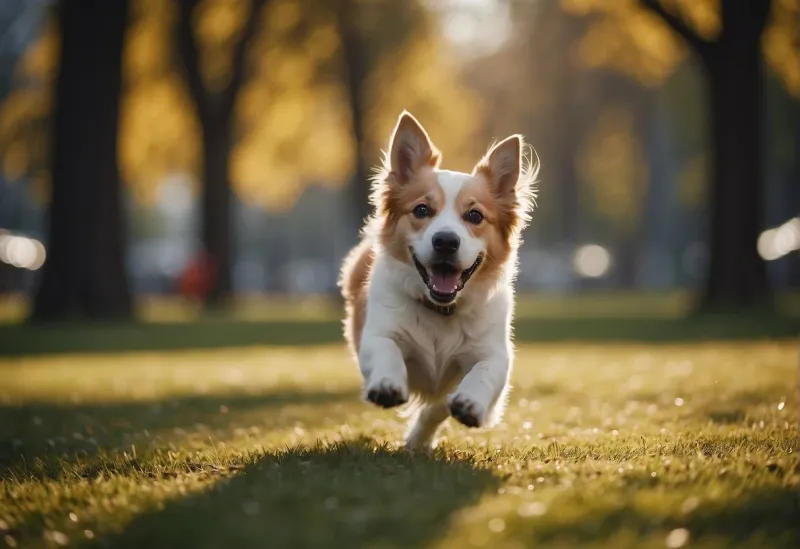
If coming to you sometimes predicts scolding, your dog will weigh the odds and stall. Punishment poisons recall because it teaches avoidance, not eagerness.
Instead, lower the difficulty, sweeten the reward, and practice more repetitions so running back becomes the fastest path to good things.
Praise the try, even if the sprint is slow or the line wobbles. Rewarding effort builds momentum and turns hesitation into habit.
Later, when your dog is fluent, you can raise criteria kindly, asking for faster returns by using higher value reinforcers, playful races, and smart setups that inspire speed. Never punish recall, ever, because trust breaks quickly and repairs take long, frustrating weeks.
Choose encouragement, clarity, and practice instead. Your dog will thank you.
Gradually increase distractions
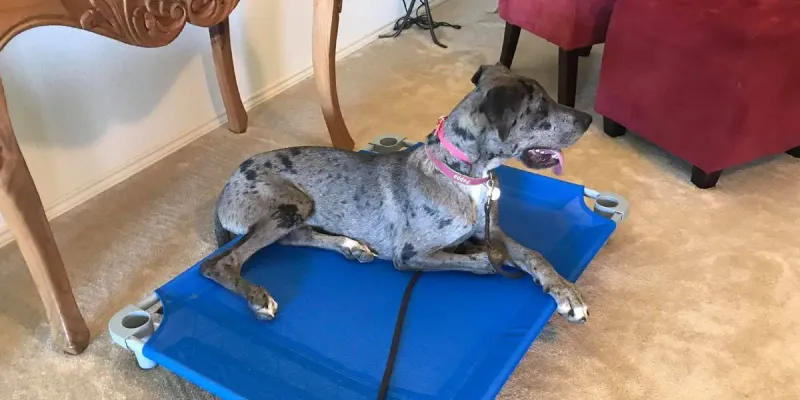
Proofing matters as much as teaching. Start in a quiet room, then add mild distractions like a dropped toy or a friend walking by.
When your dog succeeds reliably, level up to busier spaces, always keeping distance and difficulty low enough that you can still win more than you lose.
Distractions are not enemies, they are training tools. Let your dog notice, then call them back, mark, and pay.
That rhythm teaches focus without pressure, so eventually your recall cuts through birds, joggers, and blowing leaves like a favorite song you cannot ignore on a crowded street. Increase one variable at a time, and celebrate tiny wins to keep confidence high.
Slow steps prevent setbacks. Stay patient.
Always. It works.
Use a long leash during training
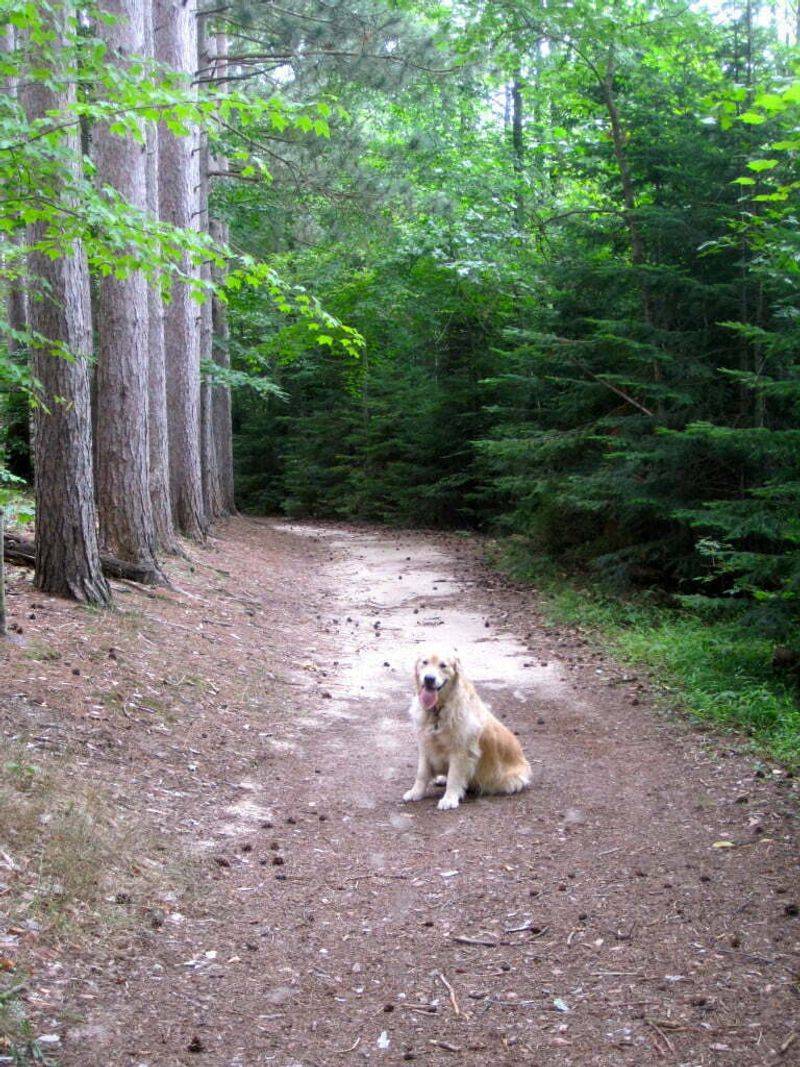
A long line gives freedom with safety while you perfect recall. It lets your dog explore and make real choices, yet you still have a gentle handle if excitement spikes.
Choose a sturdy thirty foot biothane or nylon line, and avoid retractables that teach pulling and random tension.
Drag the line in open spaces, step on it if needed, and guide smoothly instead of yanking. Pair the recall cue with a tiny reel in, then jackpot when your dog arrives.
Over time, the line becomes a silent seatbelt, confidence grows, and you can unclip with calm, predictable control. Practice in gloves to protect hands, and keep the line untangled so movement stays easy.
Safety first, always. Respect momentum.
And space.
Build a strong bond and trust
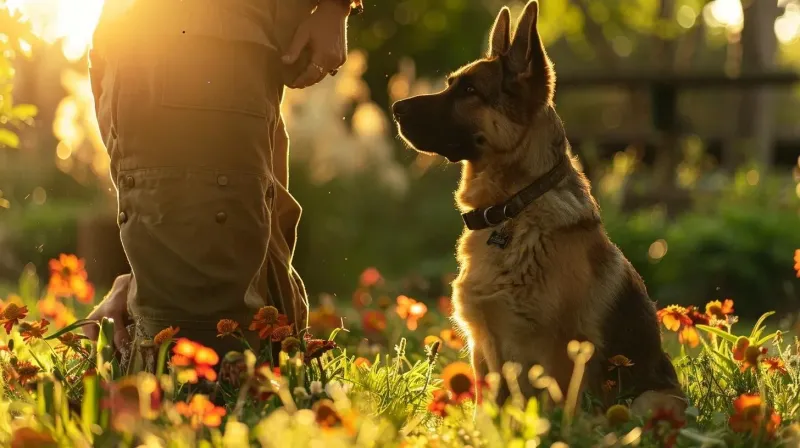
Great recall is not only about cues, it is about your relationship. Spend time playing, exploring, and relaxing together so you are the safest place in any environment.
When your dog believes you are predictable and kind, choosing you over distractions stops feeling hard and starts feeling natural.
Use routines, calm boundaries, and generous affection to make life together easy to predict. Share sniffy walks, goofy games, and quiet cuddles so you are not just the rules person.
Bonded dogs check in more, return faster, and treat recall like teamwork, not a negotiation, even when the world gets loud. Trust turns pressure into clarity, and clarity makes choices simple, repeatable, and satisfying.
That bond powers freedom. For years.
And miles.