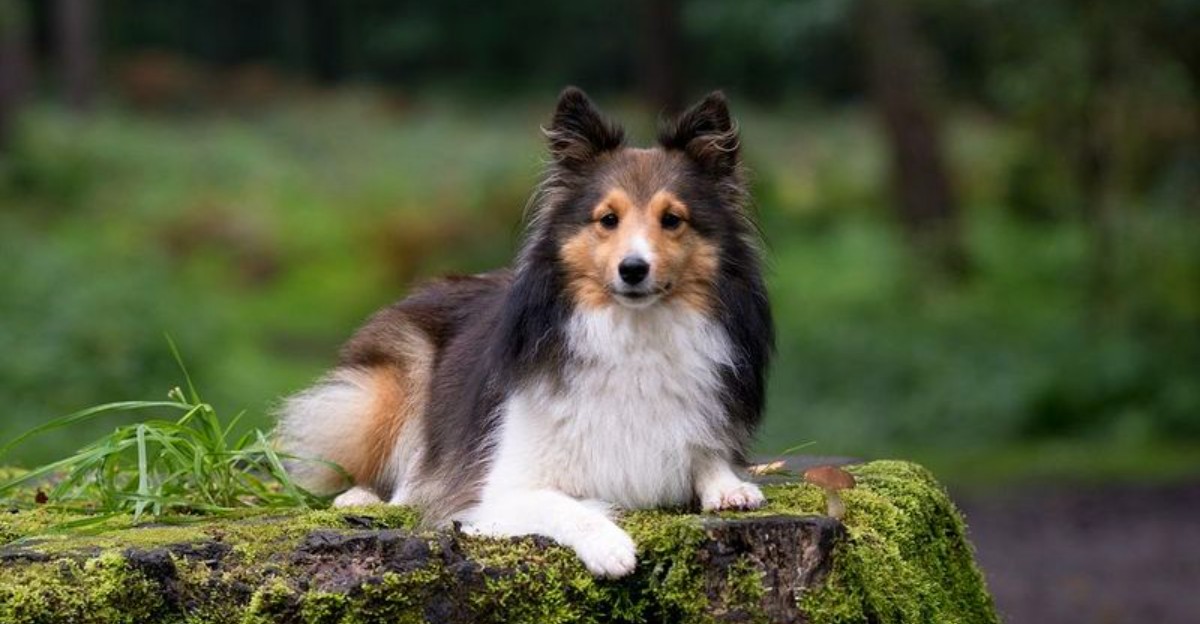
Some dogs seem born to keep an eye on things, noticing every sound, car, and stranger near your home. That alert nature can make you feel safer, but it also comes with real work.
Watchful breeds need training, exercise, and smart handling so their guarding instincts stay helpful instead of stressful. Before you bring one home, here is what each of these alert breeds will ask of you.
German Shepherd
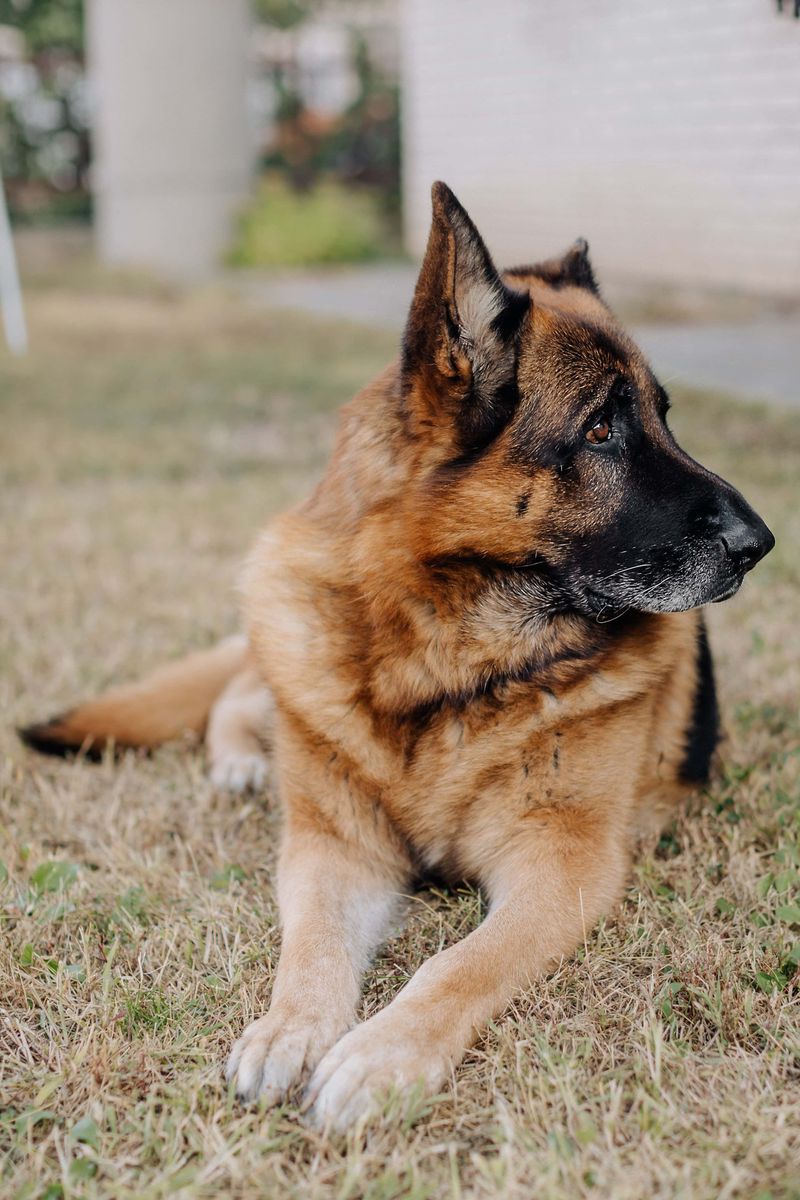
Police departments around the world trust German Shepherds for a reason. They learn fast, stay focused, and notice everything happening around them.
That sharp mind needs a job, though. Without daily training games, long walks, and puzzle toys, a bored shepherd may chew, bark, or pace for hours.
Plan on brushing often, too, since they shed heavily all year. Early socialization with people and other pets keeps their protective side calm and steady.
Doberman Pinscher
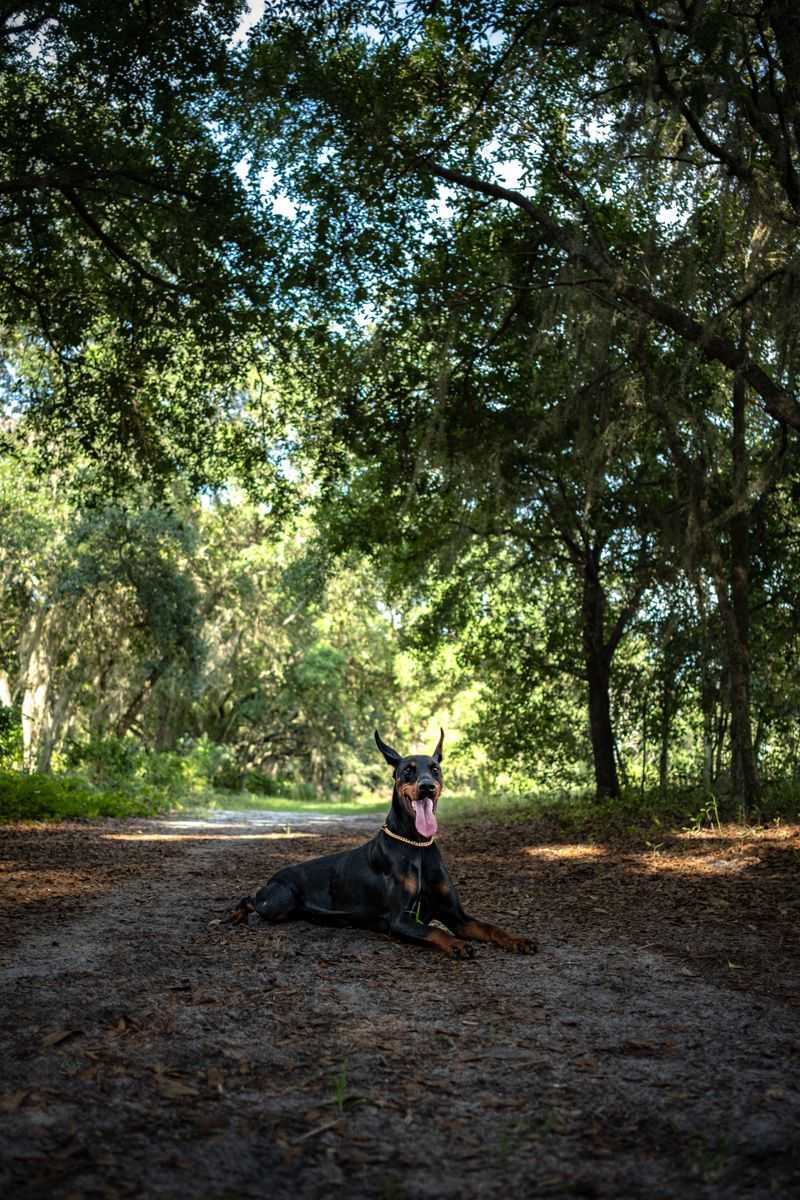
Fun fact: the first Doberman was bred by a German tax collector who wanted a loyal bodyguard on his rounds. That history still shows today.
Dobermans bond closely with their families and can feel uneasy when left alone too long. They also need plenty of running and mental challenges.
Their short coats offer little warmth, so a sweater helps in winter. Regular heart checkups with your vet are smart, since the breed can face heart problems.
Rottweiler
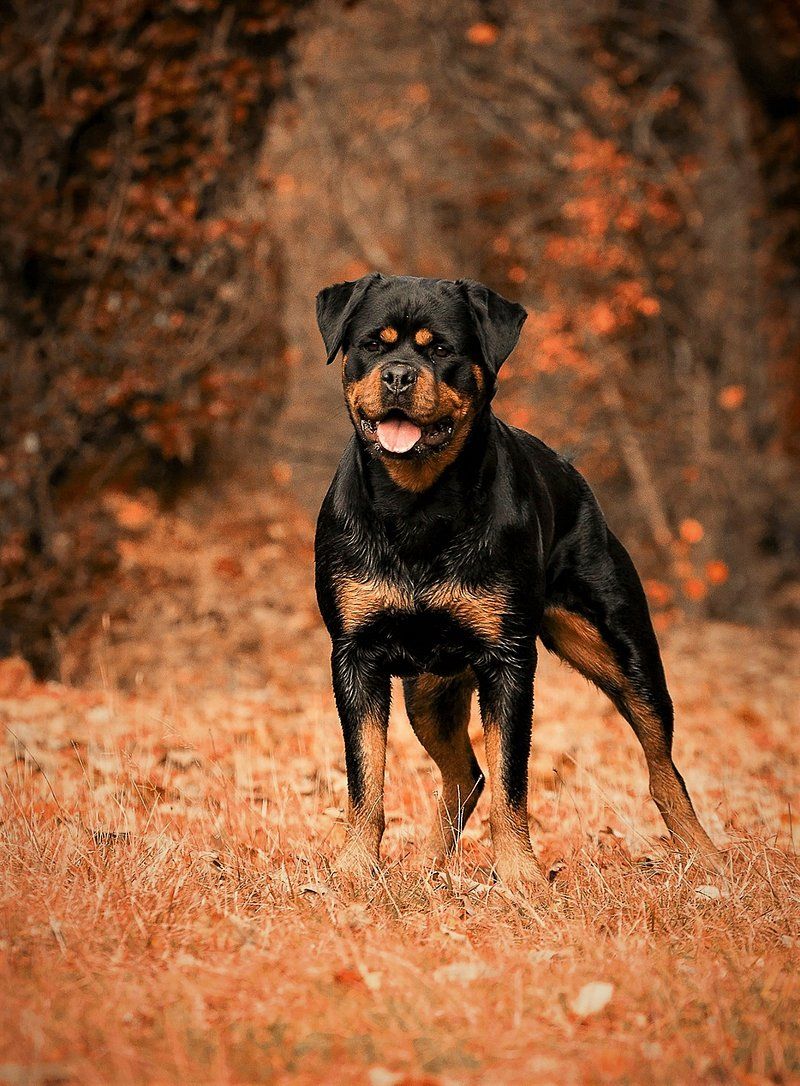
Picture a calm, confident dog quietly blocking the doorway when a stranger knocks. That is classic Rottweiler behavior.
Strength is the big responsibility here. A full-grown Rottie can weigh over 100 pounds, so leash manners must start in puppyhood, not later.
Firm but kind training works best.
Check your homeowner insurance and local rules before adopting, because some places restrict this breed. Keep them lean, too, since extra weight strains their hips.
Belgian Malinois
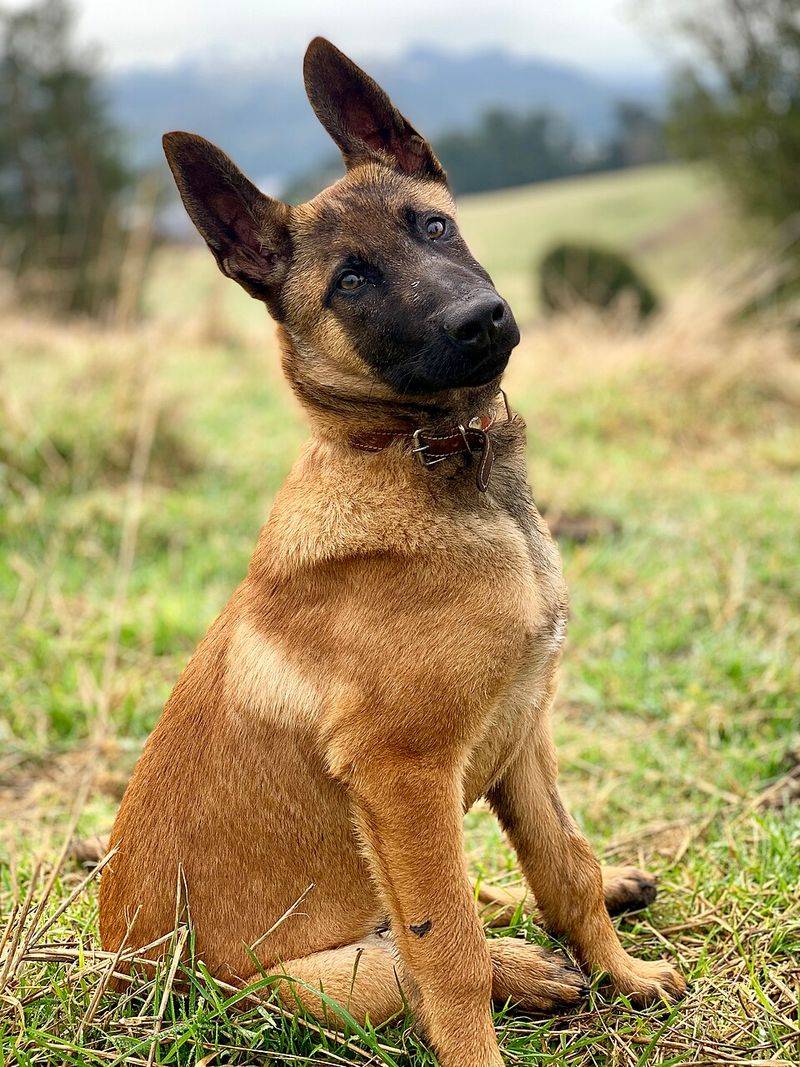
Honestly, the Malinois is not a beginner dog. These high-energy athletes were made for herding and protection work, and they never seem to run out of fuel.
Owners should expect two or more hours of activity daily, including training, fetch, or dog sports like agility. A short stroll around the block simply will not cut it.
When their needs are met, they are brilliant partners. When ignored, they can become frustrated, nippy, and destructive very quickly.
Akita
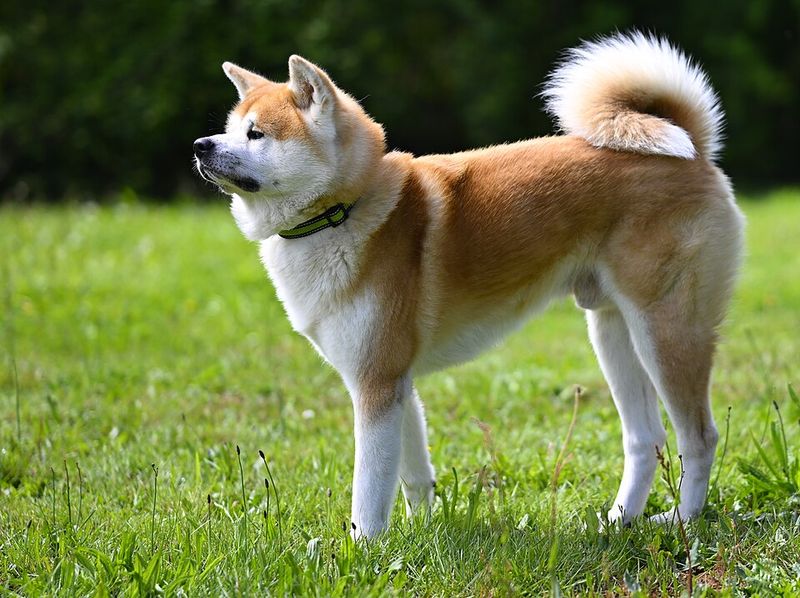
In Japan, a famous Akita named Hachiko waited at a train station for his owner every day for nearly ten years. Loyalty runs deep in this breed.
Akitas are quiet watchers who often dislike unfamiliar dogs. Many owners find they do best as the only pet in the home.
Twice a year, they blow their thick coats, leaving fur everywhere. Patient, consistent training matters, since Akitas can be stubborn and independent thinkers.
Bullmastiff
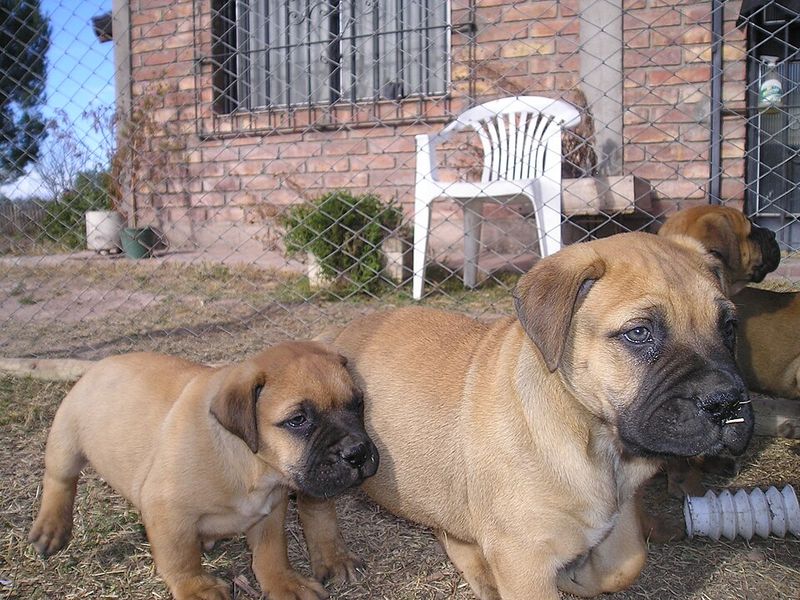
Gamekeepers in 1800s England needed a dog that could quietly catch poachers without harming them. The Bullmastiff was their answer.
Today, these gentle giants are surprisingly laid-back indoors. Still, their size means owners must handle drool, big food bills, and higher vet costs.
They overheat easily, so skip hard exercise on hot days. Training should begin early, because convincing a 120-pound adult to listen is much harder than teaching a wobbly puppy.
Giant Schnauzer
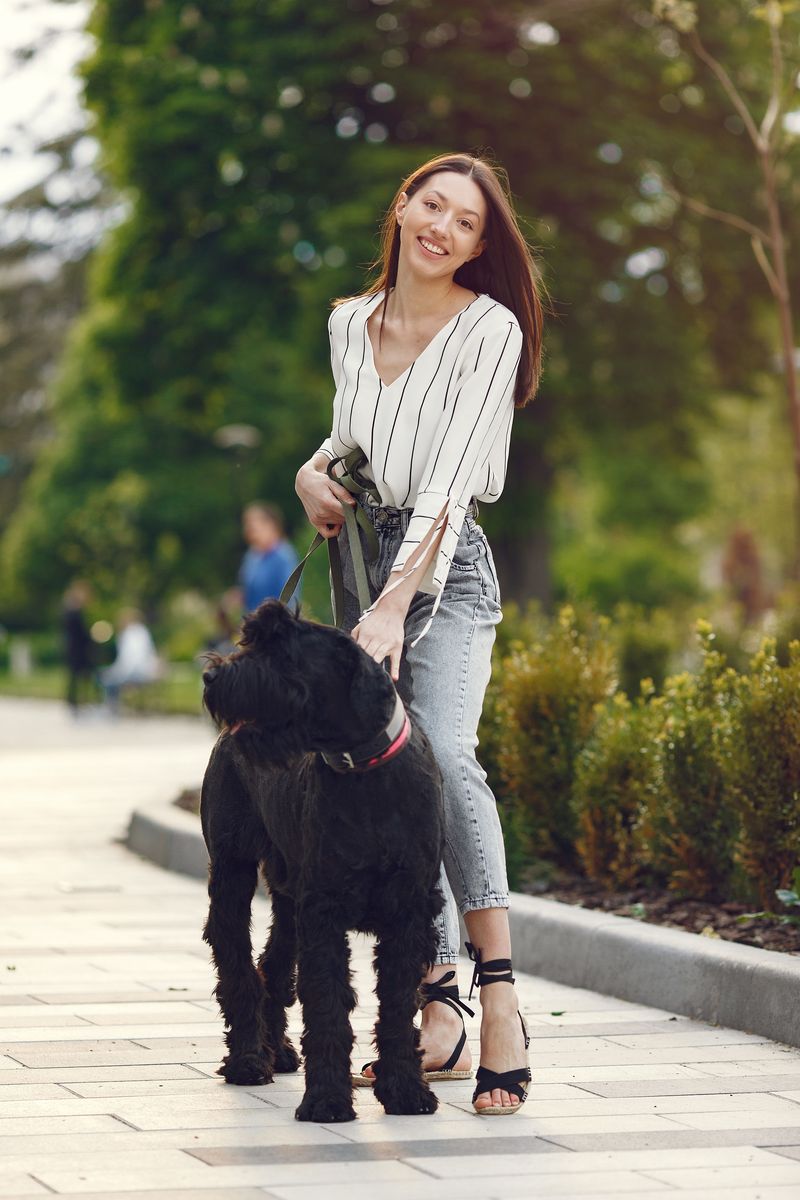
Bearded, bold, and a bit bossy, the Giant Schnauzer takes its watch duties very seriously.
Originally used to drive cattle and guard farms in Germany, this breed has energy to spare. Daily runs, hikes, or games of tug help keep that power in check.
Grooming is another commitment. Their wiry coats need regular brushing and professional trims every few months.
Skipping socialization can make them overly suspicious, so introduce them to many friendly faces early.
Chihuahua
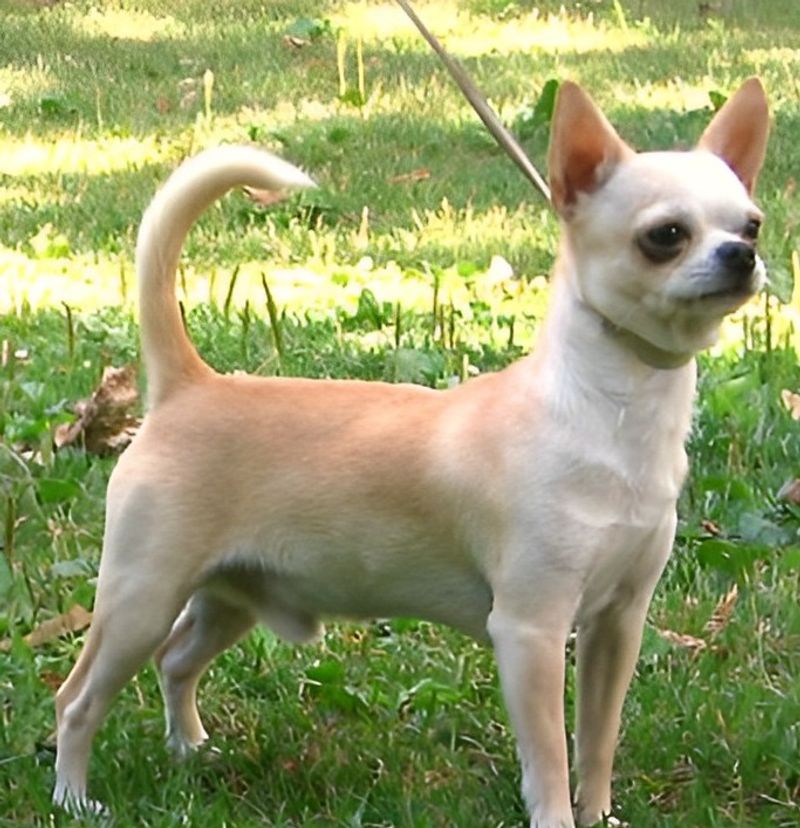
Who says a watchdog has to be big? Chihuahuas announce every visitor, squirrel, and delivery truck with loud confidence.
That tiny alarm system can get noisy, though. Teaching a quiet command early saves your ears and keeps neighbors happy.
Small size brings risks, too. They can get hurt jumping off furniture or around rough play, and they chill easily.
Gentle handling, warm bedding, and regular dental cleanings help these little guardians thrive.
Great Pyrenees
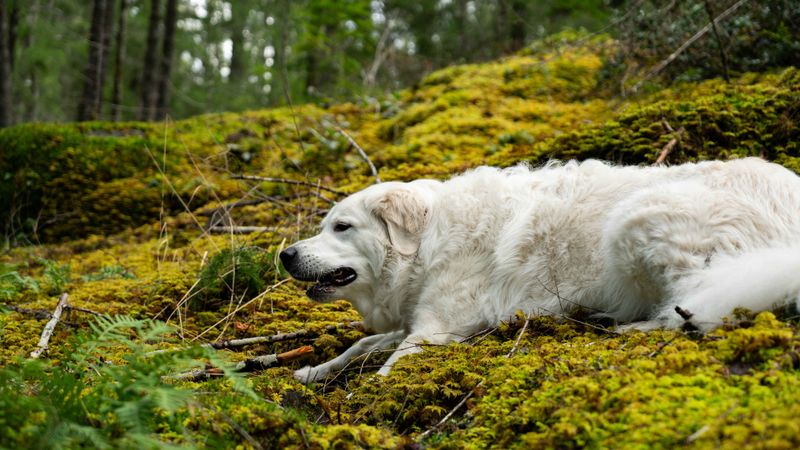
Night owls at heart, Great Pyrenees were bred to guard sheep in the mountains between France and Spain, often barking after dark to scare off wolves.
That nighttime barking can surprise new owners. A securely fenced yard is a must, since these dogs love to roam and patrol.
Expect lots of fluffy white fur on your clothes. Their independent minds make training slow, so patience and treats will become your best tools.
Shetland Sheepdog
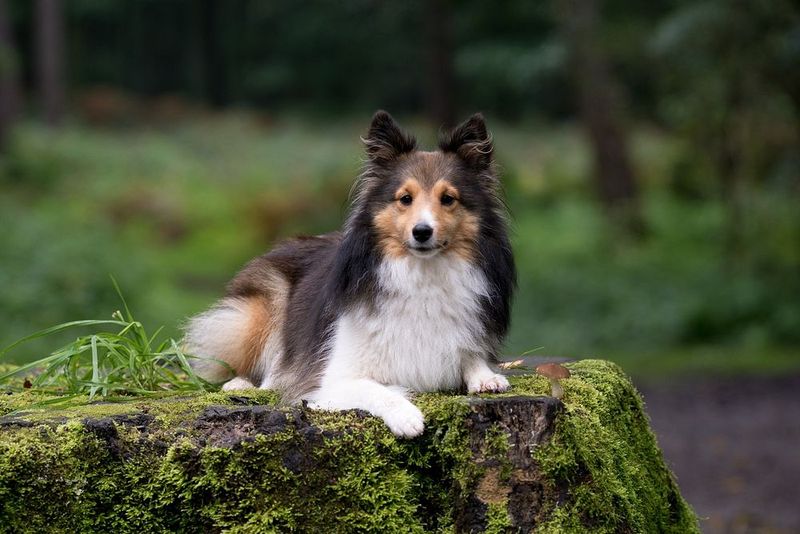
Sweet but sensitive, Shelties notice tiny changes around the house, from a new noise to a moved chair.
This alertness often comes with lots of barking. Positive training and plenty of activity help channel that energy, since Shelties excel at agility and obedience games.
Harsh words can hurt their feelings, so stay upbeat during lessons. Their long double coat needs brushing a few times each week to prevent painful mats behind the ears.
Cane Corso
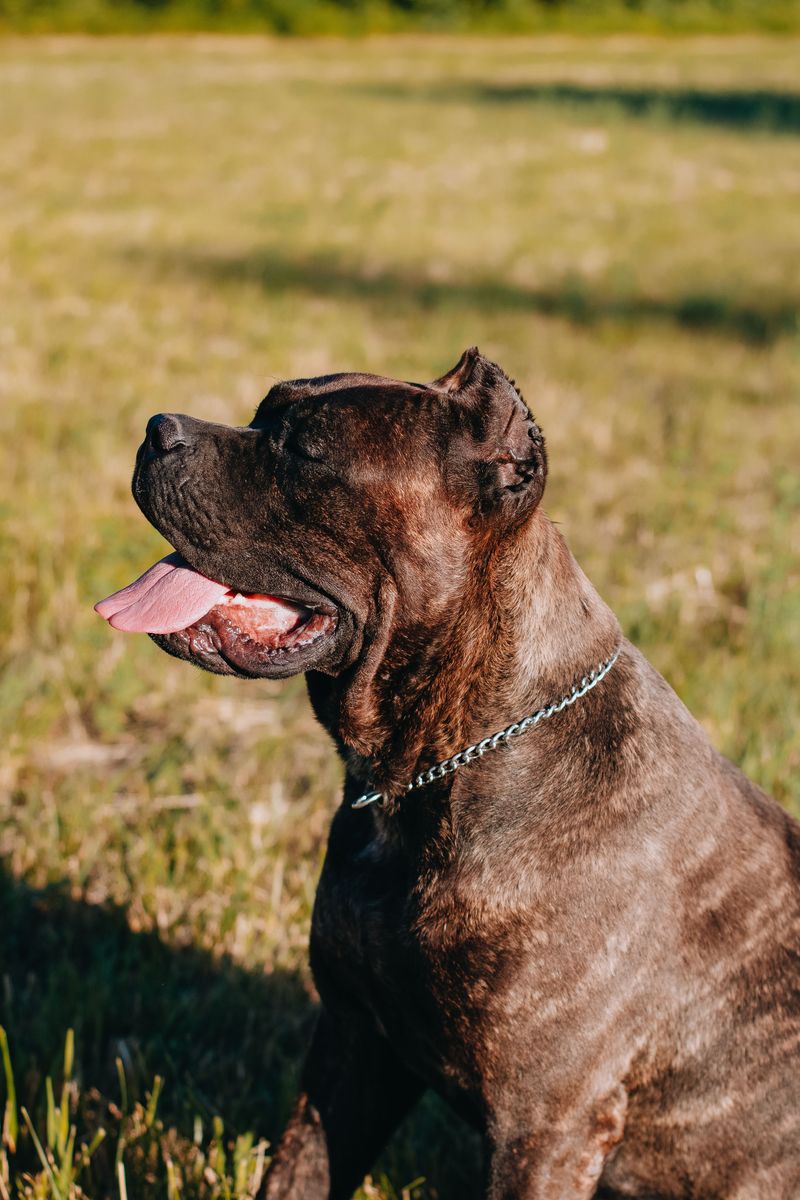
Here is a breed whose name roughly means bodyguard dog in Latin. The Cane Corso guarded Italian farms and homes for centuries.
Powerful and protective, Corsos need an experienced owner who sets clear rules from day one. Meeting new people and pets often during puppyhood is essential.
Daily exercise keeps their muscles strong and minds settled. Also budget for a sturdy fence, quality food, and possible joint care as they age.
Miniature Schnauzer
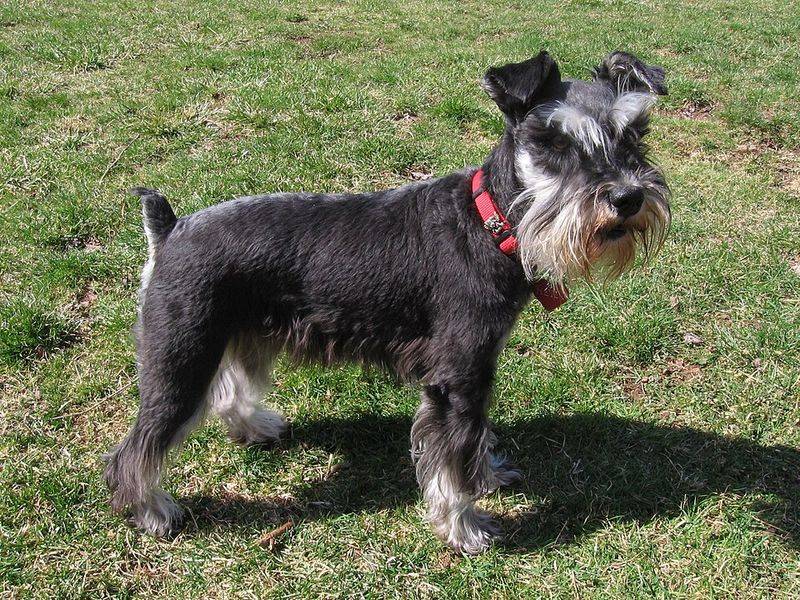
Spunky and mustached, the Miniature Schnauzer acts like a tiny security guard with a big personality.
Many families love them for apartments, but they do bark at passing sounds. Consistent training and daily walks help keep the noise reasonable.
Their wiry coats shed very little, yet they need grooming every five to eight weeks. Watch their diet closely, too, since this breed can develop stomach problems from fatty foods and table scraps.