
Smart dogs do more than learn tricks. They watch your daily life and start to predict what happens next.
That can be amazing and a little challenging. If you want a clever companion, set clear routines and give their big brain a job.
Border Collie
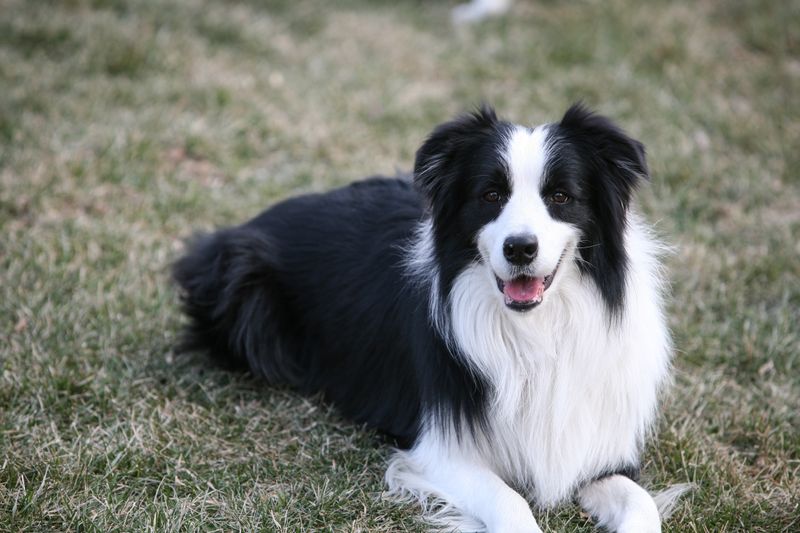
Watch a Border Collie map your routine like a field general. Morning shoes mean fetch practice, the kettle means backyard patrol, and the light switch signals bedtime.
That sharp pattern memory comes from generations of herding work.
Give tasks, not chaos. Rotate daily puzzle toys, hide-and-seek commands, and short tracking games.
When you leave, park a stuffed chew in the same spot, then vary the challenge each week so curiosity stays high and stays low.
Standard Poodle
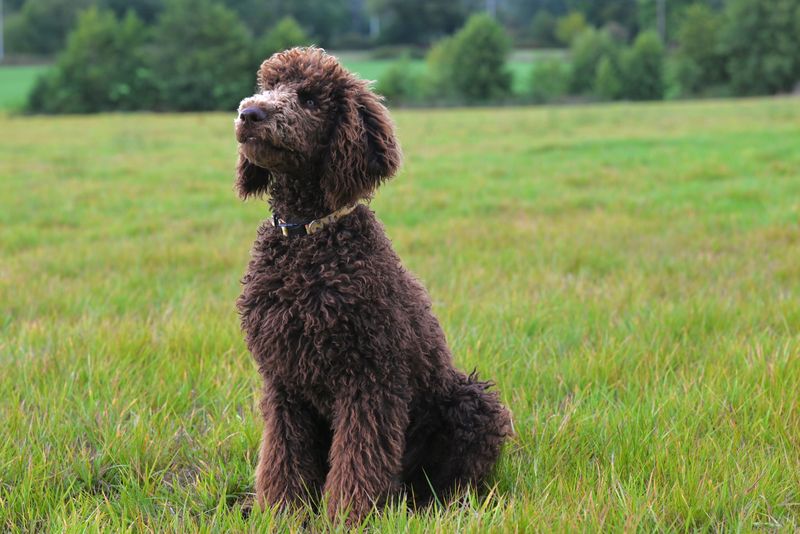
A Standard Poodle reads you like a polite librarian with a secret grin. Grab gym clothes and it is already finding the leash.
Sit at a desk and it curls nearby, ready for a thinking game.
Channel that social brain. Teach names of toys, signal quiet time with a mat, and swap grooming for short training bursts.
Water retrieves, nosework, and tricks keep elegance busy and mischief rare, while your routines become cues they mirror.
German Shepherd
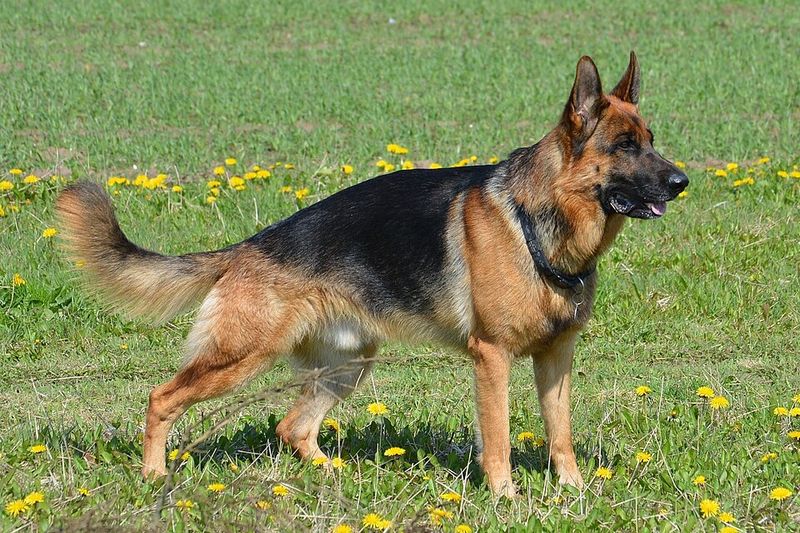
Guardian brains switch on faster than your coffee maker. A German Shepherd clocks keys, backpacks, and door locks, then predicts the plan.
That loyalty pairs with a tracking nose and a problem-solving style that begs for jobs.
Build a lifestyle map. Use start and stop cues, like a vest for walks and a phrase for off-duty.
Obedience chains, scent puzzles, and boundary games drain mental energy, so the dog follows habits without micromanaging your move.
Shetland Sheepdog
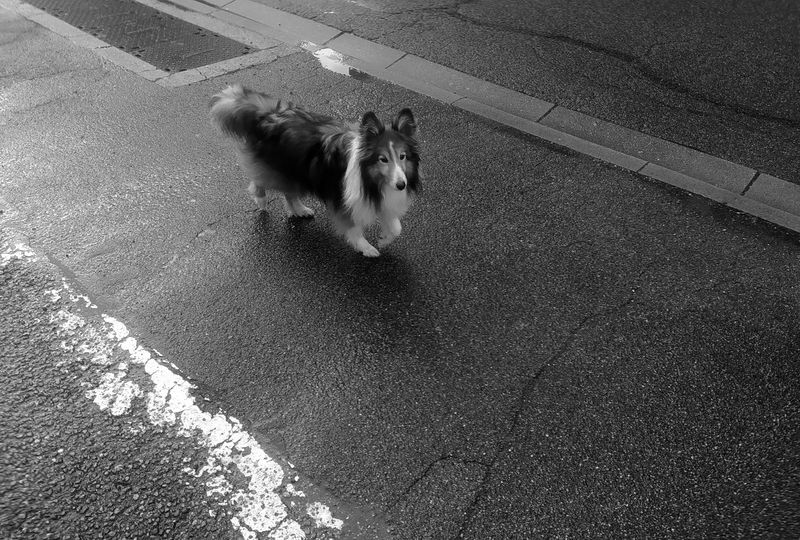
A Sheltie spots the tiniest shift, from your eyebrow raise to the rattle of the snack drawer. Small body, big brain, and plenty of voice.
Their heritage of gathering sheep shows up as quick learning and eager rehearsals of your patterns.
Teach quiet cues early. Give daily sniff walks, tricks, a comfy lookout, so barking becomes reporting, not nagging.
Rotate who handles feeding games to prevent over-attachment to one person and to smooth routine shifts.
Papillon
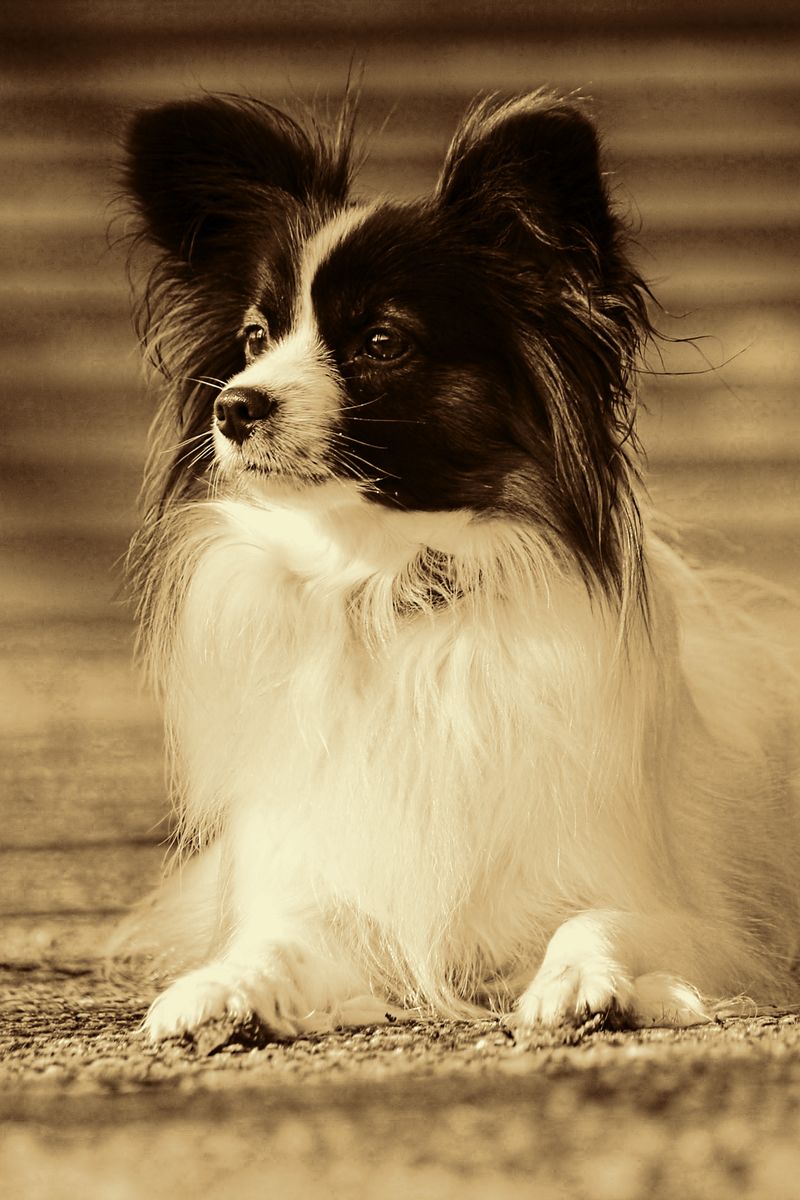
Feathered ears, rocket mind. A Papillon links your slippers to cuddle hour and the sound of a zipper to park time.
That clever spark loves eye contact and picks up household rhythms with ballerina grace.
Keep learning tiny and joyful. Teach few object names, target a mat for rests, and practice greetings at the door.
Snack puzzles, agility jumps, and scent games burn brain fuel, so the little strategist follows habits instead of inventing chaos.
Doberman Pinscher
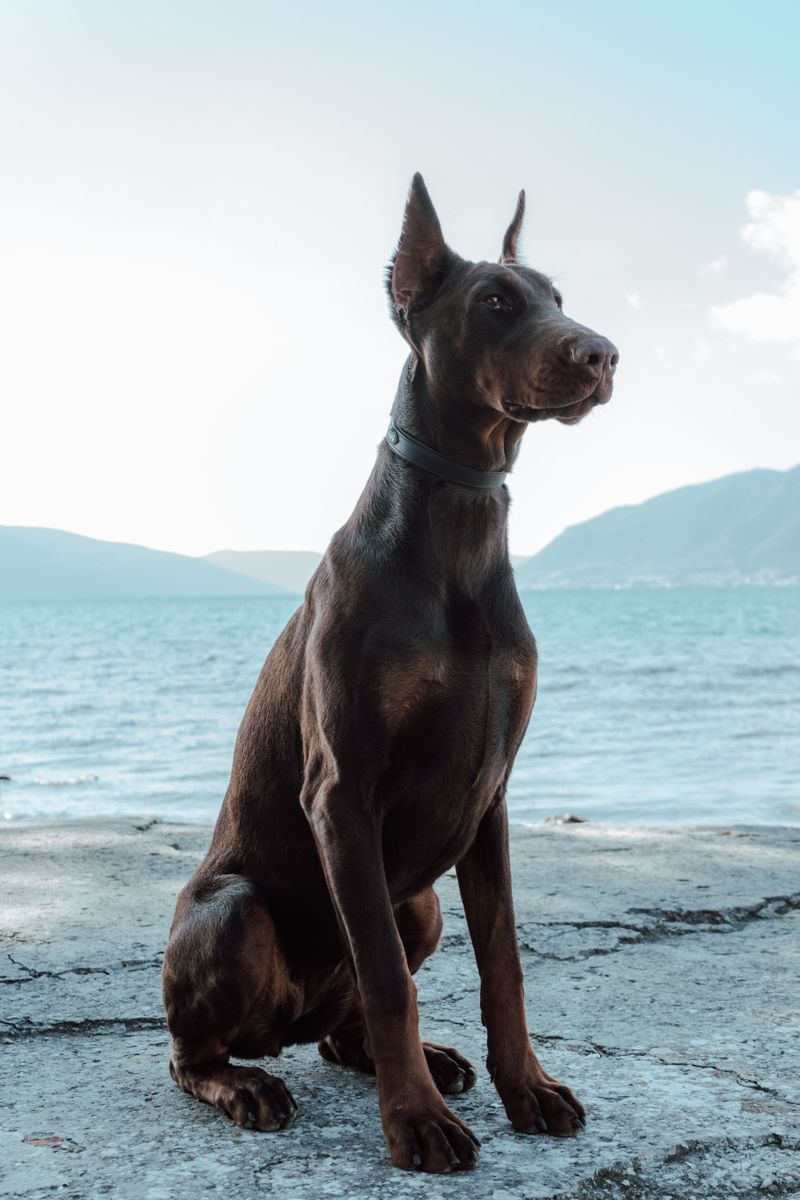
Picture a focused athlete who memorizes your calendar. The Doberman Pinscher notices laptop lids, car alarm chirps, and even your running shoes, then anticipates what protection or play comes next.
Confidence builds when the plan is clear.
Use structure kindly. Start sessions with a place cue, mix impulse control with tug rewards, and finish with a sniff walk.
Rotate handlers and jobs, like carrying a pouch, so the dog reads habits as teamwork, not pressure.
Australian Cattle Dog
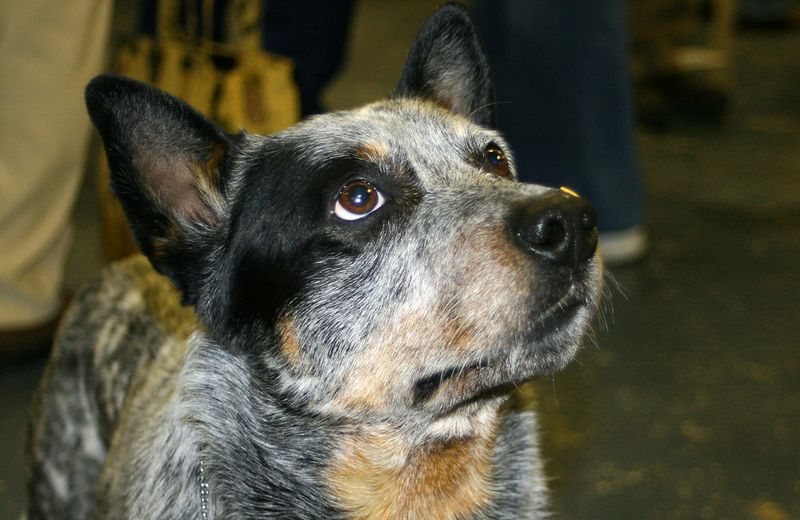
Workaholic by heart, the Australian Cattle Dog tracks your chores like a clipboard with paws. Clanking tools, gate latches, and sunrise alarms become action bells.
Without direction, that energy writes its own script.
Schedule jobs each day. Teach moving targets, like pushing a ball to a mark, and add real tasks, such as carrying laundry clips.
Herding games, platform work, and routes keep the thinker satisfied, so your routines guide effort instead of guiding trouble.
Miniature Schnauzer
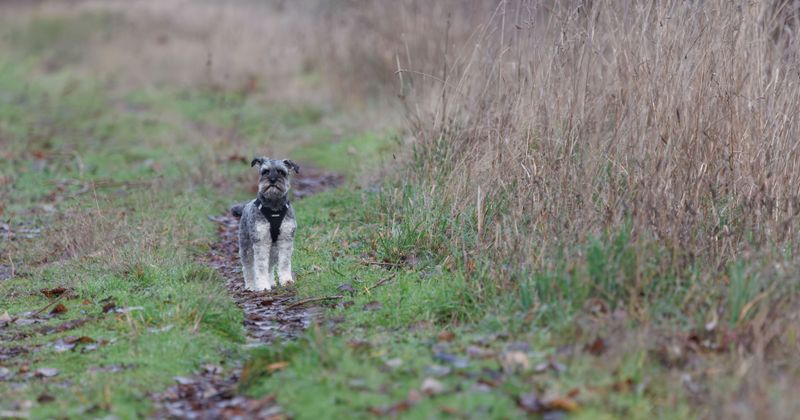
Big eyebrows, bigger curiosity. A Miniature Schnauzer takes notes on your snack breaks and meeting times, then patrols for opportunities.
That terrier spark loves puzzles and clear boundaries.
Set a schedule you can keep. Offer window watching on cue, scatter feeding in the yard, and quick scent searches between calls.
Rotate chew textures and teach a tidy-up trick, so the busy inspector channels habit knowledge into helpful chores instead of barking at every mystery outside.
Australian Shepherd
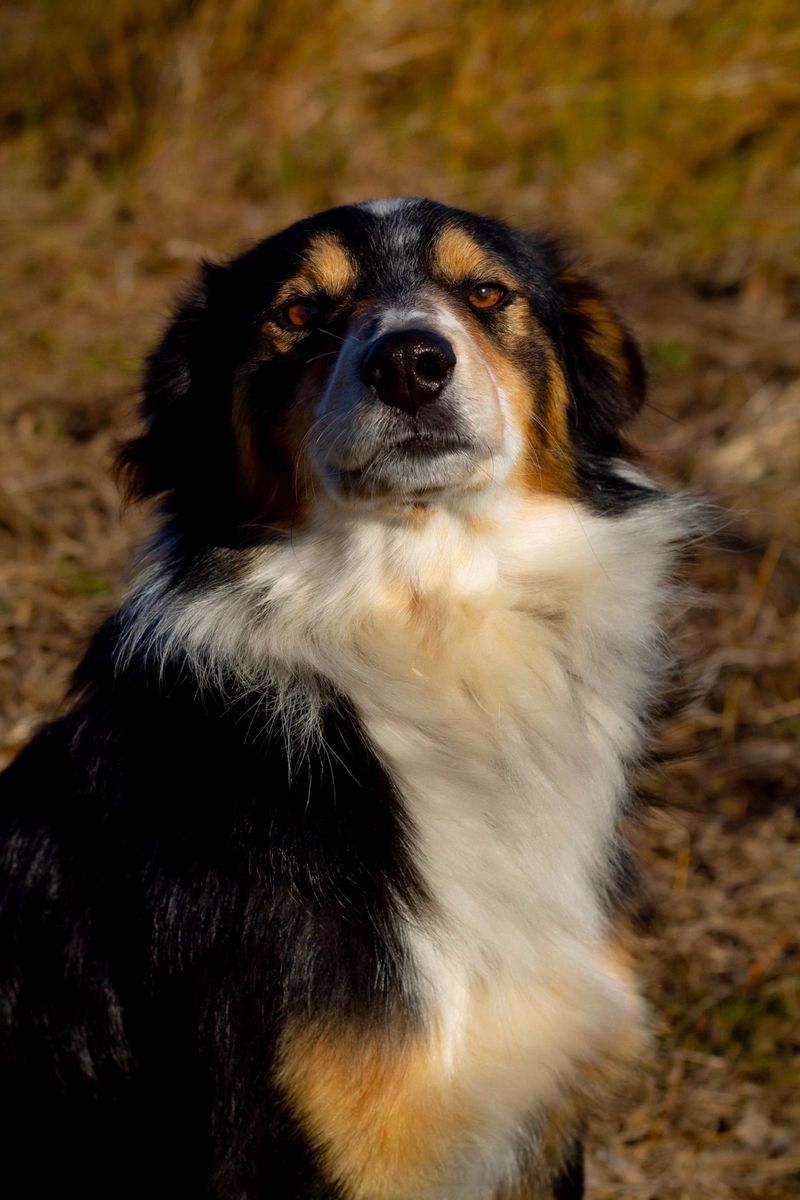
The Aussie reads your calendar like a colorful flowchart. Shoes by the door mean hikes, oven timer means someone is gathering, and yoga mat means cuddles during cooldown.
Their brain lights up for choices and patterns.
Create forks in the routine. Offer two activities and let the dog pick, then reward transitions.
Trick chains, disc games, and puzzles keep decisions healthy, so your habits become a menu for teamwork instead of a script causes rehearsals.
Belgian Malinois
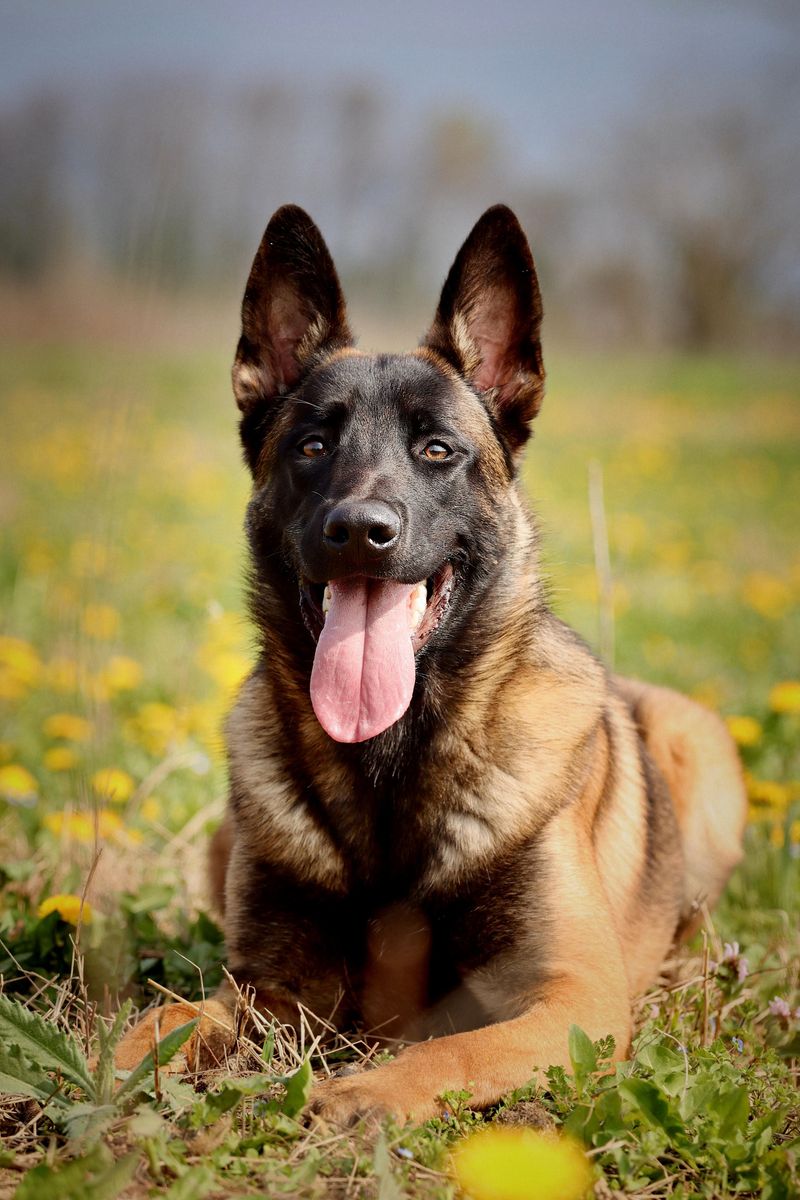
Imagine a detective who never clocks out. The Belgian Malinois tracks footsteps, glances, and timing, then files everything for later action.
Talent like that needs steady outlets and respectful rest.
Build rituals around arousal. Start with a warmup, mark work with a harness, and end with decompression in a quiet space.
Bite pillows, spring poles, and scent problems belong on a schedule, so pattern spotting becomes service instead of anxious micromanaging of your life.
Pembroke Welsh Corgi
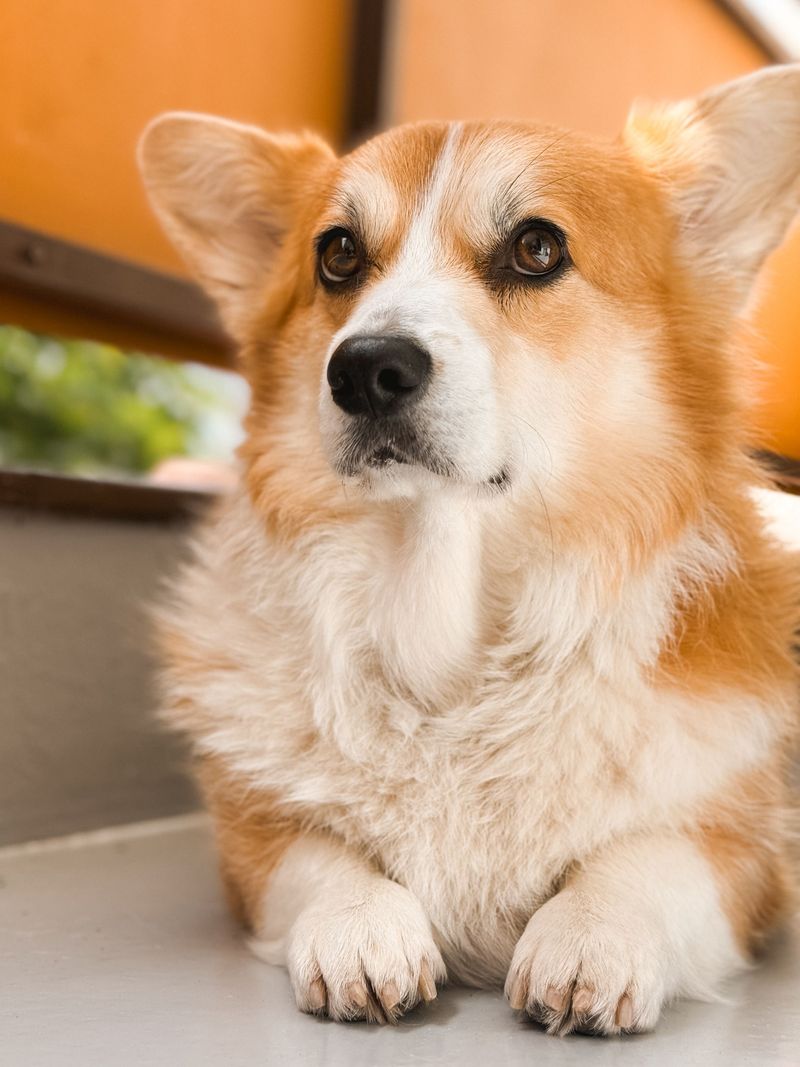
Short legs, sharp mind, big agenda. A Pembroke Welsh Corgi notices when socks pair, chairs pull out, and mail drops, then volunteers as supervisor.
Humor helps with that management streak.
Turn chores into games. Teach tidy pathways around the kitchen, parking on a mat during meals, and carries using light toys.
Mix heelwork with sniff breaks, and share duties among family, so the cheerful foreman learns your habits without trying to run the whole house.