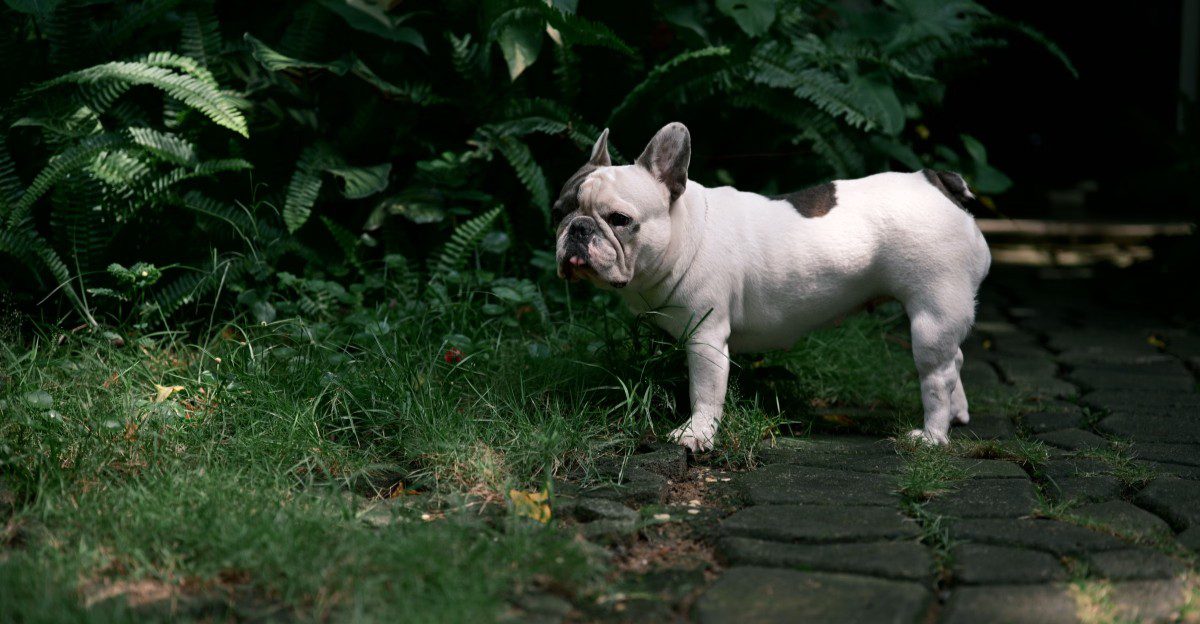
A sunny afternoon can look perfect for a quick stroll. But for some dogs, even a short walk in warm weather can be risky.
These breeds can overheat fast because of their body shape, heavy coats, or size. Knowing the signs and simple ways to help can keep your pup safe and happy.
French Bulldog
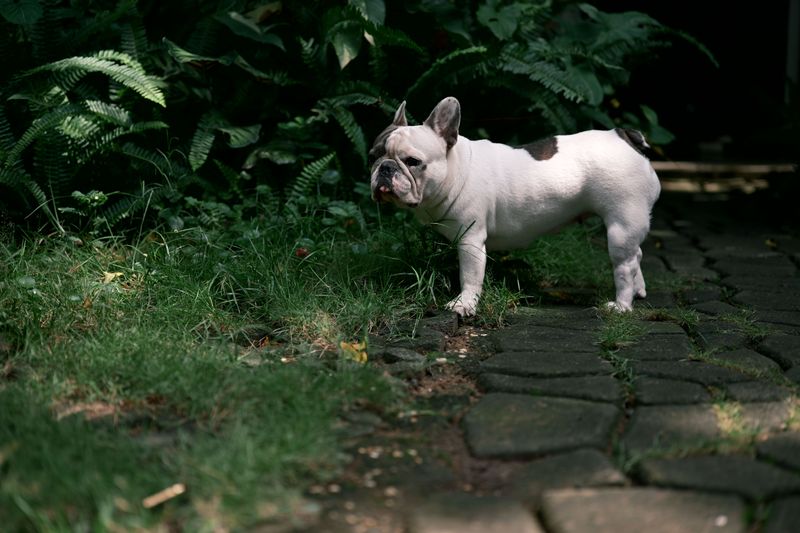
Big personality, tiny airway. A French Bulldog can go from playful to panting hard in minutes on a warm day.
That short snout makes breathing less efficient, which traps heat. Walk early or late, keep routes short, and bring water.
Choose shady paths, a breathable harness, and frequent pauses. A cooling vest helps.
Watch for glazed eyes, wobbling, or loud snorts turning harsh. If you see those, stop, wet belly and paws, and head home.
English Bulldog
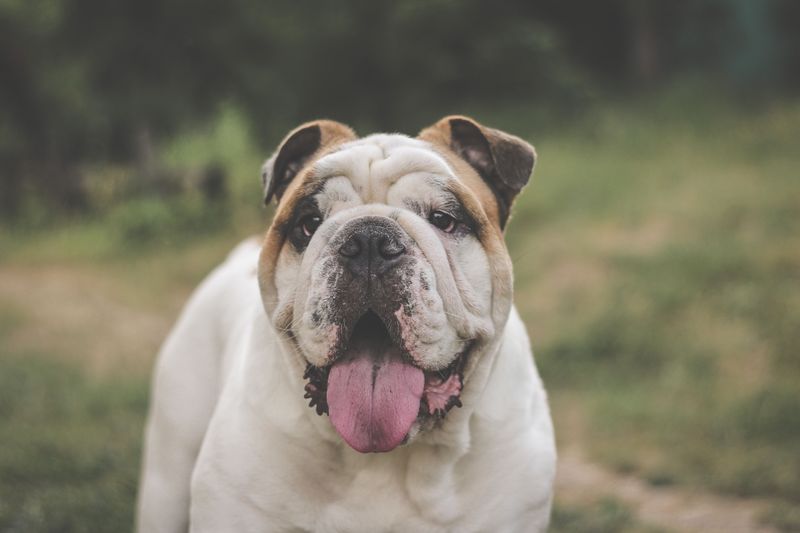
A lovable tank with a tiny air tunnel, the English Bulldog struggles once temperatures climb. Even a block can feel like a marathon.
Keep outings slow, flat, and shaded. Skip the midday sun and steer clear of stairs or hills.
Carry cool water and a collapsible bowl. A damp bandana can help, too.
Loud, raspy breathing or a purple tongue are red flags. If they appear, stop activity immediately and cool the dog gradually.
Pug
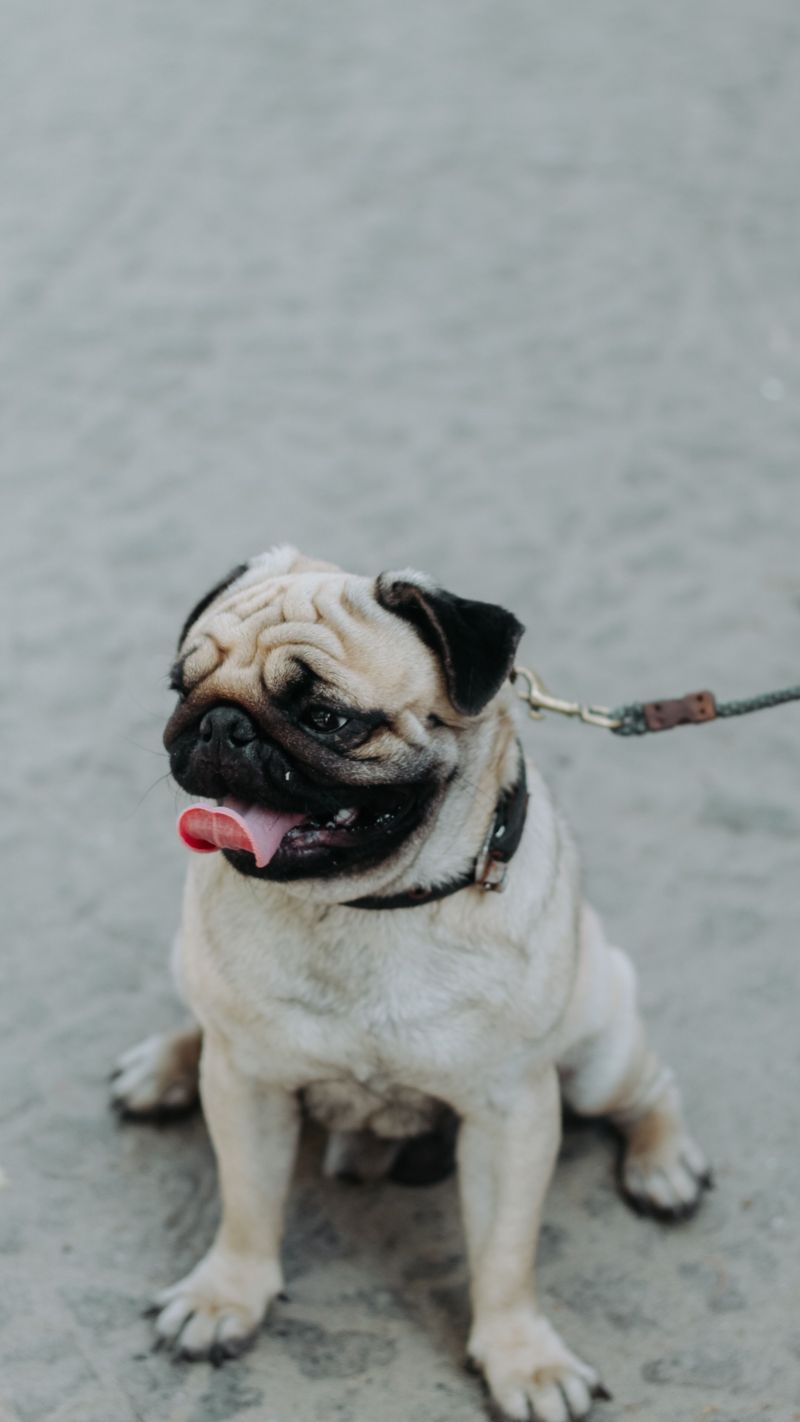
Wiggles, snorts, and sudden fatigue often meet on warm sidewalks for a Pug. Their narrow airways can trap heat and make panting less effective.
Aim for sunrise strolls, and keep the pace easy. Asphalt can burn paws, so test with your hand.
Bring water and plan shady rest stops. If panting turns choppy or the Pug slows abruptly, pause and cool with wet cloths on the belly.
Indoors, use fans and quiet play instead.
Boxer
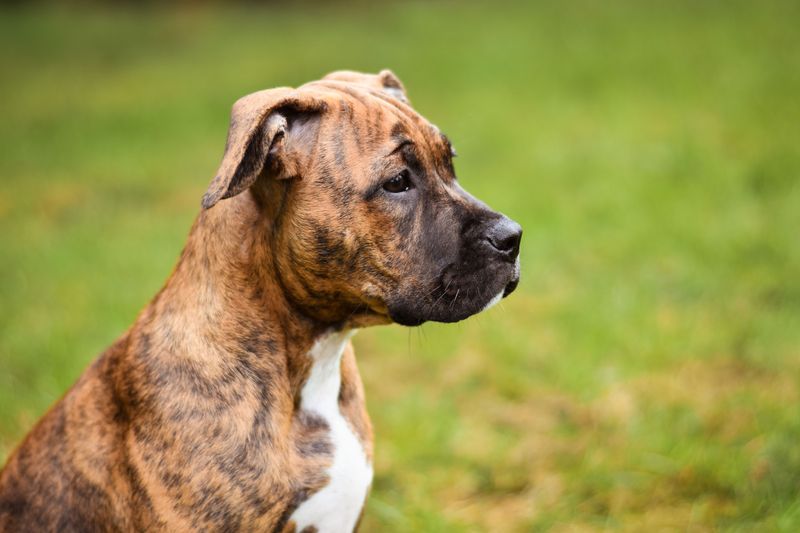
Built to move, yet Boxers can overheat faster than you expect in warm weather. Their shorter muzzle and high energy can be a tough combo.
Keep workouts modest and choose shady trails. Take water breaks before your dog asks for them.
Skip intense fetch or sprints once the day warms up. Look for thick drool ropes, heavy panting, or slowing behind you.
Those are your cues to stop, cool down, and call it a day.
Bernese Mountain Dog
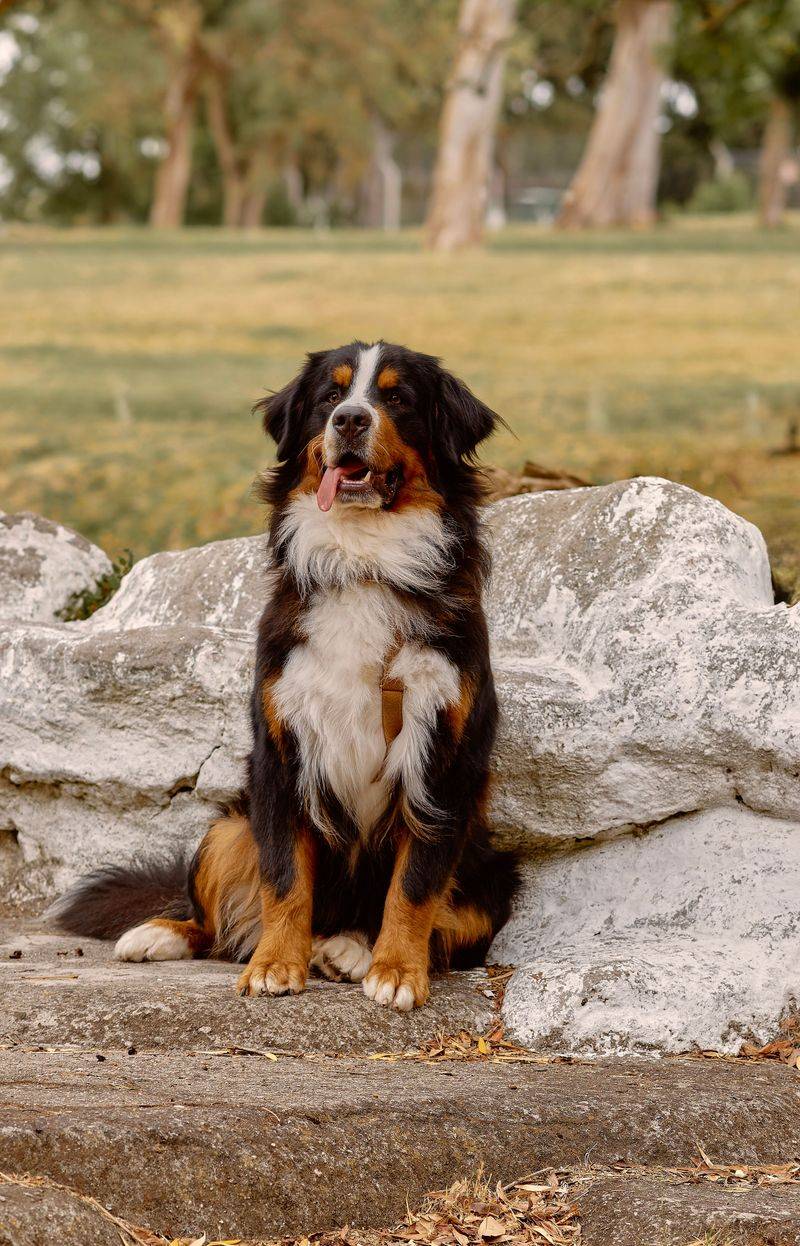
Bred for cool mountain work, the Bernese Mountain Dog can wilt in warm conditions. That plush tri-color coat keeps heat close.
Walk at sunrise, stick to grass, and build in breaks every few minutes. Keep hills for cooler days.
Hydration matters, so offer water early and often. If panting speeds up or steps become short and choppy, stop and cool off.
Later, trade outdoor play for gentle training or grooming indoors.
Boston Terrier
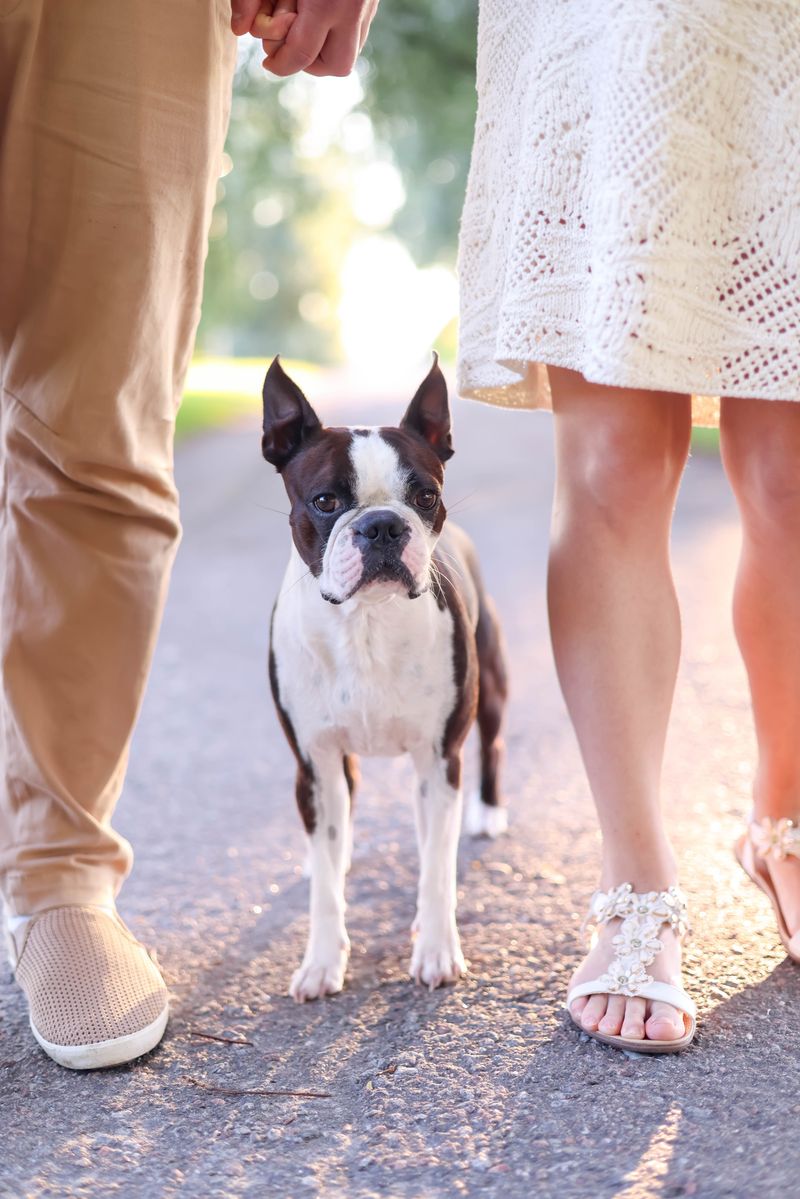
Those bright eyes and tuxedo coat hide a heat challenge. Boston Terriers have compact airways, so panting works less efficiently.
A quick loop can turn tiring if the sun is strong. Walk in short bursts and rest in shade often.
Carry cool water and stick to grass instead of hot pavement. If the tongue looks wider than normal or breathing sounds squeaky, stop and cool with a damp cloth.
Plan indoor brain games on hot days.
Shih Tzu
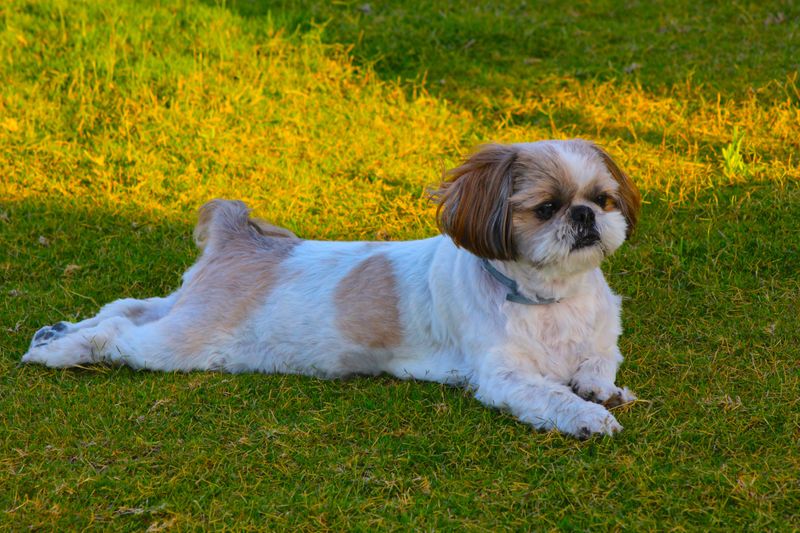
Wrapped in a silky coat, a Shih Tzu can warm up quickly even during brief outings. Hair around the face can trap heat and block airflow.
Keep the coat trimmed around eyes and muzzle, and choose gentle, shady strolls.
Pack water and pause often. If the dog lags or pants with the mouth barely open, that is a warning sign.
Move indoors, cool the paws and belly, and switch to calm play or training.
Newfoundland
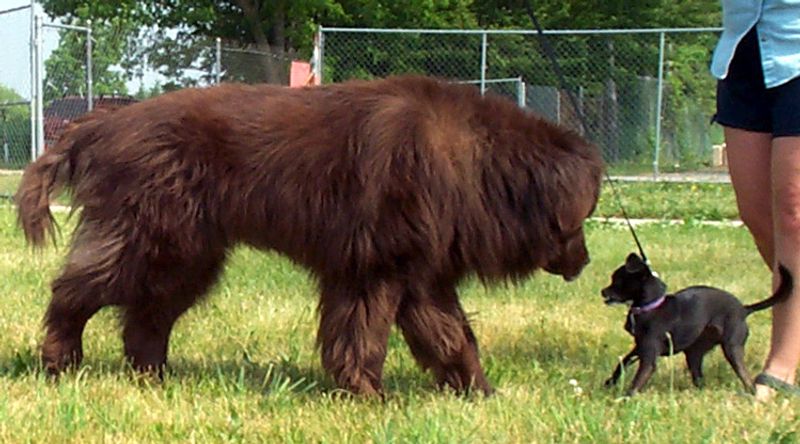
With a swimmer’s heart and a massive, water-resistant coat, the Newfoundland heats up fast on land in warm weather. Even a gentle walk can feel heavy.
Choose lakeside shade, let the dog wade for cooling, and keep outings short.
Bring a towel and plenty of water. If panting becomes loud or the dog slows to a plod, end the session and cool gradually.
Indoor scent games can replace midday exercise safely.
Pekingese
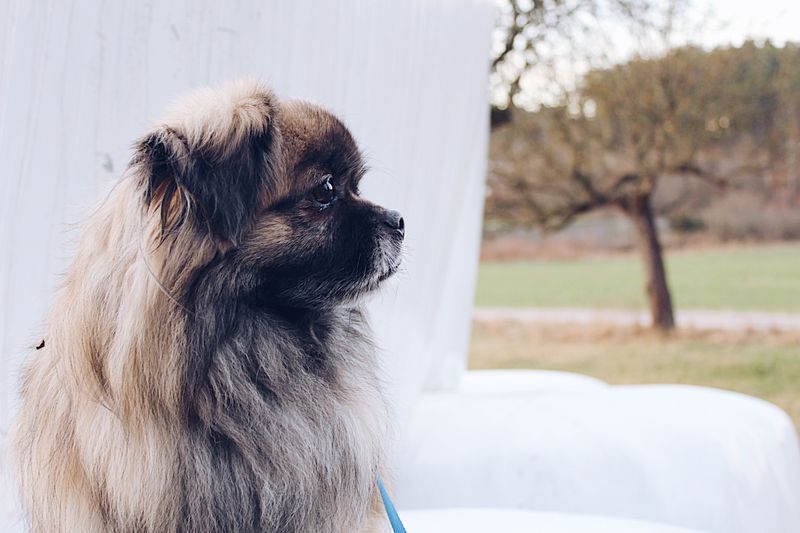
Small body, big coat, and a very short muzzle make the Pekingese sensitive to heat. Even a short trip outside can tire them out.
Keep walks brief and stick to shade. A cooling mat by the door is a smart backup.
Bring water and watch for droopy posture, slow steps, or a tongue hanging far out. If that happens, return home, dampen the fur lightly, and let a fan help with gentle airflow.
Chow Chow
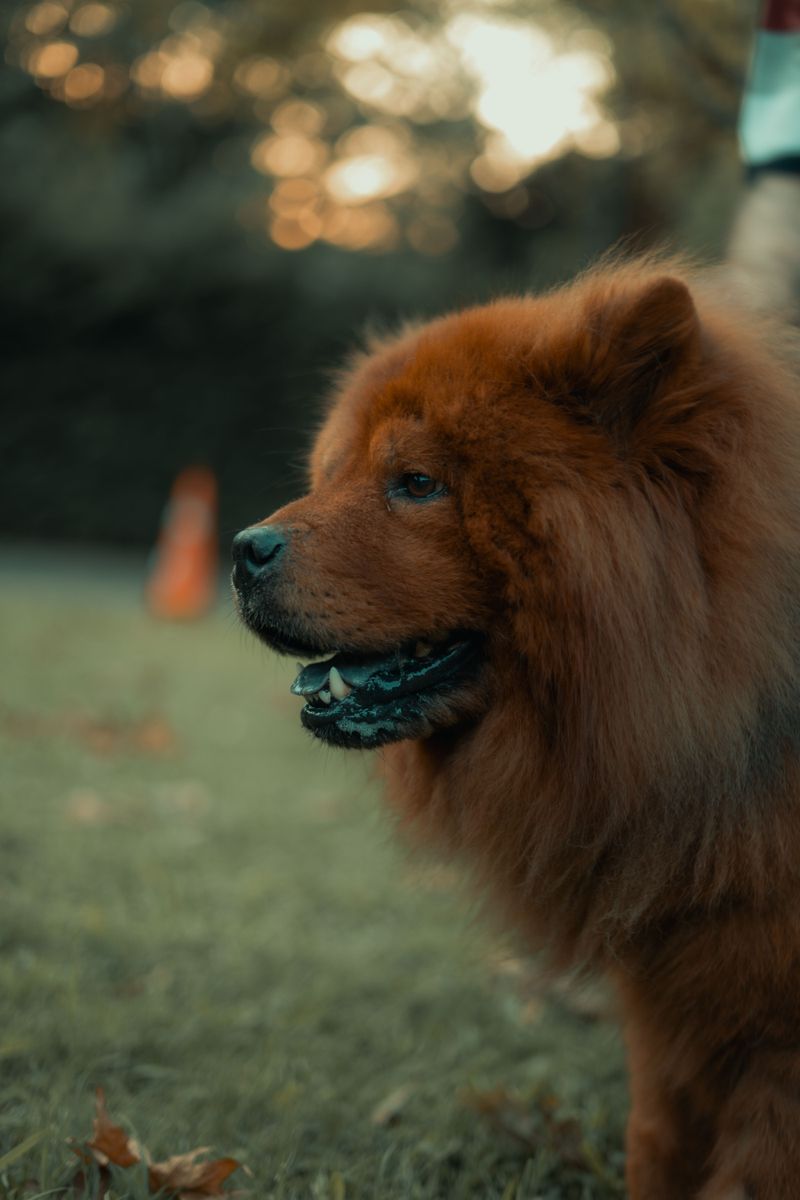
That impressive mane comes with a cost in warm weather. Chow Chows wear a dense double coat that holds heat.
Plan outings at dawn, trim only for hygiene, and focus on shade and slow pacing. Water breaks are non-negotiable.
Look for signs like rapid panting, stiff movement, or disinterest in walking. If you notice them, stop and cool gradually with water on paws and belly.
Indoors, use grooming and puzzle toys to burn energy.
Bullmastiff
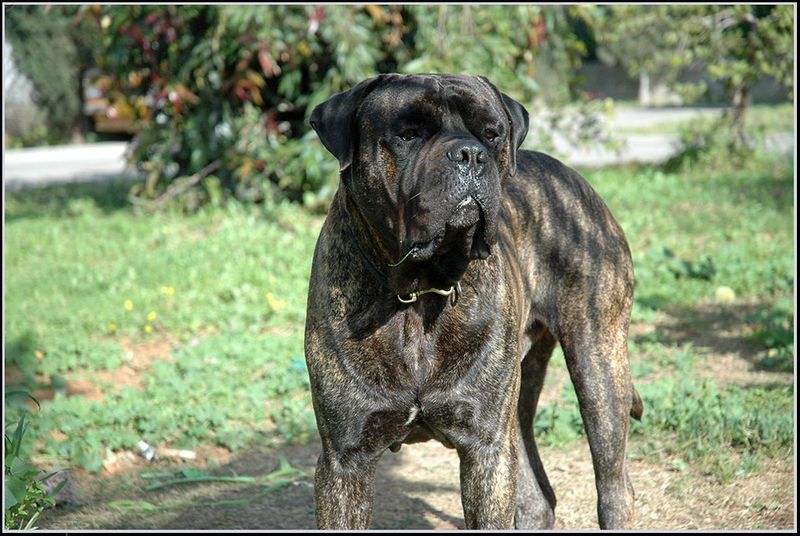
With big mass comes big heat storage. A Bullmastiff may look steady, yet a warm day can drain energy quickly.
Keep routes short, avoid hills, and rest often. Hydration is key, so bring a generous water supply.
Watch for drooling more than usual, wide panting, or stopping to lie down. Those are signals to cool off and head home.
Short, gentle sessions throughout the day beat one longer, sweaty outing.
Saint Bernard
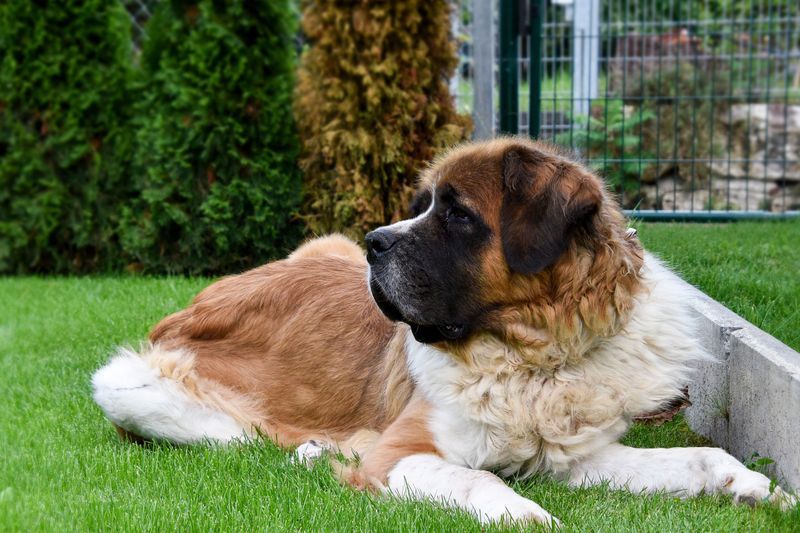
Famous for snow rescues, the Saint Bernard was not designed for heat. That thick coat and giant frame hold warmth.
Even a quick block can be tough in summer. Pick cool mornings, shady parks, and slow pacing with frequent breaks.
Carry lots of water and monitor for sluggish steps, thick drool, or a dull look in the eyes. If seen, stop immediately and cool with shade and water on paws and belly.