
You did the research, followed every guideline, and still felt overwhelmed. You are not alone.
Across forums and social threads, the same breeds keep appearing in stories where structure met struggle. Let us explore the 13 most named breeds and why even rule followers can find themselves outmatched.
Australian Shepherd
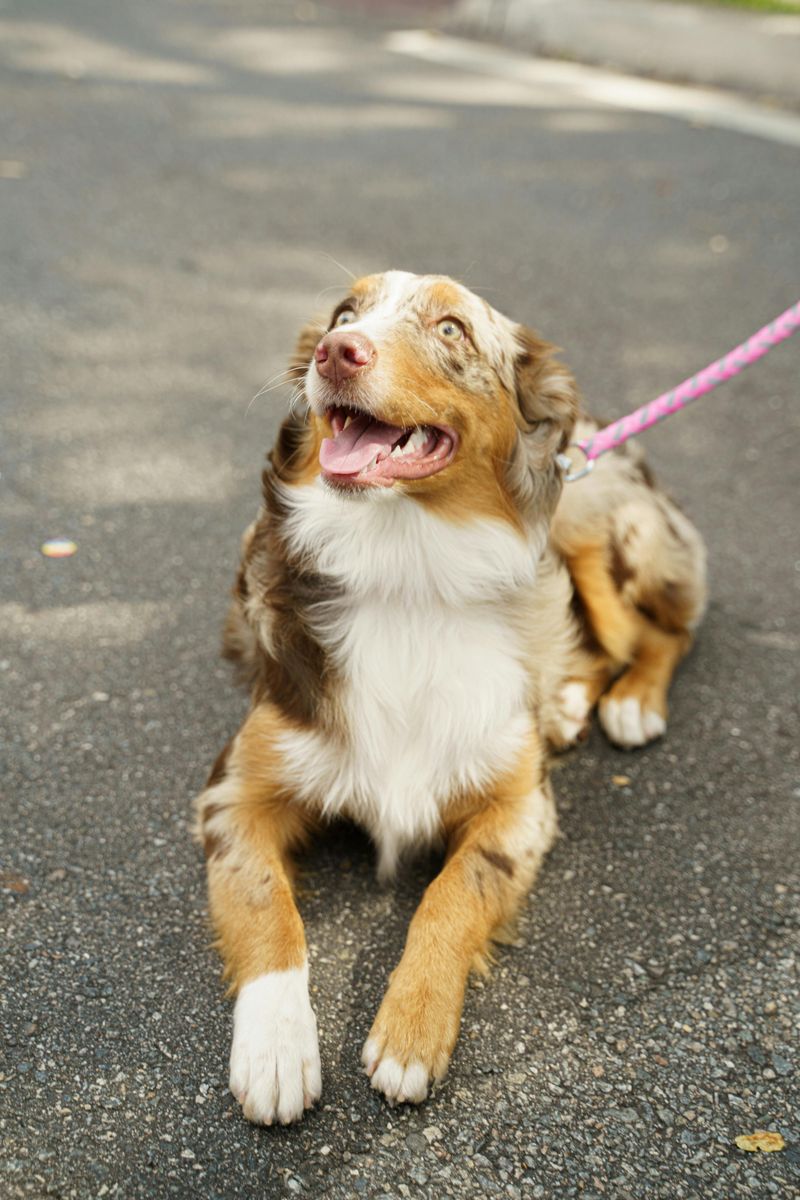
Australian Shepherds are brilliant, intense, and endlessly driven, which sounds perfect until that engine never turns off. You can follow every socialization checklist and still feel behind if novelty and jobs are not daily.
Mental work and movement matter as much as manners.
When rules fail, it is often unmet enrichment, not disobedience. Try scent puzzles, stockwork foundations, or structured frisbee routines that build impulse control.
Break training into micro sessions and channel motion into purposeful tasks.
They read your mood and exploit inconsistency, so clarity wins. If reactivity flares, swap busy parks for distance games that reward calm observation.
Advocate fiercely, pace their world, and the whirlwind becomes a partner that meets your eyes and finally exhales.
Miniature American Shepherd
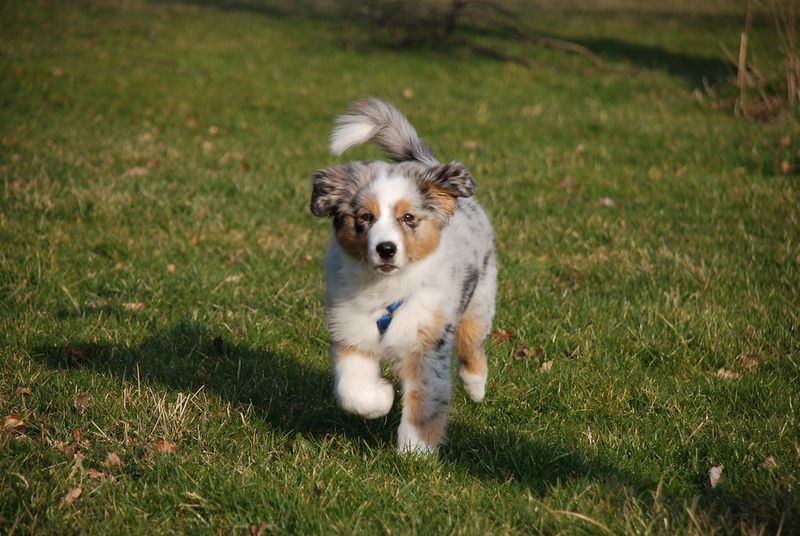
Miniature American Shepherds pack Aussie intensity into a smaller chassis, which tricks people into thinking needs shrink too. They still crave jobs, novelty, and structured choices or they invent their own.
Follow the rules, yes, but add outlets that reward thoughtful stillness.
Think pattern games that rehearse settle, trick chains that start slow then blossom, and small space agility that tires the brain. Confidence can wobble, so pair exposure with agency: let them choose distance, earn advances.
If herding nips appear, redirect to tug with clear start and stop rituals. Reinforce check-ins every day, not just during training.
With predictable routines and respectful challenge, the pocket rocket redirects that spark into precision rather than chaos.
Shetland Sheepdog
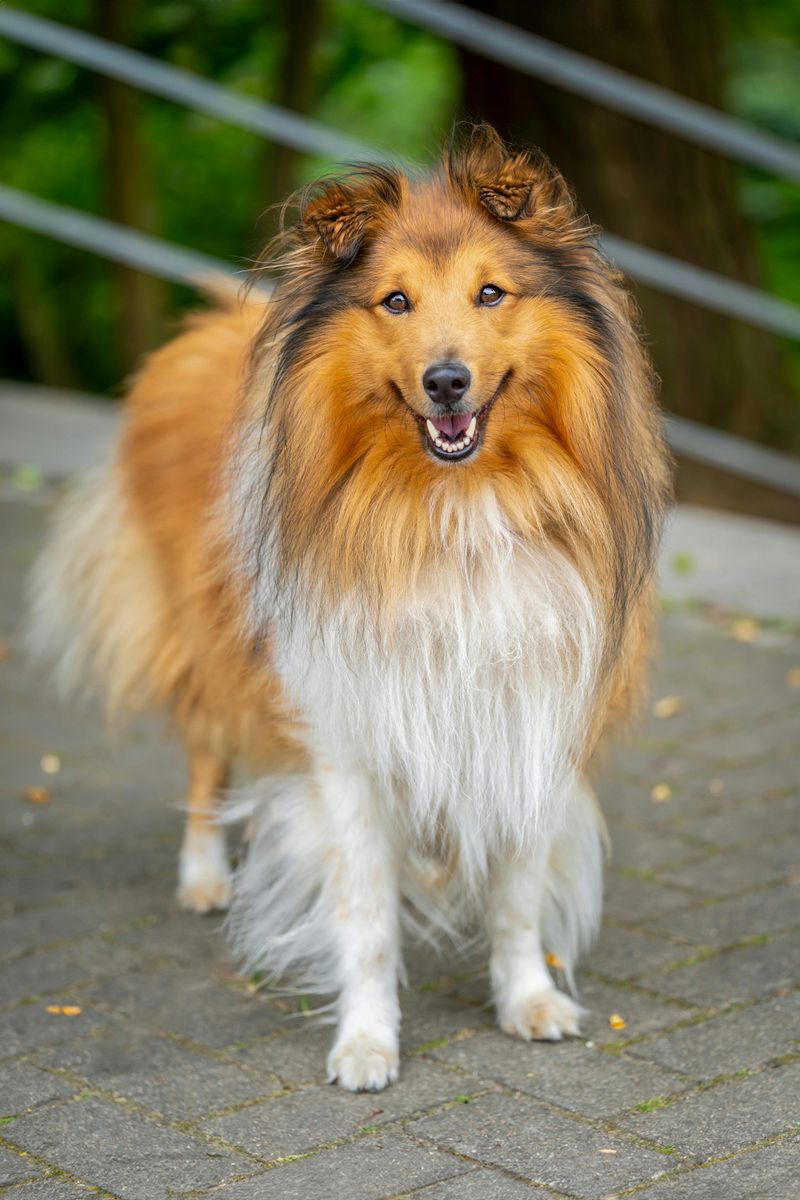
Shetland Sheepdogs are sensitive pattern experts who catalog everything you do. You can socialize diligently yet still see spookiness if the world feels too loud.
The key is predictable structure and controlled novelty layered at their pace.
Use quiet observation sessions where calm earns distance and treats. Teach a solid chin rest and settle mat to anchor their busy mind.
Low impact games like nosework build bravery without flooding fragile confidence.
Barking often signals uncertainty, not defiance. Reinforce quiet with continuous reinforcement at first, then thin it carefully.
Let them win easy early reps so momentum carries through harder moments. With fairness and gentle gradients, the Sheltie blossoms into a thoughtful, velvet edged teammate.
Belgian Tervuren
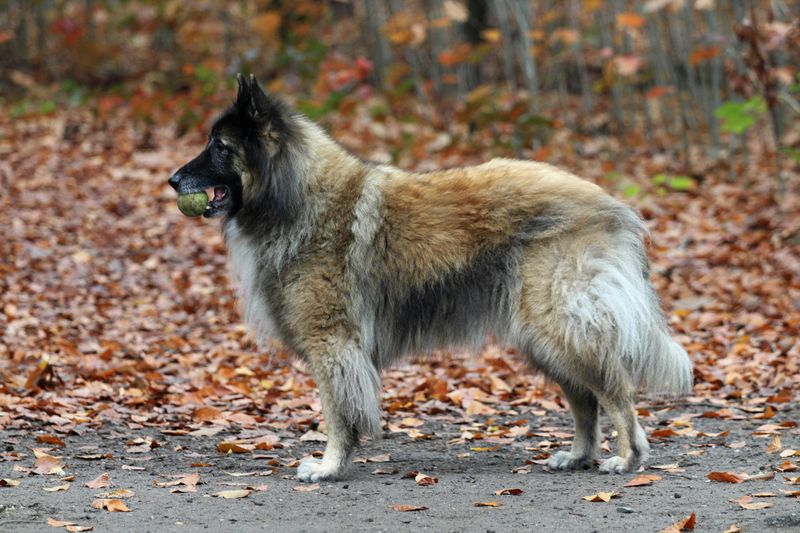
The Belgian Tervuren pairs sensitivity with drive, a combination that punishes inconsistency. You can nail obedience and still struggle if arousal runs hot and decompression runs thin.
Their brain appreciates clarity, routine, and meaningful work beyond repetitions.
Build neutrality with engagement on and off cues, then reinforce off switches like mat stationing after bursts. Balance tug and chase with calm outlets such as tracking or utility fetch.
Teach a release word they trust, then keep it sacred.
If they fixate, add patterned movement breaks and breathe before asking precision. Protect sleep and quiet time as seriously as exercise.
When needs align, the Tervuren becomes liquid focus, turning that wildfire into a controllable flame beside you.
Belgian Groenendael
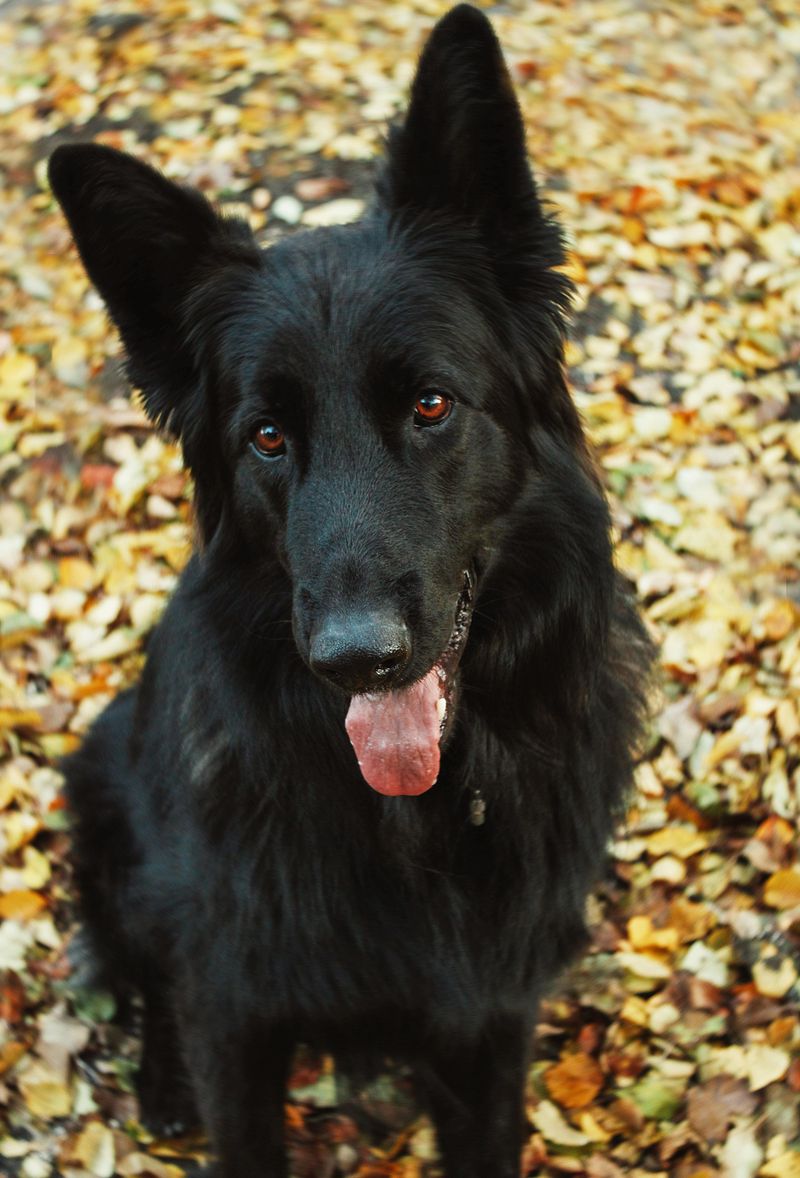
Groenendaels are elegant, black coated problem solvers that absorb your routines instantly. Even perfect plans wobble if impulse control and decompression are skipped.
They thrive when work feels like collaboration rather than correction.
Mix strategic arousal ladders with recovery: sprint, then settle, then precision heel. Use nosework lines to channel intensity and teach independence.
Confidence training should include opt out choices so they learn advocacy is safe.
Guarding tendencies may surface under stress, so manage space and reward neutrality. Replace blanket no with clear yes markers that predict success.
With predictable structure, meaty jobs, and daily off duty time, the Groenendael trades frantic scanning for fluid, purposeful attention.
White Swiss Shepherd
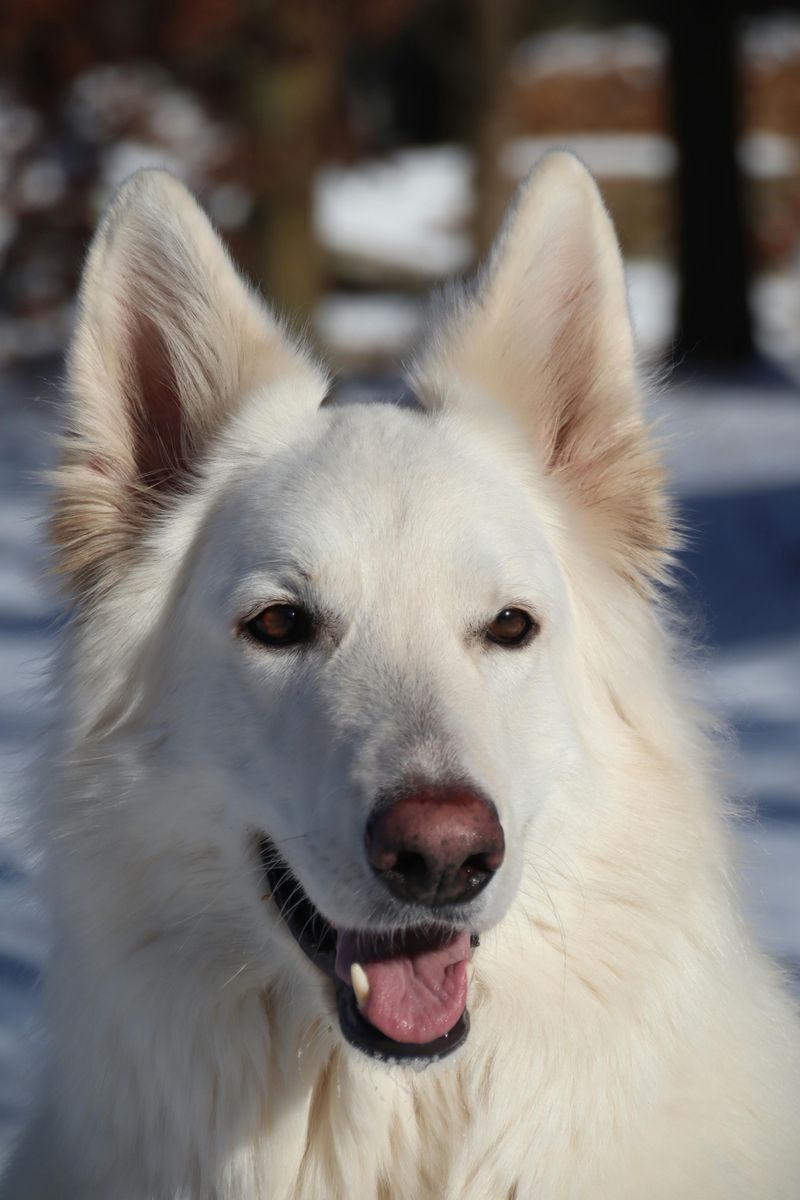
White Swiss Shepherds can be gentle, thoughtful workers wrapped in a striking white coat. Even with diligent socialization, sensitivity to pressure or abrupt changes can derail progress.
Your best tool is patient exposure paired with escape routes and choice.
Teach cooperative care early with slow touches and predictable markers. Build resilience using nosework, tracking, and quiet field walks that reward curiosity.
Keep sessions short so thinking stays ahead of adrenaline.
If reactivity bubbles, increase distance and reinforce head turns rather than forcing greetings. Balance beauty with boundaries: rest, chew routines, and calm door manners.
With empathy and consistent scaffolding, the White Swiss Shepherd steps into the world with soft power and steady presence.
Bohemian Shepherd
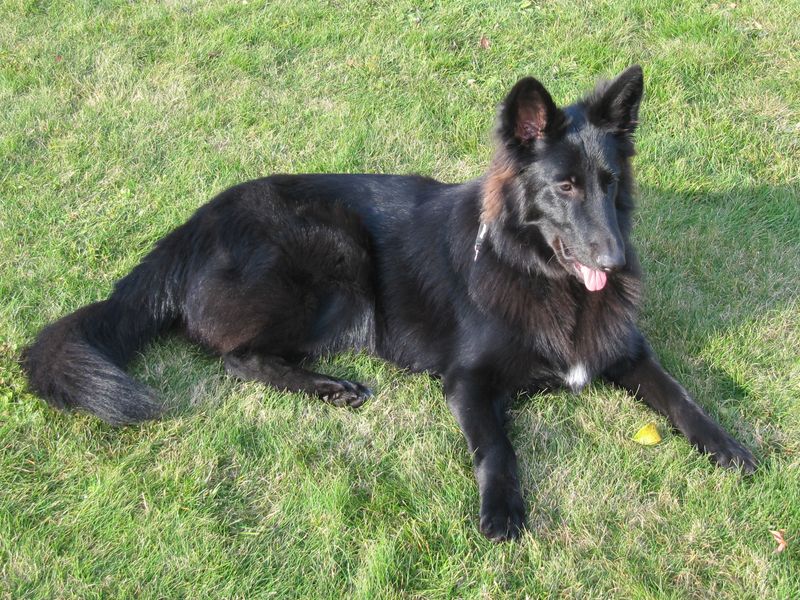
Bohemian Shepherds blend biddability with quicksilver curiosity. Even when you follow training blueprints, they can outpace plans without robust mental work.
Think cooperative games that ask for nose down patience rather than constant motion.
Use scatter feeding in varied terrain, problem solving boxes, and tracking lines. Alternate high energy play with decompression walks and structured naps.
Socialization should be choice based, with an emphasis on neutral observation.
They read micro tension, so keep criteria transparent and rewards sincere. Interrupt rehearsed sprinting with middle position or hand target resets.
With kindness and consistent puzzles, the Bohemian Shepherd matures into a nimble partner who trades frantic novelty seeking for purposeful exploration.
Australian Kelpie

Australian Kelpies are kinetic intent personified. You can check every box and still feel outgunned if hours lack meaningful tasks.
They want decisions, not just distance covered.
Introduce stockwork foundations if available, or craft urban jobs: precise heel to curb, platform sends, and scent discrimination. Pair each burst with a ritualized off switch, like chin to hand then down stay.
Reinforce quiet scanning rather than frantic casting.
Prevent fence running and shadow chasing with structured fetch and visual barriers. If frustration barks rise, lower criteria and increase reinforcement frequency.
With crisp communication and real work, the Kelpie redirects that relentless drive into elegant, laser focused cooperation.
McNab Dog
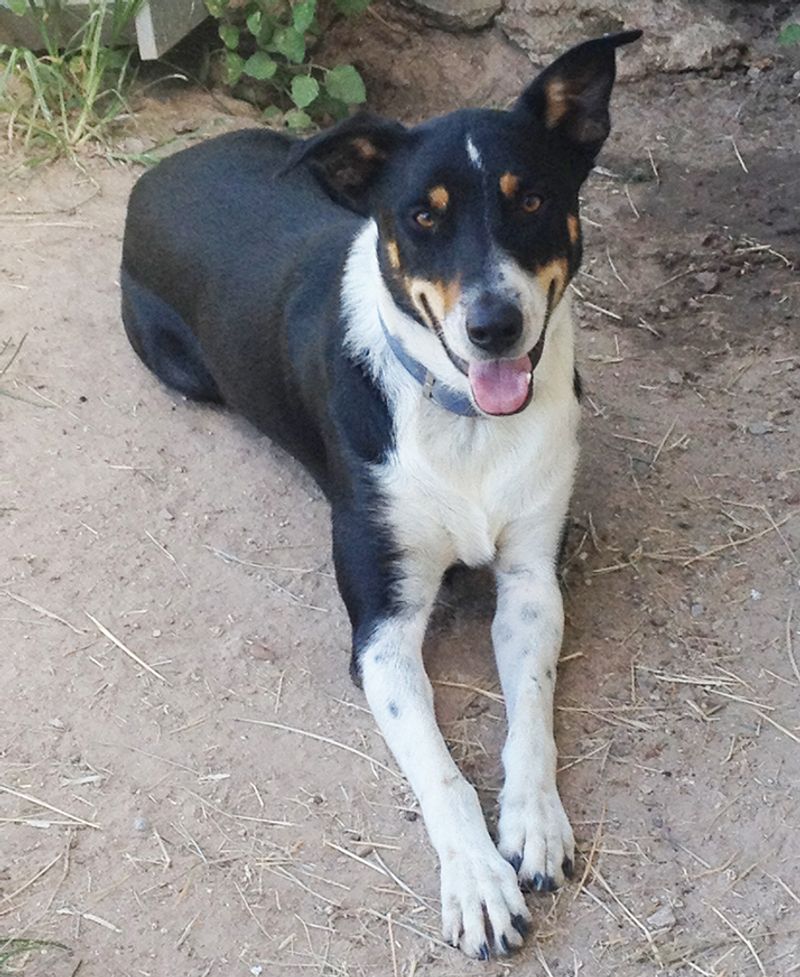
The McNab is a pragmatic, ranch born problem solver that dislikes wasted motion. Even disciplined routines crack if clarity is fuzzy.
They excel when criteria are simple, rewards meaningful, and corrections rare but fair.
Build communication through directional targets and stop on whistle games. Use long line freedom with structured recall to vent pressure.
Rotate tasks: fetch to hand, search for articles, then settle on a mat while life moves.
Guard against friction layered heel drills that bore fast brains. If independence spikes, give jobs that hinge on collaboration, not micromanagement.
With respect, boundaries, and daily missions, the McNab anchors into you, trading restless scanning for crisp, reliable teamwork.
Koolie
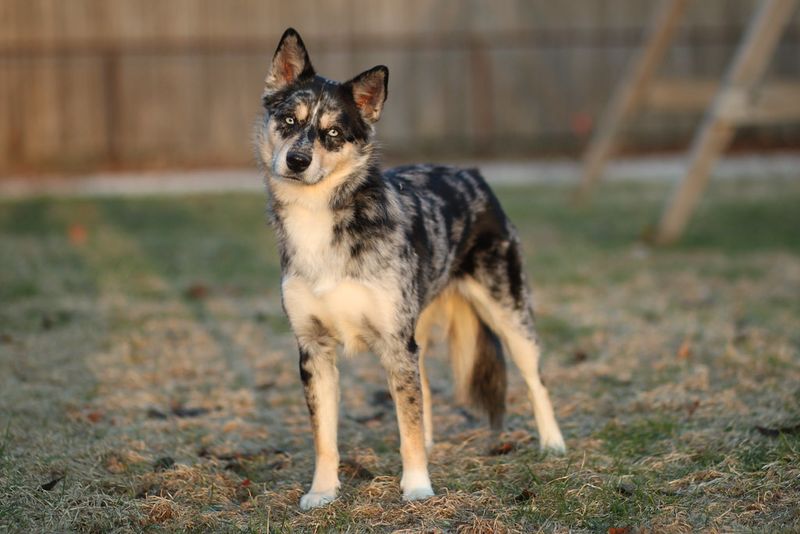
Koolies are joyful task machines that treat rules like starting points. Even perfect schedules fall short without creativity and novelty.
Their sweet spot is varied, bite sized work chained thoughtfully throughout the day.
Blend mini agility, object differentiation, and calm settle between reps. Reinforce check ins, not just speed, so arousal declines predictably.
Use environmental puzzles like climbing stable platforms and weaving trees to satisfy curiosity safely.
If nipping appears during excitement, insert nose target breaks and slow feeding from a scatter. Reward relaxation as generously as action.
With playful structure and steady outlets, the Koolie turns that fizzing energy into grippy focus that feels fun for both of you.
English Shepherd
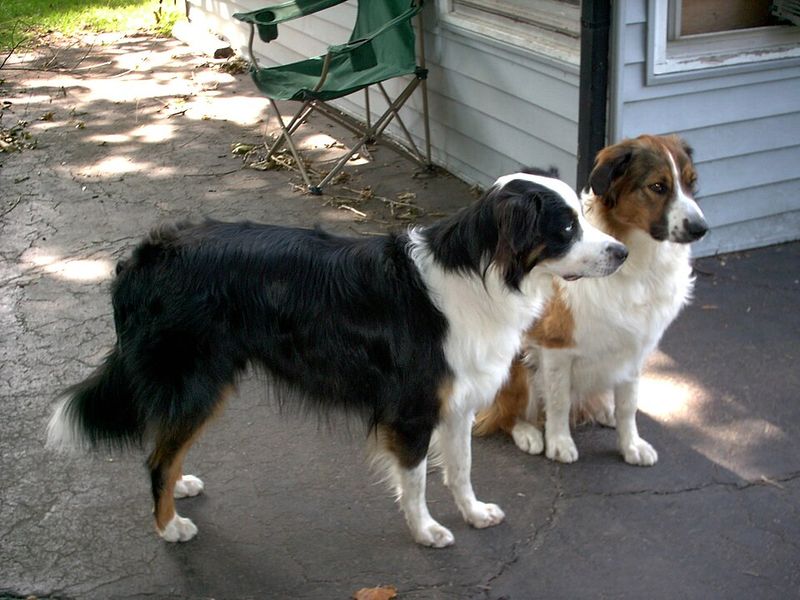
English Shepherds are thoughtful farm managers who value purpose over flash. You can follow theory and still struggle if days lack meaningful responsibility.
They relax when they understand territory, routine, and rules that protect the household.
Give boundary games, livestock chores if possible, or proxy jobs like toy tidy and child shadowing with criteria. Teach a rock solid place command to anchor impulses.
Reward quiet observation of passersby instead of demanding greetings.
They are sensitive to unfair pressure, so corrections must be minimal and clear. Provide chew outlets and real downtime between shifts.
With respectful leadership and steady tasks, the English Shepherd becomes the calm, competent foreman your home quietly needed.
Pyrenean Shepherd
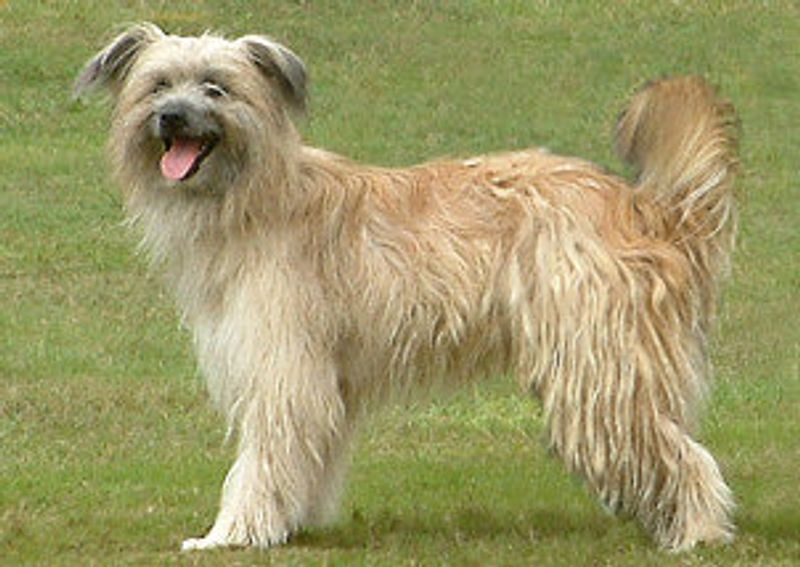
Pyrenean Shepherds are sparky, elastic athletes with huge opinions. Even when you stack early training, their intensity can overflow without channeling.
They shine with trick complexity, cardio brains, and frequent reset points.
Use perch pivots, backing up drills, and discrimination games that slow the mind. Alternate sprint play with sniffy foraging breaks to modulate arousal.
Socialization should emphasize neutrality and choice, not forced friendliness.
If vocalization erupts, pay for breaths and stillness before cues resume. Protect sleep and bodywork to prevent tension stacking.
With patient structure and brainy play, the Pyr Shep discovers that precision brings the same thrill as chaos, and you both finally breathe easier.
Mudi
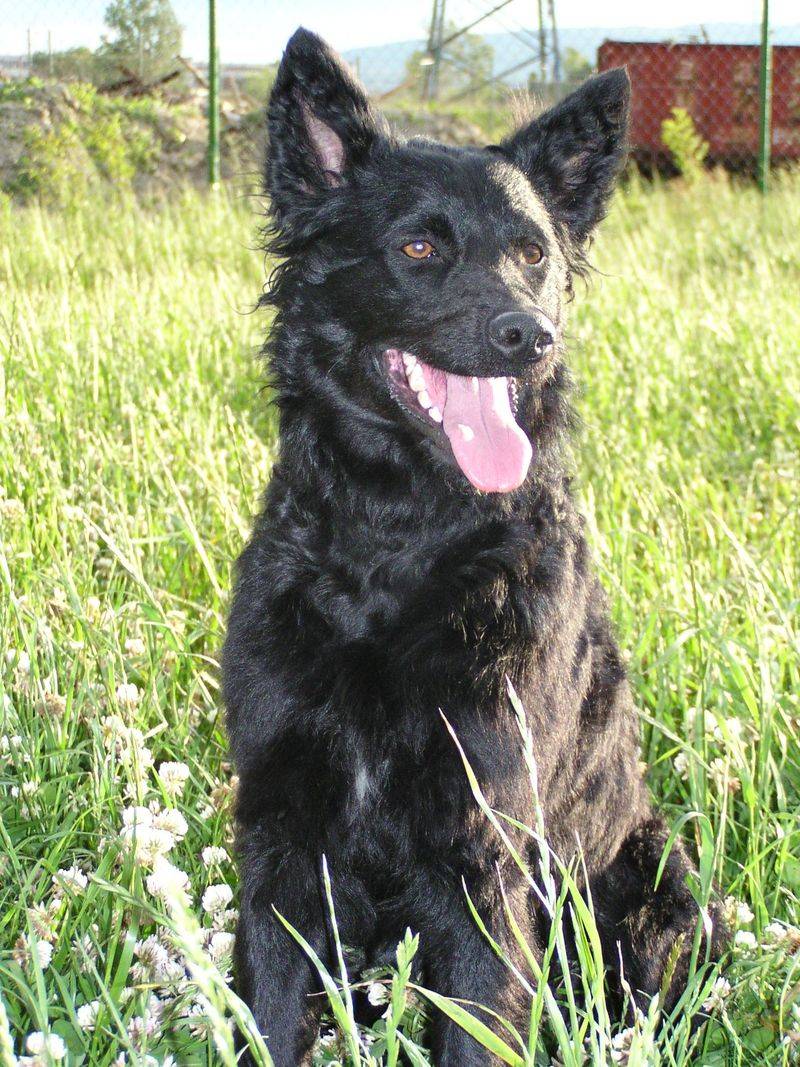
The Mudi is a compact storm of curiosity and grit. You can tick every checklist box yet still miss their need for novelty and decision making.
They prefer partnership that invites input rather than commands alone.
Introduce freestyle moves, platform sends, and nosework that lets them solve puzzles. Follow action with a reliable station cue so adrenaline lands.
Keep sessions short and criteria visible so frustration never snowballs.
Sound sensitivity can appear, so pair noises with distance and predictable games. Reward orientation to you over scanning the horizon.
With empathy, clever jobs, and daily decompression, the Mudi softens from jittery intensity into sparkling, cooperative brilliance at your side.