
You think you know a breed until you live with one. Then small quirks and big truths sneak up on you, turning stereotypes inside out.
These are the surprising lessons owners swear by, the ones that never make it into the glossy profiles. Read on and spot your dog, or your next one, in these unexpected revelations.
German Shepherd
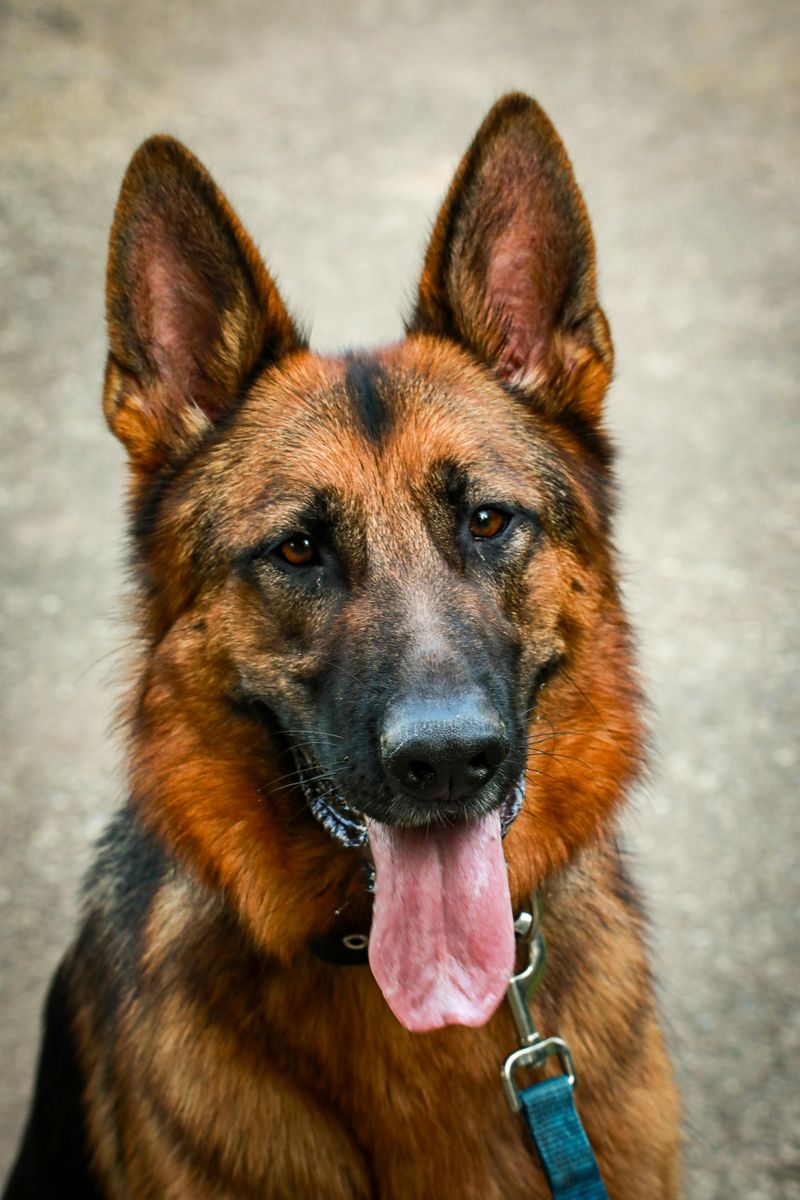
People expect German Shepherds to be brave, but the hidden surprise is how sensitive they are to your mood. Training works best when sessions stay light, fair, and upbeat, with short bursts and clear wins.
Give them a job every day, even something simple like carrying a toy or doing scent finds.
They are guardians, not automatic babysitters, so boundaries matter and routine calms their nerves. Decompression walks, sniff time, and place training keep reactivity low.
Under the armor sits a goofy partner who loves tricks and puzzles, yet still reads the world for you. Socialize with steady dogs and people, and you will see confidence grow without the edge.
Golden Retriever
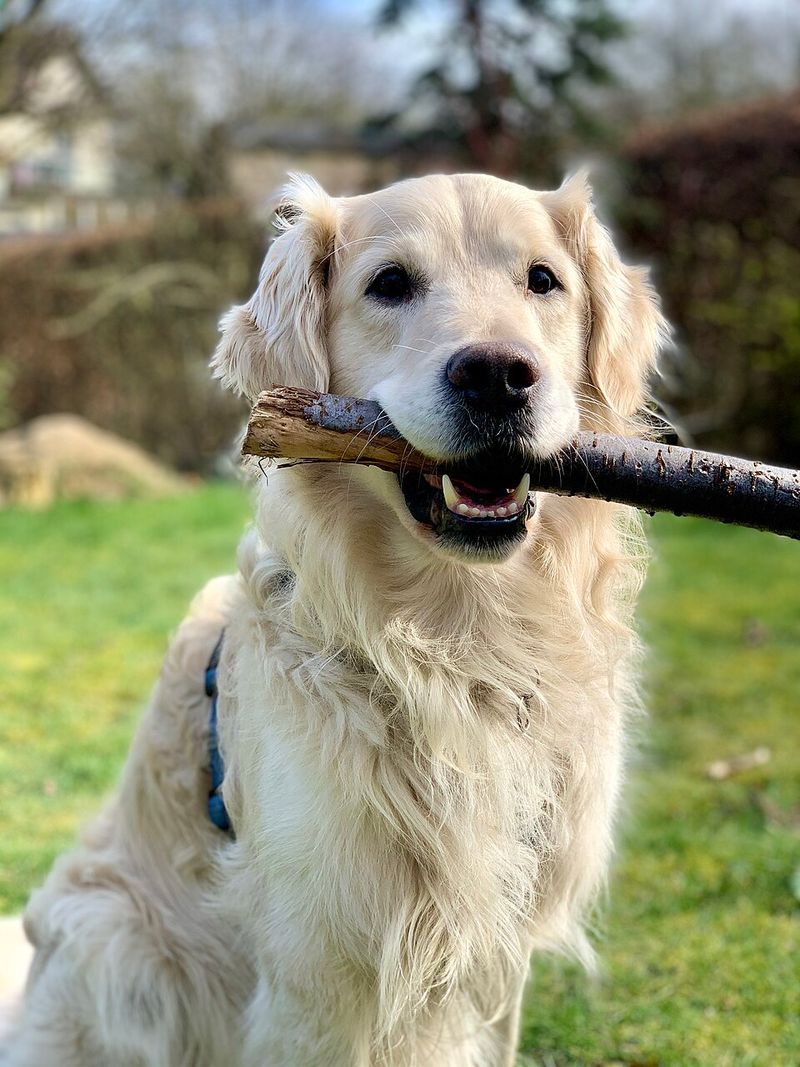
Everyone says Goldens are easy, but the surprise is how intense they can be about everything. They feel your energy, chase novelty, and live to please, which means they can learn bad habits just as fast as good ones.
Mental work matters as much as fetch, so rotate cues, tricks, and scent games.
Without structure, they collect the world in their mouth and rehearse pushy greetings. With calm patterns and clear off switches, they become social superstars instead of jumpy comedians.
Their coat demands regular care or you will discover tumbleweeds of fluff everywhere. What you truly get is a joyful athlete with feelings, who thrives when you balance kindness, boundaries, and daily purpose.
French Bulldog
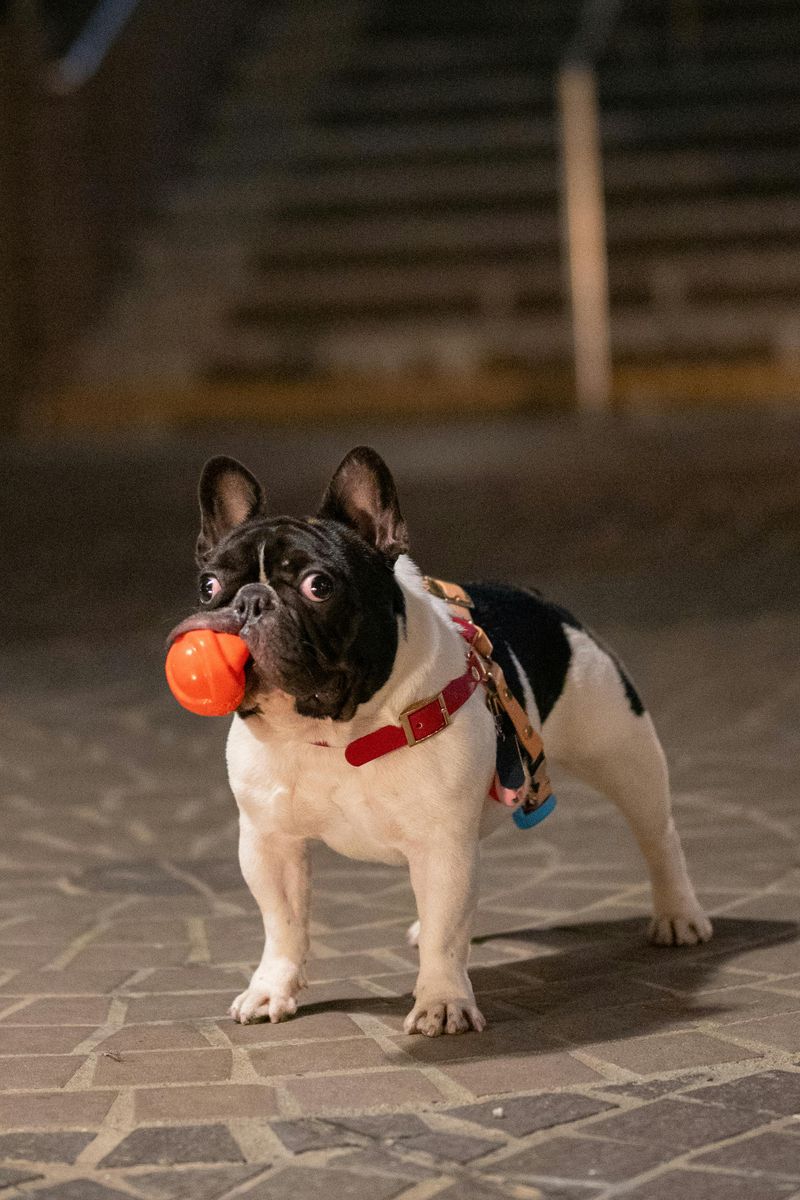
The biggest surprise with Frenchies is how athletic their personalities are inside small bodies. They are clowns, but they can be stubborn negotiators who test rules with charm.
Household airflow, harness fit, and heat management matter more than you expect, because breathing comfort shapes behavior and stamina.
Training needs to be playful and short, with lots of breaks and gentle shaping. They adore people yet can be selective with dogs, so curated introductions help.
Food sensitivities pop up, so routines, slow feeders, and vet guidance keep them happy. You will learn to schedule zoomies, wipe facial folds, and still laugh daily, because beneath the goofy grin is a surprisingly thoughtful companion who notices everything.
Kooikerhondje
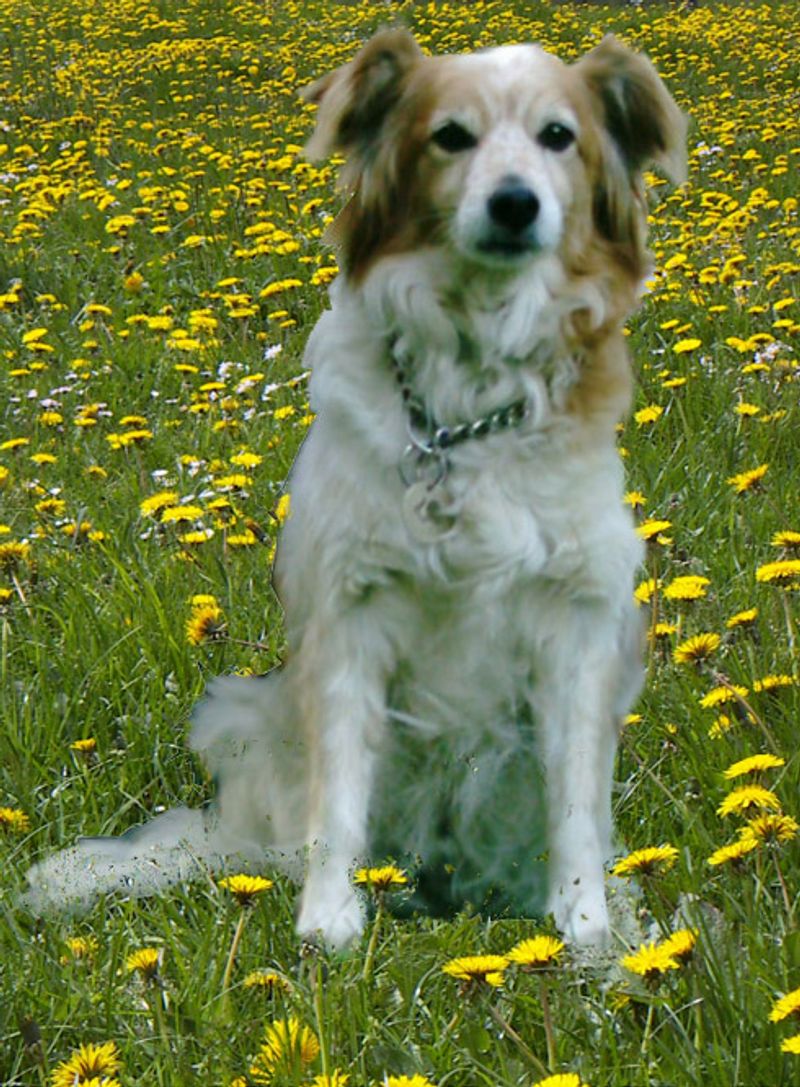
The Kooikerhondje looks dainty, but owners discover a sharp, work-driven mind behind the feathers. They read micro-cues and can grow worried if guidance is vague.
Early socialization to sounds, surfaces, and strangers pays off, because their sensitivity flips to confidence when you give them a predictable framework.
They thrive on nosework, rally, and calm retrieving, not just endless ball throwing. Grooming is light, yet the coat mats behind ears if you skip sessions.
They are affectionate with their circle, sometimes reserved with new people, which is normal for the breed. What surprises most is how much joy they find in tiny rituals, like checking mail with you, then settling like a polite shadow at your feet.
Samoyed
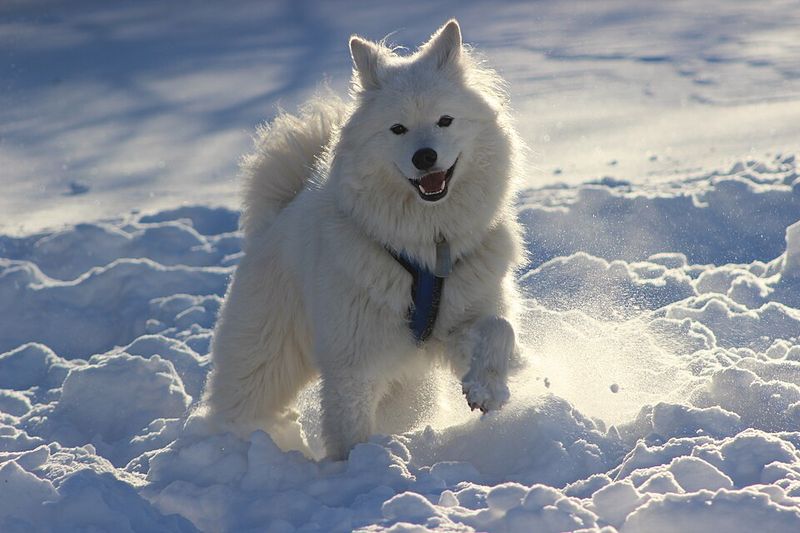
The Samoyed smile hides a smart, mischievous problem solver who loves figuring out your routines. Owners are surprised by the voice volume and opinions, especially when boredom strikes.
Exercise is essential, but mental work and calm settling drills separate a serene cloud from a snow tornado.
The coat is stunning and surprisingly dirt-shedding, yet it blows out seasonally like a blizzard. Brushing, line combing, and dryer sessions become weekly rituals.
They are social butterflies who do best with structured greetings, because enthusiasm can overwhelm. Teach quiet cues, scent games, and polite harnessing, and you will see focus emerge.
Underneath the fluff is an energetic teammate who appreciates clear expectations and celebrates everything loudly.
Border Collie
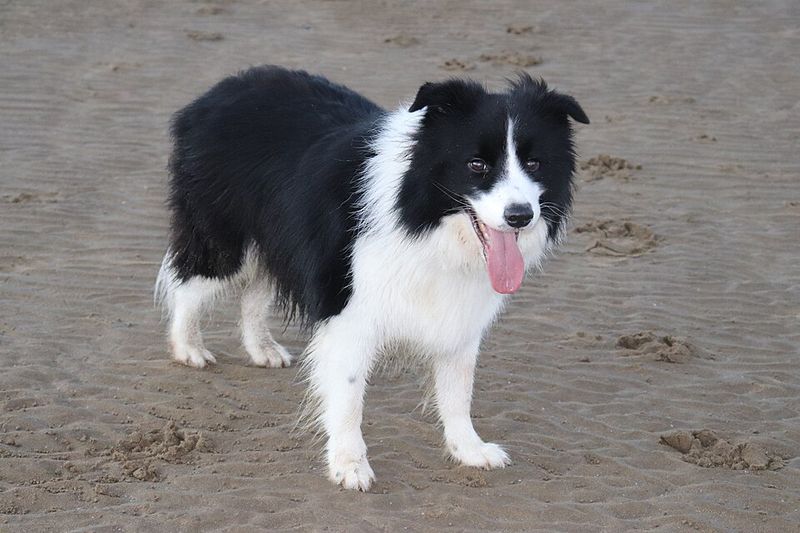
Border Collies are not just smart. They are workaholics who invent jobs if you do not provide one.
The surprise is how stillness training matters more than running them ragged. Teach place, pattern games, and reinforcement for calm, and the laser stare turns into thoughtful cooperation.
They collect motion like magnets, so bike chases or kid herding can appear without guidance. Precision sports are fun, but low-arousal brain work builds the stable dog you want at home.
They can be sensitive to pressure, so fair criteria and predictable sessions are gold. Expect a tidy housemate who notices everything, including your sighs.
Give them purpose, and they become artists at being helpful.
Akita
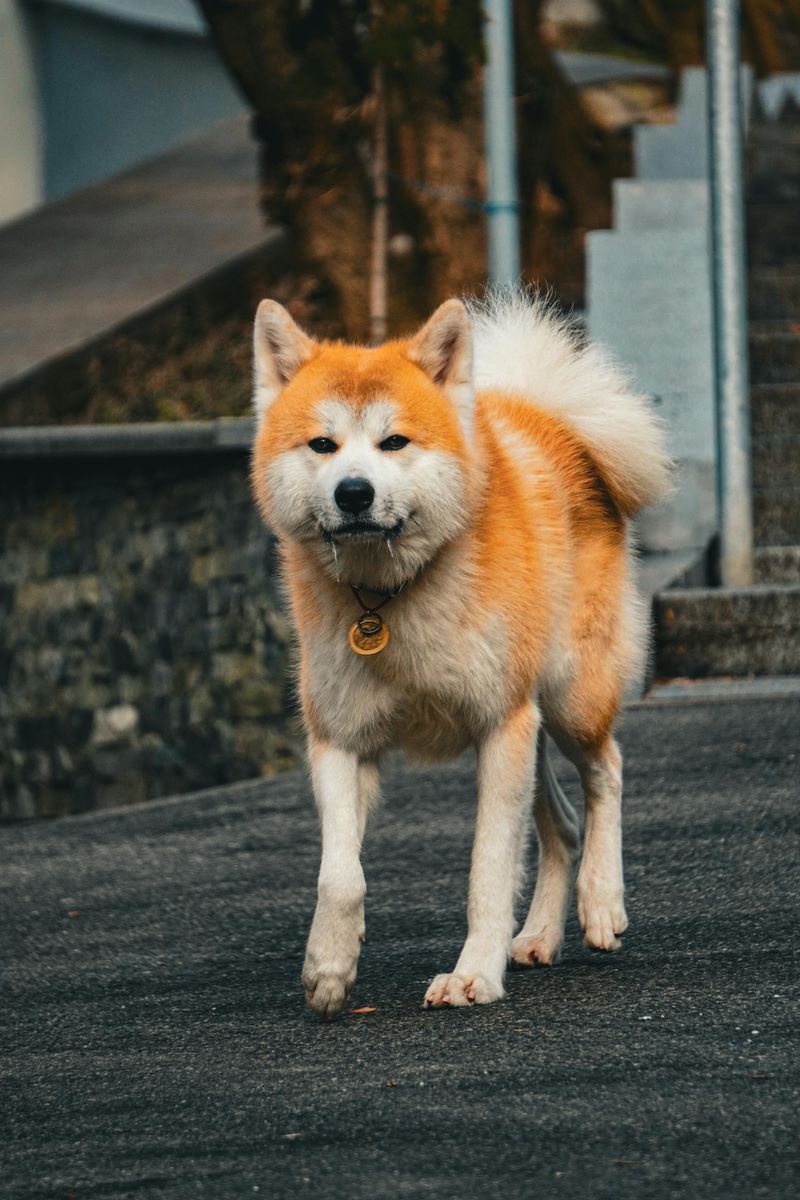
Akitas surprise people with their calm presence and selective loyalty. They can be affectionate clowns at home and reserved with strangers outside, both completely normal.
Training is less about repetition and more about respectful clarity. They respond to routines that value independence and choice, not nagging.
Dog selectivity is common, so parallel walks and space management matter. Grooming ramps up during seasonal sheds, and you will discover drifts of undercoat in corners.
They like clear house rules and low-drama handling. With predictable leadership and thoughtful socialization, they glide through life like quiet guardians.
The twist is how silly they become with trusted people, showing you a tender, goofy side that few outsiders ever see.
Pumi
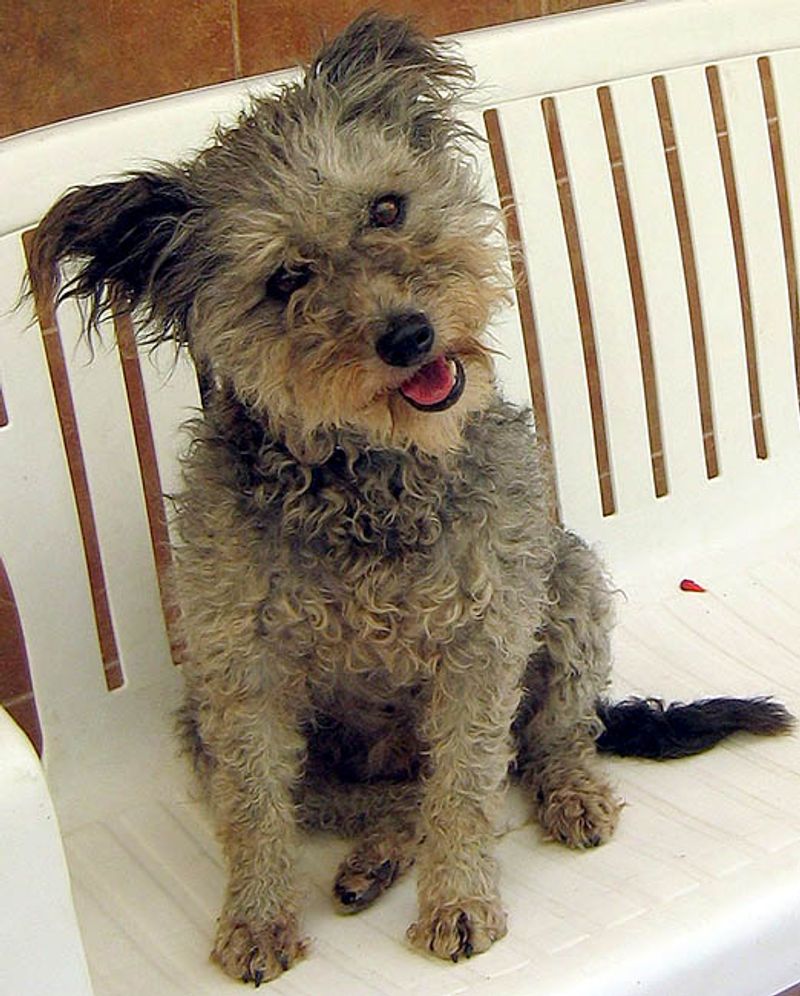
The Pumi looks whimsical, and the surprise is how businesslike their brain is. They love jobs, patterns, and clever hacks, often anticipating the next step before you do.
Without structure, they rehearse barky commentary and creative rule edits. With trick training and herding-style games, they become delightful collaborators.
They are surprisingly light on shedding, but curls need regular combing and a tidy trim. Social curiosity runs high, yet they benefit from decompression and quiet mats.
City life suits them if you give sound outlets and nosework. They shine with handlers who reward initiative and then ask for calm.
The payoff is a sparkly teammate who folds into family life once the brain gets its daily puzzle.
Mudi
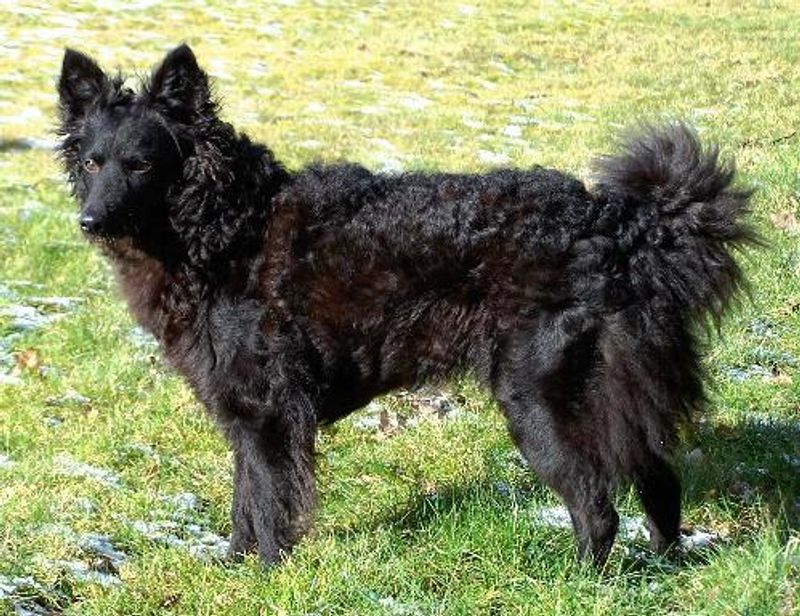
Owners are surprised by the Mudi’s balance of sensitivity and grit. They read small signals, yet they will tackle challenges with heart when coached kindly.
Sound sensitivity can appear, so early sound games and gradual exposures help. Training gains stick when sessions are short, upbeat, and varied.
The coat is practical, shedding modestly, and dries fast after adventures. They are motion-aware herders, so teach disengagement from joggers and bikes early.
They thrive on obedience, disc foundations, and scent work, then settle well at home. What sneaks up on you is their humor, a sly sparkle that shows up once trust is set.
Give fair boundaries and fun jobs, and you get a brave, thoughtful partner.
Great Dane
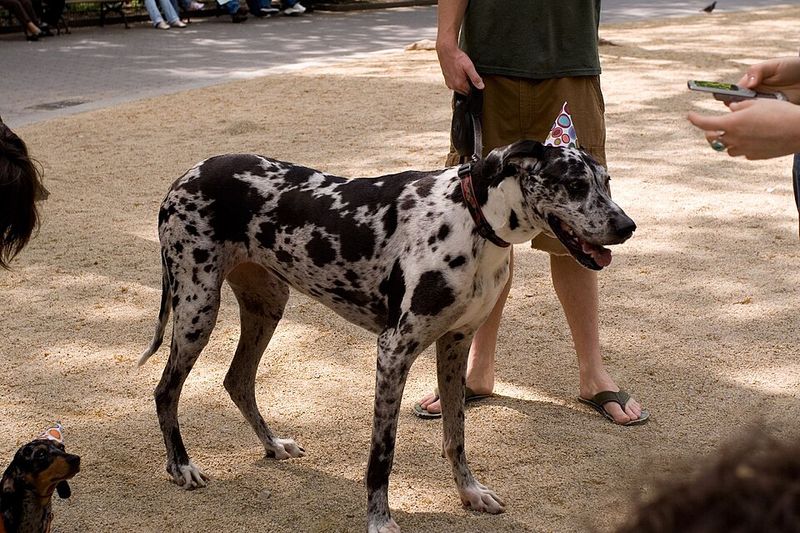
The biggest surprise is not their size but their softness. Great Danes are gentle roommates who thrive on close contact and predictable routines.
They want cushy beds, careful joint management, and slow, steady conditioning. Training should be kind and consistent, because pressure backfires on sensitive giants.
Growth spurts and zoomies require grip mats and safe play plans. They look intimidating, but many are sensitive to chaos and need decompression after busy outings.
Short, frequent walks beat marathon sessions. With thoughtful socialization and polite leash skills, they become elegant city dogs.
The joy comes when you realize the sofa is now a shared seat, and the big heart beside you is calm, goofy, and deeply loyal.
Thai Ridgeback
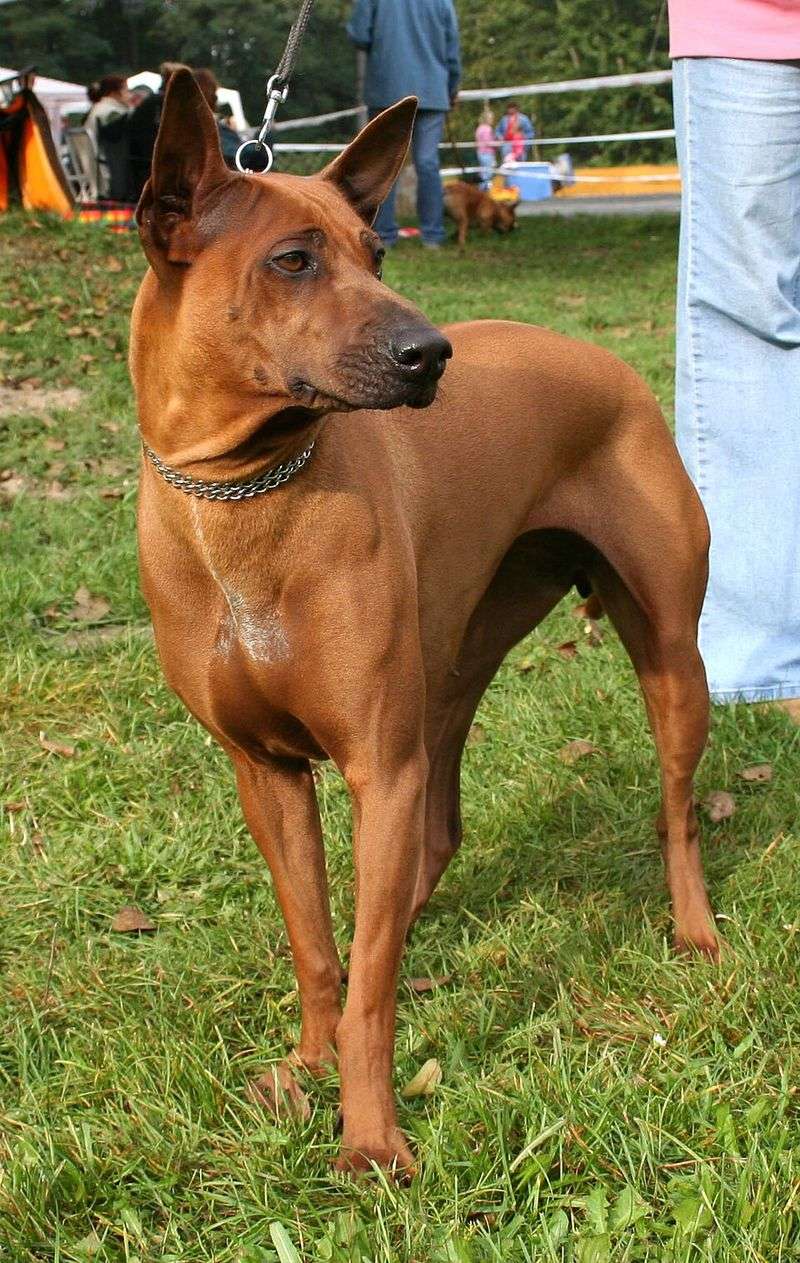
Thai Ridgebacks surprise with independent problem solving and catlike grace. They bond hard to their person yet stay discerning with strangers.
Training needs clarity, variety, and meaningful rewards, not repetition. Without a plan, they invent parkour and door games that outsmart you.
Early exposure to surfaces, travel, and handling builds confidence. They are athletic sprinters who love structured freedom, so recall work and long lines matter.
Short coats are easy, but sun and skin care deserve attention. Dog selectivity can appear, so read body language and give space.
When you respect their independence and still set kind boundaries, you uncover a loyal, agile partner who glides through life like a quiet shadow.
Miniature American Shepherd
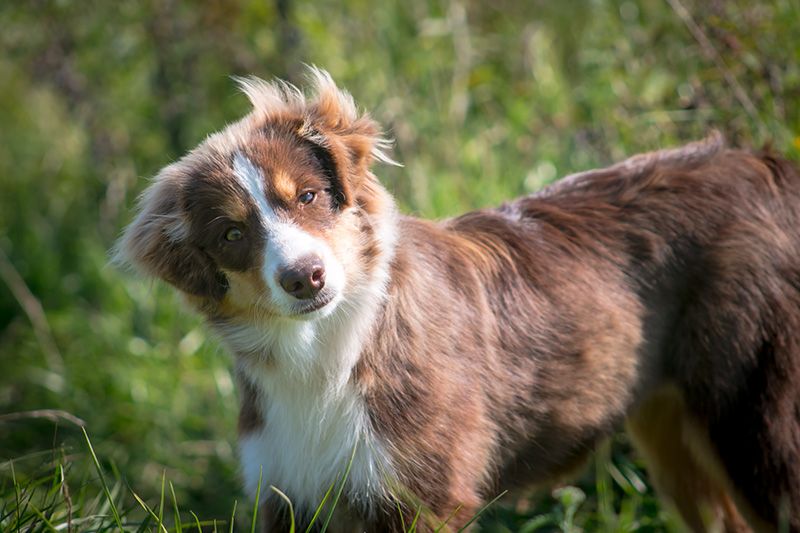
People expect a pocket Aussie, and the surprise is how much brain you get in a small package. They thrive on patterns, games, and fair rules.
If you skip structure, herding instincts show up as heel nipping and motion chasing. Teach off switches, trick chains, and calm reinforcement for watching the world.
They are portable adventure buddies who still need real work. Grooming is moderate, and fitness protects joints during agility-style fun.
Socialization should be steady, not overwhelming, because sensitivity can peak during adolescence. With thoughtful guidance, you get a bold explorer who also curls up peacefully at home.
They collect smiles everywhere, while quietly inventorying every squirrel, bike, and puddle for you.
Otterhound
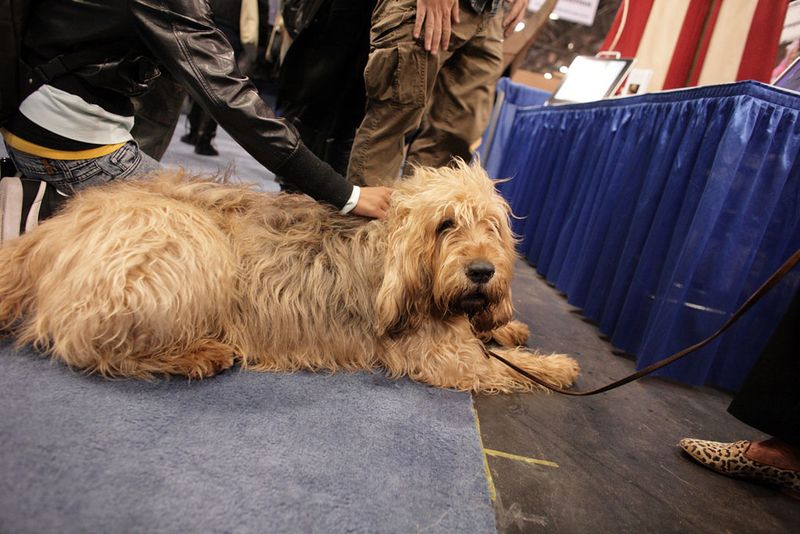
The Otterhound’s scruffy charm hides a supernose and a love of water that rewrites your weekend plans. Scent rules their world, so recall training must be strategic and generous.
They are merry hounds who do best with kind structure and long decompression walks.
Grooming is real work, with detangling, drying, and ear care on repeat. They bond deeply and bring a comedic streak to daily life.
Apartment living works if you commit to exercise and nosework games. Owners are surprised by how gentle and biddable they become with fair boundaries.
Give them legal sniffing projects and muddy adventures, and they return home content, shake twice, and snore like a happy boat engine.
Keeshond
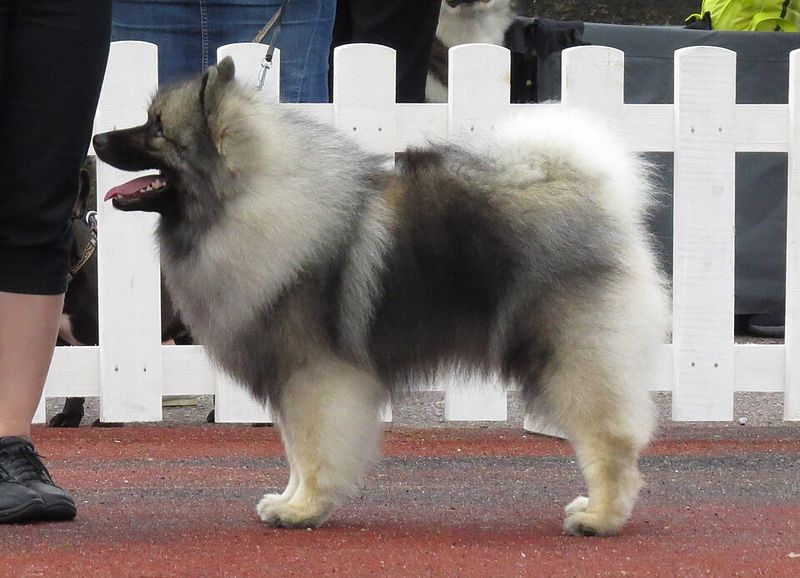
Keeshonden look like living plush toys, but owners discover a bright, people-focused communicator. They are expressive talkers who learn routines fast and remind you when you slip.
Training with games and middle-of-the-road arousal creates a cheerful companion rather than a barker.
The coat is dense yet manageable with regular line brushing and scheduled blowouts. They love being in the middle of family life and can worry if isolated.
Socialization and place training help them settle when guests arrive. What surprises many is their agility and endurance on hikes.
Balance cuddles with brain work, and the sparkle you see in their eyes turns into thoughtful, polite enthusiasm that fits perfectly in modern homes.
Shiba Inu
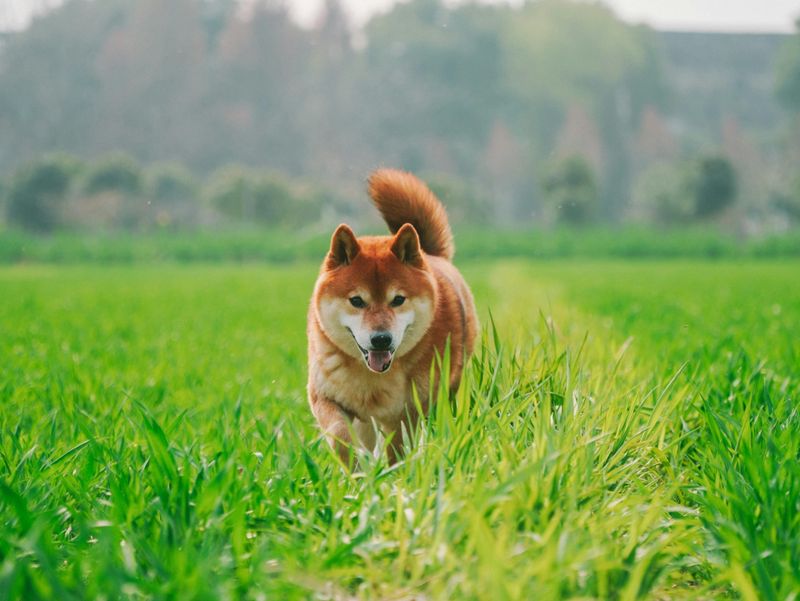
Shibas surprise with independence that feels almost feline. They bond strongly yet prefer polite partnership over constant handling.
Training thrives on choice, games, and quick wins, not micromanagement. If you rush or pressure, they check out and invent their own plan.
Leash skills and recall need early, consistent work because prey drive is real. Grooming is simple until the legendary coat blow arrives, then you meet fluff season.
They keep homes tidy and enjoy quiet observation, then explode into zoomies with perfect comedic timing. Respect their preferences and celebrate small cooperations.
You will earn a witty companion who shares space beautifully and still looks at you like a sovereign who chose diplomacy today.
Basenji
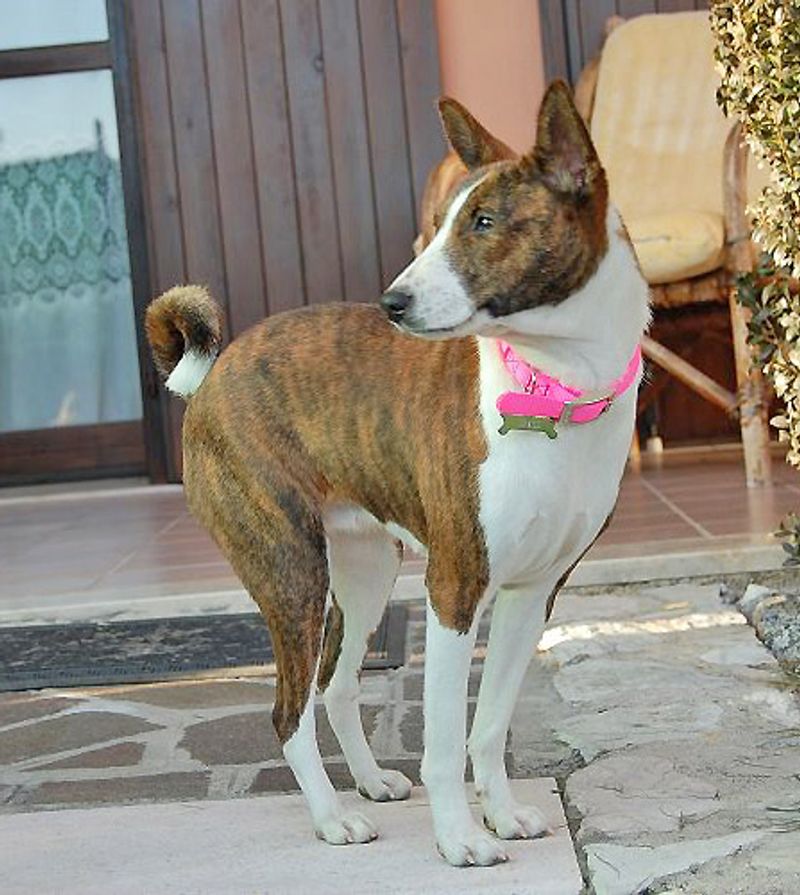
The barkless dog is not silent. Basenjis communicate with trills, yodels, and an expressive face that tells on you.
They are independent hunters with quick minds, so training favors games, patterning, and environmental management. Bored Basenjis become creative interior designers.
They are clean, catlike, and love warmth, which means strategic layering in cold climates. Recall is a practice, not a promise, especially around wildlife.
Puzzle feeders, scent trails, and flirt pole rules channel energy into brilliance. Owners are surprised by the cuddly, nap-loving side that appears after exercise.
Give fair boundaries and options, and you will share life with a witty minimalist who keeps your routines honest.
Dalmatian
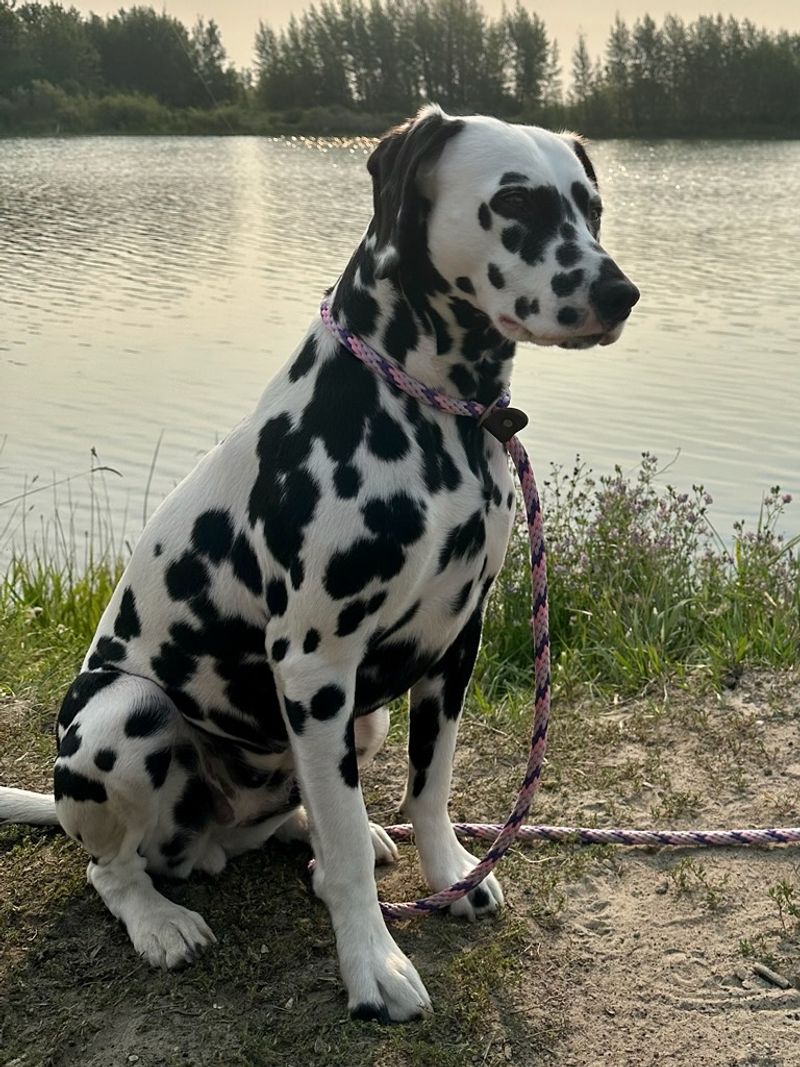
Behind the polka dots is an endurance athlete with a clever streak. Dalmatians surprise with sensitivity to routine changes and a need for structured outlets.
They do best with steady conditioning, trick training, and calm settle cues. Without guidance, they turn novelty into chaos with joyful speed.
Urinary health and diet deserve attention, so water access and appropriate nutrition matter. Social butterflies at heart, they sometimes overdo greetings, so teach polite approaches early.
Grooming is easy, yet white hair appears everywhere. Give them missions like jogging beside you or scent games on the beach, and you will meet a focused partner.
Balance sparkle with structure, and the spots align into an excellent family teammate.
Cane Corso
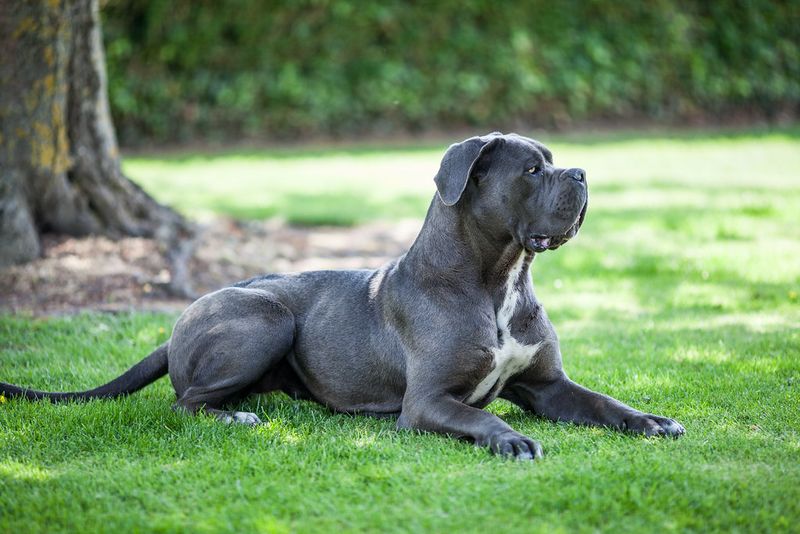
People see a guardian, but the surprise is how much thoughtful leadership this breed demands. Cane Corsos mature slowly and notice everything, so early structure and calm handling shape the adult you want.
Fair boundaries, neutrality in public, and rock-solid recall matter more than flashy obedience.
They are affectionate with their people and can be suspicious of strangers, which is normal. Focus on exposure without pressure, rewarding relaxed observation.
Joint care, controlled conditioning, and impulse control games build a balanced body and mind. When you respect their power and teach steadiness, home life becomes peaceful and deeply loyal.
Under your guidance, they choose quiet confidence over bluster, guarding your space with calm eyes.