
Weather swings do not just affect people. Many dogs feel sticky heat or sudden chills in their skin before we notice a pattern.
Redness, paw licking, or hot spots can flare fast after a muggy day or a stormy night. Knowing the early signs and a few simple habits can bring quick relief.
French Bulldog
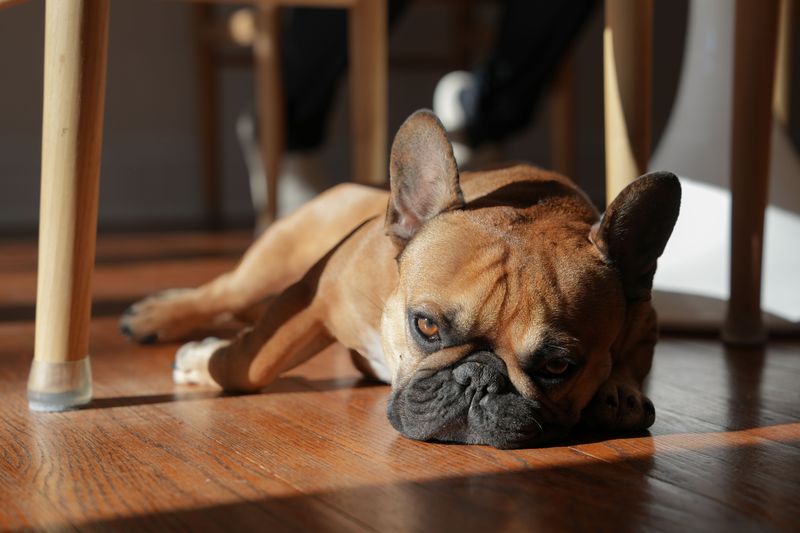
City life suits the Frenchie, but muggy days can make their skin grumpy. Watch for belly rashes, paw licking, and red folds after a humid afternoon.
Hypoallergenic detergent for bedding reduces flare-ups.
Cool, dry rooms help a lot. Rinse with lukewarm water after walks, pat folds completely dry, and use a vet-approved moisturizer.
Short-nosed breathing means extra care during heat spikes, so schedule slower play and early walks.
Ask your vet about seasonal allergy supplements.
Golden Retriever
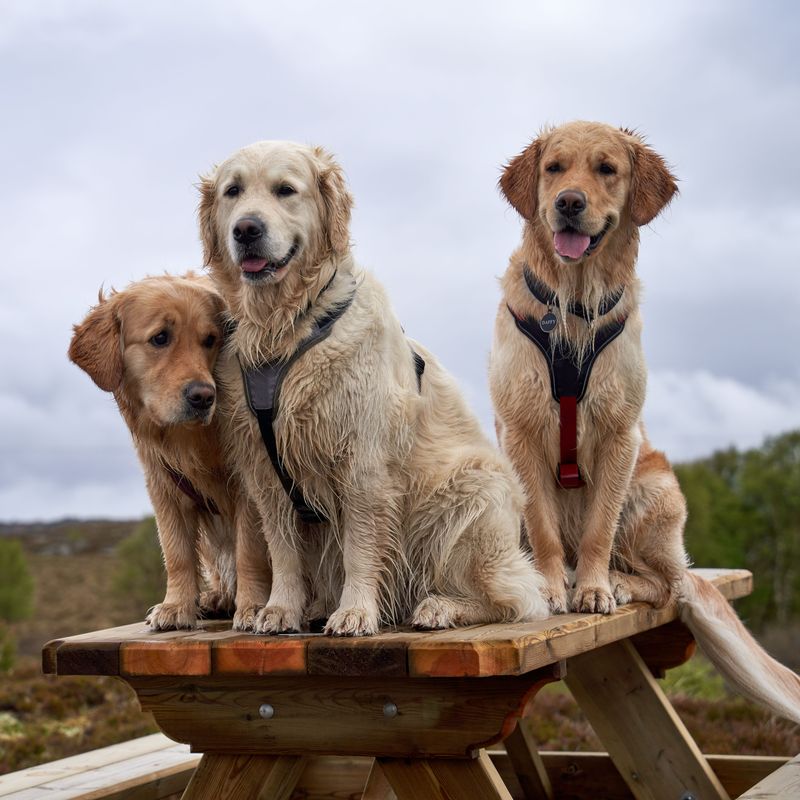
Sun-loving Goldens often splash in sprinklers, then itch later when damp undercoats trap humidity. Look for hot spots near hips or neck after sticky weather.
Blow-dry on cool after swims, brush daily to lift loose fur, and keep ears aired out. Omega-3s support the skin barrier when seasons change.
Plan fetch at sunrise, wipe paws with diluted chlorhexidine, and rotate sleeping spots so damp mats do not linger. Keep dehumidifiers running on stormy weeks indoors.
German Shepherd
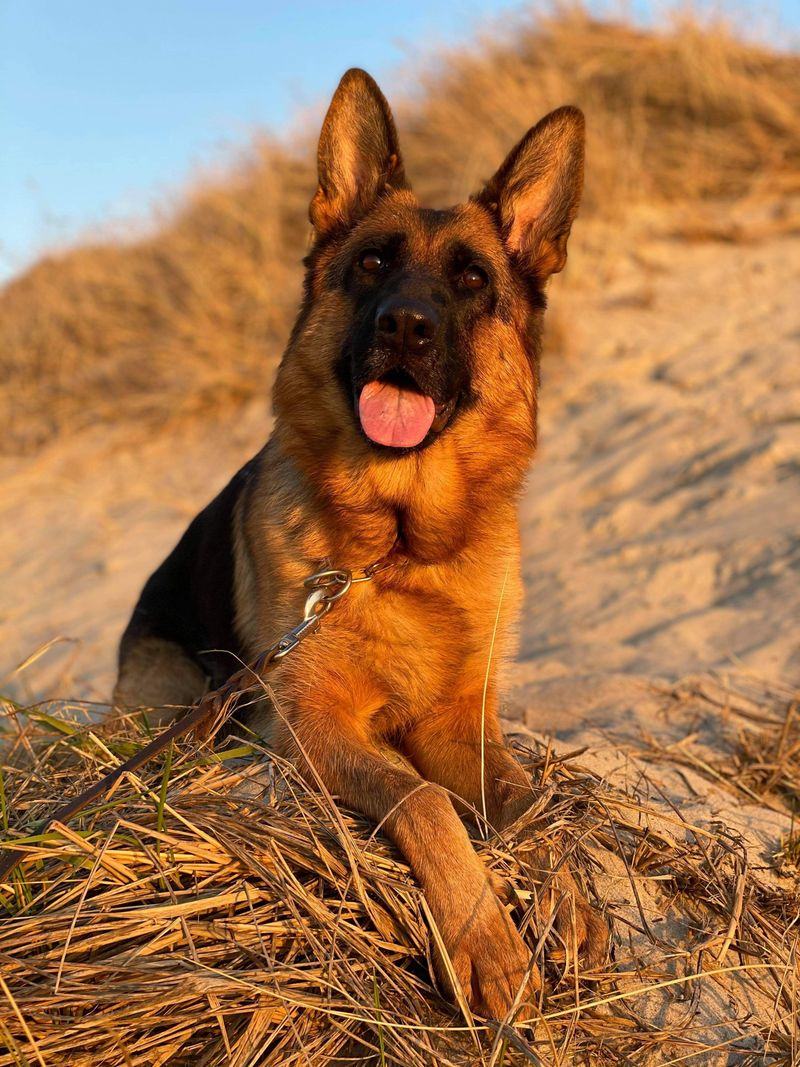
Alert by nature, Shepherds often pace before storms, then scratch when dry air flips to sticky. Thick double coats trap sweat-like moisture against skin folds behind elbows.
Regular undercoat raking lets air move, and a room fan after exercise cools hot patches. Consider cotton-lined harnesses, not nylon, when humidity climbs.
If flaky, switch to a gentle antifungal shampoo and extend rinse time. Evening walks reduce heat stress and help calmer skin.
During sudden weather swings.
Labrador Retriever
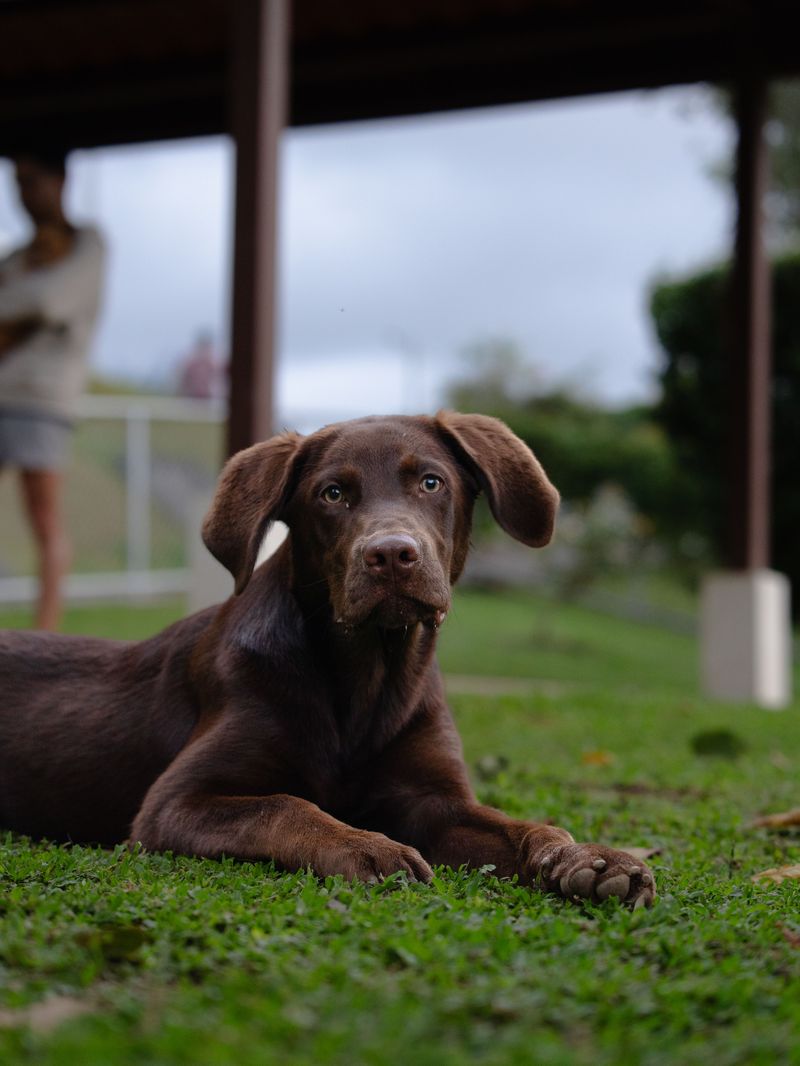
Labs live for water, yet trapped dampness can spark tail-base itch after humid hikes. Many owners miss the link until scratching ramps up on rainy weeks.
Rinse off lake minerals, towel hard along the spine, then use a cool setting to finish drying. Weekly deshedding helps the skin breathe.
Place washable runners by doors, wipe between toes, and rotate two harnesses to keep one fully dry. Add probiotics if ears flare with storms in spring.
Boxer
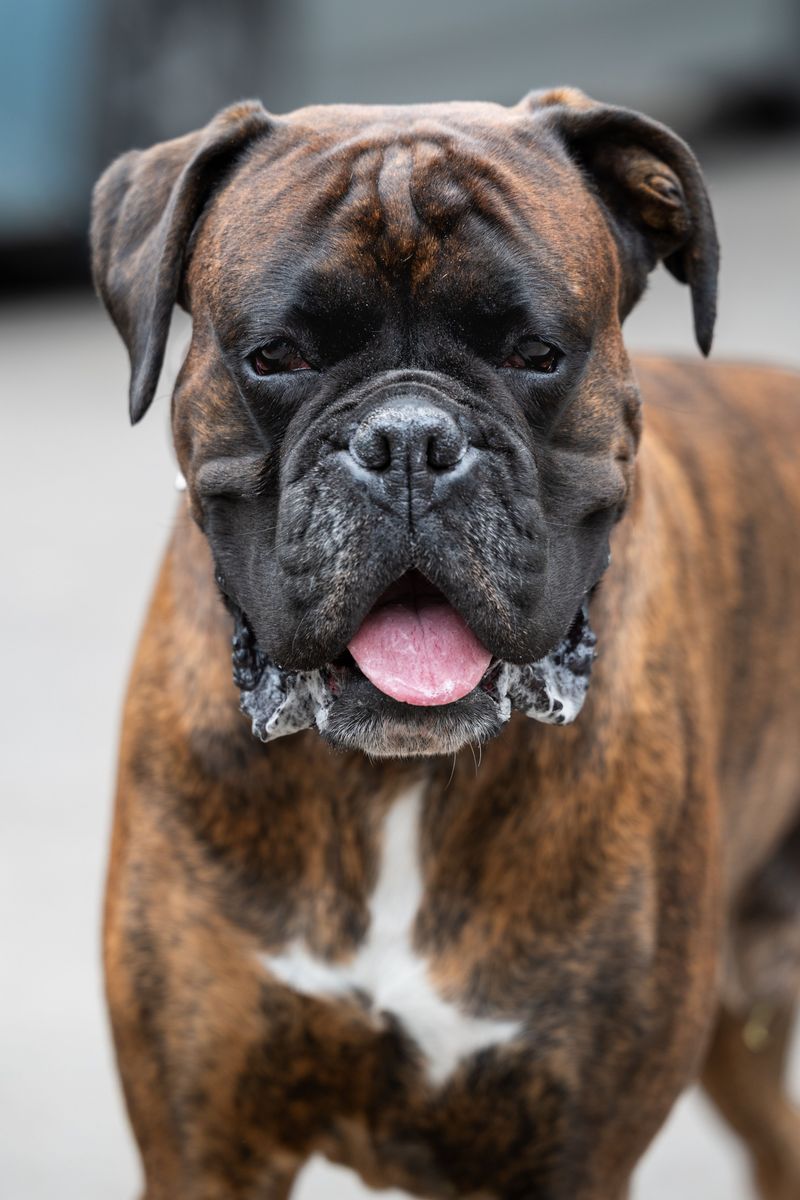
Goofy energy aside, Boxers can develop chin acne when heat spikes and drool mixes with dust. Sudden humidity often shows as chest scratching after play.
Wash food bowls daily, switch to stainless steel, and wipe jowls after meals. A cooling vest during walks steadies body temperature on muggy mornings.
Short, frequent baths with benzoyl peroxide wash can help, followed by a gentle conditioner. Schedule play in shaded fields and offer extra water breaks during July.
English Bulldog
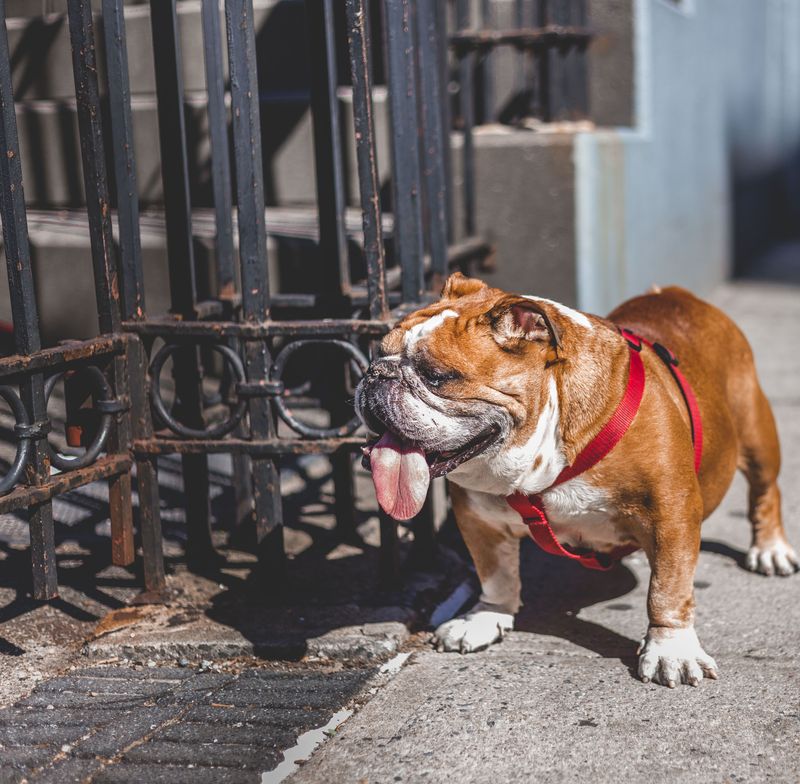
Bulldogs wear their feelings in their folds, and humid heat can irritate every wrinkle. Owners sometimes see licking long before redness appears.
Daily wrinkle care matters: saline wipe, soft cloth dry, then a thin barrier cream. Use a raised bed to increase airflow under the belly.
Indoors, place a fan near the crate, limit roughhousing at peak heat, and time walks before sunrise. Ask your vet about yeast control during sticky months to prevent flares.
West Highland White Terrier
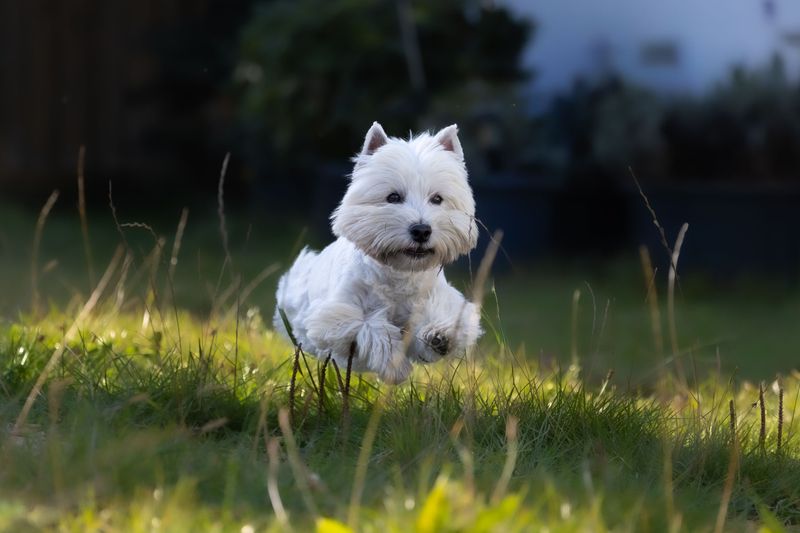
Westies have big personalities, and their skin can be just as outspoken in damp weather. Brown saliva stains around paws often show up after rainy stretches.
Frequent paw rinses, followed by blow-drying on low, prevent soggy fur from irritating toe webs. Novel protein diets sometimes calm seasonal flares.
Schedule groomer visits before humid months, ask for a tidy trim, and request gentle products. Add a microfiber mat at doors to collect moisture quickly after walks.
Cocker Spaniel
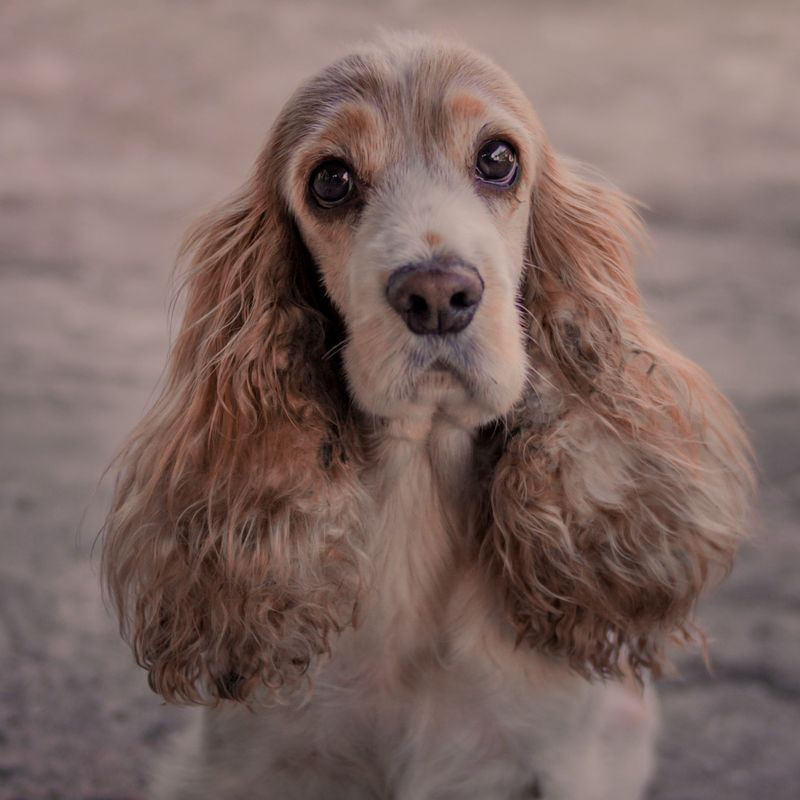
Those silky ears look lovely, yet they trap warmth and moisture when the air gets sticky. Many cockers show head-shaking followed by scratching under collars.
Keep ears clipped shorter in summer, clean gently after swims, and dry canals with vet-safe drops. A breathable, wider collar reduces rubbing during humid runs.
Fish oil, zinc, and biotin can support coat resilience as seasons swing. Schedule shade breaks and pack a towel for quick ear drying sessions.
Shih Tzu
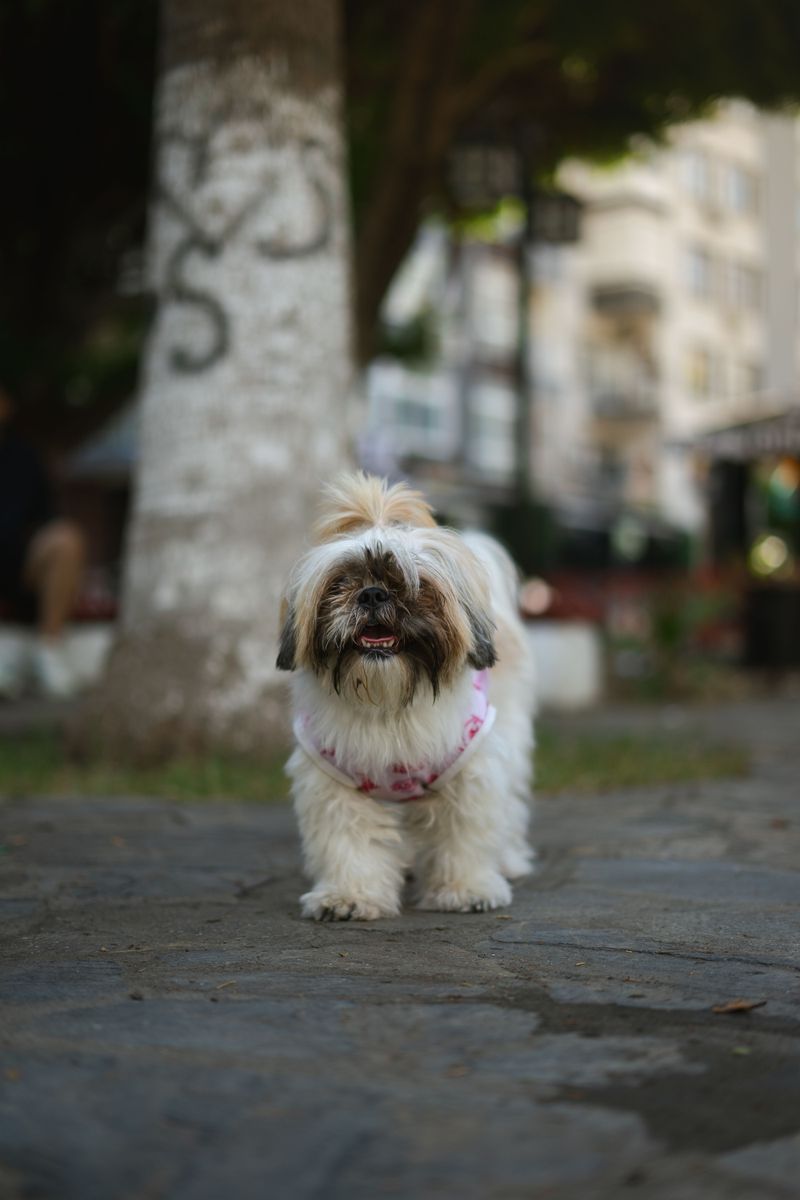
Small but regal, Shih Tzu pups may lick their legs when humid air tickles sensitive skin. Tears plus moisture can irritate facial hair and create red patches.
Keep the face trimmed, wipe gently after meals, and use saline on tear tracks. A light cotton tee can prevent rubbing on the chest.
Cool mats help during naps, and a room humidifier set to moderate avoids extremes. Ask about cytopoint or antihistamines during heavy pollen and heat.
Pug
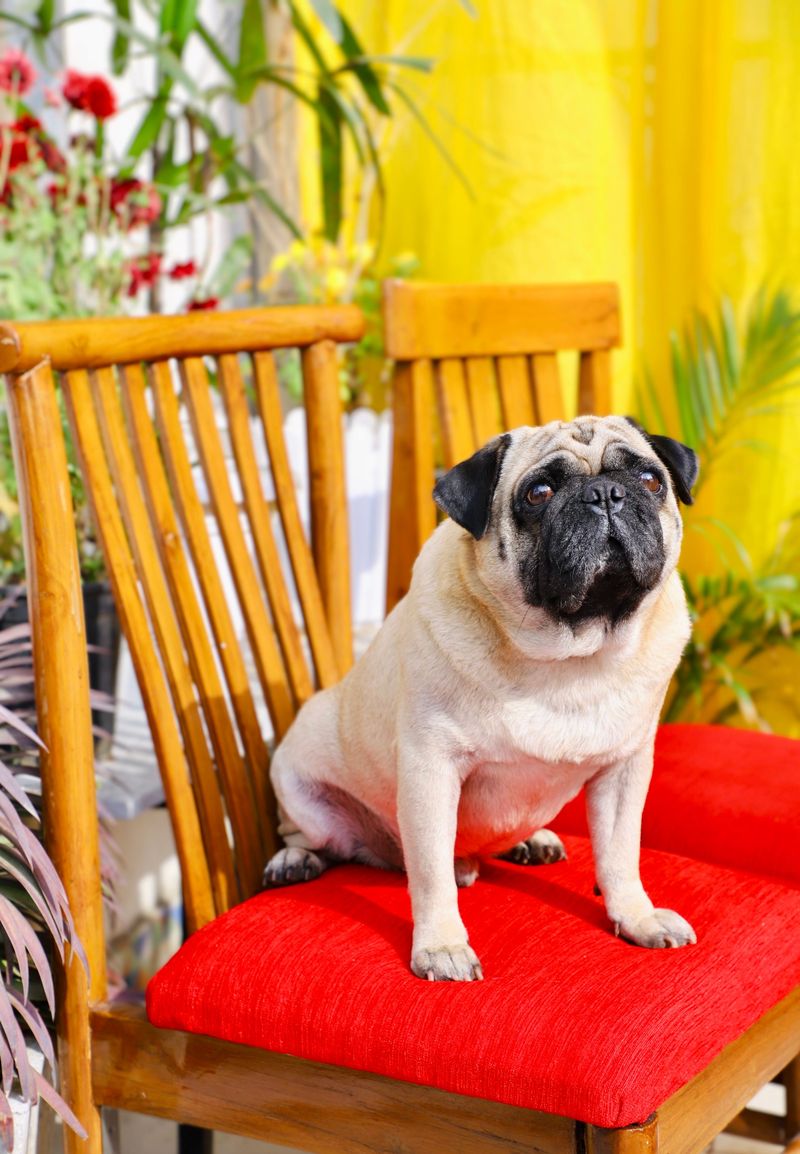
Comical snorts are cute, yet pugs can break out under harnesses when sweat and heat combine. You might notice tail chasing that is really itch relief.
Choose mesh gear, rinse salt after walks, and blot dry before naps. Short, cool baths soothe, while overbathing can backfire by drying skin.
Keep rooms under 75 degrees, offer slow sniffing games, and skip midday zoomies during muggy spells. Veterinary wipes with chlorhexidine help fold care on sweaty weeks.
Shar-Pei
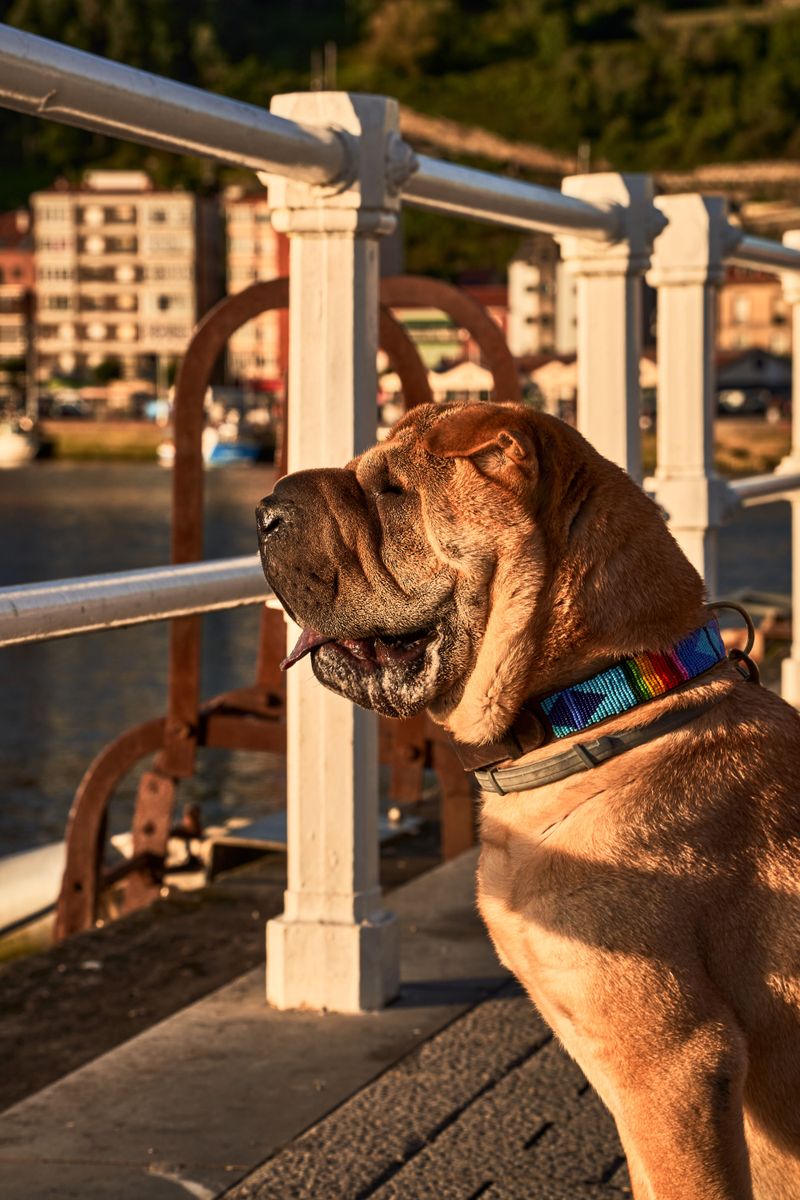
Few breeds show weather shifts like the Shar-Pei, whose folds react fast to sticky heat. Hives or tiny bumps can pop up overnight after storm fronts.
Daily brush-outs with a soft glove dislodge grit, then a cool compress eases flare points. Use limited-ingredient diets during peak seasons to reduce triggers.
Dehumidifiers paired with fans keep resting spots comfortable, while early walks avoid stifling air. Vet-guided antihistamines or biologics may help stubborn, weather-linked cases during summers.
Staffordshire Bull Terrier
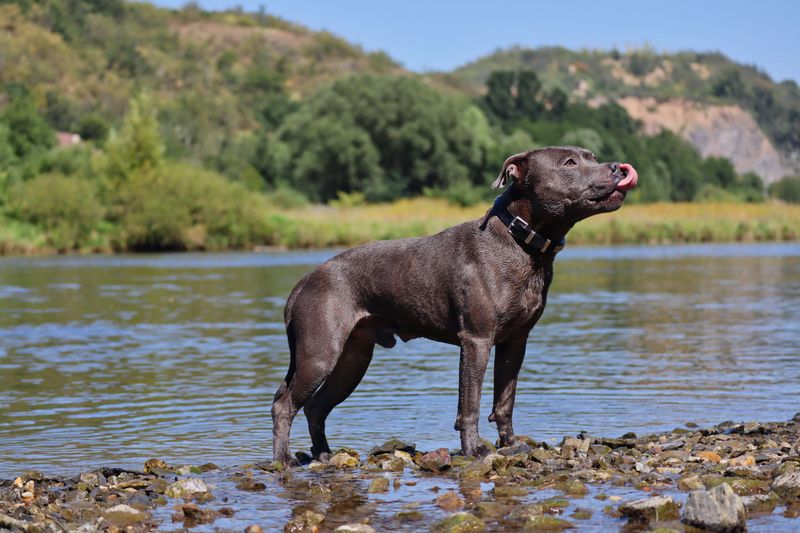
Big smiles aside, Staffies can show belly redness when cool mornings flip to sticky afternoons. Owners often see grass rolling that secretly means itchy skin.
Rinse off pollen after parks, towel briskly, and apply a light, vet-recommended balm. A cooling bandana helps during training, and shaded rest breaks keep temp swings gentler.
Consider allergy testing if flare patterns match weather charts, then plan routines around forecasts. Slow evening walks often calm prickly, weather-sensitive skin nicely.