
A dog that suddenly goes still can be telling you a lot. In many smart, driven breeds, that quiet moment is not random at all.
It can mean they noticed a sound, scent, person, or animal before you did. Knowing which breeds do this can help owners stay calm, read the situation, and respond in a smart way.
German Shepherd – The Early Warning Pause
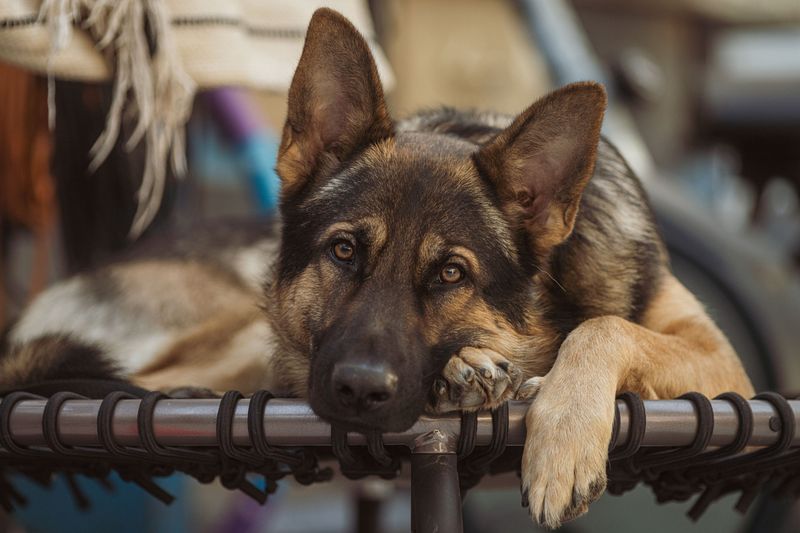
One frozen stare from a German Shepherd can change the mood fast. Many owners learn that a sudden stop often means the dog heard, smelled, or noticed movement long before any person did.
Instead of pulling the leash, pause and scan the area. Check for wildlife, strangers, bikes, or tense dogs nearby.
Reward calm focus after the moment passes, because that teaches your shepherd to alert you without tipping into barking or lunging early outside.
Doberman Pinscher – Stillness With Purpose
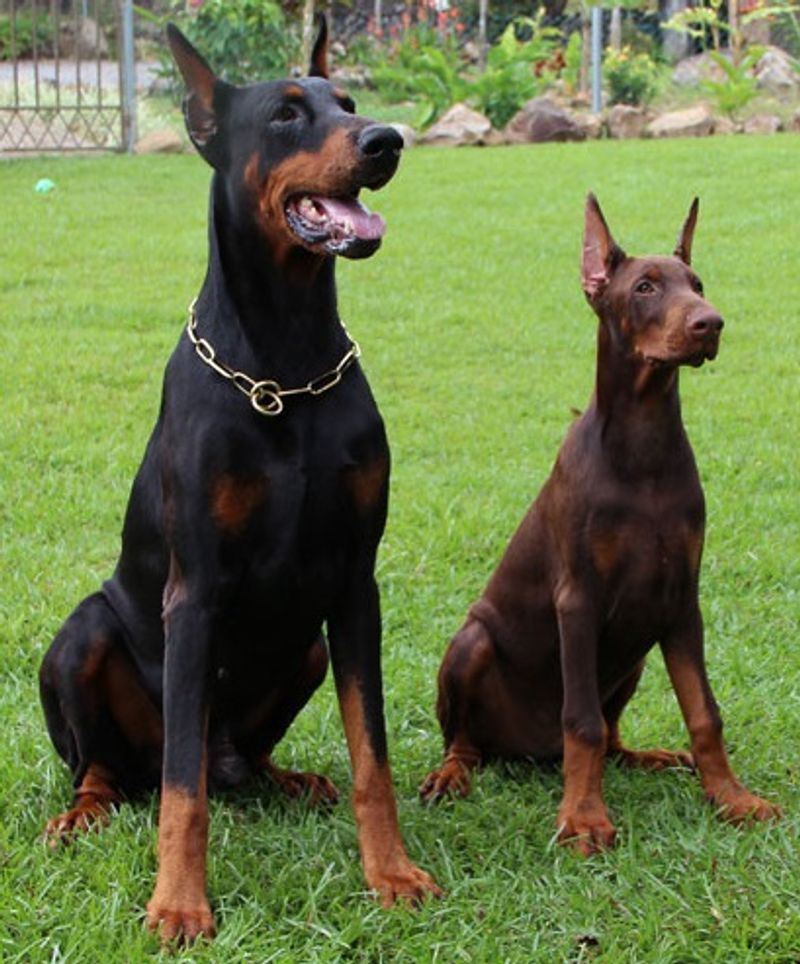
A Doberman that locks in place is rarely daydreaming. That still posture usually shows sharp awareness, and experienced owners know it can point to a sound behind them, a person approaching, or a strange change in routine.
Stay steady and read the whole body, not just the eyes. Ears forward, tight muscles, and a closed mouth can mean serious attention.
Give a cue like watch me, then move away calmly if something feels off nearby.
Australian Cattle Dog – Ranch Brain on Alert
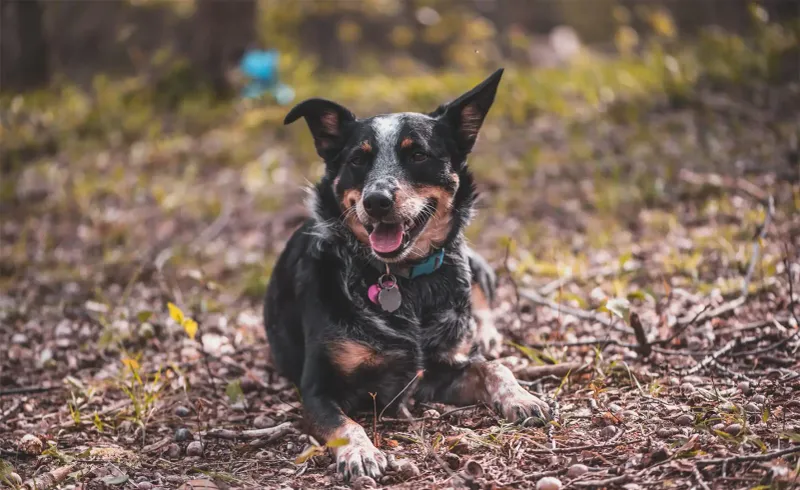
Some dogs glance around, but an Australian Cattle Dog studies the world like a ranch manager. When that busy brain suddenly goes still, owners often realize the dog has picked up on motion, livestock energy, or a gap in patterns.
Take the pause seriously, especially in open spaces. Look toward whatever has your dog’s nose, ears, and eyes lined up together.
A check can prevent a chase, a heel nip, or a surprise on trails.
Belgian Malinois – Quiet Before Fast Action
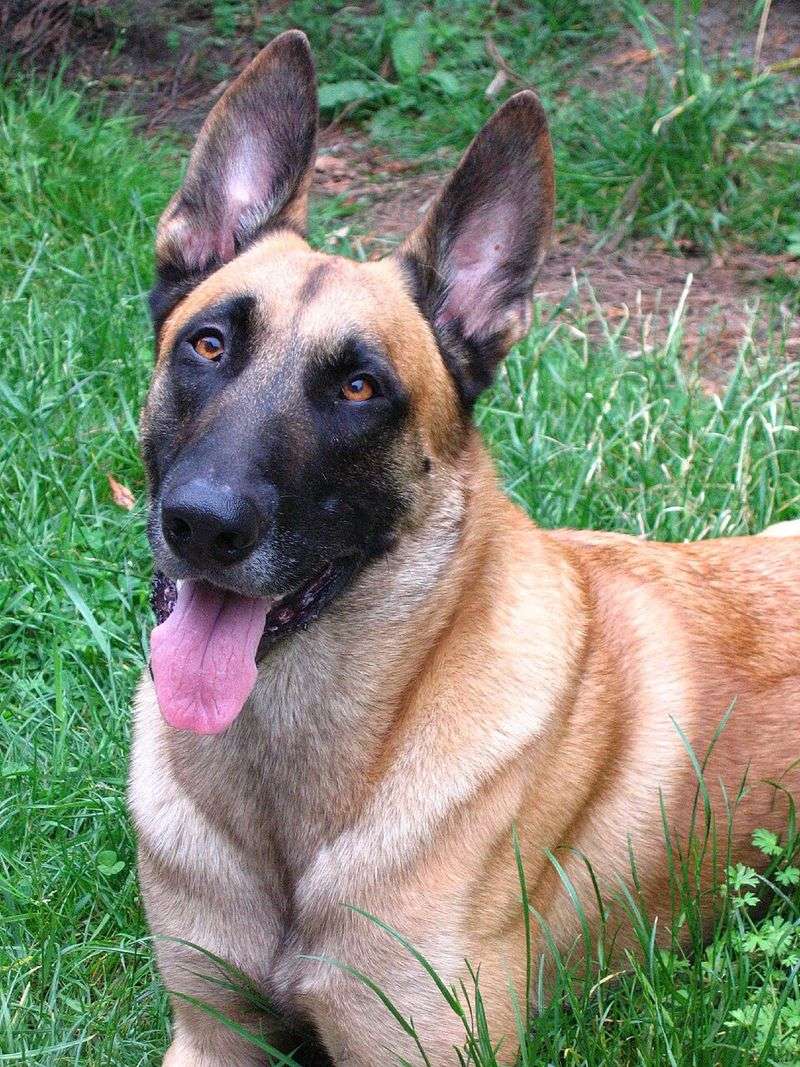
With a Belgian Malinois, silence can feel louder than barking. A sudden freeze often means the dog is processing details at high speed, which is why handlers pay attention before the moment turns into chasing, guarding, or excitement.
Notice what happened right before the stop. Fast sports, sidewalks, and new visitors can all trigger intense focus.
Use obedience cues you have practiced well, and praise release when your dog chooses you over distraction in front.
Standard Schnauzer – Watchdog Mode Switch
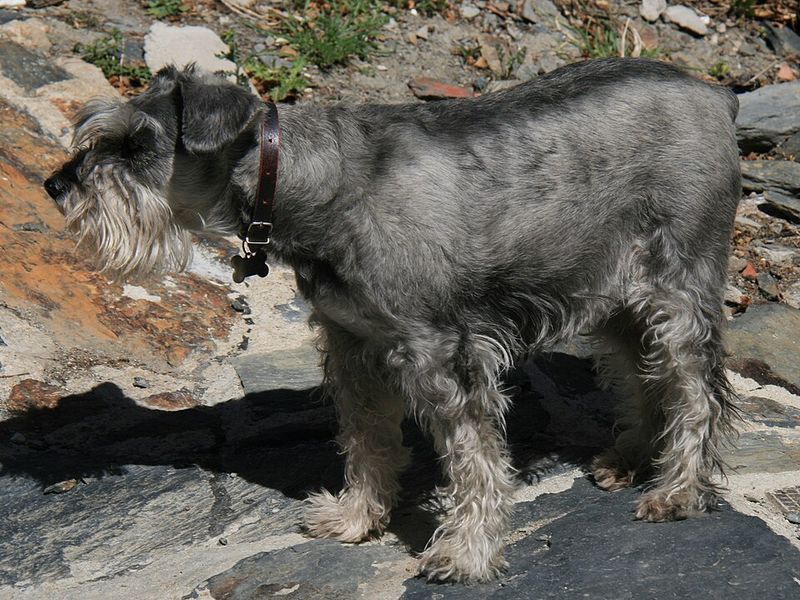
A Standard Schnauzer can go from clownish to serious in a blink. That focus often shows the breed’s watchdog side waking up, and seasoned owners know the pause may signal a visitor, a animal, or something unusual near home.
Rather than laughing it off, check windows, doors, and sounds. Schnauzers are clever and stubborn, so calm guidance works better than scolding.
Mark quiet behavior with praise, then redirect energy with a task or game afterward.
Rhodesian Ridgeback – The Measured Freeze
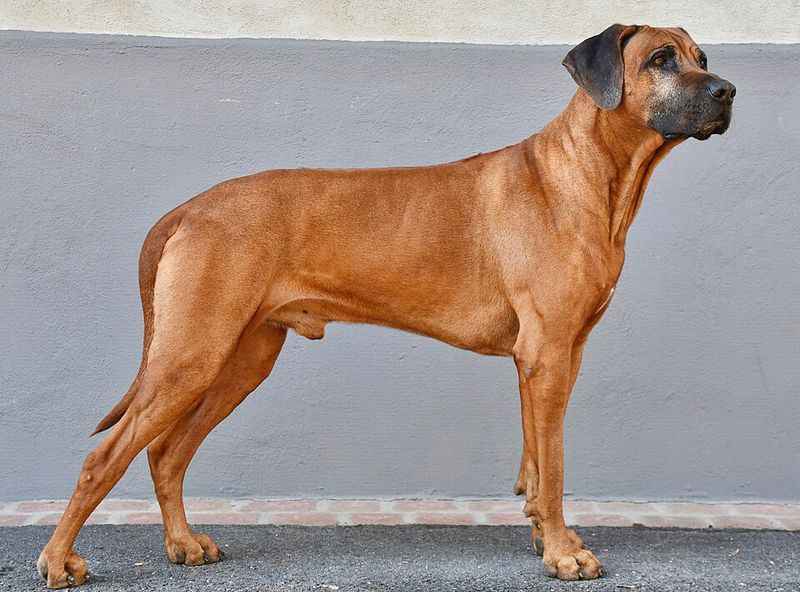
An soul with instincts, the Rhodesian Ridgeback does not freeze for no reason. Owners who know the breed often trust that sudden focus because it can mean movement, a stranger’s odd behavior, or tension from another dog.
Give your ridgeback room to observe without forcing greetings. Watch the tail, shoulders, and breathing while assess the scene.
Confident handling matters here, since calm leadership helps this independent breed settle faster and avoid making its decisions outside there.
English Pointer – Nose First, Feet Planted
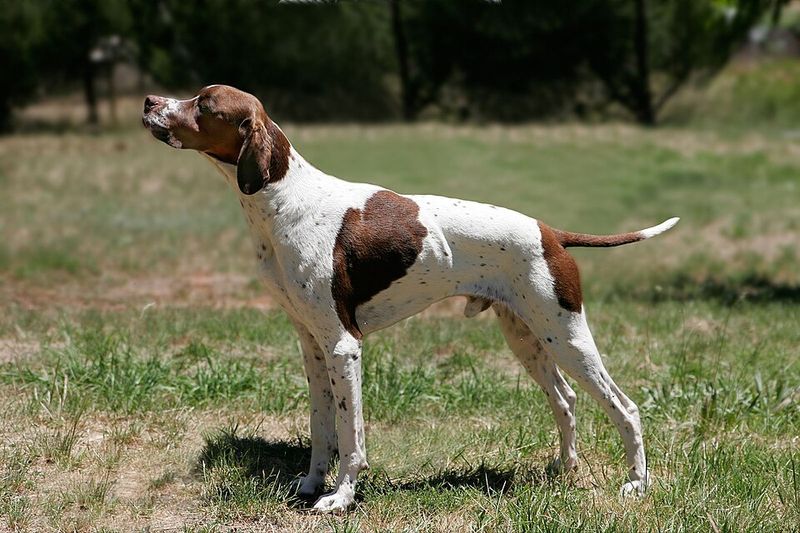
Picture a statue with a nose, and you get the English Pointer at work. When one suddenly stops and locks onto a direction, experienced owners know the dog may have scented birds or picked up movement ahead.
Resist the urge to rush forward. Let the pointer hold position for a moment while you look where the body is aimed.
That pause can teach beginners about scenting, and it helps prevent surprises on hikes or practice.
German Shorthaired Pointer – Chaos to Concentration
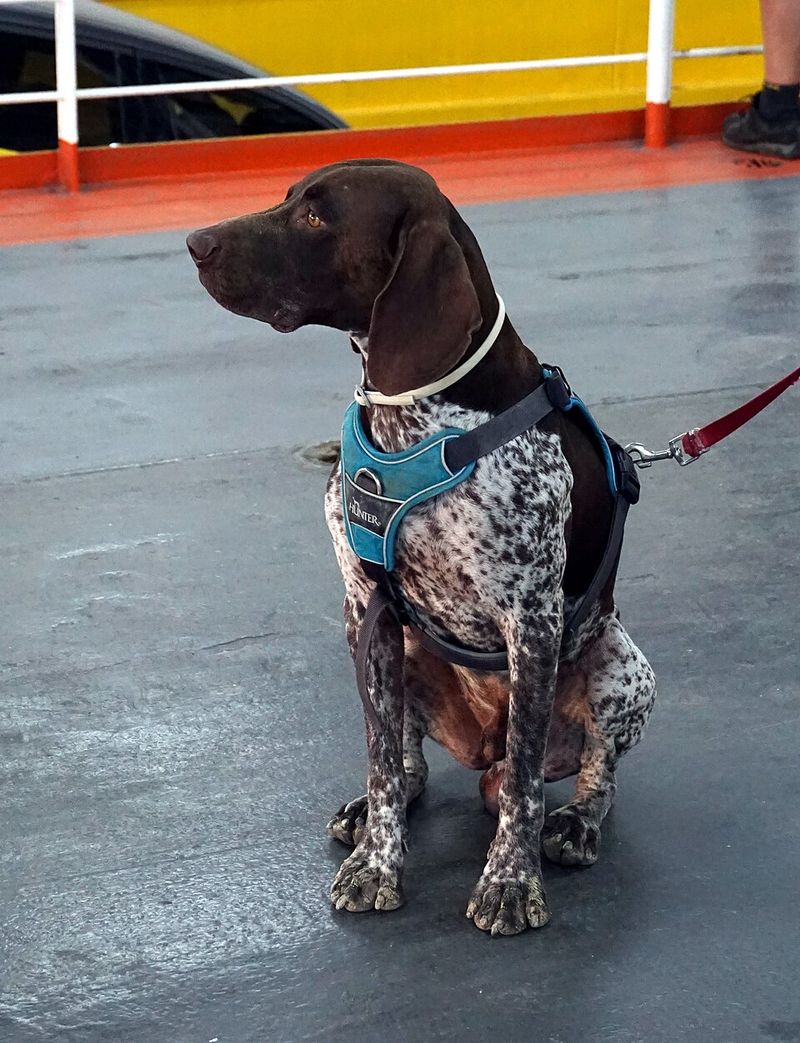
Few breeds broadcast excitement like the German Shorthaired Pointer, which makes sudden stillness meaningful. Savvy owners read that stop as a clue that scent, motion, or birds have switched the dog from chaos into serious work mode.
Use the moment to practice control before bursts again. Ask for a cue, keep leash loose, and avoid shouting.
Clear handling helps this breed stay tuned in whether you are training in a field or walking near edges.
Chesapeake Bay Retriever – Reading Wind and Water
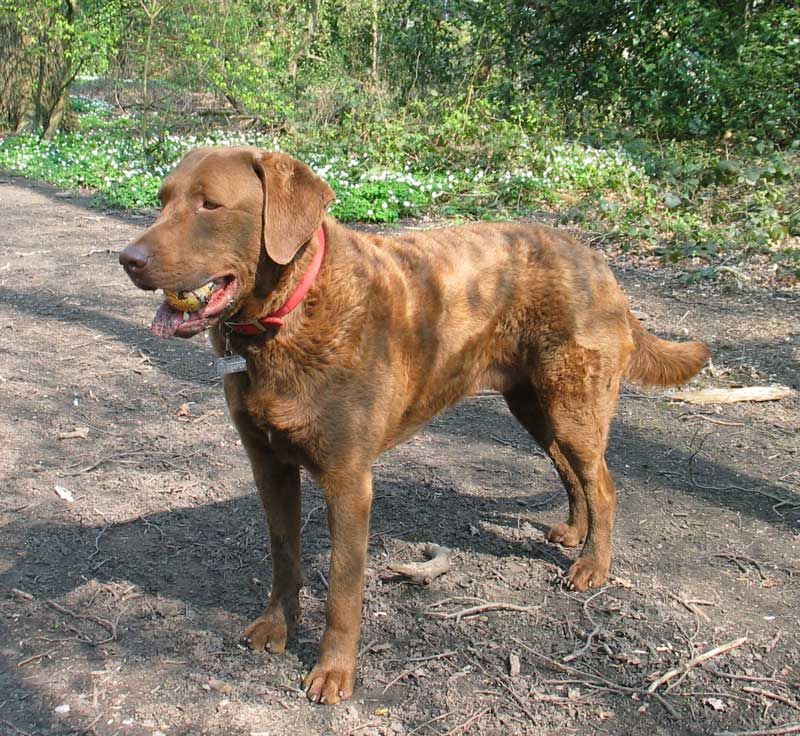
Behind the look of a Chesapeake Bay Retriever is a dog to notice the environment. When one plants its feet and stares, experienced owners often suspect a scent change, waterfowl or something unusual along the shoreline.
Take a moment to read wind, water, and weather around you. Chessies can be determined, so awareness helps you guide them before charge into mud, reeds, or water.
Calm praise after the alert keeps teamwork without dulling the breed’s watchfulness.
Beauceron – Confidence That Turns Sharp
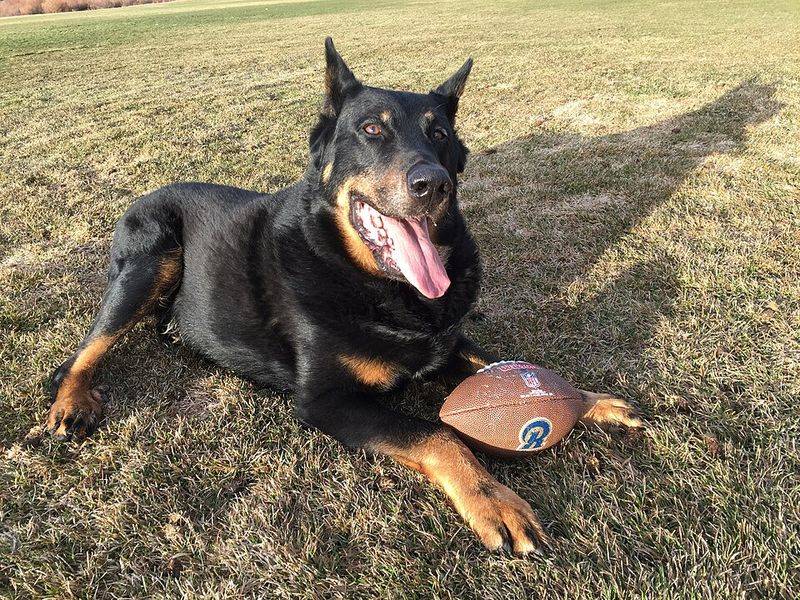
A Beauceron often carries itself like it knows the plan. So when that confident dog suddenly freezes and focuses, owners tend to pay attention because the breed is quick to register movement, pressure, and changes in people nearby.
Do not brush off the signal as intensity. Scan entrances, paths, and other dogs while keeping your body relaxed.
Beaucerons respond well to clear direction, and your calm reaction can turn a second into a clean reset.