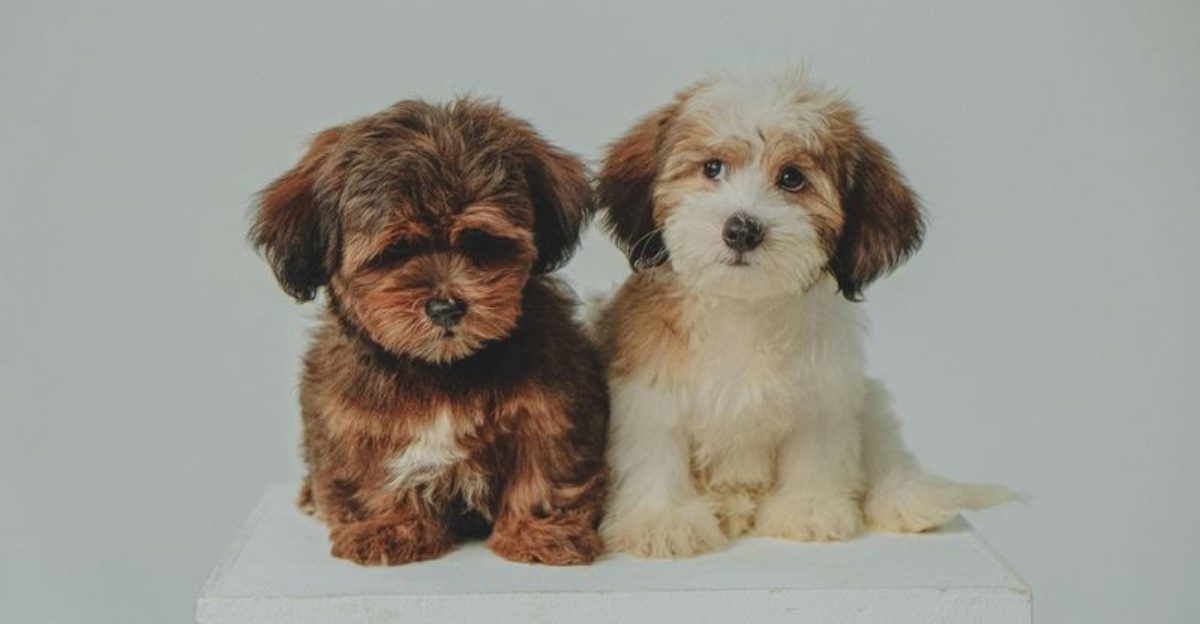
Want a dog that seems to read your mind? Some breeds pick up cues fast, solve problems on the fly, and love learning new tricks as much as you love teaching them.
Experts look at things like trainability, working intelligence, and how quickly dogs respond to commands. Let’s break down 20 breeds that consistently rise to the top, so you can spot the kind of smart that fits your life.
Border Collie
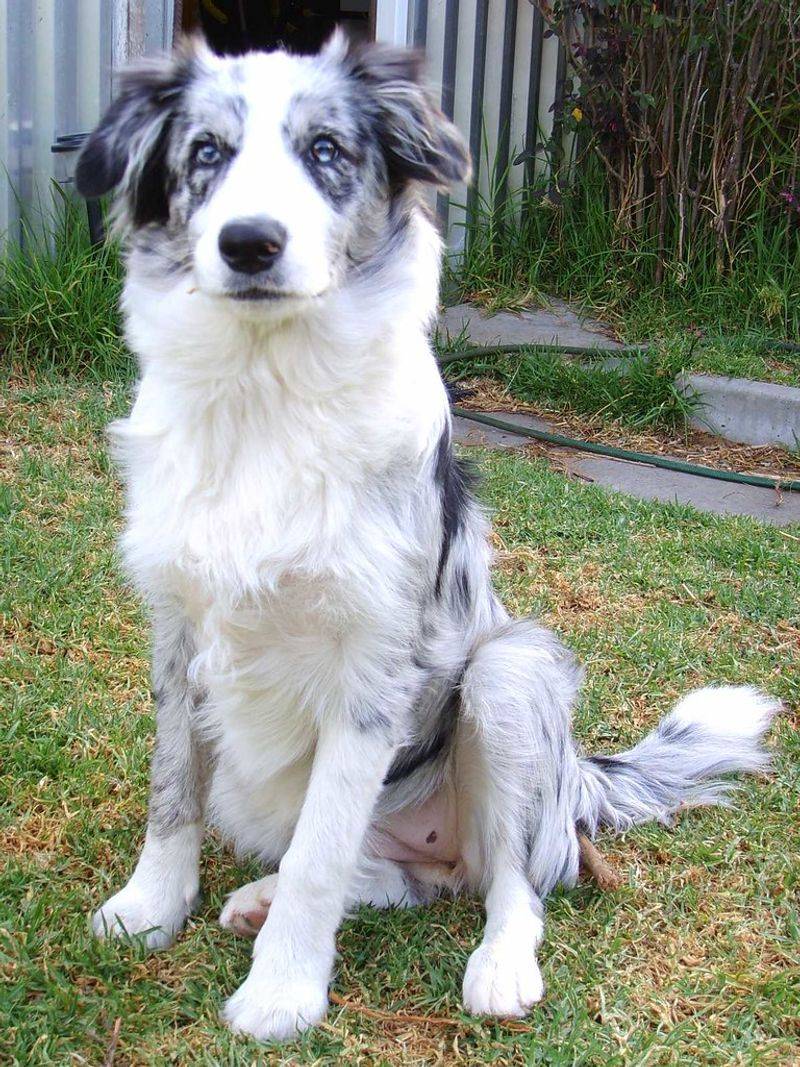
Border Collies are widely considered the gold standard for canine intelligence. They learn patterns quickly, excel at agility and herding, and thrive on mentally challenging tasks.
If you want a dog that anticipates your next move, this breed delivers with laser focus and relentless drive.
Daily work is essential. Without outlets, their brilliance can turn into mischief, like inventing games you never approved.
Keep sessions short, upbeat, and varied, and you will see dazzling problem solving and incredible responsiveness that make training truly rewarding.
They bond deeply and often read subtle body language, making them feel almost telepathic. Puzzle feeders, scent games, and off leash tasks shine.
Prepare for a teammate, not just a pet.
Poodle
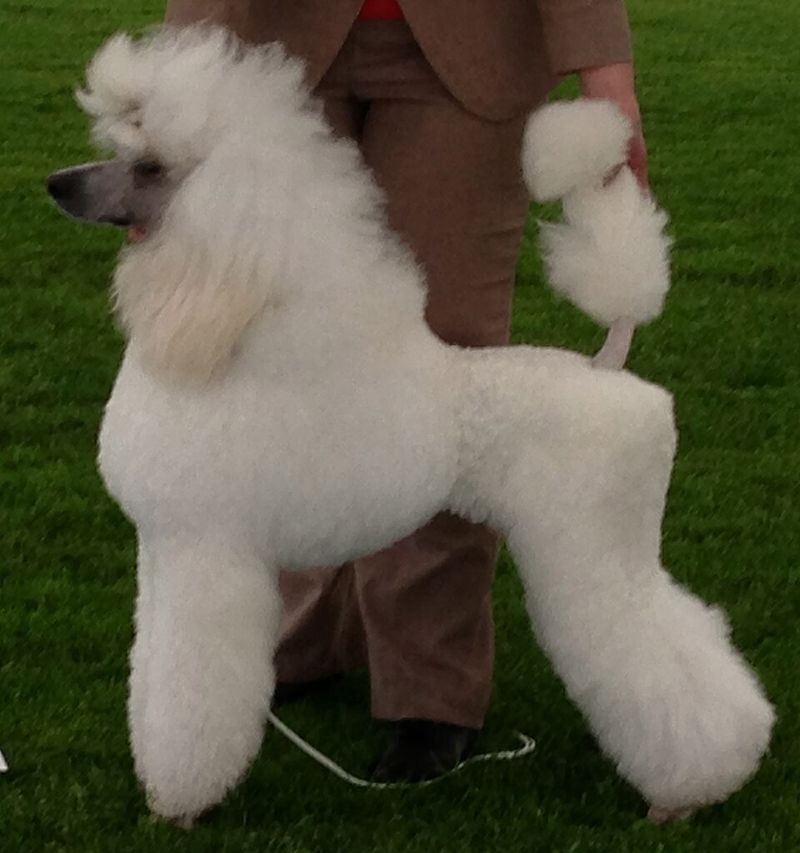
Poodles bring a brilliant mix of brains and versatility. Originally bred as water retrievers, they combine sharp problem solving with athleticism and an eagerness to please.
Their sensitivity helps them learn complex routines quickly, from obedience to service tasks and canine sports.
Standard, Miniature, and Toy Poodles all show notable intelligence. They read your tone, remember patterns, and respond beautifully to positive reinforcement.
Keep training playful, and you will unlock creative tricks and reliable household manners.
Mental exercise matters as much as walks. Rotate puzzle toys, practice scent work, and try light retrieving games.
With consistency and variety, a Poodle channels clever energy into cooperative brilliance you will appreciate daily.
German Shepherd
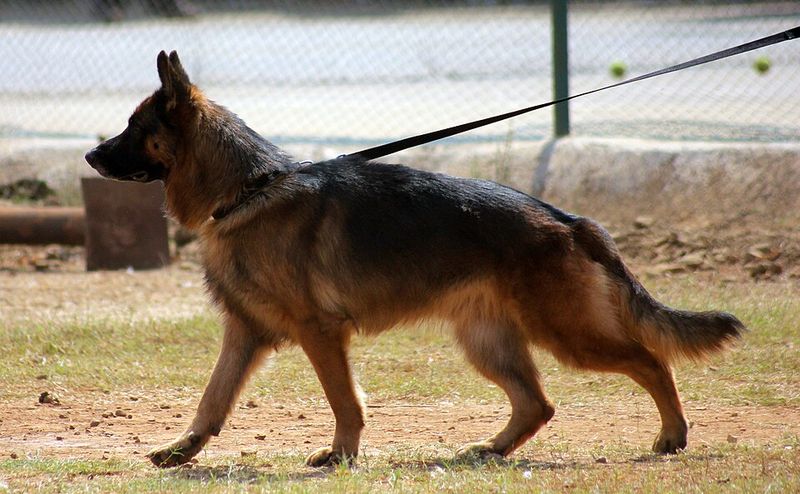
German Shepherds are celebrated for trainability, courage, and problem solving under pressure. Their intelligence shows in task focus and the ability to generalize commands in new environments.
That is why they excel in police, military, and service roles worldwide.
They need structure and purposeful work. Regular obedience sessions, scent tracking, and protection sports like IGP provide ideal mental outlets.
Clear boundaries and calm leadership help them make smart choices, even with distractions around.
Socialization is crucial for confident, thoughtful behavior. When you pair fair guidance with rewarding challenges, a German Shepherd learns rapidly and remembers deeply.
Expect a loyal partner that analyzes before acting and thrives when trusted with responsibility.
Golden Retriever
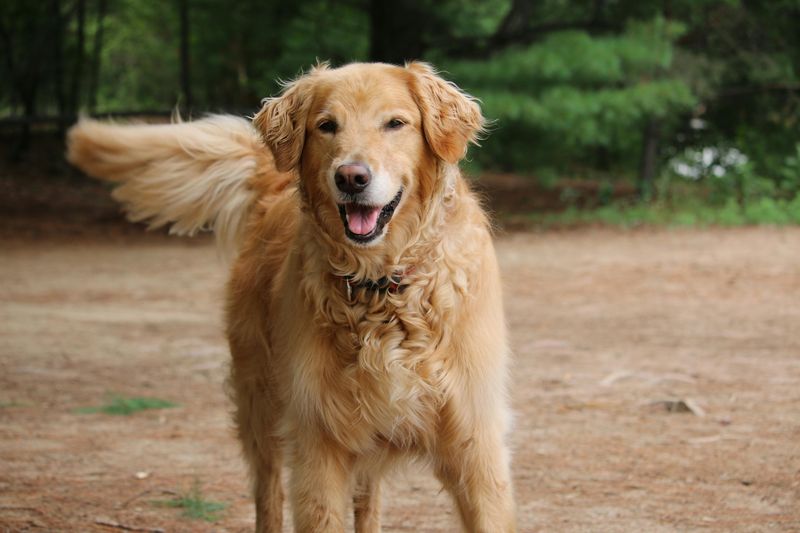
Golden Retrievers combine a friendly temperament with impressive learning speed. Originally bred for retrieving game, they are excellent at following complex sequences and staying motivated through praise and play.
Their social intelligence shines around families, kids, and other pets.
They respond best to gentle, consistent training. Use short, upbeat sessions with plenty of fetch, scent games, and basic obedience to keep their brains engaged.
Goldens love routines yet welcome new challenges, making them perfect for first time trainers.
Smart does not mean high strung. With daily enrichment and exercise, they settle beautifully.
Expect generous eye contact, quick command recognition, and a reliable off switch that makes living together a joy.
Doberman Pinscher
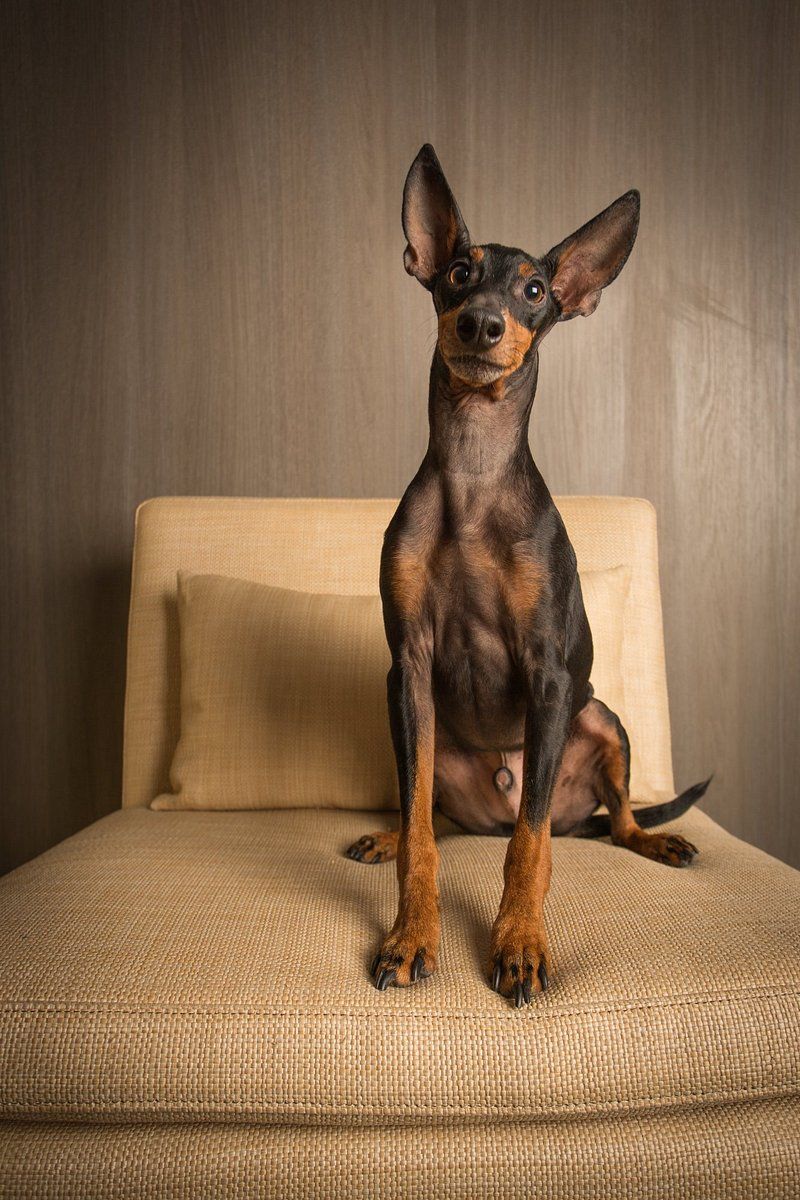
Dobermans are strategic learners with impressive impulse control when trained well. Bred as protectors, they notice patterns quickly and respond to clear communication.
Their intelligence emerges in crisp obedience, swift decision making, and a desire to work closely with their person.
Structure builds confidence. Use consistent cues, reward timing, and short sessions to prevent overarousal.
They excel in obedience, tracking, and protection sports, and they appreciate jobs that challenge memory and precision.
Social warmth plus boundaries makes the difference. Provide outlets through tug games, heeling drills, and place training.
A well guided Doberman thinks before acting and delivers loyalty backed by reliable, thoughtful behavior.
Shetland Sheepdog
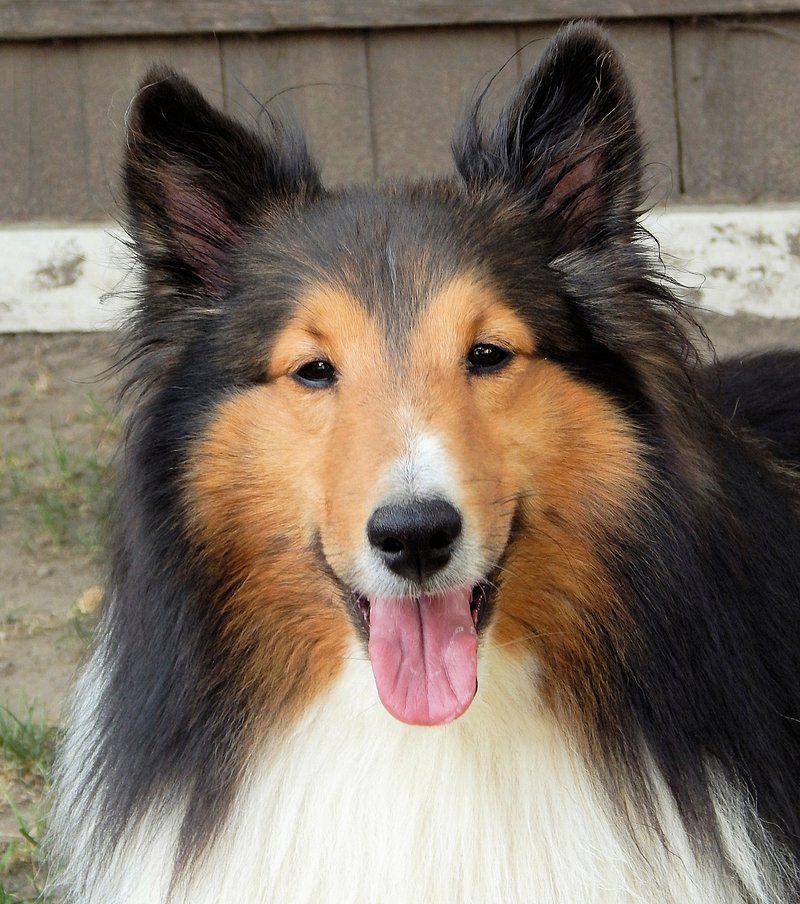
Shetland Sheepdogs, or Shelties, pack big brains into a smaller frame. Agile and observant, they learn chains of behaviors quickly and thrive with consistent feedback.
Their herding heritage appears in quick turns, eye contact, and keen anticipation of your next cue.
They bond closely and may be sensitive to tone. Keep training upbeat and precise, using markers and rewards to build confidence.
Agility, rally, and trick training keep minds sharp while giving that signature Sheltie sparkle.
Mental enrichment prevents vocal or nervous habits. Rotate puzzles, practice targeting, and add calm downtime.
When you celebrate small wins, a Sheltie offers fast learning, bright enthusiasm, and remarkable reliability in everyday life.
Labrador Retriever
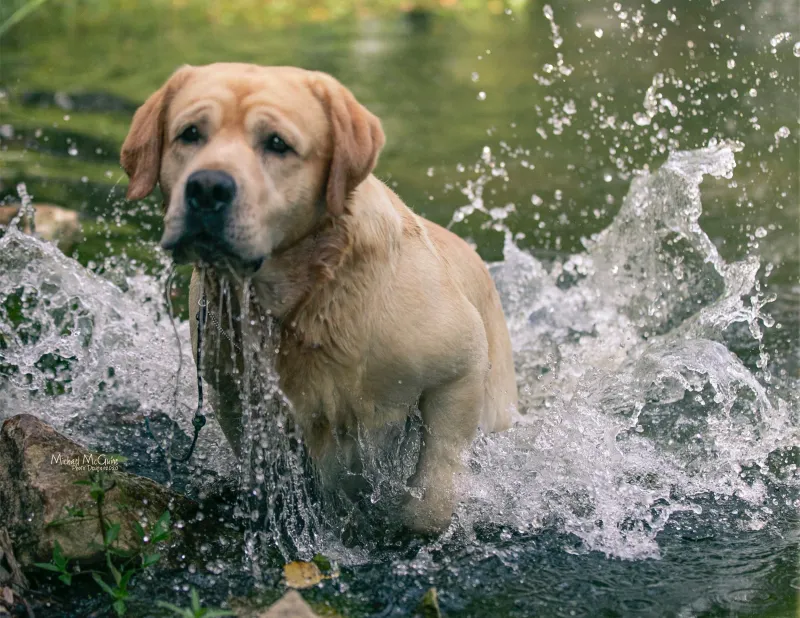
Labradors are famously trainable and motivated by food, toys, and praise. Their intelligence shows in consistent command response and an eagerness to practice.
Bred for retrieving in tough conditions, they learn to problem solve calmly, whether searching cover or navigating water.
Keep lessons short and fun. Use marker training, simple retrieves, and impulse control games to build steadiness.
Labs love routines and handle new environments gracefully when you pair movement with brain work.
They make superb service and detection dogs due to stable temperaments. At home, puzzle feeders, scent hides, and recall drills shine.
Expect a balanced, friendly partner who learns fast and stays reliable when life gets busy.
Papillon
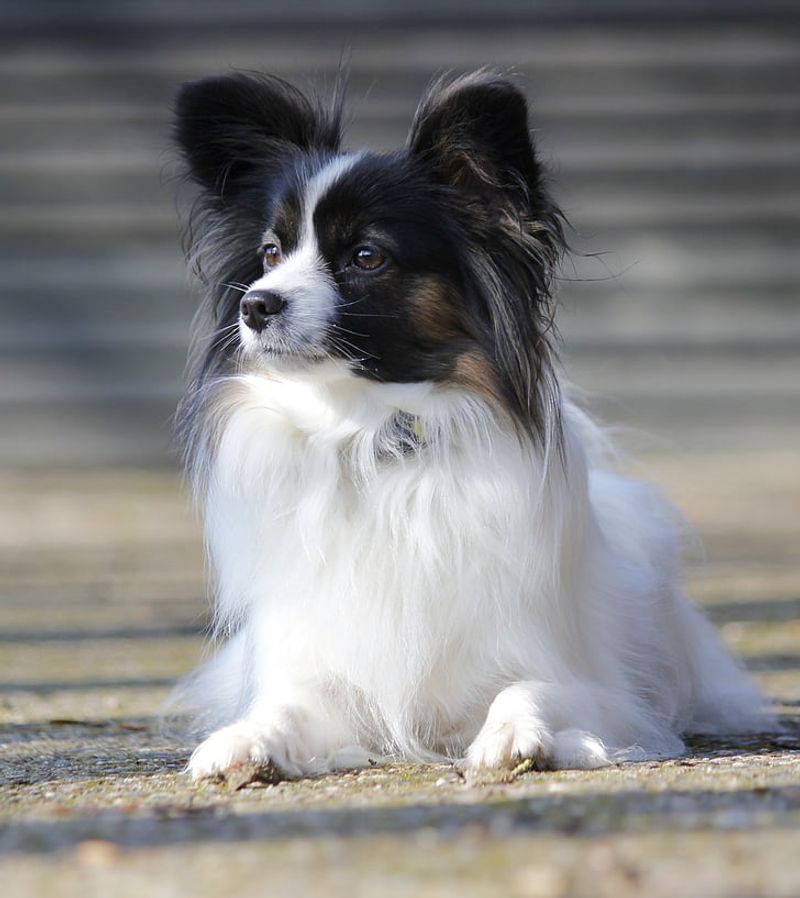
Papillons are tiny powerhouses of intelligence and joy. Quick learners with athletic grace, they often surprise people in obedience and agility.
Their expressive faces and bright eyes show how fast they read your intent and lock onto the next task.
They thrive on gentle, upbeat training. Keep sessions brief and playful, balancing tricks with impulse control like stays and targets.
Despite size, they relish challenges and handle complex sequences with flair.
Mental stimulation matters as much as exercise. Use small scent games, mini agility setups, and shaping sessions.
When you give them meaningful jobs, a Papillon delivers big brain energy in a portable, affectionate package.
Rottweiler
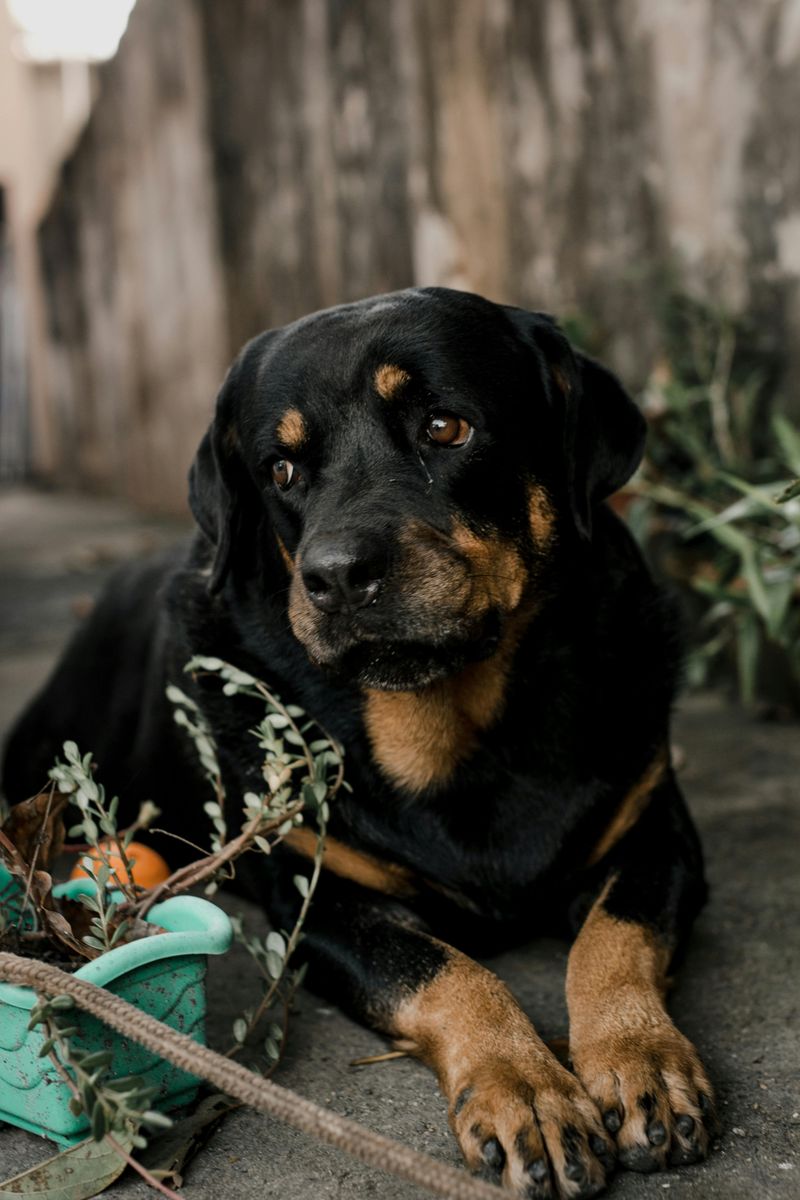
Rottweilers are strategic thinkers with a calm, analytical vibe when trained with clarity. Historically drovers and guardians, they problem solve quietly and respond to fair boundaries.
Their intelligence shows in impulse control and the ability to hold criteria under pressure.
They need consistent leadership and rewarding jobs. Obedience, tracking, and protection sports fit well.
Use clear markers, controlled play, and structured routines to bring out reliability.
Early socialization broadens thoughtful confidence. Rotate puzzles, add scent detection games, and practice neutrality in public.
A well handled Rottweiler is not just strong but discerning, reading situations and choosing steady, cooperative behavior every day.
Australian Cattle Dog
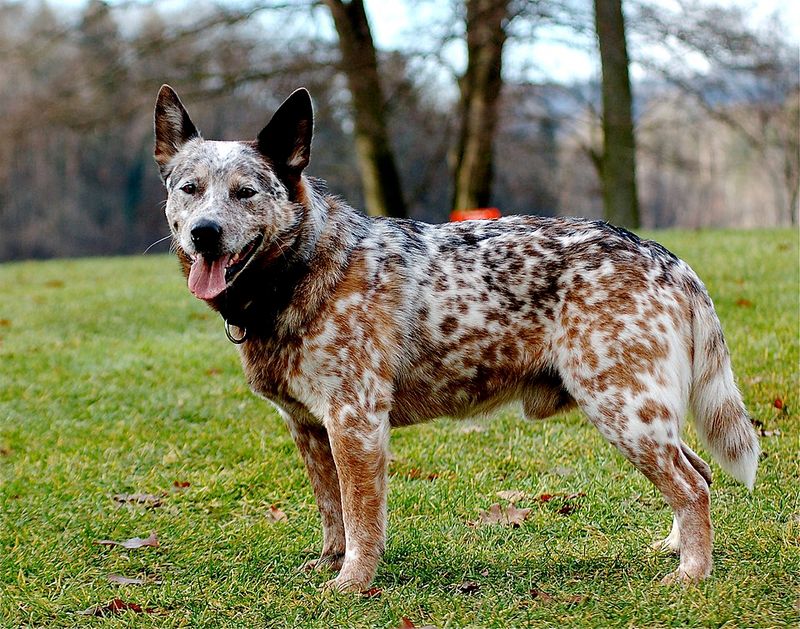
Australian Cattle Dogs are problem solvers bred for tough decisions on the move. They analyze patterns quickly and thrive with jobs that demand precision and grit.
Expect loyalty, endurance, and a tendency to invent games if you do not provide structure.
Training should be clear and practical. Mix obedience with herding style tasks, targeting, and moving stays.
Short, challenging drills beat long repetition, keeping their minds on point.
They need daily mental work. Try urban herding games, scent hides, and directional cues on walks.
With guidance, you get a strategic teammate that thinks fast, commits hard, and brings rugged brains to every adventure you share.
Belgian Malinois
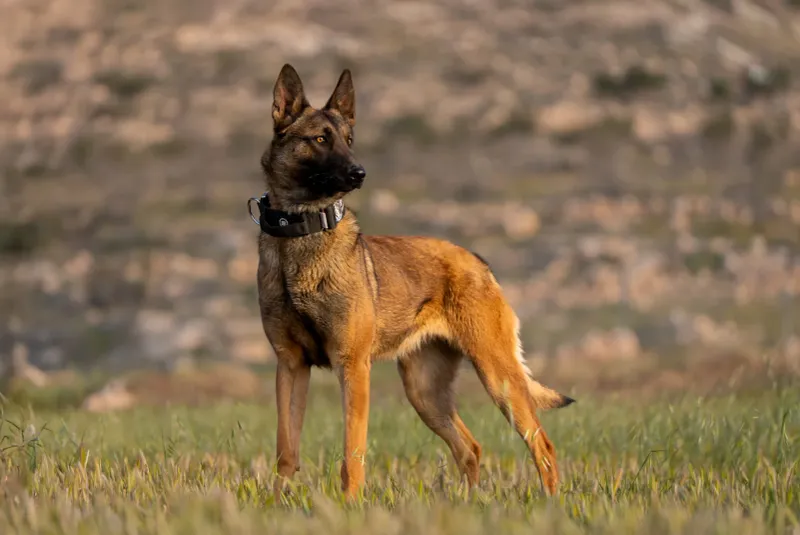
Belgian Malinois pair explosive athleticism with sharp intelligence. They grasp complex tasks quickly and generalize skills across environments.
This is why they are favorites in detection, protection, and search roles that require independent problem solving.
They need structured outlets and precise training. Keep sessions dynamic with tug rewards, scent puzzles, and technical obedience.
Without meaningful work, they will invent their own projects, often at home expense.
Clear criteria prevent frustration. Rotate challenges that build impulse control and accuracy under arousal.
In the right hands, a Malinois is a rocket scientist with paws, channeling brilliance into reliable, high performance partnership.
Pembroke Welsh Corgi
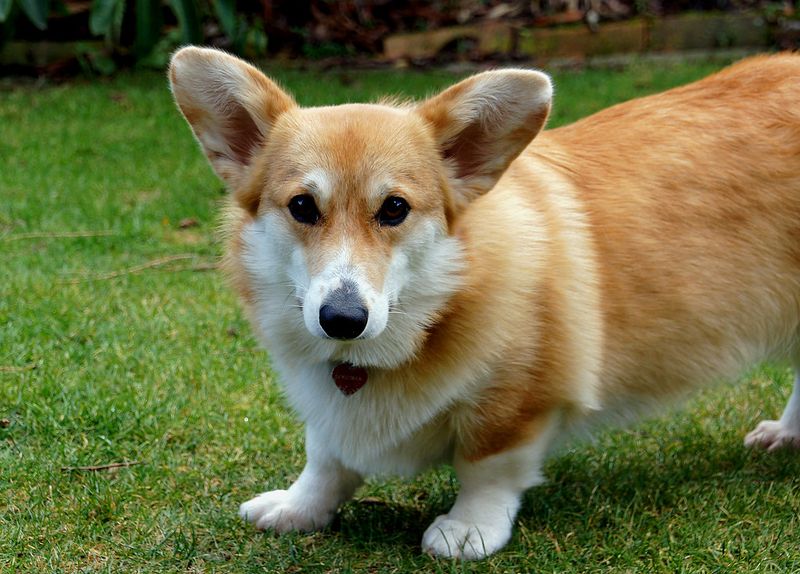
Pembroke Welsh Corgis are clever, bold, and eager to work. Herding instincts make them quick at pattern recognition and directional cues.
They love learning tricks, obedience, and rally, especially when training feels like a game you play together.
Use positive reinforcement and clear markers. Short sessions with variety help avoid boredom.
Corgis can be opinionated, so keep criteria consistent and reward calm focus between bouts of fun.
They benefit from mental work as much as physical walks. Try nosework, platform training, and toy name games.
Give them purposeful jobs, and you will see a witty, loyal partner who turns smarts into delightful everyday cooperation.
Miniature Schnauzer
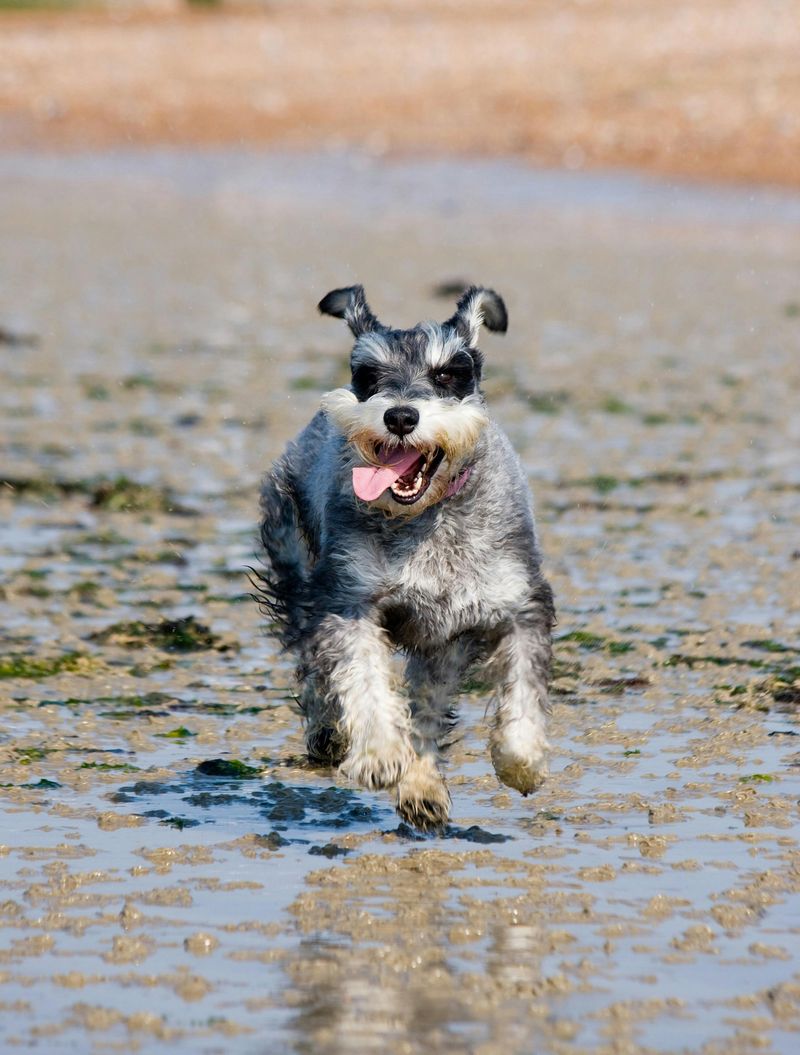
Miniature Schnauzers are spirited thinkers with sturdy work ethic. Historically ratters and watchdogs, they observe closely and learn routines fast.
Their intelligence appears in confident problem solving and a readiness to try again when learning something new.
Keep training upbeat and clear. Use marker words, food, and playful tug to keep motivation high.
They shine with trick training, rally, and urban nosework that taps curiosity.
Consistency curbs stubborn streaks. Rotate puzzles, practice loose leash focus, and give them supervised independence moments.
With fair guidance, a Mini Schnauzer offers bright wit, reliable manners, and that signature, endearing spark.
English Springer Spaniel
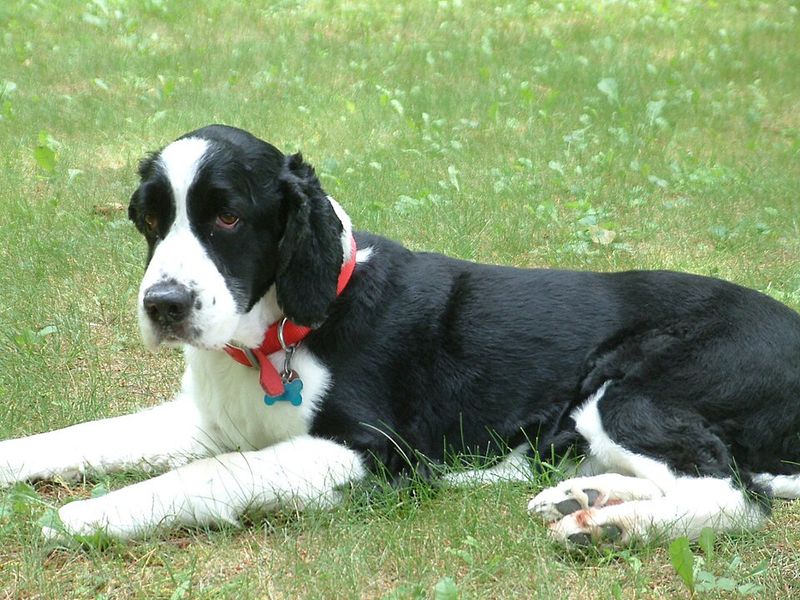
English Springer Spaniels blend biddability with field savvy. They learn quickly, remember scent patterns, and adapt gracefully between home life and work.
Their enthusiasm pairs beautifully with steady, fair training.
Short, motivating sessions keep them sharp. Mix obedience with retrieves, directional cues, and impulse control around birds or toys.
They respond to gentle guidance, making them approachable for newer trainers who enjoy structure.
Mental enrichment is key. Try hide and seek, patterned heeling, and off leash check ins.
Springers bring thoughtful energy and a cooperative spirit, turning intelligence into cheerful, consistent partnership across busy days.
Belgian Tervuren
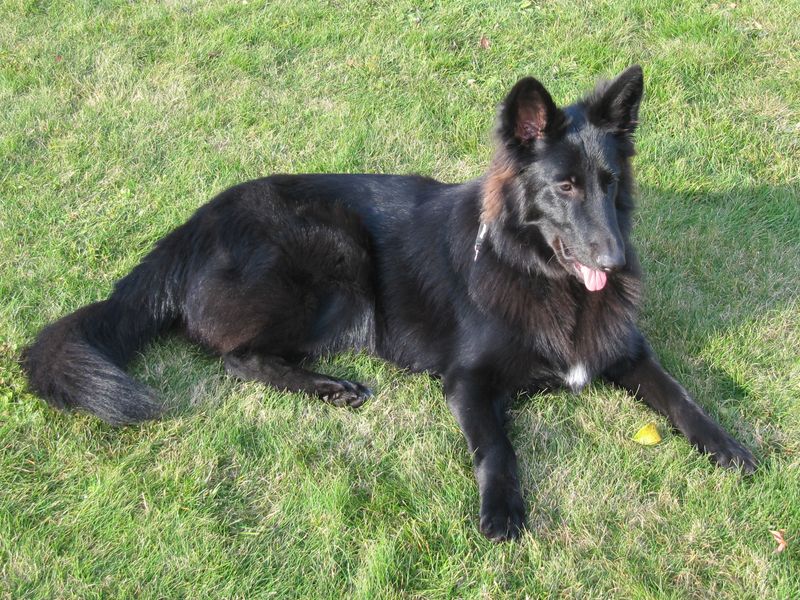
Belgian Tervurens are elegant problem solvers with keen sensitivity. They pick up nuances in body language and thrive with technical tasks that reward precision.
Often seen in obedience and protection sports, they balance drive with thoughtfulness when properly guided.
Training should be consistent and layered. Use markers, variable rewards, and sessions that mix focus with movement.
They benefit from impulse control games and exposure to varied environments.
Mental outlets prevent overthinking. Scent work, retrieves, and trick chains channel energy productively.
With patient structure, a Tervuren becomes an intuitive partner who understands expectations and delivers polished, reliable performance.
Kelpies (Australian Kelpie)
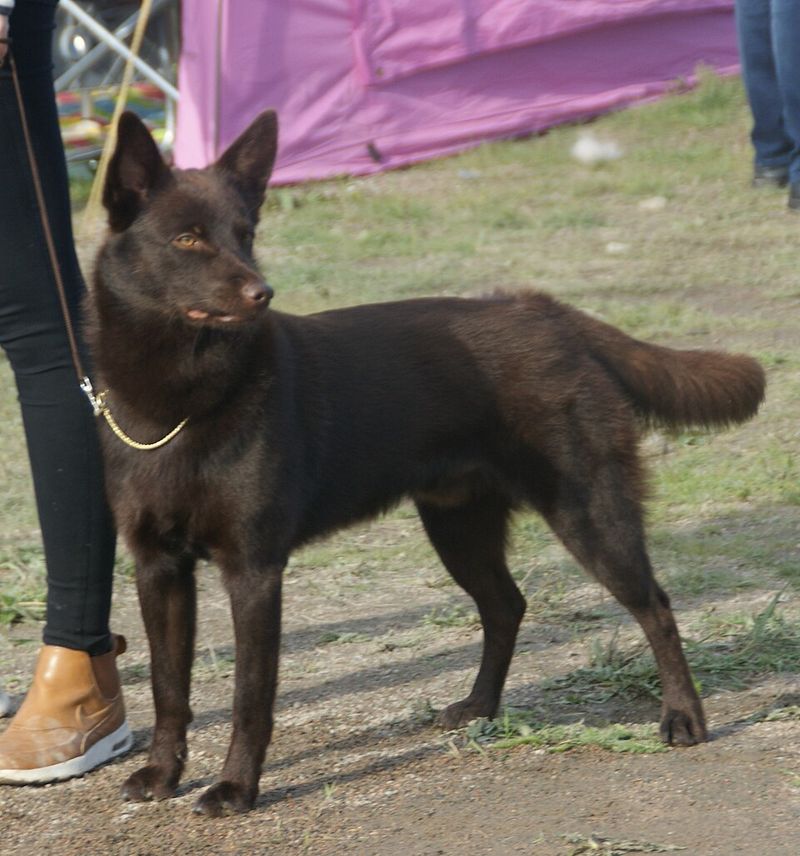
Australian Kelpies are relentless workers with sharp, independent intelligence. Bred for vast station work, they make real time decisions with minimal guidance.
That autonomy can be thrilling if you give them jobs, or challenging if you do not.
Training should harness initiative. Use directional cues, distance work, and problem solving games that reward thoughtful choices.
Keep sessions brisk and purposeful to match their pace.
Daily mental exercise is non negotiable. Long line recalls, urban agility, and scent trails help them shine off the farm.
With structure and trust, a Kelpie becomes a tireless, clever collaborator who happily turns thinking into action.
Collie (Rough or Smooth)
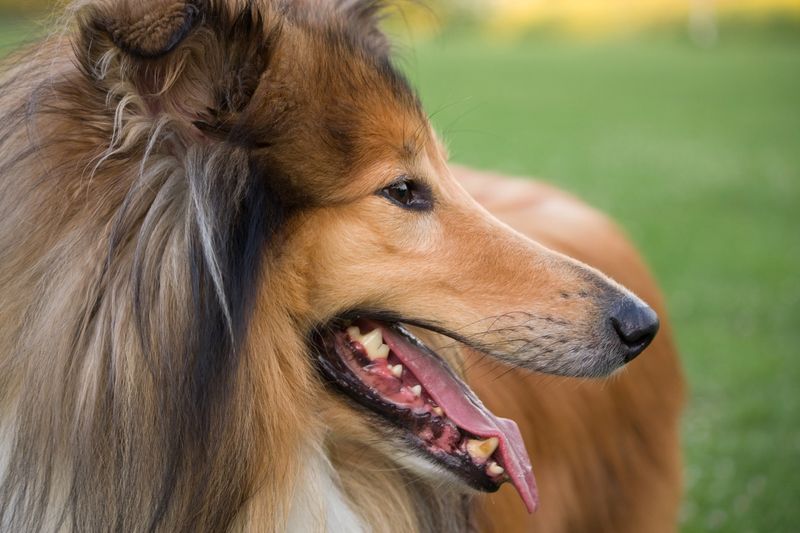
Collies, both Rough and Smooth, pair sensitivity with steady problem solving. They read human emotion well and aim to cooperate, which speeds up learning.
Their herding roots bring focus, responsiveness, and a graceful work ethic.
Gentle, consistent training brings out confidence. Use marker words, pattern games, and moderate challenges that avoid overpressure.
They excel in rally, tricks, and therapy work due to social intelligence and calm presence.
Mental enrichment prevents worry. Scent games, platform work, and light agility give purpose.
When expectations stay clear, a Collie delivers thoughtful, reliable behavior that feels attuned to your daily rhythm.
Cocker Spaniel (American)
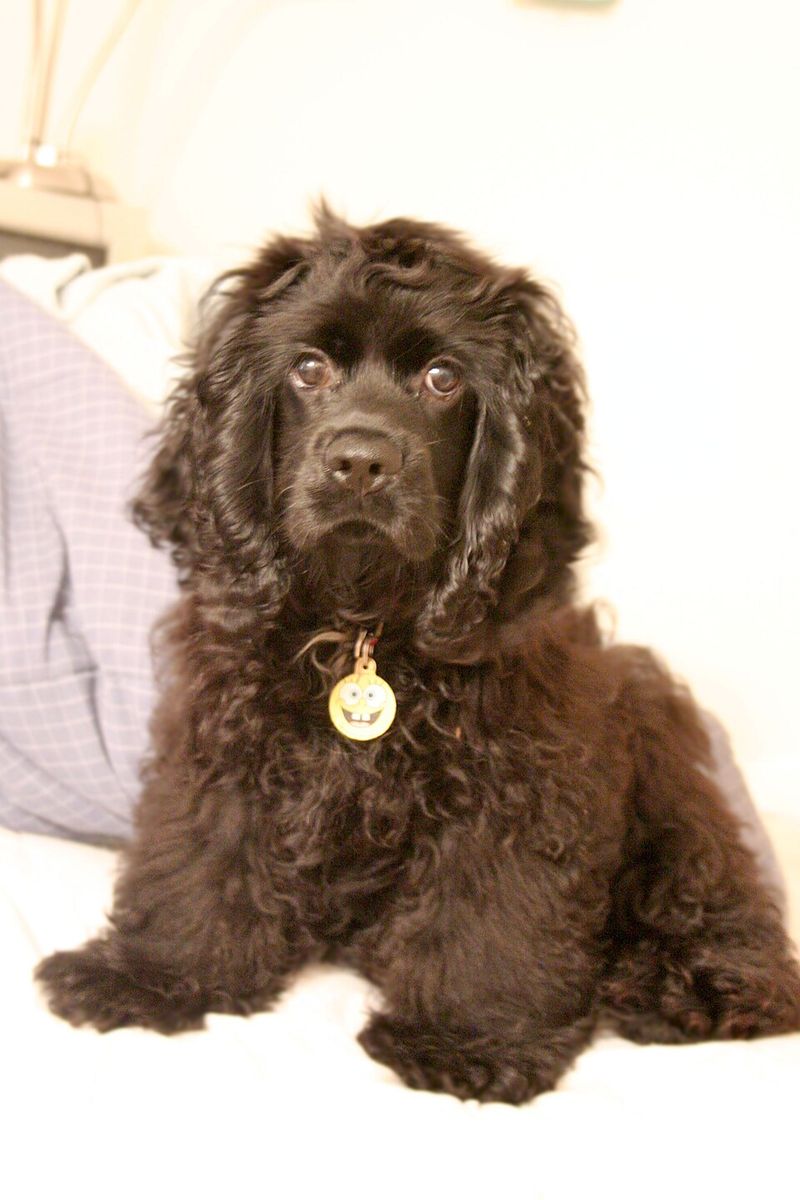
American Cocker Spaniels are cheerful learners with surprising versatility. They respond quickly to positive reinforcement and pick up household routines with ease.
Their social awareness helps them adapt to families and busy environments.
Training should remain upbeat and brief. Use food rewards, gentle shaping, and easy scent games to build confidence.
They enjoy retrieving, rally, and trick routines that turn practice into play.
Regular enrichment prevents boredom barking. Rotate puzzle feeders and practice calm behaviors like place and down stays.
With patient guidance, a Cocker channels sweetness and smarts into everyday reliability you can count on.
Vizsla
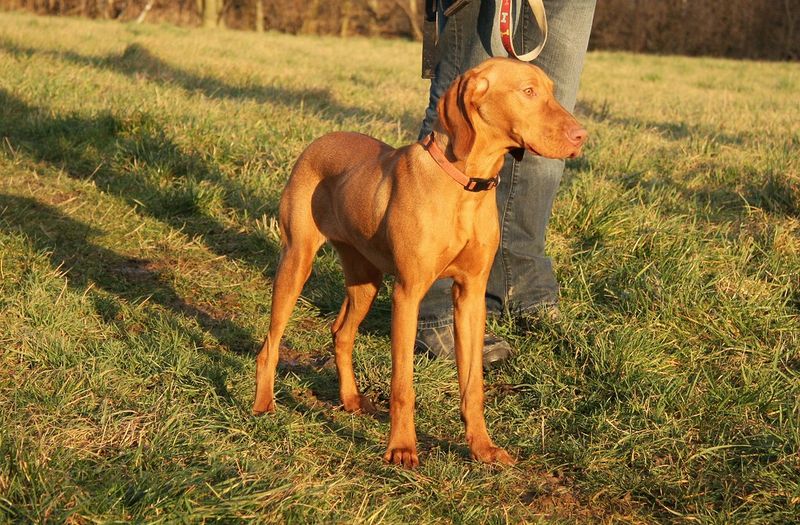
Vizslas are sensitive, affectionate, and quick to learn. Built for field work, they read terrain and scent efficiently, making smart decisions while staying connected to you.
Their desire for closeness translates to strong responsiveness in training.
Keep sessions upbeat and movement based. Use retrieves, recalls, and directional cues to satisfy working instincts.
Gentle consistency works better than heavy correction, preserving enthusiasm and focus.
Mental stimulation is essential. Try nosework, canicross cues, and place training to balance energy.
With routine and affection, a Vizsla offers elegant intelligence, steady cooperation, and a joyful eagerness to participate in everything you do.
Border Terrier
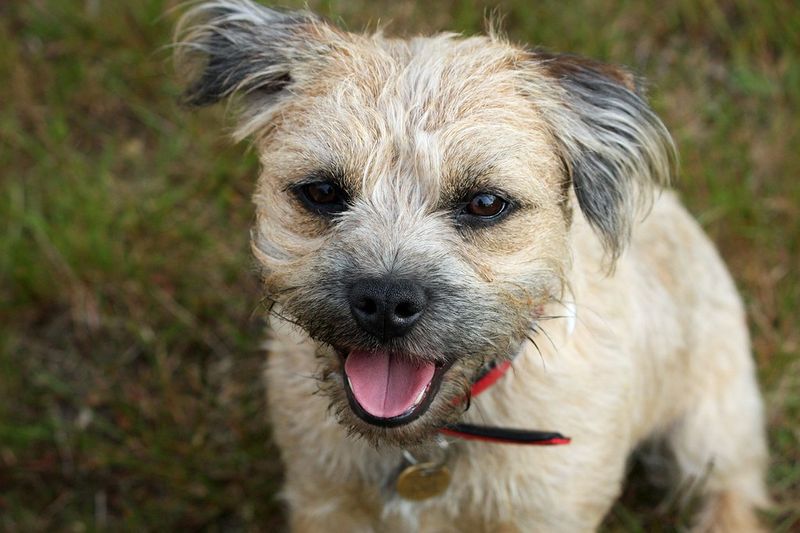
Border Terriers are practical thinkers with sturdy independence. Originally earthdogs, they solve problems in tight spots and navigate changing conditions confidently.
That grit shows up in training as persistence and curiosity.
Use short, engaging sessions with clear rewards. Mix obedience with nosework, platform games, and recalls that tap natural drive.
Avoid too much repetition, which can spark creative alternatives you did not request.
Daily enrichment keeps them content. Scatter feeds, scent trails, and off road walks provide brainy challenges.
With patient structure, a Border Terrier offers small dog portability paired with clever, can do spirit that enriches everyday adventures.
Havanese
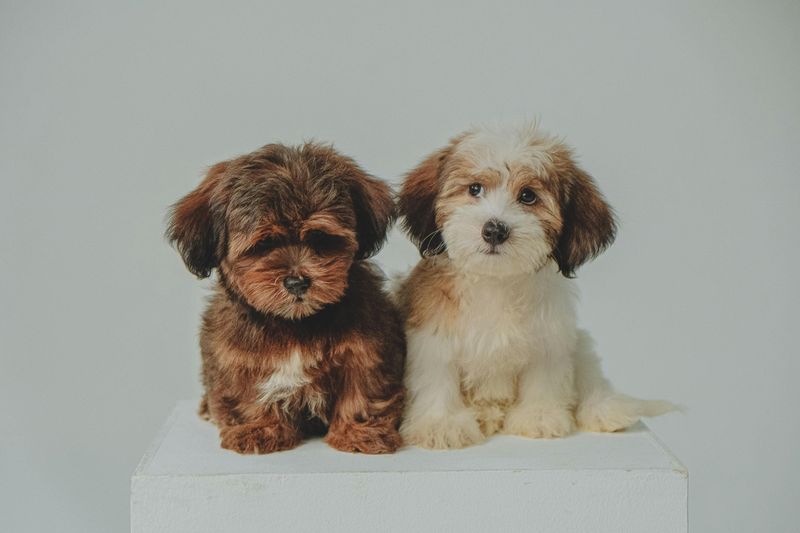
Havanese are social butterflies with bright, adaptable intelligence. They learn household manners fast and enjoy tricks that make guests smile.
Their eagerness to connect makes training feel conversational and fun.
Keep sessions short, positive, and varied. Use shaping, target sticks, and simple scent games to build confidence.
They are sensitive, so emphasize encouragement over correction.
Mental outlets curb clinginess. Rotate puzzle toys, practice calm settles, and create predictable routines.
With gentle guidance, a Havanese channels sparkle into reliable behaviors, proving that small companions can be big on brains and heart.
Standard Schnauzer
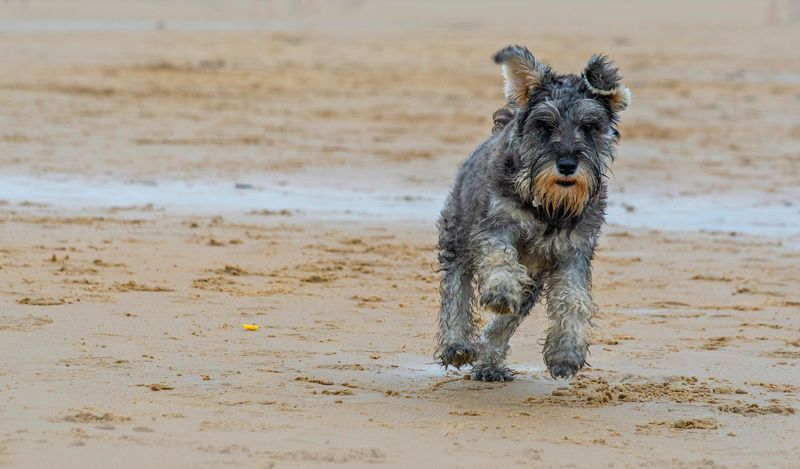
Standard Schnauzers are astute, confident, and quick to generalize lessons. Historically versatile farm dogs, they combine watchfulness with flexible problem solving.
Expect curiosity and a steady desire to participate in whatever you are doing.
Training thrives on clarity and variety. Use marker training, scent work, and structured play to keep minds busy.
They appreciate fair boundaries and will test consistency if criteria drift.
Enrichment turns sharpness into cooperation. Try tracking lines, retrieve games, and public neutrality drills.
With purposeful work and patient leadership, a Standard Schnauzer becomes a savvy, engaged partner who handles real world challenges thoughtfully.