
Some dogs rush to bark the moment something changes. Others pause, watch, and think before they act.
That careful style can be a gift at home and in busy places. Here are breeds known for taking a moment to plan their next move.
Akita
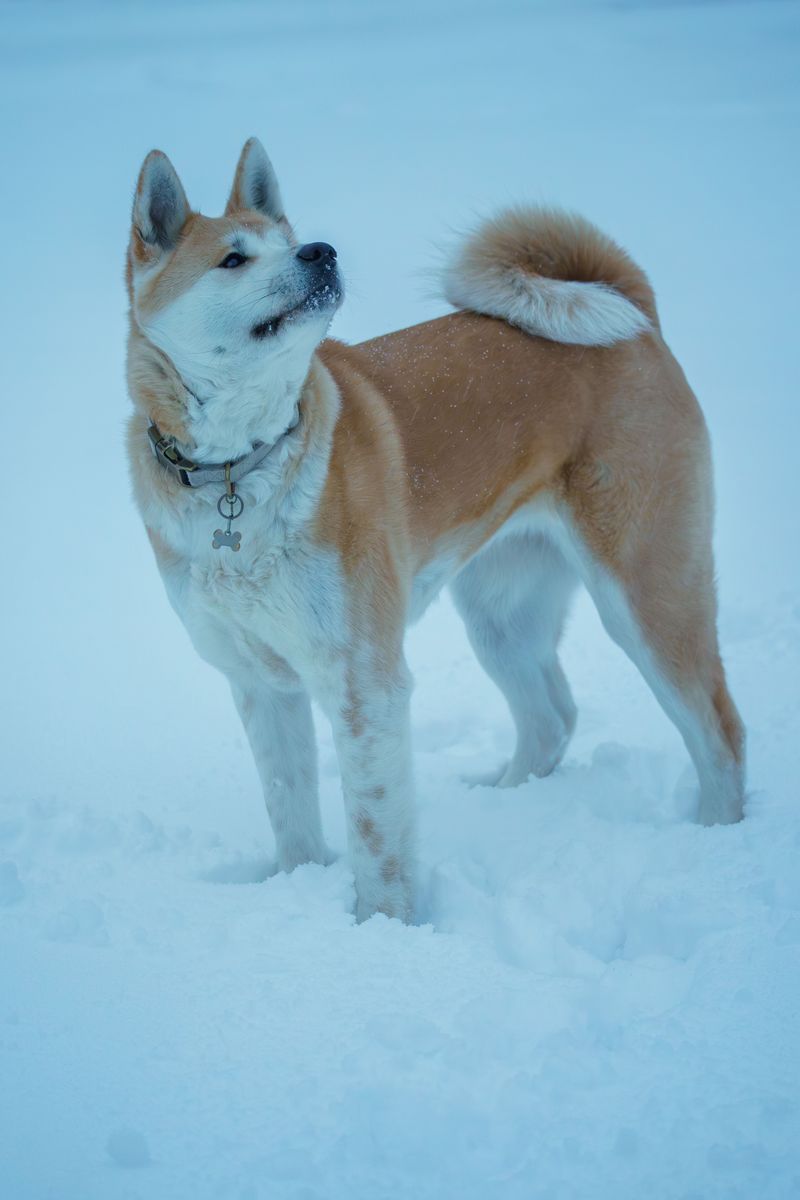
Quiet like a snowy guard, the Akita scans a scene before moving a muscle. Big eyes read body language, sounds, and space.
That patient pause keeps them from overreacting to strangers, doorbells, or sudden movement.
Train with calm, clear steps, and let them watch first. Short exposure to new places builds confidence without pressure.
Give sturdy chew toys and quiet jobs, like nose work, to focus their mind. Respectful handling grows trust and steady choices.
Bullmastiff
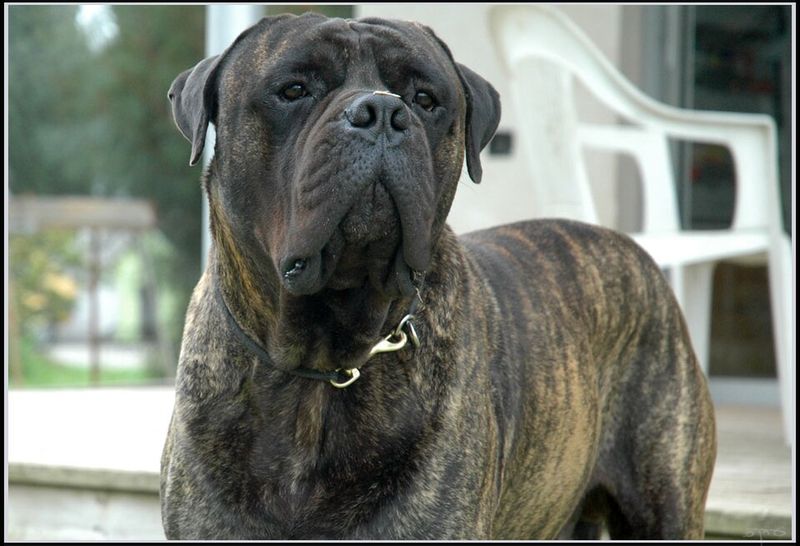
Like a bouncer with manners, the Bullmastiff waits and weighs the moment. Breeders shaped them to stand firm and think while guarding estates.
Most noise gets a puzzled look, not a leap, because they judge intent before acting.
Teach a solid settle cue and reward relaxed choices. Start neutrality training around wildlife and joggers.
Teach a steady wait cue at doors and trails. With clear boundaries and fair exercise, their problem-solving keeps adventures respectful.
Chow Chow
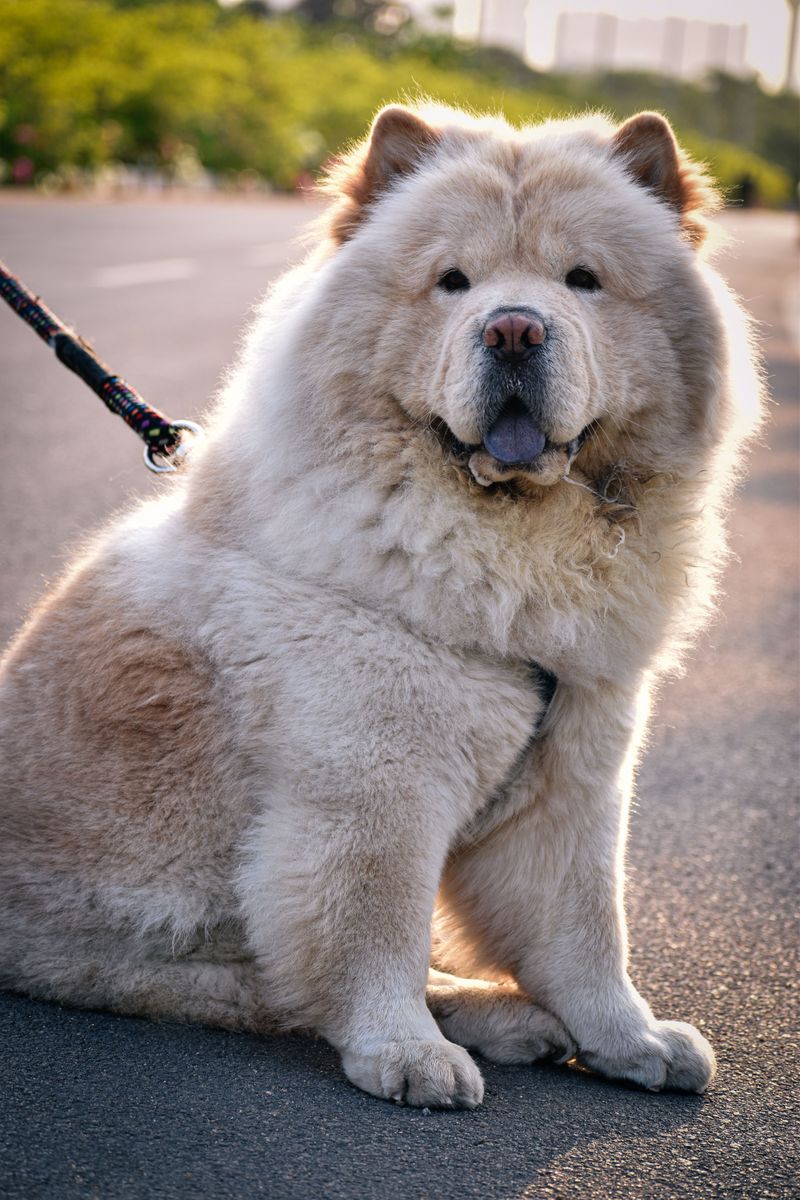
A lion-like ruff frames a very careful thinker. Chow Chows prefer to observe from a small distance, almost like polite neighbors.
Sudden grabs or loud greetings feel rude to them, so they pause, sniff the air, and choose calmly.
Offer predictable routines and soft introductions. Short grooming and training build trust.
Let them retreat to a comfy mat when unsure. With patience, you will see thoughtful choices, steady eye contact, and a quiet, loyal friendship.
Great Dane
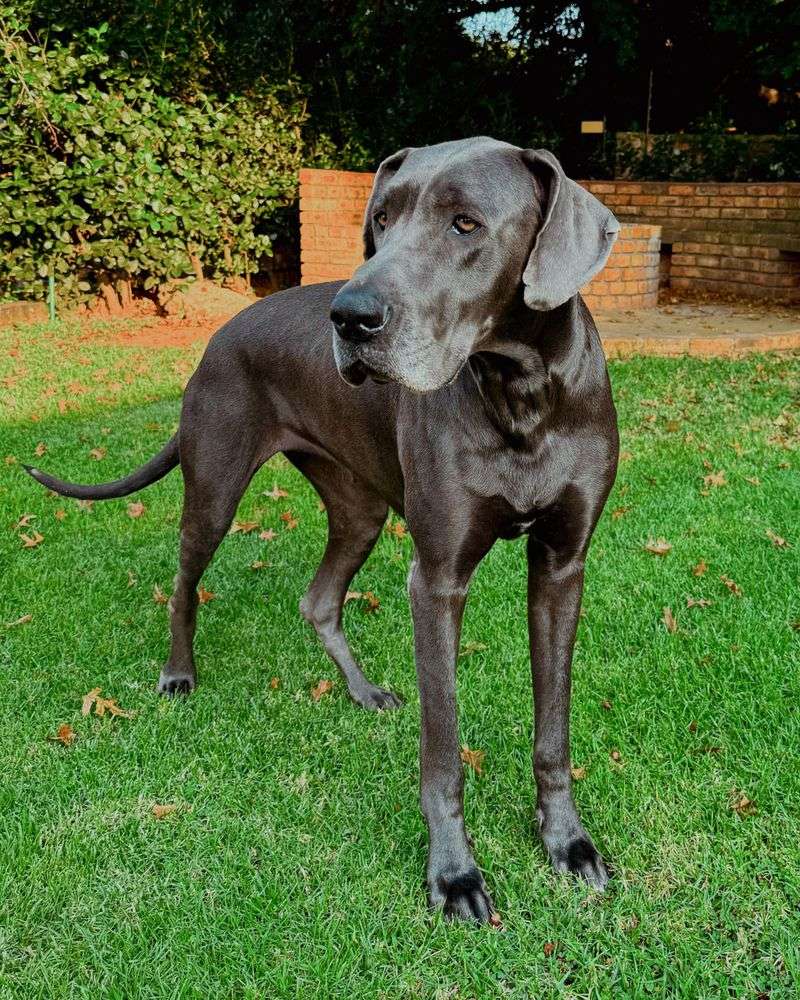
Despite skyscraper height, the Great Dane often pauses like a polite giant. Many watch children play or guests enter, deciding if help is needed.
That patient look prevents clumsy overreactions and keeps their massive body under control.
Build confidence with calm social time and gentle leash skills. Teach them to park on a mat before greeting.
Use puzzle feeders, scent games, and slow walks to work body and brain. Keep sessions short to protect joints.
Rhodesian Ridgeback
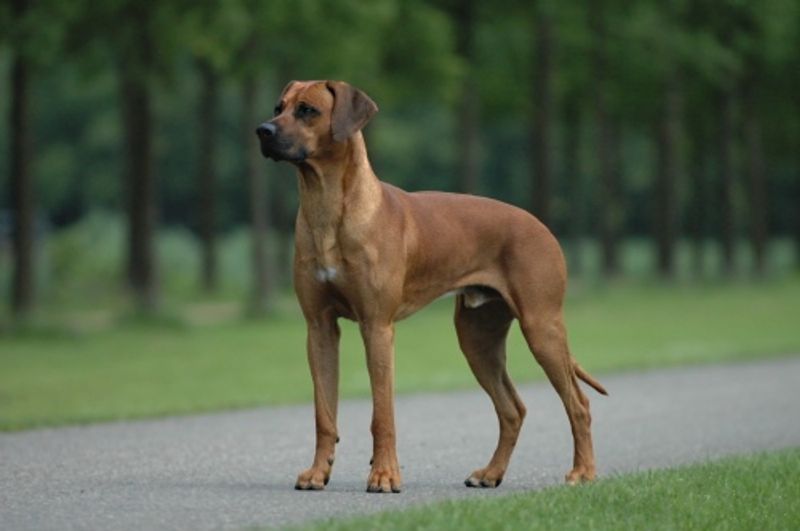
Born to track, the Ridgeback studies wind, ground, and people before deciding. Many owners notice a thoughtful stare at new dogs, like a scout making a plan.
Quick lunges are rare, since they prefer measured movement and space.
Channel focus with long-line walks, recall games, and sniff breaks. Start neutrality training around wildlife and joggers.
Teach a steady wait cue at doors and trails. With clear boundaries and fair exercise, their problem-solving keeps adventures respectful.
Standard Schnauzer
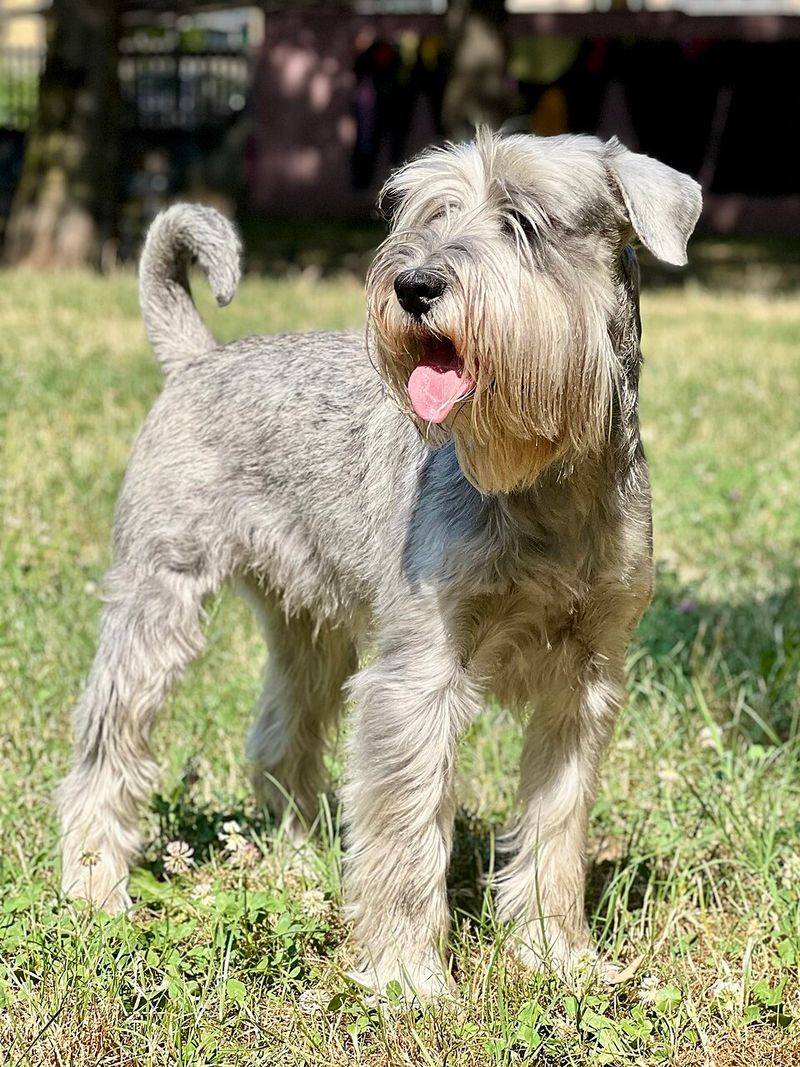
That bristly eyebrow look is not a joke. Standard Schnauzers often study a room like clever detectives, noting patterns and rules.
Rather than bark first, many choose to tilt a head, think it through, and then respond.
Feed their brain with trick training, scent boxes, and problem toys. Rotate routes to keep curiosity satisfied.
Teach a place cue for guests and deliveries. Clear rules and daily challenges turn that sharp mind into a steady partner.
Great Pyrenees
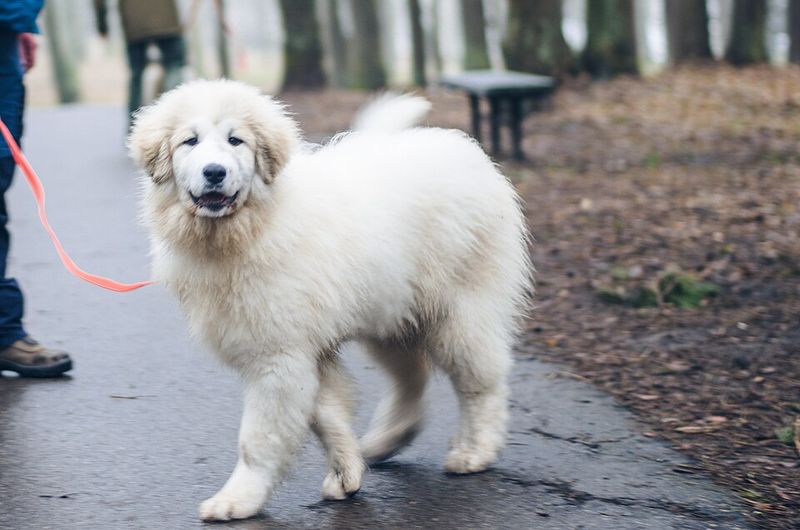
Under moonlight, a Pyrenees might stand still and listen. Livestock guardians were bred to assess before acting, so they often choose silence over rush.
That careful style helps them judge which sounds are normal and which deserve a response.
Provide space to patrol the yard with a sturdy fence. Calmly practice recall at night with high-value treats.
Introduce neighbors and common noises as safe. Consistency, kind leadership, and patient training support their steady, watch-first nature.
Scottish Terrier
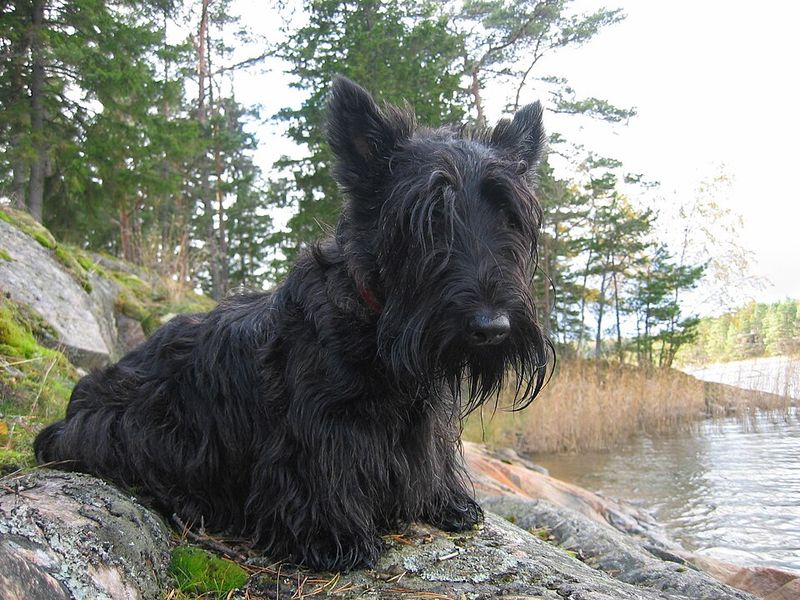
Small body, big thinker. Many Scotties sit and study a doorway like tiny gatekeepers before strutting through.
Their steady stare weighs risk and reward, which makes them slow to react and quick to remember what worked.
Keep walks purposeful with sniff stops and clear boundaries. Teach polite door manners and a sit for impulse control.
Rotate small jobs, like fetching a toy by name. Respect their independent streak, and enjoy a witty, careful teammate.
Shar-Pei
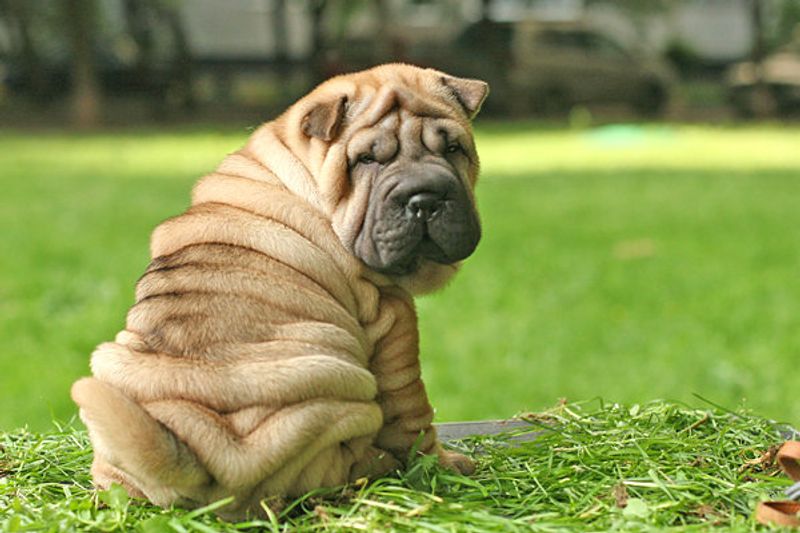
Wrinkles may look cuddly, yet the Shar-Pei carries a calm, watchful core. Many will stand back to evaluate strangers and dogs, then decide if greeting is worth it.
That quiet filter keeps drama low at the park or doorstep.
Socialize early with brief, positive exposures in open space. Teach a check-in cue and pay for eye contact.
Add slow rituals at home, like parallel walking. Balanced exercise and simple routines help them choose thoughtful responses.
Borzoi
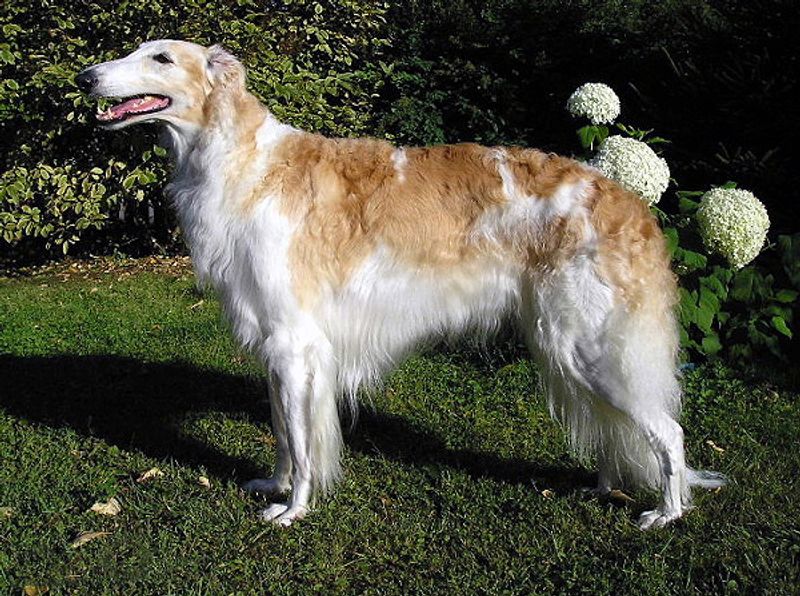
Like a breeze in a hallway, the Borzoi flows rather than jolts. Sighthound instincts tell them to observe motion first, then pick a path.
That elegant pause is not laziness, it is control that prevents pointless chasing indoors.
Lean into calm routines, soft floors, and very quiet cues. Teach a strong leave-it for squirrels.
Lure into a down-stay when guests arrive. Short sprint sessions in safe fields satisfy speed while keeping the thoughtful habit alive.