
Some breeds once filled every neighborhood, yet today you rarely see them at the park. What changed for these classic favorites, and why are families looking elsewhere?
From grooming demands to city living, the reasons are surprisingly practical. Let’s dig into the real tradeoffs so you can choose with clear eyes.
Collie
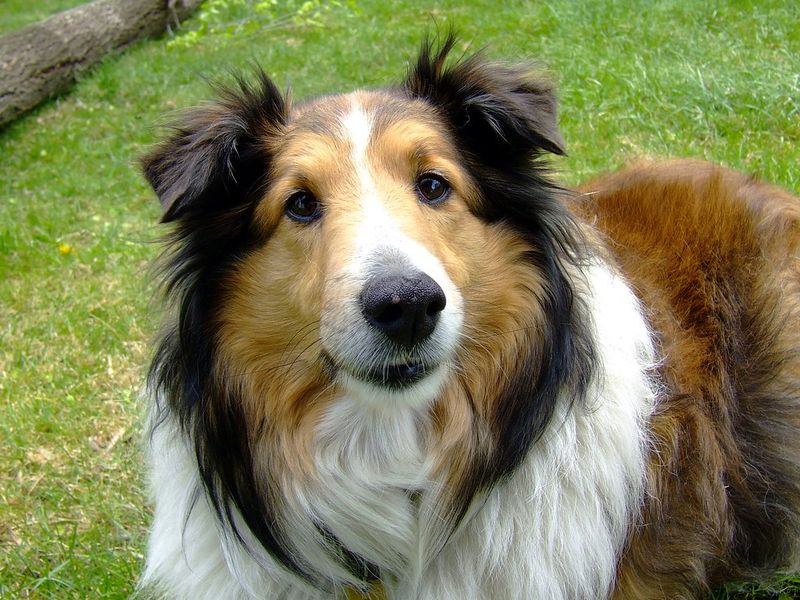
Collies captured hearts with Lassie charm, but modern life is less pasture and more apartment. This breed is intelligent, sensitive, and brimming with energy that needs daily jobs, not just walks.
Without structured training and mental work, behaviors like herding kids or nipping heels can frustrate families.
Add heavy shedding and regular grooming, and costs climb alongside time commitments. Health concerns like eye issues and drug sensitivities mean careful vet partnerships, which can worry first time owners.
If you want an easygoing couch buddy, a Collie may feel like too much dog, even though the loyalty is unforgettable. Urban schedules, noise, and limited yards also dull their working instincts, leaving you with frustration instead of that cinematic hero at home.
Cocker Spaniel

Those soulful eyes sold generations, but beneath the fluff lives a busy sporting dog. Cocker Spaniels thrive on activity and consistent training, and without it they can develop anxiety or nuisance barking.
Many lines also battle ear infections thanks to heavy ears and moisture, which means frequent cleaning and vet bills.
Grooming is serious too, from mat prevention to sanitary trims that take time or money. After pandemic puppy spikes, some inexperienced owners felt overwhelmed and surrendered dogs, souring public perception.
If you want low maintenance companionship in a small apartment, a Cocker might seem risky compared with calmer mixes or hypoallergenic breeds. Show standards also diverge from field needs, confusing expectations when you just want a friendly family dog.
Old English Sheepdog

That shaggy bear look screams nostalgia, but the coat is a full time job. Old English Sheepdogs require hours of brushing or costly grooming to prevent painful mats.
When owners fall behind, skin problems follow, and the dog ends up shaved, which surprises people who loved the fluffy image.
Add boisterous size and herding instincts, and city living can feel cramped or chaotic. The breed also faces hip, eye, and autoimmune issues, pushing expenses upward.
If you dream about a gentle giant for weekend cuddles, you may choose an easier coat and smaller frame instead, keeping life tidy and predictable. Breeders have declined, and fewer public appearances mean fewer chances for you to meet one and fall in love today.
Irish Setter
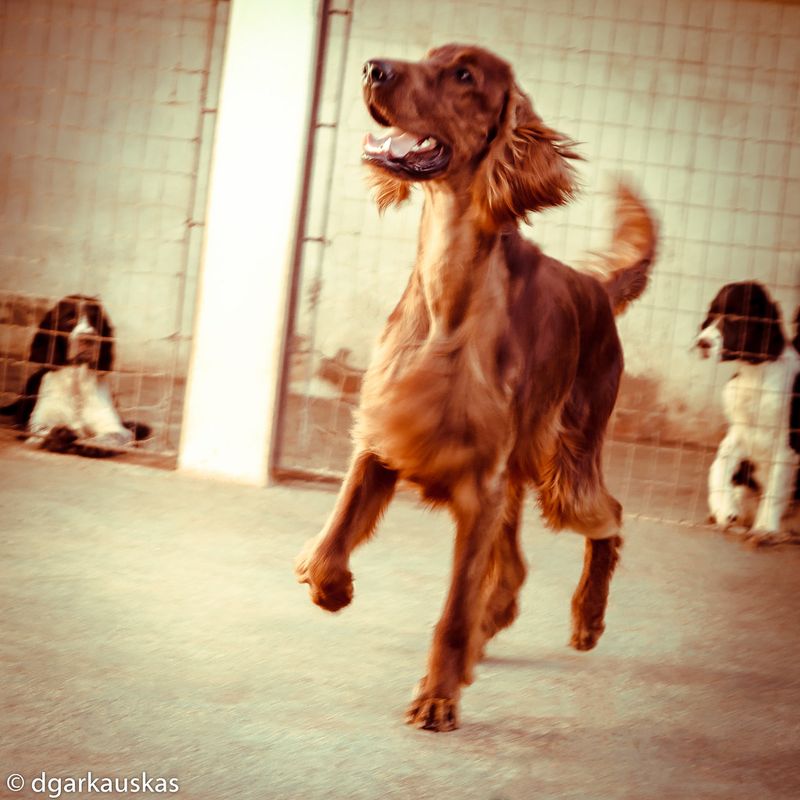
Red coats turn heads, but relentless stamina can overwhelm busy households. Irish Setters were built for fields and miles, not quick potty breaks and a couch.
Without vigorous exercise and firm guidance, they may counter surf, bolt after birds, or invent games that feel like chaos inside apartments.
Grooming and burr removal add time after every adventure, and health screenings matter. The breed carries risk for bloat and epilepsy, which scares some first timers.
If your schedule leans meetings, kids, and short commutes, you might reach for a mellower companion that curls beside you instead of pacing for miles. Trends favored doodles and compact pets, so fewer breeders promote setters, and fewer neighbors model what great training looks like nearby.
English Setter
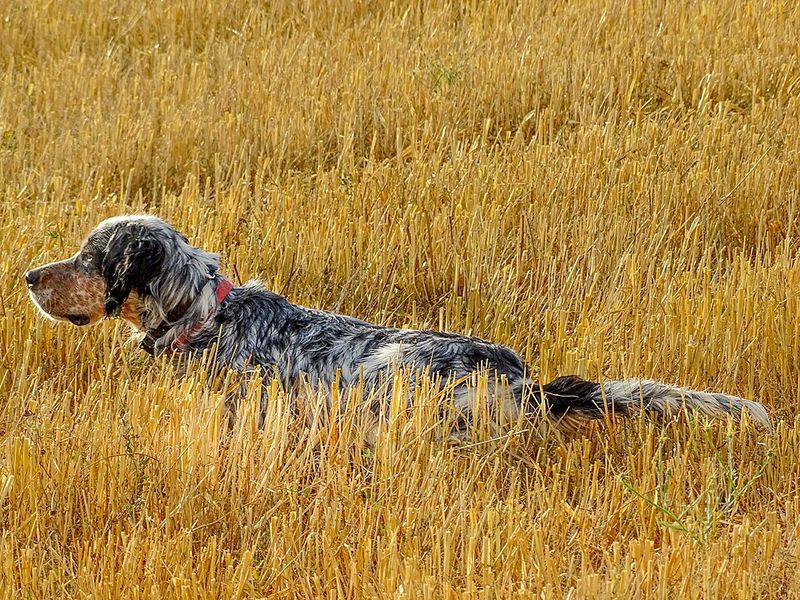
Elegant and sweet, English Setters still demand space and sustained exercise. That bird dog brain needs scent games, recall work, and patience, not quick spins around the block.
Without outlets, digging, whining, and selective hearing creep in, which frustrates families who wanted calm affection after long workdays.
Coats feather beautifully but snarl with stickers, demanding grooming and vacuum time. The breed also faces deafness and hip issues, and paying for testing gets expensive.
When apartments shrink and commutes stretch, many people pick an easier maintenance dog, leaving this gentle athlete overlooked despite that melting expression and steady sweetness. Fewer field clubs nearby reduce mentoring, so you might never see how trainable they are until after choosing something simpler for yourself.
Saint Bernard
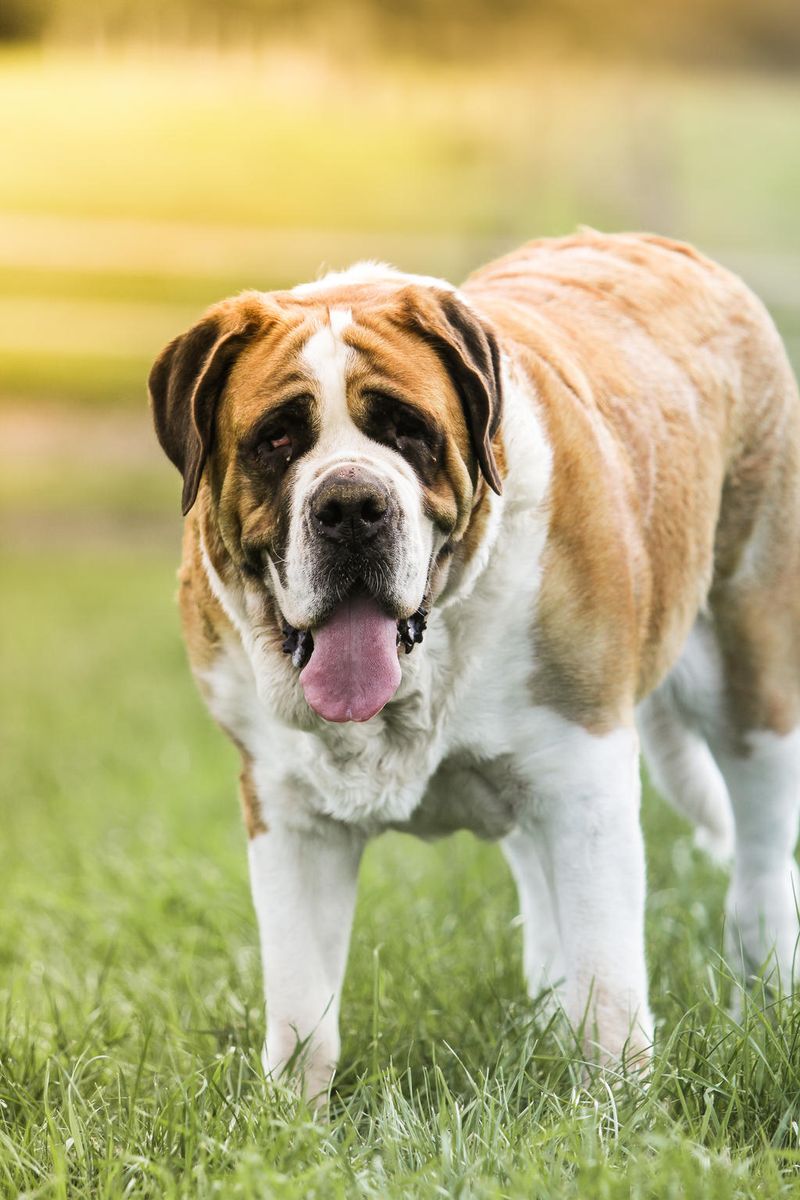
Giant hearts and giant slobber come as a package, and many apartments simply cannot handle the size. Saint Bernards grow quickly, eat plenty, and can knock toddlers accidentally with a happy tail.
Hot climates challenge them, and careful joint management is essential during growth to prevent lifelong problems.
Vet bills, food budgets, and drool tolerant furniture add up fast, especially for first time owners. Short lifespans also make people pause, because goodbyes arrive sooner.
If you want a family friendly cuddle machine without mega maintenance, you might shift to a smaller mountain type breed that handles heat and space better. Media trends highlight compact, low shedding companions, so fewer breeders spotlight Saints, and fewer neighbors model respectful handling and training.
Great Dane
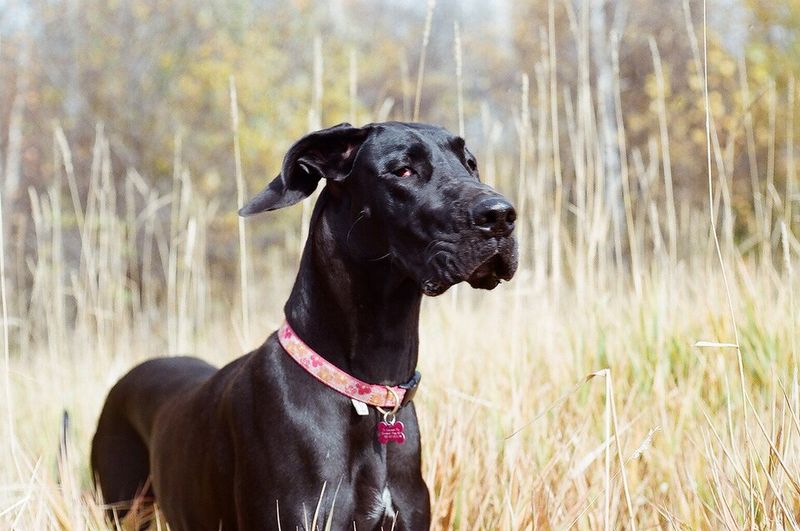
Great Danes look majestic, yet their size brings special housing rules and limited car options. Rapid growth requires careful nutrition and joint protection, and vet bills scale with the body.
Lifespans are heartbreakingly short, and bloat risk means owners learn emergency protocols you might never need with smaller dogs.
They are sweet couch potatoes, but the zoomies can topple lamps in tight spaces. Landlords hesitate, furniture strains, and travel becomes logistics, not spontaneity.
For families craving flexibility and manageable costs, a medium breed often feels wiser, even if nothing replaces that gentle gaze and goofy lean against your legs. Social media also spotlights compact adventurers on planes and trails, nudging choices toward portable companions rather than breathtaking indoor ponies today.
Dalmatian

Spots are irresistible, but the engine underneath is high octane. Dalmatians were bred to run with carriages, and many still crave miles, puzzles, and jobs.
Without structure and exercise, you can see reactivity or destructive boredom, which clashes with busy schedules and close neighbors in modern neighborhoods.
They also carry a unique uric acid metabolism, so diets require attention, and stones can occur. Deafness is a concern, demanding ethical breeding and testing.
If you love the look but want an easygoing park buddy, you might consider a calmer athlete that suits apartments, rides elevators, and learns to settle faster. Trends favor low shedding companions for couches, flights, and coworking spaces, leaving endurance specialists like Dalmatians less visible to everyday families.
Chow Chow
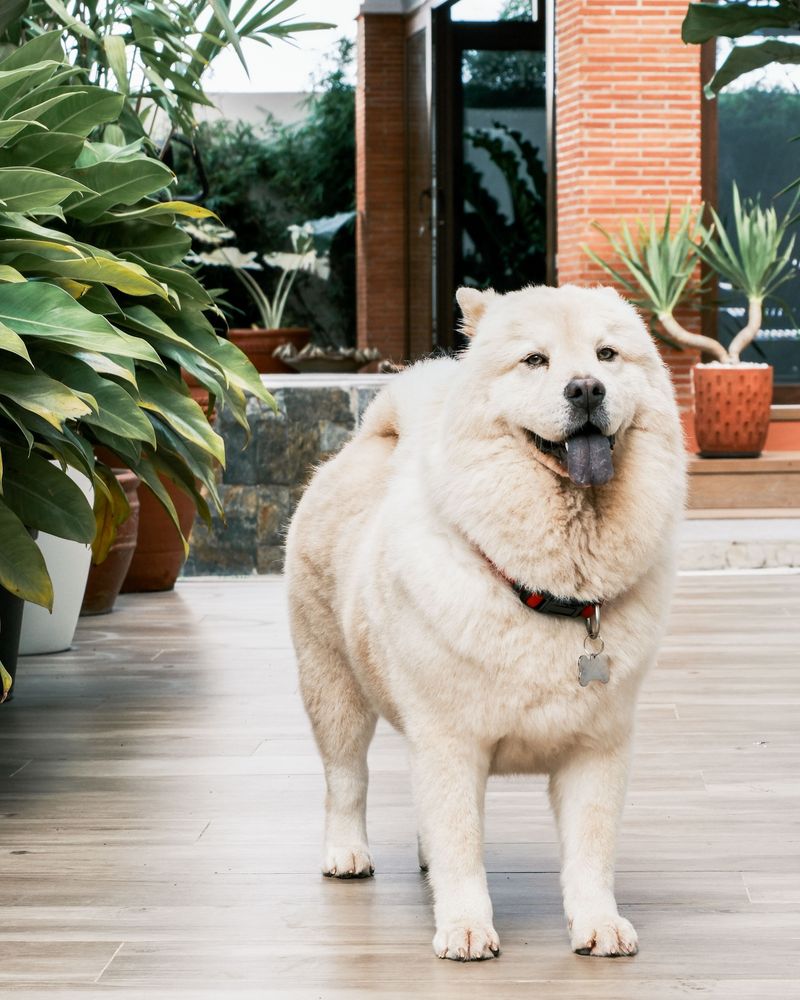
Chows bring lion looks and catlike independence, which can surprise first time owners. Early socialization and thoughtful handling are essential to prevent suspicion toward strangers and pushy dogs.
Their thick coats demand serious grooming and tolerate cold better than heat, so hot cities require vigilant cooling and schedule changes.
Some regions restrict the breed, and insurance hurdles add friction before you even bring a puppy home. They are loyal but not eager to please, so training takes patience and creativity.
With condos getting smaller and summers hotter, many folks choose easier temperaments and lighter shedders, leaving Chows to dedicated enthusiasts. Fewer reputable breeders nearby reduce mentoring, and you rarely meet calm, well trained Chows that could change minds respectfully locally.
Weimaraner

Silver ghosts are stunning, yet their intensity is real. Weimaraners crave long workouts, tracking games, and close companionship, and they can scream with separation stress.
Without structure, they chew, counter surf, and learn door dashing, which makes apartment life noisy and neighbors impatient with your training curve.
Short coats still shed, and energy does not shrink for rainy days or deadlines. The breed also faces bloat and some autoimmune issues, increasing vigilance and cost.
If you want reliable off switch vibes for city living, a calmer sporting mix might fit better while you chase meetings, trips, and sleep. Trendy low shedding doodles dominate parks and feeds, making sleek, driven Weims look extreme unless you already love structured adventures every weekend.
Afghan Hound
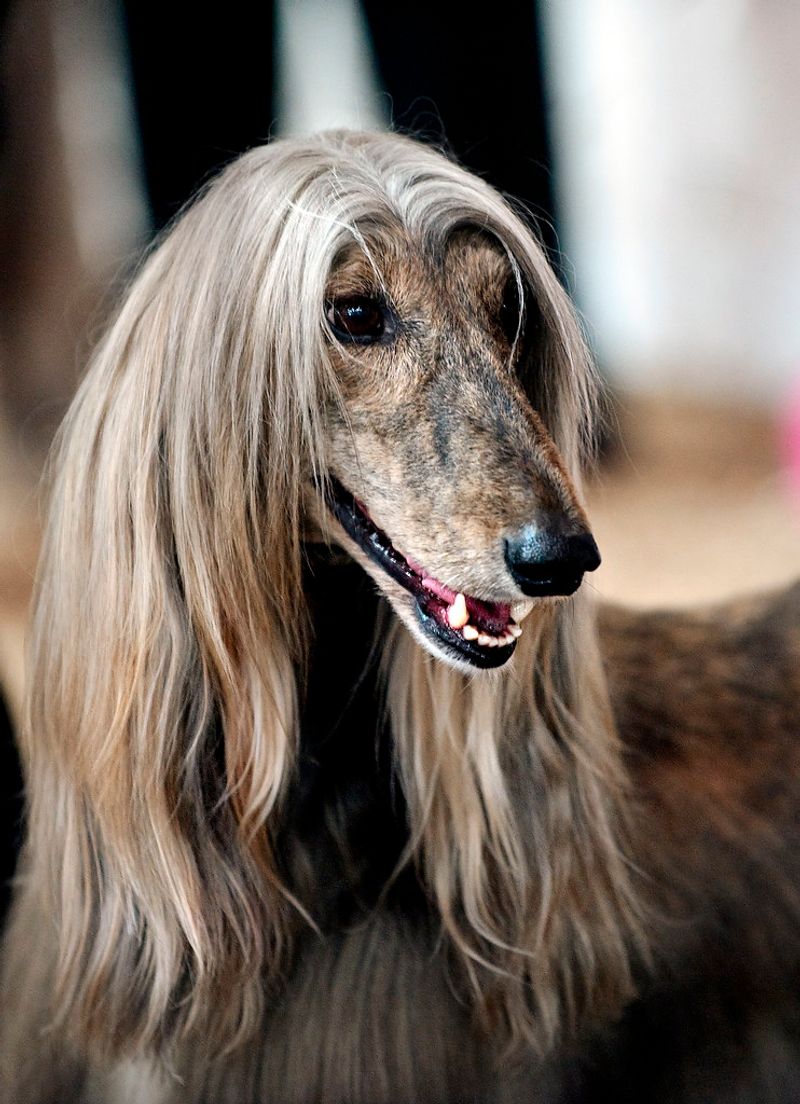
Regal and aloof, Afghans float like runway models, but the coat is a lifestyle. Show length hair demands hours of bathing, drying, and careful brushing, or professional help.
Their independent minds and sighthound prey drive complicate recalls, so safe fenced areas and long lines become mandatory for everyday outings.
They are sweet at home, yet many prefer selective affection over constant cuddling. Transportation, grooming budgets, and climate concerns add hurdles for city life.
If your heart wants elegance without marathon maintenance, you may choose a simpler coated sighthound or mixed breed, keeping the artful vibe with less stress and expense. Plus, you rarely meet a well trained Afghan at local parks, so few people learn how delightful they can be.
Scottish Terrier

Scotties carry fierce dignity in a compact frame, but that independence can challenge beginners. They were bred for vermin, so chasing, digging, and declaring opinions with bark come naturally.
Without outlets and patient training, neighbors complain, and sensitive Scotties may double down rather than soften when pressured.
The wiry coat needs hand stripping for show style, or regular grooming to prevent mats and funk. Some health issues like cancers worry people, and pet insurance is rising.
If you want a social butterfly for crowded dog parks, you might prefer a friendlier breed, then admire Scottie charm from afar. Trends celebrate doodles and easygoing mutts, so sturdy, opinionated terriers quietly fade from feeds unless mentors showcase training with humor and patience.