
Dogs do not all age the same. Big bodies often wear out faster, while small dogs can stay spry for years.
Health risks, genetics, and lifestyle choices also shape how quickly a dog slows down. Learning how different breeds age helps you plan better care, spot problems early, and enjoy more good days together.
Great Dane
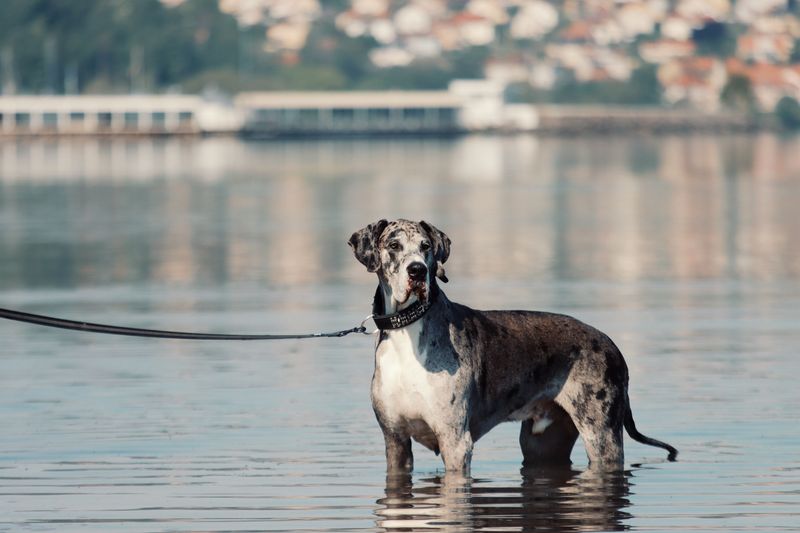
Those skyscraper legs come with a price. Giant breeds often age at warp speed because fast growth strains the heart, joints, and immune system.
Many Danes feel like playful puppies one day, then suddenly seem older a few years later.
To help, keep weight lean, feed large-breed formulas, and schedule heart and joint checkups. Short, frequent walks beat long marathons.
A supportive bed, nail care, and ramps for cars or couches can add comfort and time.
Bernese Mountain Dog
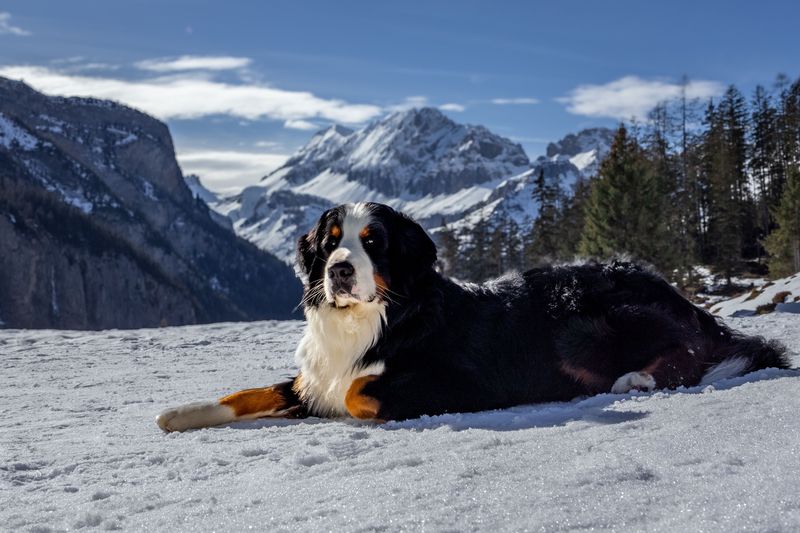
Hearty and gentle, yet many Berners face shorter lives due to high cancer rates. Rapid growth and a heavy frame can also tax joints and the heart.
Families often notice a fast shift from prime years to senior signs.
Regular cancer screenings, clean nutrition, and steady body condition make a difference. Choose low-impact exercise like hiking on soft trails.
Joint supplements and early veterinary partnerships help spot changes quickly, giving you a better chance to act.
Chihuahua
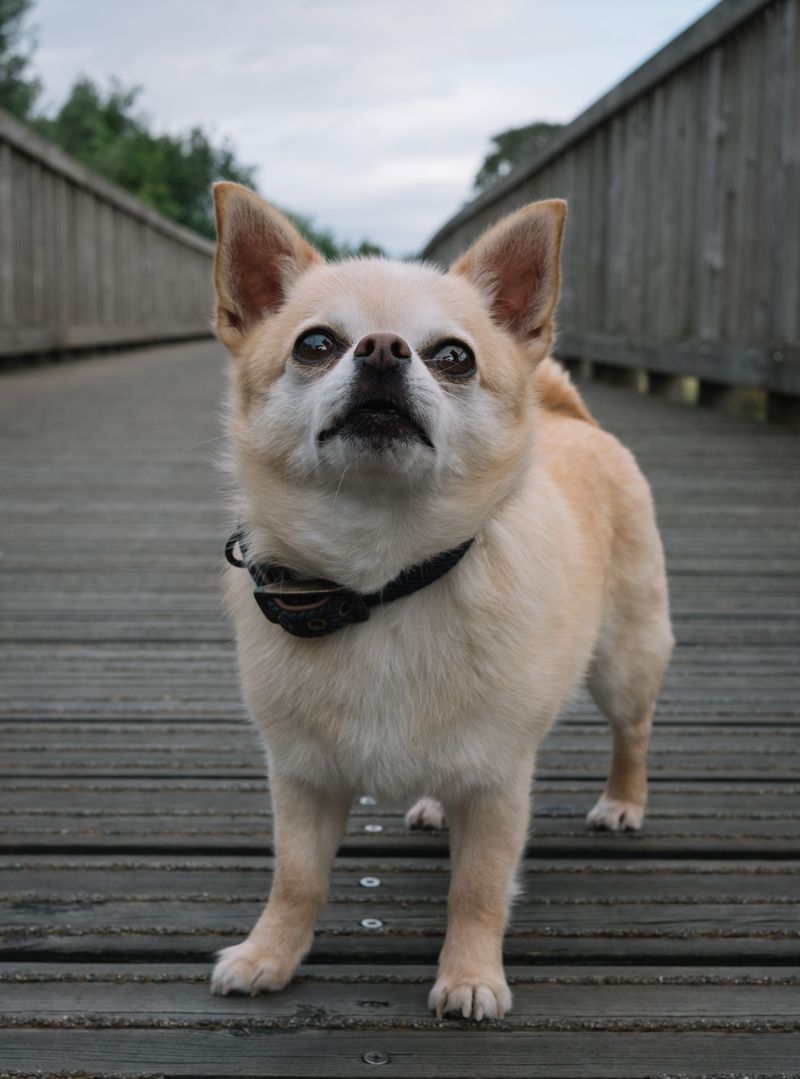
Pint-sized bodies usually age at a slower pace. Many Chihuahuas keep a puppy spark well into their teens.
Their lighter weight puts less pressure on joints and the heart, which helps extend their healthy years.
Dental care is the secret weapon. Brush teeth, plan cleanings, and use crunchy kibble or dental chews.
Keep them warm, prevent jumps from high couches, and watch portion sizes. Small dogs gain weight fast, which can speed aging.
Jack Russell Terrier
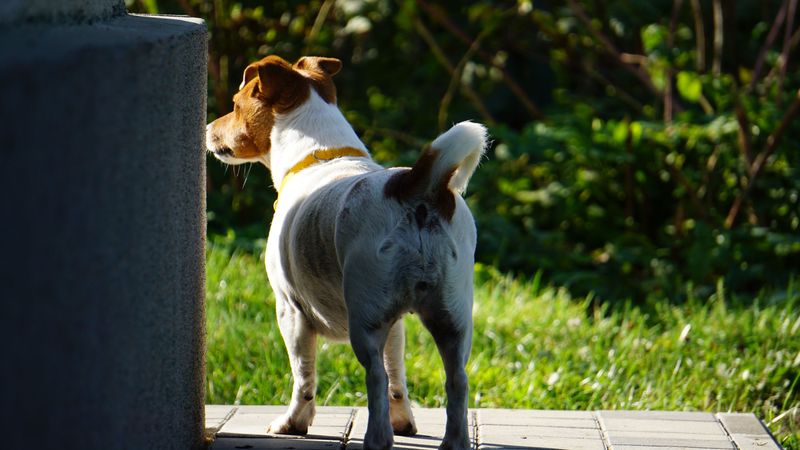
Energy like a wind-up toy, even with a little gray. Many Jack Russells age slowly because they stay fit and active, which keeps muscles and minds strong.
Smaller size also lightens joint wear and tear.
Channel that pep with puzzle toys and short training games. Regular vet checks help catch heart and dental issues early.
Keep nails trimmed for better traction. A balanced diet and steady routines can keep the spring in their step.
Labrador Retriever
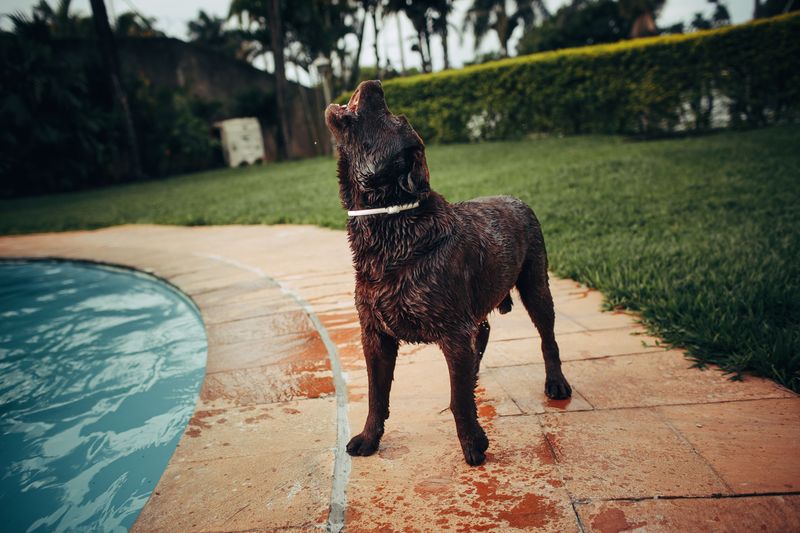
Forever hungry and always up for fetch, Labs can age faster if extra pounds creep on. Obesity strains joints and may worsen arthritis and diabetes risk.
Some lines also face cancer and cruciate ligament tears.
Portion control matters. Use measuring cups and switch to weight-management food if needed.
Swim sessions protect joints while burning energy. Schedule hip and elbow checks, and add enrichment like scent games to keep minds sharp without pounding the pavement.
Boxer
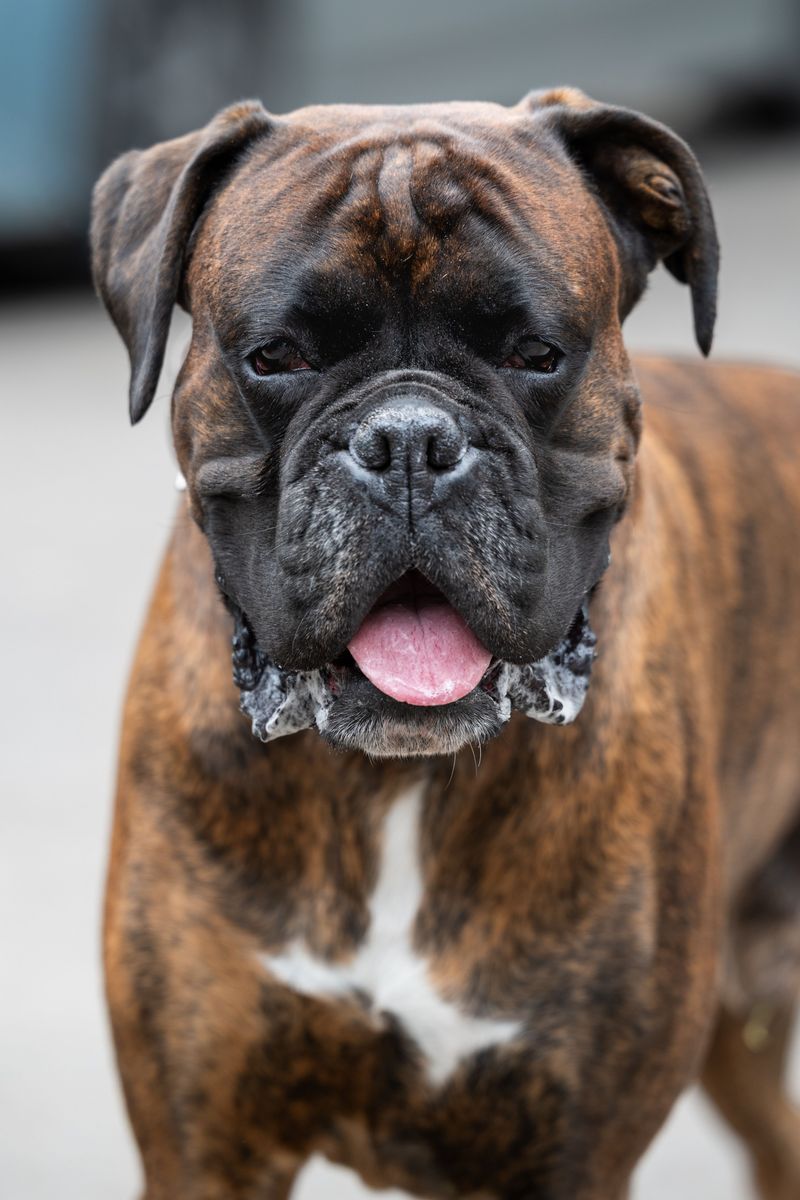
Wiggly and affectionate, yet many Boxers face higher cancer and heart disease risks. That combination can shorten healthy years, making early screening vital.
Their athletic build sometimes hides subtle fatigue until problems grow.
Schedule routine chest checks and discuss cardiac screening with your vet. Keep workouts moderate, like brisk walks and short play bursts.
A lean diet, fish oils, and regular lump checks go a long way. Gentle mental games help lift spirits on slower days.
Pug
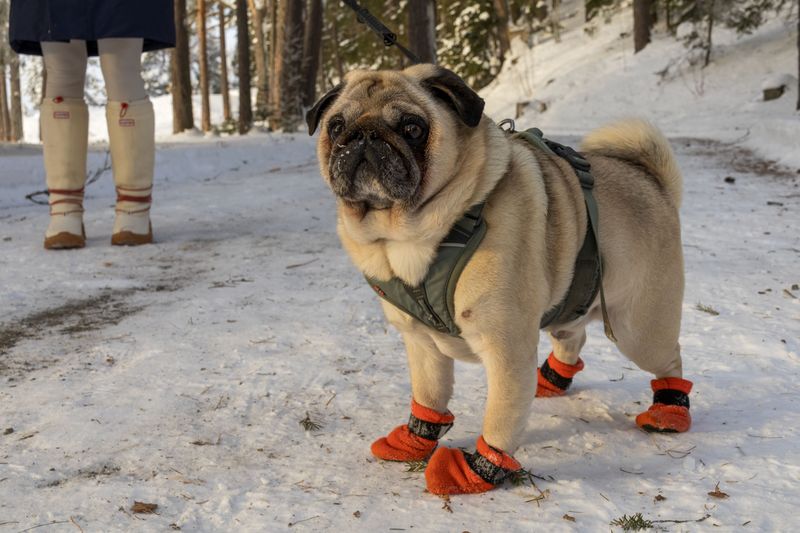
Those charming snorts can signal a challenge. Brachycephalic dogs like Pugs may age quicker due to airway limits and heat sensitivity.
Less oxygen during activity can reduce stamina and stress the body over time.
Keep rooms cool, walks short, and harnesses gentle. Watch weight like a hawk to ease breathing.
Ask your vet about airway evaluations and dental care. Indoor scent games, nose work, and food puzzles bring joy without overheating or overexertion.
Dachshund
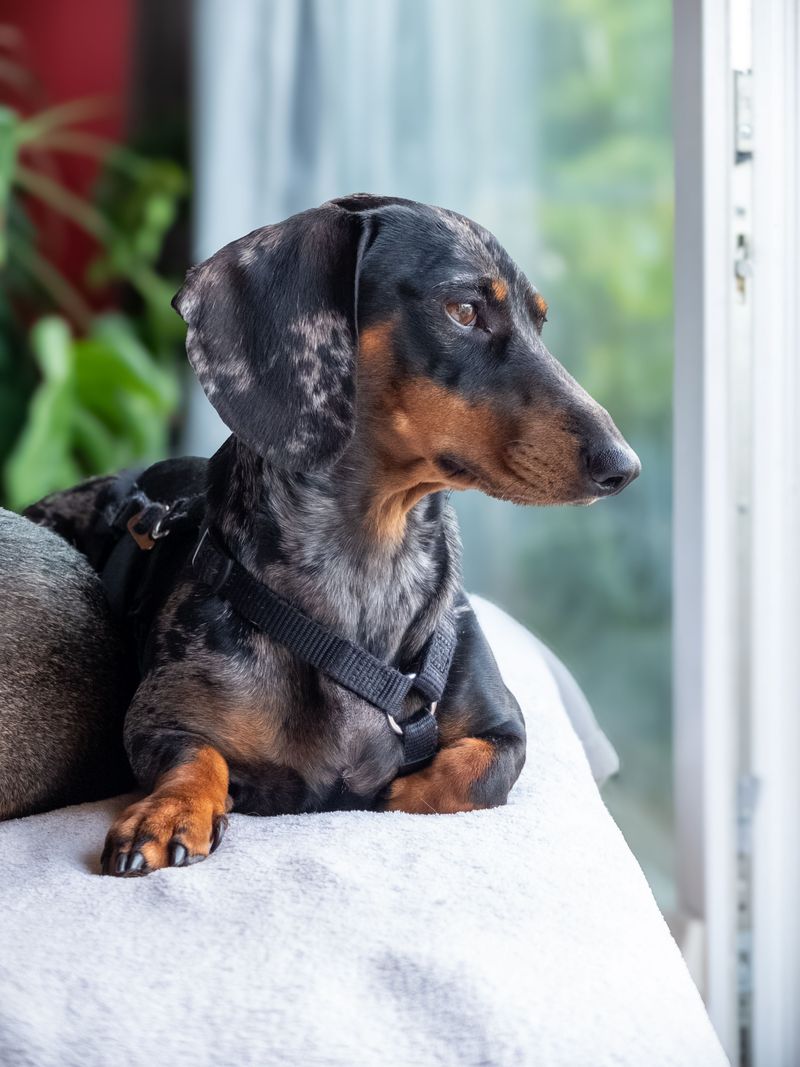
Short legs, long back, big heart. Dachshunds often face spinal stress that can speed apparent aging.
Intervertebral disc disease may reduce mobility, making stairs and jumping risky even in middle age.
Ramps, steps, and weight control are lifesavers. Keep their core strong with gentle walks on flat ground.
Ask your vet about harnesses that support the chest, not the neck. Quick attention to any wobble or pain can protect comfort and independence.
German Shepherd
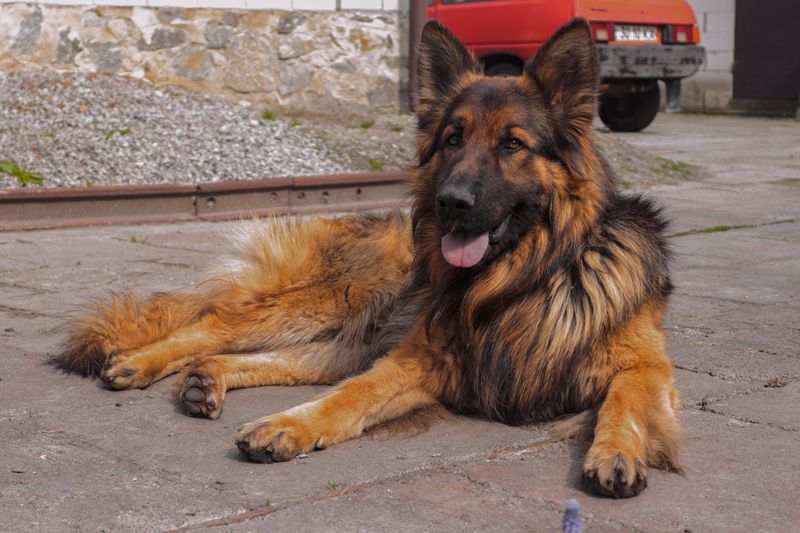
Brains and brawn combine in a loyal worker, yet hips and elbows can cut careers short. Joint pain, spinal issues, and some nerve conditions may make these dogs seem older earlier than expected.
Early screening, controlled growth during puppyhood, and lifelong lean weight are key. Use low-impact exercise like swimming and scent tracking.
Consider joint supplements and strength work on soft surfaces. Mental training keeps confidence high when running becomes less comfortable.
Golden Retriever
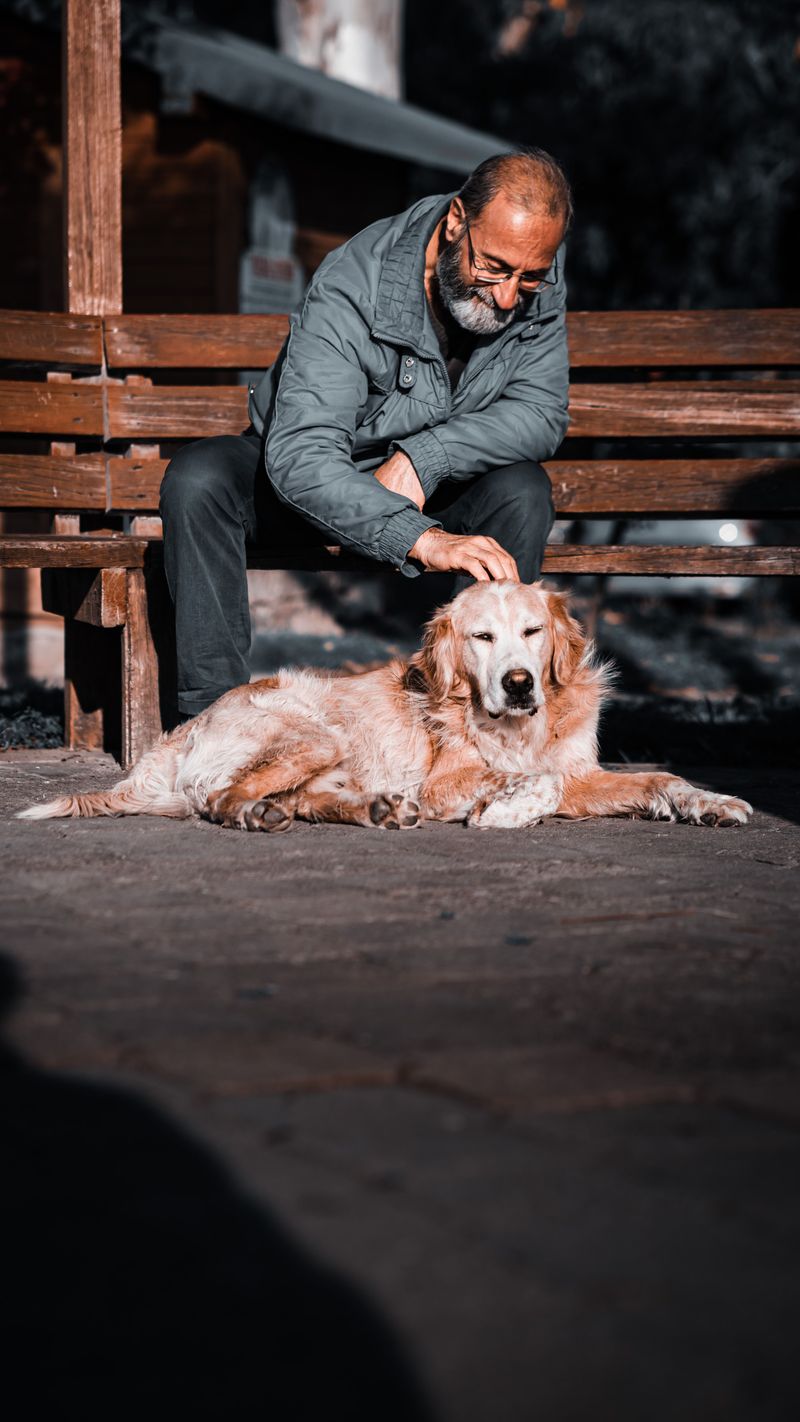
Sunshine in dog form, yet many Goldens face significant cancer risk that affects lifespan. Even with great care, families should watch for subtle lumps, coughs, or tiredness that lingers.
Routine exams and fine-needle checks of new bumps can catch trouble early. Keep activity steady with swimming and controlled fetch.
Feed a balanced diet, monitor weight, and add brain games like hide-and-seek. A calm daily rhythm supports both mood and immune health.
Australian Cattle Dog
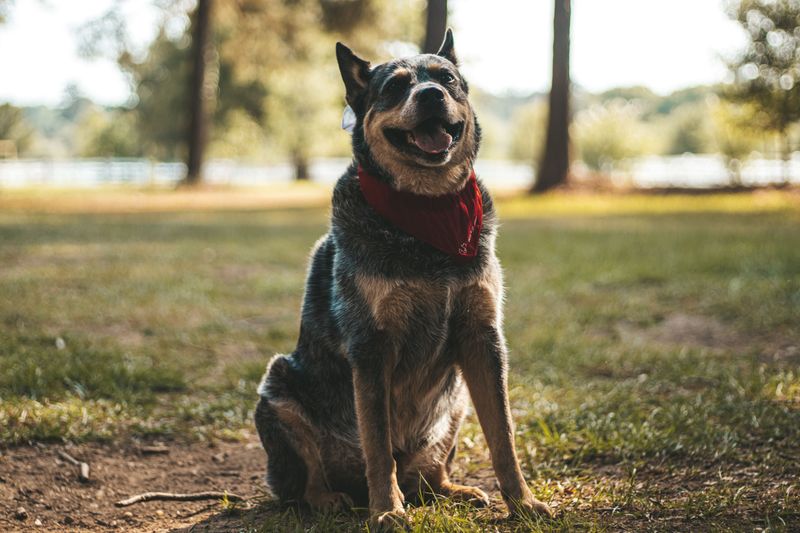
Tough as old boots and often long-lived, these workers age well when minds and bodies stay busy. Moderate size and athletic build can support joint health and heart fitness for years.
Daily jobs keep them young. Try herding games, agility foundations, or urban nose work.
Rotate durable chew toys to relieve stress. Regular dental care, yearly bloodwork, and smart hydration during hot weather help extend that driven spirit into a happy senior season.
Yorkshire Terrier
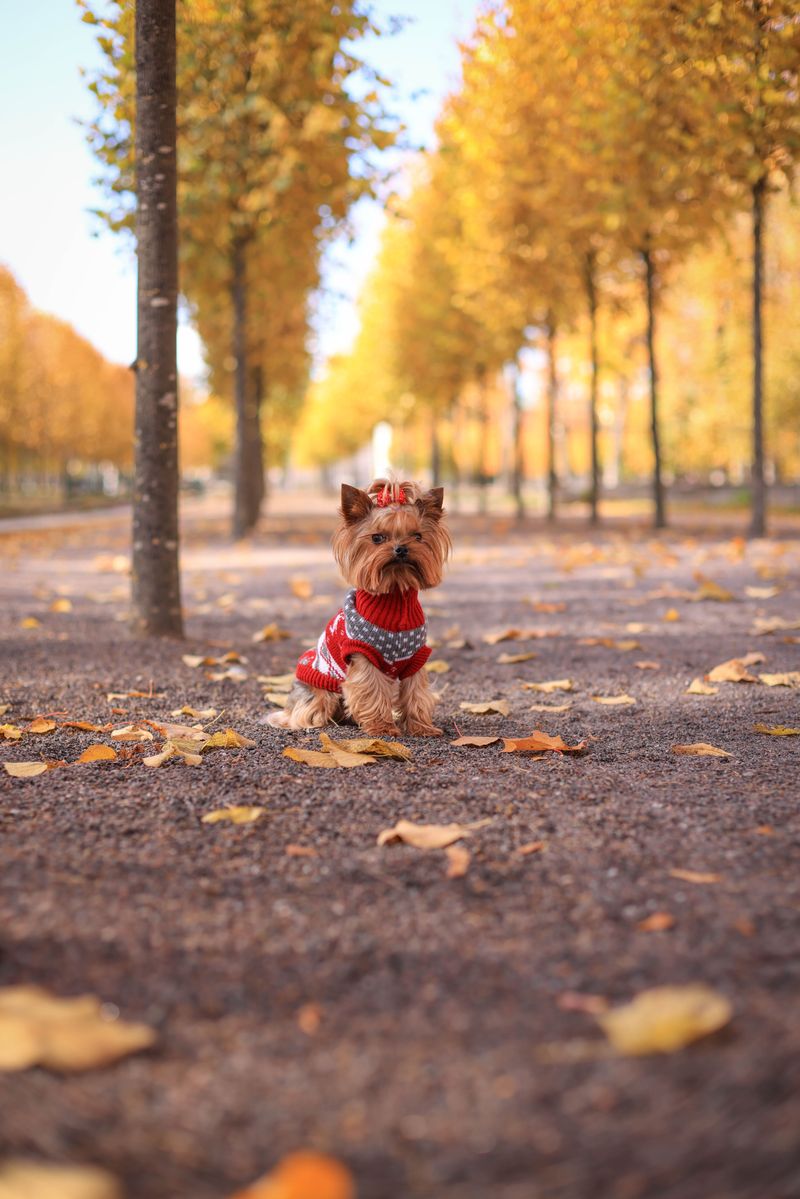
Small frame, big personality, and often a long timeline. Yorkies can age gracefully, but tiny mouths crowd teeth, which can affect the heart and kidneys if ignored.
Brush daily, schedule cleanings, and offer dental chews sized for toy breeds. Keep sweaters handy in winter, since small bodies lose heat fast.
Gentle play on rugs protects joints. Regular eye and knee checks round out a solid plan for many golden years.
French Bulldog
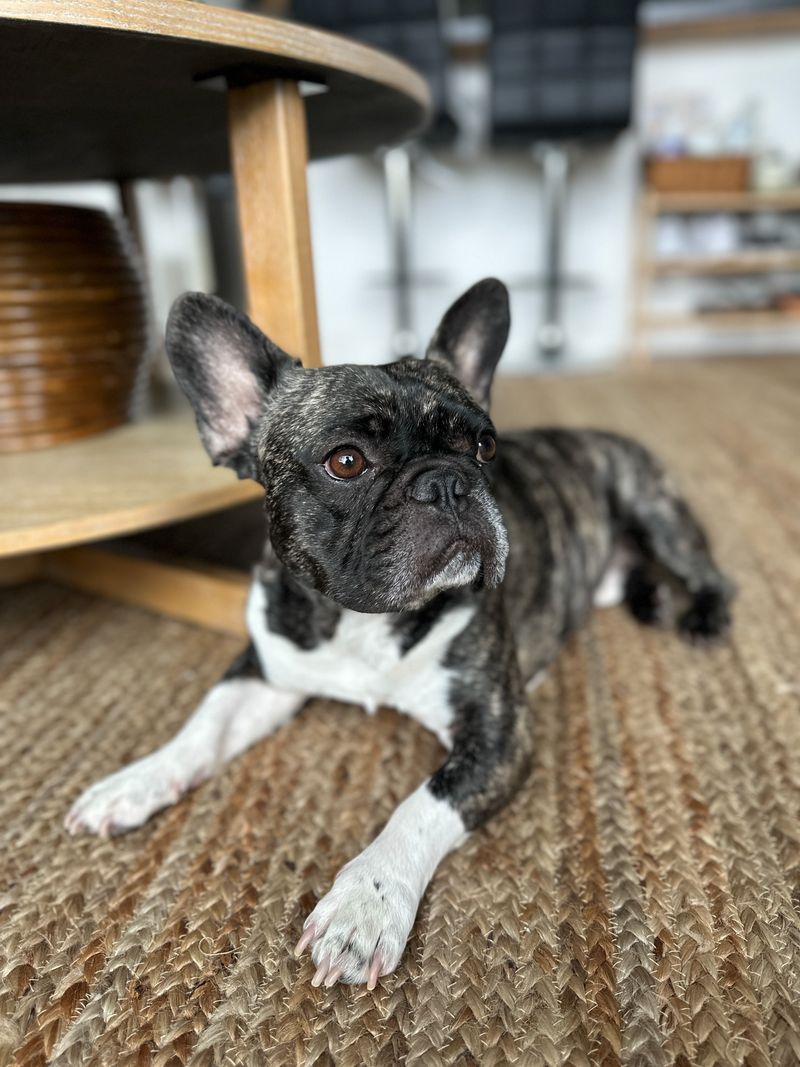
Charming and quirky, yet breathing limits and spine issues can push faster aging. Heat and heavy exertion take a toll, so these pups often need thoughtful routines and close monitoring.
Keep rooms cool, skip steep stairs, and aim for short, happy walks. Maintain a trim waistline to ease breathing.
Consider harnesses, vet-guided airway evaluations, and core-strengthening exercises. Mental enrichment, like sniffy walks and food puzzles, keeps life fun without overwhelming the body.
Border Collie
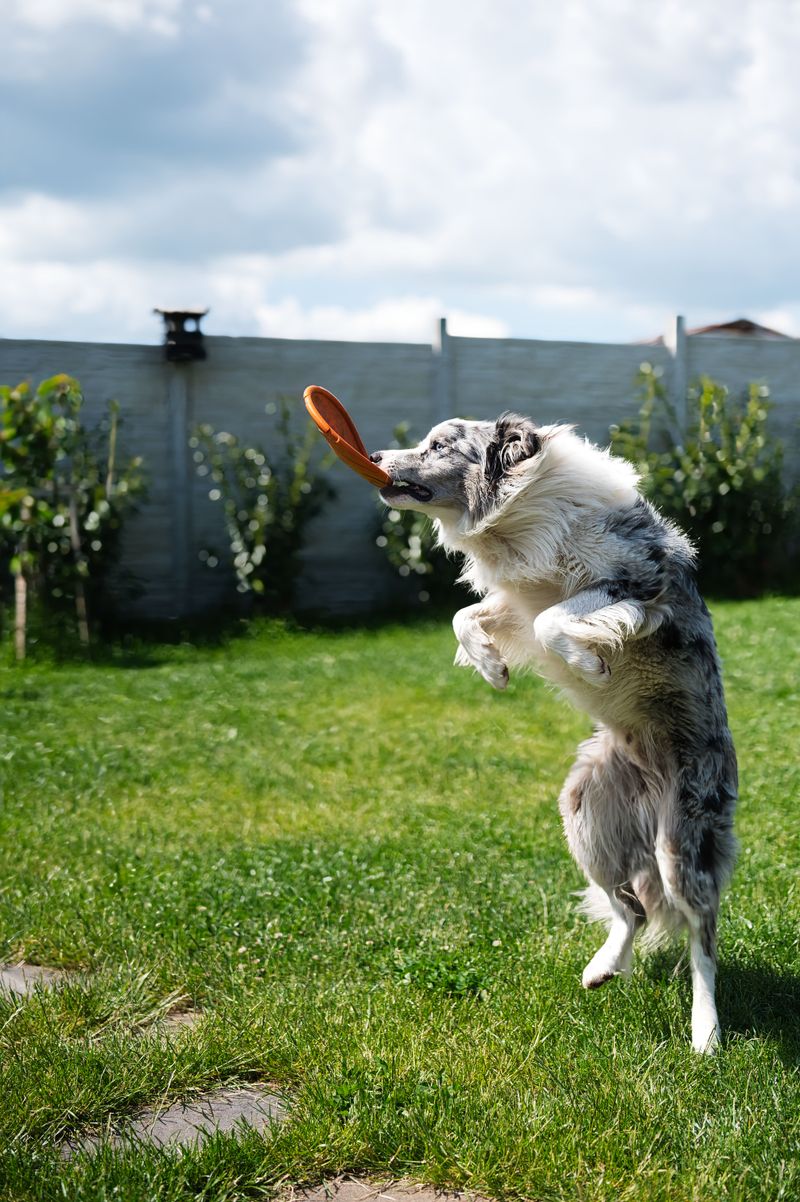
Brains on turbo. Many Border Collies age well because steady training routines keep bodies fit and minds sharp.
Medium size helps reduce joint strain, though overdoing high-impact sports can speed wear.
Mix low-impact cardio with thinking games. Try trick training, scent work, or gentle agility foundations on soft turf.
Prioritize rest days and warmups. Routine orthopedic checks and a lean diet help preserve that famous focus, turning drive into a long, happy working life.