
Lately, every chaotic zoomie gets labeled as dog ADHD online, and it is easy to see why. Some breeds are built like athletes with brains that never clock out, so their energy looks wild on your couch.
The truth is, what feels like too much often means unmatched drive that needs the right outlet. If you have wondered whether your dog is hyper or just under challenged, this list will help you see the difference.
Border Collie
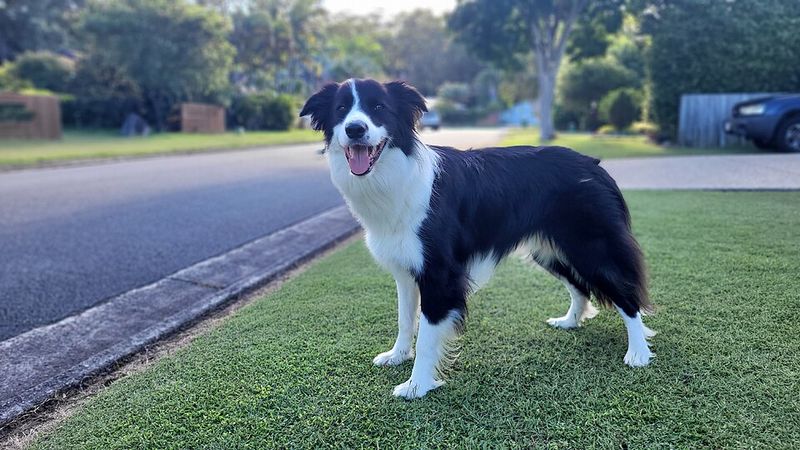
Border Collies are the valedictorians of the dog world, and that brain does not come with an off switch. When you mix intense herding instincts with problem solving, you get a dog inventing jobs on your sofa.
Without real work, they nip heels of kids or alphabetize the toy basket.
Daily mental workouts matter as much as sprints. Think sheepballs, frisbee, agility, and scent games that take calculation.
Train short, fast sessions twice a day, and rotate tasks so novelty stays high.
People call them ADHD because they pace, stare, and explode into motion. Really, they are underemployed.
Give them a mission, and the chaos becomes breathtaking focus, like a laser that finally found its target.
Australian Shepherd
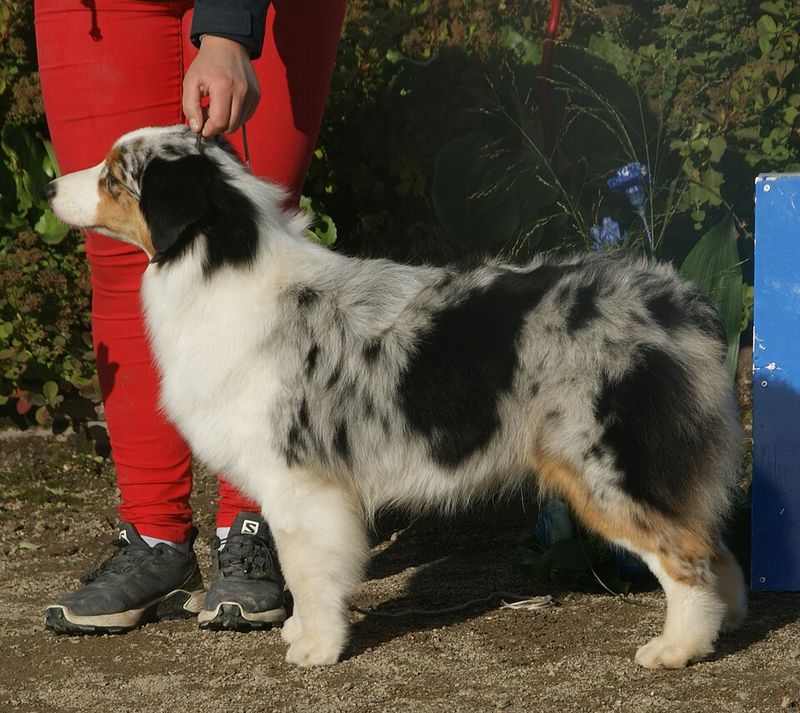
Australian Shepherds look like chill fluff, but they run on ranch-grade batteries. Bred to manage livestock across rough terrain, they scan, anticipate, and move without waiting for commands.
That constant readiness can look like restlessness inside a small apartment.
Channel it with structured work: heelwork, disc, rally, and off switch training between reps. Use place mats and settle cues after high arousal play.
Puzzle meals and directional fetch keep the mind engaged.
When people shout ADHD online, it is often an Aussie lacking clear boundaries and jobs. Give predictable routines and real tasks, and the spiraling spins settle.
They thrive when you are decisive, fair, and consistent every single day.
Australian Cattle Dog
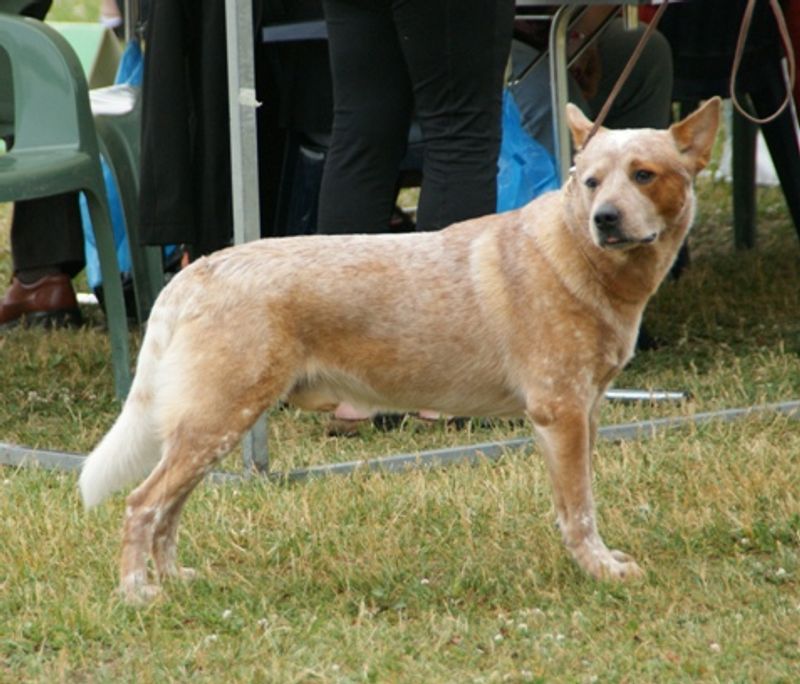
Australian Cattle Dogs were bred to push stubborn cattle, so gentle persistence is not their default. They bite heels, body check, and make quick decisions under pressure.
In a home, that drive becomes furniture parkour and shadow herding unless it is matched with structure.
Short, powerful workouts suit them: spring pole, tug with rules, fetch to heel, and urban herding games. Teach impulse control through start-stop drills.
Reward calm holds as much as explosive releases.
They get labeled ADHD because they cannot idle when the environment feels open ended. Clear frameworks, tough chew outlets, and tiring sniff walks transform them.
Give grit a lane, and the dog becomes a reliable, indefatigable partner who reads you beautifully.
Belgian Malinois
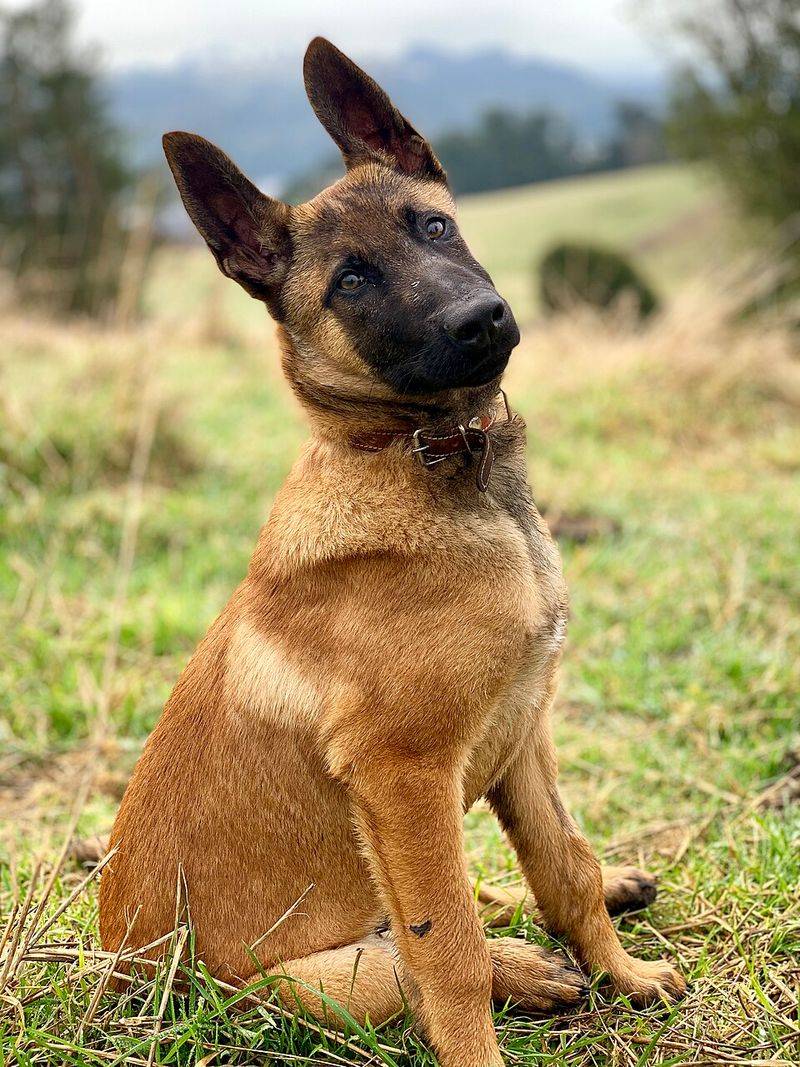
The Belgian Malinois is a working missile with feelings. Designed for security and sport, they scan for threats and crave tasks with high arousal.
In civilian homes, that translates to pacing, countersurfing, and door darting when goals are vague.
Success means layered obedience under distraction, plus outlets like bite sports, tracking, and dynamic tug. Use clear release cues and precise timing.
Rotate work and rest religiously to protect their nervous system.
People cry ADHD because these dogs do not self regulate. They need a pilot, not a roommate.
Provide structure, fair corrections, and purposeful jobs, and the Malinois becomes a breathtaking, controllable athlete instead of a chaos generator.
Dutch Shepherd
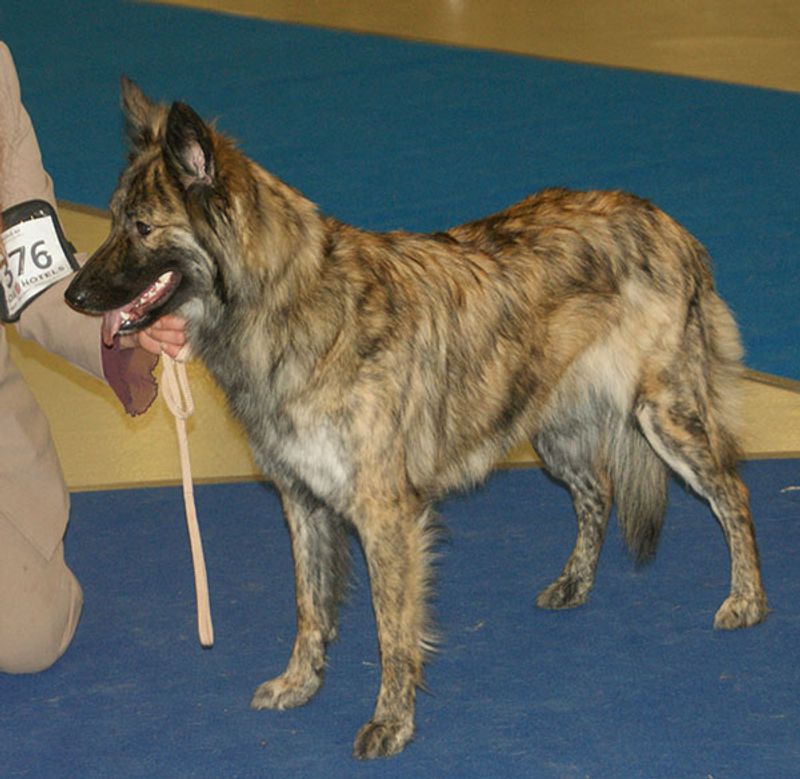
Dutch Shepherds mix brains, grit, and stamina in a brindle package. Historically farm guardians and generalists, they excel when learning complex skills quickly.
Without structure, that curiosity becomes counter raids and yard patrols that never stop.
They shine in tracking, obedience, and protection sports, but also love scentwork and bikejor. Train clarity: start position, criteria, break, and recovery.
Reward neutrality, not just fire, so arousal does not spiral.
ADHD labels appear when their scanning habits confuse new owners. What looks like hyper is a dog collecting data nonstop.
Give rules, enrichment, and scheduled decompression walks, and you get a calm, responsive partner who can pivot instantly.
German Shepherd Dog
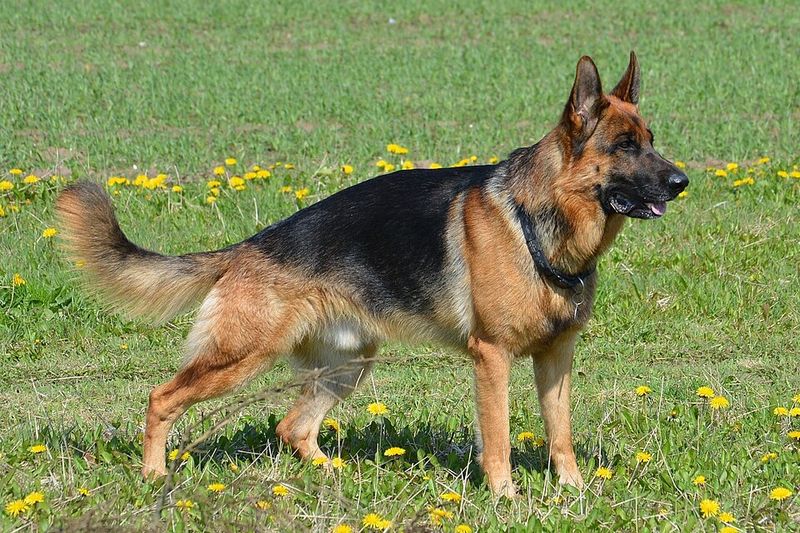
German Shepherd Dogs were built to work all day and then guard at night. Modern lines vary, but the engine remains: strong prey drive, vigilance, and devotion.
Without tasks, they bark, chase reflections, and rearrange the yard like project managers.
Give them tracking, obedience, and purposeful fetch with rules. Teach place, door manners, and calm downs between reps.
Use mental challenges like article searches and hide-and-seek with family members.
People say ADHD when the dog anticipates everything and cannot settle. It is not disorder, it is unused capacity.
When you provide structure, consistent exercise, and predictable expectations, they channel that intensity into reliability and quiet confidence.
Jack Russell Terrier
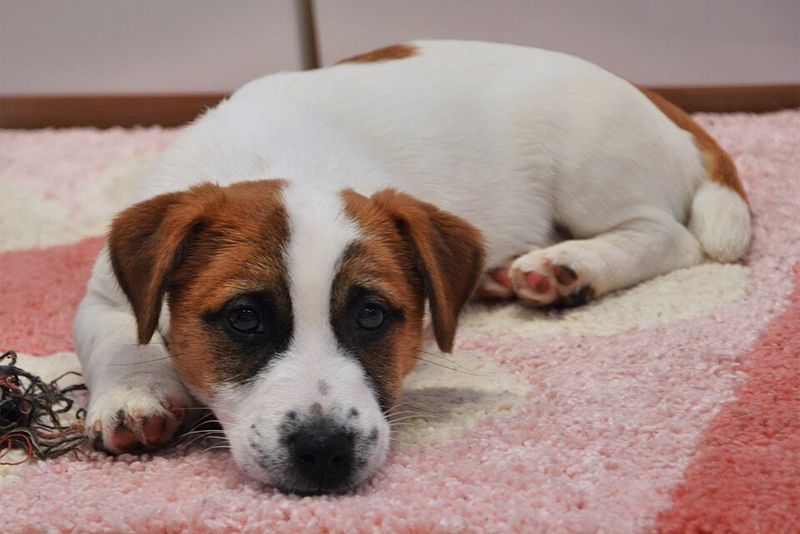
Jack Russell Terriers are tiny demolition experts with PhD curiosity. Bred to flush foxes, they dig, dive, and problem solve in milliseconds.
In apartments, that becomes cabinet raids and relentless toy shredding if you do not plan ahead.
Use flirt poles, fast fetch, trick training, and nosework tunnels. Rotate chew projects and bury treats in dig boxes.
Reward quiet crating after workouts so the engine actually cools.
They get labeled ADHD because they bounce between ideas like squirrels at a buffet. But with clear boundaries and scheduled missions, they are hilarious, brilliant companions.
Give them a job, and your small cyclone becomes a pocket rocket with purpose.
Parson Russell Terrier
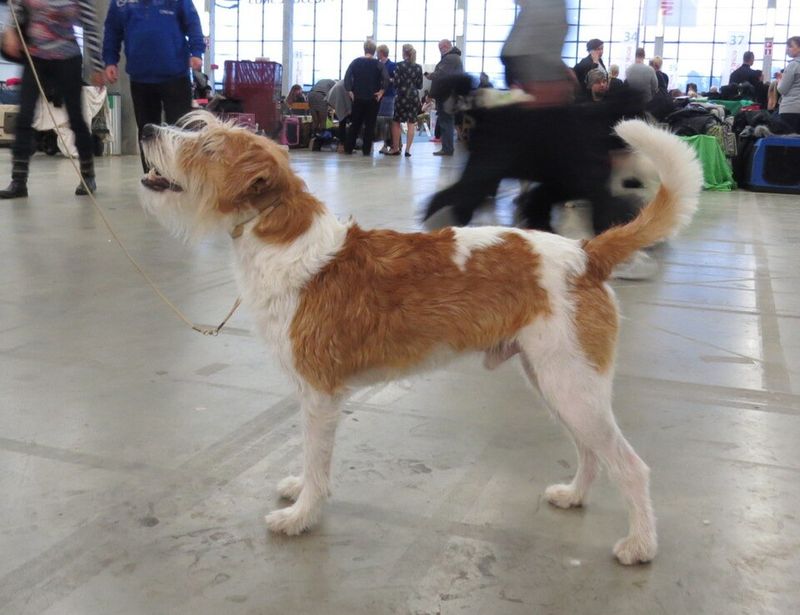
Parson Russell Terriers share the same quarry drive as their shorter cousins but add a touch more leg and stamina. They love vertical spaces and will scale furniture like climbers.
Left idle, they invent excavation projects in your planters.
Design structured hunts: scent puzzles, tunnel recalls, and controlled chase games with perfect stops. Click for stillness after excitement.
Use long lines outdoors to channel that zip safely.
ADHD accusations appear when their curiosity outruns your plan. Really, you are watching a purpose built hunter searching for meaning.
Offer focused outlets and dependable routines, and the Parson settles into a witty, athletic partner who listens hard.
Dalmatian
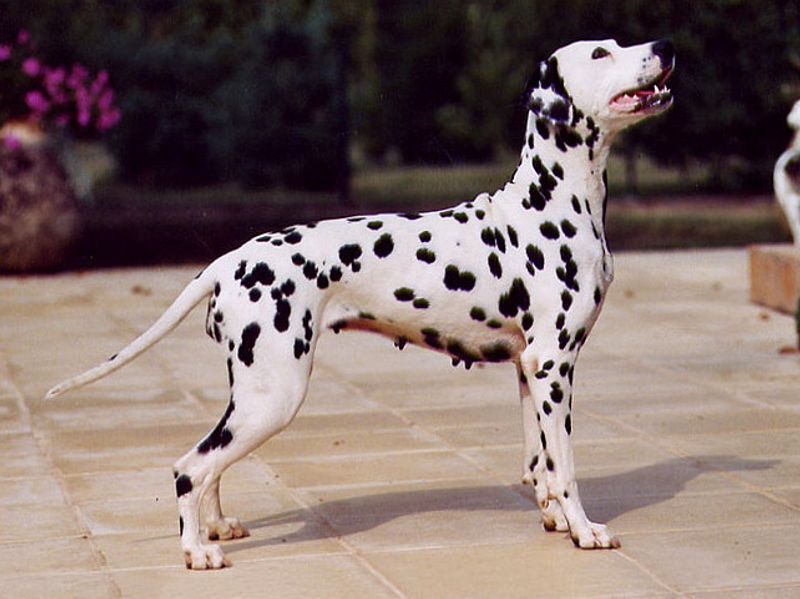
Dalmatians were carriage dogs, literally designed to trot for miles. That history shows up as steady endurance and a brain that likes patterns.
Inactivity turns them into restless pacers who invent noise alerts for every hallway sound.
They thrive with jogging, canicross, and structured roadwork paired with obedience. Add scent games to prevent boredom and consider low purine diets under vet guidance.
Teach calm tether time after exercise to build true off switches.
People cry ADHD when the dog circles and seems unable to relax. Usually, mileage is too low and routines are inconsistent.
Give predictable distance work and quiet recovery spaces, and the Dal will snooze contentedly.
Vizsla
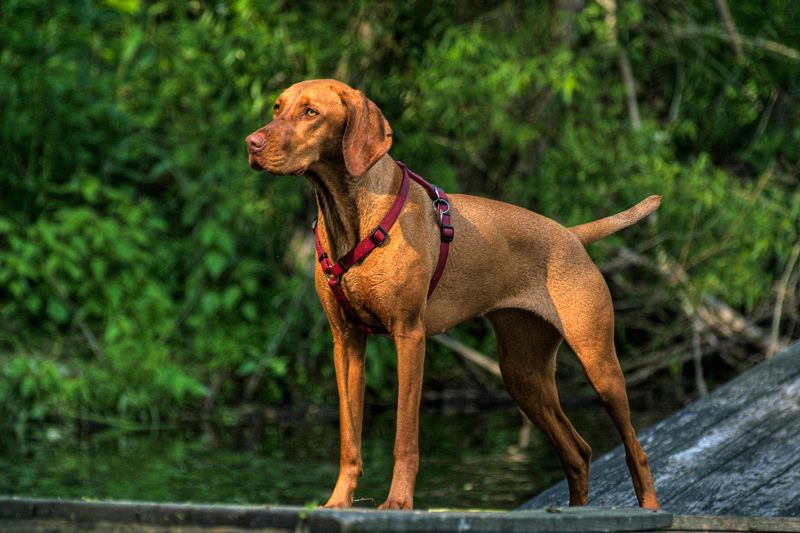
Vizslas are velcro athletes with sensitive hearts. They crave closeness and speed in equal measure.
Without engagement, they mouth, whine, and ricochet between rooms like pinballs.
Hunt tests, field games, and structured fetch satisfy their prey drive. Mix in obedience, place training, and calm cuddles to refill their social tank.
Use food puzzles and light tracking to balance adrenaline with focus.
They get called ADHD because anxiety and energy overlap. When you provide consistent exercise plus connection, the frantic edge softens.
Then you see the affectionate, eager partner who will run trails with you and curl up afterward like a warm blanket.
Weimaraner
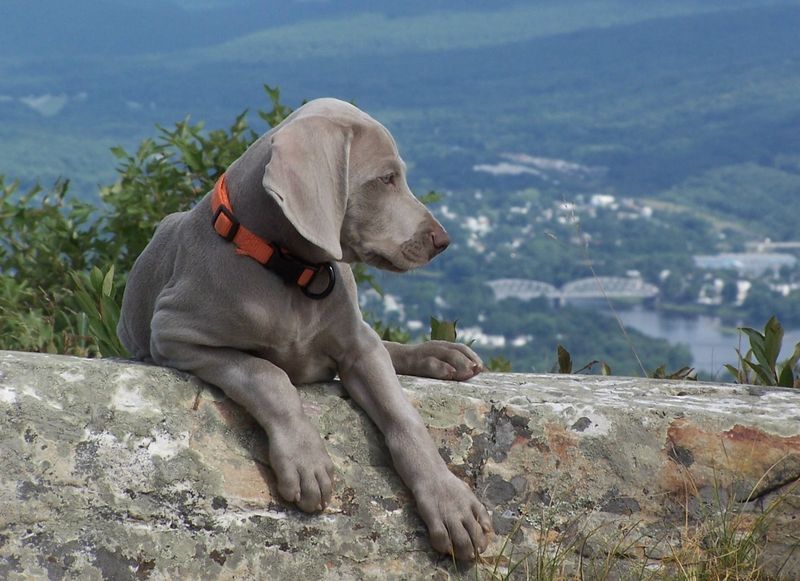
Weimaraners were bred for big game tracking, so their motors idle high and their noses write the agenda. Boredom turns into counter raiding and door dashing.
They bond hard and protest when separated without preparation.
Give them long scent trails, structured retrieves, and obedience with duration holds. Crate train early and pair rest with chews.
Alternate endurance runs with brainy games like article searches and place-to-place send outs.
People say ADHD when the dog seems everywhere at once. Truthfully, their mind is mapping scents and opportunities.
Provide challenges and predictable rest, and the Weim becomes statuesque, steady, and surprisingly gentle in the house.
German Shorthaired Pointer
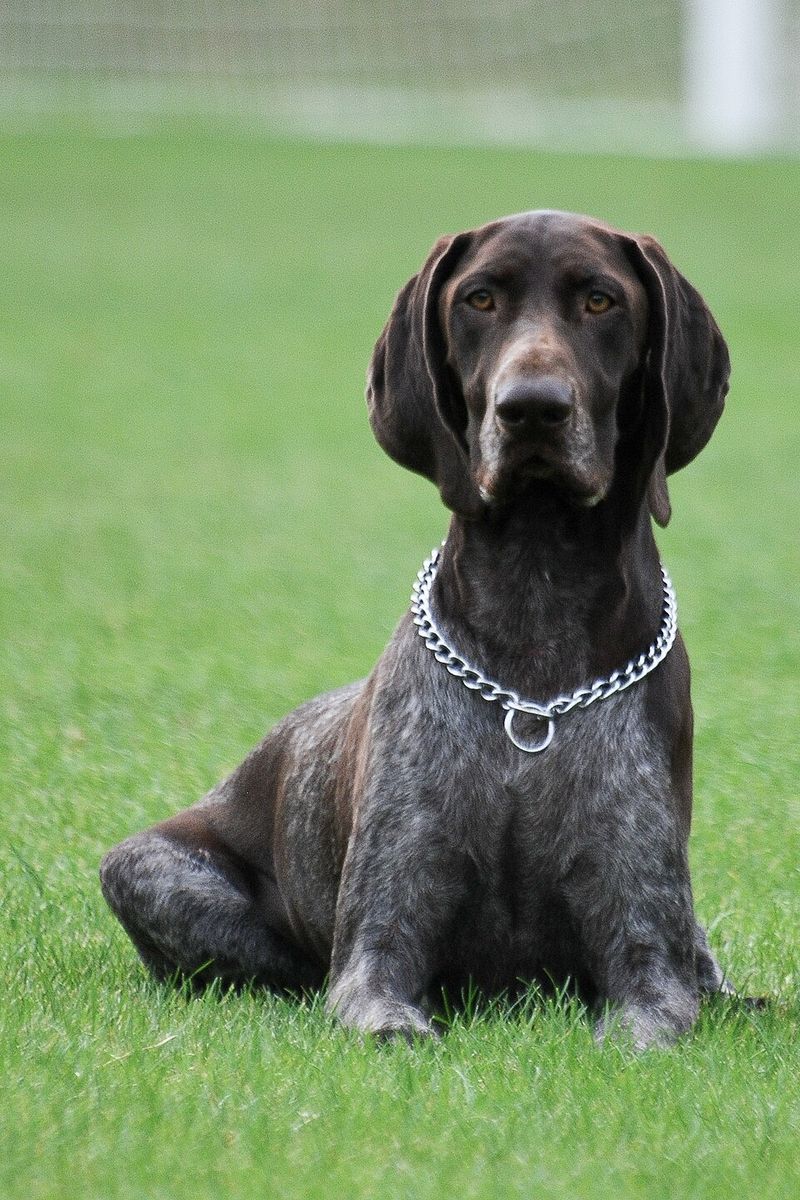
German Shorthaired Pointers come factory equipped with a rocket and a compass. They scan terrain, lock onto scent, and explode forward.
Indoors, that energy ricochets unless you choreograph the day.
Upland field work, structured fetch, and steadiness drills are gold. Teach place after every high arousal session.
When weather is bad, use hallway retrieves and scent boxes to tire the brain.
ADHD claims usually reflect unmet hunting drive. These dogs are happiest with patterns and clear goals.
Give mileage, training challenges, and decompression walks, and the GSP transforms from ping pong ball into elegant, focused athlete.
Brittany
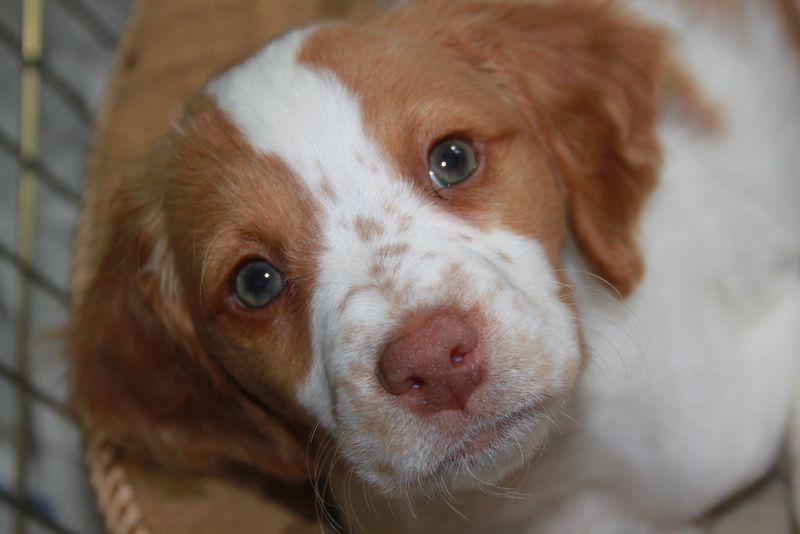
Brittanys are compact field dynamos with cheerful intensity. They quarter land naturally and love to check in, then rocket out again.
Without outlets, they vocalize, pace, and redecorate your shoe rack.
Short, frequent workouts work best: field runs, nose games, and obedience with fun releases. Teach settle on a mat between adventures.
Puzzle feeders plus recall games keep their heads engaged.
People say ADHD when they see constant motion. Really, you are viewing a bird dog tuned for exploration and responsiveness.
Build rituals and provide frequent, purposeful sprints, and the Brittany becomes a bright, cooperative buddy who lives to please.
Boxer
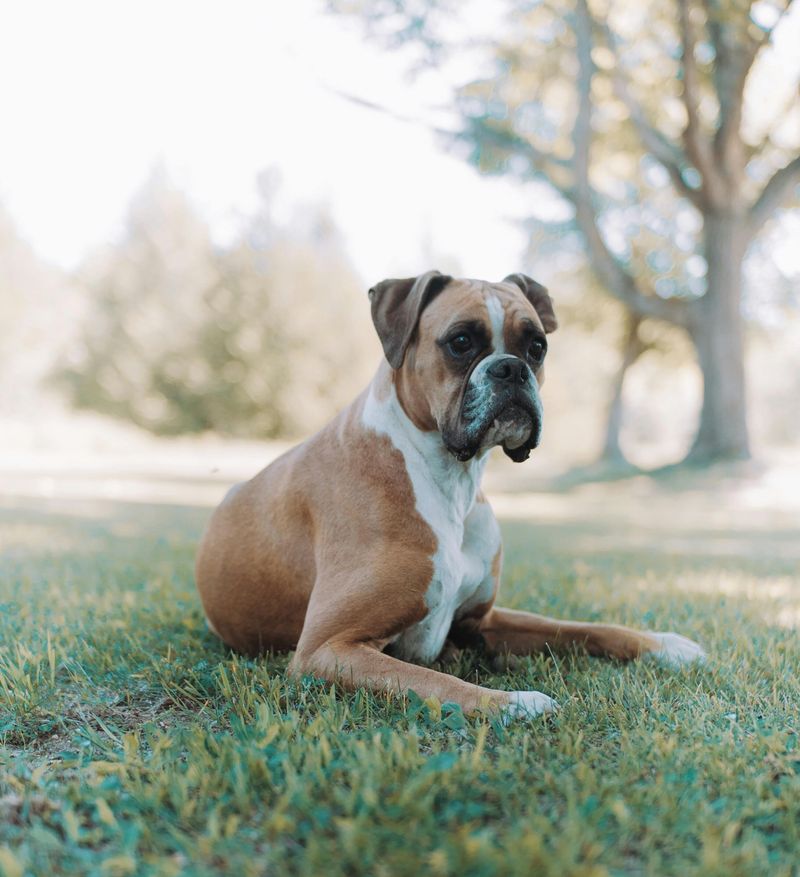
Boxers are goofy athletes with boxer-like punch energy. They bounce, body slam, and turn excitement into comedy.
Left untrained, that enthusiasm bowls over kids and rearranges coffee tables.
Structure their fun with tug rules, flirt pole sessions, and impulse control games. Add obedience and place training between bursts.
Keep workouts short and frequent to suit their play style.
ADHD labels stick because they act like perpetual puppies. But with boundaries and consistent outlets, they channel power into joyful teamwork.
Teach them how to turn off as well as on, and you get a charming clown who listens when it matters.
Standard Poodle
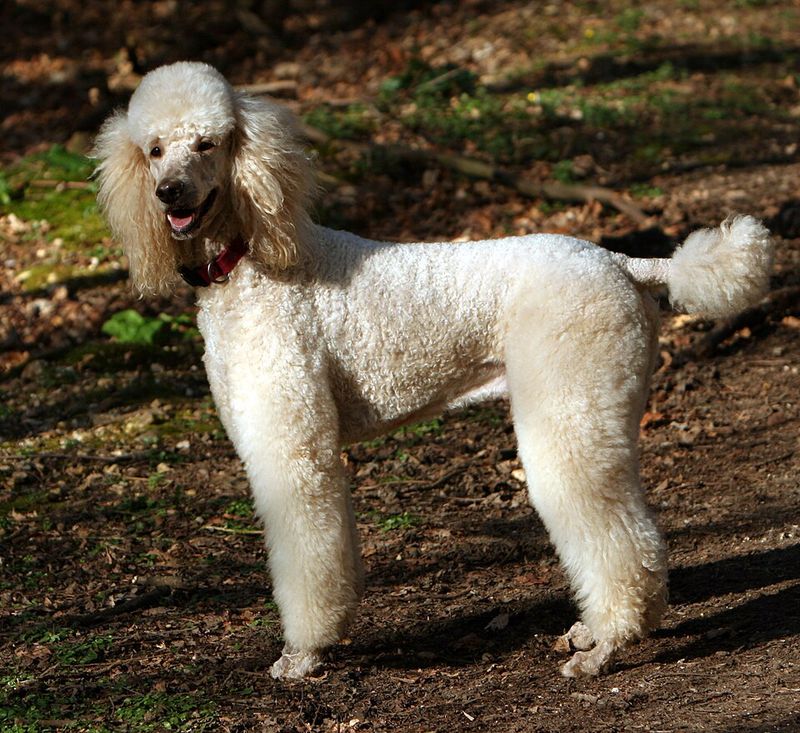
Standard Poodles are thinkers wrapped in curls. Historically hunters, they combine athleticism with sharp problem solving.
Without stimulation, they turn mischievous, opening doors and inventing water sports in your sink.
Give trick training, scentwork, and agility to flex brain and body. Rotate skills weekly to keep novelty high.
Balance hype with duration place and grooming table zen sessions.
People call them ADHD because they flip between brilliance and silliness quickly. That is simply bandwidth.
Provide clear goals and bite sized challenges, and the Poodle channels wit into precision and grace at home and on the field.