
You have probably heard the line, he will grow out of it, after your dog zooms through the house again. Some breeds simply do not self-regulate, and waiting it out only builds bigger habits.
The good news is you can channel that fire into focus with smart routines and training. Let’s break down the breeds most likely to keep pushing the throttle unless you guide them daily.
Belgian Malinois
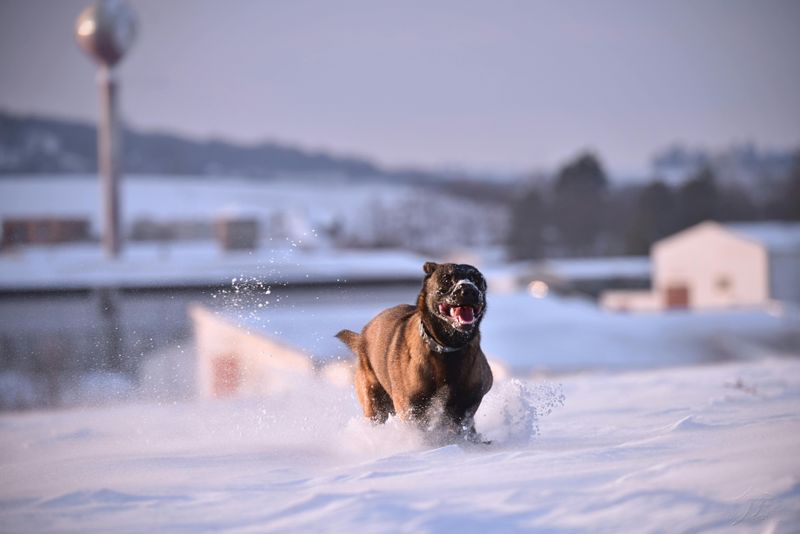
With a Belgian Malinois, there is no slow season. This breed runs hot, thinks fast, and wakes ready to work before your alarm goes off.
If you wait for maturity to calm things down, you will only build endurance for the wrong habits.
They thrive on structured outlets like bite sports, tracking, and fast obedience. Daily engagement is not optional, and mental drills matter as much as sprints.
Teach off switches with mat training, impulse control around doors, and clear start-stop cues.
Rotate jobs to prevent overarousal: tug, scent puzzles, place work, then decompression walks. Reinforce calm frequently.
A managed routine turns their relentless drive into breathtaking teamwork you can enjoy.
Border Collie
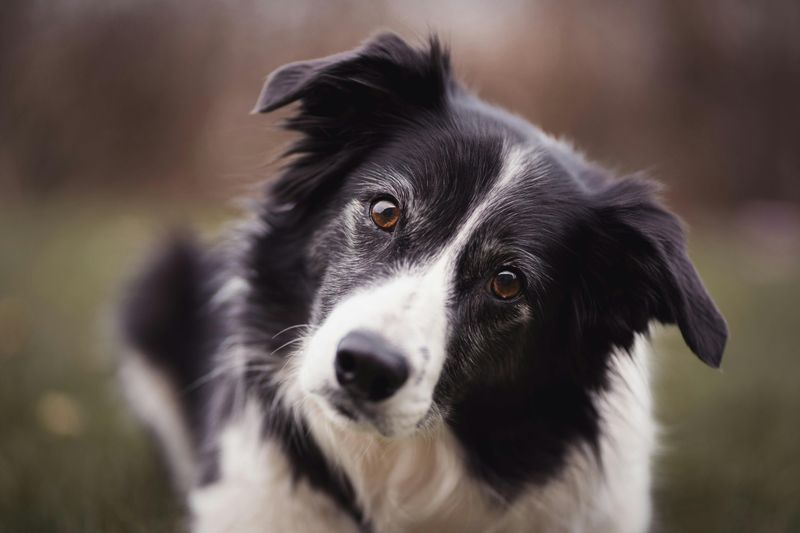
Border Collies are masters of motion, and they will invent jobs if you do not provide them. Waiting for them to outgrow fixation usually creates compulsive behaviors like shadow chasing or obsessive herding of kids.
The fix is giving brainy work daily.
Short technical sessions beat endless fetch. Teach precision heeling, target work, and trick chaining to drain mental energy.
Timed settle periods on a mat help install a real off switch when excitement surges.
Use natural herding instincts constructively with nosework and directional cues on walks. Vary tasks to prevent pattern addiction.
When you consistently lead with structure and thoughtful challenges, the Border Collie’s intensity becomes incredible, cooperative focus.
Australian Shepherd
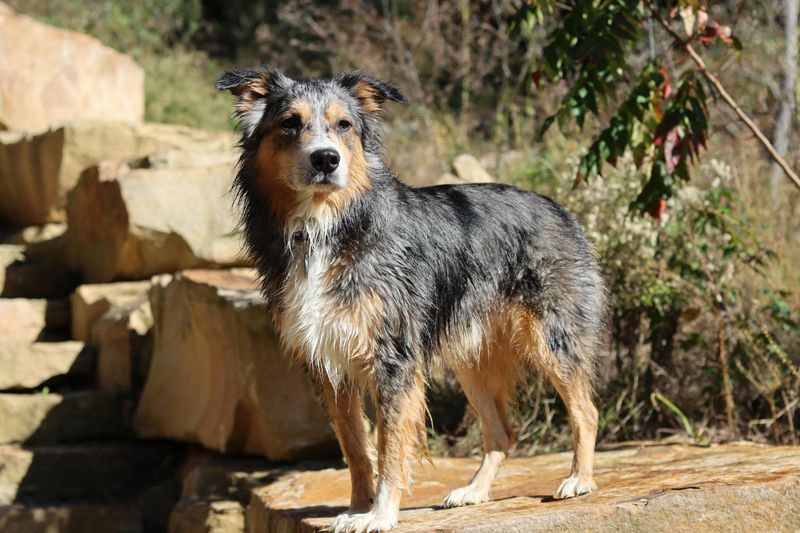
Australian Shepherds are charismatic workers with a mischievous streak. Without structure, they will keep upping the energy until your house feels like a rodeo.
Banking on maturity to settle them often magnifies reactivity and nuisance herding.
Channel their drive with rally, agility foundations, and smart retrieving games. Include start line stays, impulse control around livestock or bikes, and a rock solid place command.
Use varied reinforcers to hold attention when the world gets loud.
Balance high arousal sessions with decompression hikes and scatter feeding. Teach them how to turn off by rewarding calm, not just effort.
With consistent jobs and boundaries, Aussies become dependable partners instead of buzzing project managers.
German Shepherd Dog
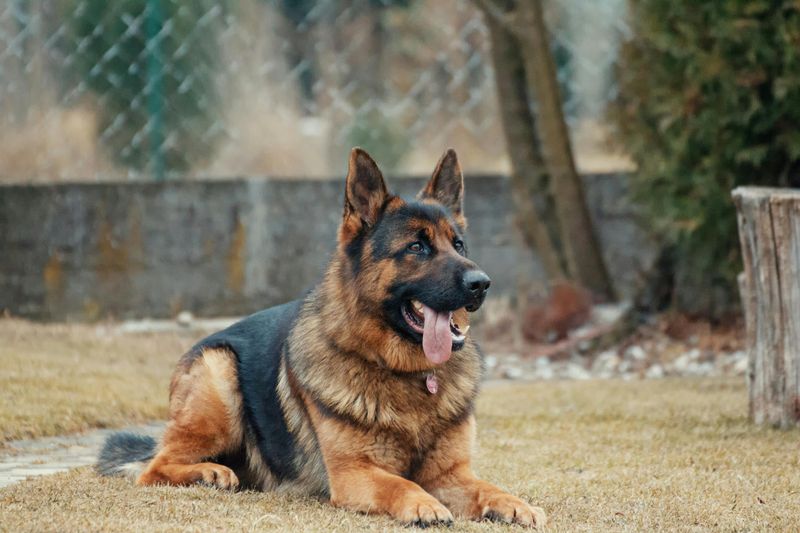
German Shepherd Dogs often look mature early, which tricks people into assuming self-regulation. Under the surface, arousal and suspicion can simmer without informed training.
Hoping they outgrow it risks rehearsed lunges, fence running, and guarding.
Choose clarity over constant activity. Teach calm heel, neutral exposure to triggers, and rock solid recall with variable reinforcement.
Marker training and pattern games help them predict what earns relief or reward.
Build confident off switches with stationing, scent puzzles, and slow, purposeful walks. Limit chaotic dog parks.
When you lead with structure, predictable rules, and fair outlets, the GSD’s intensity channels into steadiness you can trust everywhere.
Doberman Pinscher
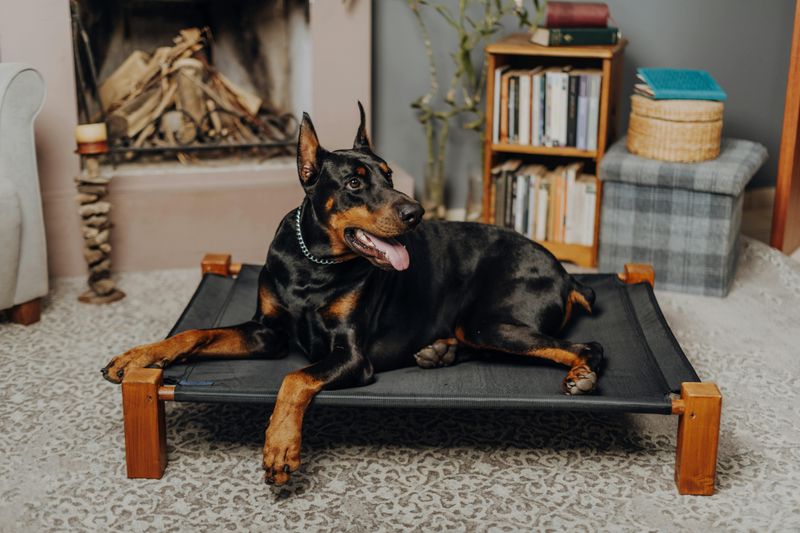
Dobermans are velcro athletes with a hair trigger for excitement. Left to self-regulate, they escalate vocalizing, pacing, and door drama.
Age alone does not quiet that motor; clear guidance does.
Focus on place training, strategic tethering, and calm greetings. Use precision obedience with short, crisp reps and generous reinforcement for stillness.
Teach drop, recall, and leave it as pressure-release skills to lower arousal.
Rotate cardio with mental work: scent boxes, object discrimination, and slow figure eights. Protect sleep and recovery windows.
When consistency becomes the norm, the Doberman’s fire transforms into thoughtful presence, making home life peaceful and outings controlled.
Jack Russell Terrier
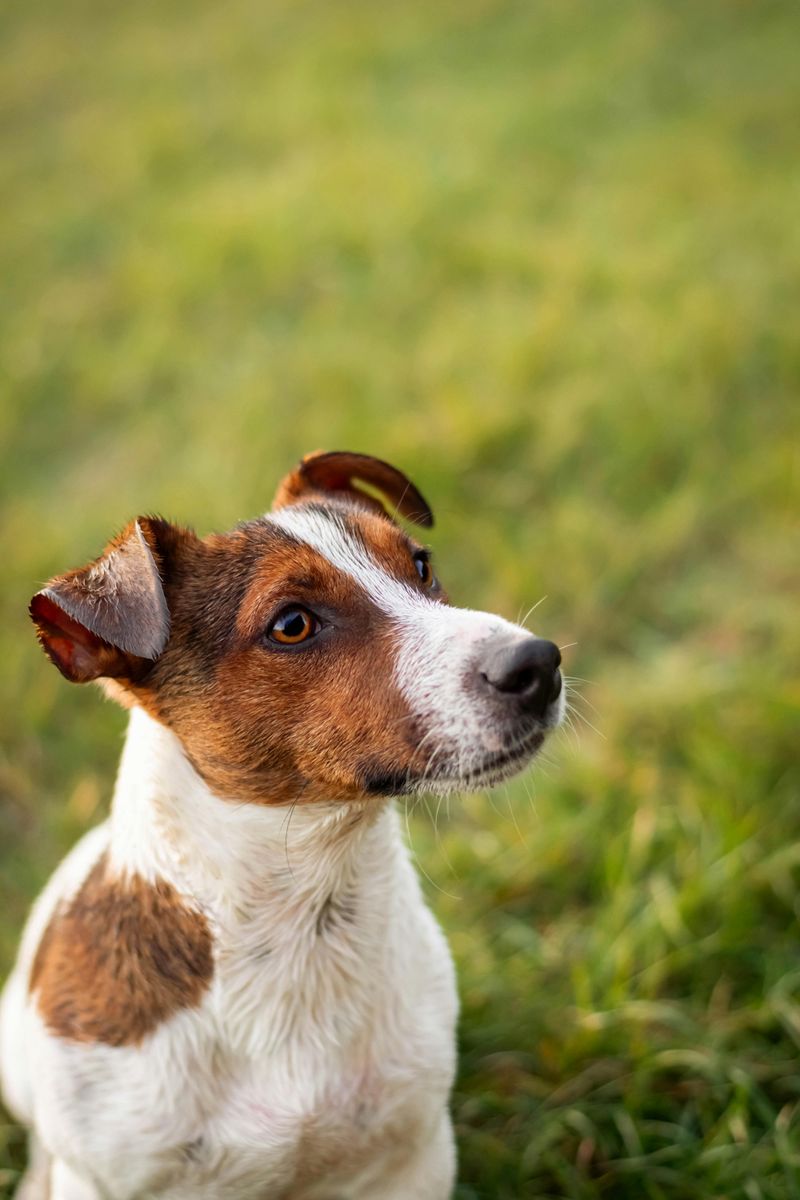
Jack Russell Terriers are tiny rockets built for relentless pursuit. Waiting them out invites nonstop barking, digging, and self-rewarding chases.
You need boundaries plus purpose to keep that spark from burning down routines.
Use structured flirt pole sessions with clear start-stop rules. Add terrier-friendly games like scent tubes and controlled tunnel sprints.
Reinforce quiet on a mat, and reward check-ins when critter temptations pop up.
Install management: leashes indoors during excitement spikes and yard supervision. Brief training sprints beat marathon chaos.
With consistent outlets and enforced calm, the Jack Russell becomes a cheerful, lawful rascal who channels mischief into sport.
Australian Cattle Dog
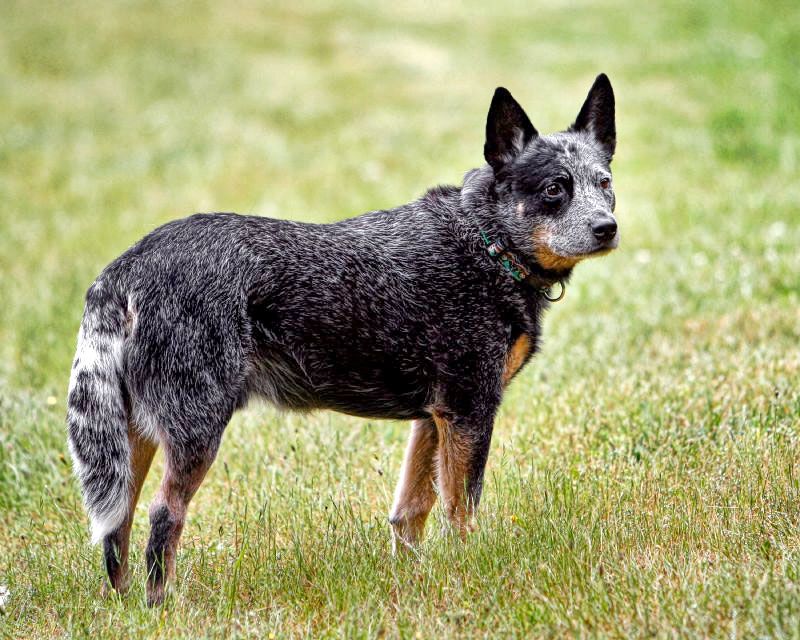
Australian Cattle Dogs are gritty problem solvers bred to push. If you wait for them to mellow, they will push harder, herding heels and policing movement.
Structure turns pressure into partnership.
Train firm start and stop signals around bikes, kids, and livestock. Practice impulse control with boundary games, out commands, and long downs amid motion.
Mix cardio with nosework to tire brain and body together.
Keep sessions short, varied, and purposeful to prevent boredom nips. Provide chew outlets and decompression walks away from chaos.
With consistent leadership and clear jobs, ACDs shift from stubborn foremen into steady, impressive teammates.
Vizsla
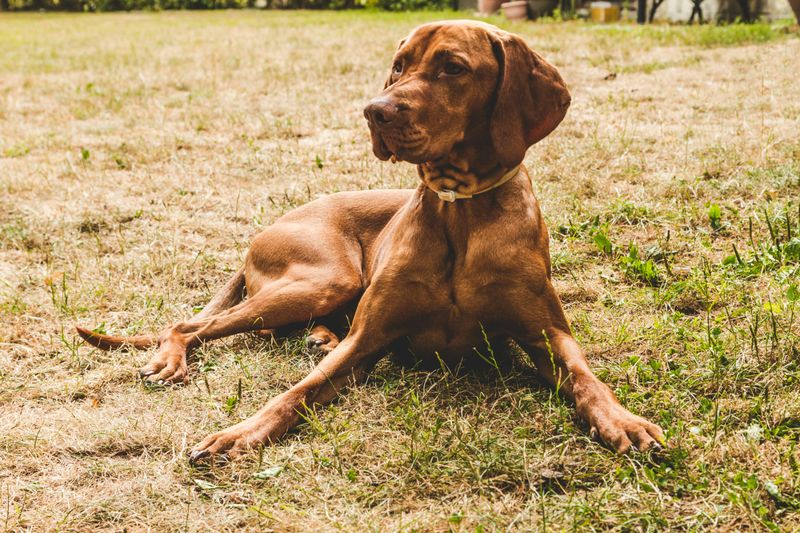
Vizslas are sensitive, affectionate athletes who struggle to downshift alone. Without guidance, they become velcro whirlwinds that whine, jump, and pace.
Hoping for maturity to settle them usually leads to practiced frenzy.
Teach restful routines: crate as a nap oasis, mat work after exercise, and calm greetings without touching until four paws are grounded. Use nosework, retrieve games, and steadiness drills to satisfy hunting instincts.
Keep arousal low with predictable transitions between play and rest. Reward stillness generously.
When their need for closeness meets your structure, the Vizsla’s energy turns into cooperative, cuddly focus you can live with daily.
Weimaraner
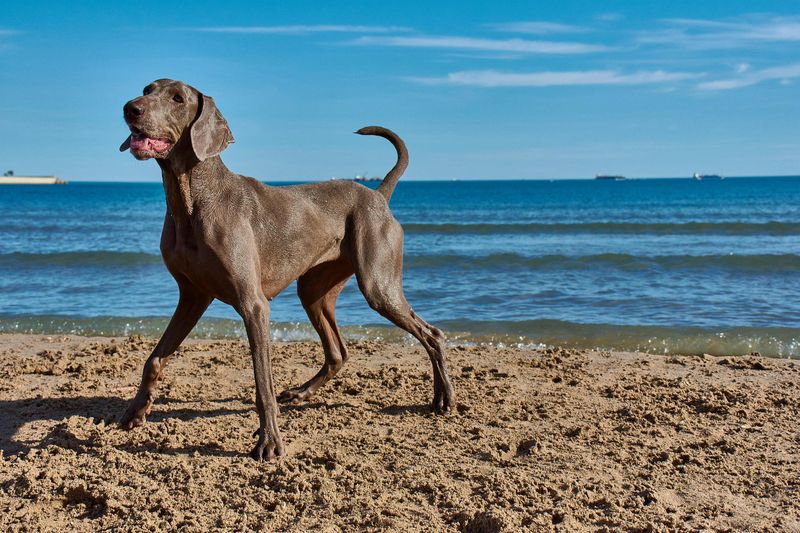
Weimaraners are bold, clever hunters with a stubborn gas pedal. Waiting for maturity to fix chaos encourages counter surfing, door dashing, and obsessive scouting.
They need leadership that blends adventure with brakes.
Use place training, impulse control at thresholds, and structured retrieves. Layer in long, scent rich hikes followed by enforced decompression.
Add steadiness drills with birds or dummies to teach patience under excitement.
Rotate enrichment: puzzle feeders, tracking games, and obedience in new environments. Protect quiet time so arousal does not stack.
With consistent boundaries and real outlets, the Weimaraner channels drive into stylish, cooperative performance instead of constant commotion.
Dalmatian
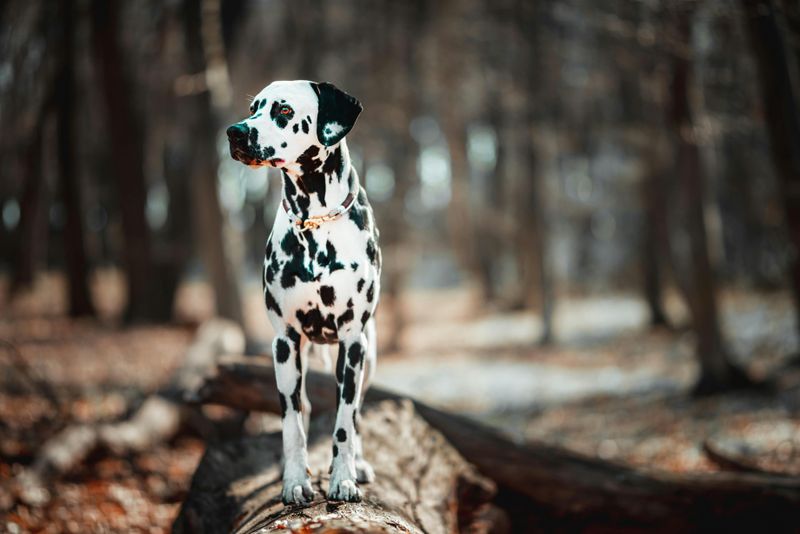
Dalmatians were bred to go all day, and that stamina does not come with an off switch. If you rely on age to tone it down, you may get pacing, barking, and scavenging.
Guidance teaches them when movement is invited and when it is not.
Integrate structured runs, trick training, and calm leash skills. Practice settle on a mat after cardio, paying for quiet breaths.
Use pattern games to lower arousal around wheels and crowds.
Keep novelty feeding their brain, not their frenzy. Provide chews, sniff walks, and routine rest windows.
Consistent structure helps Dalmatians swap endless motion for responsive, joyful teamwork at home and outdoors.
Miniature Schnauzer

Miniature Schnauzers are bright watchdogs that can rev quickly. Waiting for composure to arrive invites reactive barking, frantic greetings, and perimeter patrols.
Calm must be taught and reinforced like any trick.
Train quiet on cue, reward stillness on a mat, and practice look at that games to defuse triggers. Keep sessions short with clear expectations.
Mix sniffy walks with brief obedience to burn mental fuel.
Use predictable routines around deliveries and visitors. Provide chews and crate naps before guests arrive.
With boundaries and brain work, Mini Schnauzers become charming companions instead of tiny neighborhood security chiefs.
Bull Terrier
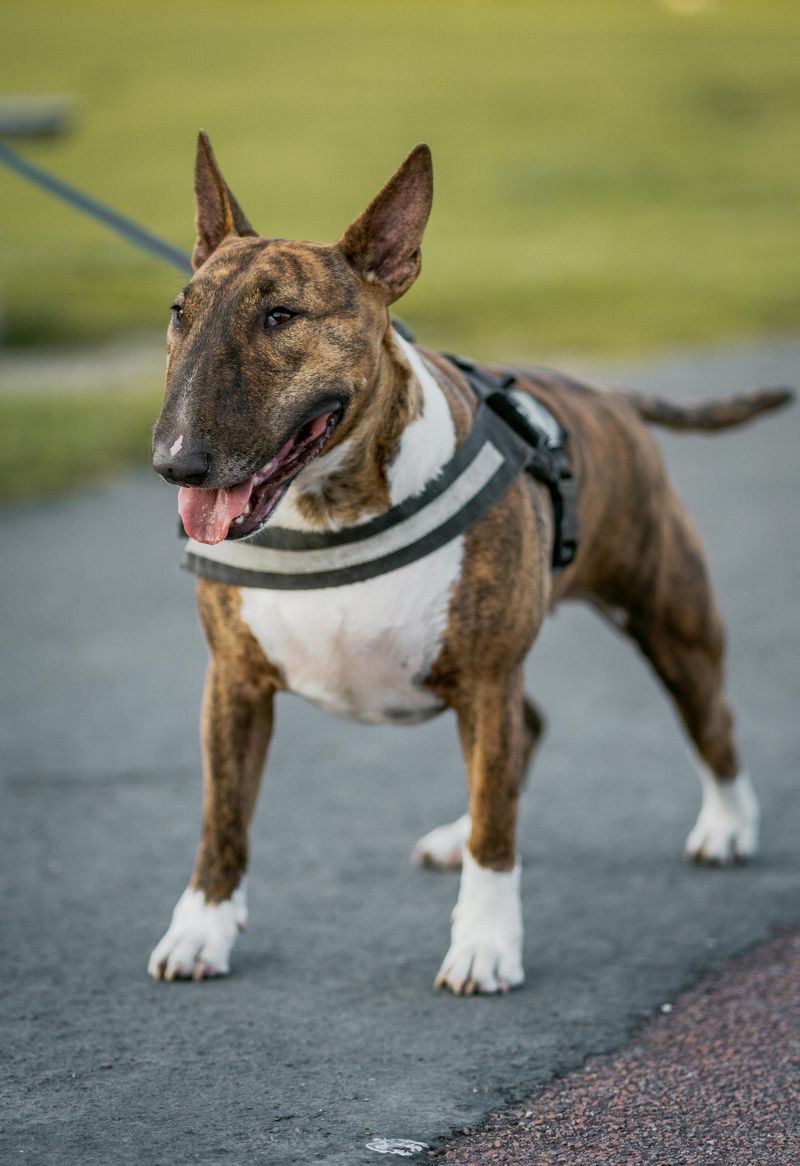
Bull Terriers are exuberant clowns with surprising stamina. Without structure, they ping pong through the day, mouthy and mischievous.
Hoping maturity calms them simply builds better chaos.
Teach bite inhibition, drop, and calm tug rules with frequent breaks. Use place training, food puzzles, and controlled fetch to channel power.
Reinforce chill after activity with quiet rewards for lounging.
Monitor arousal carefully because they can tip from fun to frantic fast. Keep sessions short and purposeful.
With consistent guardrails and playful jobs, Bull Terriers evolve from lovable wrecking balls into delightfully focused companions.
Greyhound
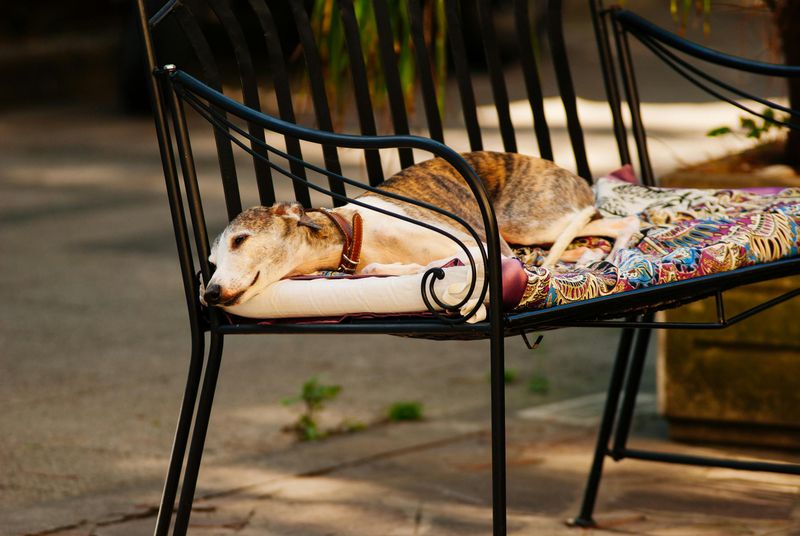
Greyhounds surprise people because their speed does not equal chaos. They can explode into motion, then settle back into stillness with very little drama.
That natural off switch is what many busy households are actually hoping for.
They still need exercise, routine, and thoughtful handling, but they are not usually looking to manufacture action every waking minute. If you give them a soft place to land and a predictable day, they often choose rest without being forced into it.
Maturity helps, but the bigger story is temperament from the start for most of them at home.
Basset Hound
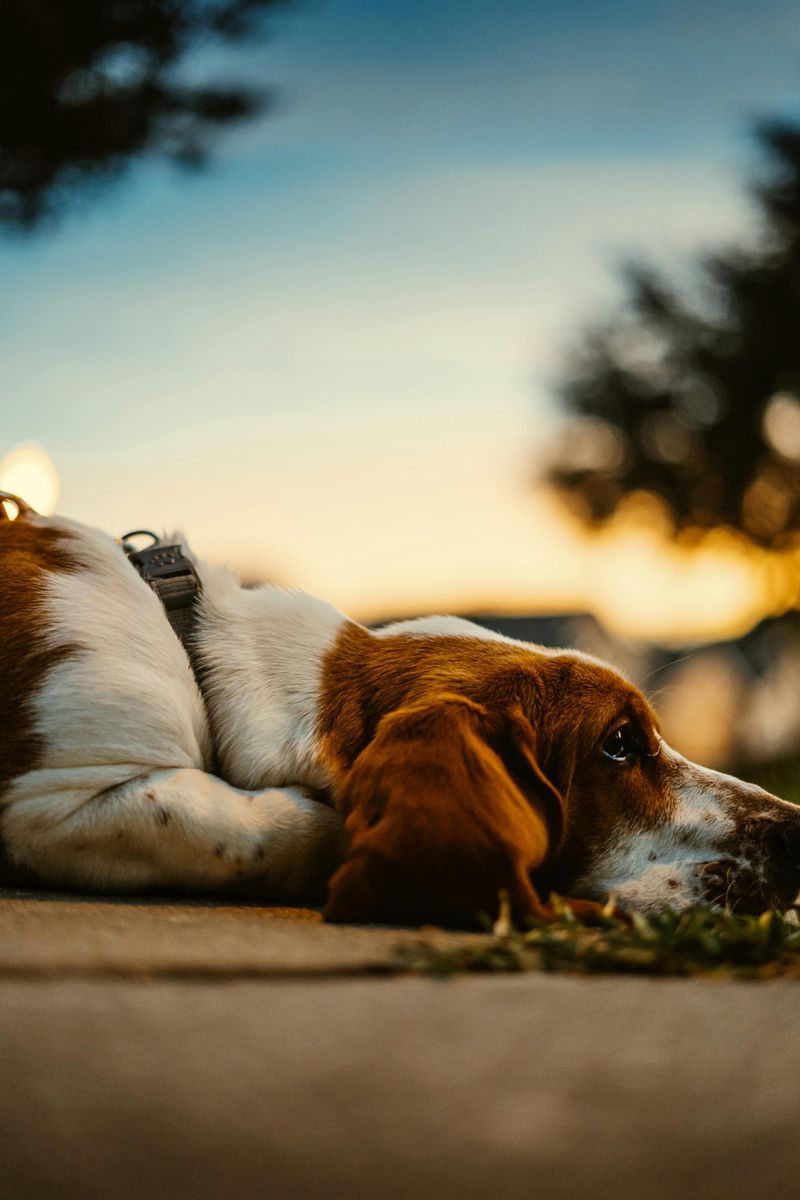
A Basset Hound is not in a hurry to turn every feeling into a full production. There is stubbornness here, absolutely, but it usually comes with an easy baseline rather than constant intensity.
That difference matters when you are living with a dog day after day.
They can follow a scent with real determination, yet inside the house many settle into family rhythms without needing nonstop intervention. You still teach boundaries, movement, and manners, but you are often working with a calmer nervous system.
Waiting for age is not the plan here because the breed already leans slower and steadier.
Great Pyrenees
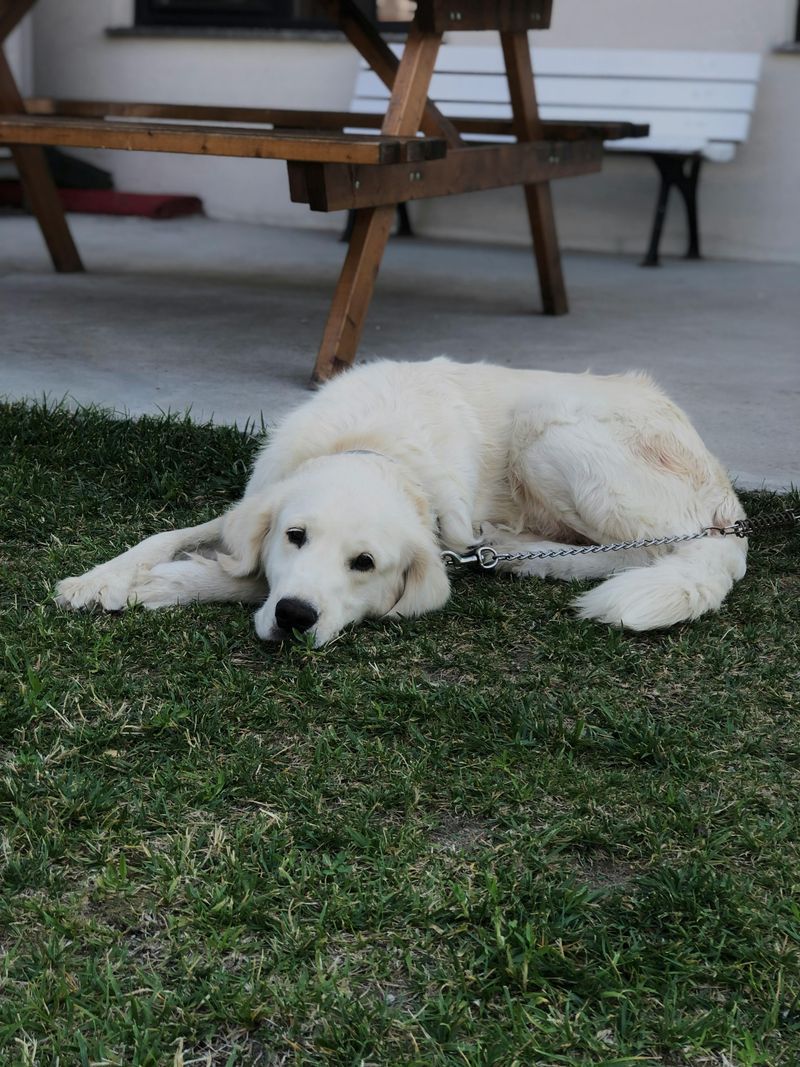
The Great Pyrenees was bred to watch first and react second, and that shows in everyday life. Instead of bouncing off every wall, many pause, assess, and conserve energy until something truly deserves attention.
For owners who keep expecting endless puppy chaos, that can feel like a welcome reset.
This is not the same as easy, because independence brings its own challenges. Still, their default setting is often measured rather than frantic, especially when the home feels stable and predictable.
You are not waiting for an off switch to appear from nowhere, in many dogs, it is already there.
Newfoundland
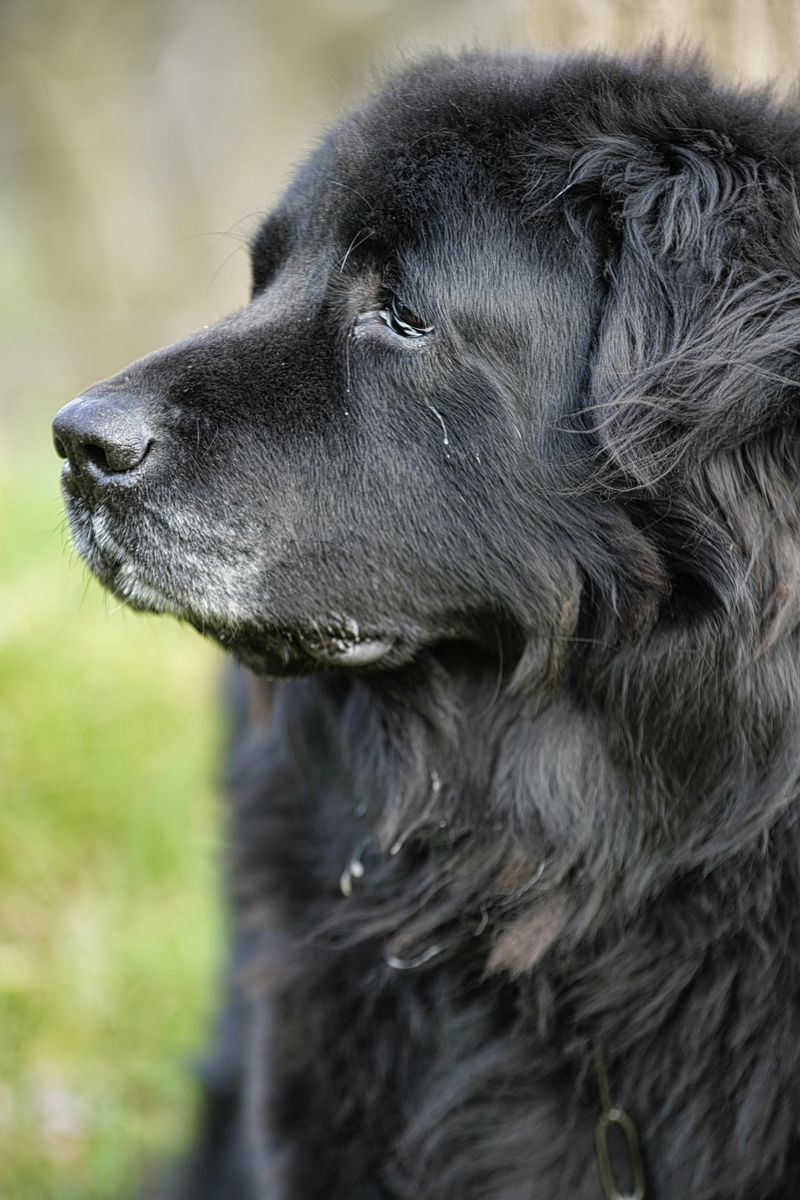
Newfoundlands tend to carry themselves with a kind of thoughtful heaviness that works in their favor. They are large, sensitive, and often more inclined to lean in quietly than to spin themselves into a frenzy.
When people talk about dogs who seem born with a softer internal brake, this breed belongs in that conversation.
They still need training, social exposure, and age-appropriate exercise, especially because size magnifies every habit. Even so, many Newfoundlands do not seek chaos for its own sake, and that changes the whole experience of raising one.
You are shaping manners, not constantly begging the nervous system to downshift.
Cavalier King Charles Spaniel
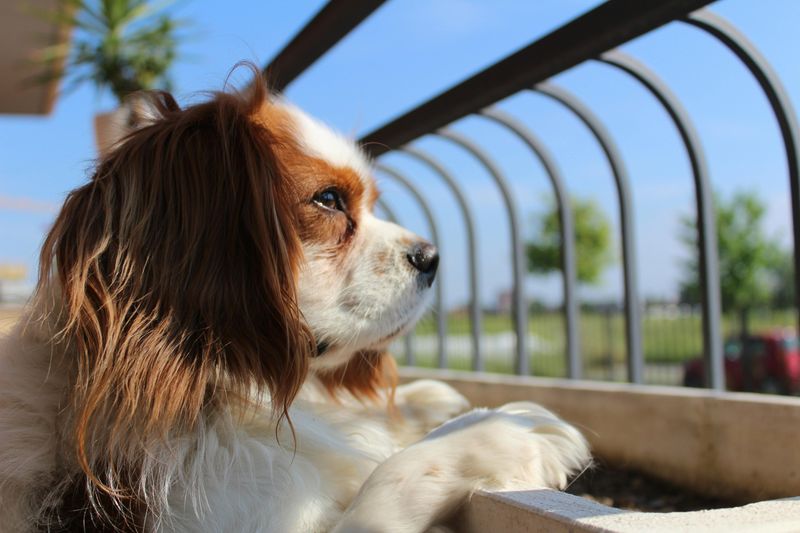
The Cavalier King Charles Spaniel is one of those breeds that often meets the room where it is. Instead of pushing for bigger and louder all day, many are content to match household energy and settle beside you.
That flexibility is a form of self-regulation, and it is easy to underestimate.
They are playful and affectionate, not inert, but the engine usually does not run hot from morning to night. With gentle structure and enough companionship, many Cavaliers glide into the routine instead of fighting it.
You still raise the dog in front of you, yet this breed often arrives with a naturally softer dial.