
Dogs are masters at hiding discomfort, and that can leave you guessing when something feels off. Subtle changes in routine or mood might be the only clues your best friend offers.
Understanding why dogs conceal pain helps you spot the quiet signals sooner. With the right insight, you can act quickly and keep your buddy comfortable and safe.
Survival instincts from their ancestors
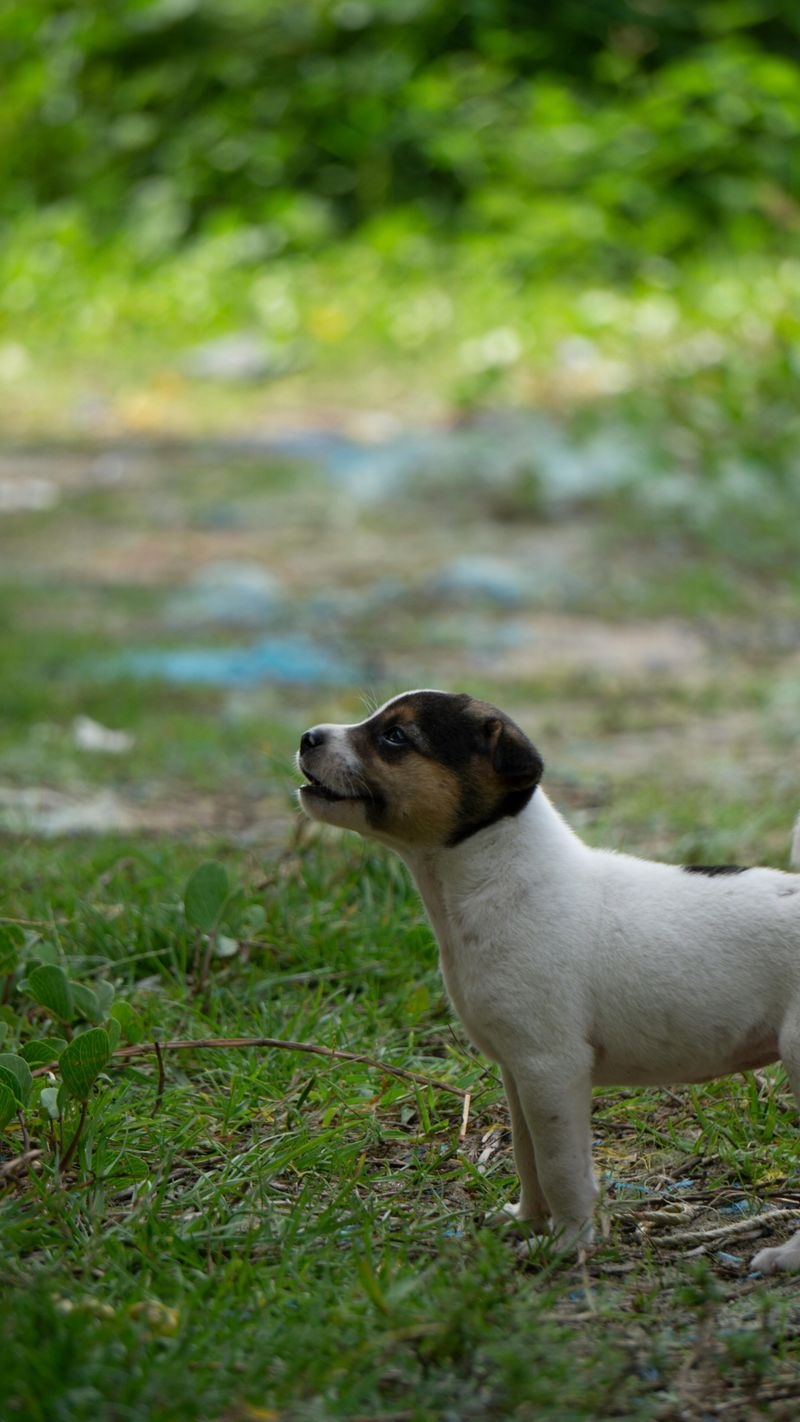
Your dog did not invent the skill of hiding pain. It is a survival strategy passed down from wild ancestors that avoided predators by masking weakness.
Showing hurt could have meant losing food, status, or safety.
That instinct still whispers even on your sofa. So your dog may limp less when watched, lick quietly, or sleep more to conserve energy.
You might only notice subtle shifts like slower stairs, skipped jumps, or a tighter face.
To help, reward calm movement and schedule a vet check when you first spot tiny changes. Track patterns in a notebook or phone log to catch trends.
Early attention respects that ancient instinct while keeping your buddy comfortable. It prevents small aches from becoming trouble.
Fear of appearing weak
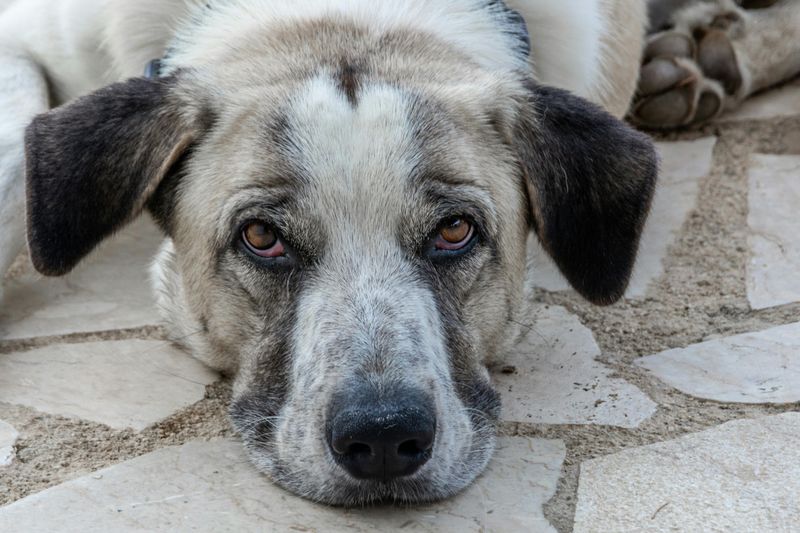
Dogs read social cues closely. In multi dog homes or busy parks, acting strong can maintain harmony and avoid conflict.
If pain shows, pushy personalities might crowd them, so they mask it instead.
You might notice stiff greetings that look polite but guarded. They may hold their tail level, keep ears neutral, and sidestep rough play.
The goal is to appear fine while quietly protecting sore spots.
Support that strategy without rewarding silence. Offer calm exits from excitement, ask other dogs to give space, and replace rowdy games with sniff walks.
Schedule a thorough exam, then build confidence with gentle handling and predictable routines. When your dog feels safe, the need to pretend fades, and honest signals return.
For good.
Strong trust in routine despite discomfort
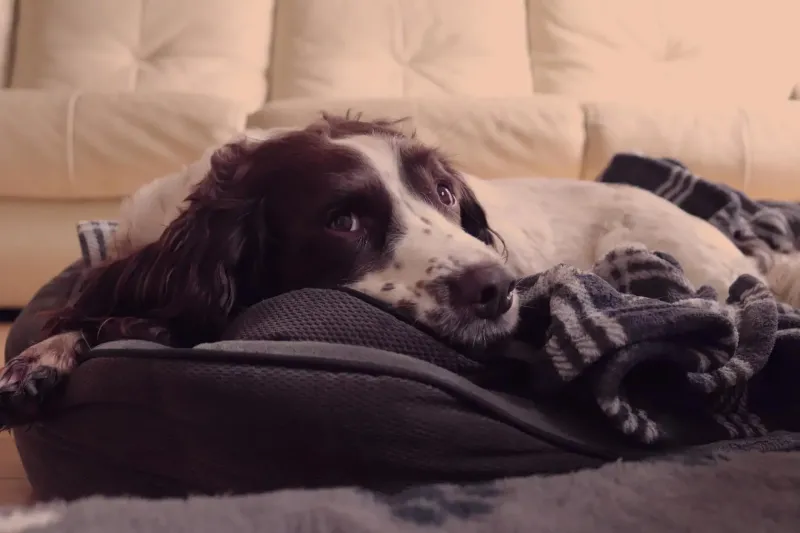
Dogs love patterns because patterns feel safe. A predictable walk time or dinner bell can be more compelling than a nagging hip twinge.
They push through aches to keep the day flowing the way they expect.
You might see cheerful enthusiasm that hides smaller changes. Maybe steps get shorter, pauses longer, or the sit looks crooked.
Routine loyalty can fool even careful observers until the habit finally cracks.
Protect that optimism by adjusting the routine, not abandoning it. Swap impact for low strain games, shorten routes, and add rest cues.
Use ramps, raised bowls, and warm ups so comfort stays part of the pattern. Track flare days, consult your vet, and let consistency heal rather than hide discomfort, each day.
Gradual pain that develops slowly
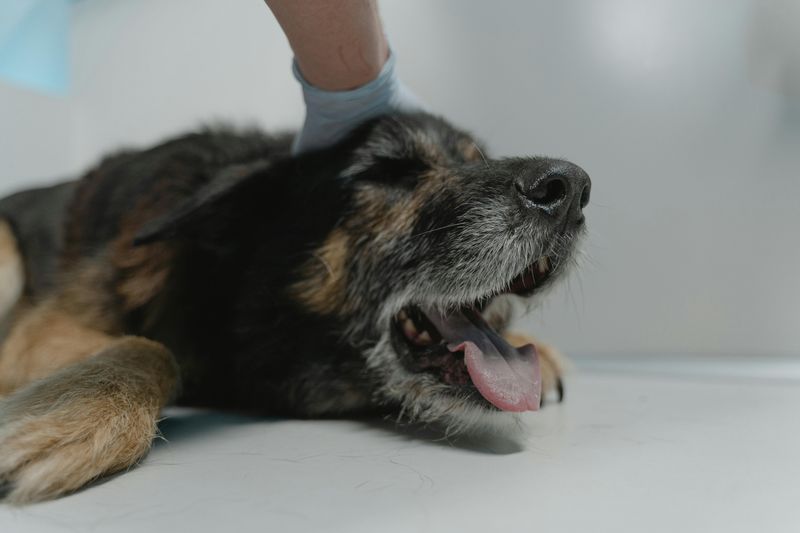
Slow building discomfort is sneaky. When pain creeps up week by week, your dog adapts without fanfare.
Muscles compensate, habits shift slightly, and what was once easy becomes carefully managed in the background.
Because there is no sudden crisis, you may miss the moment to act. The limp shows after heavy play, then fades by morning.
Appetite is fine, spirit is bright, and the clues feel scattered.
Bridge that gap with regular checkups and baseline notes. Video short clips of gait on good days and compare later.
Ask your vet about screenings, supplements, or physical therapy when tiny changes persist. Catching the slope early spares bigger interventions, and your dog benefits from comfort, strength, and a gentler path forward home.
Desire to stay close to you without worrying you
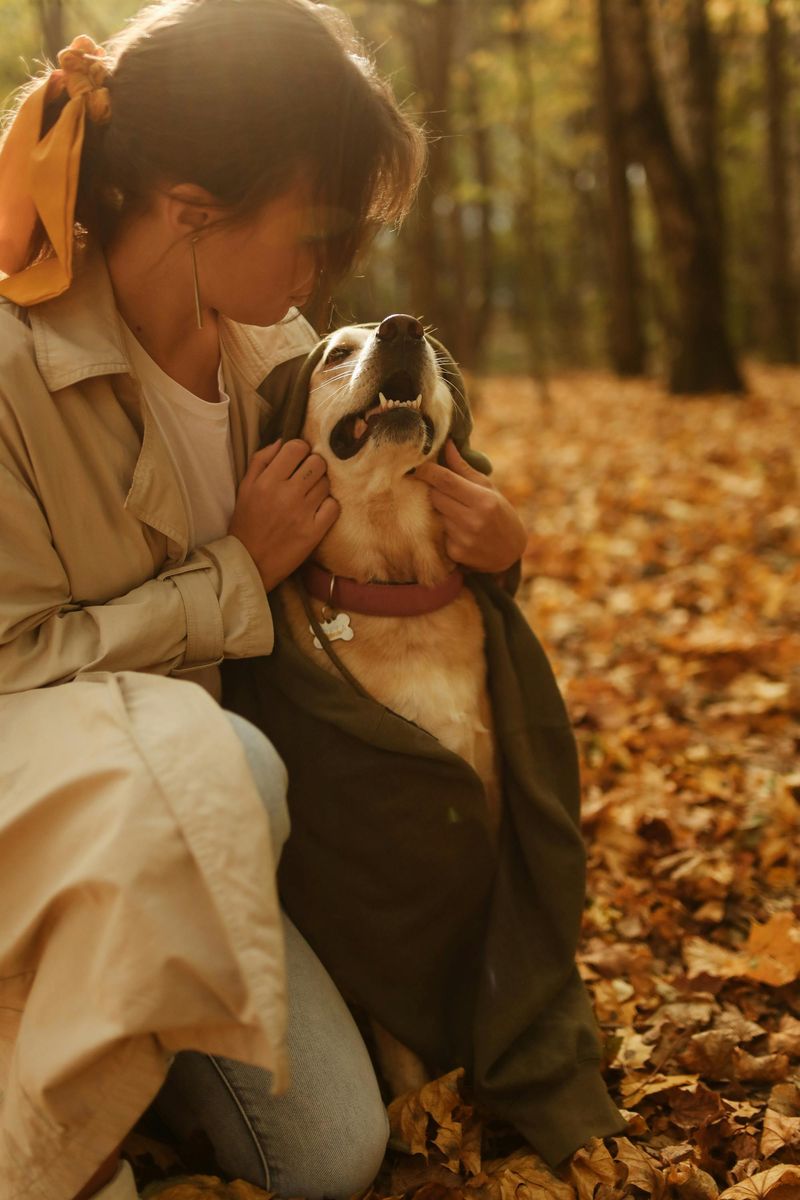
Some dogs protect your feelings. They sense concern in your voice and choose to stay sunny to keep you calm.
Sticking near your side, they aim to comfort you even while quietly battling discomfort themselves.
You may notice extra cuddling, follow me behavior, or a soft gaze that asks for reassurance. They want connection, not pity.
So they minimize winces and motor through tasks that would otherwise signal pain.
Lean into that bond by offering comfort without pressure. Create cozy rest zones, shorten activities, and introduce cooperative care with treats and choice.
Praise small self advocacy signals like pausing or stepping away. Your calm presence says safety, and with that trust, your dog can share discomfort sooner and more clearly.
Natural stoicism in some breeds
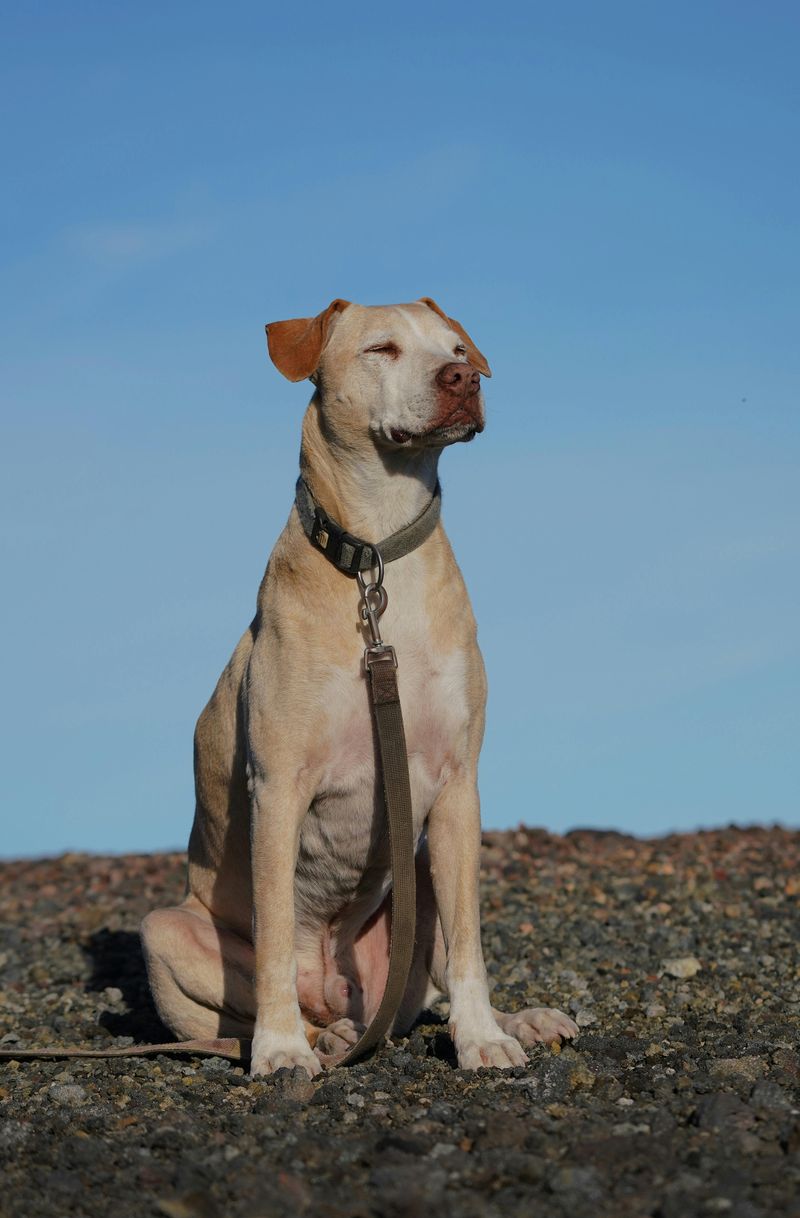
Certain breeds are famously poker faced. Working lines were selected for grit, focus, and a calm response under pressure.
That heritage can translate into quiet tolerance when joints ache or skin itches.
You might only see performance dips. The retriever that loves retrieves starts sitting out a round, or the herder hesitates before leaping.
Facial expressions stay soft while the body conserves energy and guards sore areas.
Respect that stoicism by watching function, not just attitude. Track jump heights, speed, and willingness, and plan a veterinary check when numbers change.
Condition muscles, trim nails, and maintain healthy weight to reduce strain. Encourage communication with marker training so subtle whispers become clearer, and small issues can be treated early, and kindly.
Stress or anxiety masking symptoms
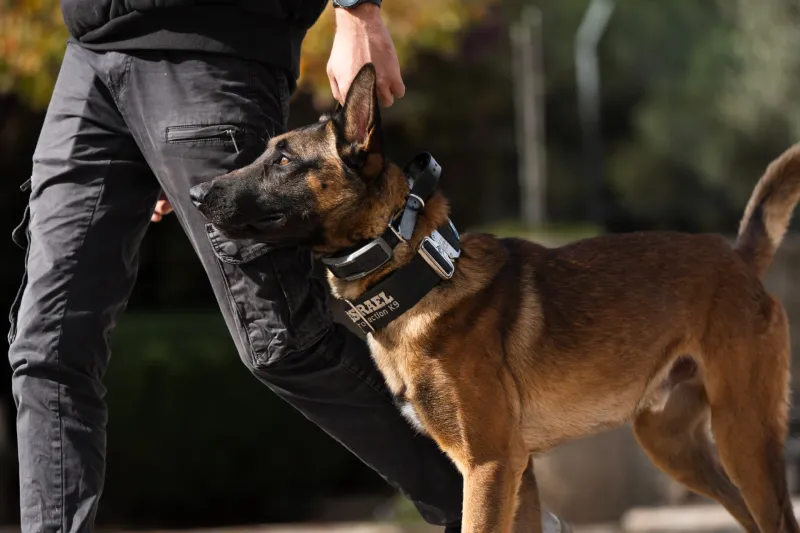
Adrenaline can hide pain. During excitement or worry, the body floods stress hormones that blunt sensation.
A nervous dog at the park or the clinic may look energetic while quietly aggravating a tender spot.
Back home, symptoms rebound as the chemical rush fades. You see stiffness after car rides, trembling once visitors leave, or scratching that erupts at bedtime.
The timing confuses the picture and delays care.
Build routines that lower arousal before activity and exams. Practice calm mats, slow sniff walks, and cooperative handling with treats.
Ask your vet about fear free strategies, pain trials, or anti anxiety support. When stress drops, true symptoms surface, giving you and your care team a clear, honest map to follow at home.
Confusion about what they are feeling
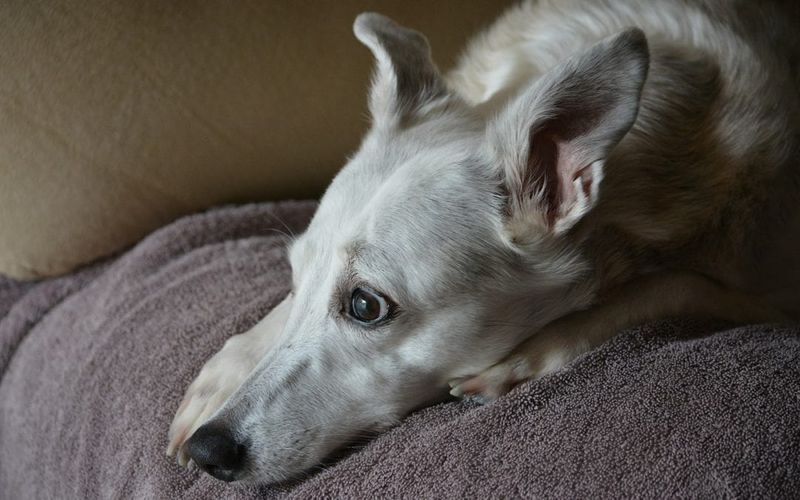
Pain is a strange signal for dogs, too. They may not link a twinge to last night’s zoomies or today’s stairs.
Instead of yelping, they pause, look around, or change positions as if the world shifted.
That uncertainty can suppress clear communication. You might notice odd behaviors like sudden play bows, scratching at nothing, or staring toward a corner.
The brain is sorting data while the body tries different movements to dodge discomfort.
Help by simplifying choices and observing calmly. Slow the pace, limit obstacles, and see if patterns emerge.
Jot down when, where, and what preceded moment. Share notes and videos with your vet so the puzzle comes together faster, leading to kinder treatment and comfort for your dog.
Previous negative experiences when handled in pain
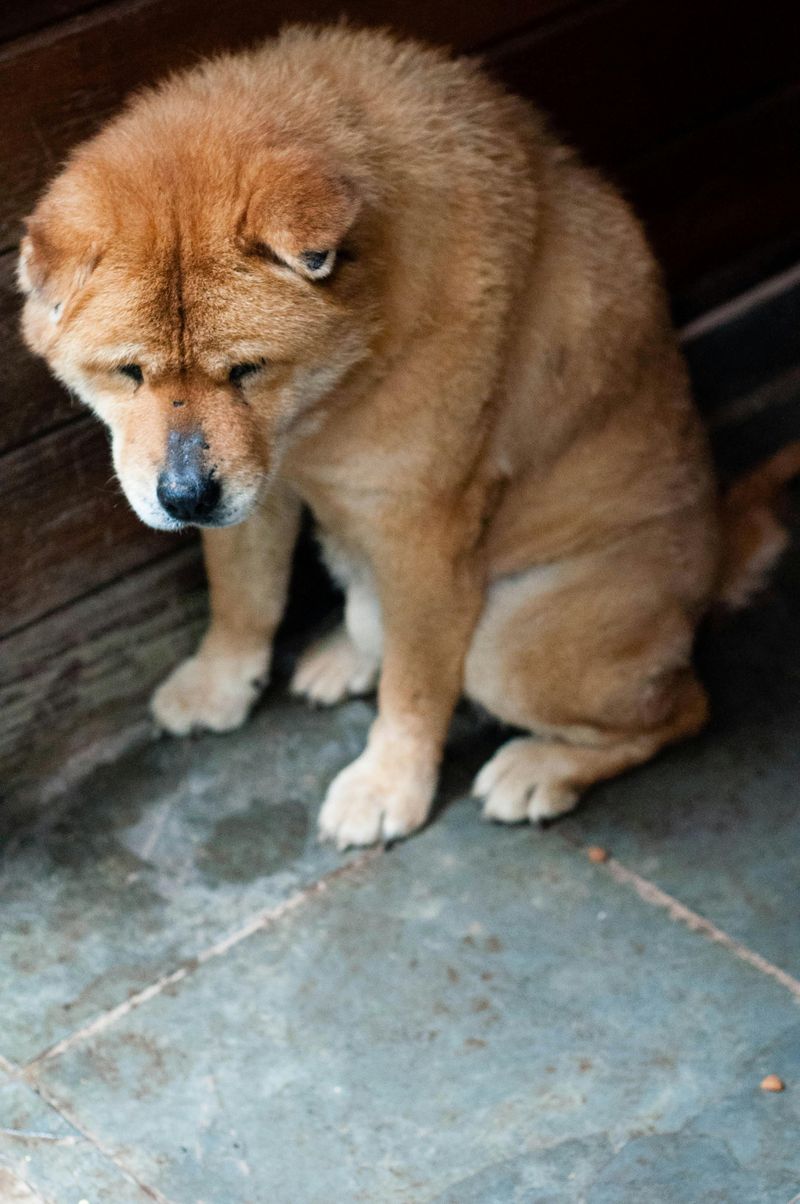
If touch once hurt, touch can feel risky again. A dog who was grabbed during a painful moment may now flinch at routine care.
Even gentle hands become confusing when memories predict discomfort.
To cope, many dogs go still. They hold their breath, tighten muscles, and simply wait for it to end.
That quiet looks cooperative, but it is a protective freeze that hides pain signals.
Rebuild trust with choice based handling. Teach a consent cue, feed steady treats, and pause at any flinch.
Break grooming or exams into tiny steps, and use mats to anchor comfort. Ask your vet about pain control and fear free options.
Over time, predictability replaces fear and honest communication returns stronger, for you both.
Instinct to avoid drawing attention when vulnerable
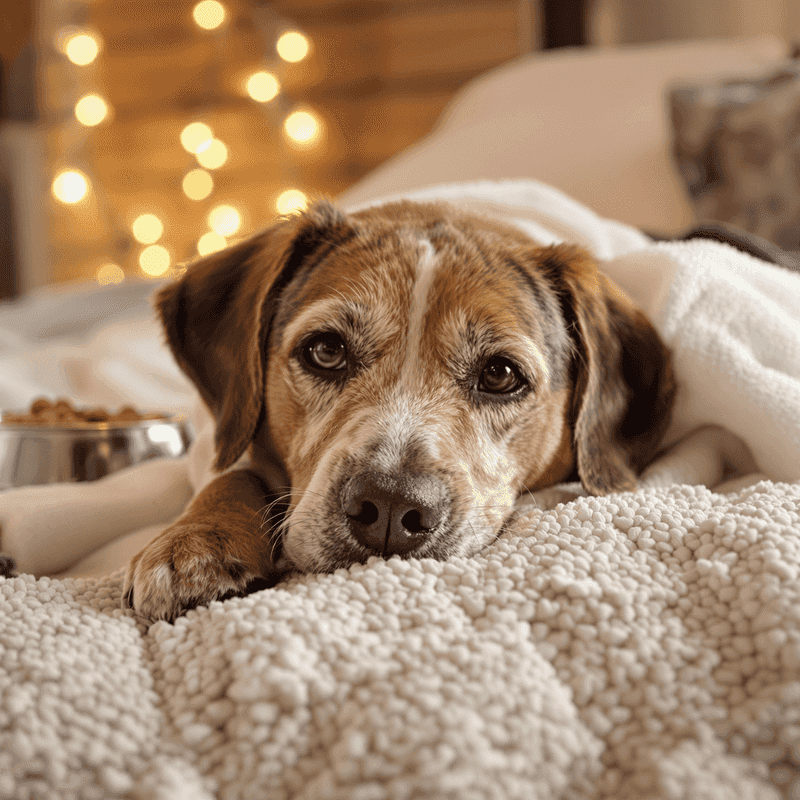
In the wild, hiding invites fewer threats. When feeling exposed, a dog may curl up, stay quiet, and move less to avoid notice.
That same instinct plays out at home during flare ups.
You might think they are just sleepy. Really, they are conserving energy and staying under the radar.
Attempts to coax play can be ignored, and visitors may get a polite but distant hello.
Make recovery feel secure and boring in the best way. Offer quiet zones, dim lights, soft music, and predictable check ins.
Use barriers to manage bouncy friends. Keep outings short, medicate as directed, and celebrate tiny improvements.
When safety is certain, your dog can risk showing needs, and healing accelerates, for the better daily.