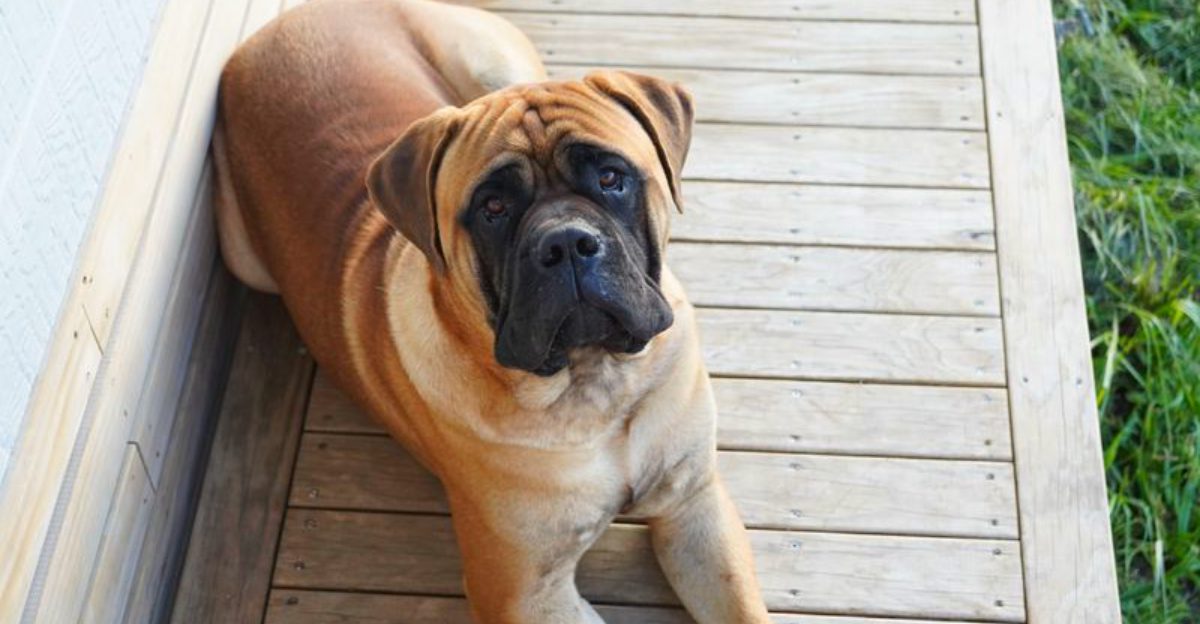
Big hearts and sharp instincts make certain breeds excellent protectors, but unclear rules can flip that talent into over-guarding. If boundaries change day to day, many dogs start inventing jobs, from patrolling windows to blocking hallways.
The good news is that consistent structure, calm practice, and the right outlets turn intensity into confidence. Here are the breeds most likely to overdo it without guidance, and how to help them relax.
German Shepherd
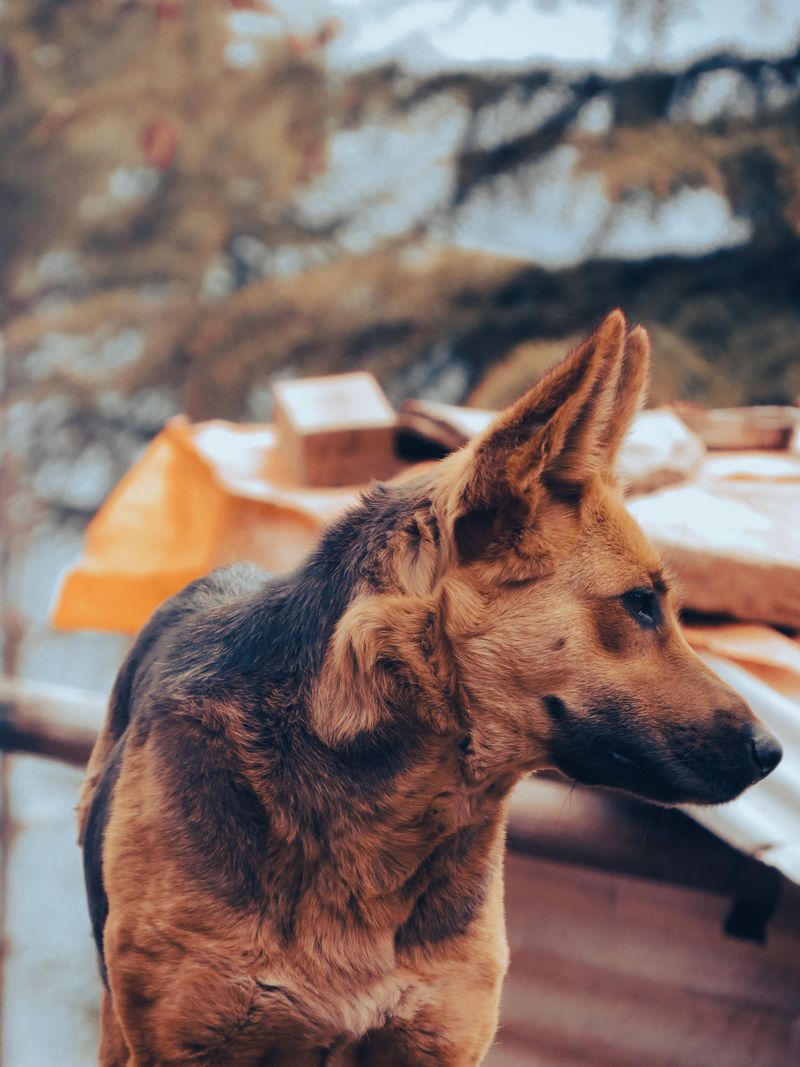
German Shepherds are brilliant problem solvers, which is wonderful until that clever brain invents security jobs you never assigned. Without clear household rules, they may patrol doorways, herd kids, and park at windows, sounding off at every passerby.
Structure, predictable routines, and calm exposure teach them what truly needs attention and what is just neighborhood noise.
Give daily work that satisfies their mind and body: scent games, obedience patterns, and confident neutrality drills around guests. Reward quiet settling on a mat while life buzzes around.
Rotate who gives cues so they do not guard a single person. With fair boundaries, consistent social practice, and enough purposeful exercise, your Shepherd relaxes into a steady teammate instead of a self-appointed bouncer.
Belgian Malinois
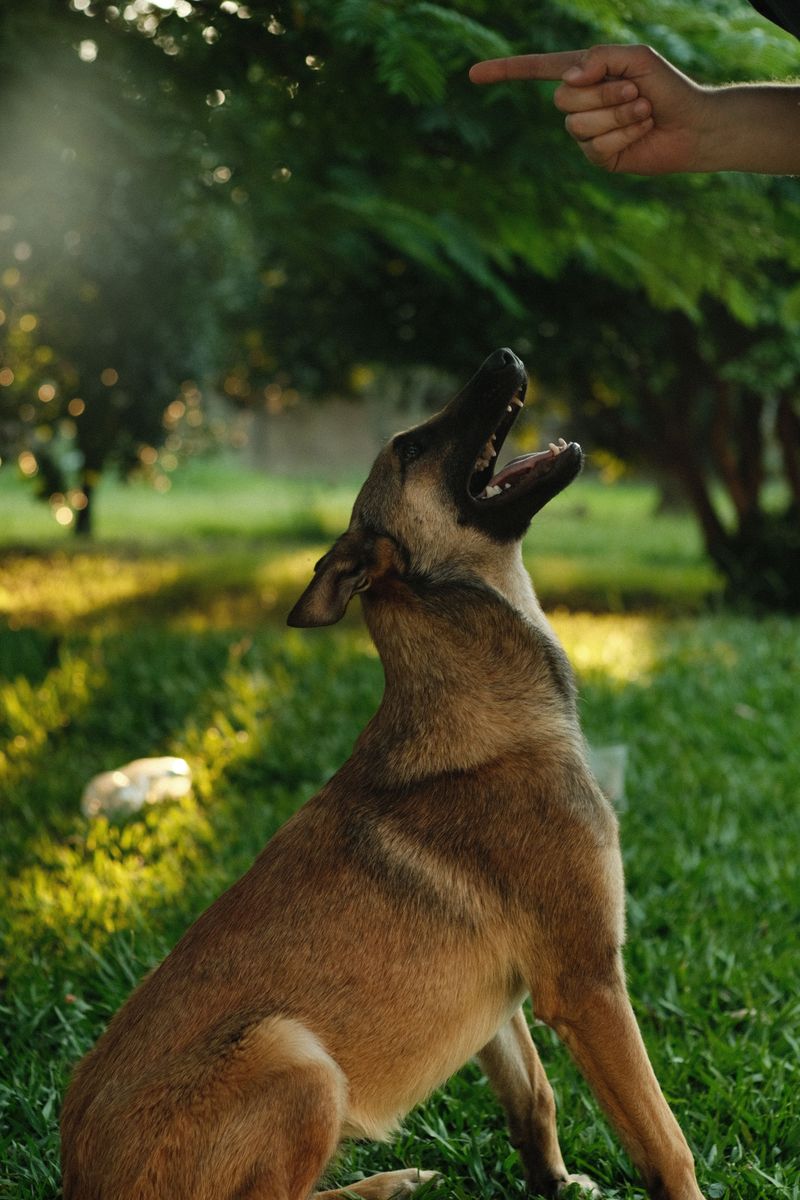
Belgian Malinois thrive on precision and purpose, so fuzzy expectations quickly push them into overdrive. When routines slip, they may shadow you from room to room, launch into territorial barking, or body block visitors.
Clear yes and no markers, impulse control games, and generous outlets for chasing and gripping instincts keep their brains satisfied and their vigilance appropriate.
Use structured fetch, spring-pole play, and tug with rules to practice releases and calm recovery. Teach a rock-solid place command near busy thresholds, then pay generously for staying put.
Invite friends to rehearse greetings while you reward neutrality. With daily jobs, balanced rest, and consistent leadership, your Malinois learns that calm confidence is the assignment, not nonstop neighborhood surveillance.
Cane Corso
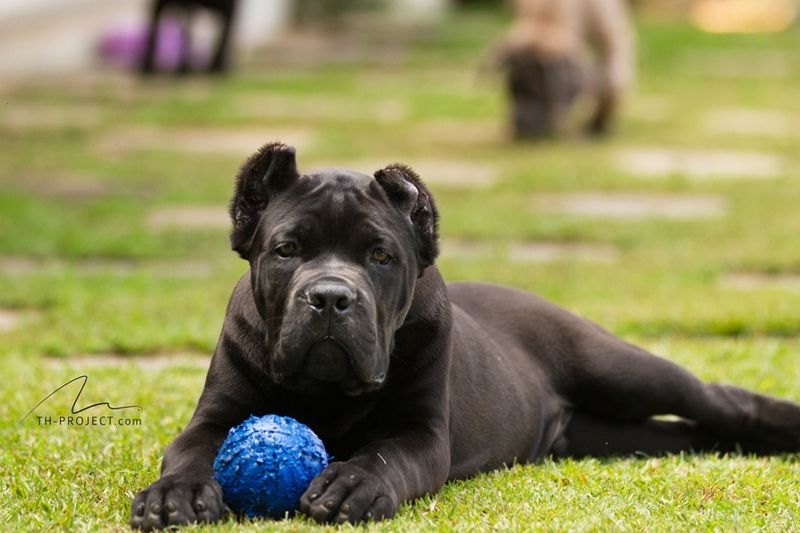
Cane Corsos are thoughtful guardians with a slow, steady gaze, and that composure can tip into suspicion without guidance. If boundaries blur, they may claim hallways, block furniture, or intensely watch visiting friends.
Consistent door routines, handler-focused engagement, and early practice with neutral exposure help them decide what is truly their job and what is just life happening.
Prioritize calm leash work, loose leash heeling past distractions, and relaxed place training near activity. Pay generously for soft eyes and breathing.
Redirect tension into scent searches and controlled tug, then end with decompression walks. Keep greetings short, structured, and friendly.
With predictable rules and patient repetition, your Corso understands home is safe, and guarding can wait for real needs.
Rottweiler
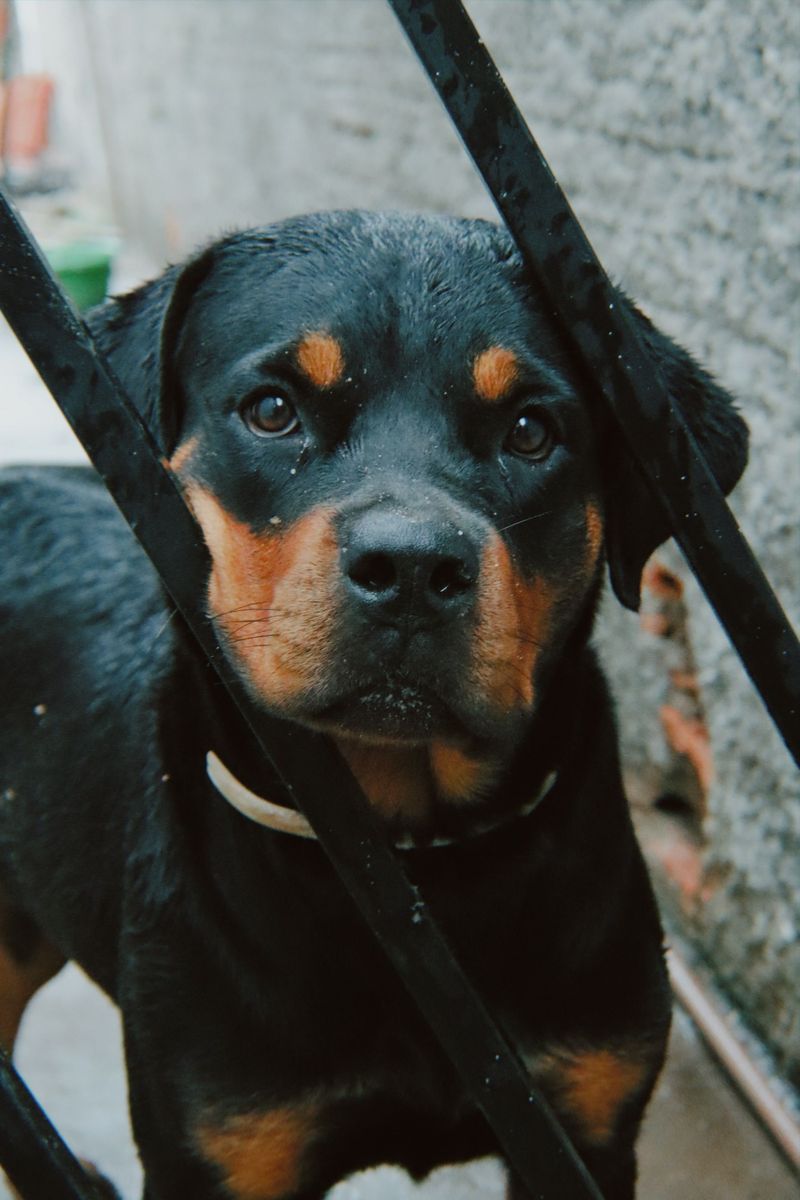
Rottweilers are confident workers with a born-to-help mindset, which can morph into bossy gatekeeping if you are inconsistent. Miss a few boundaries and they might post up by the door, rumble at odd sounds, or supervise family movements too closely.
Reliable patterns, calm greetings, and rewarding relaxed choices teach them that leadership from you makes their world predictable and safe.
Practice quiet door drills, then send them to a mat for paid chill time as guests enter. Mix obedience with play so they can shift gears smoothly.
Reward loose body language and soft ears. Give daily outlets like tracking, cart work, or structured fetch.
With steady rules and plenty of jobs, your Rottie becomes a polite host, not a bouncer.
Akita
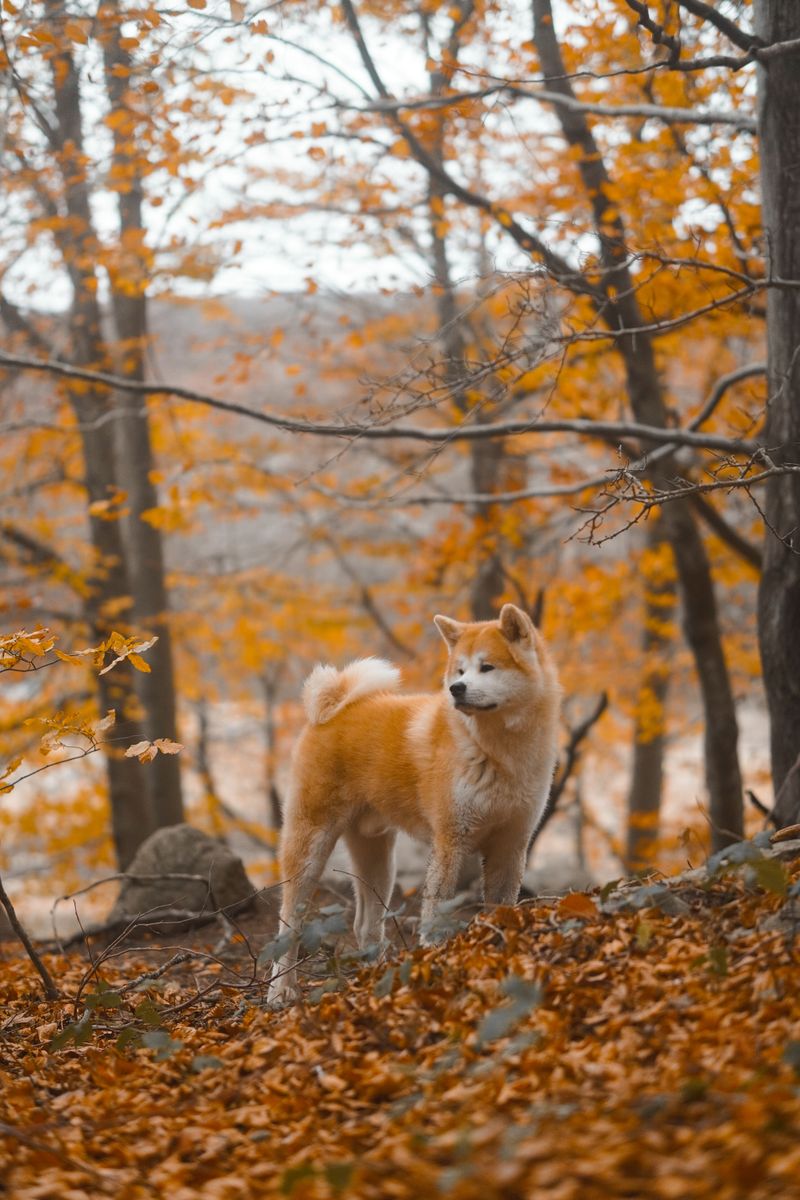
Akitas are dignified, independent thinkers who notice everything, especially shifts in household energy. When rules wobble, they may plant themselves in thresholds, stare down visitors, or grumble at unfamiliar movement.
Clear routines, limited choices, and neutral exposures help them interpret normal bustle without feeling responsible for every decision. You set the agenda, and their calm confidence follows.
Keep greetings brief and upbeat, then offer a settled station with rewards for quiet watching. Use pattern games, slow leash work, and decompression walks to lower arousal.
Teach reliable recalls and leave-its so you can redirect without conflict. Provide brain work like tracking or food puzzles.
With consistent leadership and respectful structure, your Akita trades suspicion for composed partnership.
Doberman Pinscher
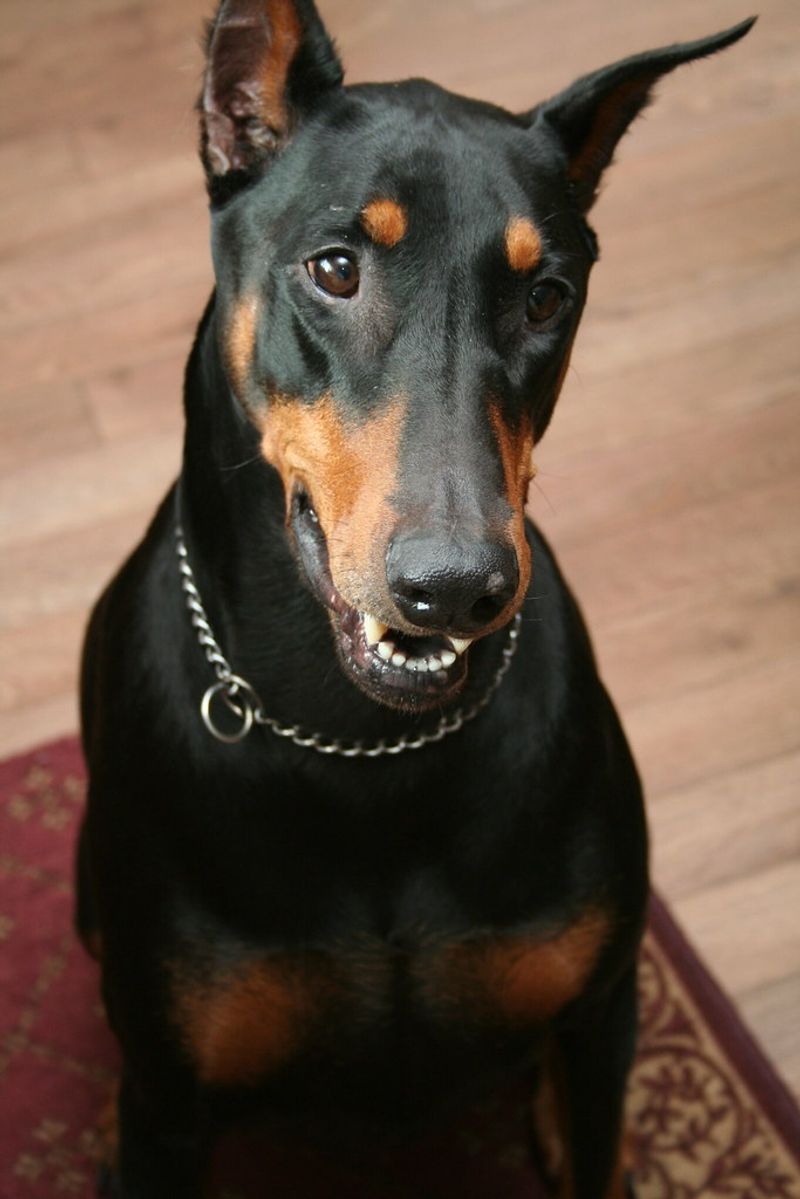
Dobermans read your moods like subtitles, which makes them amazing companions and occasionally overzealous guardians. Inconsistent expectations can lead to intense door rushing, alert barking, or gluey following that feels protective but grows stressful.
Clear routines, confident handling, and specific chill cues help them decompress and trust that you have the helm, even when life gets loud.
Build strong place and settle behaviors, then rehearse them during deliveries and lively gatherings. Pair obedience with play to keep arousal flexible.
Reward loose muscles, soft eyes, and slow breathing. Provide daily outlets like tracking, flirt pole sessions, and focused tug with clean releases.
With steady leadership and recovery time, your Doberman swaps jumpy vigilance for steady, thoughtful presence.
Bullmastiff
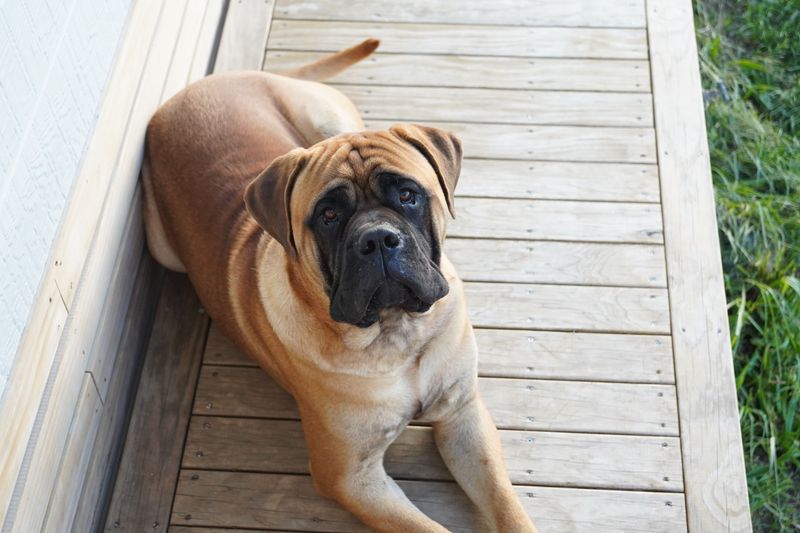
Bullmastiffs were bred to stand their ground quietly, which can turn into silent over-guarding if rules are unclear. Mixed messages invite them to claim couches, block hallways, or station near food and doorways.
Gentle structure, predictable routines, and reinforcing soft choices keep these sensitive powerhouses relaxed. You set the social tone, and they follow your calm lead.
Practice slow door rituals, then reward settling on a mat while guests move around. Use leash pressure-release games to build responsiveness without confrontation.
Offer sniffy walks and joint-friendly strength work like hill climbs. Reinforce relaxed faces and loose tails.
With steady boundaries, short training bursts, and restorative naps, your Bullmastiff becomes a mellow sentinel rather than an overbearing hall monitor.
Giant Schnauzer
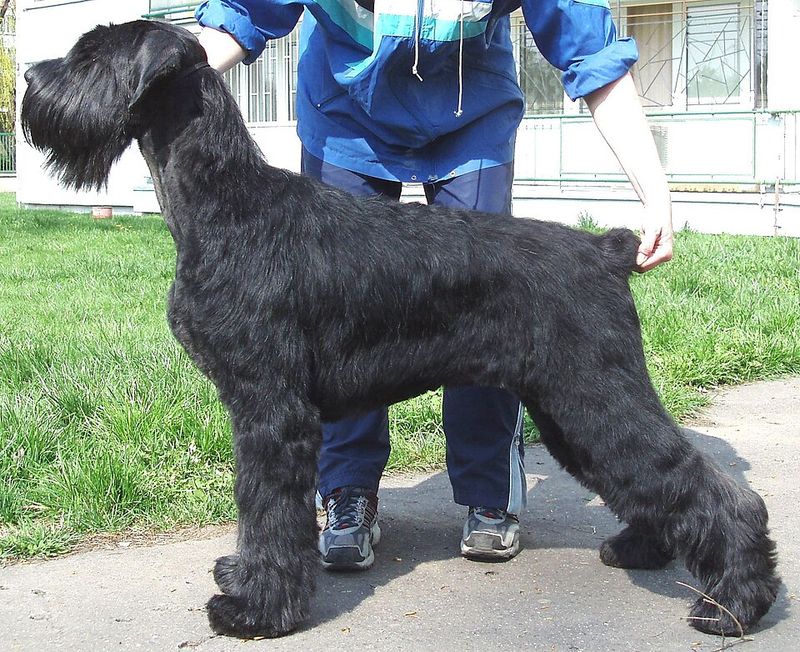
Giant Schnauzers are sharp, busy minds in big, athletic bodies, and inconsistency invites them to manage the household. Without firm routines, they may pace, vocalize at windows, or nudge people into positions like junior assistants.
Clear jobs, fair corrections, and thoughtful enrichment channel that intensity into cooperation instead of control. You decide the plan, and they work the plan.
Blend obedience with play, using tug rules, scent games, and agility-style drills to teach arousal up and arousal down. Install an ironclad place command for deliveries and guest arrivals.
Reinforce quiet observation and relaxed posture. Provide mileage through hiking or structured runs.
With consistency, brain work, and balanced rest, your Giant learns to be a partner, not the bossy floor manager.
Great Pyrenees
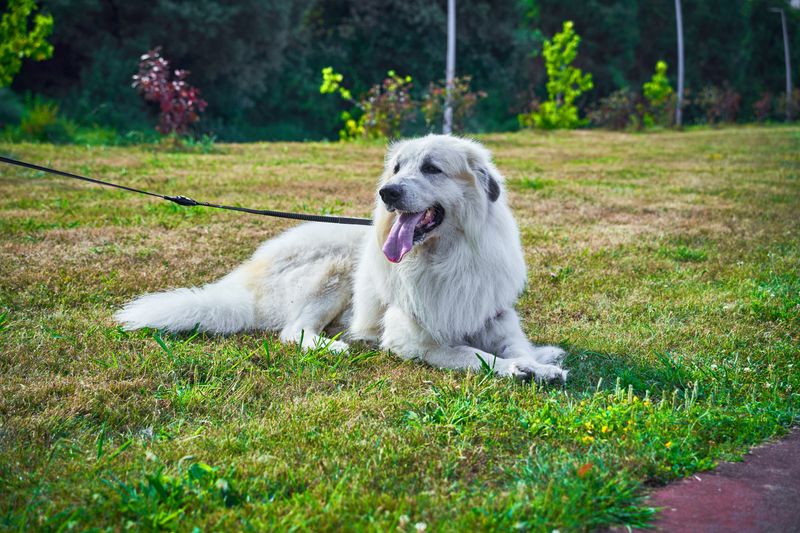
Great Pyrenees were bred to make independent decisions on lonely hillsides, so vague house rules confuse them. They often default to night patrols, perimeter barking, and strategic nap locations that cover exits.
Consistent boundaries, sound desensitization, and rewarding quiet choices teach them that the home is secure. Your steady leadership replaces the wind and stars as their guide.
Schedule evening decompression walks and indoor settle sessions to preempt midnight alerts. Teach a speak cue followed by a quiet cue so you can acknowledge and end alarms.
Reinforce calm watching from a mat near a window. Provide jobs like carting or nosework.
With patient structure and daily routines, your Pyr trades lonely-shepherd duty for cooperative, peaceful companionship.
Anatolian Shepherd Dog
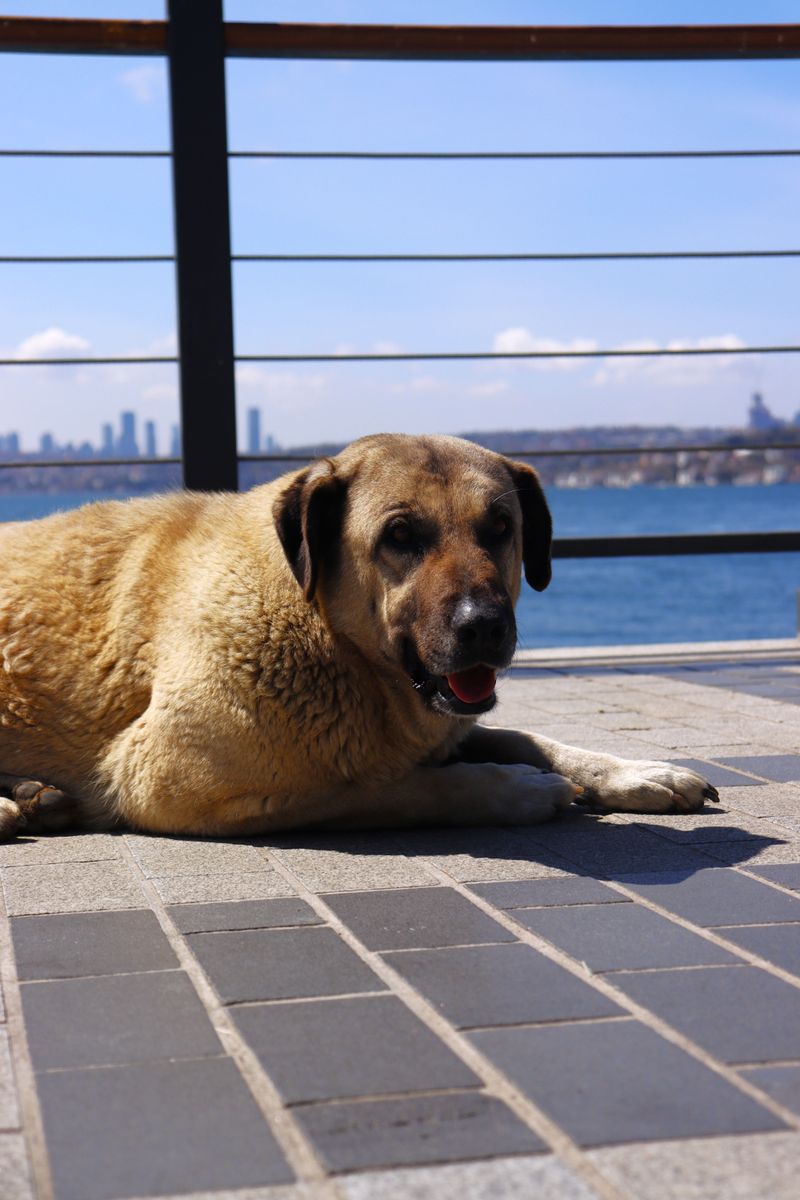
Anatolian Shepherds are deliberate, powerful thinkers built to solve problems without supervision. In a home without consistent rules, they may choose sleeping spots that command views, challenge random noises, or position themselves between you and visitors.
Clear leadership, controlled exposures, and calm routines help them save that intensity for genuine needs. Your predictable cues become their weather report.
Teach strong obedience patterns that transition into relaxed settling. Practice long downs near doors, then pay richly for staying put while life happens.
Use leash handling and figure-eight walking to soften rigidity. Provide purposeful work like pulling, tracking, or livestock-style boundary games.
With patient consistency and generous rest, your Anatolian channels ancestral duty into steady, cooperative presence.
Chow Chow
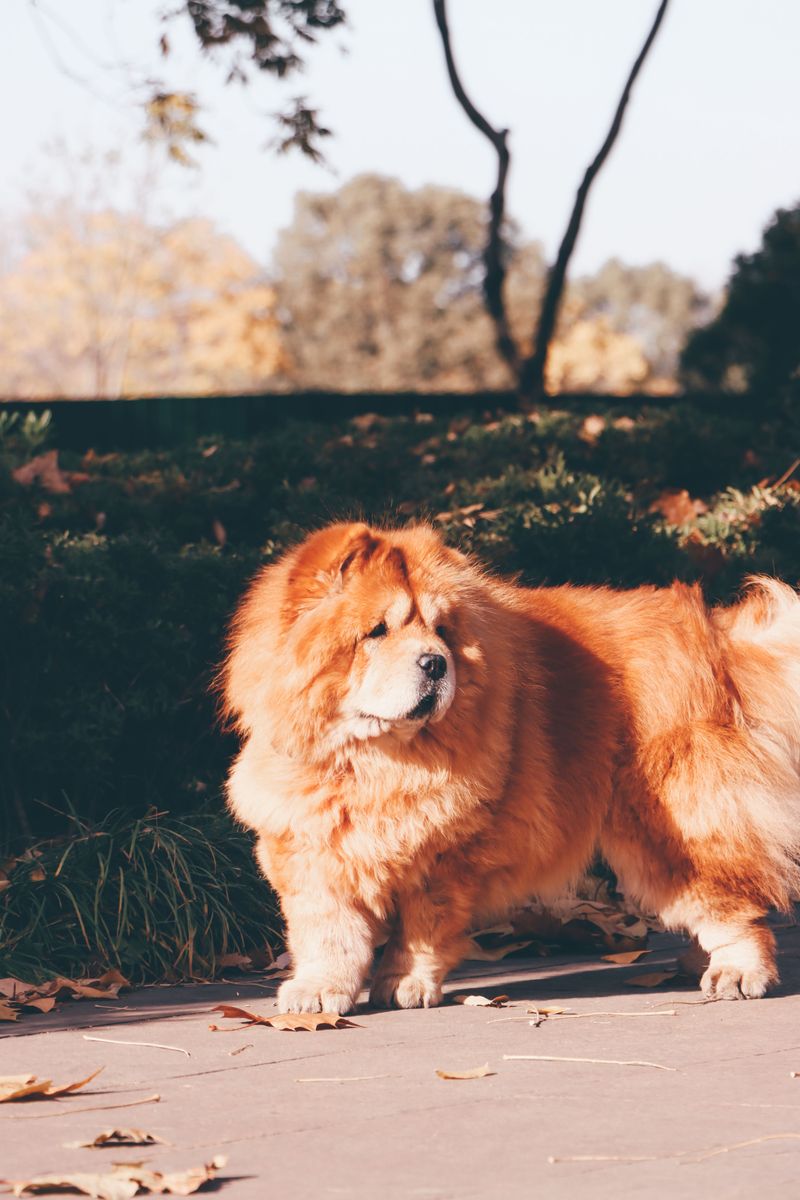
Chow Chows carry a cool, catlike vibe that can slide into aloof guarding when guidance is unclear. Inconsistent boundaries invite them to plant at thresholds, laser-focus on guests, or snark about personal space.
Predictable routines, gentle handling, and positive introductions help them interpret bustle without feeling pressured to control it. Your calm certainty reassures this thoughtful breed.
Keep training short and sunny, reinforcing soft eyes, loose faces, and easy movement. Teach hand targets and place to build cooperative habits.
Use slow exposure to noise and visitors, pairing quiet observation with tasty rewards. Offer puzzle feeders and sniff walks for low-arousal enrichment.
With fair rules and patient repetition, your Chow becomes a composed roommate rather than a frosty security guard.
American Bulldog
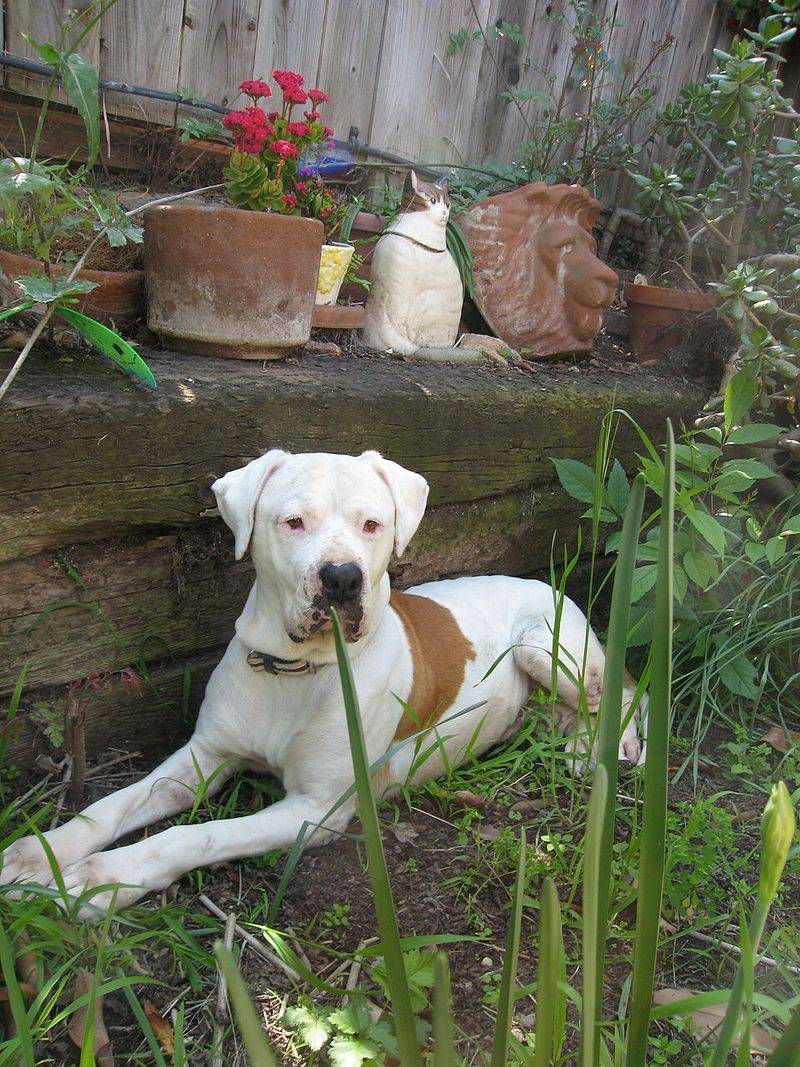
American Bulldogs are bouncy, enthusiastic workers who love being helpful, and unclear rules can channel that drive into bossy guarding. Without structure, they may muscle into doorways, park near kids, or patrol fences like it is a full-time job.
Simple routines, confident handling, and plenty of outlets keep their big hearts and big bodies balanced and polite.
Teach impulse control with sit-stay at thresholds, then reward calm release. Blend tug, flirt pole, and obedience to practice arousal changes.
Reinforce loose leash walking and mat settling during visitors. Offer strength games like controlled pulls and hill work.
With steady expectations, social practice, and daily exercise, your American Bulldog trades neighborhood cop energy for friendly, reliable companionship.