Some dogs look a lot like wolves, but that does not mean they are part wolf. Shape, coat, and color can trick our eyes.
Knowing the difference helps families choose the right pet and care for it well. Meet ten breeds that prove the look is only part of the story.
Siberian Husky
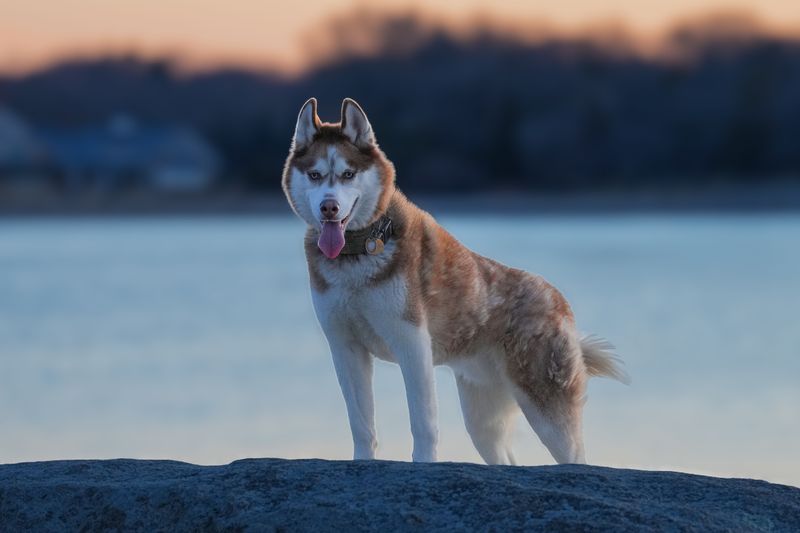
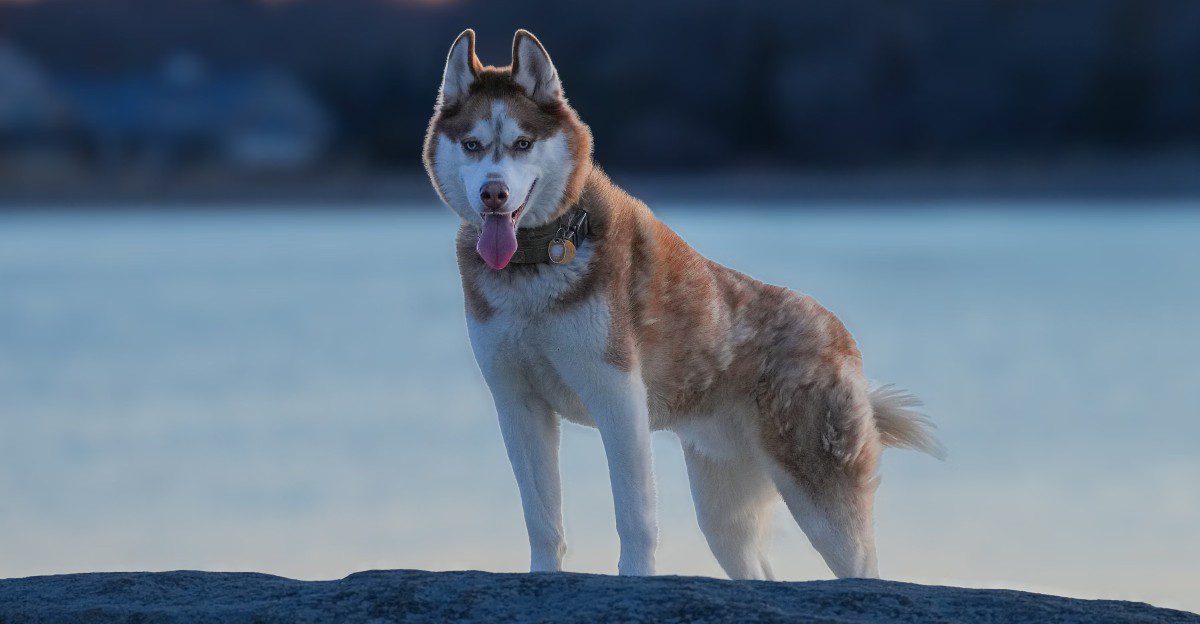
Blue eyes catch attention fast, but a Husky is a domestic dog through and through. Bred to pull sleds and live with people, they bond closely with families.
That wild look comes from arctic features like thick coats, pointed ears, and lean bodies, not from recent wolf relatives.
Plan for high energy. Daily running, puzzle games, and secure fencing reduce escape attempts and boredom.
If you want the style without myths, ask breeders or rescues about temperament, exercise needs, and how the dog handles heat.
Alaskan Malamute
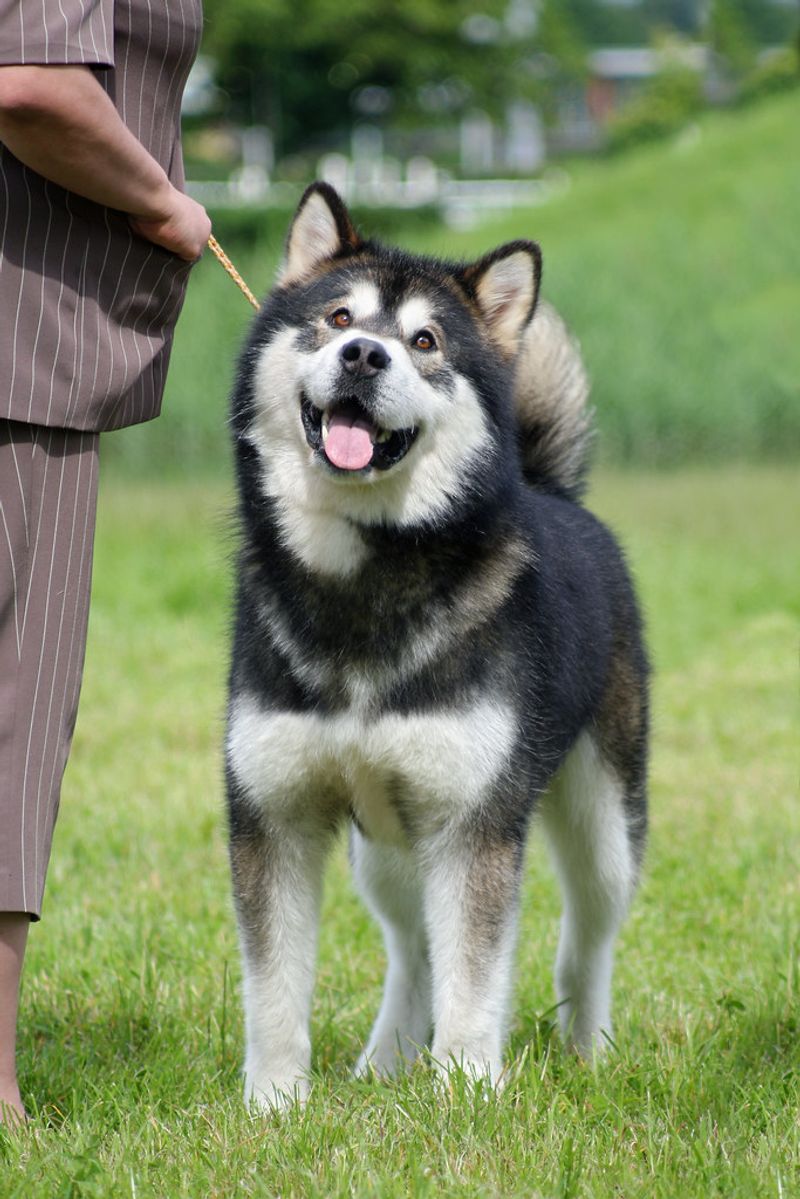
Big paws and a bear-like build make Malamutes look wild, yet their story is about teamwork with humans. They hauled heavy loads for Arctic communities and slept near tents for warmth.
The calm, confident face hints at endurance, not wolf blood.
Expect strength and stubborn smarts. Weight-pull sports, carting, and long hikes keep that powerful body happy.
Teach polite leash skills early, manage greetings kindly, and brush often to handle seasonal shedding without stress.
German Shepherd
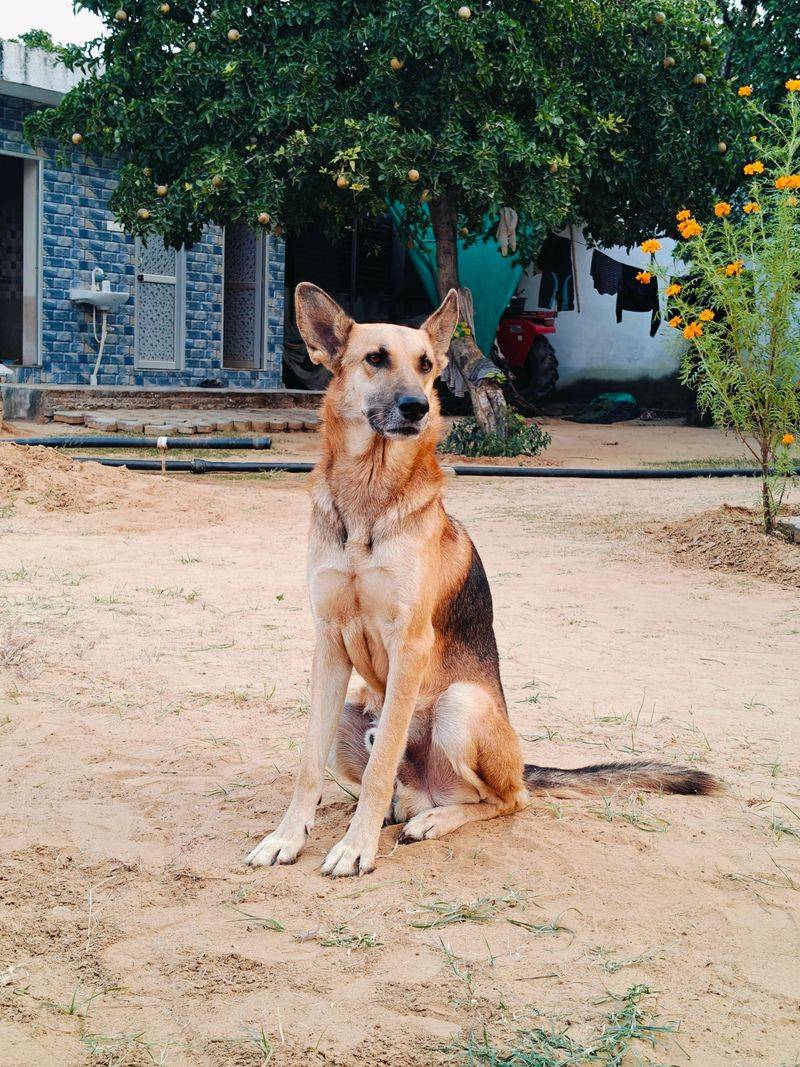
Police videos and heroic stories can make Shepherds seem fierce and primal, but they are carefully bred herding dogs. Their wedge head, upright ears, and confident posture read as wolf-like.
Genetics still place them squarely among domestic dogs with specialized jobs.
Mental workouts matter most. Teach new tasks, practice scent games, and rotate obedience drills to channel sharp focus.
Balance that with steady exercise and hip-safe surfaces. A trusted routine builds a calm, steady partner.
Akita
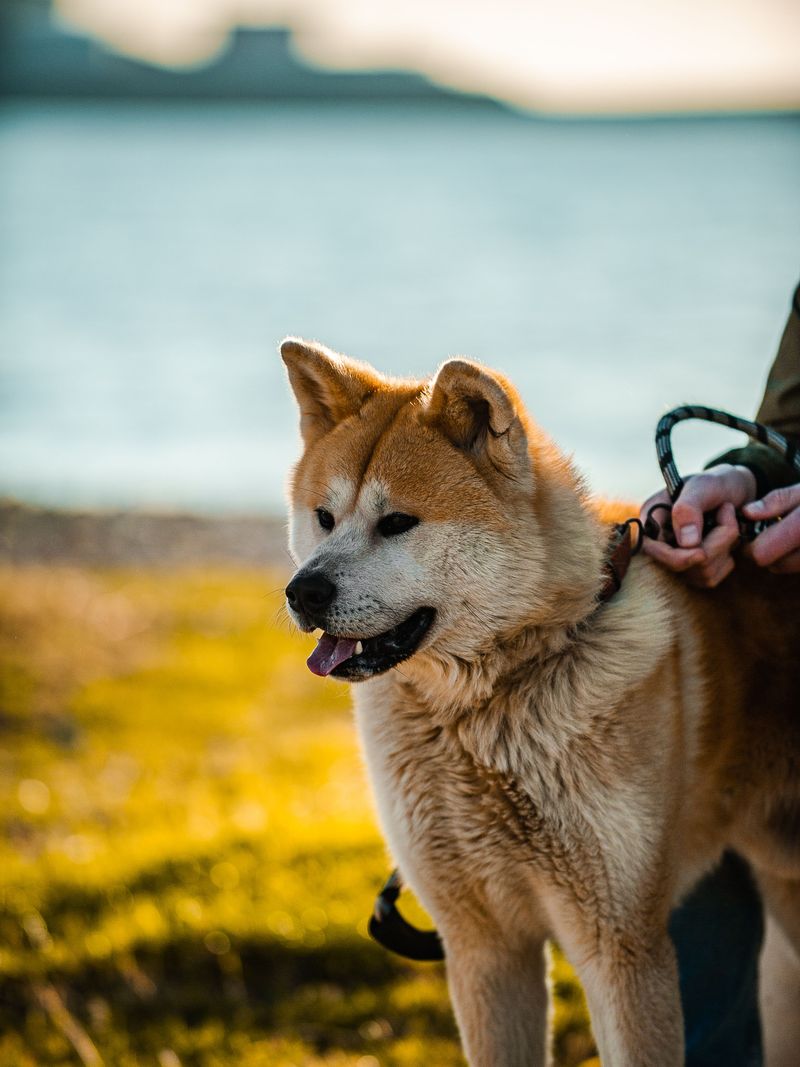
That noble stare can feel ancient, and it is, yet Akitas are not wolf mixes. Originating in Japan, they guarded homes and hunted large game beside people.
The curled tail and sturdy frame deliver a statuesque look that can be mistaken for something wilder.
Respectful leadership suits them best. Short, fair training sessions and patient socialization build trust.
Give them meaningful jobs like carrying a pack on walks, and maintain calm household rules to reduce pushy behavior.
Shiba Inu
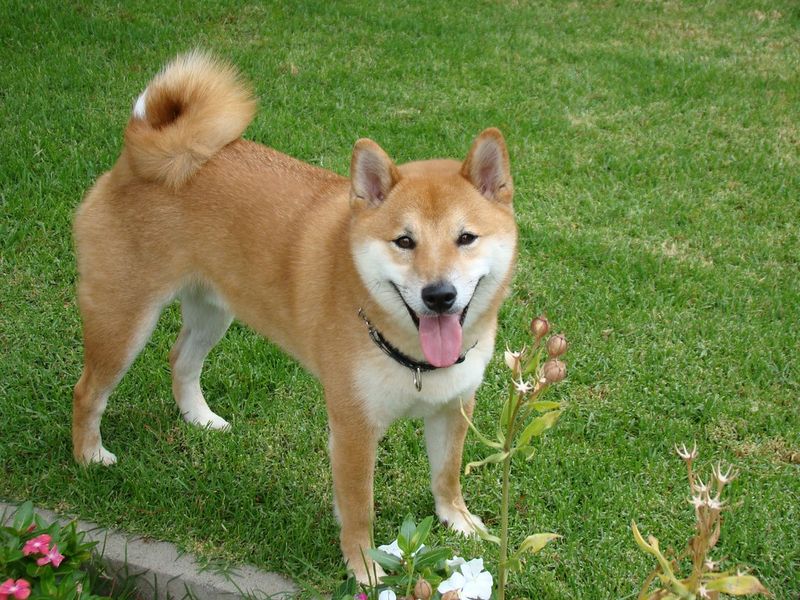
Small size, bold eyes, and a fox-red coat often spark wolf talk, yet Shibas are spunky companions from Japan. They were bred for agility and independence while hunting small game.
The tidy outline and curled tail simply hint at their spitz roots.
Channel that bright mind with trick training and short scent games. Keep walks engaging using varied routes and quick recalls.
Brush weekly, trim nails, and provide calm handling so the famous Shiba sass stays friendly and fun.
Samoyed
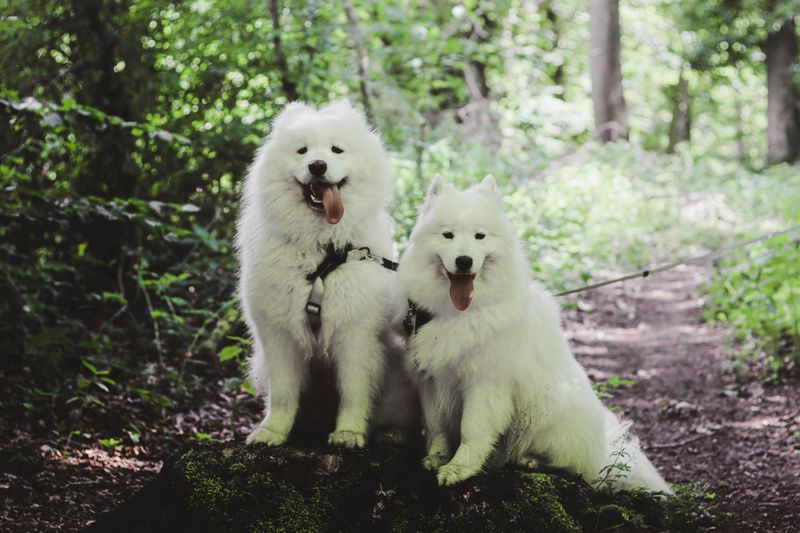
That bright grin and cloud-white coat draw crowds, and none of it signals wolf heritage. Samoyeds worked closely with Siberian families, herding reindeer and keeping children warm at night.
Their curved tail and thick coat evolved for cold comfort, not wild life.
Grooming turns magic here. Schedule regular brushing, use slicker and rake tools, and keep the coat clean and dry.
Add cooperative care games so nails, teeth, and baths become easy, not scary.
Norwegian Elkhound
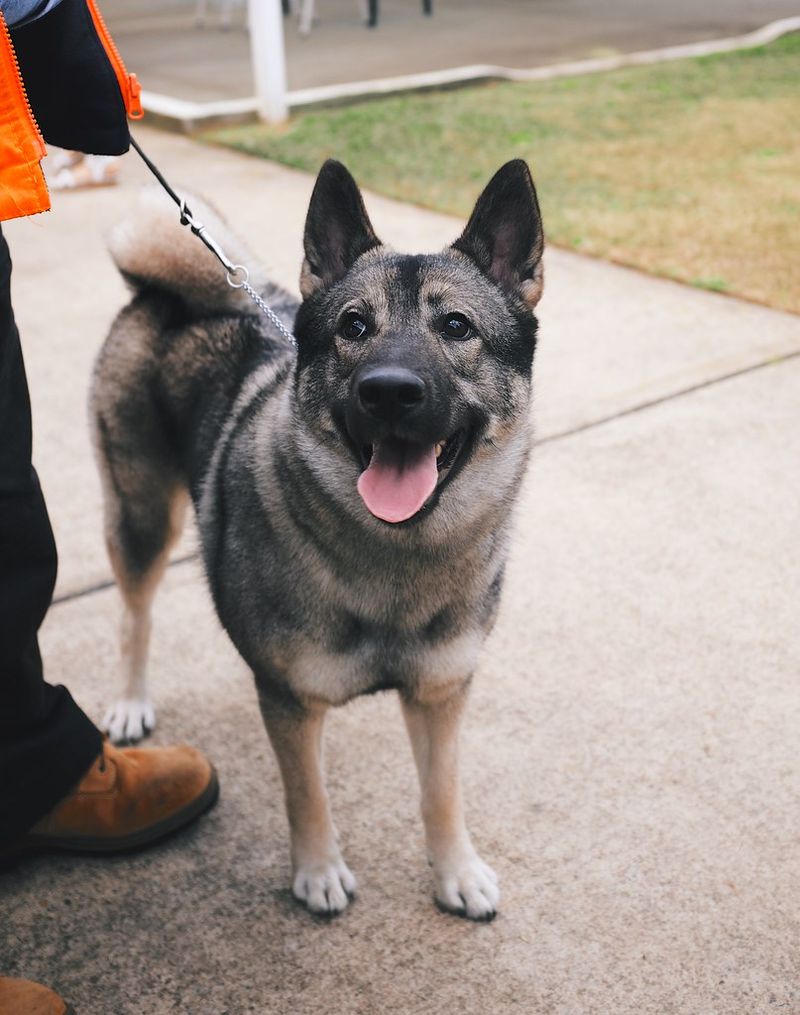
Stories of moose hunts make Elkhounds sound fierce, but they worked as trackers who stayed with hunters. The gray coat, curled tail, and keen eyes seem wolfish at a glance.
In truth, they are sturdy spitz dogs tuned for endurance and chilly weather.
Give them a job like nosework or hike guiding. Consistent recall training and secure yards help with their independent streak.
Moderate grooming and plenty of conversation time keep these social dogs content.
Finnish Lapphund
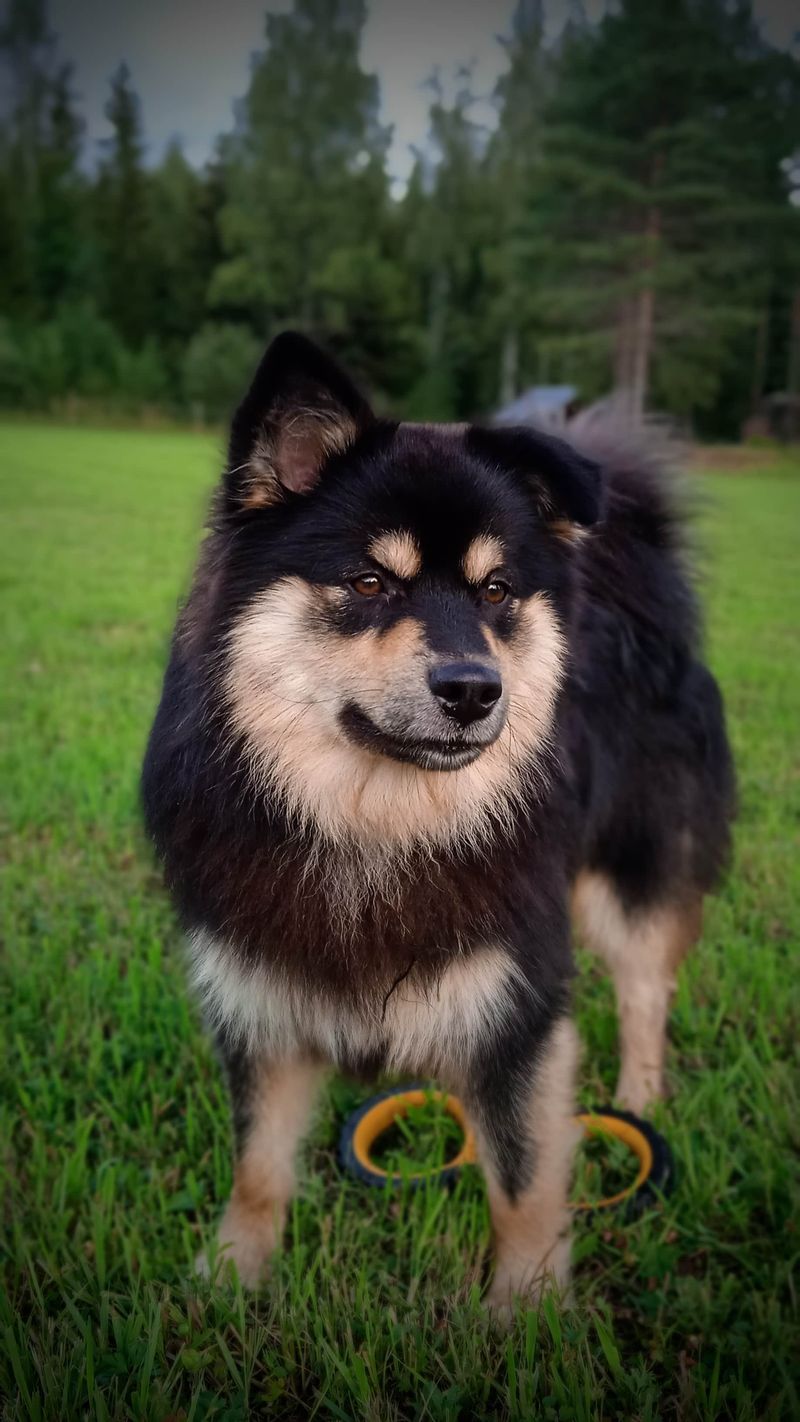
Gentle eyes and a shaggy outline look primitive, yet Lapphunds are reindeer herders shaped by family life in the north. Their coat, ears, and tail fit the cold, which can read as wolf-like.
The real story is cooperation, quick learning, and calm reactions around skittish animals.
Short training bursts work best. Practice quiet stays, loose-leash walking, and confident greetings.
Rotate soft toys for indoor play and keep nails tidy for snowy or rocky trails.
Keeshond
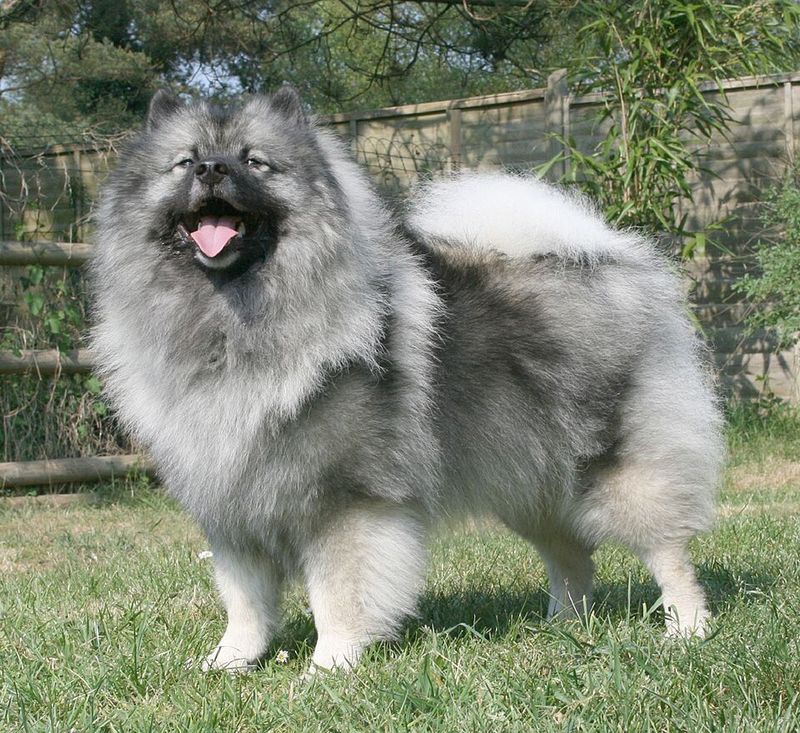
Those glasses-like facial markings make a Keeshond unforgettable, and the gray fluff can suggest wild roots. In reality, they were barge companions and home watchdogs in the Netherlands.
The friendly smile and people focus tell the real tale of a social, domestic dog.
Teach polite greetings to match their enthusiasm. Regular brushing prevents mats, and brisk walks maintain fitness.
Puzzle feeders and short obedience games give their curious brain something useful to do each day.
Swedish Vallhund
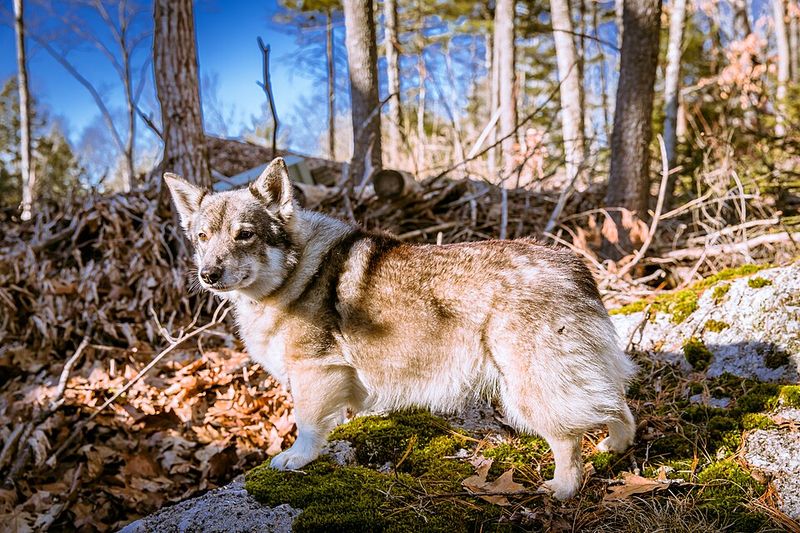
Corgi height meets a wolfish face, and that contrast turns heads. Vallhunds are ancient Swedish herders, not hybrids.
The sable coat, prick ears, and alert gaze create the wild vibe, while their true job was to move cattle and outsmart stubborn hooves.
Introduce fun herding games with balls and obstacle cones. Keep sessions brisk, reward frequently, and protect long backs with ramps and careful jumps.
A cheerful routine builds a confident, witty companion.